












Acne is one of the most common skin conditions worldwide, yet it is still widely misunderstood. Often dismissed as a cosmetic issue, acne is actually a chronic inflammatory condition influenced by oil production, hormones, skin barrier health, bacteria, inflammation, and lifestyle factors.
When acne is not understood or treated correctly, it can progress from temporary breakouts to long-lasting pigmentation and permanent scarring. That’s why a science-based, diagnostic approach matters.
What Is Acne, Medically Speaking?
Acne develops when several biological processes occur simultaneously:
-
Excess sebum (oil) production
-
Blockage of hair follicles due to dead skin cell buildup
-
Overgrowth of Cutibacterium acnes bacteria
-
Hormonal fluctuations (case dependent)
-
Inflammation and impaired skin barrier
Depending on severity and duration, acne can present as:
-
Whiteheads and blackheads
-
Papules and pustules
- Nodules and cysts
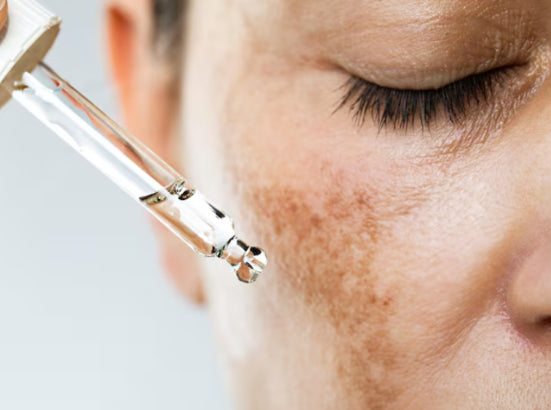
- Postinflammatory pigmentation
- Permanent scars (in some cases)
Acne is not caused by dirt or poor hygiene. It is a medical condition.
The Four Core Biological Mechanisms Behind Acne
-
Follicular hyperkeratinisation
Excess dead skin cells clog pores. -
Sebum overproduction
Influenced by genetics, hormones, stress physiology, and individual triggers. -
Bacterial proliferation
Blocked pores create an environment where inflammation can increase. -
Inflammation and barrier damage
Prolonged inflammation raises the risk of marks and scarring.
Hormonal Acne: Why It Behaves Differently
Hormonal pattern acne often appears as:
-
Deep, painful cysts
-
Jawline or lower face involvement
-
Monthly or stress-linked flare-ups
It is commonly seen during puberty, in PCOS, around menstrual cycles, during high-stress periods, or postpregnancy. These patterns usually require medical evaluation rather than topical care.
Different Types of Acne and Post-Acne Concerns
Noninflammatory acne
-
Whiteheads
-
Blackheads
Inflammatory acne
-
Papules
-
Pustules
-
Nodules
-
Cysts
Postacne concerns
-
Dark spots (PIH)
-
Red marks (PIE)
-
Uneven texture
-
Scarring
Each category requires a different management strategy.
Understanding Acne Scars
Acne scars form when inflammation damages collagen during healing.
Atrophic (depressed) scars
-
Ice pick scars
-
Boxcar scars
-
Rolling scars
Hypertrophic or keloid scars
-
Raised, thick scars due to excess collagen
No single treatment works for all scars. Correct classification is essential.
How Acne and Scars Are Treated Medically
Dermatology-led acne care usually involves a combination of:
-
Prescription topical and oral medications
-
Chemical peels (case dependent)
-
Safe comedone extraction
-
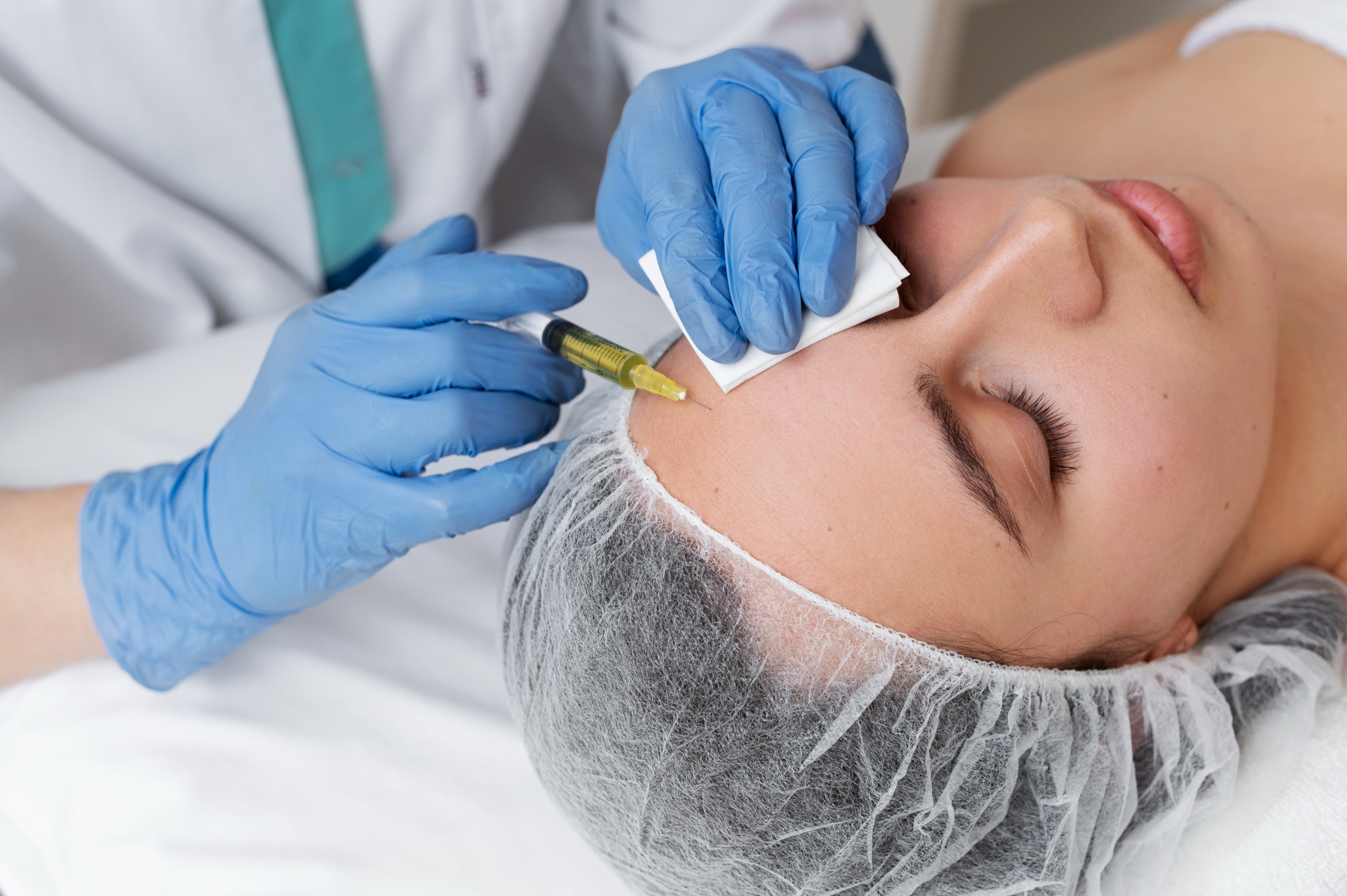
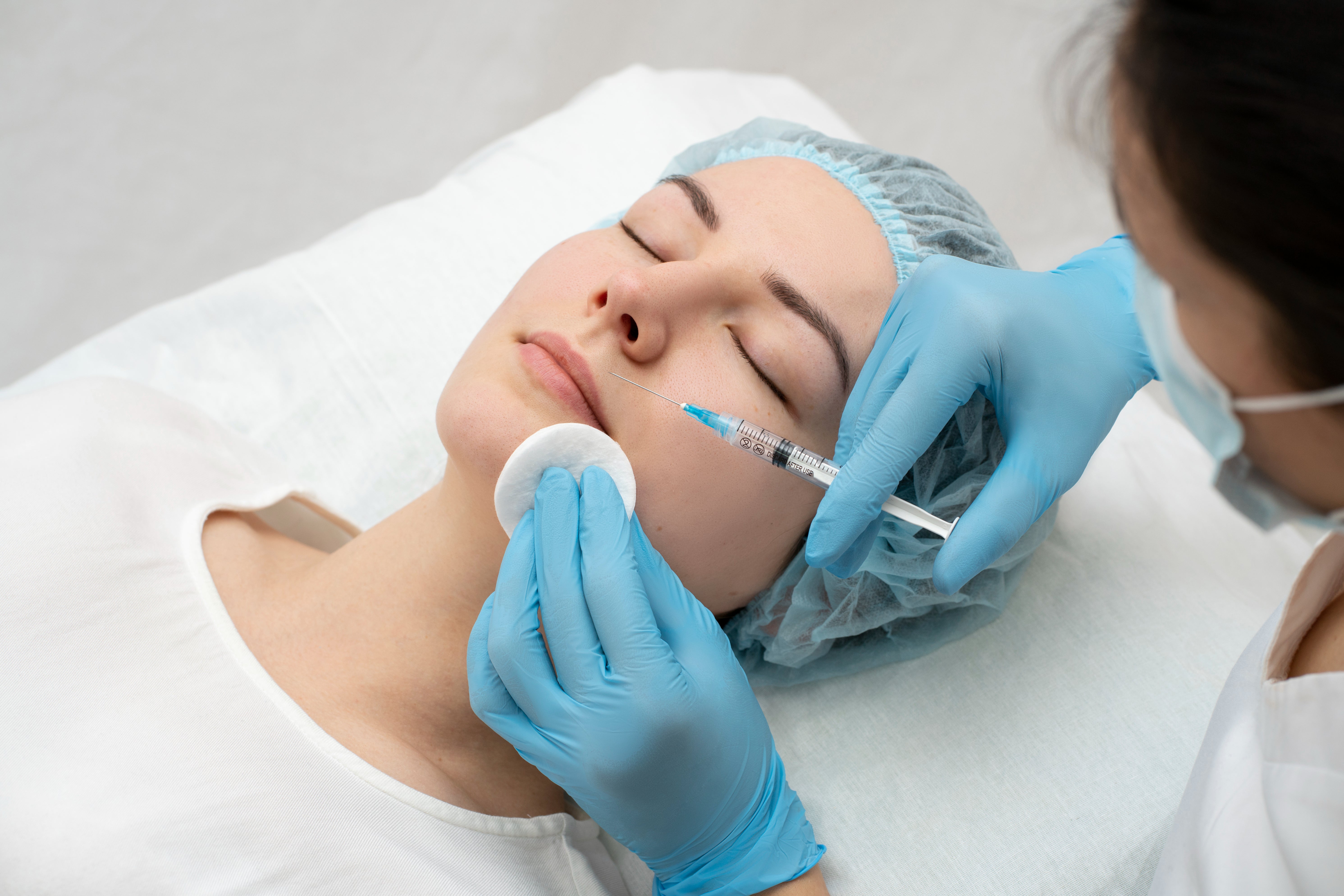
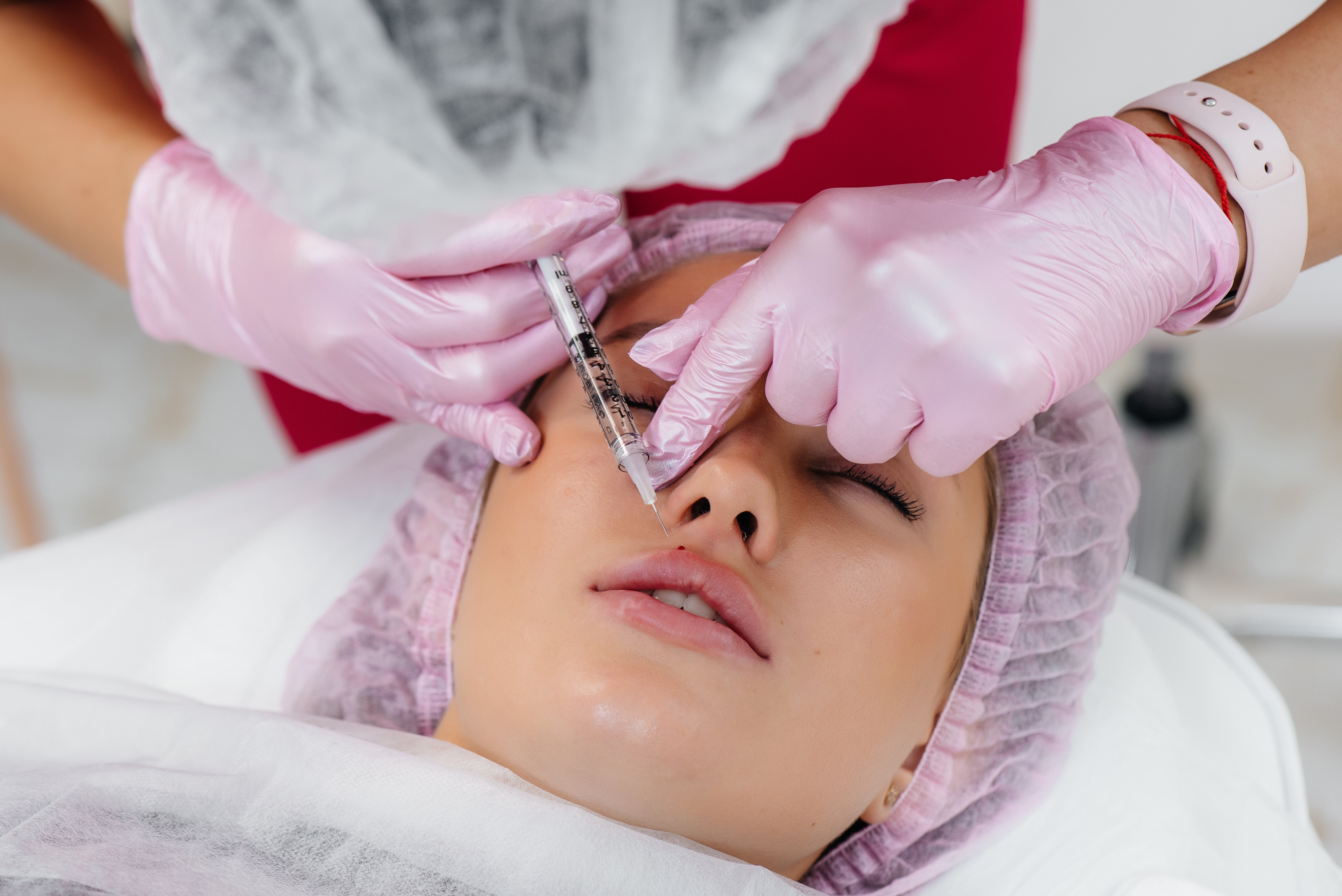
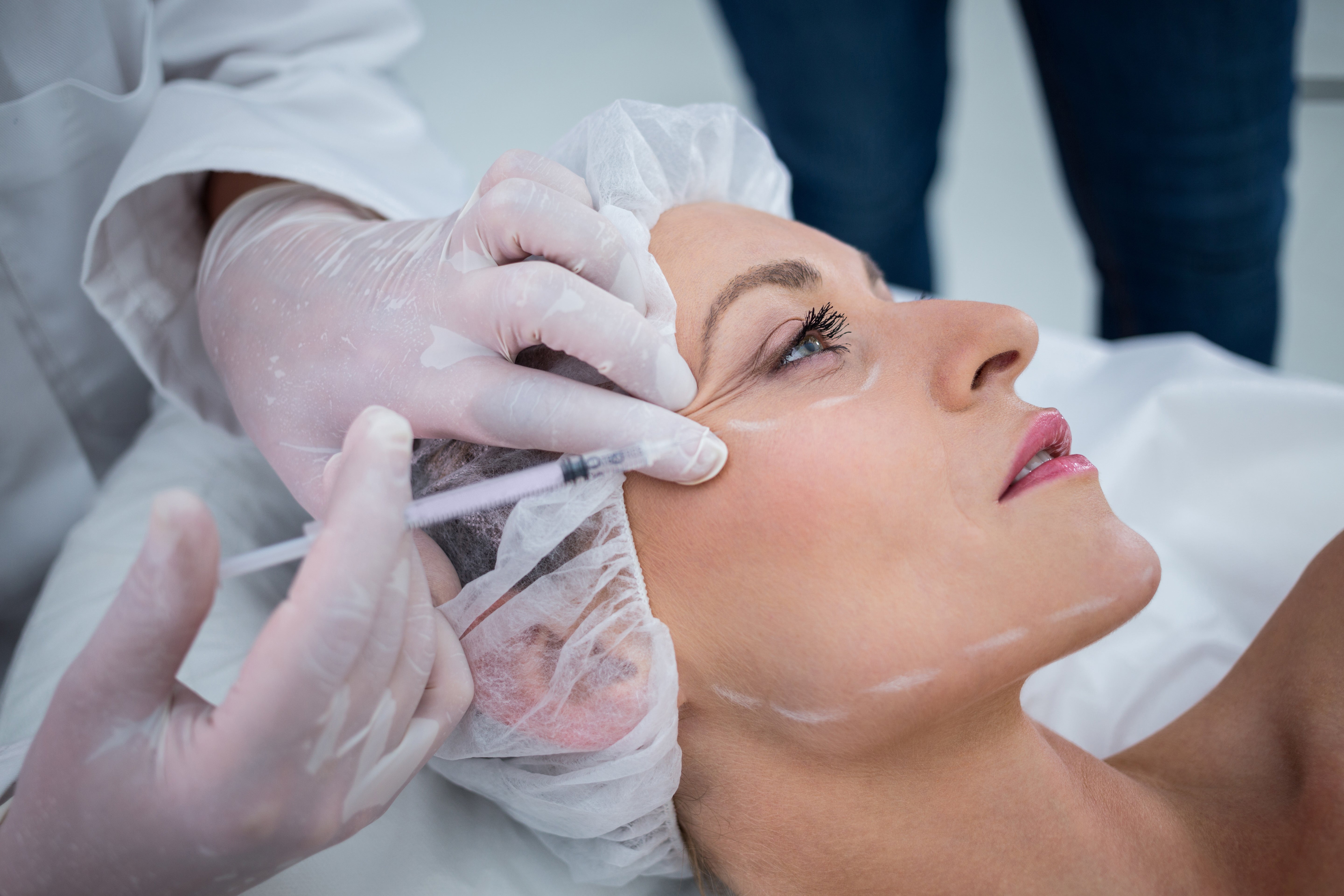
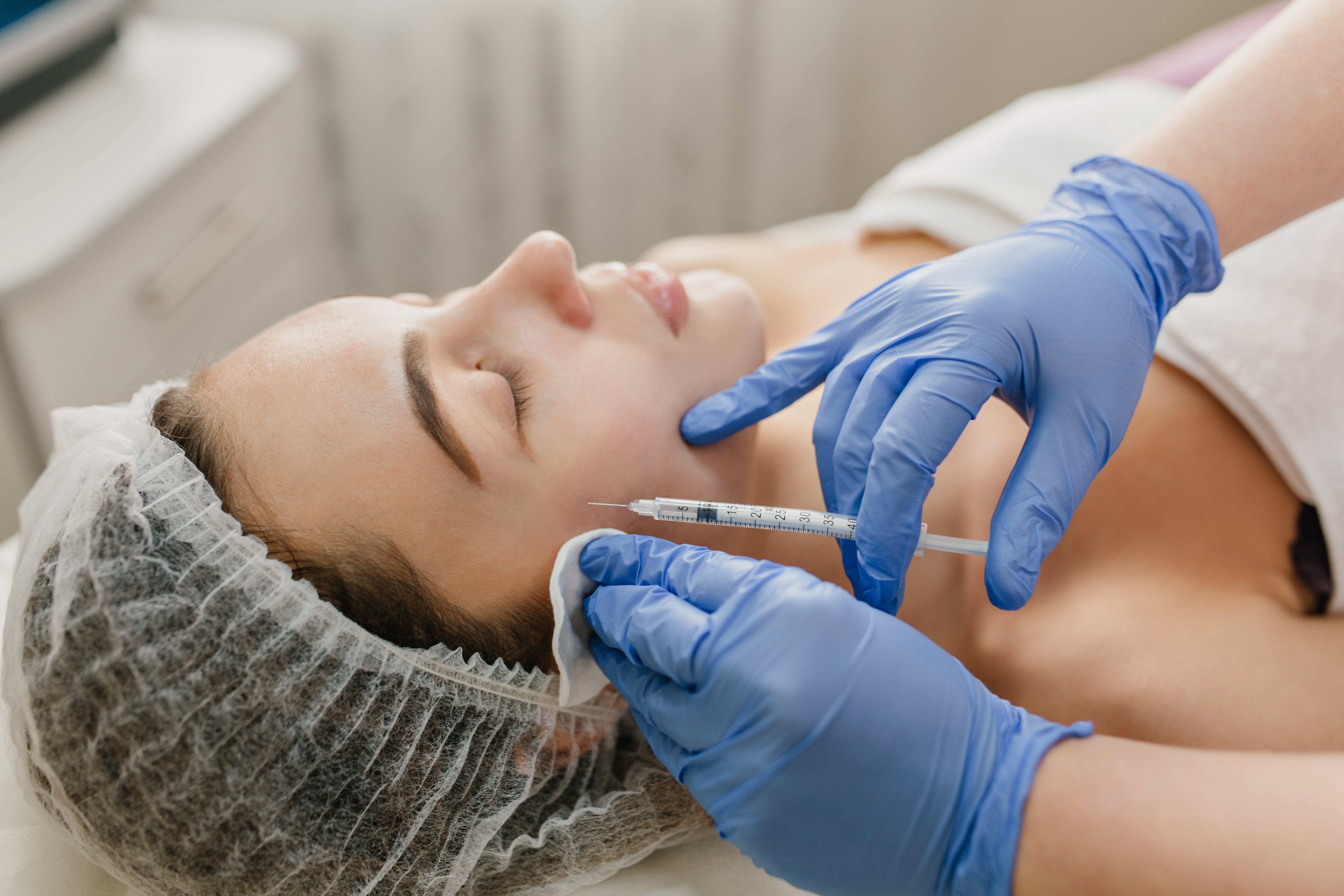
Intralesional injections for inflamed cysts
-
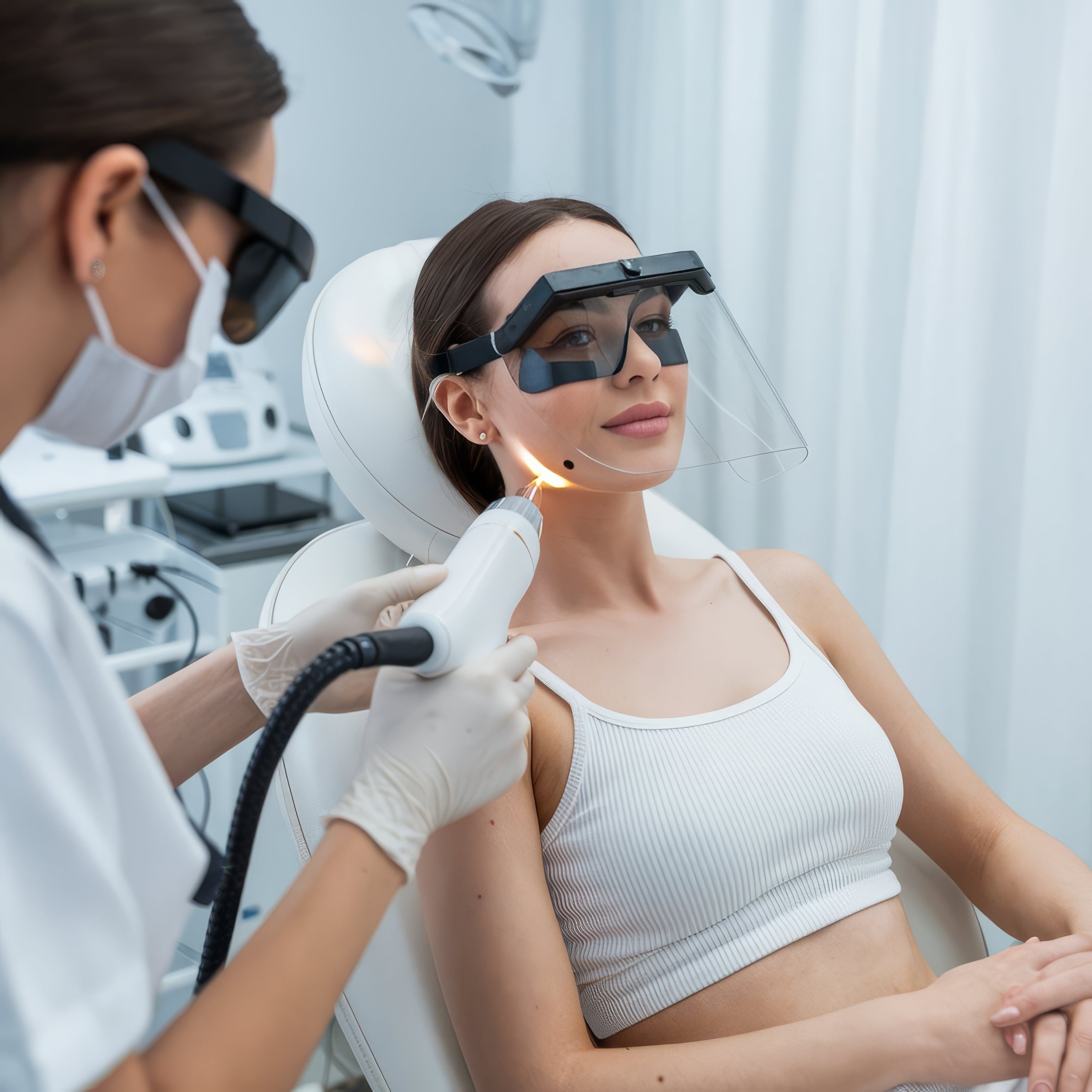
Laser or light-based therapies (where appropriate)
-
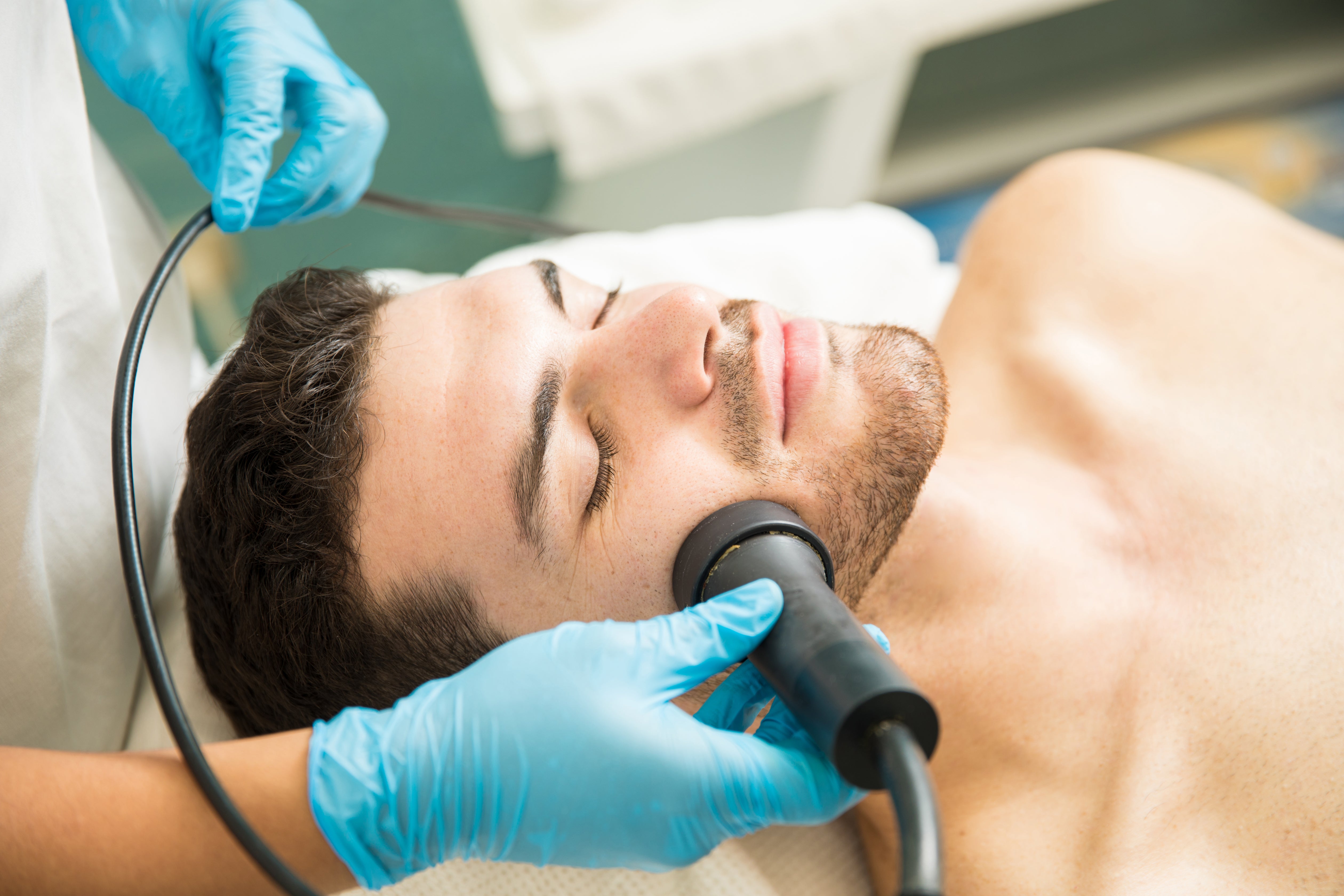
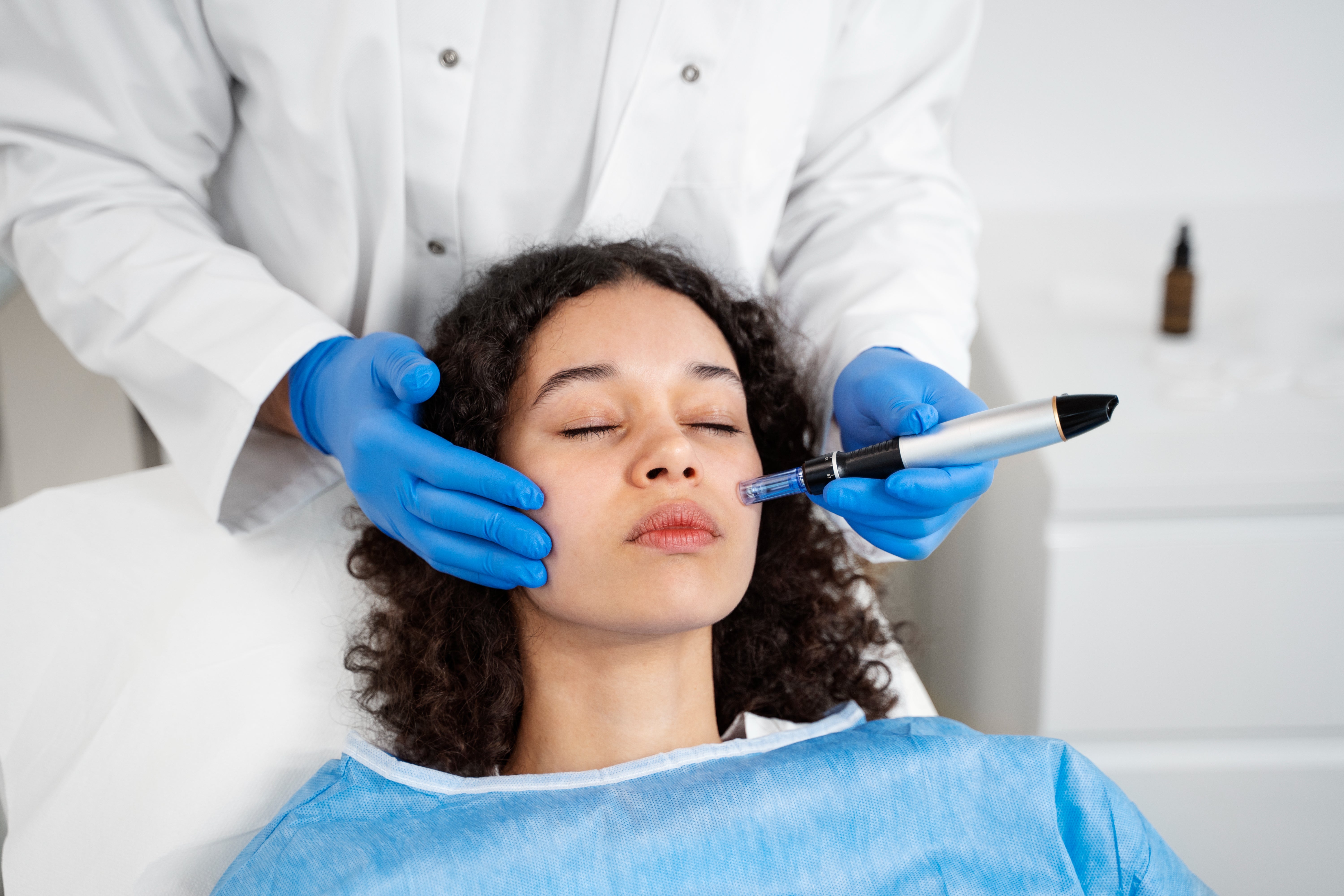
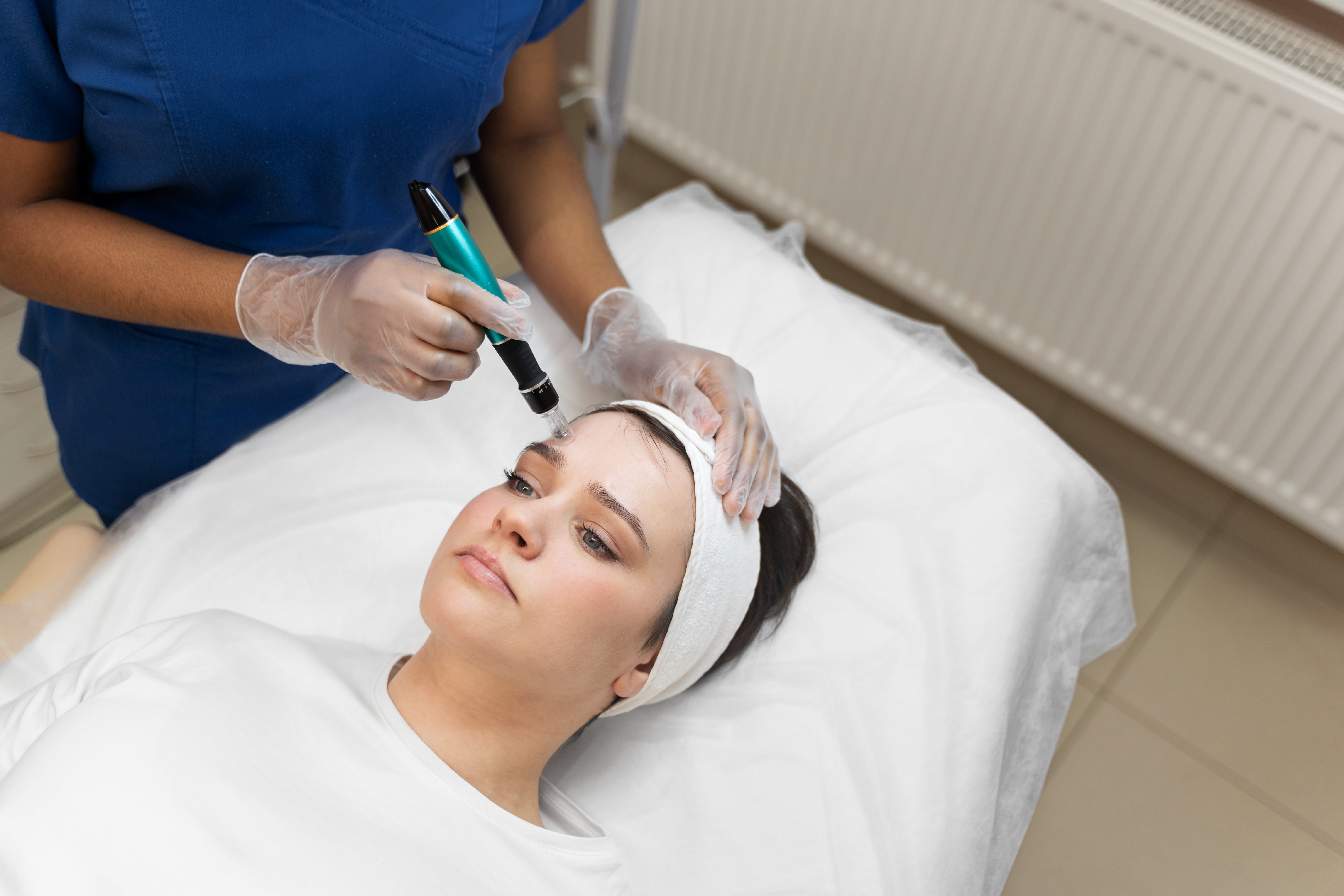
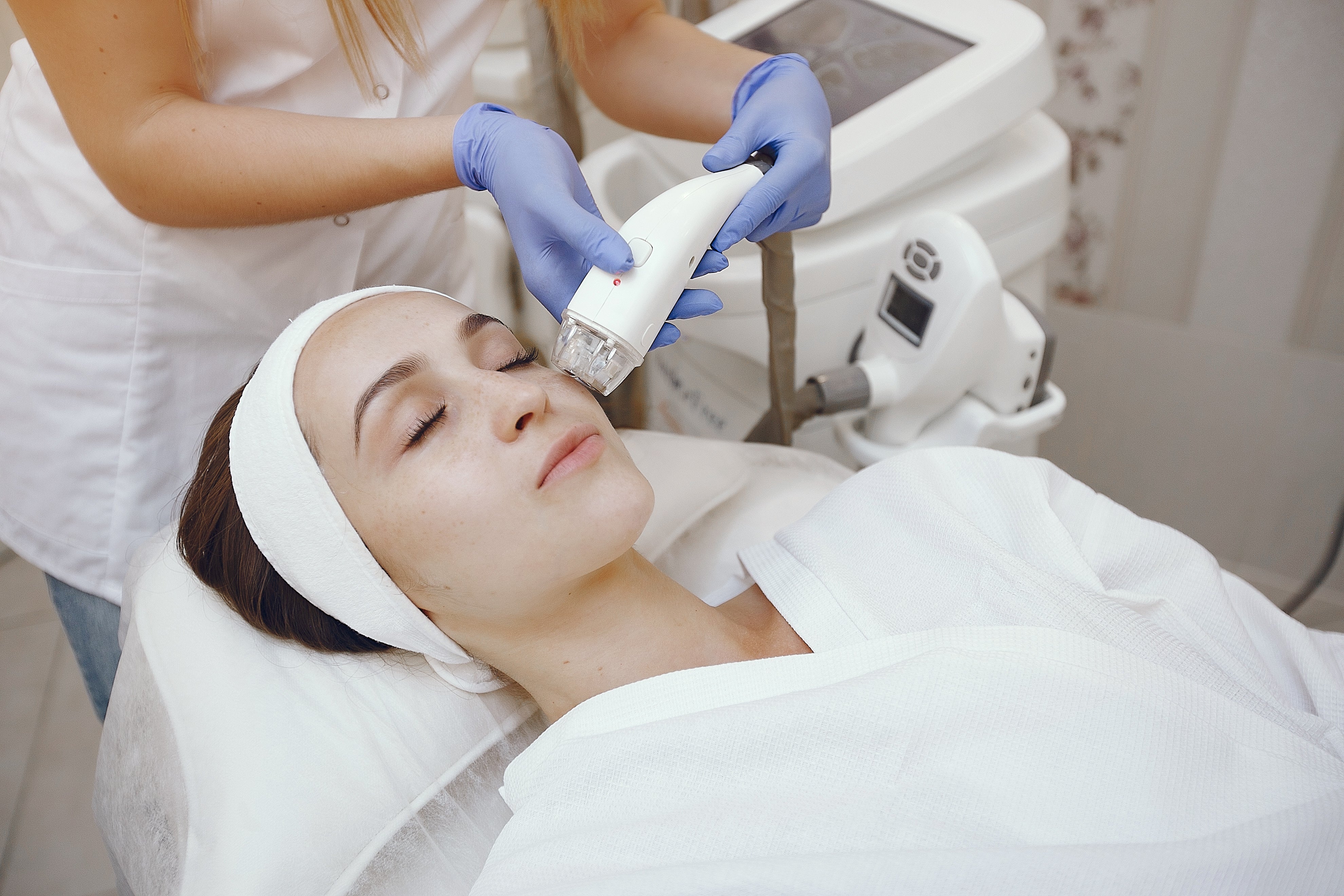
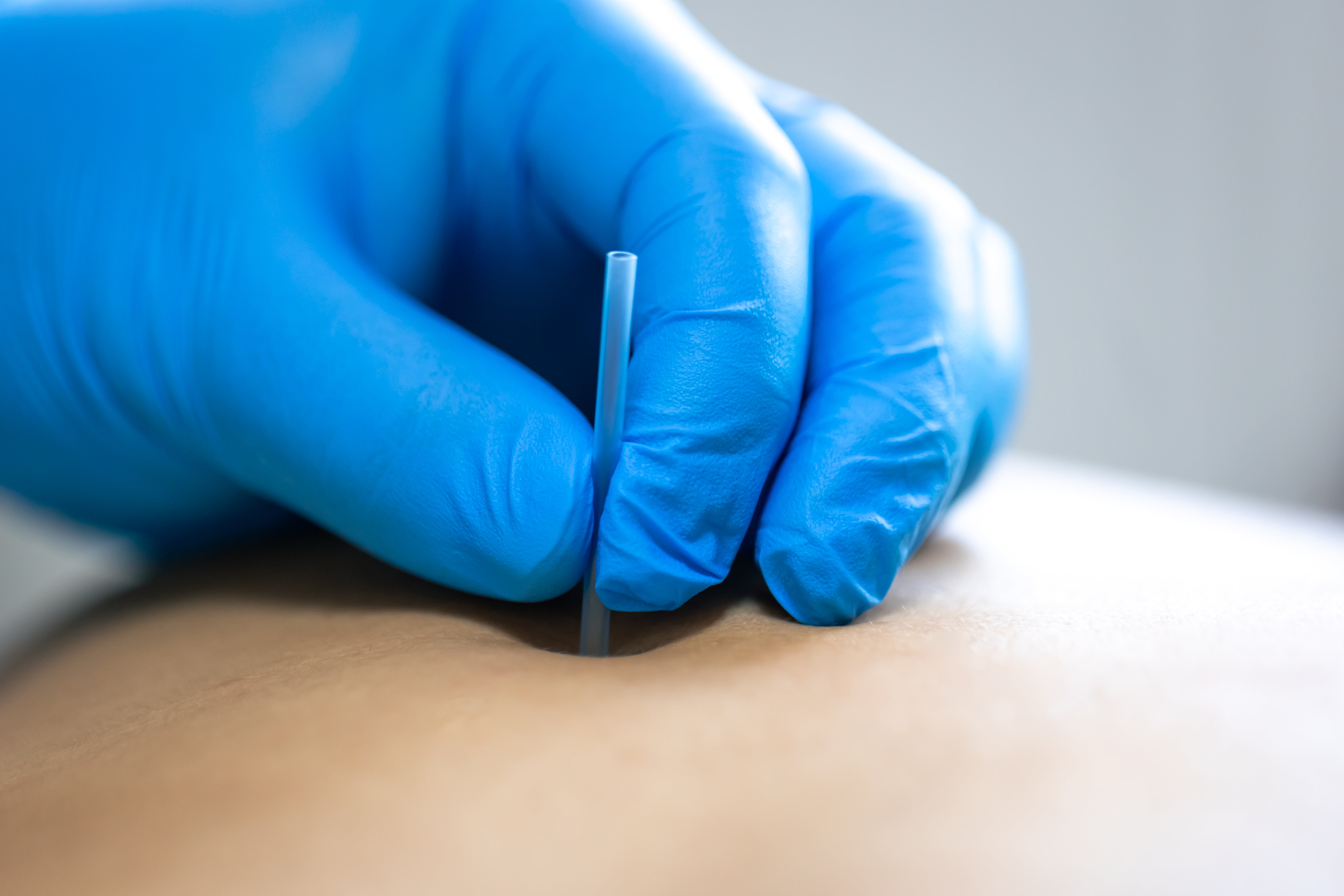
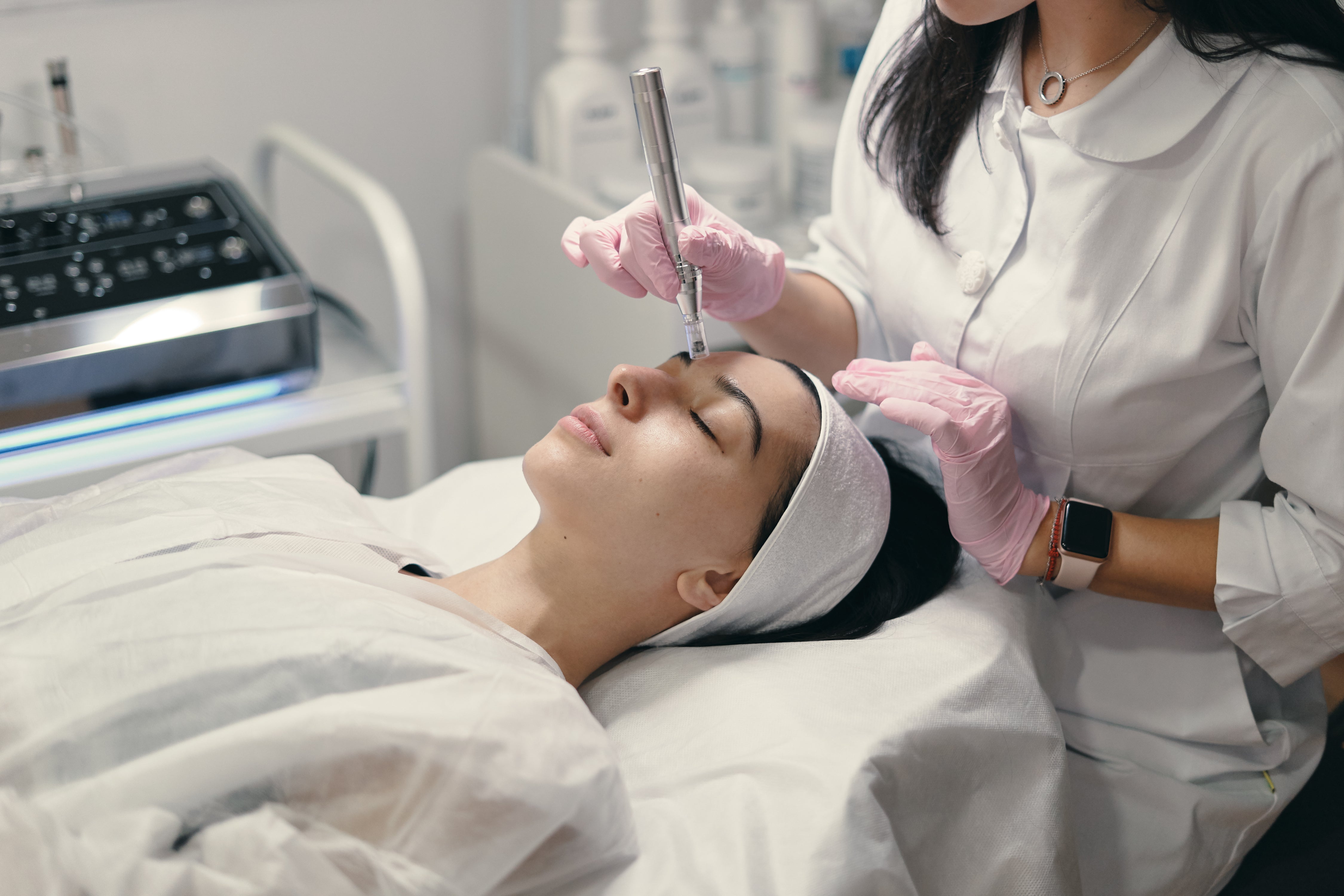
Microneedling,radiofrequency, subcision, or fractional lasers for scars
-
Targeted techniques such as TCA CROSS for specific scar types
Treatment plans are customised based on acne severity, scar type, skin biology, and tolerance.
Realistic Timelines for Improvement (Case Dependent)
-
Mild acne: 4–8 weeks
-
Moderate acne: 8–12 weeks
-
Severe or hormonal acne: 3–6 months
For scars and marks, visible improvement usually requires multiple sessions and combination therapy. Complete removal is uncommon, but significant improvement is achievable for many individuals.
Final Thoughts
Clear skin is not achieved through harsh products or shortcuts. It comes from understanding why acne occurs, supporting the skin barrier, managing internal triggers, and using evidence-based treatments consistently.
When acne persists, scars, or affects quality of life, professional dermatological guidance can make a meaningful difference.


