











Acne is one of the most common skin conditions, yet also one of the most misunderstood. It’s often treated as a surface-level problem when, in reality, acne is a medical condition influenced by hormones, inflammation, skin barrier health, lifestyle factors, and individual biology.
Understanding why acne occurs is the first step toward managing it effectively and preventing longterm damage like pigmentation and scarring.
What Actually Causes Acne?
Acne develops when multiple internal and external factors interact:
Biological contributors
-
Excess oil (sebum) production
-
Blocked hair follicles from oil and dead skin cells
-
Overgrowth of Cutibacterium acnes bacteria
-
Hormonal fluctuations (teenage years, PCOS patterns, stress-related cortisol changes)
-
Chronic skin inflammation
-
Weak or damaged skin barrier
Lifestyle & environmental triggers
-
High glycaemic or dairy-heavy diets (person dependent)
-
Chronic stress and poor sleep
-
Inappropriate or comedogenic skincare
-
Pollution, sweat, and humid climates
Because these triggers differ from person to person, acne treatment is never one-size-fits-all.
Different Types of Acne Need Different Approaches
Acne can present in many forms:
-
Whiteheads and blackheads
-
Inflammatory papules and pustules
-
Painful nodules and cysts
-
Body acne on the back, chest, or shoulders
Each type behaves differently and requires a customised medical strategy rather than generic products or quick fixes.
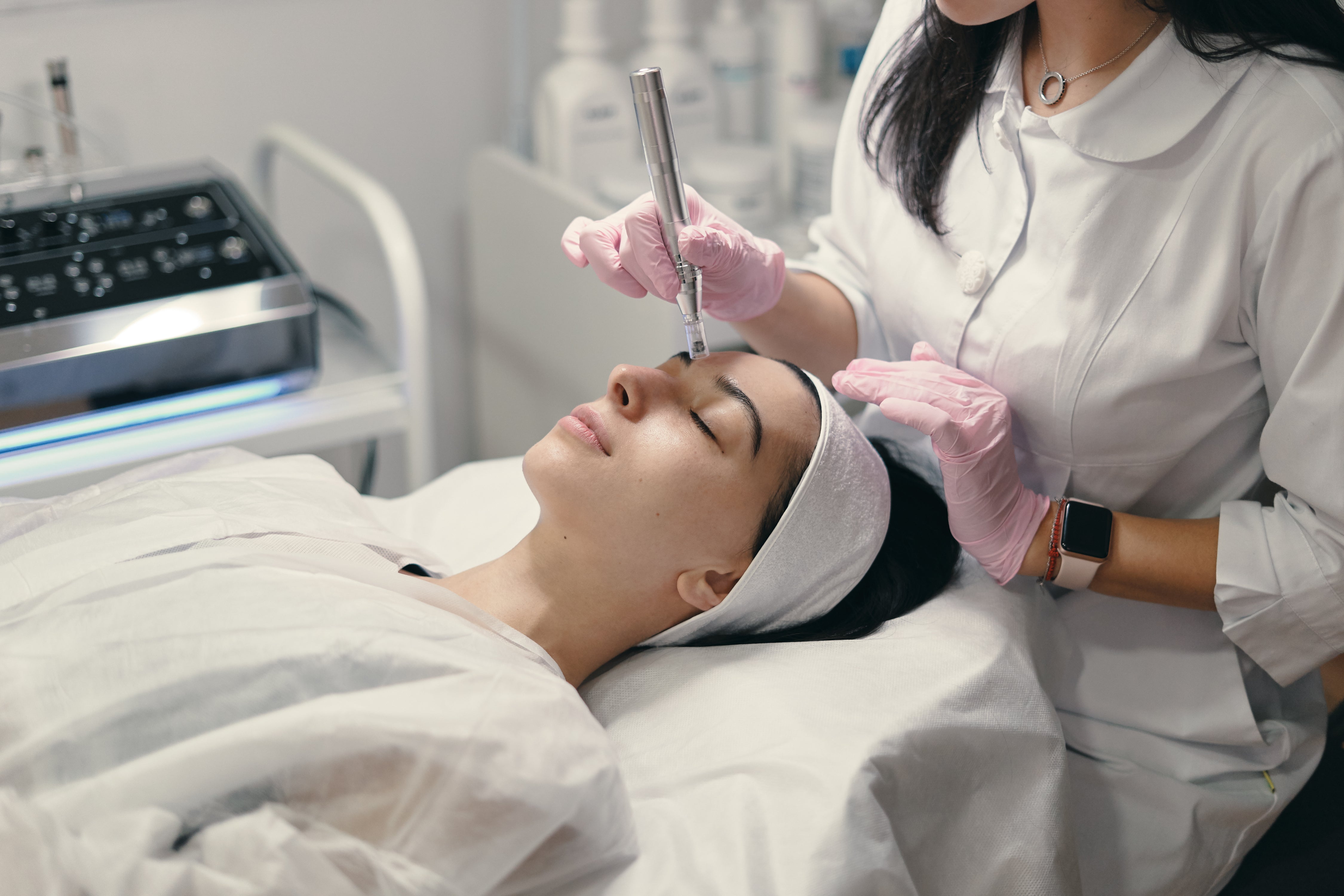
How Dermatologists Treat Acne Medically
Modern dermatology focuses on controlling acne at multiple levels:
1. Medical Topicals & Oral Therapy
Used to regulate oil production, prevent clogged pores, reduce bacteria, and calm inflammation. These may include retinoids, antibiotics (short-term), hormonal modulation (when indicated), and barrier-repair formulations.
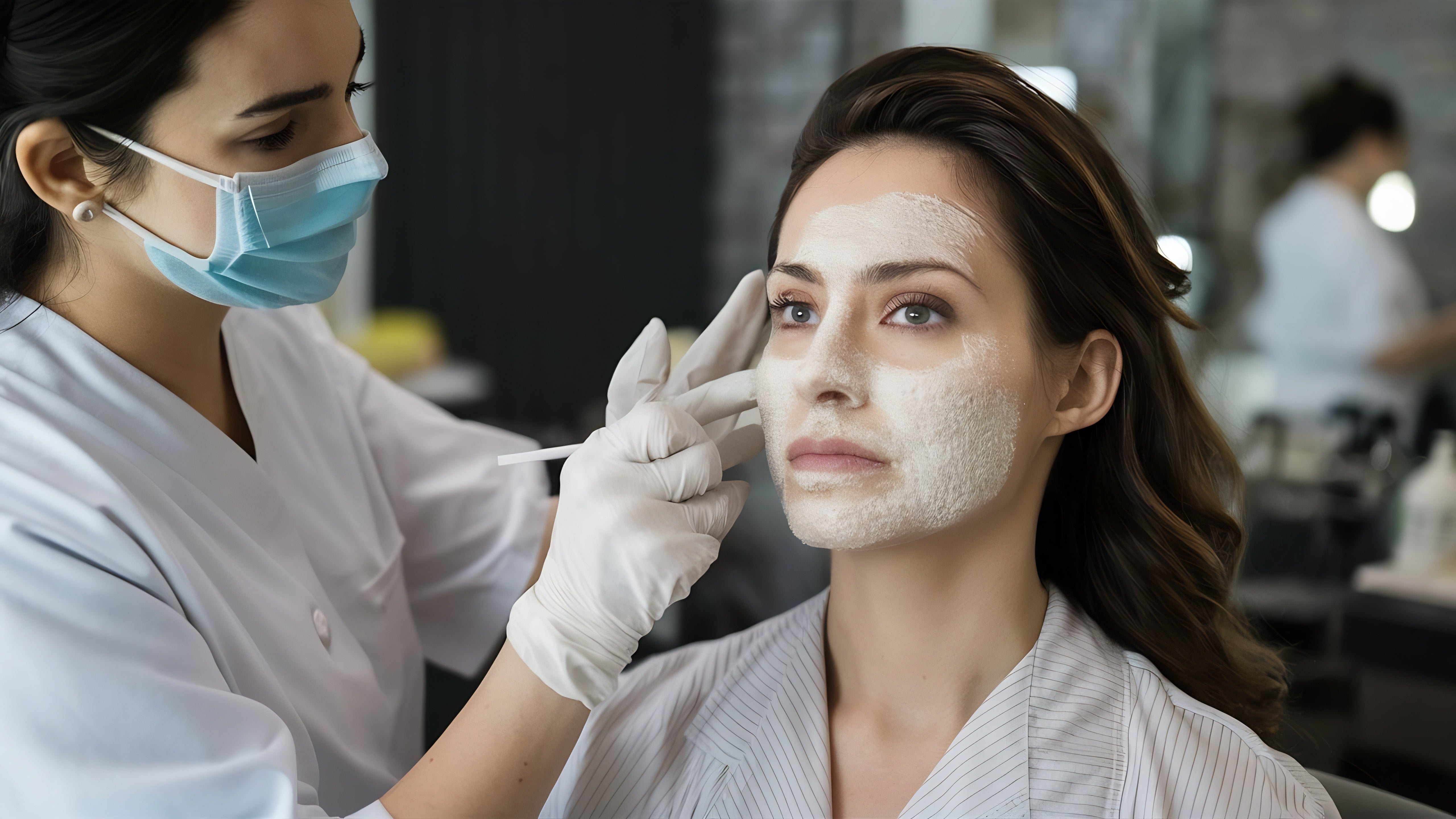
2. Chemical Peels
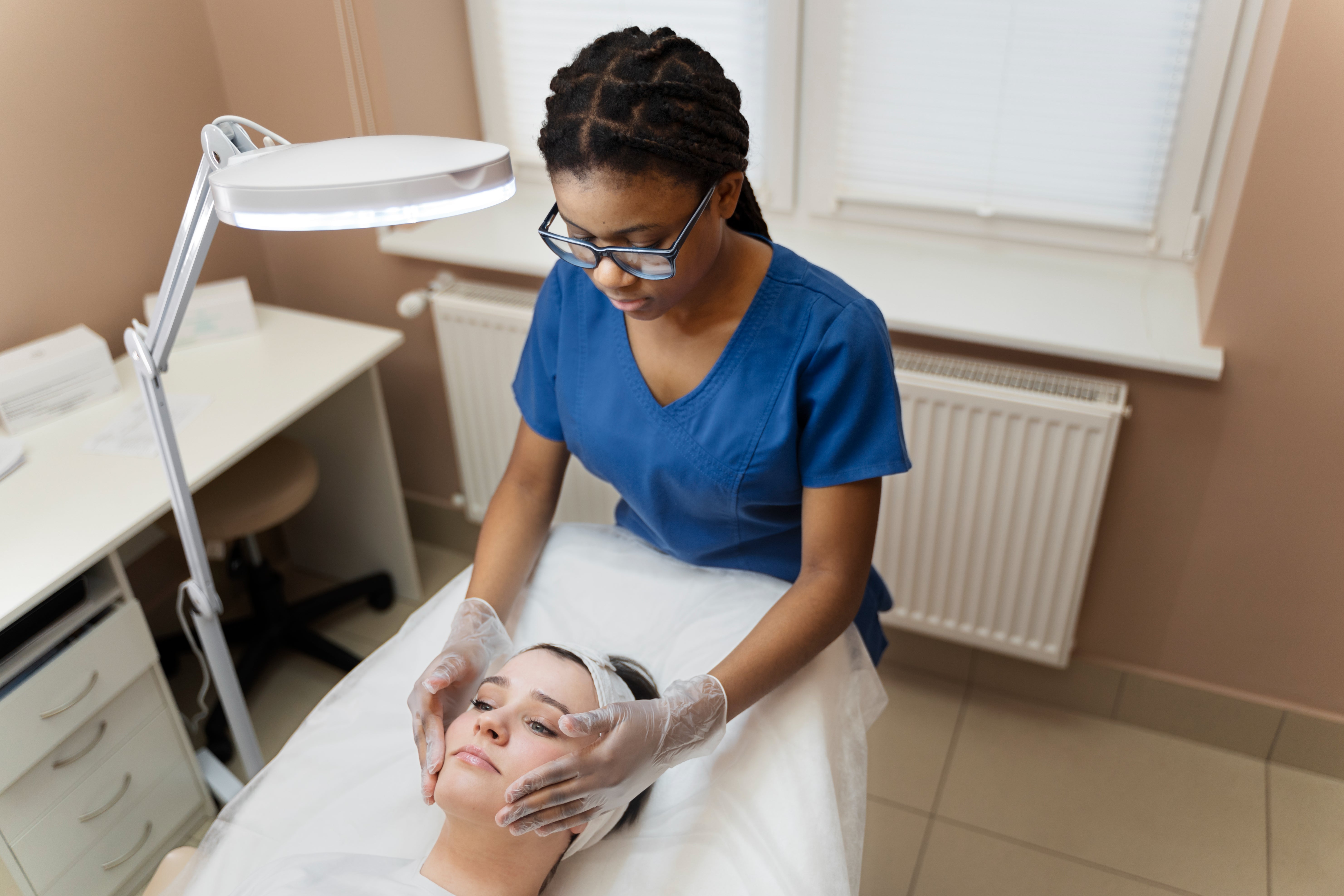
Dermatologist-formulated peels help unclog pores, reduce oiliness, smooth texture, and accelerate acne resolution.
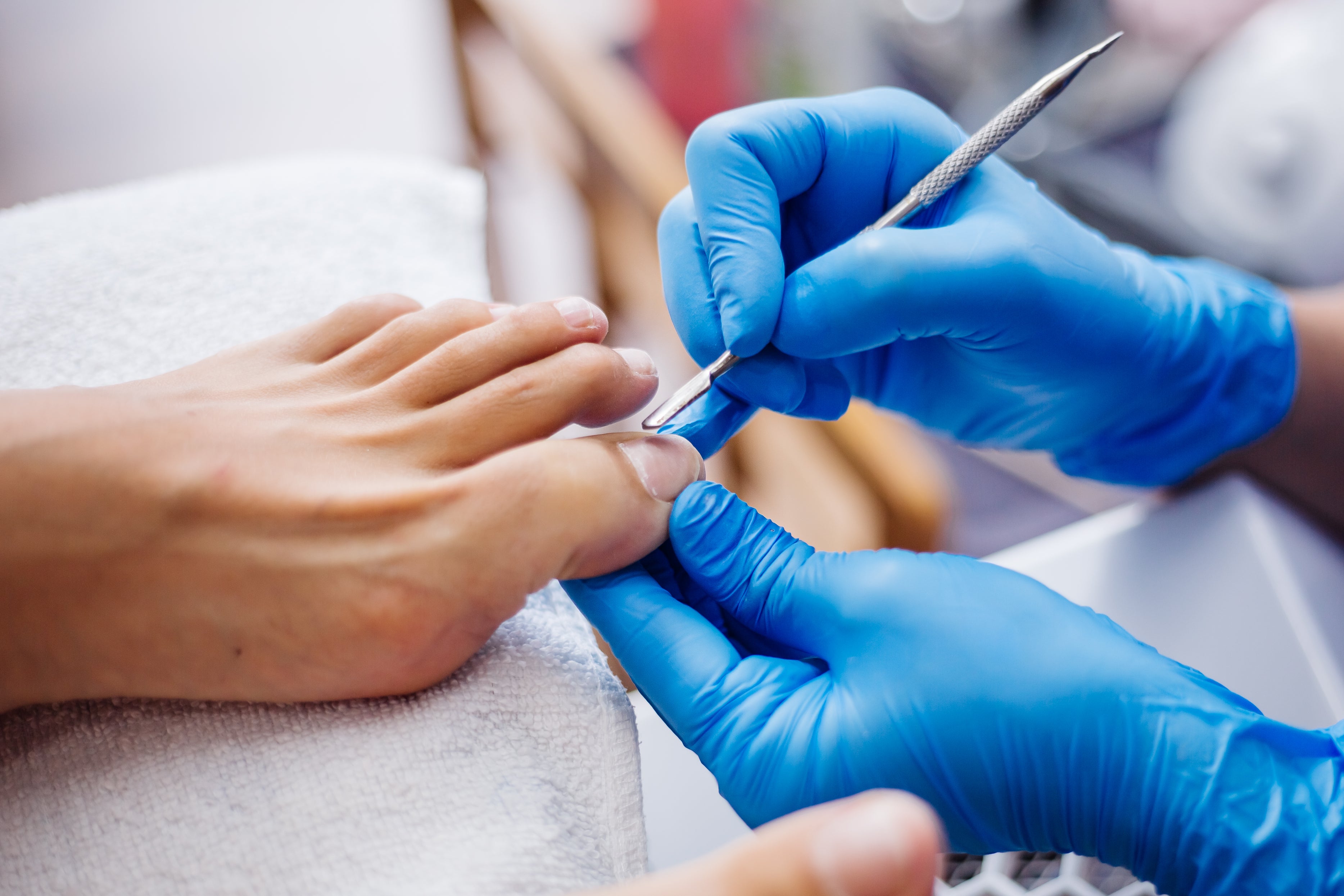
3. Comedone Extraction
Safe, sterile removal of blackheads and whiteheads to reduce congestion.
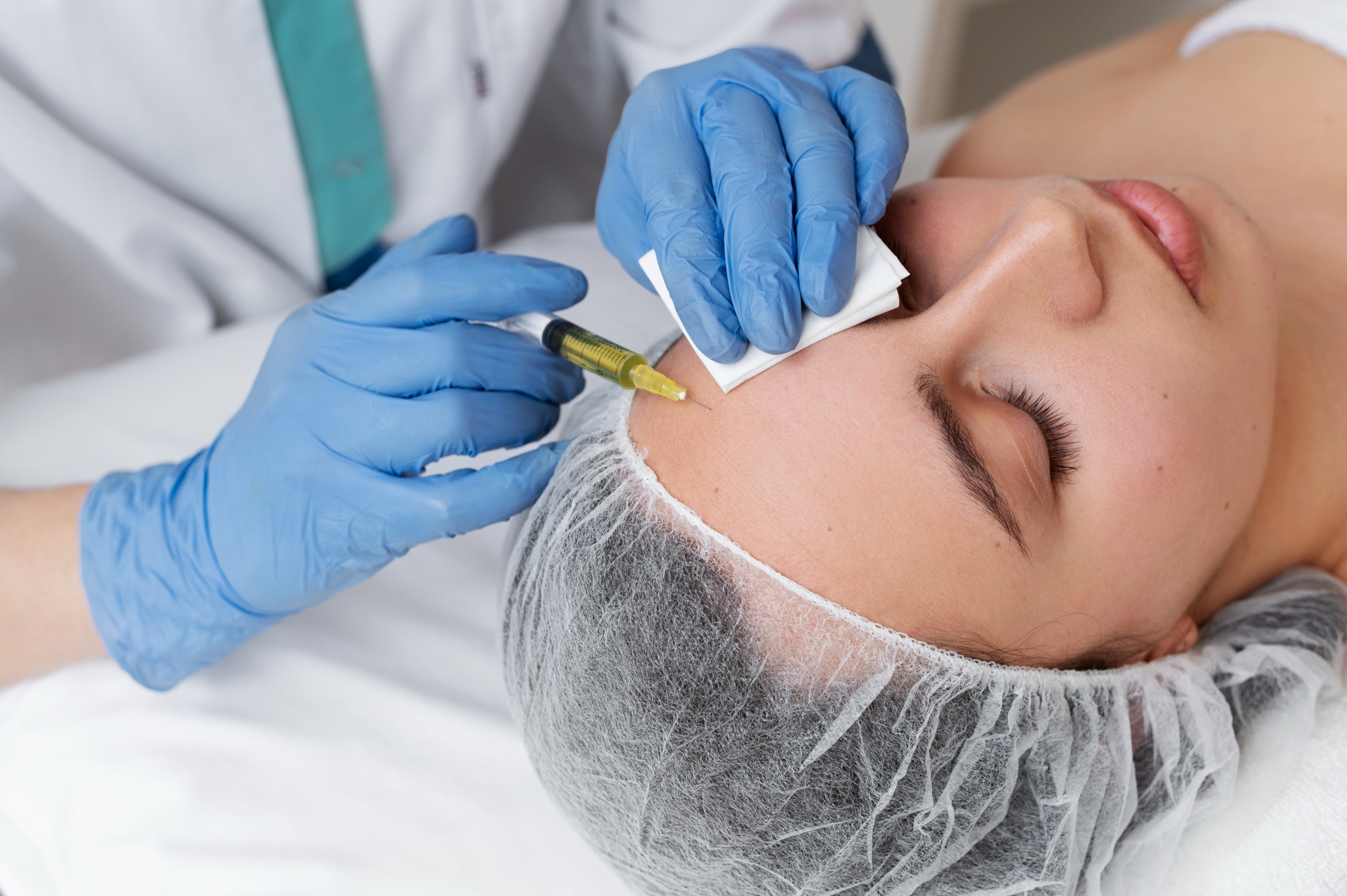
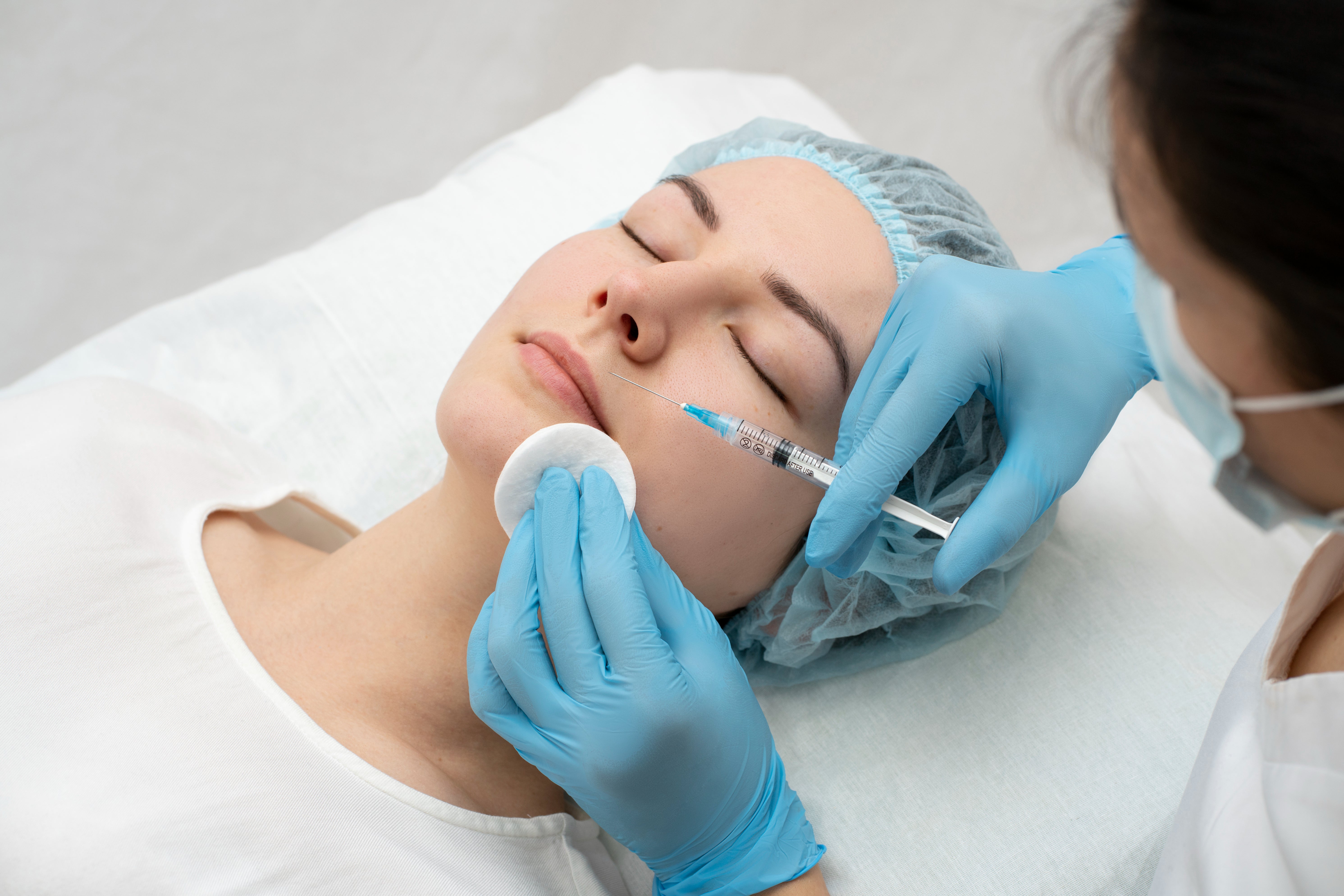
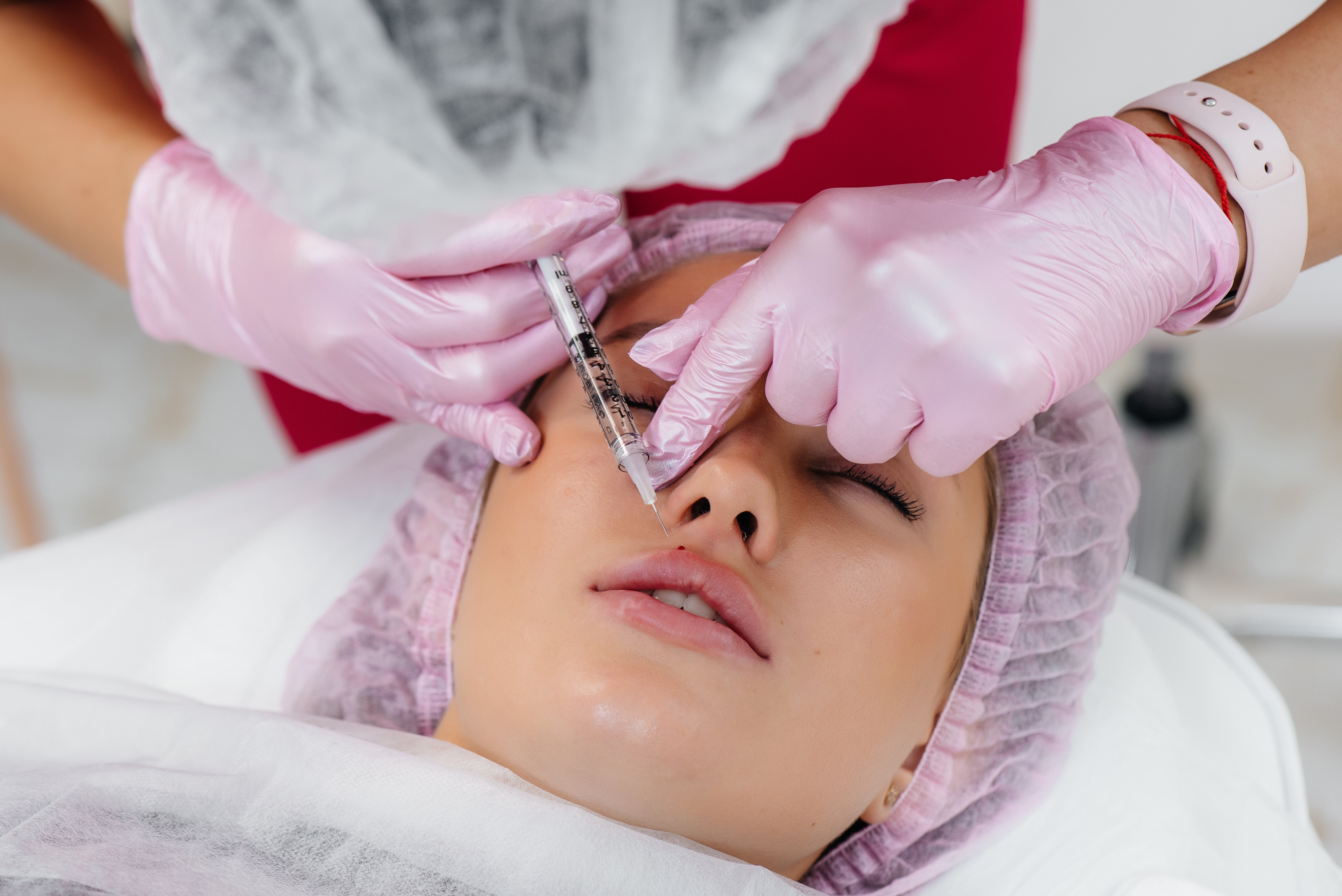
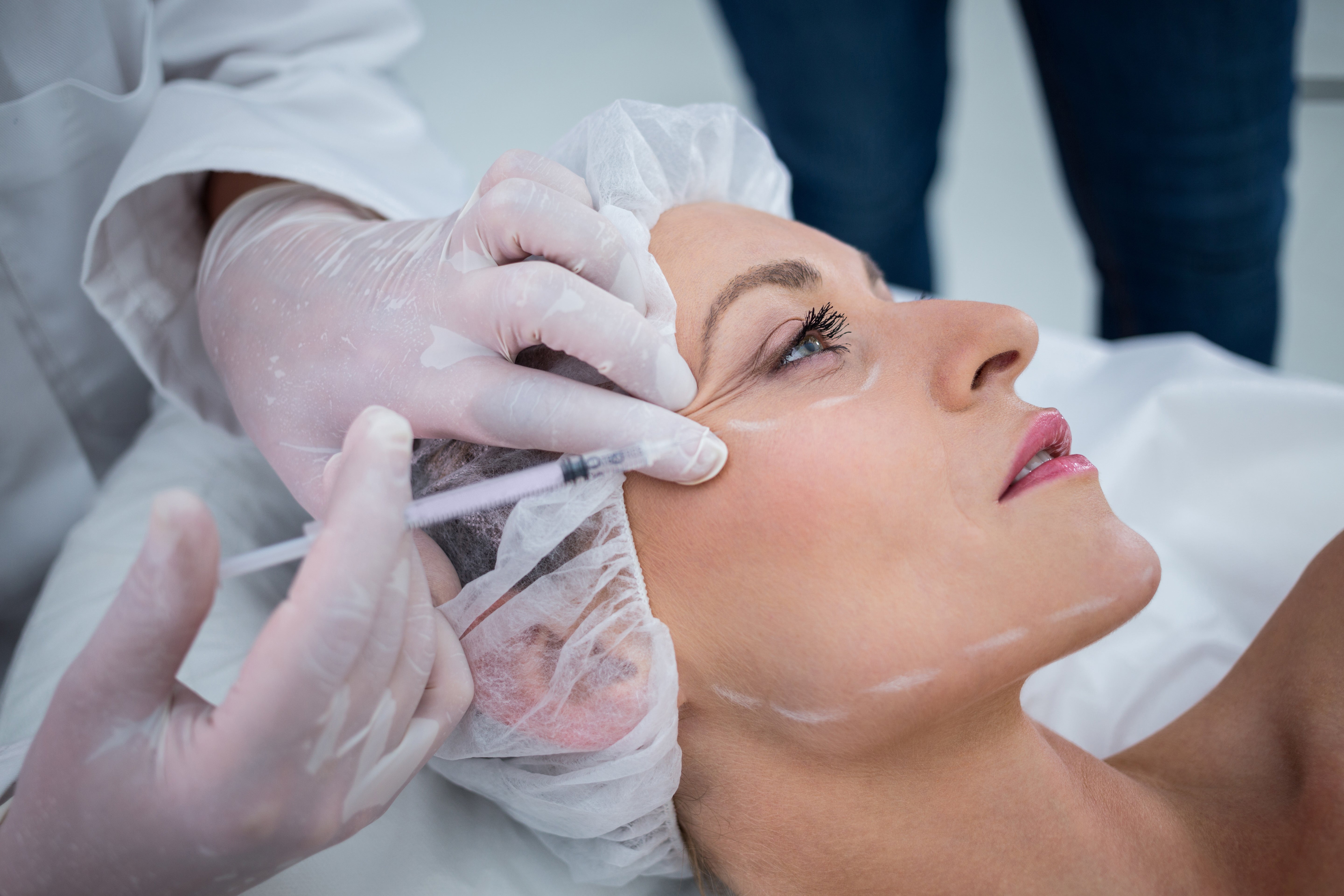
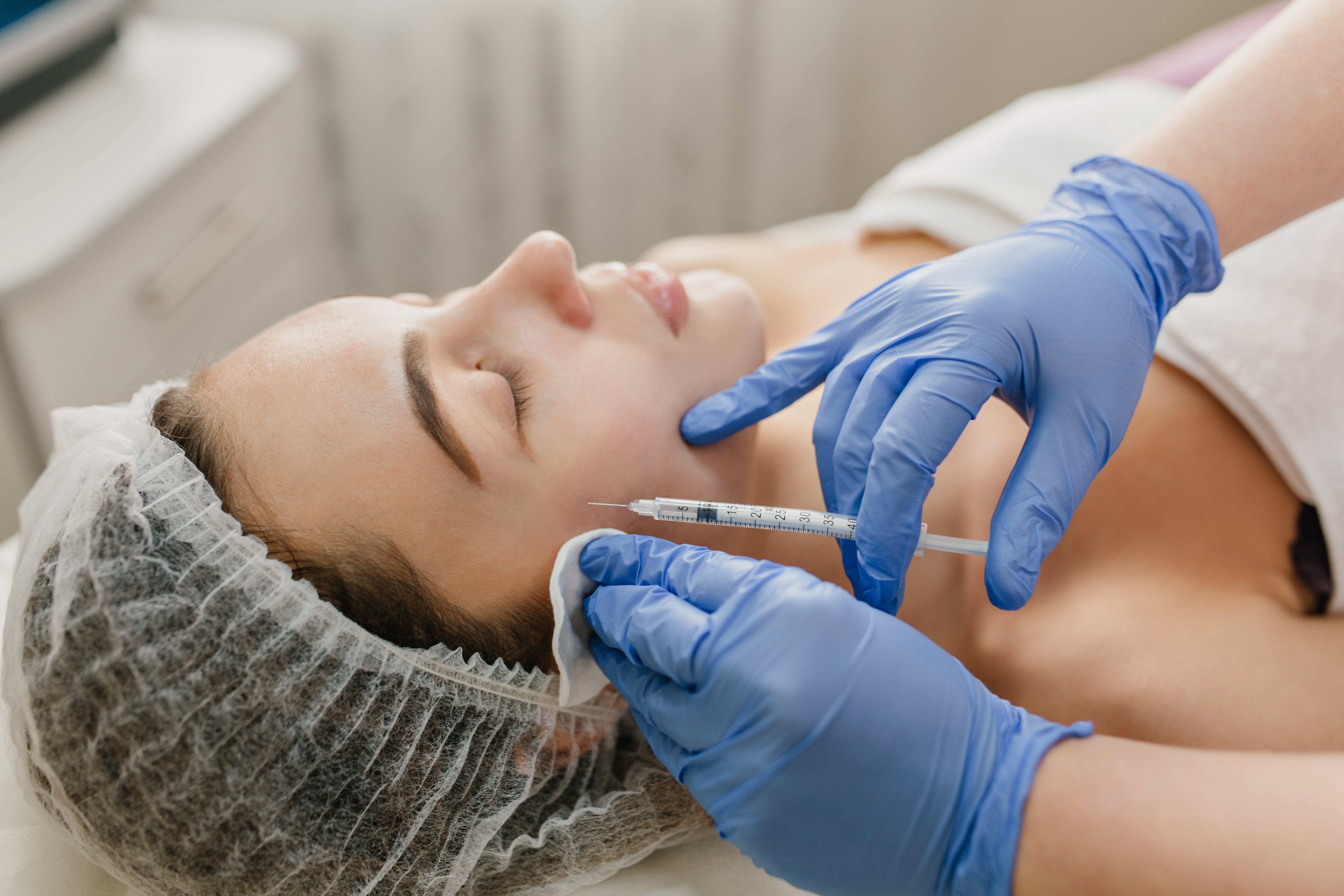
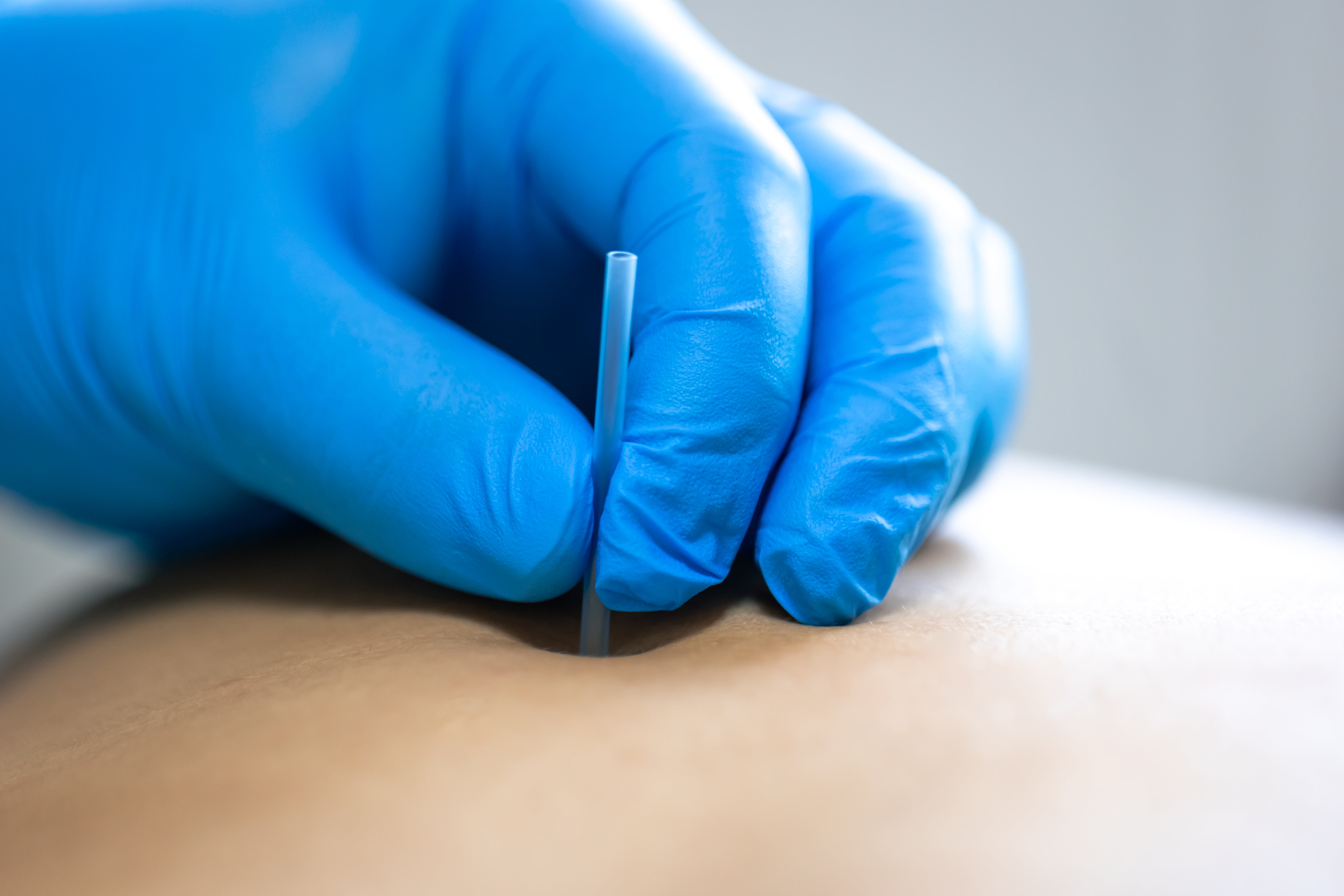
4. Intralesional Injections
Used for large, painful cysts to rapidly reduce inflammation and discomfort.
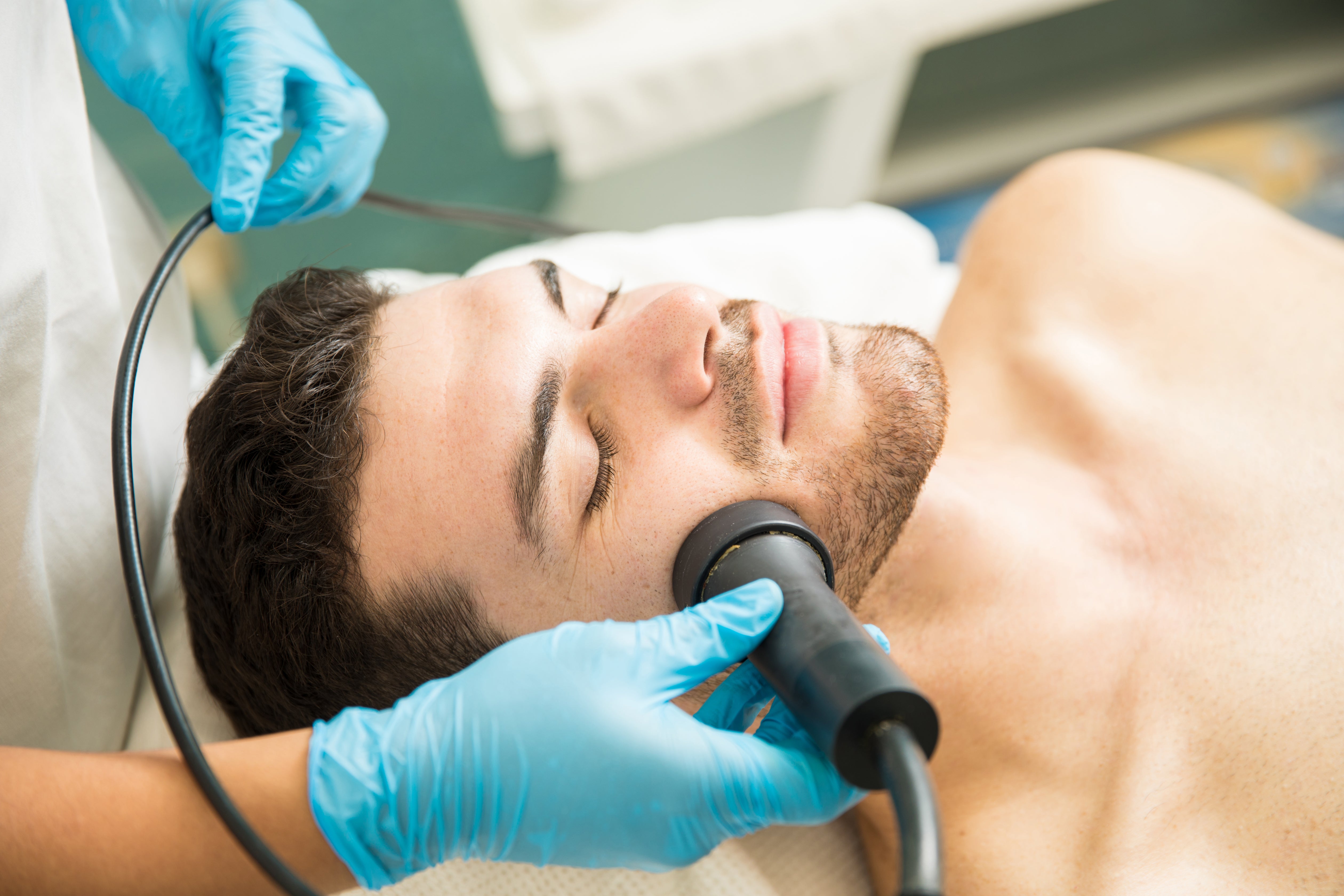
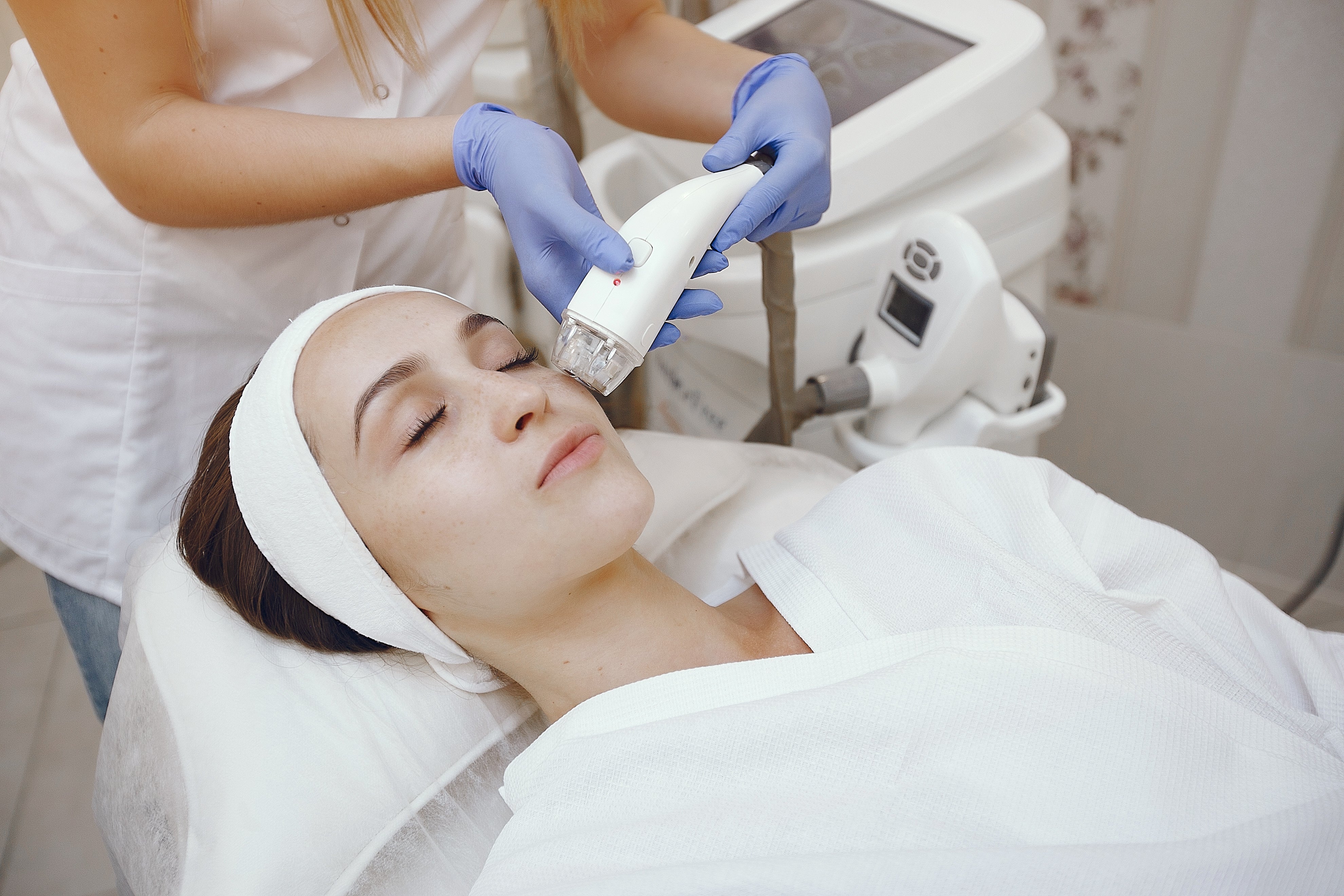
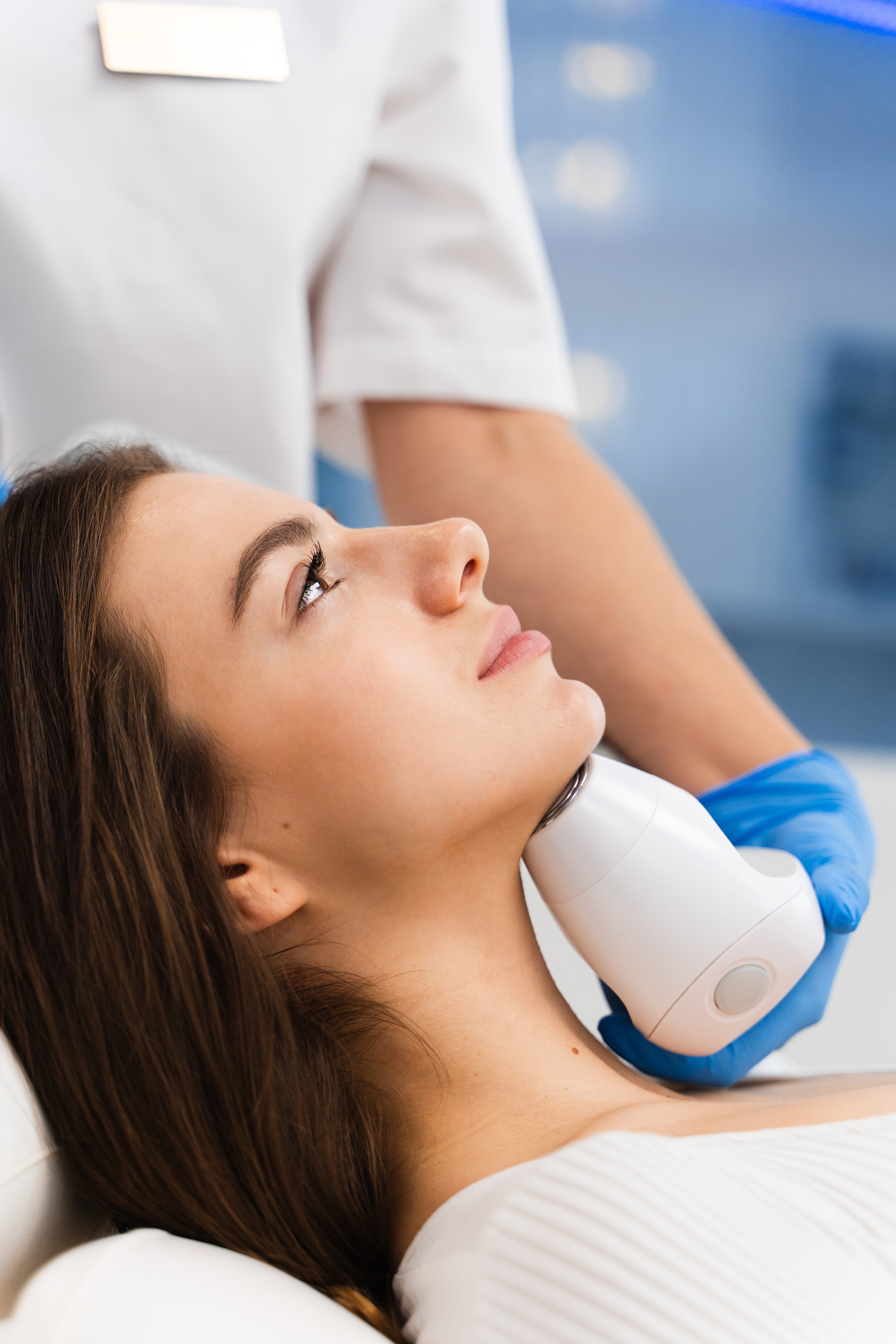
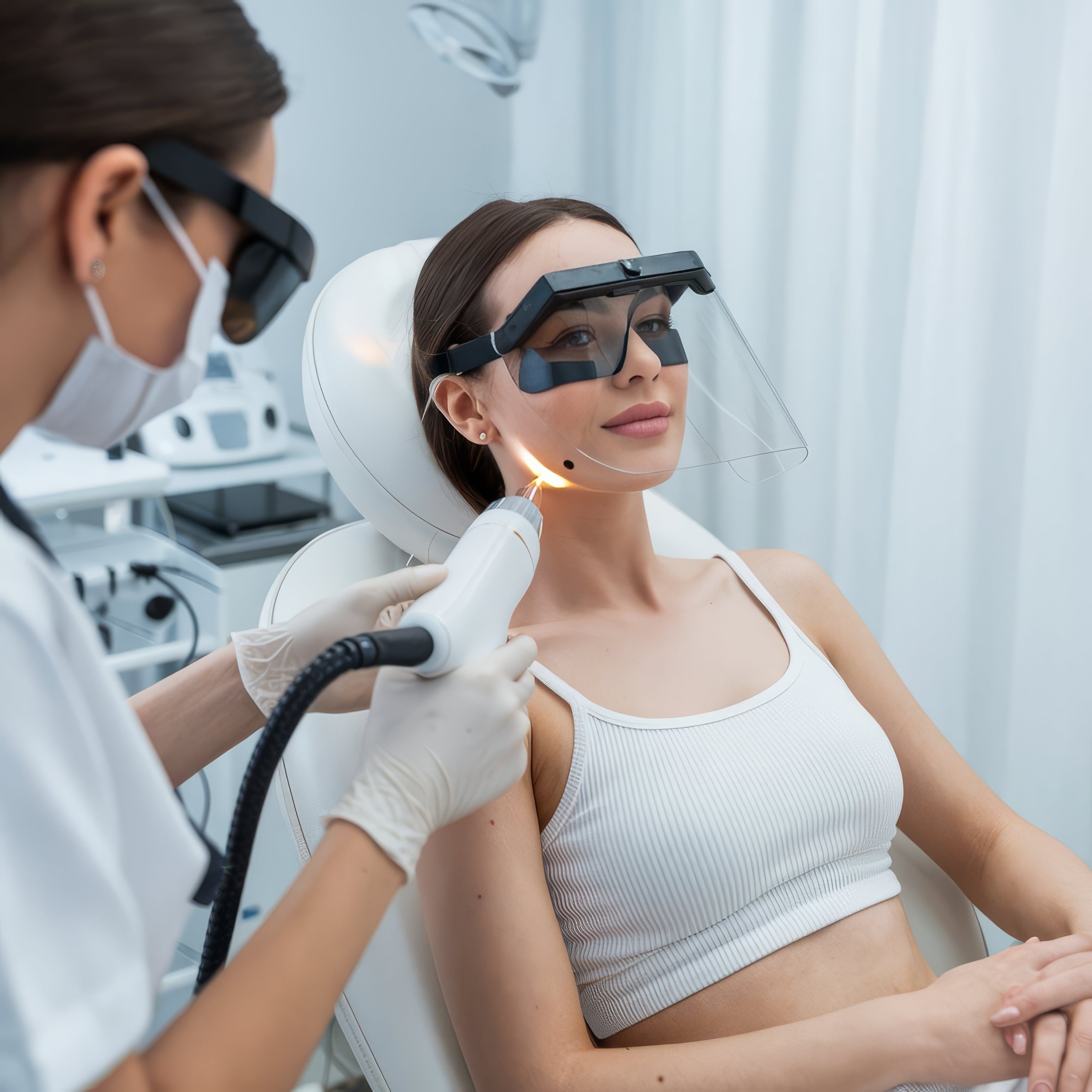
5. Laser & Light-Based Therapies
Helpful for postacne pigmentation and overall skin recovery in selected cases.
Why Early Acne Treatment Matters
-
Reduces the risk of permanent acne scars
-
Shortens flare duration
-
Improves skin texture and tone
-
Helps stabilise acne longterm instead of repeated cycles
Most people notice visible improvement within weeks, though sustained control requires consistency and follow-up.
Is Acne Treatment Permanent?
Acne is a chronic condition for many people, especially when hormones are involved. The goal of treatment is longterm control, fewer breakouts, faster healing, and healthier skin—not unrealistic permanent cure claims.
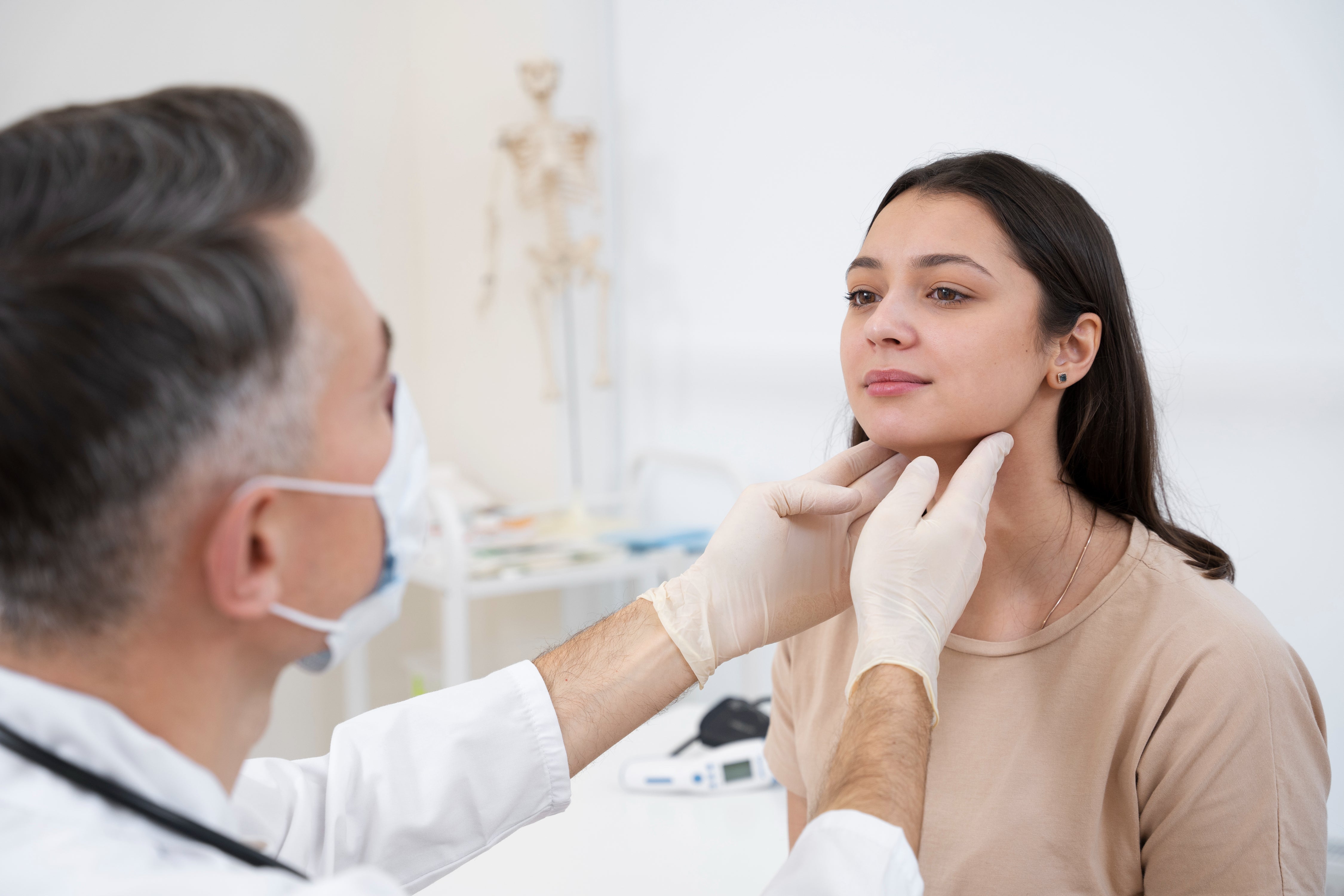
When Should You See a Dermatologist?
-
Acne persists beyond a few months.
-
Painful or cystic breakouts
-
Acne leaves dark marks or scars.
-
Adult or hormonal pattern acne
-
Over-the-counter products aren’t helping.
Medical guidance ensures safer, more effective outcomes tailored to your skin.
Clear skin doesn’t come from chasing pimples—it comes from understanding your skin’s biology and treating acne at its root. With the right diagnosis and a structured plan, acne can be controlled safely and effectively over time.


