










Updated on: 2026-05-22
PRP therapy for hair loss is a clinic-based procedure that uses your own blood components to support hair health. It is often discussed for androgenetic alopecia and thinning hair, especially when patients prefer a non-surgical option. Evidence suggests PRP may improve hair density and thickness in some people, but results vary. A careful evaluation, safe preparation, and realistic expectations are essential for decision-making.
Table of Contents
TLDR
PRP therapy for hair loss uses platelet-rich plasma derived from your blood to encourage a healthier hair growth environment. Many patients consider it when hair thinning becomes noticeable and they want a supportive, non-surgical approach. Clinical protocols typically involve multiple sessions, with outcomes dependent on hair loss pattern, baseline density, and overall scalp health. If you pursue PRP, pair it with a structured scalp care routine and evidence-based hair loss management guidance from a qualified professional.
Product Spotlight
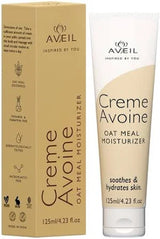
Scalp care matters because PRP aims to improve the hair growth microenvironment. Gentle cleansing and skin-friendly hydration can help maintain a healthy scalp barrier between clinical sessions. While PRP is performed in a clinic, day-to-day scalp hygiene and moisturization support comfort and reduce irritation that can interfere with adherence to treatment plans.
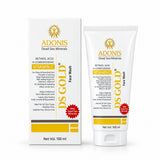
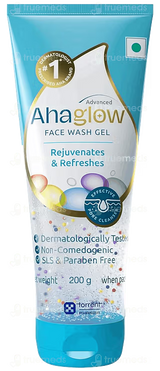
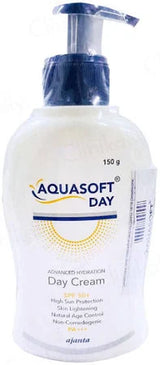
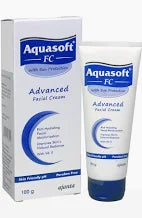
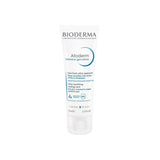
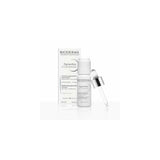
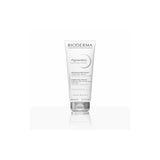
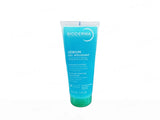
When selecting scalp-friendly products, consider formulas designed for sensitive skin, non-stripping cleansers, and products that support barrier function. For daily use, a gentle cleanser can help remove oil and debris without over-drying the scalp. For example, you may explore a mild face and scalp compatible cleansing option such as gentle cleanser, which is commonly chosen for minimal irritation and routine use.
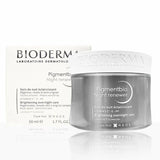
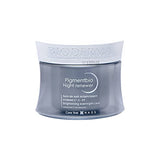
For hydration or barrier support, some people prefer a lightweight, soothing lotion. You can also consider options like hydrating lotion to support a comfortable skin feel during hair loss management.
PRP therapy for hair loss: what it is and how it works
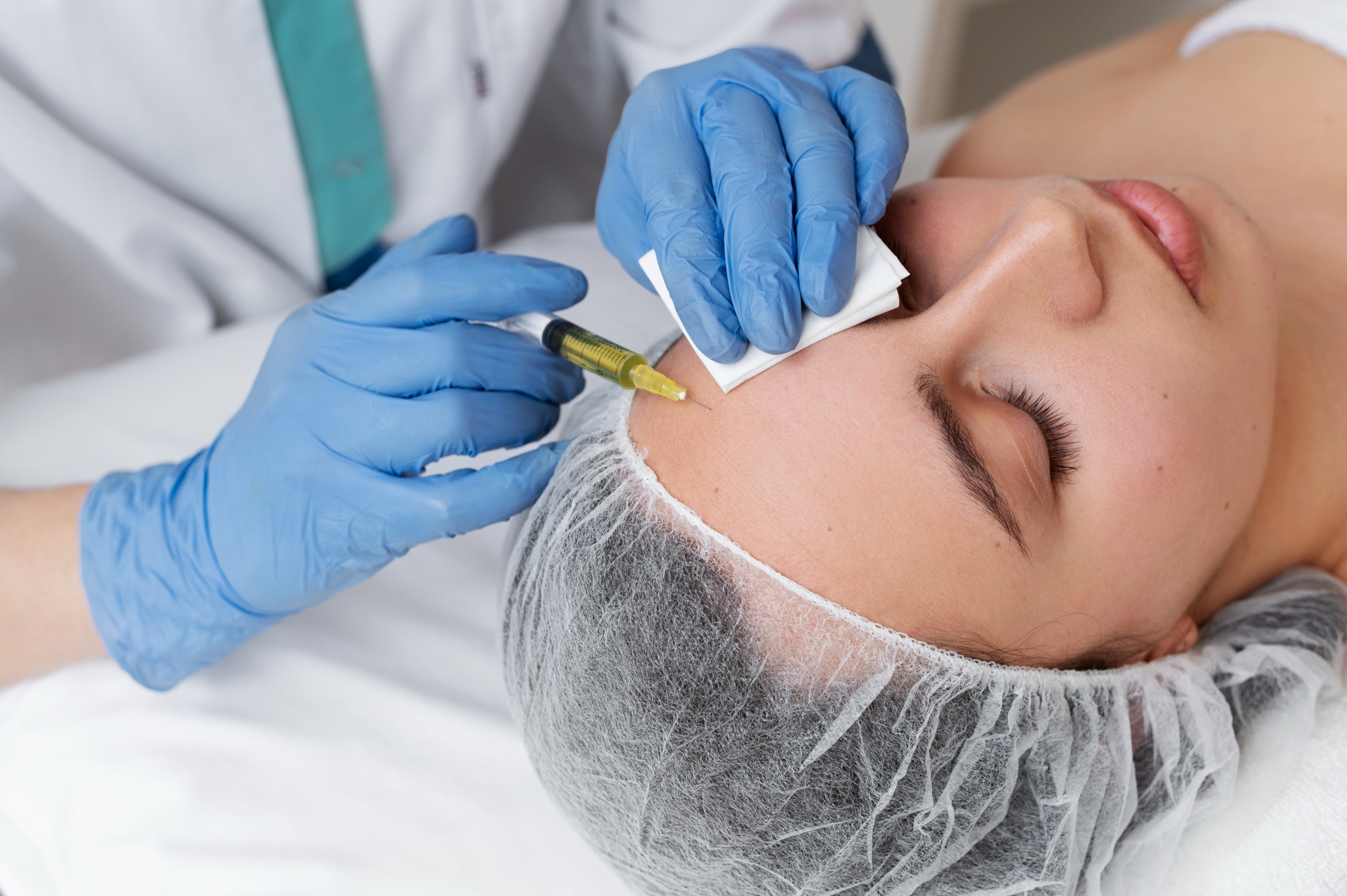
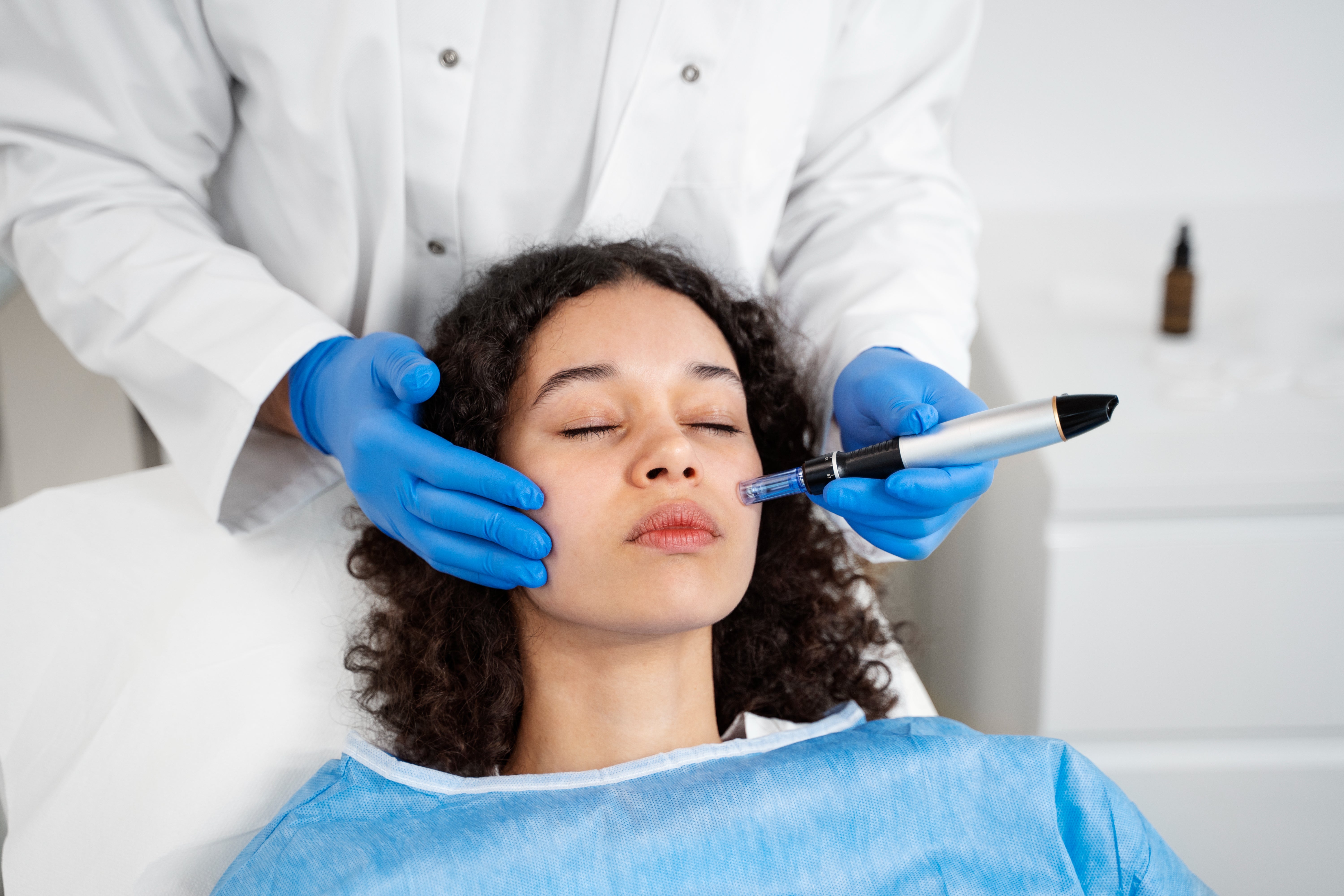
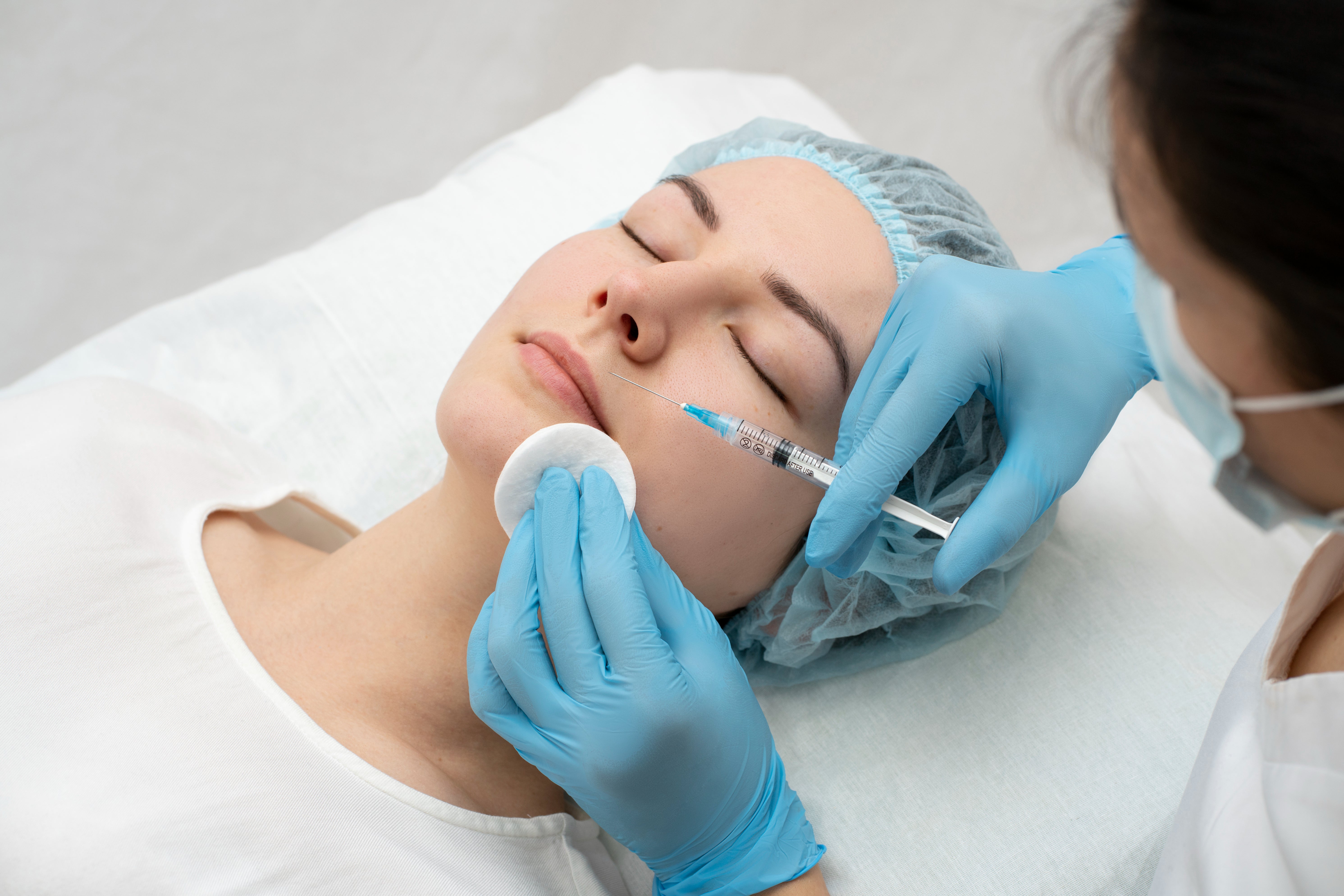
PRP therapy for hair loss is a procedure in which concentrated platelets from a patient’s own blood are prepared and then injected into targeted scalp areas. The concept is to deliver growth factors and signaling molecules that may encourage cellular activity in hair follicles. Platelets contain bioactive proteins that can influence tissue repair and inflammation pathways.
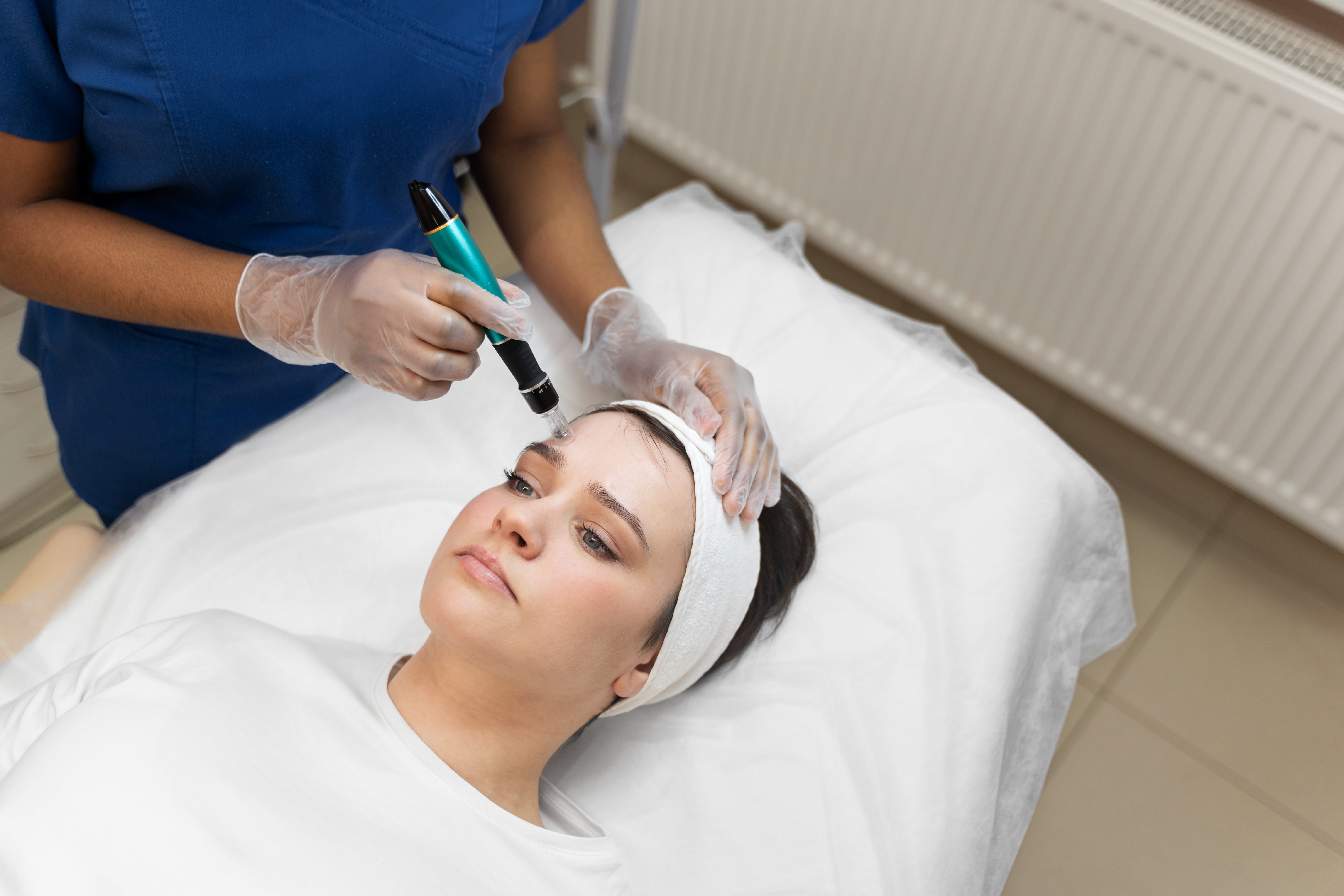
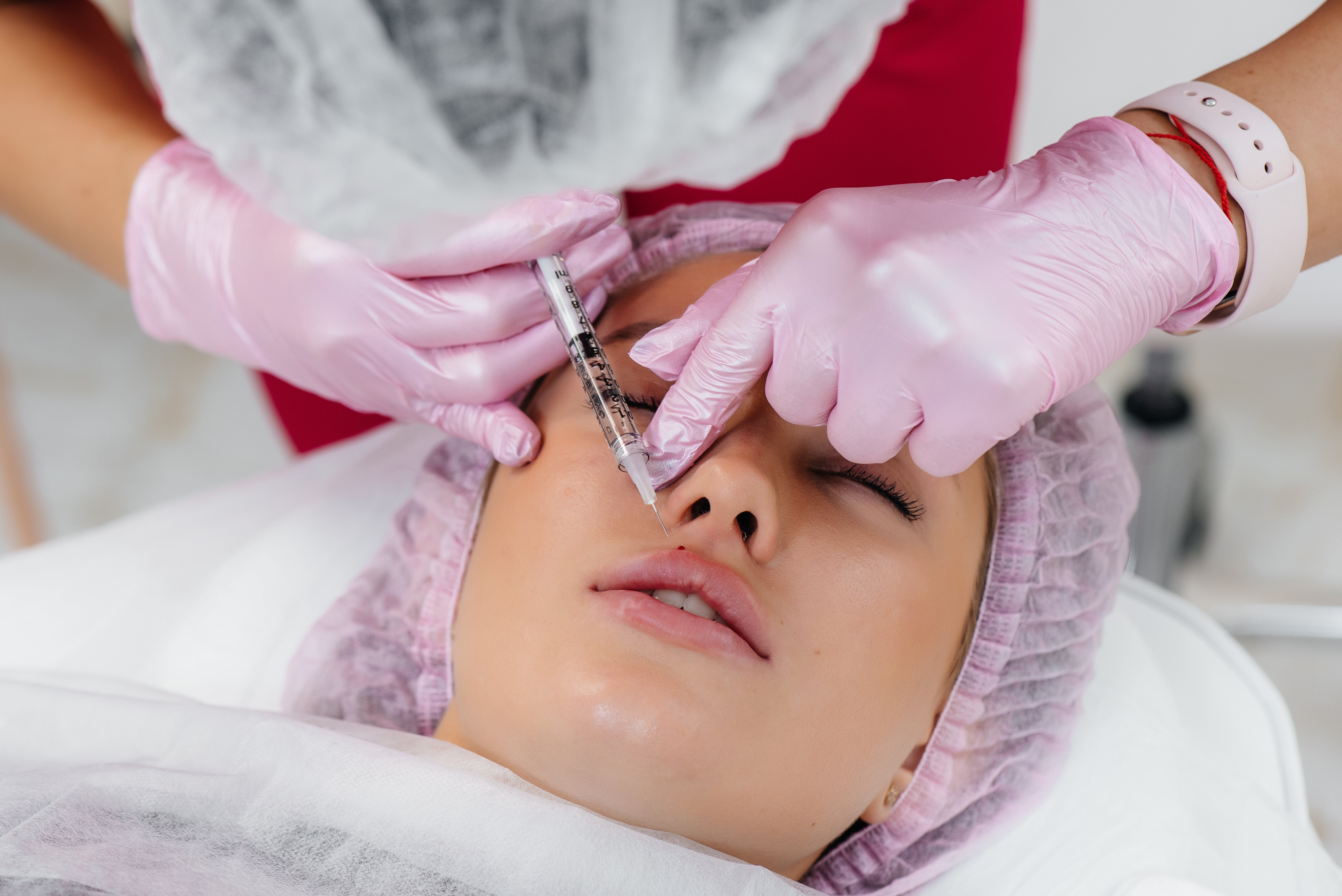
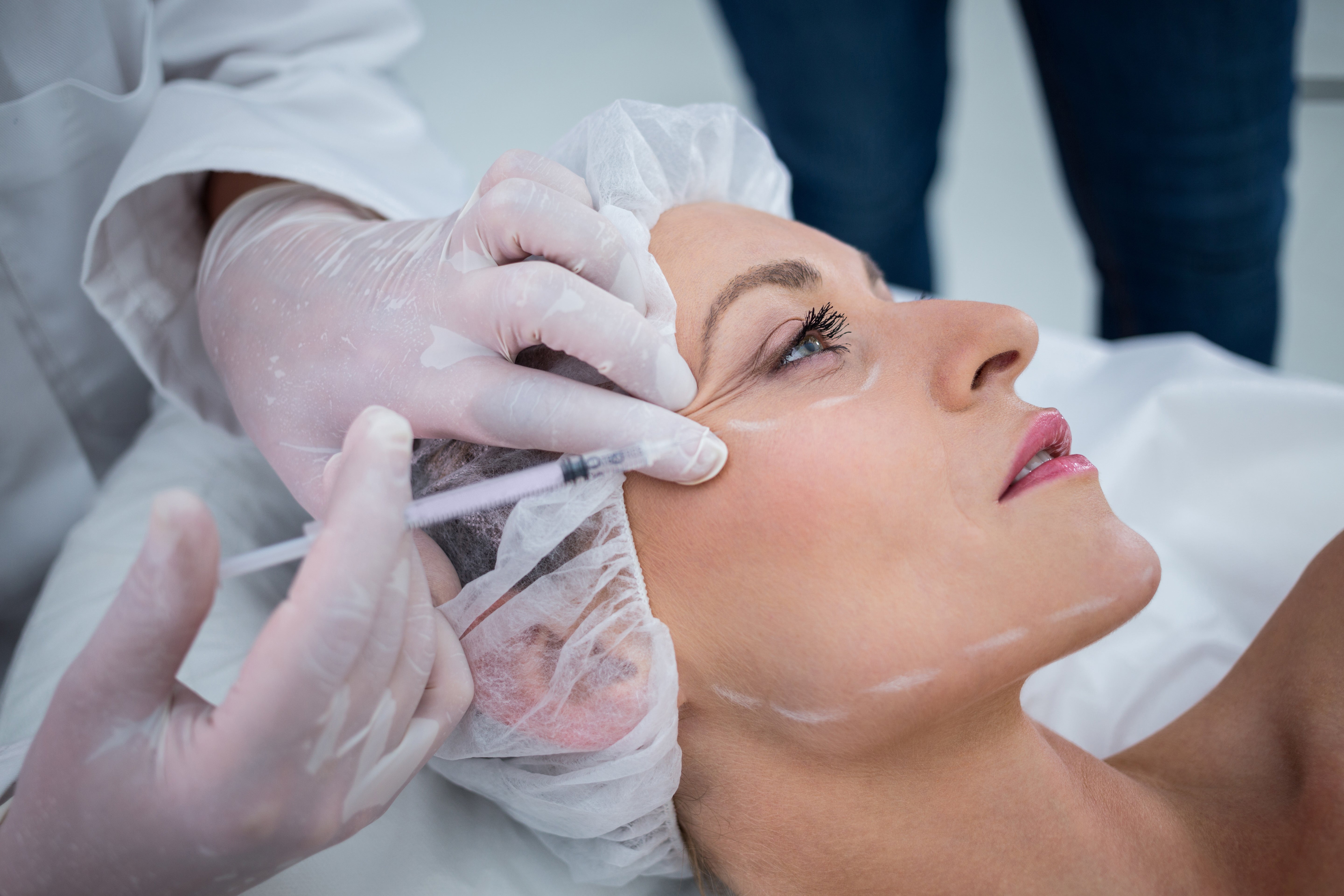
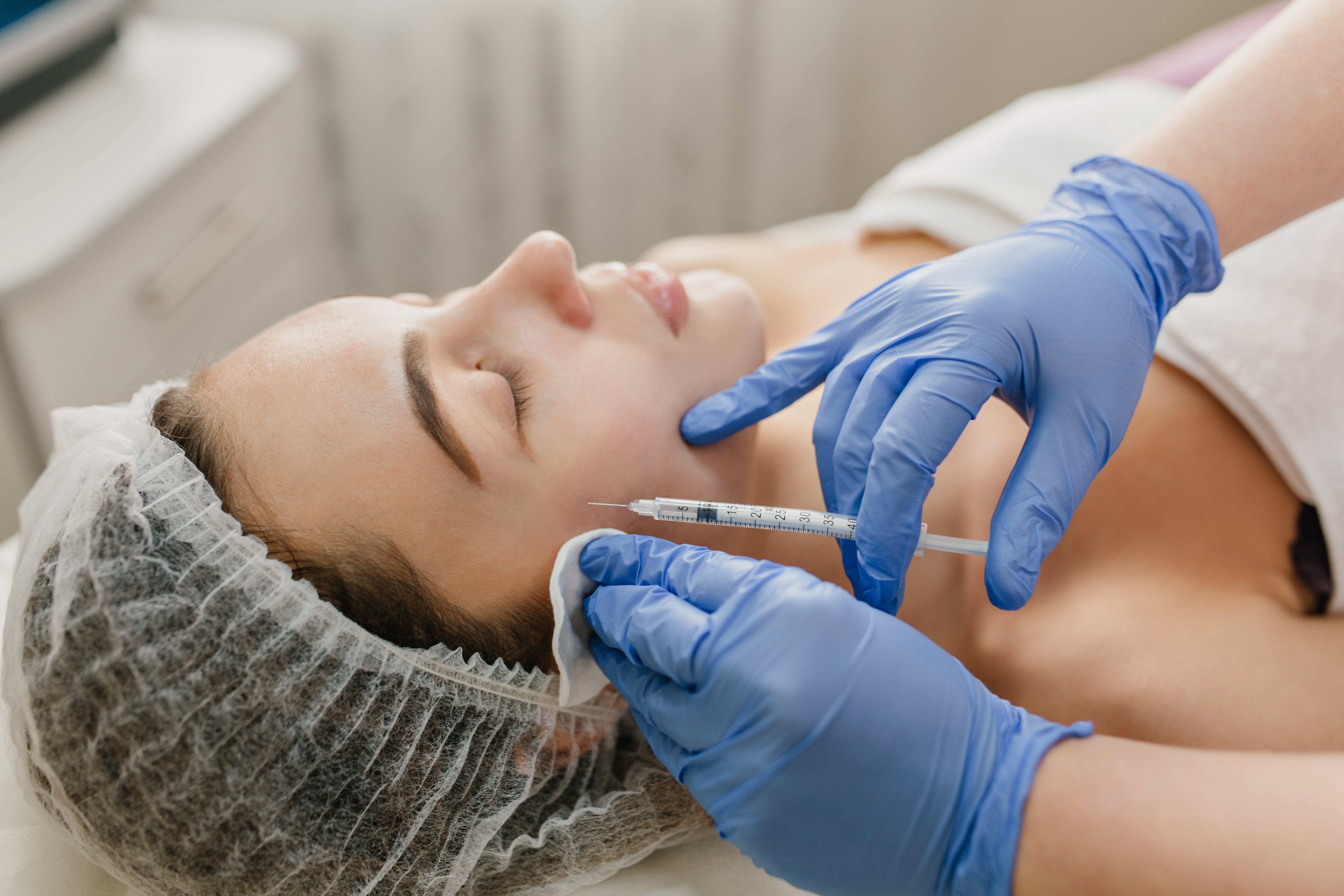
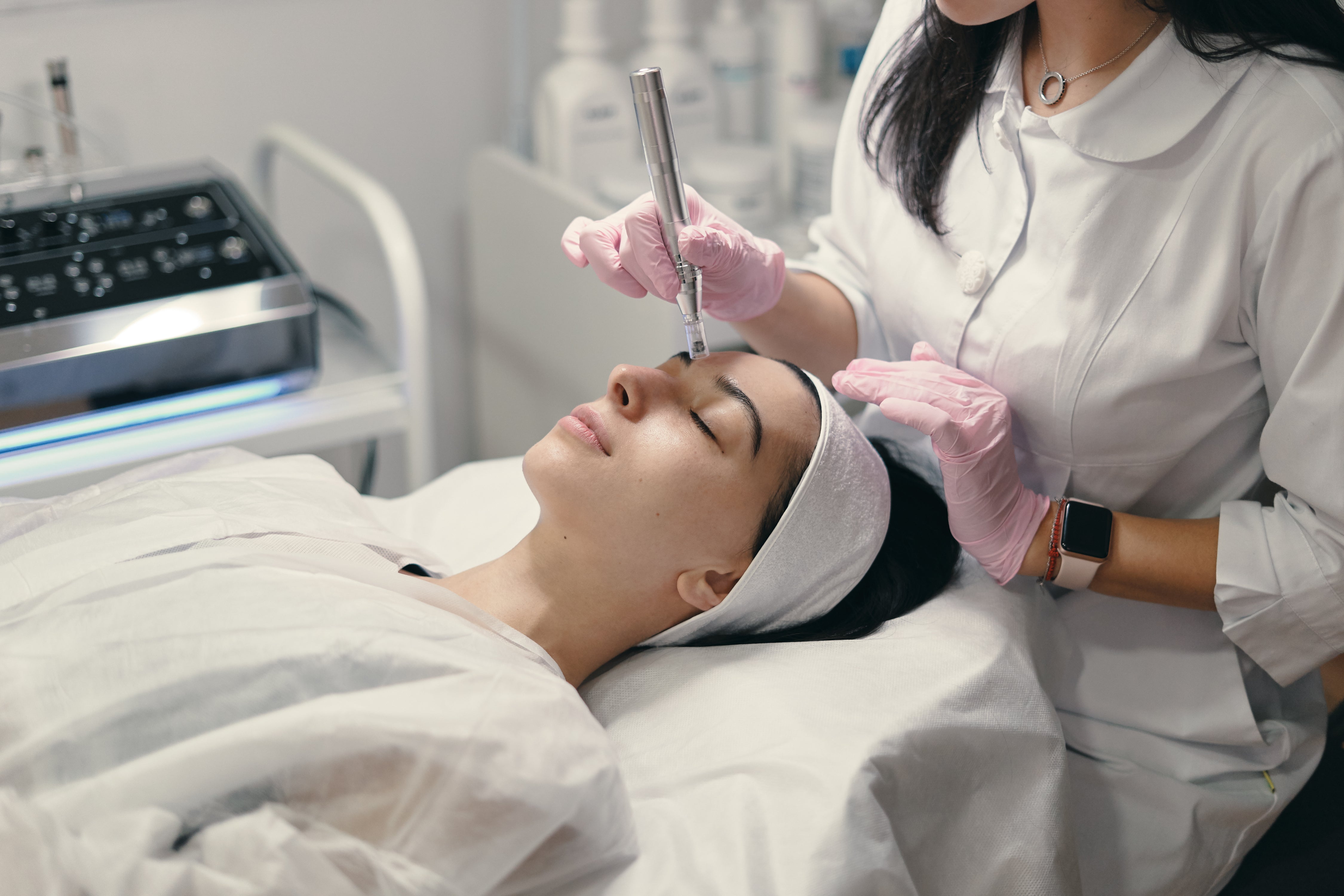
In a typical clinic workflow, a clinician draws a small amount of blood, processes it to concentrate platelets, and then performs injections along the scalp region where thinning occurs. Treatment plans often include several sessions spaced over time, with later maintenance based on response. The goal is not immediate regrowth, but gradual improvement in hair density, thickness, or overall appearance.
Mechanistically, the rationale includes modulating inflammation, supporting follicle signaling, and promoting a more favorable environment for hair cycling. Many specialists emphasize that PRP may be more effective for certain patterns of hair loss than others. For example, androgenetic alopecia is frequently discussed because it involves follicle miniaturization, where signaling support may help slow the trend and improve measurable features in some patients.
Scalp health and treatment consistency remain critical. Even the best procedure cannot overcome severe scalp irritation, uncontrolled inflammation, or inconsistent follow-through. For that reason, it is common for clinicians to recommend a supportive at-home regimen that prioritizes gentle cleansing, careful product selection, and avoidance of harsh practices.

Scalp map concept with injection focus zones
Did You Know?
- PRP preparation methods can vary by clinic, including concentration approach and activation steps.
- Some patients experience shedding or temporary changes after treatments, which may be part of hair cycling.
- PRP is often used alongside other hair loss strategies, such as topical therapies recommended by clinicians.
- Scalp conditions like seborrheic dermatitis may affect comfort and treatment adherence, so management matters.
Pros & Cons Analysis
Choosing PRP involves balancing potential benefits with known risks and practical considerations. The list below is designed to support a decision-focused evaluation.
-
Pros
- Uses the patient’s own blood components, which can reduce concerns about foreign material reactions.
- Non-surgical approach that does not require cutting or permanent implantation.
- May improve hair density or thickness in selected individuals, particularly in hair miniaturization patterns.
- Often paired with topical or lifestyle hair strategies for broader support.
-
Cons
- Results are not guaranteed and vary across hair loss types, severity, and individual biology.
- Requires multiple clinic visits, which can increase cost and planning demands.
- Can cause temporary side effects such as scalp tenderness, redness, bruising, or mild swelling.
- Long-term maintenance may be recommended, depending on response and progression.
How to Choose a Provider
A safe and effective PRP experience depends heavily on provider expertise, sterile technique, and protocol transparency. Before booking, request a clear explanation of the preparation method and injection approach. Ask how the clinic addresses patient selection, including evaluation of hair loss type and scalp conditions.
It is also important to confirm that the clinic uses appropriate sterile equipment and follows hygienic standards. Inquire about post-procedure care instructions and what to do if side effects occur. A responsible clinic will discuss realistic timelines for potential improvements and will not present outcomes as certain.
Consider provider qualification and experience with scalp procedures. A specialist who regularly manages hair thinning cases can better identify whether PRP is a reasonable option or if another approach would be more suitable. In many real-world plans, clinicians combine PRP with evidence-based topical treatments and a gentle scalp routine to support consistency and comfort.
Between sessions, a supportive skin routine can reduce irritation. If you also use topical actives, consider limiting overly aggressive cleansing routines. Some people choose gentle formats such as gentle cleanser to avoid excessive dryness. If you have sensitive skin, you may also evaluate whether a calming hydrating approach like hydrating lotion supports tolerance.

Growth chart with milestones and scalp wellness icons
Visual reference
Patients often benefit from a clear mental model: PRP aims to change the scalp environment over time, not overnight. Visual tools can help you track care consistency and manage expectations, such as photos taken under similar lighting and routine scalp notes shared with your clinician.
FAQ Section
Is PRP therapy for hair loss the same as stem cell treatments?
No. PRP therapy uses platelet-rich plasma derived from your blood. Stem cell approaches involve different biological materials and preparation processes. The protocols, expected timelines, and regulatory considerations can differ. You should discuss the specific product type and preparation method with your clinician before beginning any treatment plan.
Who is most likely to benefit from PRP injections for thinning hair?
Many clinics consider PRP for people with patterned thinning and early-to-moderate hair miniaturization. However, benefit depends on baseline severity, hair loss type, scalp health, and adherence to recommended care. A thorough scalp exam and history help determine whether PRP is a reasonable fit or whether an alternative or combination approach is more appropriate.
What side effects should I expect after PRP therapy?
Common temporary effects include scalp tenderness, redness, mild swelling, or small bruises at injection sites. These typically resolve within a short period. If you experience unusual pain, signs of infection, or persistent symptoms, you should contact your provider promptly. Following the clinic’s aftercare instructions can help reduce discomfort and support safe healing.
How can I support results between sessions?
Support includes consistent scalp hygiene with gentle cleansing, avoiding harsh treatments that irritate the scalp, and using clinician-recommended topical therapies when appropriate. If you use hair styling products, choose those that do not increase scalp irritation. If sun exposure affects your scalp, consider sun protection advice from a qualified professional, and use products that suit your skin sensitivity.
Conclusion & CTA
PRP therapy for hair loss is a structured, clinic-based option designed to support a healthier scalp environment through concentrated platelets. While evidence suggests meaningful improvement for some individuals, outcomes vary by hair loss pattern, severity, and protocol quality. If you are considering PRP, prioritize a qualified provider, realistic expectations, and a gentle scalp care routine that supports tolerance between sessions.
If you want to build a supportive daily regimen, explore scalp-friendly options from Allodermis and consider starting with a gentle cleanser such as gentle cleanser. For hydration-focused support, you may also review hydrating lotion. For sun-related scalp comfort strategies, consult appropriate product guidance available on Allodermis and discuss suitability with your clinician.
About the Author Section
Allodermis is a skincare and dermal care focused brand with topic expertise grounded in careful product selection and practical routine support. The author team contributes professional content on scalp comfort, dermatology informed skincare principles, and consumer-friendly guidance. This article is designed to support informed conversations with qualified healthcare providers. Thank you for reading, and take the next step by consulting a licensed clinician for personalized evaluation.
Disclaimer: This article provides general educational information and does not constitute medical advice. Individual results vary. Before starting PRP therapy for hair loss or any related treatment, consult a licensed healthcare professional or qualified dermatologist for an evaluation and a personalized plan.


