






















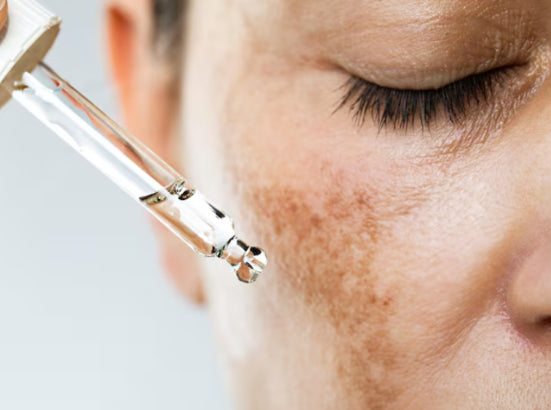


















Safe Sunscreen Tips for Sensitive Skin Every Day

Choosing the right sunscreen can be the difference between daily comfort and ongoing irritation. If you have sensitive skin, finding safe sunscreen for sensitive skin requires more than reading a marketing label. You need to evaluate filter type, formula design, application method, and how your skin reacts over time. This guide explains how to make an informed choice that supports barrier health and reduces the risk of common sunscreen triggers.
Updated on: 2026-06-09
A sunscreen that suits sensitive skin should use gentle ingredients and a predictable UV filter system. Look for broad-spectrum protection, low irritation potential, and a texture that you can apply consistently. Proper application and patch testing matter as much as the formula. This article provides a step-by-step method, practical tips, and clear answers to frequent concerns.
Why Sensitive Skin Needs Care
Sensitive skin often reacts to irritants that other skin types tolerate well. The irritation may show up as redness, stinging, dryness, or uneven comfort after application. These responses can come from the UV filters themselves, from fragrance and certain preservatives, or from the overall feel of the product on a stressed skin barrier. Therefore, the best approach is not to search for a single “perfect” sunscreen, but to choose a formula with a low probability of triggering irritation and to use it in a consistent, skin-friendly way.
One practical way to reduce risk is to prioritize mineral or gentle filter systems and to avoid unnecessary additives when you already know your skin is reactive. However, even gentle formulas can cause problems for some people. Skin is personal. A structured selection process helps you narrow down options and improves your odds of finding a reliable sunscreen routine.

Shield icon over calm skin and barrier lines
Step-by-Step Guide
-
Confirm broad-spectrum coverage and the correct UV protection. Choose a sunscreen labeled for broad-spectrum protection. UVA and UVB coverage are both relevant to skin comfort and long-term skin appearance. If you spend time outdoors, consistent broad-spectrum coverage supports a stable daily routine.
-
Prefer gentler filter types and review the ingredient list. Many people with sensitive skin do better with zinc oxide or titanium dioxide based formulas. Others tolerate certain chemical filters well, especially when the formula is fragrance-free and designed for sensitive skin. If you have reacted to a previous sunscreen, compare the filter type and excipients before trying something new.
-
Check for common irritation triggers. Consider avoiding fragrance, essential oils, and strong alcohol-heavy formulas if you know they cause stinging. Preservatives can be important for safety, but some skin types respond better to simpler formulas. Look for a “for sensitive skin” positioning, then verify by reviewing the full ingredient list rather than relying on the label alone.
-
Evaluate texture and reapplication comfort. Sensitive skin responds well to predictable application. If a sunscreen feels heavy, greasy, or tacky, you may reapply inconsistently. A sunscreen with a comfortable finish supports correct use over the day, which is a key factor for effective sun protection.
-
Do a patch test before full-face use. Apply a small amount to a limited area, such as behind the ear or along the jawline, and observe how your skin behaves for a typical evaluation period. If you experience stinging, swelling, or persistent redness, discontinue use. This step is especially important when you are testing a new formulation.
-
Apply with the right technique. Use enough product to cover exposed areas evenly. Apply to clean, dry skin. If you have very reactive skin, consider applying sunscreen after a gentle moisturizer that is well tolerated by your barrier. When possible, avoid rubbing repeatedly. Press and smooth gently to reduce friction.
-
Reapply based on your exposure pattern. Sunscreen performance depends on consistent reapplication during outdoor exposure. If you sweat or towel dry, reapplication becomes more important. Maintain a routine that fits your day so that your skin receives steady protection without aggressive handling.
-
Build a compatible skin routine around your sunscreen. Harsh cleansers and strong active ingredients can increase sensitivity. Pair your sunscreen with a gentle cleanser and a simple moisturizer. For many people, a calm baseline routine reduces the chance that sunscreen will be blamed for irritation caused by other steps.
How to narrow choices when your skin is reactive
If you have recurring irritation, treat the process like a controlled test. Keep your cleansing and moisturizing routine stable while you trial a new sunscreen for sensitive skin. Focus on changes you can control: switch one product at a time, document comfort, and stop quickly if irritation escalates. Over time, you will develop a shortlist of textures and ingredient categories that your skin tolerates.
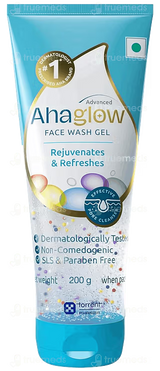
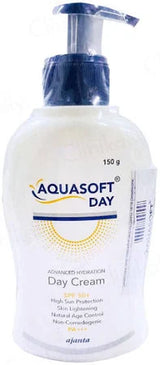
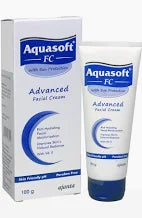
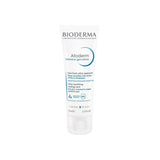
If you prefer to shop with guidance, you can start by exploring a gentle cleanser and then pairing it with a sunscreen product designed for sensitive use. Consider reviewing the following internal options to support a calm routine.
- Gentle cleanser for less irritation
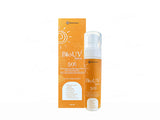
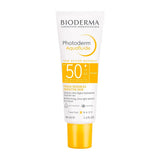
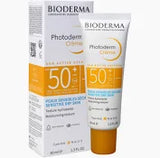
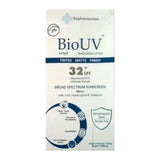
- Daily sunscreen with broad protection focus
- Sunscreen option for sensitive comfort routines

Hands applying sunscreen with gentle, even coverage
Tips
Use the following expert tips to improve comfort and consistency when selecting a sunscreen that supports sensitive skin needs.
- Start with a barrier-friendly base: If your skin is dry or easily inflamed, use a moisturizer that you already tolerate before sunscreen.
- Consider fragrance-free products: Fragrance can raise the chance of stinging in reactive skin. A simpler formula often performs better.
- Watch for “pilling” and layer friction: Pilling can occur when layers are incompatible. It can also increase rubbing, which may trigger irritation.
- Use mineral-friendly strategies if you are sensitive: Many people prefer zinc oxide or titanium dioxide based formulas because they can feel less reactive.
- Separate sunscreen from active treatments: If you use strong actives, reduce them to the night routine until your skin feels calm, then reintroduce slowly.
- Hydrate after cleansing: Cleansing can temporarily strip oils. Immediate hydration helps the skin barrier feel stable before sunscreen application.
- Choose a sunscreen you will reapply: Effective protection depends on regular use. Select a texture that you can apply without discomfort.
- Evaluate skin response over time: A first-day reaction may differ from a repeated-use reaction. Continue monitoring comfort during a short trial period.
Complementary routine ideas for sensitive skin
While sunscreen is central, your overall routine influences how your skin behaves. If you cleanse too aggressively, the barrier can become fragile. If you use harsh exfoliants during the day, sunscreen may sting even if it is gentle. The goal is harmony.
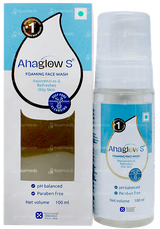
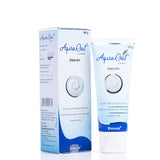
Some people benefit from adding a hydrating step to reduce dryness that can amplify irritation. You can also explore internal options that emphasize hydration and calming textures. For example:
- Foam wash for daily cleansing support
- Hydrating lotion for comfort-first routines
- Serum designed for proactive skin support
FAQs
What makes a sunscreen suitable for sensitive skin?
A suitable sunscreen for sensitive skin typically has broad-spectrum UV coverage, a formula designed to reduce common irritants, and a texture that supports consistent application. Many people prefer fragrance-free formulas and gentler filter systems such as zinc oxide or titanium dioxide. Patch testing helps you confirm compatibility before using it broadly.
Is it better to choose mineral or chemical sunscreen filters for sensitive skin?
There is no universal rule. Mineral filters using zinc oxide or titanium dioxide can be well tolerated by many people with sensitivity. Some chemical filters also work well when they are formulated gently and without fragrance. The most reliable strategy is to test the filter type that aligns with your skin history and to monitor comfort during regular use.
How should I apply sunscreen to reduce irritation?
Apply sunscreen to clean, dry skin using sufficient product for even coverage. Smooth gently rather than rubbing. If your skin is easily irritated, apply a moisturizer that you tolerate first, then apply sunscreen on top. If you notice stinging or redness, stop and reassess the formula, application method, and surrounding skincare steps.
Can sunscreen cause acne or clogged pores for sensitive skin?
Some sunscreens may feel heavy or occlusive, which can contribute to breakouts for certain skin types. If your skin tends to clog easily, prioritize non-greasy textures and consider a formula designed for daily facial use. Consistency matters; overly thick layers can increase friction during application and removal, which may worsen irritation.
Wrap-up & Final Thoughts
Finding safe sunscreen for sensitive skin is a process that combines careful ingredient review, correct application, and realistic routine building. Start with broad-spectrum protection and a formula that minimizes common triggers such as fragrance and harsh additives. Use patch testing to confirm compatibility, then apply gently and reapply consistently during outdoor time. When your cleanser and moisturizer support a calm barrier, your sunscreen experience becomes more predictable.
If you want a practical starting point, begin with a gentle cleansing step and pair it with a sunscreen made for daily wear. From there, refine your routine based on comfort and consistency rather than marketing claims. This approach supports a safer, steadier sun-care routine that respects sensitive skin needs.
About the Author Section
Allodermis is a skincare-focused brand guided by dermatology-informed principles and a commitment to thoughtful ingredient selection. The author behind this guide, an editorial specialist in skin-care education, focuses on clear, evidence-aware guidance for everyday shoppers. Readers are encouraged to build routines that prioritize comfort and consistency while monitoring how their skin responds over time. Thank you for reading, and may your sun-care choices feel simpler and more reliable.
Disclaimer: This article provides general educational information and does not replace professional medical advice. Individual skin responses vary, and patch testing is recommended. If you have persistent irritation, a suspected allergic reaction, or a skin condition that requires clinical care, consult a qualified healthcare professional.
Authors & medical review
Swaraj Dhar is a sociopreneur, technologist, and the co-founder of Allodermis.
Every article is fact-checked against current peer-reviewed dermatology literature and Allodermis clinical protocols.
This article was last reviewed and updated on . Published .
Have a skin or hair concern?
Book a free consultation with our AIIMS MD dermatologists. Clinics in Bhubaneswar, Gurgaon, and Delhi NCR.