

































Updated on: 2026-05-13
Skin care for dry skin requires a simple routine that protects the skin barrier, reduces water loss, and supports gentle exfoliation. In this guide, you will learn how to choose the right cleanser, moisturizers, and targeted treatments for a comfortable, resilient feel. You will also see common mistakes that make dryness worse and clear, evidence-based myths versus facts. Finally, you will get practical recommendations you can apply to your daily regimen.
Table of Contents
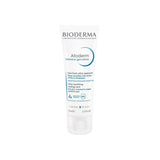
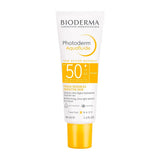
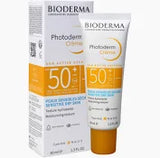
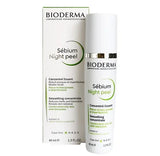
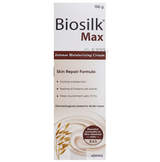
Product Spotlight
Myths vs. Facts
Build an Effective Routine
How to Choose Ingredients
Visual Guide to Barrier Support
Lifestyle Factors That Affect Dryness
Visual Guide to Hydration Timing
Frequently Asked Questions
Final Recommendations
Q&A Section
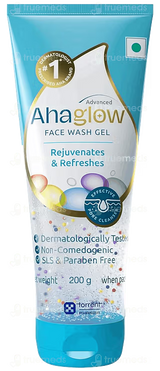
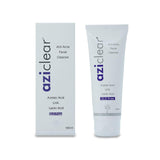
Product Spotlight
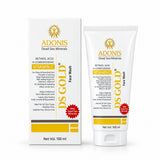
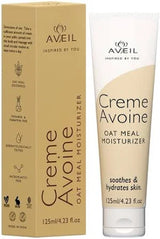
When selecting skin care for dry skin, the goal is not to use more products. The goal is to use the right types of products that work together. Look for a gentle cleanser that does not strip oils. Choose a hydrating lotion or cream that supports the skin barrier with humectants and emollients. If you use actives, introduce them slowly and pair them with strong moisturizing support.
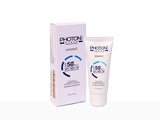
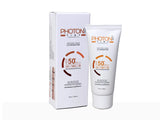
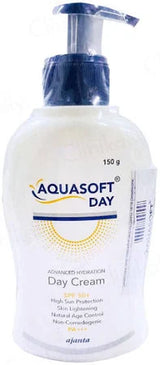
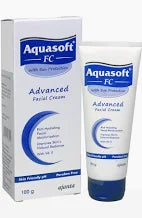
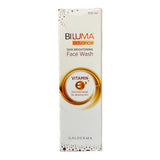
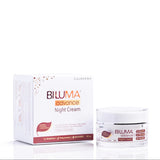
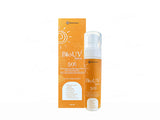
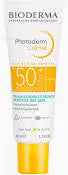
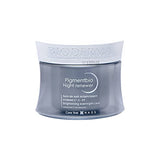
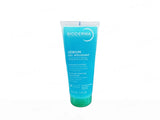
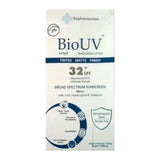
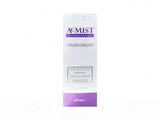
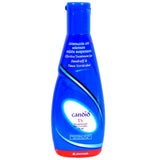
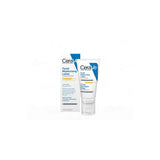
For cleansing, a mild option can help you avoid the tight, dry feel that often follows harsh washes. If you also want a hydrating base for daytime comfort, a facial hydrating lotion is often a useful starting point. For people who require sunscreen as part of daily care, prioritize formulas designed for sensitive dryness and consistent daily use.
- Gentle cleanser guidance for reducing barrier stress.
- Hydrating lotion support to improve comfort.
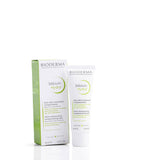
- Daily sunscreen option for dryness-prone skin.
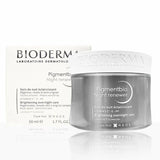
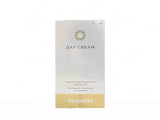
- Cream texture choice for overnight hydration.

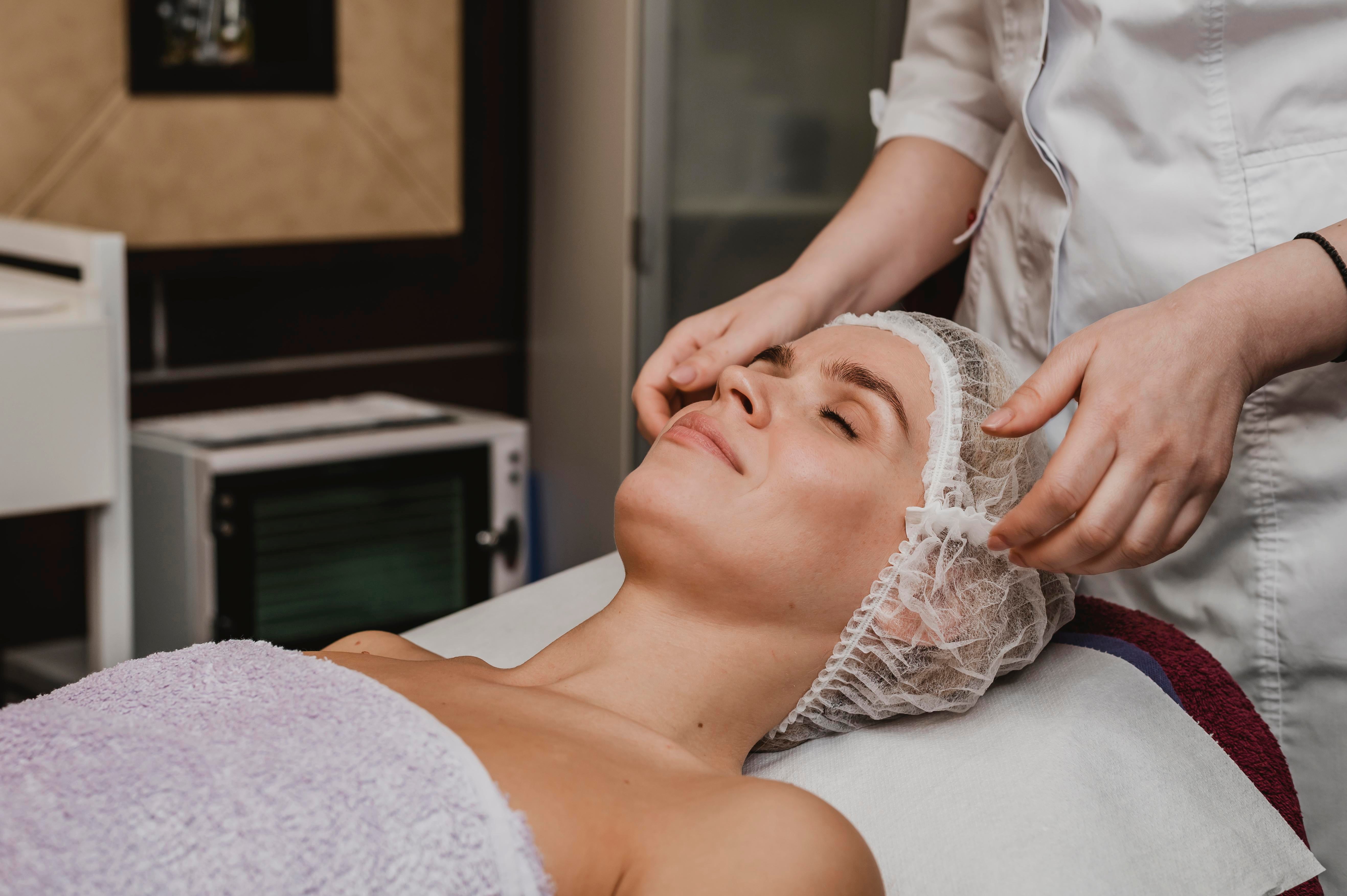
Layers of hydration: cleanser, cream, and shield
Myths vs. Facts
Myth: Dry skin needs frequent exfoliation to feel softer.
Fact: Over-exfoliation can worsen dryness by increasing water loss and irritation. For most routines, gentle exfoliation should be occasional and followed by strong moisturization.
Myth: Any face wash will work if you moisturize after.
Fact: Cleansing is the foundation. A cleanser that strips the skin can leave it inflamed and harder to hydrate, even if you apply lotion afterward.
Myth: Oils alone are enough for deep hydration.
Fact: Oils can reduce moisture loss, but many people need humectants and barrier-supporting ingredients to attract and retain water.
Build an Effective Routine
A consistent routine helps dry skin recover and stay comfortable. Think in three steps: cleanse gently, moisturize thoroughly, and protect daily. You can also include targeted treatments, but they should support the barrier rather than compete with it.
Morning routine
- Cleanse lightly: Use a gentle cleanser or rinse with lukewarm water if skin is not oily.
- Hydrate and seal: Apply a moisturizer with hydrating support. If your skin feels tight, choose a richer cream texture.
- Protect: Apply sunscreen to reduce irritation triggers linked to sun exposure. This supports long-term skin health.
Evening routine
- Cleanse: Remove makeup and daily buildup with a mild cleanser.
- Rehydrate: Apply moisturizer on slightly damp skin to support water retention.
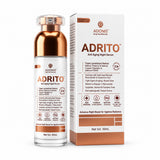
- Target carefully: If you use a serum for dryness-related concerns, keep frequency low and always moisturize afterward.
How to layer products without irritation
Apply products in order of thinnest to thickest. For example, use a watery hydrating step first, then a cream. If you use a treatment product, allow it to absorb before applying moisturizer. If stinging occurs, reduce frequency and return to your basic barrier routine for several days.
How to Choose Ingredients
Ingredient selection is the most reliable way to match skin care for dry skin to your skin needs. Dryness often involves a weak barrier and reduced water binding. The most helpful ingredients tend to fall into a few groups.
Barrier-supporting emollients
Emollients fill in gaps between skin cells and reduce rough texture. They often help skin feel smoother and less tight. Look for cream textures that list emollient-rich components early in the ingredient order.
Humectants that bind water
Humectants attract and hold water in the outer layers. Common examples include glycerin and hyaluronic-acid-related ingredients. These work best when you also moisturize to reduce water evaporation.
Occlusives that reduce moisture loss
Occlusives create a protective layer that limits water loss. They can be especially helpful at night or during dry indoor conditions. Choose occlusive-rich options if you experience persistent flaking or cracking.
Gentle exfoliation for texture, not for stripping
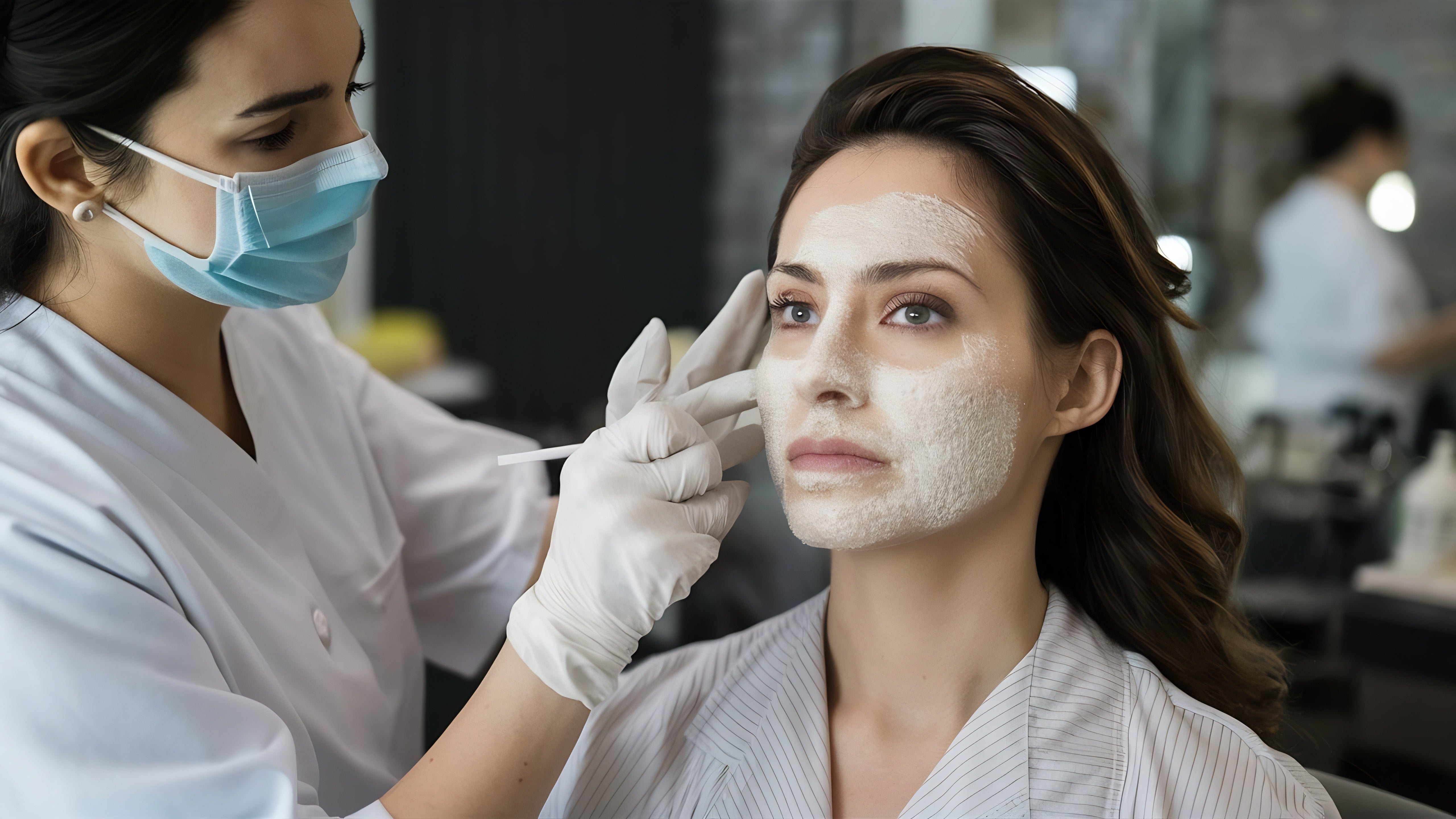
If dryness is paired with rough patches, consider gentle chemical exfoliation at low frequency. Avoid harsh scrubs. If you use exfoliating products, moisturize immediately after and monitor for irritation.
Targeted actives should be used thoughtfully
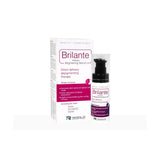
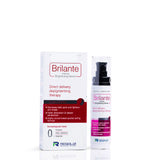
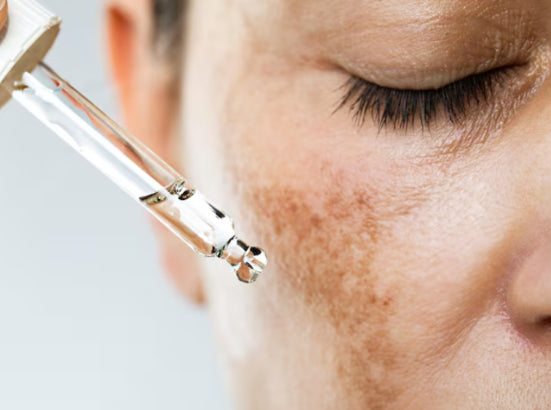
Some people with dry skin also want help with pigmentation or uneven tone. In such cases, select milder formulas and limit how often they are applied. Pair every targeted active with a consistent moisturizer to reduce sensitivity.

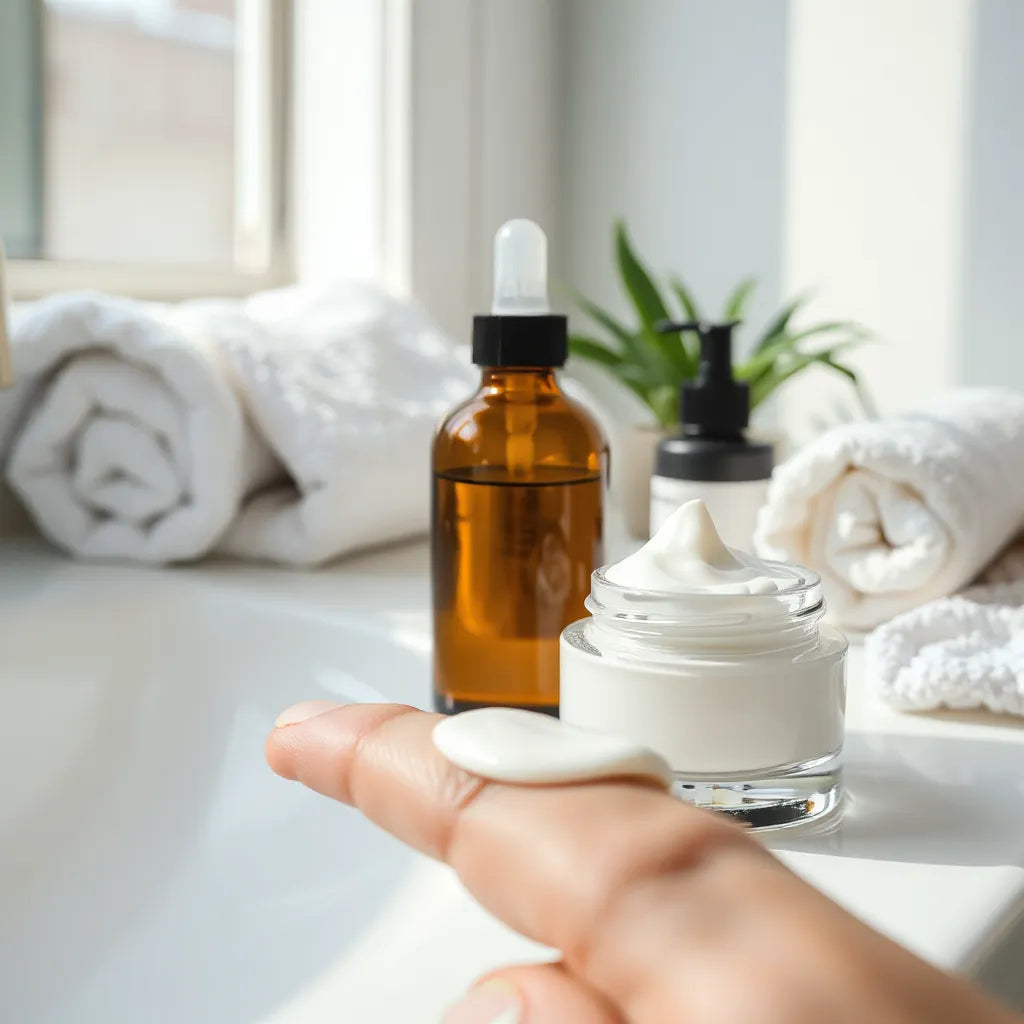
Hands applying moisturizer on slightly damp skin
Lifestyle Factors That Affect Dryness
Dry skin is influenced by daily environment and habits. Even the best routine can feel less effective if dryness triggers are constant. Small adjustments can improve hydration stability.
Temperature and water habits
- Use lukewarm water: Hot water can remove surface lipids and intensify tightness.
- Keep shower time short: Long exposure can increase dehydration.
- Pat, do not rub: Rubbing can create friction and worsen flaking.
Indoor air and humidity
Heating and air conditioning reduce moisture in the air. If you notice dryness in winter months, consider using a humidifier in living and sleeping spaces. Also ensure vents are not blowing directly on your skin for long periods.
Sleep and stress
Sleep supports skin recovery. Stress can contribute to inflammation and changes in comfort. A consistent sleep schedule and stress management can improve overall skin steadiness.
Clothing and friction management
Rough fabrics can increase irritation. Choose soft materials and avoid tight rubbing areas when possible. Apply moisturizer after washing and before friction begins.
Frequently Asked Questions
1) How often should I cleanse skin when it is dry?
Most people with dry skin do best cleansing once daily or as needed. If your skin feels dry after cleansing, use a gentler cleanser and shorten contact time.
2) Can I use a serum for dryness concerns?
Yes, but choose a formula designed to support hydration and barrier comfort. Start with a low frequency and always follow with moisturizer.
3) Is sunscreen necessary for dry skin?
Yes. Daily sunscreen helps reduce irritation triggers and supports long-term skin health. Select a formula that does not feel drying on your skin.
4) Why does my skin feel tight after moisturizing?
Tightness can mean your moisturizer is not sealing enough water, or your skin barrier is still inflamed from cleansing or irritants. Try a richer cream and apply it to slightly damp skin.
Final Recommendations
To improve skin comfort, focus on consistency and barrier support. Use a gentle cleanser, moisturize twice daily, and protect with sunscreen. If you use targeted products, introduce them slowly and pair them with a strong moisturizing base. Finally, adjust routine steps based on how your skin responds, not on trends.
If you want straightforward product guidance, start with cleanser and moisturizer matching your texture preference, then add sunscreen and one targeted treatment only if needed. You can explore options at Gentle cleanser and Rich facial hydrating lotion before expanding your routine.
Q&A Section
What is the best moisturizer type for skin that flakes?
For flaking skin, a cream or balm texture is often more effective than a lightweight lotion. Choose a formula that combines humectants and emollients, and apply it on slightly damp skin. If flaking persists, reduce exfoliation frequency and re-check cleanser strength.
Should I stop exfoliating if my skin is dry?
Do not stop exfoliation automatically, but reduce frequency and choose gentler options. If exfoliation causes burning, redness, or increased tightness, pause it and return to cleanser and moisturizer. Resume only when your skin feels stable.
How long does it take for a dryness-focused routine to work?
Most people notice comfort improvements within days, especially when cleansing becomes gentler and moisturization becomes more consistent. For visible reduction in rough texture, it can take several weeks as the barrier stabilizes. If you see worsening irritation, adjust routine steps and consider simplifying your regimen.
Can sunscreen worsen dryness?
Sunscreen can sometimes feel drying, but it is not required to avoid it. Choose a sunscreen formula that matches dry skin needs, and moisturize fully before application. If you experience irritation, switch to a more compatible option rather than skipping protection.
Is it safe to use multiple hydrating products together?
It is generally safe, but layering too many products at once can increase irritation risk. Use one cleanser, one moisturizer, and up to one additional hydration serum if needed. If a new product causes stinging, remove it and restore your baseline routine.
How do I know I am using the right routine for skin care for dry skin?
You are on the right path when your skin feels comfortable, fewer dry patches appear, and tightness decreases after washing and moisturizing. Your routine should support stable hydration across the day, including during sleep.
About the Author Section
Allodermis supports practical skin care guidance grounded in ingredient understanding and routine design. Our team focuses on helping readers build barrier-first habits for comfortable daily care. Thank you for reading, and we invite you to explore thoughtful, skin-friendly options through Allodermis.


