





























Acne scar removal is a serious goal for many people who want smoother, more even skin. After active acne clears, marks can remain and continue to affect confidence. In this guide, you will learn what causes acne scars, how different treatments work, and how to choose an approach that fits your scar type. You will also find common pitfalls to avoid, practical routines to support results, and evidence-aligned expectations for improvement.
Updated on: 2026-05-14
Common Mistakes to Avoid
Many people attempt acne scar removal as if all marks are identical. In reality, scars differ by depth, texture, and pigment. A routine that targets discoloration may not improve pitted texture, and the reverse can also be true.
Another frequent mistake is using aggressive products or harsh scrubs too soon. Over-exfoliation can disrupt the skin barrier, increase redness, and make healing uneven. When the barrier is compromised, even good ingredients may cause irritation that delays improvement.
Consistency errors are also common. Acne scars respond gradually to controlled treatment. Switching products every few days often interrupts the skin’s adaptation. It is usually better to introduce one change at a time and allow a full trial period.
Many individuals skip sun protection. Ultraviolet exposure can deepen post-acne dark spots and prolong the appearance of redness. A stable sunscreen routine is often one of the most important parts of acne scar removal planning.
Finally, there is a misunderstanding about expectations. Some scars fade significantly over time, while others require in-office approaches for visible texture change. Trying to force one method to do everything can lead to disappointment.
Pros & Cons Analysis
Acne scar removal options usually fall into two broad categories: at-home skin care for pigment and mild texture support, and professional treatments for deeper or more established scarring.
At-home approaches (topicals and supportive routines)
- Pros: Lower downtime, easier integration into daily care, and strong suitability for post-acne discoloration and mild surface irregularities.
- Pros: Ingredients such as retinoids and well-formulated exfoliants can improve cell turnover and help refine uneven tone over time.
- Cons: Limited impact on deep, indented scars compared with procedure-based treatments.
- Cons: Results depend heavily on skin tolerance and consistent sun protection.
Professional procedures (dermatology and clinic-based options)
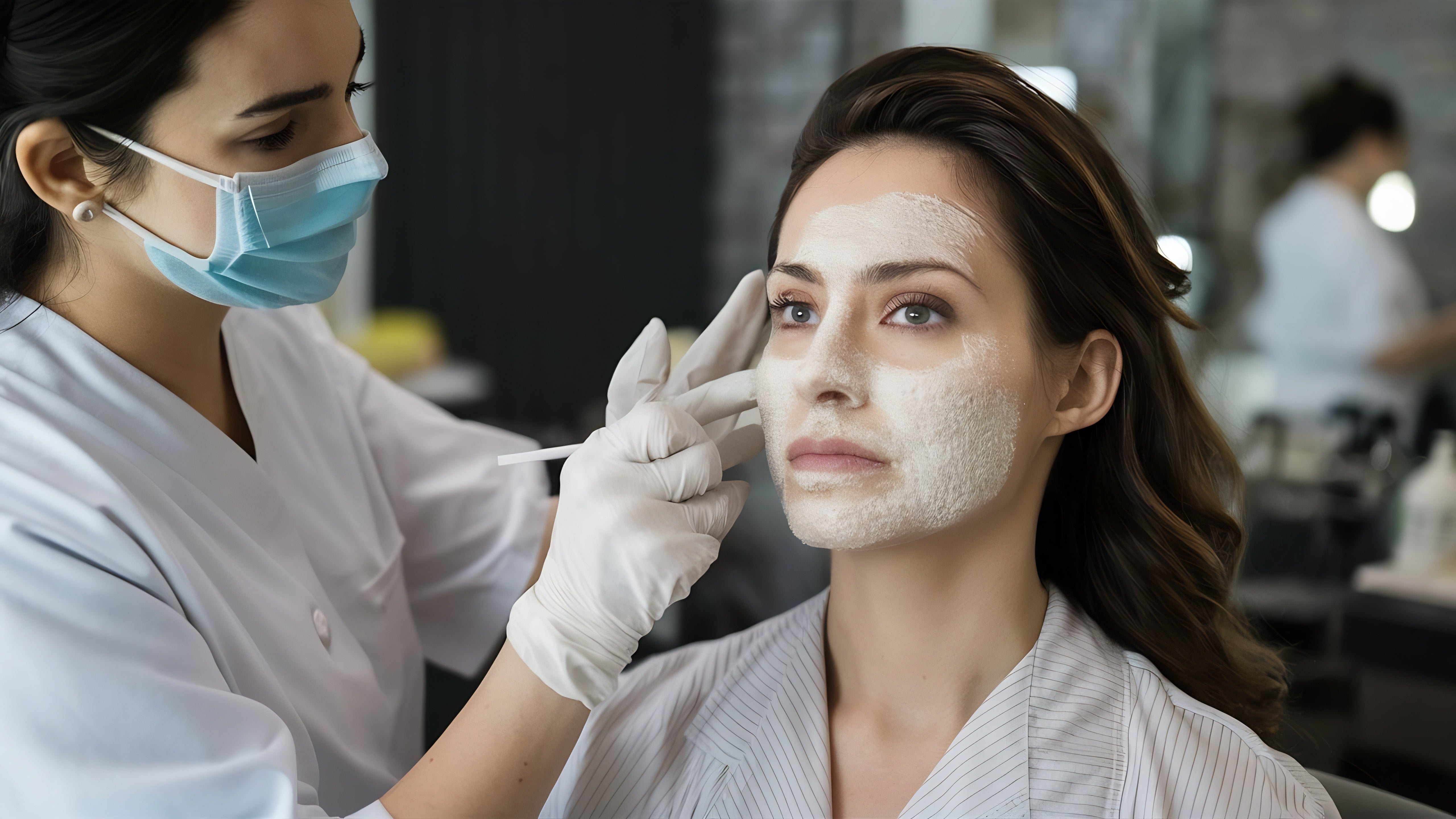
- Pros: More direct improvement for texture, such as pitted scars and raised lesions, especially when scar depth is significant.
- Pros: Clinicians can match treatment intensity to skin type and scar pattern.
- Cons: Higher cost, variable downtime, and sometimes multiple sessions.
- Cons: Skin sensitivity, hyperpigmentation risk, and the need for strict aftercare can affect outcomes.

Skin tone map showing marks and redness areas
How to decide what fits your scar type
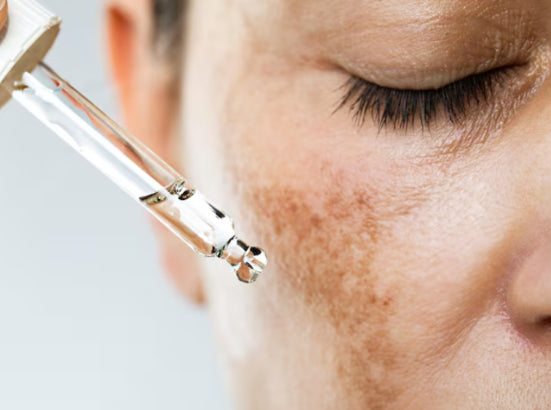
Discoloration after acne often includes dark spots and persistent redness. These marks may respond well to sunscreen, pigment-targeting actives, and gentle brightening support. Texture-related scarring, such as shallow indentations or more defined pits, usually needs a combination of targeted topicals and procedure-based resurfacing for more visible change.
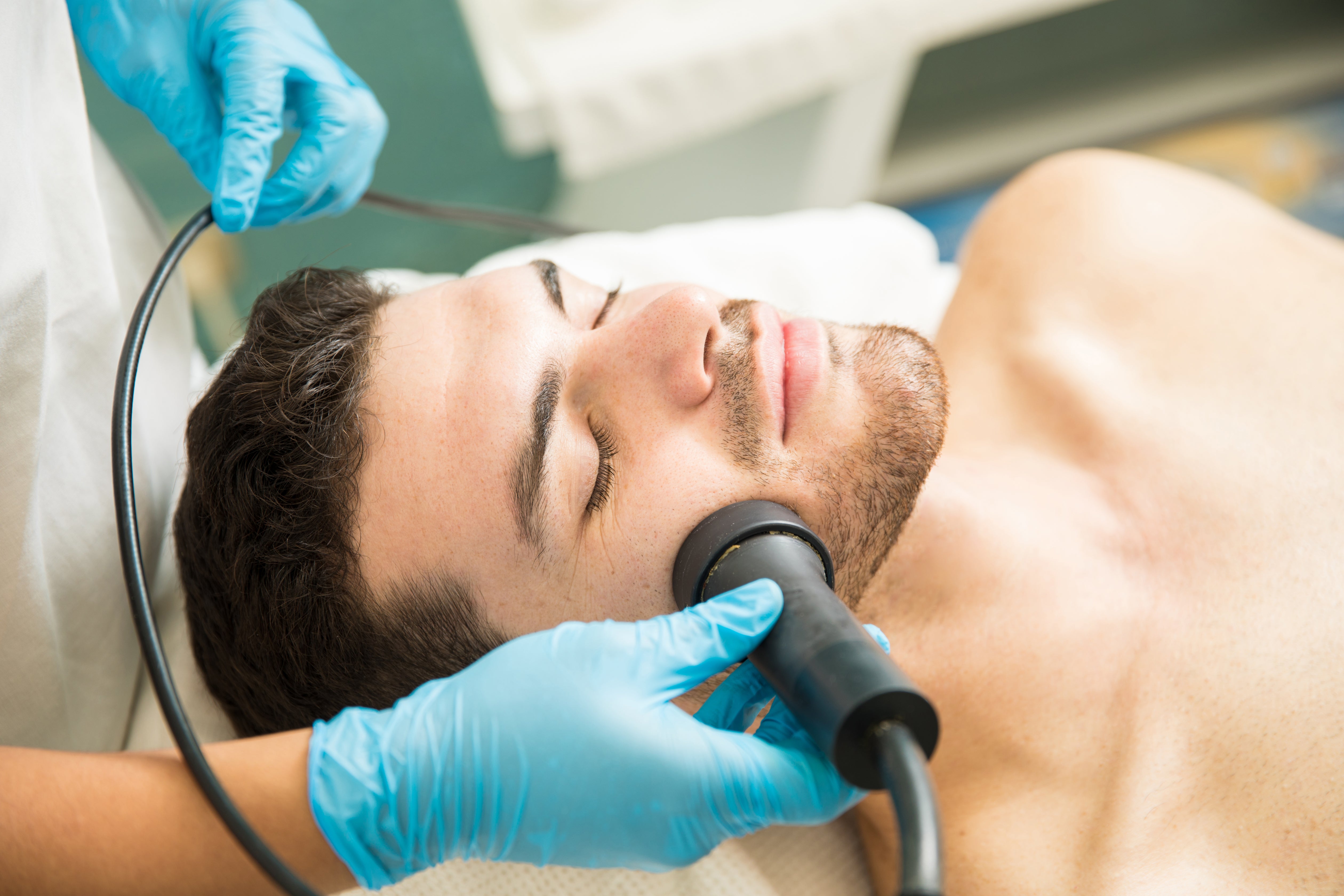
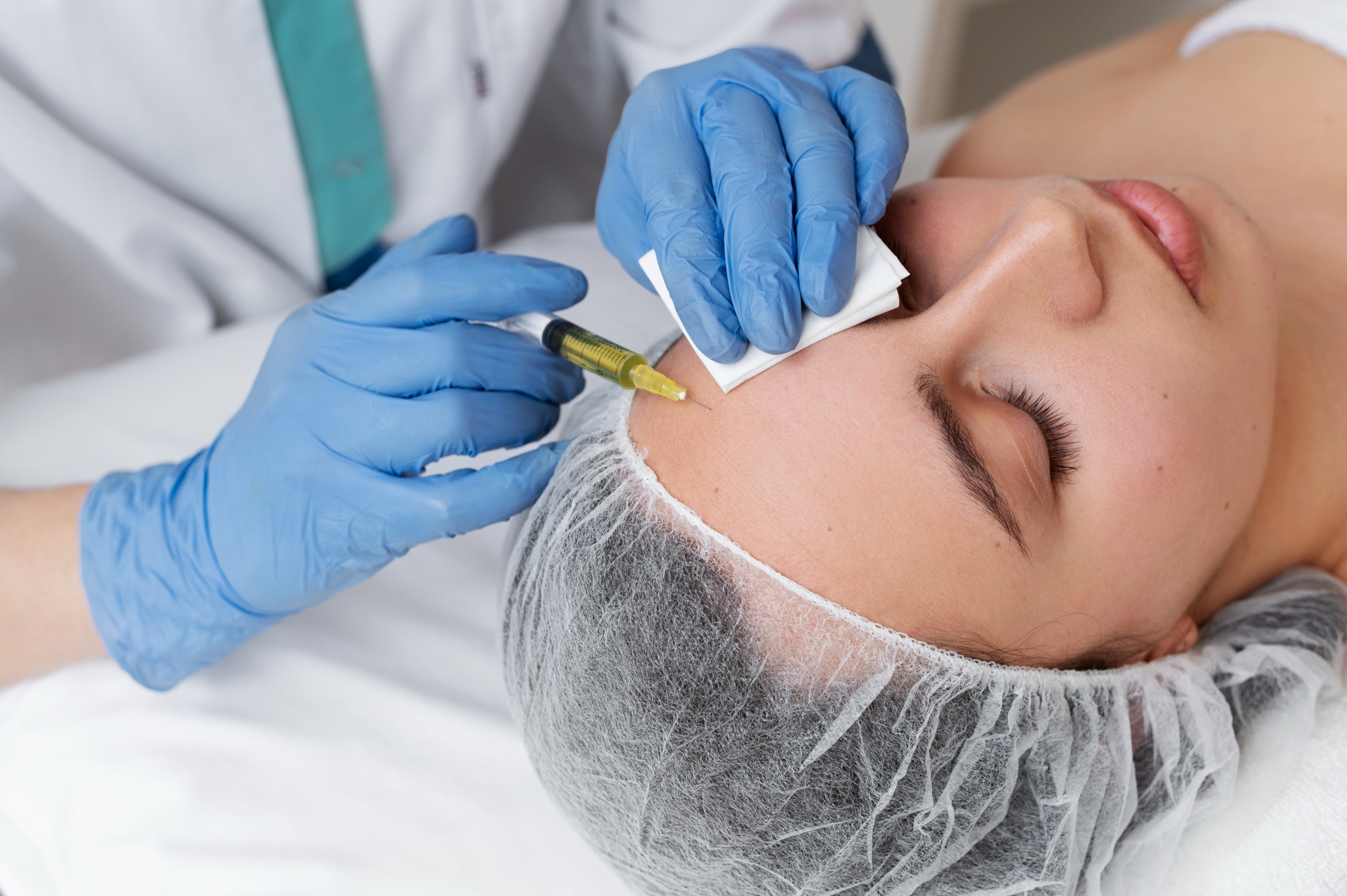
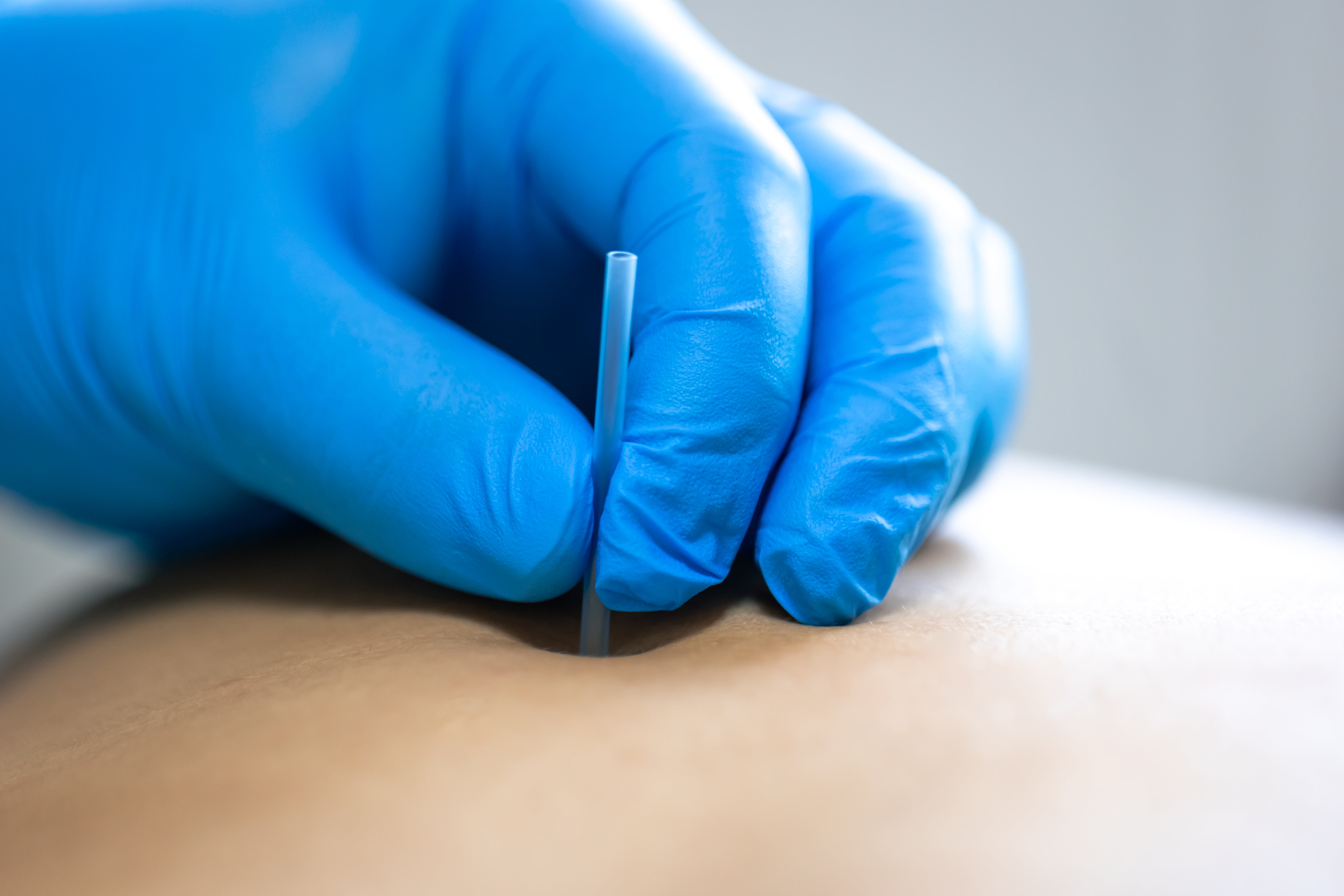
A helpful framework is to identify whether your acne scars removal priority is mainly color, mainly texture, or both. Color marks may improve with topical retinoids, vitamin C derivatives, and careful exfoliation. Texture marks may improve with controlled resurfacing, collagen-stimulating methods, or microneedling strategies under professional supervision.
When you plan acne scar removal, treat the underlying triggers first. If active acne persists, new inflammation can create additional marks. Stabilizing breakouts reduces the risk of fresh scarring and helps your skin care plan work more effectively.
Quick Tips
- Do a scar-type check: Separate discoloration from texture. Your routine should match what you see.
- Use sunscreen daily: Apply broad-spectrum protection every morning, and reapply when outdoors for extended periods.
- Choose barrier-friendly cleansing: Gentle cleansing reduces irritation, which supports faster and more even recovery.
- Introduce actives slowly: If you use retinoids or exfoliating acids, start at a low frequency and increase gradually based on tolerance.
- Do not combine too many strong products at once: Layering multiple irritants can worsen redness and delay progress.
- Track changes visually: Photograph consistent lighting conditions to monitor improvements in discoloration and texture.
- Consider professional input for deeper scars: If you have pitted scars, consult a dermatologist to evaluate the best acne scar removal pathway.
Product categories that support improvement (without overcomplicating)
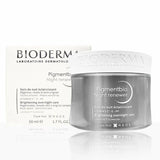
For many users, the most reliable acne scar removal routines focus on three layers: cleansing, targeted treatment, and daily protection. If you want an evidence-aligned approach to help manage uneven tone, consider adding pigment-focused care and hydration to minimize dryness that can amplify visible marks.
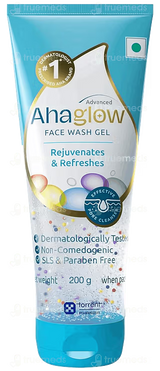
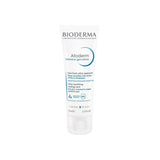
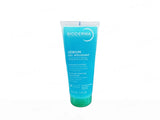
For example, a gentle cleanser can support daily consistency while reducing irritation. You may consider Gentle Cleanser as part of a barrier-first routine. If you experience excess oiliness that can contribute to breakouts, you may explore Oil Control Foam Wash for a more controlled cleanse.
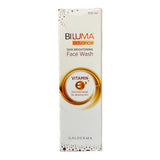
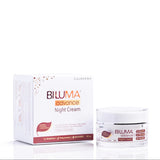
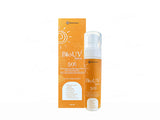
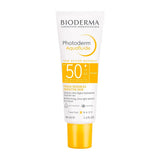
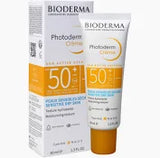
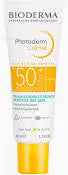
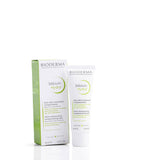
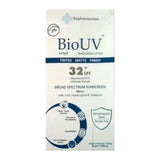
When targeting marks, vitamin C and brightening strategies are commonly used to support more even tone. For a vitamin C-focused option, you may review Hydrating Lotion to help maintain comfort during treatment periods. If you prefer a sunscreen that fits daily use, you may consider Acne UV Gel SPF 50 as a protection step designed for acne-prone skin.

Checklist icons for sunscreen, gentle care, and consistency
A simple routine structure you can adapt
Below is a practical framework you can adapt to your skin tolerance. It is not a guarantee, but it is a logical structure for supporting gradual improvement in post-acne marks and supporting overall skin health.
Morning: Gentle cleanse, light treatment if tolerated, and broad-spectrum sunscreen. Keep the routine simple and stable.
Evening: Cleanse again, then apply a targeted scar-support active if your skin tolerates it. Follow with a moisturizer if needed.
Weekly: If you use exfoliation, limit it to what your skin can handle. Overuse can worsen redness and undermine acne scar removal efforts.
Wrap-Up & Key Insights
Acne scar removal is not one-size-fits-all. The best plan depends on whether your marks are mainly discoloration, mainly texture, or a combination. You can often improve the look of post-acne dark spots and redness with consistent sunscreen, gentle cleansing, and carefully selected topicals. For deeper pitted scars, professional treatments usually provide more meaningful texture change. Choose a realistic pathway, stay consistent, and prioritize skin barrier health so your progress is not disrupted.
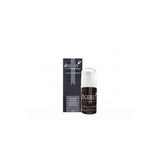
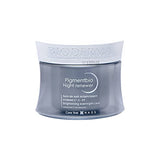
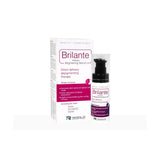
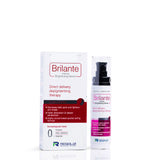
If you want a more structured skincare direction, review your current routine and select products that support daily tolerance and sun protection. When you are ready, explore options from Proactive Serum and build your plan around barrier support and pigment care. For acne-prone needs, starting with a gentle cleanser and reliable SPF can be a practical first step.
Q&A Section
How long does acne scar removal take to show results?
Improvement is usually gradual. Discoloration often softens earlier than texture, which can take longer to refine. Consistency is essential, and you should evaluate progress by comparing photos taken in similar lighting conditions rather than expecting immediate change.
Are topical products enough for pitted acne scars?
Topicals can support surface renewal and help with discoloration. However, for indented scars, procedures such as resurfacing or collagen-stimulating treatments often deliver more visible texture improvement. A combined plan is commonly more effective than relying on topical care alone.
What is the biggest factor that worsens post-acne marks?
Untreated sun exposure is a frequent reason marks linger. Ultraviolet light can intensify dark spots and keep redness more noticeable. A consistent daily sunscreen routine is one of the most effective habits for reducing the risk of prolonged discoloration.
Can irritation slow down acne scar removal progress?
Yes. When the skin barrier is irritated, inflammation can increase redness and make marks appear stronger. Using fewer active steps at first, introducing new products slowly, and avoiding harsh scrubbing can help your skin recover more evenly.
About the Author Section
Author: Allodermis
Allodermis is a skincare-focused team that emphasizes responsible, barrier-aware guidance for improving uneven tone and supporting long-term skin health. With a practical understanding of dermal care concepts and routine design, this author shares clear, objective advice that helps readers approach acne scar removal with confidence and discipline. Thank you for reading, and we encourage you to build a sustainable routine that matches your skin needs.
Disclaimer: This article is for educational purposes only and does not replace professional medical advice, diagnosis, or treatment. Individual results vary based on skin type, scar depth, and adherence to a routine. If you have severe scarring, persistent acne, or signs of infection, consult a qualified healthcare professional or dermatologist before starting any acne scar removal plan.


