Skin Acacdemy
Dark Circles Under the Eyes: Causes, Treatment & Prevention
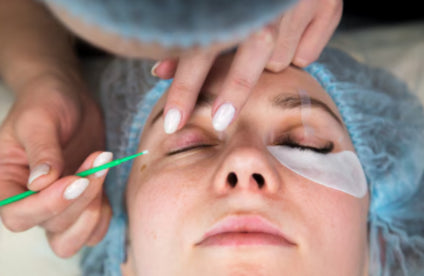
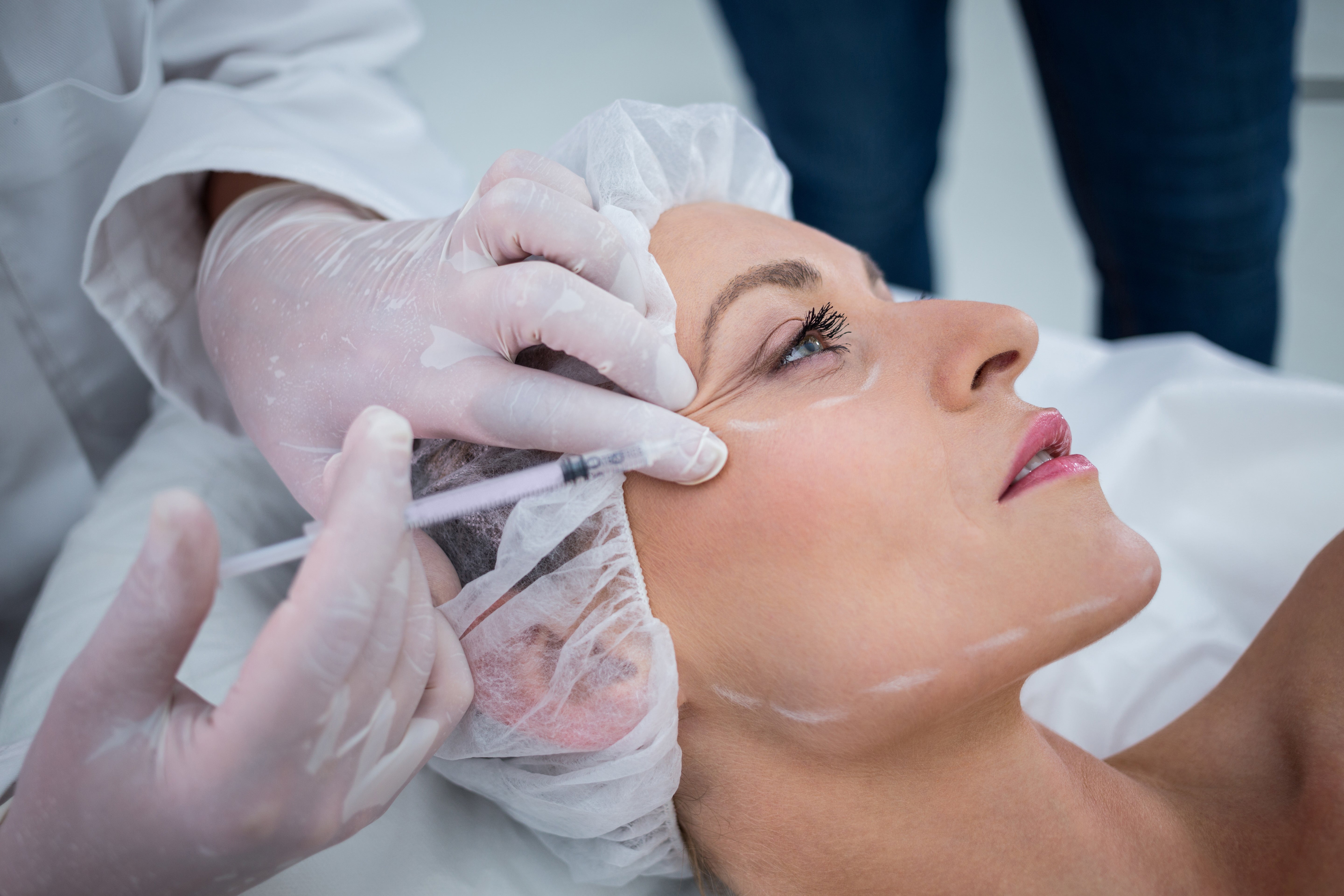
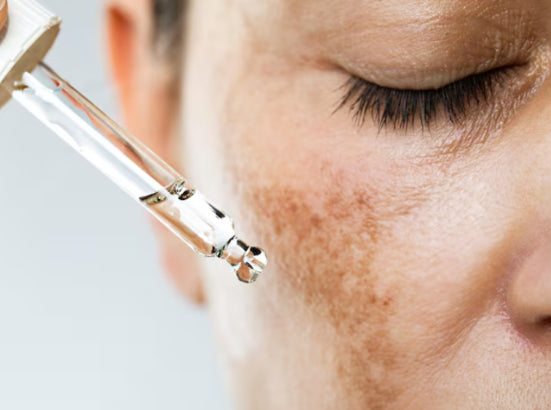
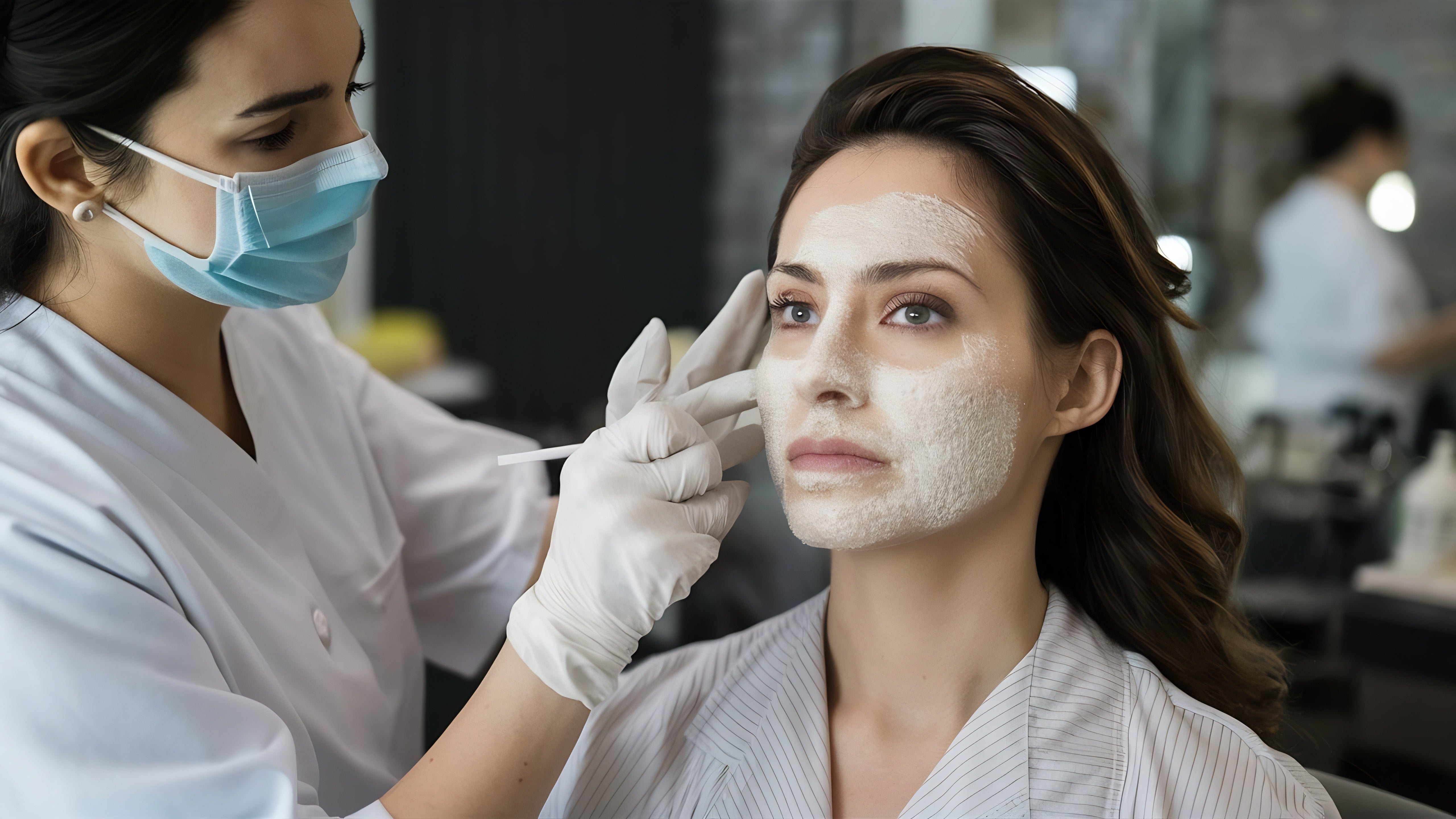
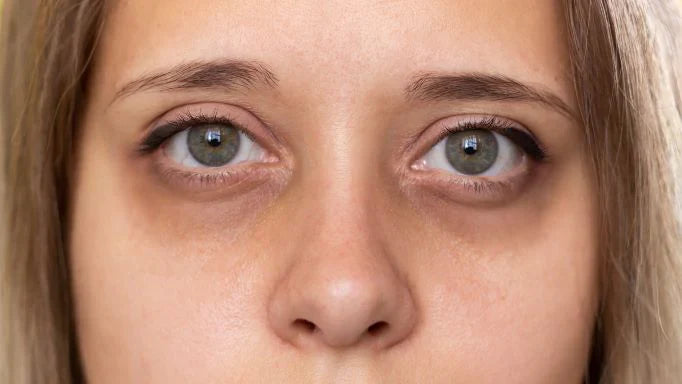
Allodermis – Where Healthy Skin Begins at the Root📞 9717503031 | 🌐 www.allodermis.comAIIMS MD Dermatologists | Root Cause Dermatology | USFDA Approved Technology | Minimal, ScienceFirst Care Try AI Powered Skin Analysis for FREE: Click me to Anlayse your Skin Overview Dark circles, medically termed Periorbital Hyperpigmentation (POH), are one of the most common cosmetic concerns. Studies show they affect nearly 50% of individuals between 16 and 25 years, with a higher prevalence in women and those with a genetic predisposition. While dark circles are usually harmless, untreated cases can deepen, become permanent, or lead to age-related hollowness. At Allodermis, we offer advanced diagnostics and evidence-backed treatments that target the root causes of dark circles, helping you achieve a brighter, refreshed undereye appearance. What Are Dark Circles? Dark circles occur when the undereye area appears darker than the surrounding skin. The causes may include: Increased melanin (pigmentation) Visible blood vessels (vascular issues) Shadowing from hollowness Skin thinning due to aging Puffiness ccauses light-blockadingshadows Determining your exact type of dark circles is key to choosing the right treatment. Causes of Dark Circles Dark circles can be caused by a combination of internal and external factors: External Causes: Lack of sleep or irregular routines Stress, smoking, and alcohol consumption Sun exposure, which increases melanin production Eye rubbing, allergies, or irritation from cosmetics Internal Causes: Genetics & family history Hormonal fluctuations Aging, leading to collagen loss and tear trough formation Iron deficiency or anemia Certain medications (e.g., glaucoma eye drops) Symptoms of Dark Circles Common symptoms include: Undereye discoloration (brown, blue, purple, or gray) Puffiness or swelling Tear trough depression (hollowness) Skin sagging or thinning Fine lines Shadowing under specific lighting conditions Types of Dark Circles Understanding your specific type of dark circles is essential for choosing the most effective treatment. The four main types include: Vascular Dark Circles (Bluish/Purple): Caused by visible blood vessels, poor circulation, and thin skin. Pigmented Dark Circles (Brown/Black): Caused by melanin overproduction, sun exposure, genetics, and friction. Structural (Anatomical) Dark Circles: Caused by tear trough hollowness, volume loss, or shadowing. Mixed Dark Circles: A combination of pigment, vascular, and structural issues, commonly seen in Indian skin types. Diagnosis at Allodermis: Root Cause Evaluation To effectively treat dark circles, a thorough assessment by an AIIMS MD Dermatologist is necessary. Our evaluation includes: Family history Skin type & Fitzpatrick classification Contributions from melanin, vascular issues, and structural concerns Lifestyle factors like sleep, nutrition, and stress levels Allergy and rubbing habits Medication history Hemoglobin/B12/iron status (if needed) We use advanced diagnostic tools such as dermoscopy, undereye skin thickness analysis, tear trough depth evaluation, and photographic documentation to ensure an accurate diagnosis. Prevention: Dermatologist-Approved Tips Sleep 7–8 hours nightly – Lack of sleep is the #1 cause of dark circles. Reduce stress – Practice meditation, breathing exercises, and ensure good sleep hygiene. Avoid smoking & alcohol – These habits worsen pigmentation by constricting blood vessels. Stay hydrated – Drink 2–2.5 liters of water daily to maintain skin health. Use sunscreen daily – Protect the delicate skin around your eyes from further pigmentation. Avoid eye rubbing – This can increase pigmentation and contribute to wrinkles. Are Home Remedies Helpful? Home remedies may provide temporary relief, but do not address the underlying causes of dark circles. Helpful remedies include: Cold compress to reduce vascular congestion Head elevation at night to reduce puffiness Gentle undereye massage Cucumber slices for hydration However, these remedies are not effective for: Pigment-based dark circles Structural hollowness or volume loss Genetic or hormonal causes Chronic undereye issues Medical Treatment Options at Allodermis At Allodermis, we offer customized, multimodal therapies based on your unique type of dark circles. 1. Chemical Peels (Under Eye Safe Formulations) Best for: Pigmented dark circles Specialized low-strength peels improve pigmentation, texture, and fine lines. Includes glycolic, lactic, mandelic, and TCA (used in controlled amounts). 2. Laser Therapy (Q Switched & Non-Ablative Lasers) Best for: Pigmented + vascular dark circles Targets melanin (brown pigmentation), vascular congestion (blue/purple tones), and skin tightening. 3. Dermal Fillers (Hyaluronic Acid) Best for: Structural dark circles Fills tear trough hollowness and addresses volume loss, with immediate and natural results when performed by an experienced dermatologist. 4. Platelet-RichPlasma (PRP) Best for: Vascular dark circles and fine lines Stimulates collagen production, improving skin color, texture, and thickness. 5. Prescription Topicals (Medical Grade Under Eye Creams) Includes Vitamin C, Azelaic acid, Kojic acid, Tranexamic acid, and Retinoids (used in controlled amounts). These ingredients help improve pigmentation and strengthen the undereye barrier. 6. Surgical Options (Blepharoplasty) Best for: Advanced anatomical causes Performed by experienced oculoplastic surgeons, this option is suitable for excess skin, fat prolapse, or severe eye bags. Prognosis With the right treatment plan, you can expect visible improvement in 4–8 weeks. For the best results, combination therapy is recommended. Fillers can last 12–18 months, while pigmentation improves gradually with consistent care. Maintenance sessions are recommended every 3–6 months. Why Choose Allodermis? Right Products, Only When Needed: We prescribe only what your skin truly needs. Root Cause Dermatology: We address the underlying causes, whether it's pigmentation, circulation, anatomy, or lifestyle factors. Expert Care from AIIMS MD Dermatologists: Trust our precise diagnosis and safe treatments. USFDA Approved Technologies: Our lasers, fillers, PRP, and peels are all based on proven science. Inside Out Wellness: We integrate lifestyle, sleep, diet, and stress management for long-lasting results. Frequently Asked Questions Q1. What is the best treatment for dark circles?It depends on the type: pigment (peels/lasers), vascular (lasers/PRP), or structural (fillers). Q2. Can lasers remove dark circles permanently?Lasers significantly reduce pigmentation and vascularity, but maintenance treatments help sustain longterm results. Q3. What vitamin deficiency causes dark circles?Vitamin B12, iron deficiency, and anemia may worsen dark circles. Q4. Are dark circles permanent?Dark circles are typically not permanent, but consistent treatment based on the underlying cause is required. Q5. Which undereye creams do dermatologists recommend?Dermatologists recommend creams with Vitamin C, kojic acid, azelaic acid, tranexamic acid, and retinoids (when suitable). Scientific References Sheth PB et al. Periorbital hyperpigmentation: A comprehensive review. J Clin Aesthet Dermatol. Sarkar R et al. Periorbital melanosis: Etiology, evaluation, and treatment. Indian Dermatol Online J. Draelos ZD. Skin aging around the eyes. Dermatol Clin. Shoshani D. Tear trough anatomy & filler approach. Dermatol Surg. Manuskiatti W. Q switched lasers for pigment correction. Dermatol Ther. Also Read: Tanned Skin Treatment Explained: Causes, Prevention, Best Treatments, Timelines, and Aftercare ✍ Written by: Swaraj Dhar Co Founder Allodermis || Sociopreneur || Technologist LinkedIn ID: https://www.linkedin.com/in/swarajdhar/ Reviewed by: Dr Alok Sahoo MBBS, MD Dermatology and Venereology, AIIMS Delhi LinkedIn ID: https://www.linkedin.com/in/dralokderma/



Learn more