




Skip to content
Up to 30% Off on all Treatments

Skin Acacdemy

Skin Pigmentation Treatment at Allodermis: Causes, Symptoms; Advanced Treatment Options

Skin Pigmentation Treatment at Allodermis: Causes, Symptoms; Advanced Treatment Options

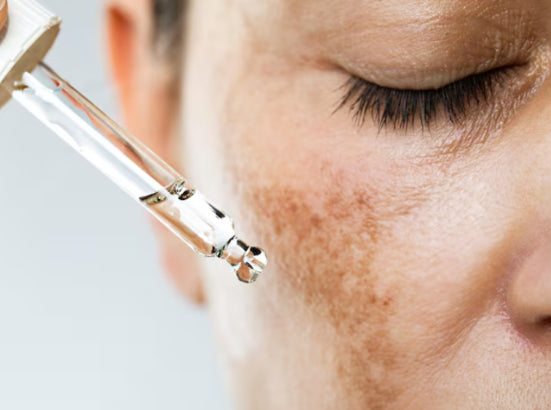
Allodermis – Where Skin Reflects Health. Care Begins at the Root📞 9717503031 | 🌐 www.allodermis.comAIIMS MD Dermatologists | Root Cause Dermatology | USFDA Approved Technology | Minimal, ScienceFirst Care What is Skin Pigmentation? Skin pigmentation occurs when certain areas of the skin become darker due to excess melanin production. While it’s common and often harmless, pigmentation can affect appearance, confidence, and overall skin uniformity. At Allodermis, our AIIMStrained dermatologists provide root cause diagnosis and offer USFDA-approved treatments to safely and scientifically address pigmentation concerns, ensuring clear, even-toned skin. Causes of Skin Pigmentation Skin pigmentation develops when melanocytes (cells producing melanin) become overstimulated. The main triggers are: External Factors: Sun Exposure (UV Rays)UV exposure is the leading cause of pigmentation. It stimulates melanin production, darkening the skin and worsening existing pigmentation. Skin Injury or InflammationInjuries such as cuts, burns, acne scars, waxing burns, or friction can cause PostInflammatory Hyperpigmentation (PIH). Allergies & Contact DermatitisCosmetics, hair dyes, deodorants, or fragrances can irritate the skin and trigger pigmentation. MedicationInduced PigmentationCertain drugs like chemotherapy, tetracyclines, antimalarials, and some hormonal medications may cause pigmentation changes. Internal Factors: Genetics & Skin TypePeople with darker skin tones (Fitzpatrick IV–VI) are more prone to pigmentation. Hormonal FluctuationsPregnancy, use of oral contraceptives, and thyroid disorders can trigger melasma, a form of pigmentation. Medical ConditionsConditions like vitamin deficiencies and metabolic imbalances can contribute to pigmentation. AgingAs we age, skin turnover slows, making pigmentation more visible. Types of Skin Pigmentation Skin pigmentation can present in various forms, including: FrecklesSmall brown spots that appear due to repeated sun exposure are more common in lighter skin tones. PostInflammatory Hyperpigmentation (PIH)This occurs after skin injury, acne, burns, or irritation, often leaving darker spots in the affected area. MelasmaBrown or gray-brown patches are typically found on the cheeks, forehead, or upper lip. It’s more common in women and aggravated by sunlight and hormones. Sunspots (Solar Lentigines)Well-defined dark spots caused by chronic UV damage. Diagnosis at Allodermis: Our Root Cause Approach At Allodermis, we take a root cause approach to diagnosing pigmentation. Our dermatologists perform: Visible clinical evaluation to determine pigmentation depth (epidermal vs dermal vs mixed). Dermoscopy & Skin Scanner analysis to map melanin distribution. Comprehensive lifestyle and medical assessments to understand triggers like hormones, stress, sleep, and sunscreen habits. Targeted lab tests (if needed) for thyroid levels, vitamin deficiencies, or hormone imbalances. This thorough process ensures that your treatment is customized, safe, and effective. Are You at Risk of Skin Pigmentation? You may be more prone to pigmentation if you: Spend prolonged hours in the sun Have darker Indian skin types (Fitzpatrick IV–VI) Have a family history of pigmentation Experience frequent acne or skin inflammation Are you pregnant or on hormonal therapy Use fragranced or irritating cosmetics Have thyroid or vitamin disorders Prevention & Daily Care Preventing and managing pigmentation requires consistent care and protection. Here’s what you can do: Use BroadSpectrum Sunscreen (SPF 30–50)Apply generously on your face and neck. Reapply every 2–3 hours if you’re outdoors. Follow a Consistent Skincare RoutineA gentle cleanser, barrier-strengthening moisturizer, and targeted treatments can help maintain skin health. Protect Your Skin from the SunWear sun protection clothing like hats, scarves, and sunglasses to minimize UV exposure. Avoid Harsh Scrubs & Irritating ProductsStay away from products with lemon or toothpaste, as well as fragrance-heavy items. Advanced Treatment Options at Allodermis At Allodermis, we provide advanced treatment options for skin pigmentation: 1. Chemical Peels (USFDA Approved) Controlled exfoliation removes pigmented skin layers, promoting skin renewal. Best for PIH, freckles, and superficial pigmentation.Sessions: 3–6 sessions, spaced 2–4 weeks apart. 2. Laser Toning (Q-Switched Nd: YAG) Targets deeper melanin deposits, brightens skin, and improves texture without damaging surrounding tissue. Safe for Indian skin when done by experts.Sessions: 6–8 sessions recommended for melasma, sunspots, and deep pigmentation. 3. Medical Topicals Topical treatments include Hydroquinone, Azelaic acid, Kojic acid, Vitamin C, Retinoids, and Tranexamic acid. These formulations help reduce pigmentation when used under a dermatologist's supervision. 4. Root Cause Corrective Plans Tailored based on your unique profile, which may include hormonal correction, anti-inflammatory care, and stress management. Why Choose Allodermis? Right Products, Only When Needed: We focus on evidence-backed essentials, avoiding overprescription. Root Cause Diagnosis: We identify why pigmentation happens—whether due to hormones, UV exposure, inflammation, or lifestyle. AIIMS MD Dermatologists: Trust our precision and expertise for safe, effective treatments.USFDA-Approved Technology: Our treatments are proven safe for Indian skin. InsideOut Wellness Approach: Longterm clear skin comes from balancing internal health and external care. Prognosis Mild pigmentation improves within 4–6 weeks. Deeper melasma requires longterm maintenance. Laser results build gradually. Combining treatments yields optimal results. Strict sunscreen and lifestyle correction help prevent recurrence. Frequently Asked Questions 1. Which treatment is best for pigmentation?It depends on the type: melasma responds well to lasers + topicals, PIH responds to peels, and sunspots often require laser toning. 2. Is pigmentation permanent?Most pigmentation can be significantly reduced with proper treatment. However, melasma requires longterm maintenance. 3. How many laser sessions are required?Typically 6–8 sessions, depending on the severity and depth of pigmentation. 4. Can pigmentation worsen if untreated?Yes, sun exposure, inflammation, and hormonal triggers can deepen pigmentation. 5. Are topical creams safe?Yes, when prescribed and monitored by a dermatologist. Scientific References Bolognia J. Dermatology. Hyperpigmentation disorders. Sarkar R, et al. Melasma & PIH treatment guidelines. Indian Dermatol Online J. Grimes PE. Melasma and pigmentary disorders in darker skin types. Dermatol Clin. Manuskiatti W. Laser toning for melanin correction. J Cosmet Laser Ther. Davis EC. Postinflammatory hyperpigmentation review. J Clin Aesthet Dermatol. ✍  Written by: Swaraj Dhar Co Founder Allodermis || Sociopreneur || Technologist  LinkedIn ID: https://www.linkedin.com/in/swarajdhar/ Reviewed by: Dr Alok Sahoo MBBS, MD Dermatology and Venereology, AIIMS Delhi LinkedIn ID: https://www.linkedin.com/in/dralokderma/ Updated On: 12 Dec 2025 Clinic entity: Allodermis Skin ClinicLocal context: Delhi NCR | Gurgaon | Bhubaneswar  

Learn more
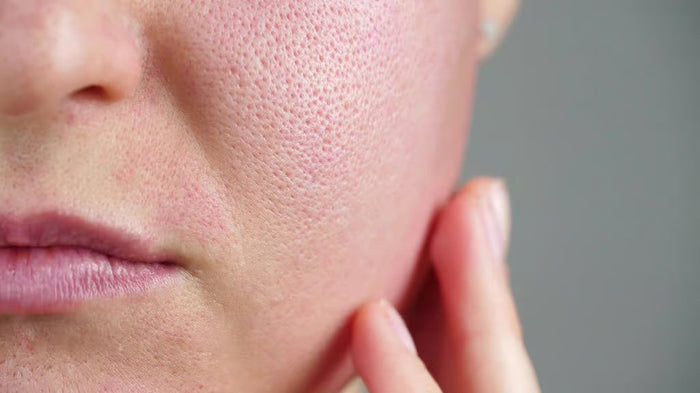
Open Pores Treatment Explained: Causes, What Actually Works, Best Procedures, Timelines, and Prevention

Open Pores Treatment Explained: Causes, What Actually Works, Best Procedures, Timelines, and Prevention

Open pores are normal skin openings that become more visible due to excess oil production, congestion from dead skin cells and blackheads, and the weakening of collagen and elastin caused by age and sun damage. While pores cannot be permanently closed, their enlarged appearance can be significantly reduced through consistent at-home care—such as gentle cleansing, noncomedogenic products, and daily sunscreen—and specialized dermatologist-guided procedures. Effective professional treatments include chemical peels for decongestion, laser toning for oil control, fractional laser resurfacing for texture, and radiofrequency microneedling (MNRF) for collagen loss and structural improvement. Overall, addressing enlarged pores requires a multimodal approach that tackles oil regulation, collagen health, inflammation, and barrier integrity for long-term refinement.

Learn more
AI Skin
Analysis