




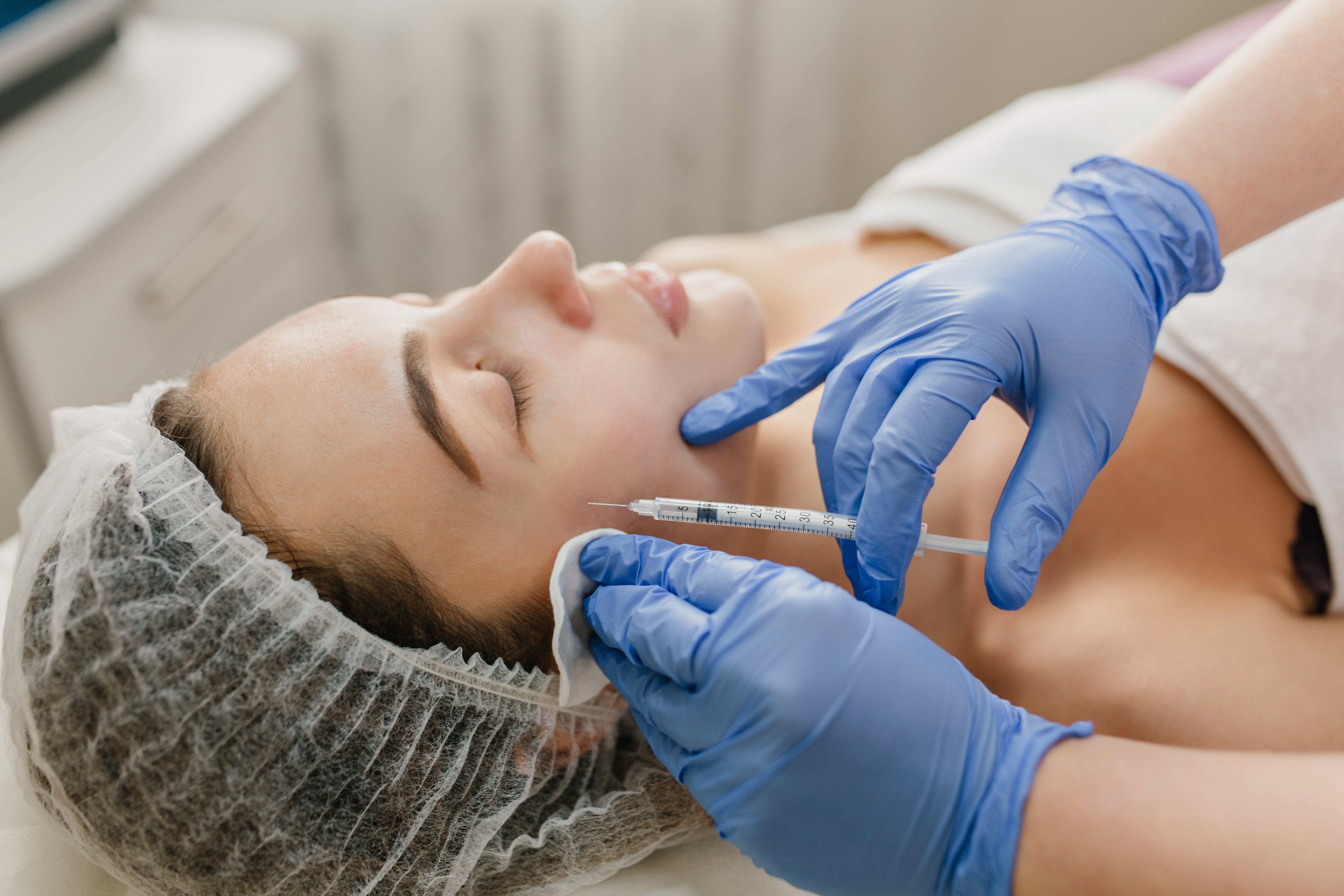
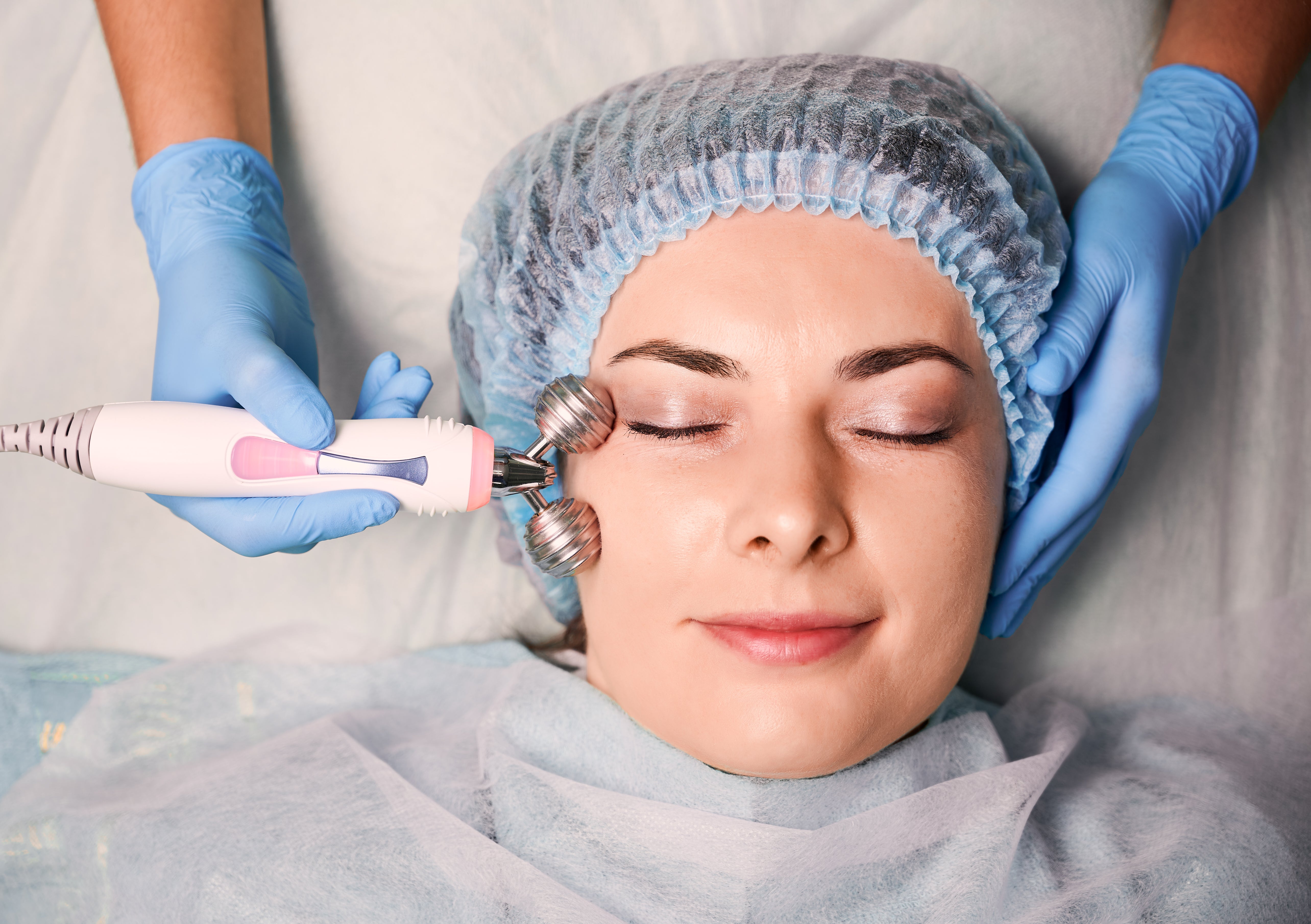
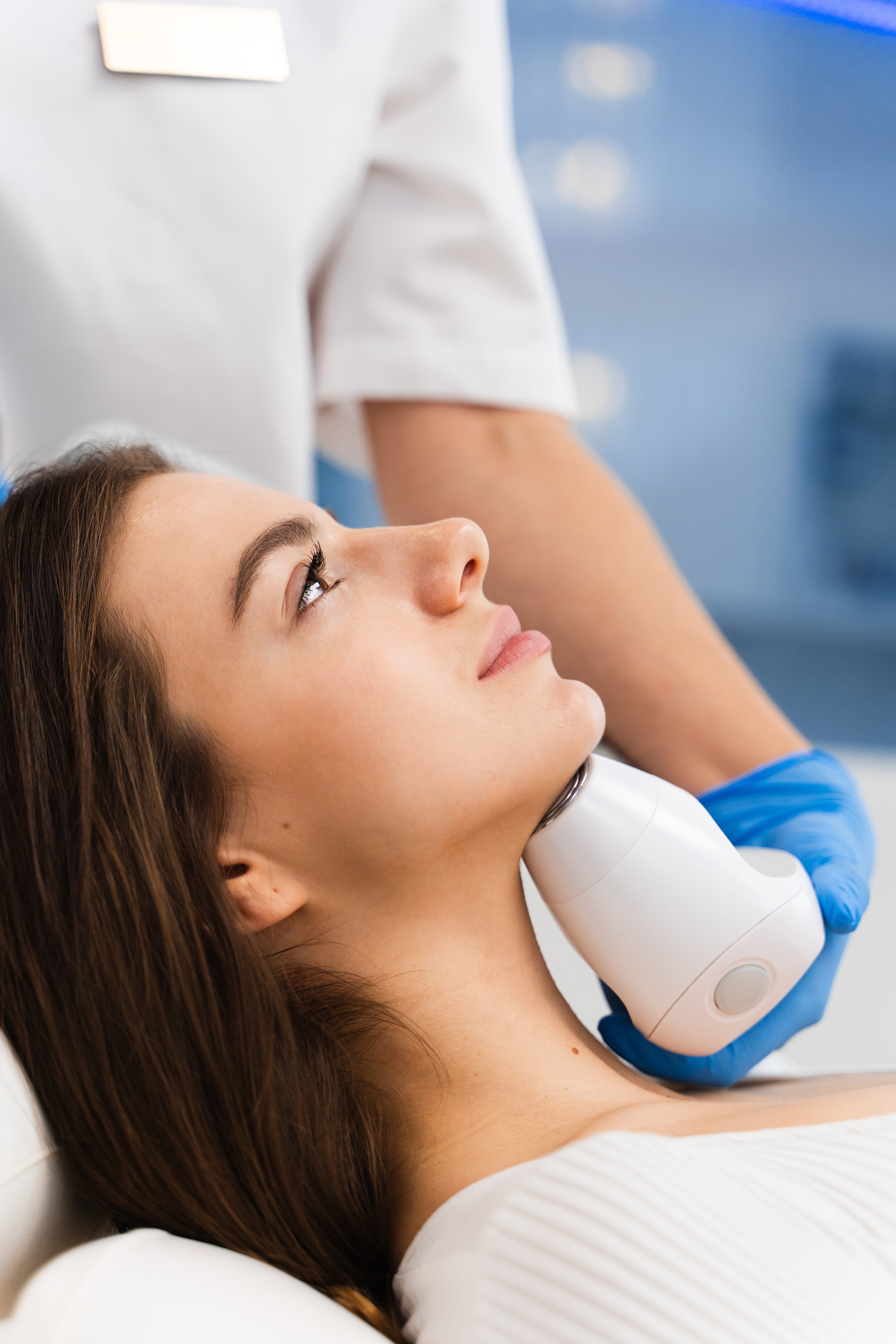

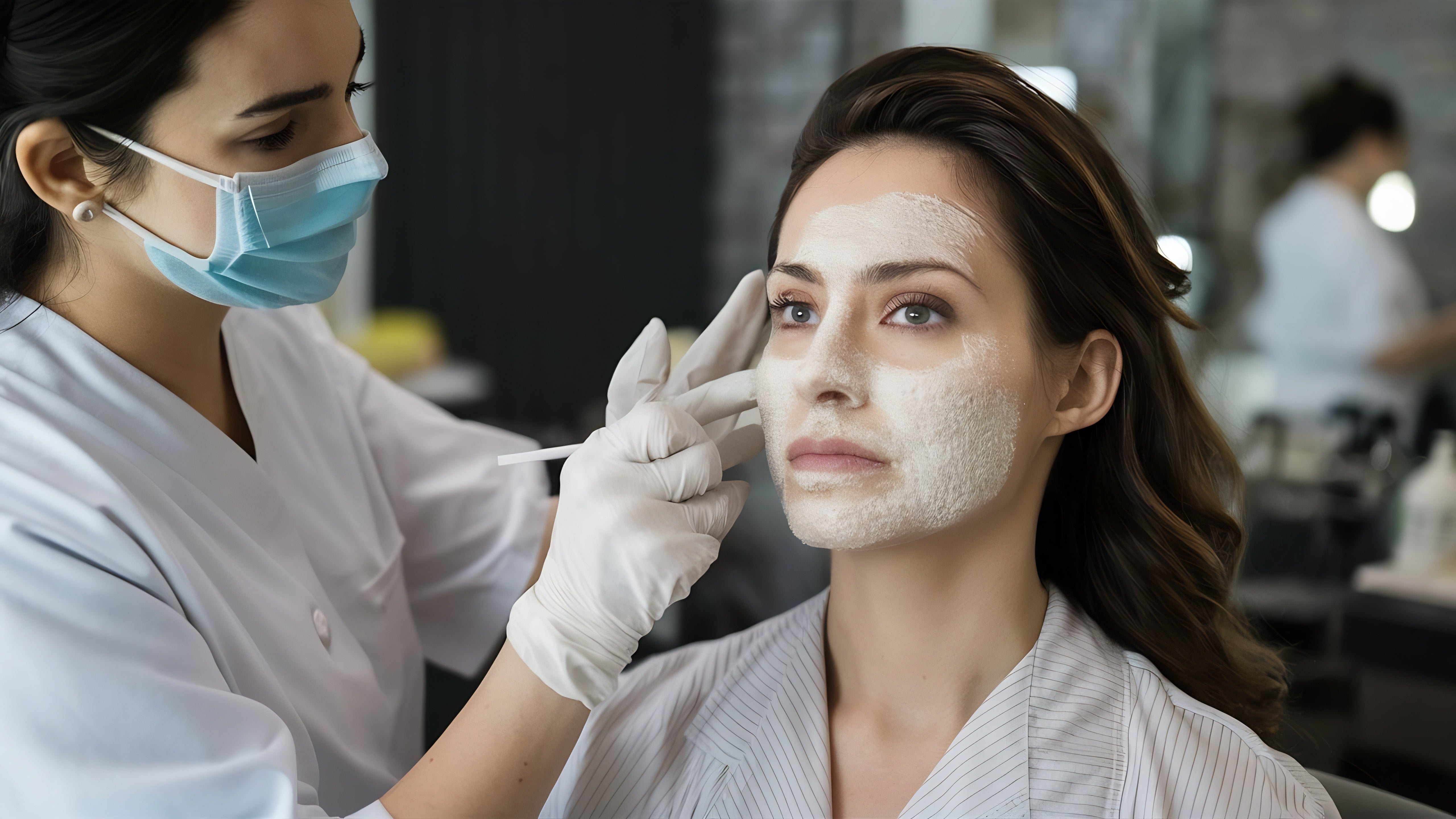
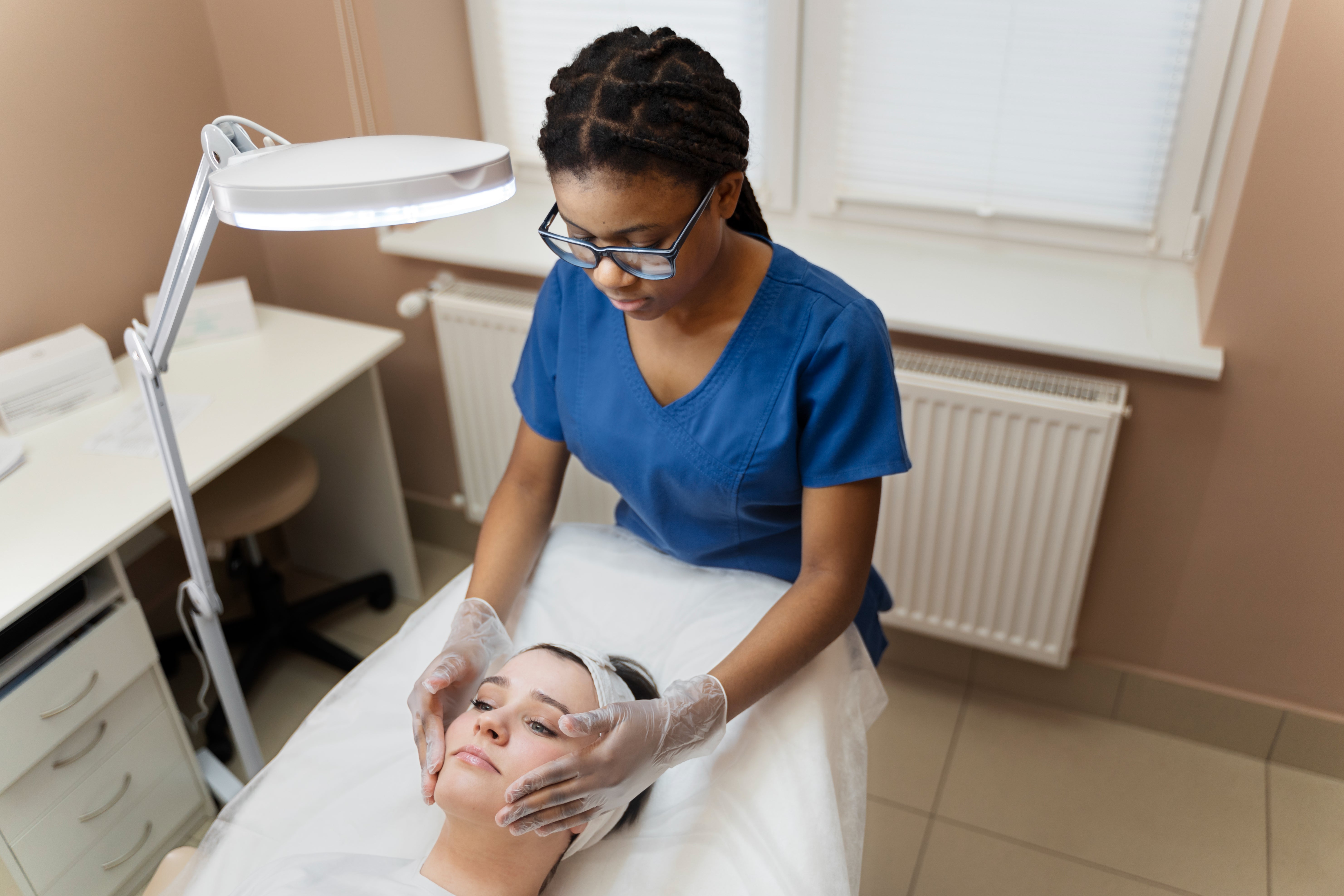



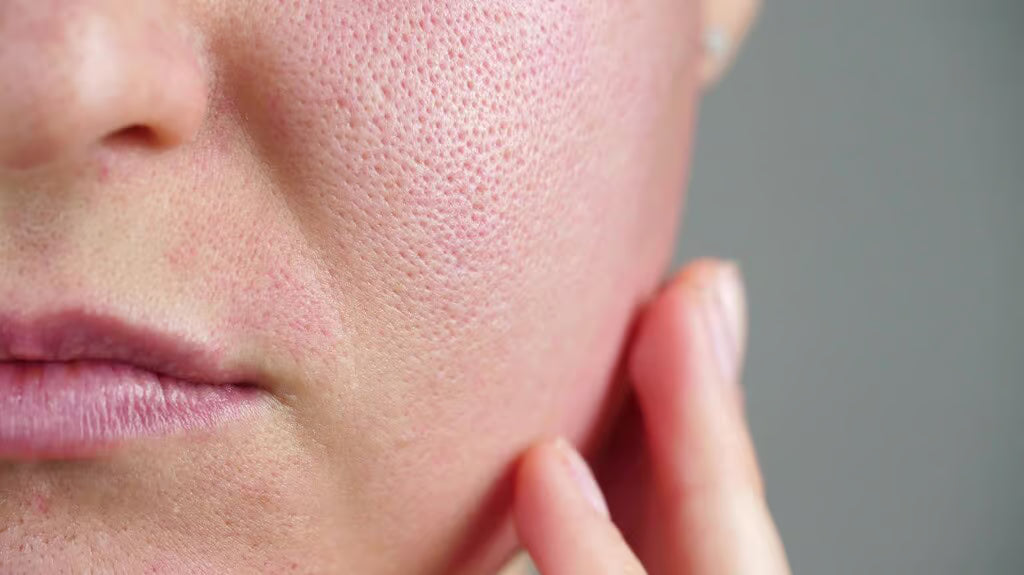
Open pores are normal skin openings around hair follicles and oil glands. They appear larger when oil production increases, dead skin cells accumulate, blackheads stretch the pore, or when collagen and elastin weaken with age and sun exposure. Pores cannot be permanently “closed,” but their appearance can be significantly reduced through oil control, congestion management, collagen stimulation, and dermatologist-guided procedures such as chemical peels, laser treatments, and radiofrequency microneedling (MNRF).
What Are Open Pores?
Pores are tiny openings on the skin surface connected to hair follicles and sebaceous (oil) glands. Pores look more prominent when:
-
Sebum (oil) output is high
-
Dead cells and debris collect inside the opening.
-
Blackheads widen the pore mouth.h
-
Collagen and elastin weaken, causing pore walls to sag.
They are most visible on the nose, cheeks, and T-zone, especially in people with oily or combination skin, acne history, or early signs of aging.
Why Pores Look Enlarged
1. Excess Oil Production
Hormones, genetics, heat, stress, and humidity can increase sebum output, stretching pores and making them more noticeable.
2. Congestion and Blackheads
Oil mixed with dead skin cells forms plugs that widen pore openings over time.
3. Loss of Collagen and Sun Damage
With age and UV exposure, collagen support weakens, making pores look craterlike.
4. Acne and Inflammation
Repeated inflammation from acne can permanently stretch pore walls if not treated early.
5. Barrier Damage
Overscrubbing, harsh actives, and frequent aggressive facials damage the skin barrier and worsen texture.
What Actually Helps at Home
Consistent basics matter more than complicated routines.
-
Gentle cleansing twice daily
-
Noncomedogenic, oil-free skincare and makeup
-
Daily sunscreen to protect collagen
-
Avoid squeezing blackheads or pores.
-
Avoid harsh scrubs and overexfoliation
These steps reduce oil, congestion, and inflammation, making pores appear smaller over time.
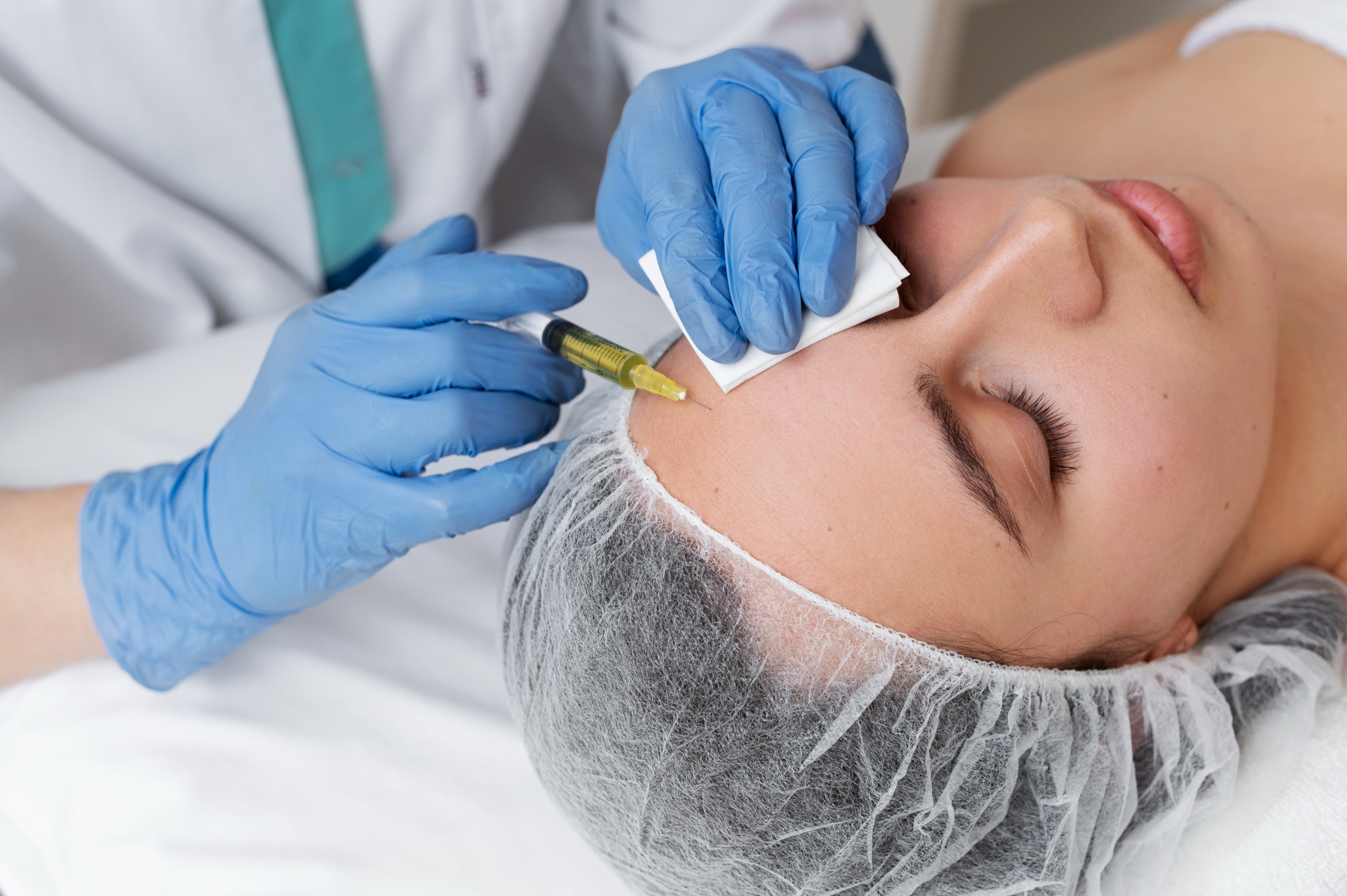
Dermatologist Procedures That Reduce the Appearance of Open Pores
1. Chemical Peels
Useful when pores look large due to oiliness and congestion.
-
Salicylic acid peels: deep pore decongestion
- Glycolic acid peels: surface smoothing and glow
-
Retinoid-based peels: texture refinement and collagen support
Best for oily, acne-prone, congested skin.
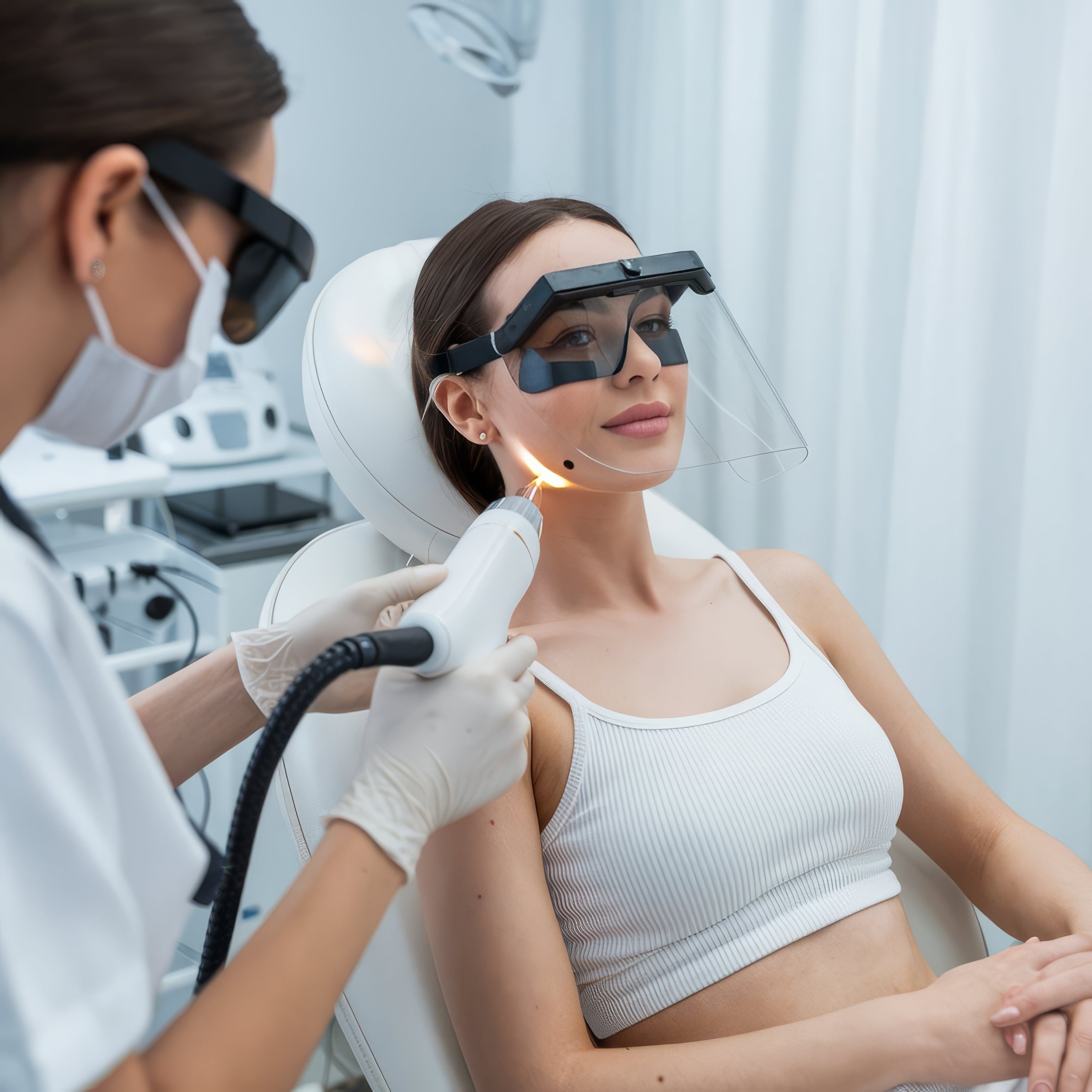
2. Laser Toning (LowFluence Nd: YAG / QSwitched)
Helps with:
-
Oil control
-
Pore visibility
-
Skin tone uniformity
-
Mild collagen stimulation
Usually requires multiple sessions and has minimal downtime.
3. Fractional Laser Resurfacing
Targets:
-
Texture irregularity
- Collagen remodeling
-
Pore wall tightening
More effective for texture-related pores, with planned downtime depending on settings.
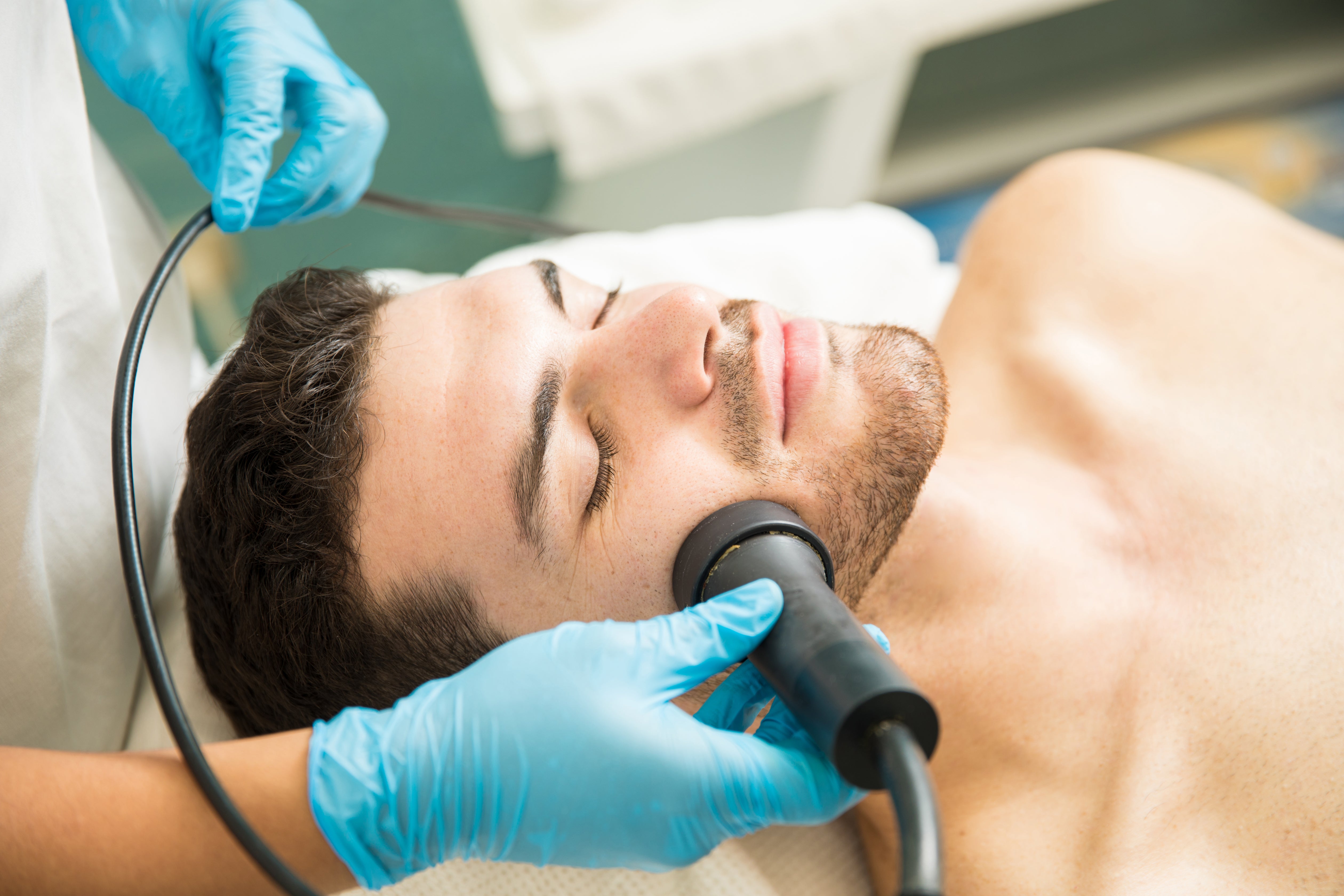
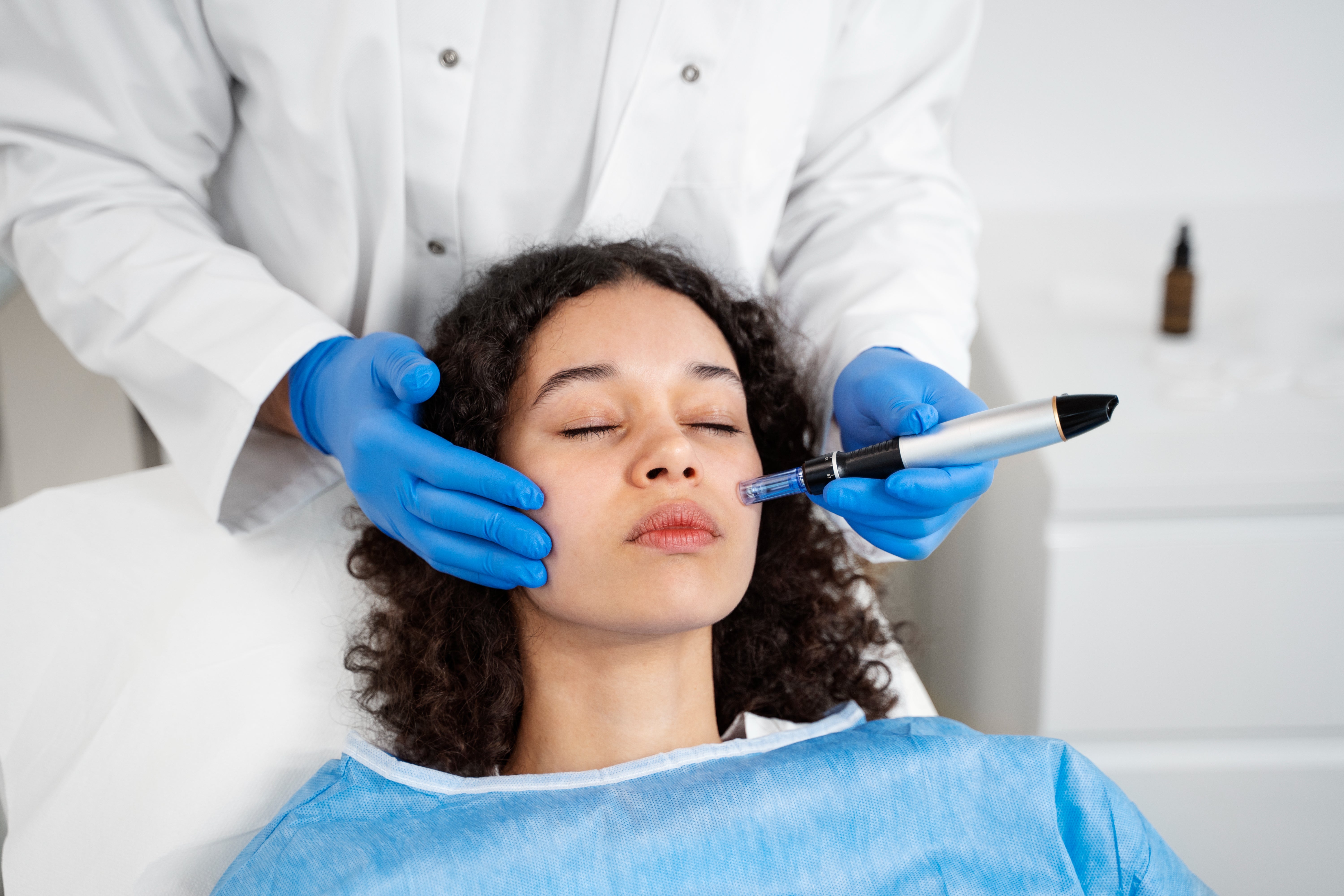
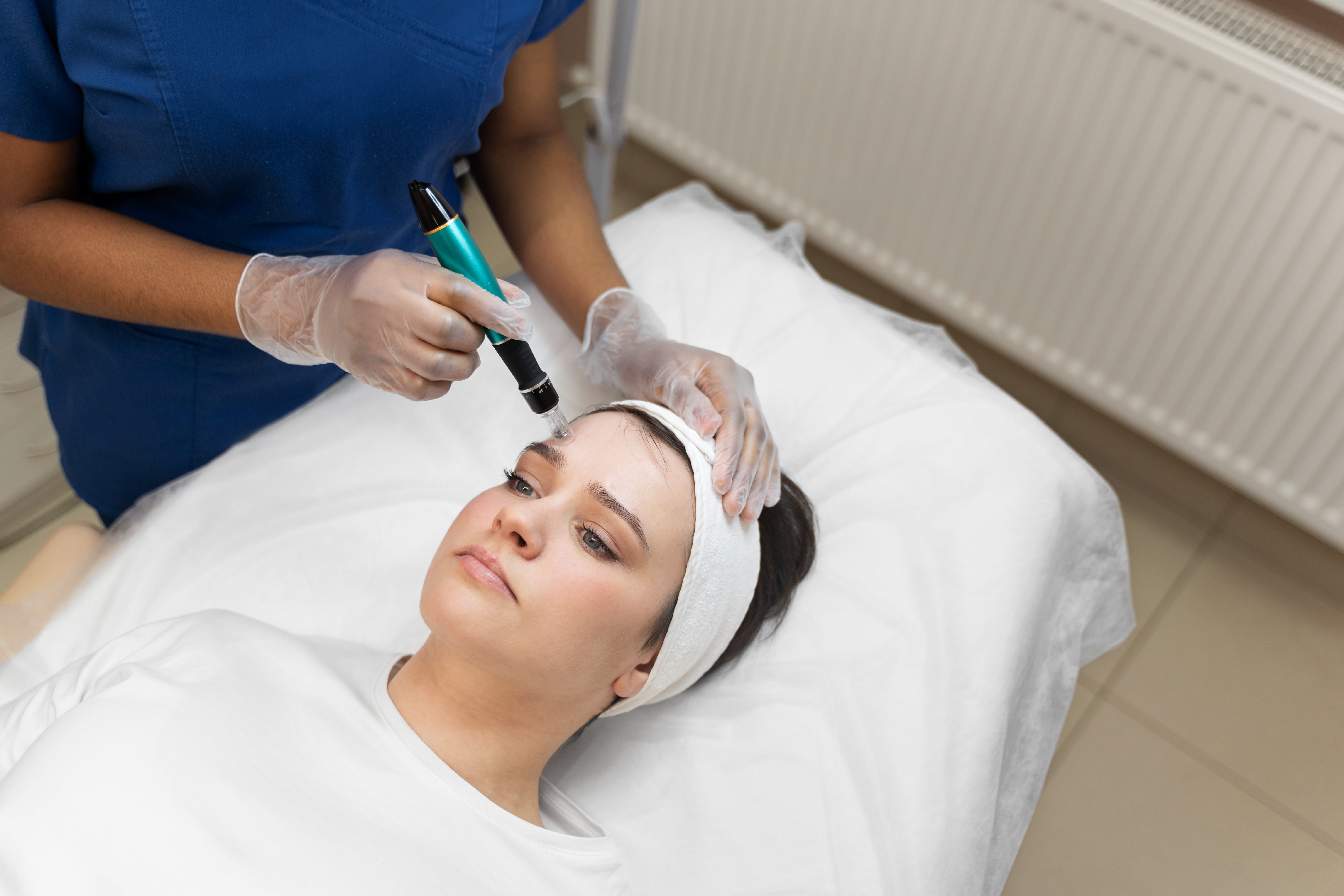
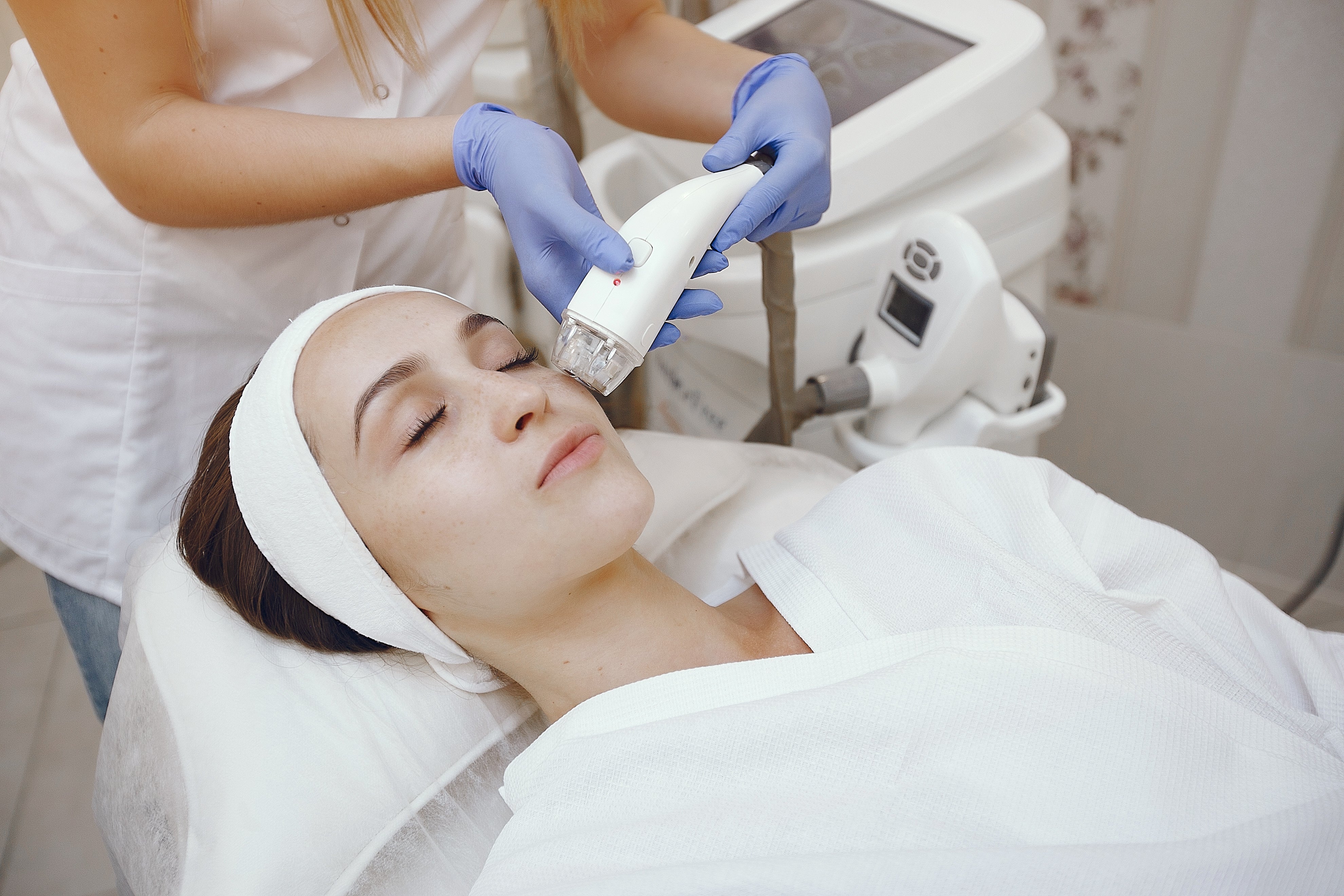
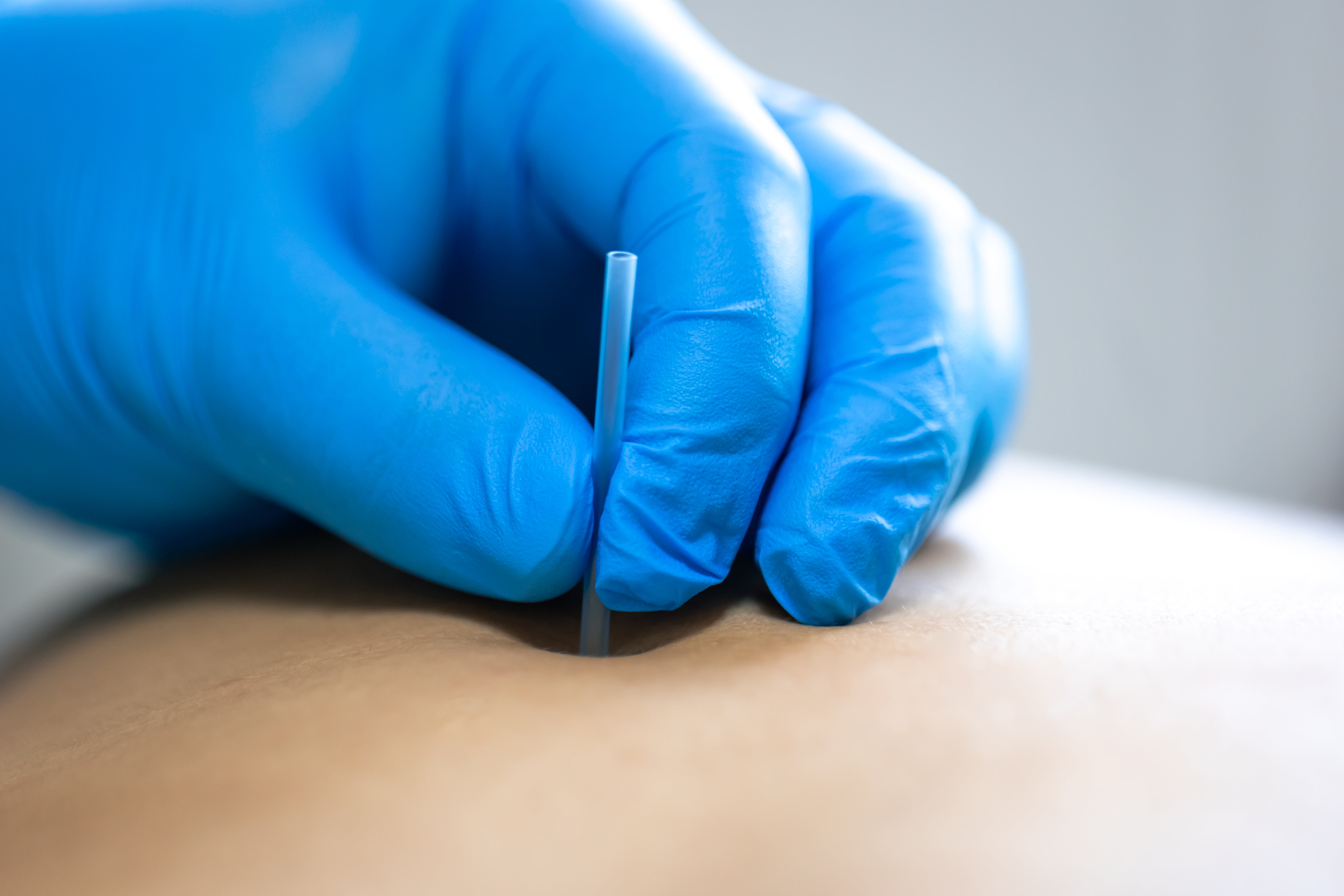
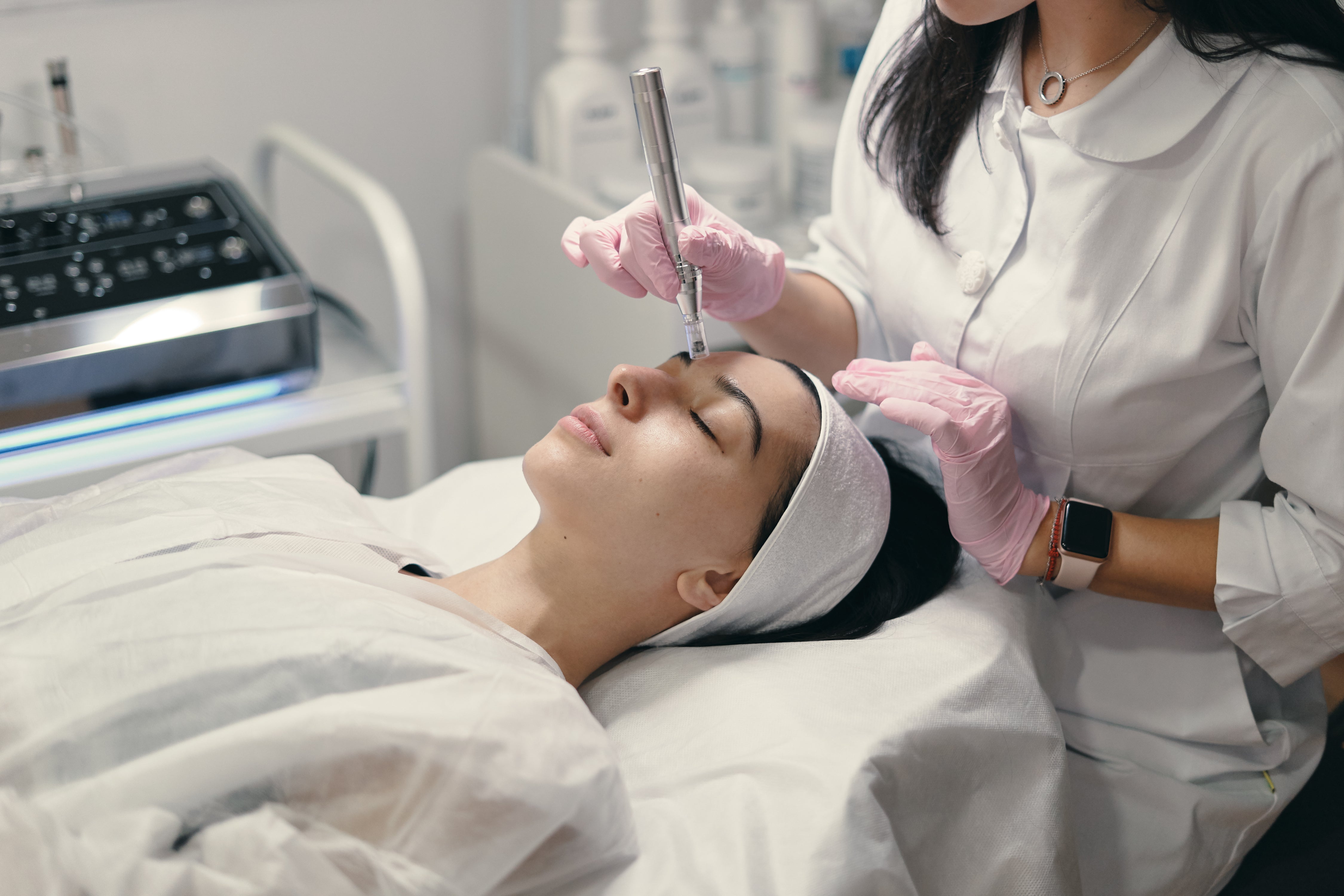
4. Radiofrequency Microneedling (MNRF)
Highly effective when pores are enlarged due to:
-
Collagen loss
-
Skin laxity
-
Acne-related texture changes
Benefits include:
-
Collagen and elastin stimulation
-
Longterm structural improvement
-
Reduced oil production
Results depend on proper technique, settings, and patient selection.
How Proper Diagnosis Improves Results
Enlarged pores are not one-dimensional. Effective assessment looks at:
-
Oil production and shine patterns
-
Presence of blackheads or acne
-
Texture and early laxity
-
Skin sensitivity and barrier health
This is why multimodal treatment plans outperform single-device approaches.
Expected Timelines
-
After 1 session: brighter skin, smoother feel, reduced oiliness
-
After 3–4 sessions: visible pore refinement
-
After 8–12 weeks, collagen remodeling becomes noticeable.
-
With maintenance: longterm pore refinement and improved skin texture
Frequently Asked Questions
Can open pores be permanently closed?
No. Pores are normal structures. Their appearance can be significantly reduced, but they cannot be permanently closed.
Do open pores cause acne?
They do not directly cause acne, but clogged pores increase the risk of breakouts.
What is the difference between open pores and acne scars?
Open pores are enlarged follicular openings. Acne scars are permanent collagen injuries that appear as pits or raised marks.
Is RF microneedling safe?
When performed by trained dermatologists using appropriate settings, it is considered safe and effective.
Do pores get bigger with age?
Yes. Loss of collagen and elastin with age and sun exposure makes pores appear larger.
Which foods worsen open pores?
High glycemic diets and excessive junk food can increase oil production in some individuals, but the effects vary person to person.
Open pores are not just a cosmetic issue. They reflect oil regulation, collagen health, inflammation, and barrier integrity. While pores cannot be closed permanently, their appearance can be dramatically improved with the right combination of skincare, procedures, and long-term maintenance guided by dermatological science.
✍
Written by: Swaraj Dhar
Co Founder Allodermis || Sociopreneur || Technologist
LinkedIn ID: https://www.linkedin.com/in/swarajdhar/
Reviewed by: Dr Alok Sahoo
MBBS, MD Dermatology and Venereology, AIIMS Delhi
LinkedIn ID: https://www.linkedin.com/in/dralokderma/
Clinic entity: Allodermis Skin Clini


