Skin Acacdemy
Stretch Marks (Striae) Treatment at Allodermis
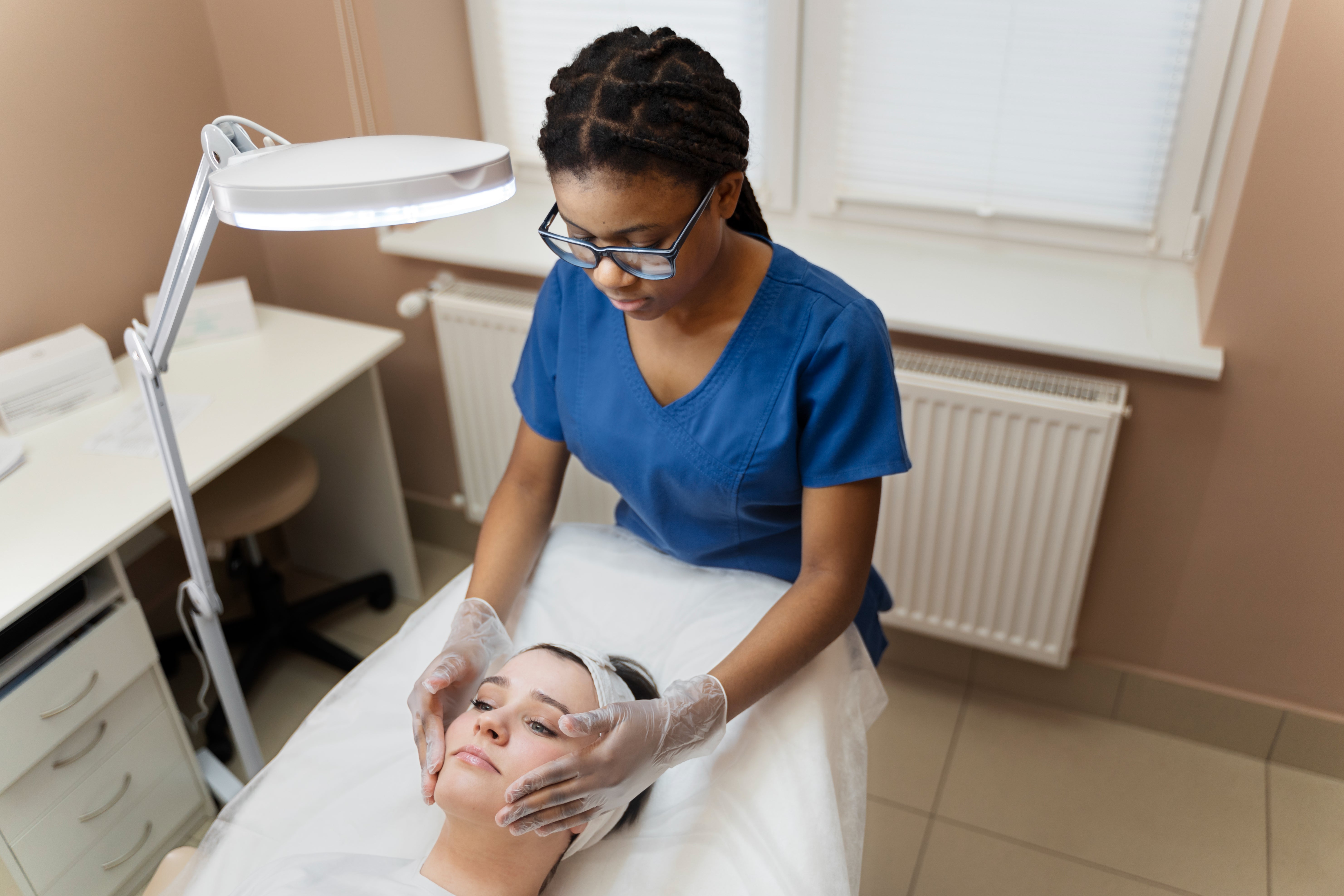
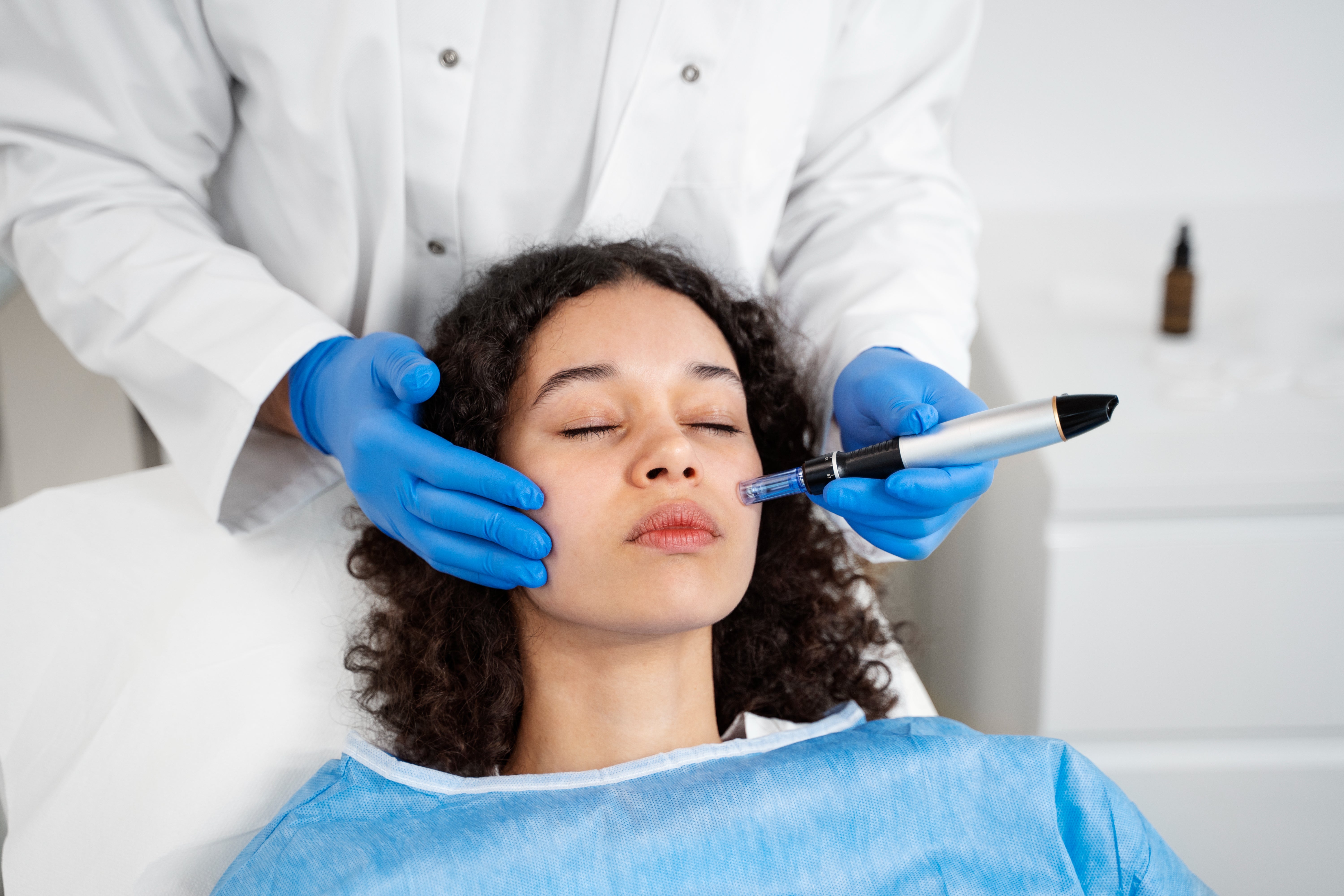
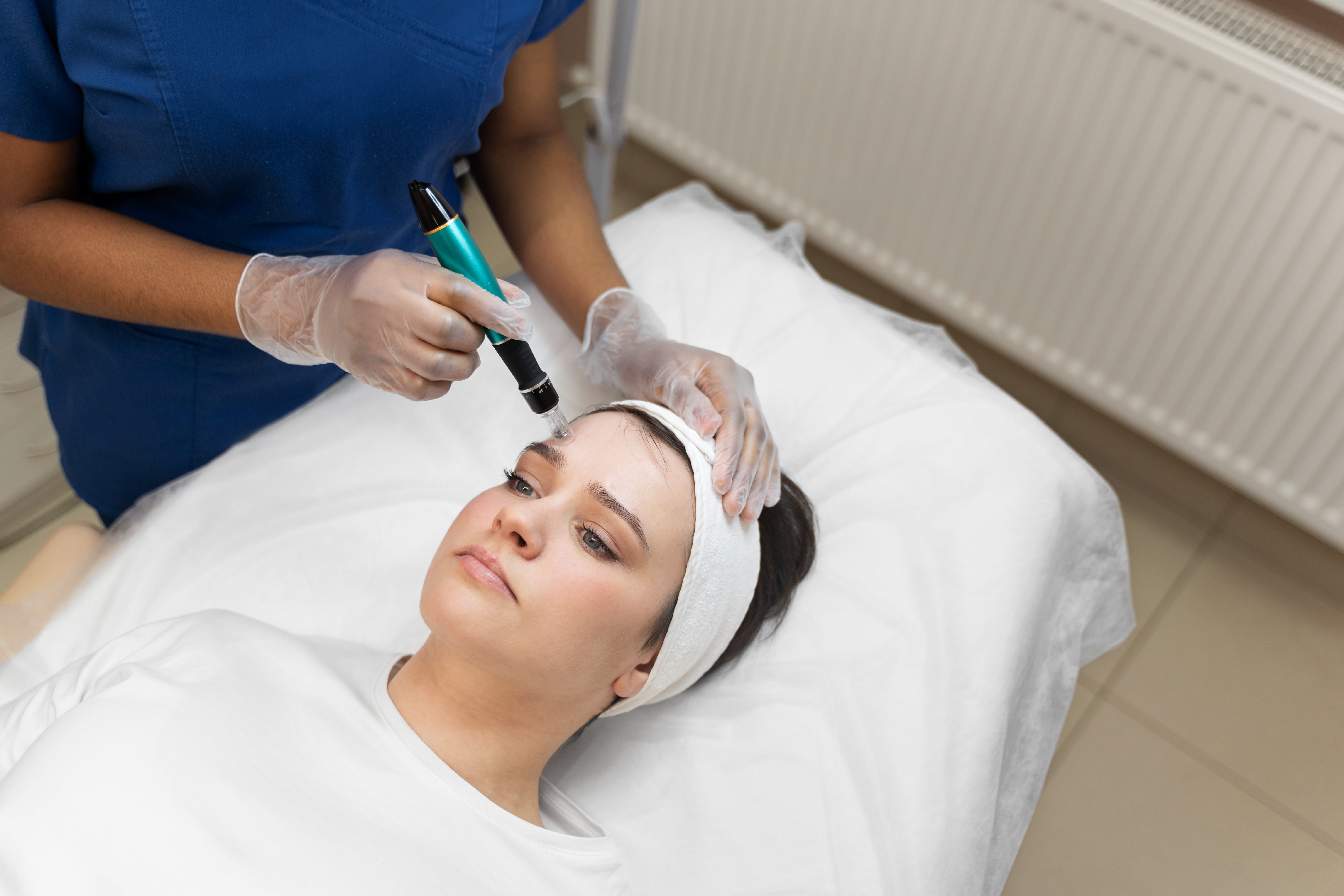
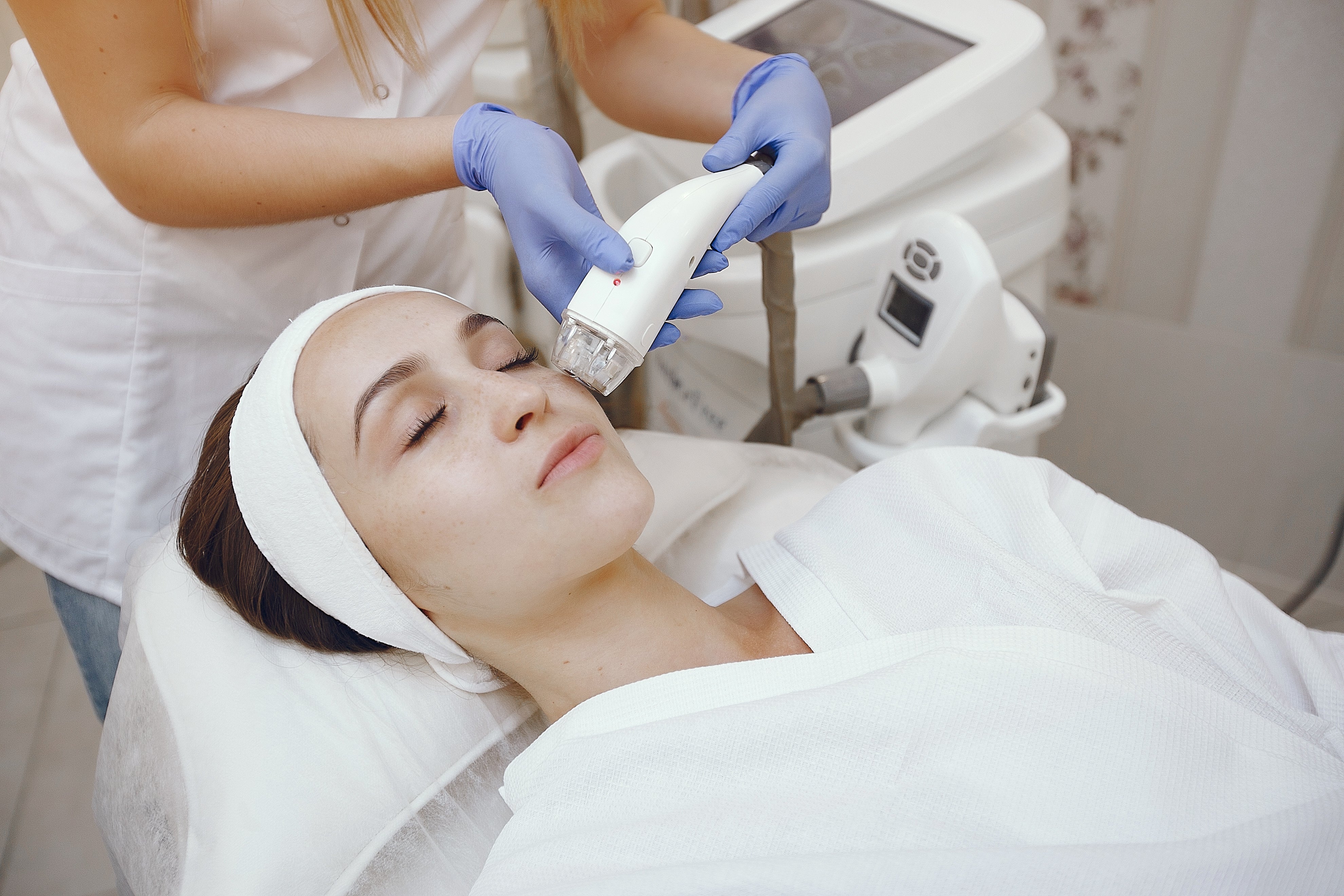
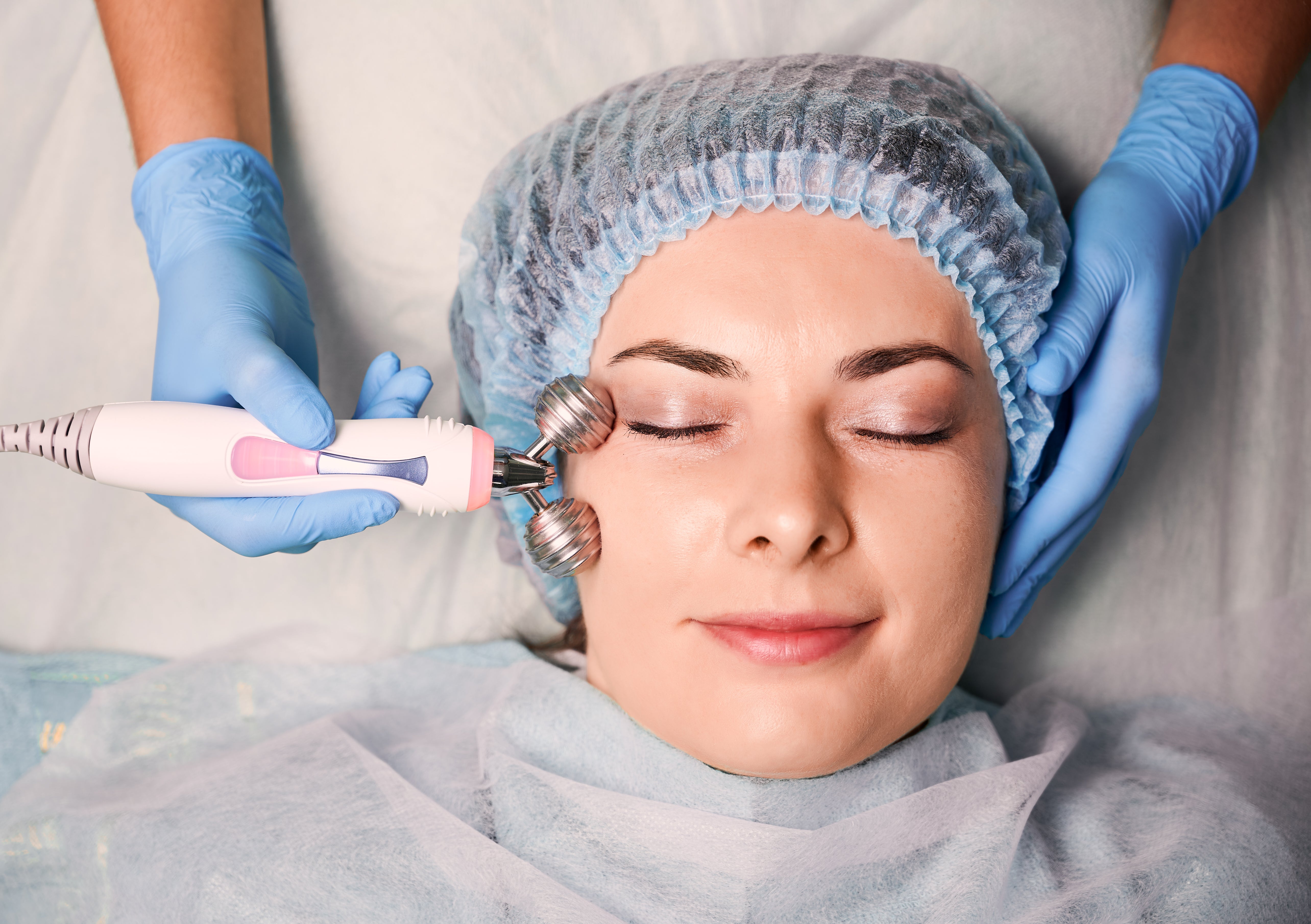
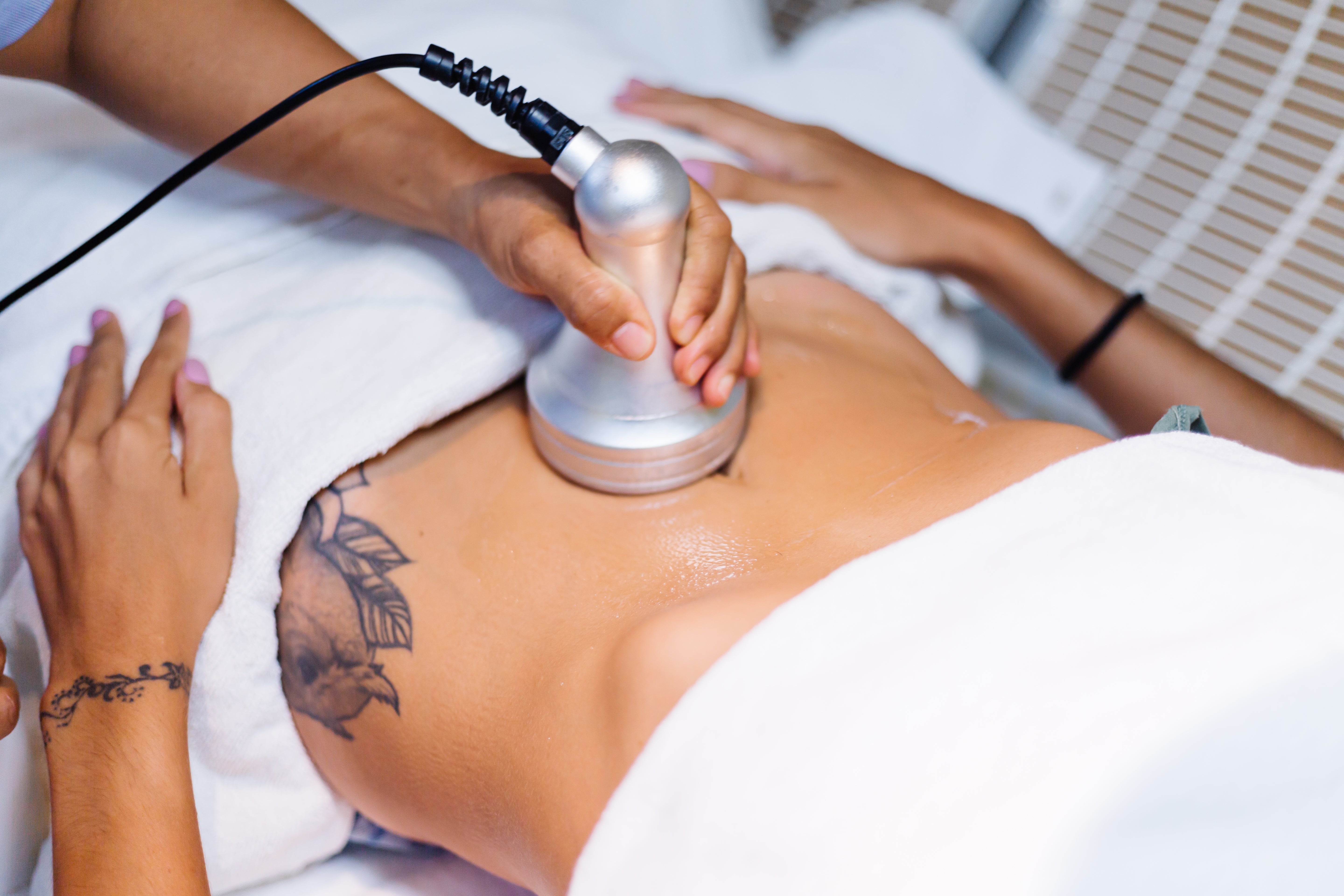
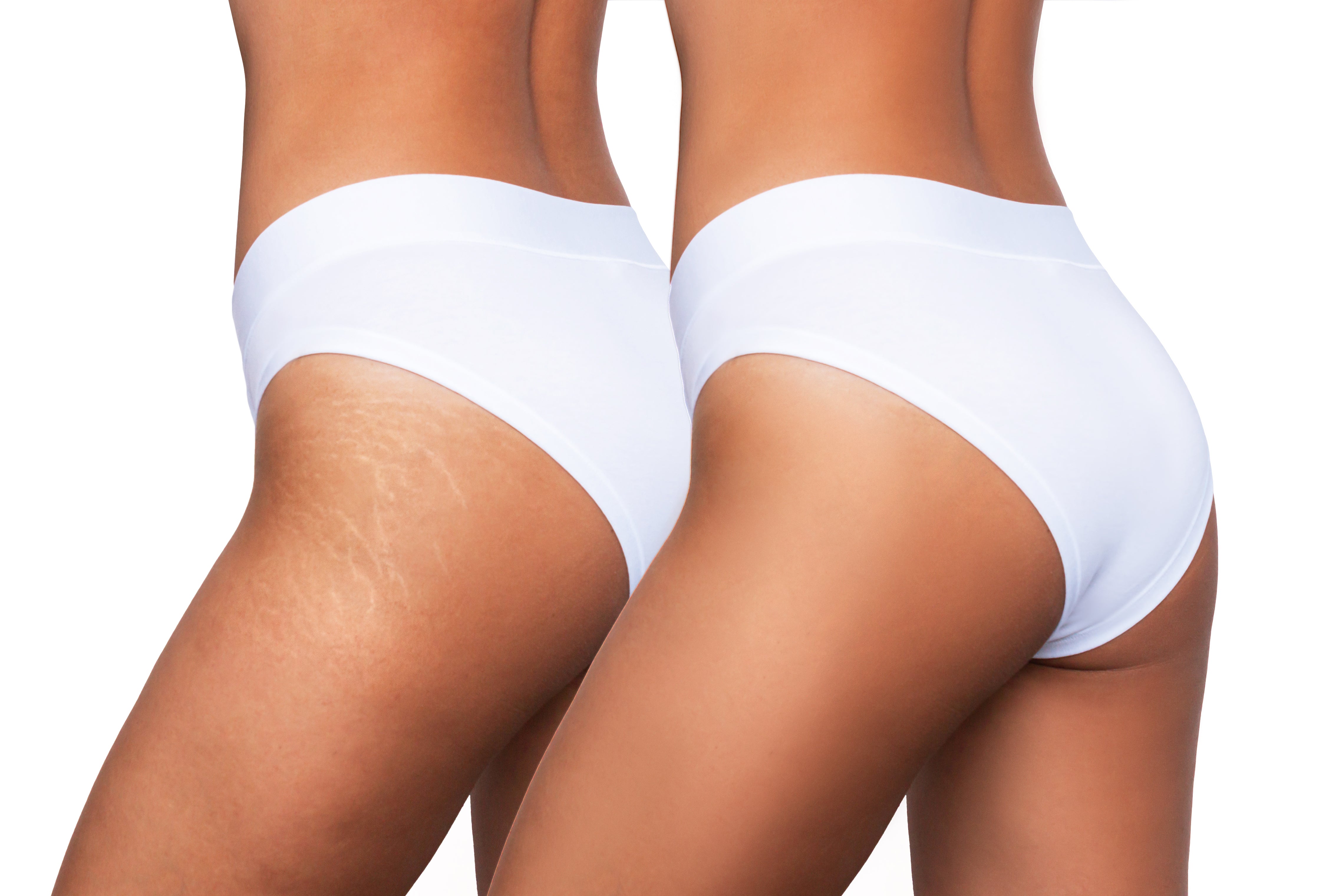
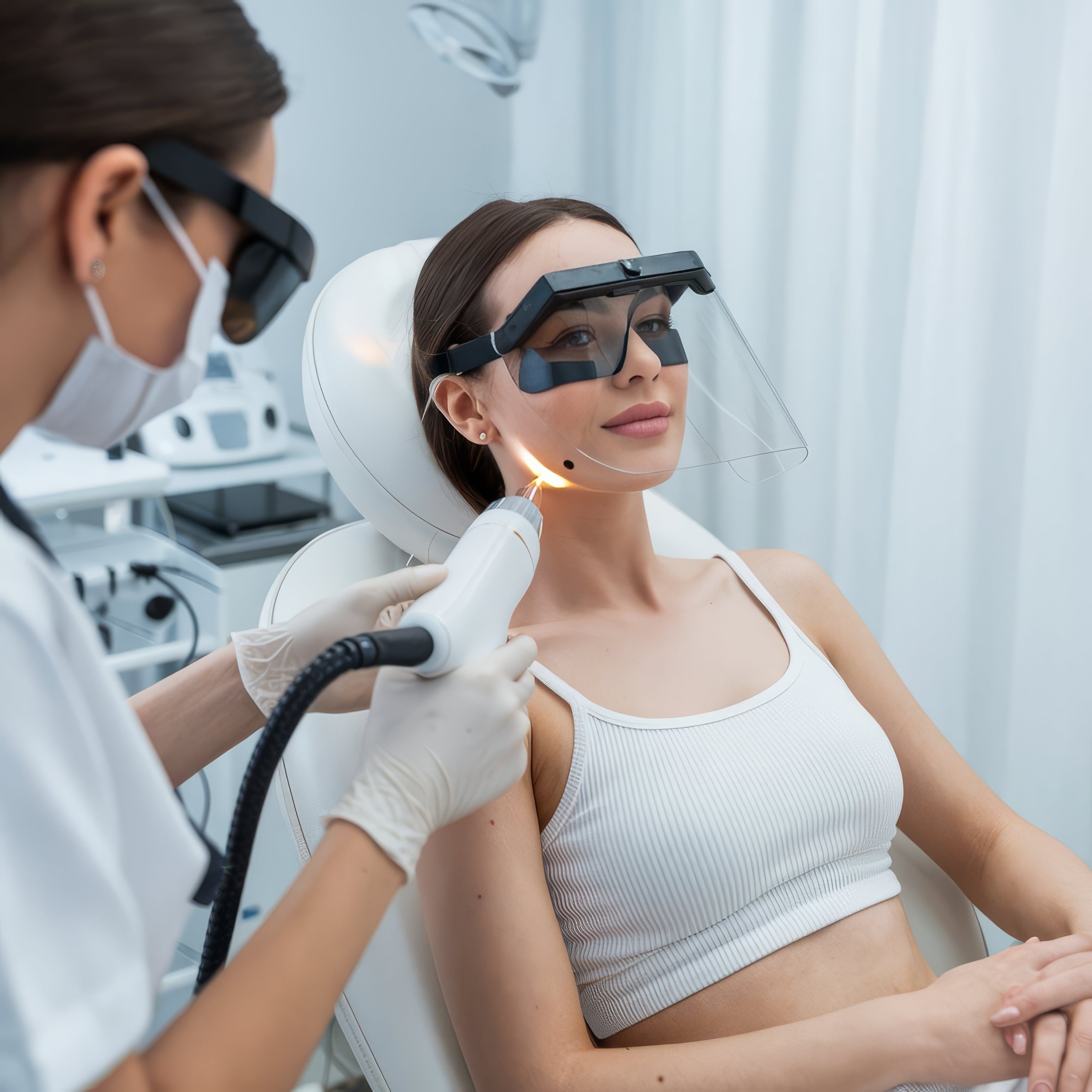
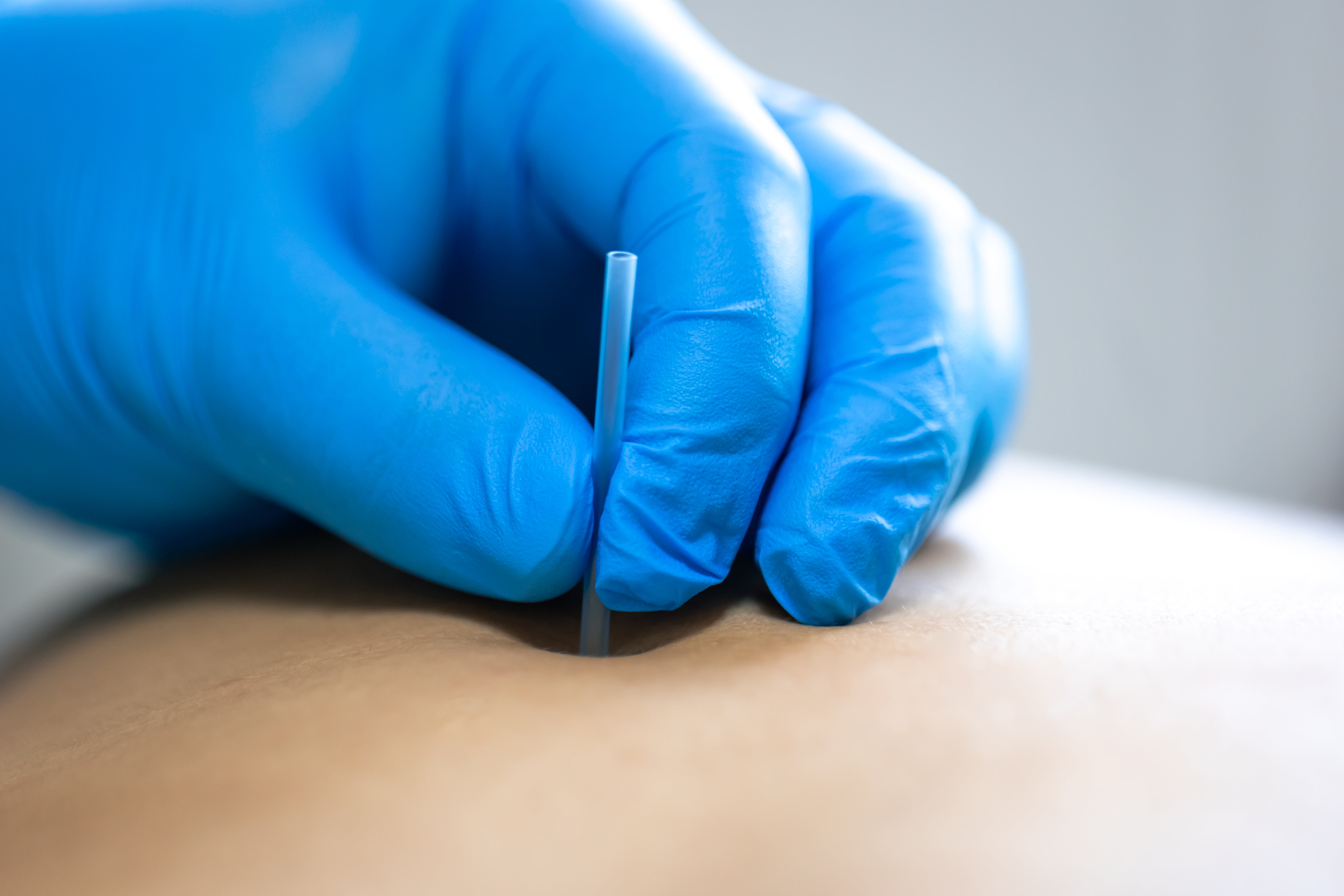
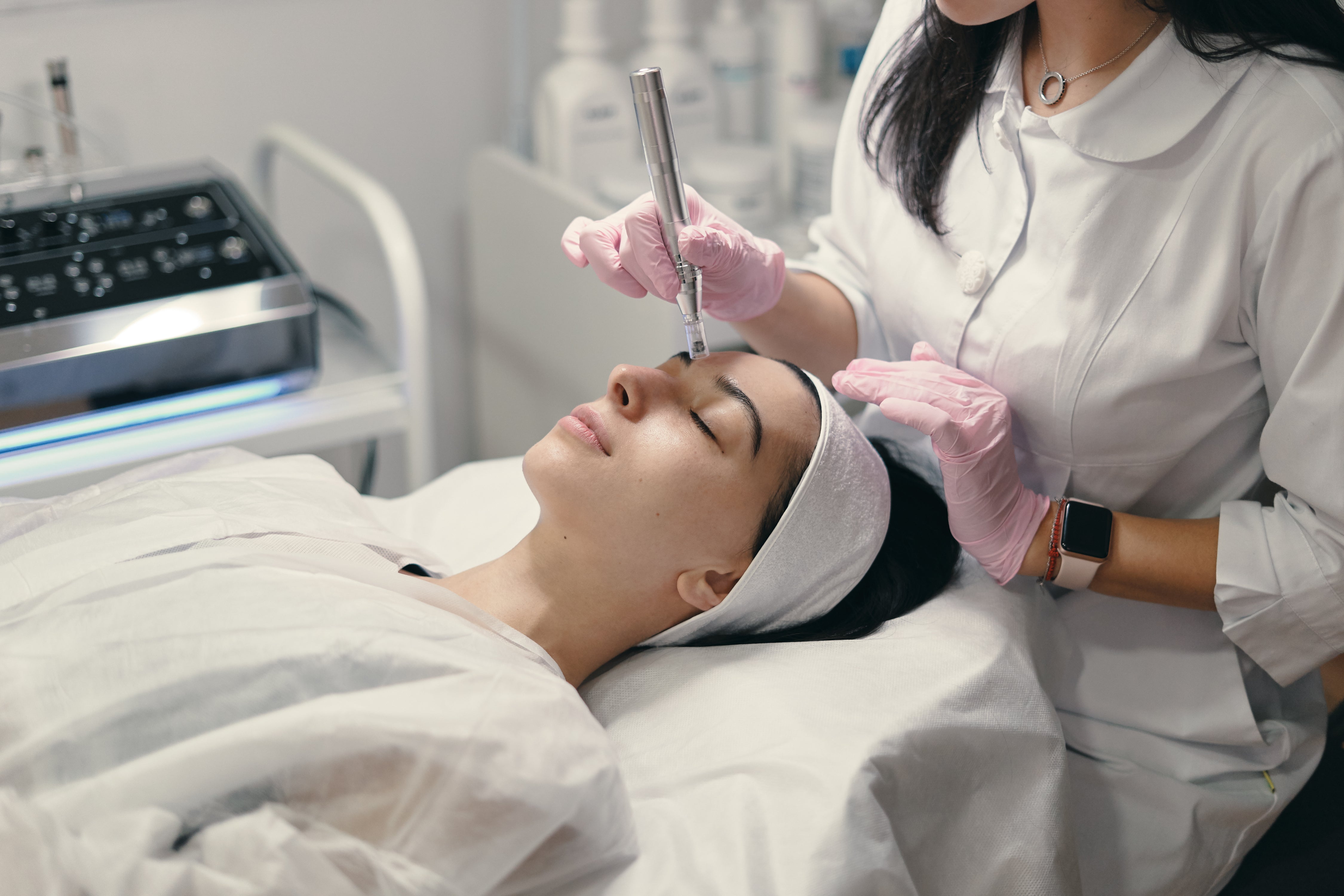
At Allodermis — RootCause Dermatology for Healthy, Youthful Skin📞 9717503031 | 🌐 www.allodermis.comAIIMS MD Dermatologists | RootCause Dermatology | USFDAApproved Technology | Minimal, Science-Backed Care Stretch Marks: Causes, Treatments & Medical Management Stretch marks (striae) affect 40–90% of individuals globally, occurring due to puberty, pregnancy, weight fluctuations, hormonal changes, and certain medications. Although common, they often cause emotional distress and aesthetic concerns. At Allodermis, our AIIMStrained dermatologists offer evidence-based, minimally invasive, and regenerative therapies designed to rebuild collagen, restore skin elasticity, and visibly reduce the appearance of stretch marks. What Are Stretch Marks (Striae)? Stretch marks are linear dermal scars caused when the skin stretches faster than its collagen and elastin fibers can adapt. This leads to microtearing within the dermis, followed by inflammation and scar formation. Stretch marks typically appear in the following stages: Red/purple lines (Striae Rubrae) – Early inflammatory phase. White/silver lines (Striae Albae) – Mature, deeper scars that are more challenging to treat. Commonly affected areas include: Abdomen, breasts, hips, thighs, buttocks, shoulders, and calves. Stretch marks do not disappear on their own, but scientifically backed dermatological treatments can achieve significant improvement. Causes: Why Do Stretch Marks Form? Stretch marks develop due to a combination of mechanical stretching, hormonal imbalance, and collagen disruption. External Factors: Rapid weight gain or loss Excessive bodybuilding Use of topical or oral corticosteroids Skin dehydration and barrier damage Internal Factors: Puberty-related growth spurts Pregnancy (occurs in ~90% of pregnancies) Hormonal disorders (e.g., Cushing’s syndrome) Genetics (family history increases risk) Low collagen synthesis due to nutritional deficiencies Stretch marks reflect an injury to the dermal scaffolding and not just a superficial skin issue, necessitating professional medical treatment. Diagnosis at Allodermis — Root Cause Evaluation Our AIIMStrained dermatologists assess and diagnose stretch marks through a structured approach: Step 1: Clinical Examination Phase of striae (Rubrae vs Albae) Depth, width, and density of stretch marks Skin elasticity and hydration Associated hormonal or metabolic causes Step 2: Medical History Analysis Pregnancy Weight fluctuation patterns Endocrine disorders Medication use Nutritional profile Step 3: Dermascan Analysis Advanced imaging to evaluate: Collagen disruption Melanin distribution Scar depth Early vs chronic striae changes Accurate identification ensures precision treatment at Allodermis. Are You at Risk of Stretch Marks? You may be more likely to develop stretch marks if you have: Rapid weight changes or muscle hypertrophy Pregnancy (occurs in approximately 90% of pregnancies) Longterm steroid use Family history of striae Endocrine disorders (e.g., Cushing’s syndrome) Dry, low elasticity skin Teen growth spurts Emotional Impact Stretch marks can cause reduced body confidence, discomfort wearing certain clothing, and long-term self-esteem issues. Allodermis approaches this with empathy and medical precision. Prevention & Management While treatments offer the best solution, you can manage and prevent stretch marks by: Weight management: Maintain a steady weight and avoid sudden gain or loss. Skin hydration: Moisturize daily to help maintain elasticity. Barrier repair: Use dermatologist-prescribed ceramide-rich formulations. Active topicals: Retinoids or hyaluronic acid-based products may help early (red) stretch marks. Balanced nutrition: Rich in protein, Vitamin C, zinc, and Omega-3 fatty acids. Treatment Options at Allodermis Stretch marks respond best to a multimodal dermatology approach, where collagen regeneration is stimulated using medical-grade technologies. 1. Microneedling Radiofrequency (MNRF) – USFDA Approved The gold standard treatment for both early and mature stretch marks. Delivers RF energy into deeper dermal layers. Stimulates collagen and elastin remodeling. Reduces width, depth, and discoloration. Improves texture and firmness. Sessions: 4–6 sessions, 4–6 weeks apartDowntime: Minimal 2. Fractional Laser Skin Resurfacing Ideal for white/mature striae (Striae Albae). Creates microthermal zones that trigger collagen regeneration. Improves atrophic texture. Lightens discoloration and enhances skin elasticity. Sessions: 3–6 sessionsDowntime: 5–7 days, depending on settings 3. PRP (Platelet-Rich Plasma) Regenerative Therapy Growth factors in PRP: Speed up tissue repair. Improve elasticity. Enhance results when combined with MNRF / Laser. 4. Topical Medical Therapy Prescribed by AIIMS dermatologists: Retinoids, Hyaluronic acid, Growth factor serums, and barrier-restoring creams. Best for early-stage stretch marks or maintaining results after procedures. Why Choose Allodermis for Stretch Mark Treatment? Right Products, Only When Needed: We offer minimalistic, evidence-based prescriptions — no unnecessary routines. RootCause Dermatology: We don’t chase the marks. We correct the root causes, such as hormonal imbalances, skin barrier health, nutrition, stress, and lifestyle factors. AIIMStrained MD Dermatologists: Diagnosis rooted in clinical science + empathy. USFDA-Approved Technologies: We use lasers, MNRF, and regenerative therapies proven to deliver results. InsideOut Wellness: Skin healing is not just cosmetic; it’s about whole-body health. Prognosis Early stretch marks respond best to treatment. Mature white marks improve significantly with combination therapy. Skin texture, color, and elasticity improve over 8–24 weeks. Maintenance therapy may be recommended. Complete disappearance is unlikely, but a 50–80% improvement is achievable. FAQs – Stretch Marks (Scientifically Answered) Q1. Can stretch marks be permanently removed?No. However, advanced dermatology treatments can reduce their appearance by 50–80%, depending on depth and chronicity. Q2. Do stretch marks fade naturally?Red marks may lighten over time; white marks rarely improve without treatment. Q3. Are stretch marks a sign of a medical condition?Sometimes. Conditions like Cushing’s syndrome or prolonged steroid use can cause severe striae. Q4. Is laser safe for Indian skin?Yes, when done using USFDA-approved Q-switched or fractional lasers by trained dermatologists. Q5. Which treatment is best?Depends on: Stage (Rubrae vs Albae) Skin type Hormonal status Depth Combination therapy works best for most cases. Scientific References Kang S, et al. “Topical Retinoids in the Treatment of Striae Distensae”. Dermatologic Surgery. Elsaie ML. “Striae Distensae Treatment Review”. Journal of Dermatologic Therapy. Jiménez GP. “Treatment of Striae with the 1550 nm Fractional Laser”. Dermatologic Surgery. Ud Din S, et al. “Skin Scarring and Collagen Biology”. Journal of Clinical & Experimental Dermatology. Goldman MP. “Fractional Photothermolysis for Stretch Marks”. Aesthetic Surgery Journal. ✍ Written by: Swaraj Dhar Co Founder Allodermis || Sociopreneur || Technologist LinkedIn ID: https://www.linkedin.com/in/swarajdhar/ Reviewed by: Dr Alok Sahoo MBBS, MD Dermatology and Venereology, AIIMS Delhi LinkedIn ID: https://www.linkedin.com/in/dralokderma/
Learn more