







Skin Acacdemy
Acne & Pimples: Why They Happen and How Dermatologists Treat Them Effectively
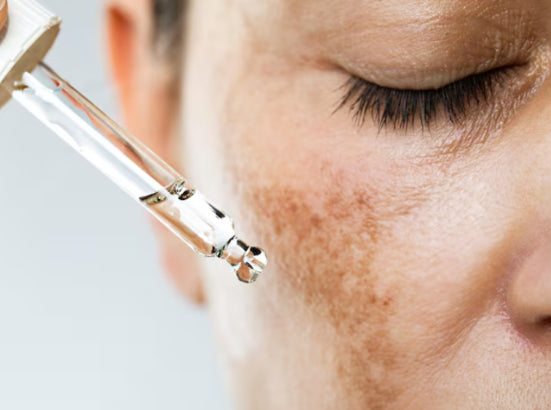
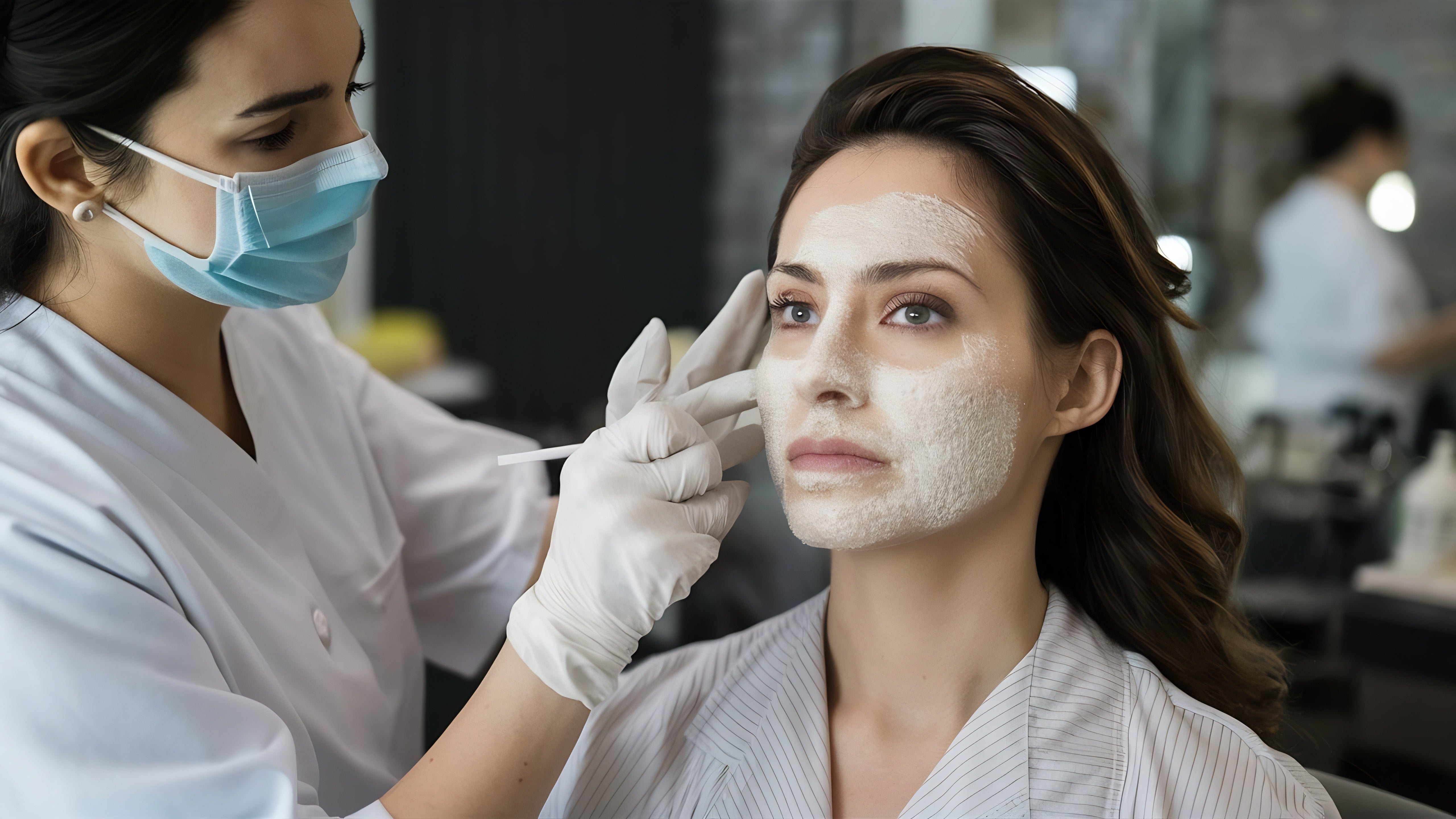
Acne is one of the most common skin conditions, yet also one of the most misunderstood. It’s often treated as a surface-level problem when, in reality, acne is a medical condition influenced by hormones, inflammation, skin barrier health, lifestyle factors, and individual biology. Understanding why acne occurs is the first step toward managing it effectively and preventing longterm damage like pigmentation and scarring. What Actually Causes Acne? Acne develops when multiple internal and external factors interact: Biological contributors Excess oil (sebum) production Blocked hair follicles from oil and dead skin cells Overgrowth of Cutibacterium acnes bacteria Hormonal fluctuations (teenage years, PCOS patterns, stress-related cortisol changes) Chronic skin inflammation Weak or damaged skin barrier Lifestyle & environmental triggers High glycaemic or dairy-heavy diets (person dependent) Chronic stress and poor sleep Inappropriate or comedogenic skincare Pollution, sweat, and humid climates Because these triggers differ from person to person, acne treatment is never one-size-fits-all. Different Types of Acne Need Different Approaches Acne can present in many forms: Whiteheads and blackheads Inflammatory papules and pustules Painful nodules and cysts Body acne on the back, chest, or shoulders Each type behaves differently and requires a customised medical strategy rather than generic products or quick fixes. How Dermatologists Treat Acne Medically Modern dermatology focuses on controlling acne at multiple levels: 1. Medical Topicals & Oral Therapy Used to regulate oil production, prevent clogged pores, reduce bacteria, and calm inflammation. These may include retinoids, antibiotics (short-term), hormonal modulation (when indicated), and barrier-repair formulations. 2. Chemical Peels Dermatologist-formulated peels help unclog pores, reduce oiliness, smooth texture, and accelerate acne resolution. 3. Comedone Extraction Safe, sterile removal of blackheads and whiteheads to reduce congestion. 4. Intralesional Injections Used for large, painful cysts to rapidly reduce inflammation and discomfort. 5. Laser & Light-Based Therapies Helpful for postacne pigmentation and overall skin recovery in selected cases. Why Early Acne Treatment Matters Reduces the risk of permanent acne scars Shortens flare duration Improves skin texture and tone Helps stabilise acne longterm instead of repeated cycles Most people notice visible improvement within weeks, though sustained control requires consistency and follow-up. Is Acne Treatment Permanent? Acne is a chronic condition for many people, especially when hormones are involved. The goal of treatment is longterm control, fewer breakouts, faster healing, and healthier skin—not unrealistic permanent cure claims. When Should You See a Dermatologist? Acne persists beyond a few months. Painful or cystic breakouts Acne leaves dark marks or scars. Adult or hormonal pattern acne Over-the-counter products aren’t helping. Medical guidance ensures safer, more effective outcomes tailored to your skin. Clear skin doesn’t come from chasing pimples—it comes from understanding your skin’s biology and treating acne at its root. With the right diagnosis and a structured plan, acne can be controlled safely and effectively over time.
Learn moreBirthmarks and Moles (Nevi): Causes, Types, Diagnosis; Safe Treatment Options
Where skin is examined, explained, and treated from the biology up. 📞 9717503031 | 🌐 www.allodermis.comAIIMS MD Dermatologists • Evidence-based care • Skintype safe protocols Introduction Birthmarks and moles are extremely common skin findings. While most are harmless, some require medical evaluation, monitoring, or treatment based on their type, location, behaviour, and long-term risk. At Allodermis, birthmarks and moles are never treated cosmetically first. Every lesion is medically evaluated, dermoscopy-guided, and risk-stratified before deciding whether observation, laser, medical therapy, or surgical removal is appropriate. Quick Answers Are birthmarks dangerous?Most birthmarks are harmless. Some require monitoring if they are large, rapidly changing, ulcerating, or associated with deeper vascular or pigment abnormalities. When should a mole be checked urgently?If it shows ABCDE changes:Asymmetry • Border irregularity • Color variation • Diameter increase • Evolving (any change) Can birthmarks or moles be removed safely?Yes—but only after correct diagnosis. Certain lesions require biopsy and histopathology rather than laser treatment. Is laser safe for Indian skin tones?Yes, when skin-type appropriate devices, conservative settings, and strict aftercare are followed. Risk control matters more than aggressive treatment. Do port wine stains return after laser?They often lighten significantly, but gradual redarkening may occur over years, making long-term follow-up important. How early should infantile hemangiomas be treated?High-risk hemangiomas should be evaluated early. Oral propranolol is commonly the first-line treatment when systemic therapy is indicated. What Are Birthmarks and Moles? Birthmarks Birthmarks are developmental skin differences involving blood vessels or pigment cells. They are usually present at birth or appear within early childhood. Moles (Nevi) Moles are localised clusters of melanocytes (pigment-producing cells). Most are benign, but certain changes can signal skin cancer risk and require urgent evaluation. Types of Birthmarks and Moles We Evaluate 1. Vascular Birthmarks Nevus simplex (angel kiss/stork bite): Often fades naturally over time Portwine stain: Flat pink to purple patches that persist and may thicken with age Infantile hemangioma: Grows after birth, then involutes; some require treatment 2. Pigmented Birthmarks and Moles Congenital melanocytic nevus (CMN): Present at birth; melanoma risk depends on size and features Caféaulait macules: Usually benign; multiple lesions may need evaluation Dermal melanocytosis (Mongolian spot): Bluish-grey patches that often fade with age Why Do Birthmarks and Moles Form? Vascular birthmarks develop due tolocalisedd variations in capillary formation during fetal growth. Pigmented birthmarks and moles occur when melanocytes cluster or persist in specific skin layers.Most cases are sporadic and not inherited. The Allodermis Diagnostic Pathway Every patient undergoes a structured medical assessment: History & photo timeline – onset, growth pattern, symptoms, family history Clinical exam with dermoscopy – improves accuracy in pigment and vascular assessment Imaging (when required) – ultrasound or Doppler for deeper vascular lesions Biopsy & histopathology – for suspicious, symptomatic, or changing lesions Risk stratification & plan – observe, treat, or refer based on medical indication Red Flags That Need Urgent Review Seek prompt dermatology evaluation if a lesion: Changes in size, shape, colour, surface, or begins bleeding Develops pain, ulceration, or rapid growth Is a medium, large, or giant congenital melanocytic nevus Appears alongside multiple caféaulait macules or systemic signs in a child Treatment Principles at Allodermis We treat only when appropriate, based on: Medical risk (bleeding, ulceration, functional impairment) Symptoms (itching, irritation, repeated trauma) Cosmetic distress (after informed, shared decision-making) Vascular Lesion Treatments Pulsed Dye Laser (PDL): First-line for portwine stains; multiple sessions required Infantile hemangioma therapy: Oral propranolol when systemic treatment is indicated Targeted procedures: For residual nodules or specific cases Pigmented Birthmarks & Mole Management Pigment lasers: Used selectively with strict criteria Mole removal: Preferred when lesions are suspicious or symptomatic, allowing histopathology ⚠️ We avoid blanket “laser removal for all moles” due to cancer risk considerations. What to Expect From Treatment Multiple sessions may be required, depending on lesion type Strict sun protection is essential Portwine stains may redarken over time Infantile hemangioma treatment requires careful monitoring Frequently Asked Questions Can birthmarks be permanently removed?Some can be significantly reduced. Results depend on depth, type, and biology. When should a mole be removed?If it shows ABCDE changes, symptoms, or clinical atypia, evaluation and biopsy are recommended. Are lasers safe for darker skin tones?Yes, when the correct devices, settings, and intervals are used. Do all childhood birthmarks need treatment?No. Many are simply monitored unless they affect function or carry a medical risk. Why Choose Allodermis? AIIMS MD Dermatologists with diagnosisfirst philosophy Dermoscopy-guided assessment for higher accuracy Indian skin-safe protocols Evidence-led technology and medication use ✍ Written by: Swaraj Dhar Co Founder Allodermis || Sociopreneur || Technologist LinkedIn ID: https://www.linkedin.com/in/swarajdhar/ Reviewed by: Dr Alok Sahoo MBBS, MD Dermatology and Venereology, AIIMS Delhi LinkedIn ID: https://www.linkedin.com/in/dralokderma/
Learn moreAdvanced Wrinkle Treatment: An Evidence-Based Dermatology Guide for Indian Skin
Wrinkles are a biological marker of skin ageing, not merely a cosmetic concern. Effective wrinkle treatment requires understanding skin structure, muscle activity, volume loss, and cumulative photodamage, rather than relying on single procedures or cosmetic trends. This guide explains how advanced wrinkle treatments work, who benefits most, and how dermatologists design safe, natural, long-term outcomes, particularly for Indian skin types. What Are Wrinkles? (Clinical Definition — Snippet Optimised) Wrinkles are visible lines, folds, or creases in the skin caused by progressive loss of collagen, elastin, structural support, and repeated muscle movement. They are classified as: Dynamic wrinkles – appear with facial expression Static wrinkles – visible even at rest This distinction determines the choice of treatment. Why Do Wrinkles Form? (Skin Biology Explained) Wrinkles develop due to structural and functional skin ageing, involving: Decline in collagen and elastin Thinning of the epidermis Repetitive facial muscle contraction Loss of subcutaneous fat and bone volume Accumulated ultraviolet (UV) damage Factors That Accelerate Wrinkling Intrinsic (biological) ageing Genetics Hormonal changes Reduced skin cell turnover Extrinsic (accelerated ageing) Chronic sun exposure (the primary cause in Indian skin) Air pollution and oxidative stress Smoking and alcohol Poor sleep and high-glycaemic diets Chronic psychological stress Key clinical insight: Wrinkle treatment is effective only when skin biology, tissue support, and lifestyle factors are addressed together. When Should Wrinkle Treatment Begin? Wrinkle treatment is need-based, not age-based. Age range Clinical focus 20s Prevention, photoprotection, and early expression lines 30s Muscle modulation, collagen stimulation 40s–50s Volume restoration, lifting, resurfacing 50s+ Staged rejuvenation, structural correction Early intervention delays bigger ageing changes. How Dermatologists Clinically Evaluate Wrinkles Before recommending treatment, dermatologists assess: Medical and lifestyle history Sun exposure, sleep, smoking, nutrition, medications, and prior procedures Facial analysis Dynamic vs static lines, skin laxity, texture, volume loss Skin quality assessment Pigmentation, photodamage, barrier integrity Systemic contributors (when indicated) Thyroid dysfunction, nutritional deficiencies This diagnostic approach ensures natural outcomes and long-term safety. Advanced Wrinkle Treatment Options (Evidence-Based) Most patients achieve the best results through combination therapy, tailored to anatomy and skin type. Botulinum Toxin (Dynamic Wrinkles) Indications: Forehead lines, frown lines, crow’s feet, neck bandsMechanism: Blocks acetylcholine at neuromuscular junctionsOnset: 3–14 daysDuration: 3–6 months ✔ Conservative dosing preserves facial expression. Hyaluronic Acid Fillers (Volume Loss) Indications: Cheeks, tear troughs, nasolabial folds, marionette lines, jawline Mechanism: Restores volume and stimulates neocollagenesis Duration: 9–18 months ✔ Reversible and safe when injected anatomically. Microneedling Radiofrequency (MNRF) Indications: Fine lines, enlarged pores, mild laxity, uneven texture Mechanism: Dermal RF energy induces collagen remodeling Downtime: Minimal (1–3 days) Fractional Laser Resurfacing (CO₂ / Er:YAG) Indications: Deep wrinkles, severe photodamage, atrophic scars Mechanism: Controlled ablative resurfacing triggers collagen repair Downtime: Planned and supervised ✔ Effective for Indian skin with appropriate parameters. High-Intensity Focused Ultrasound (HIFU) Indications: Jawline sagging, mild midface laxity Mechanism: Targets the SMAS layer for nonsurgical lifting Results: Progressive tightening over 2–6 months BioRemodelling Therapies Includes: Profhilo Platelet-Rich Plasma (PRP) PDRN Growth factor treatments Indications: Crepey skin, dehydration, early ageing Outcome: Improved hydration, elasticity, and skin quality Medical Skincare (Foundational) Daily treatment is essential for sustained results: Retinoids Vitamin C and antioxidants Broadspectrum sunscreen Barrier repair moisturisers Procedures without skincare deliver short-lived outcomes. Expected Results Timeline Timeline Expected changes Immediate Improved hydration, subtle lift 2–8 weeks Smoother texture, softened lines 3–6 months Collagen remodeling, firmness Long term Slowed ageing with maintenance Wrinkle treatment is a continuous care strategy, not a one-time fix. Safety, Risks & Contraindications When performed by trained dermatologists: Side effects are usually mild (redness, swelling, bruising) Serious complications are rare. Contraindications include: Pregnancy Active skin infections Uncontrolled systemic illness Certain anticoagulant medications Expert anatomical knowledge and emergency preparedness are critical for injectables. Frequently Asked Questions Do wrinkle treatments make the face look unnatural? No. Natural outcomes depend on conservative dosing and correct technique. Are wrinkle treatments safe for Indian skin? Yes. With skintype–specific protocols and experienced dermatologists. When should Botox or fillers be started? Based on wrinkle type and facial ageing pattern, not age alone. Can wrinkles be permanently removed? Ageing continues, but progression can be significantly slowed. Advanced wrinkle treatment works best when it is: Medically guided Personalised Conservative Root cause focused The goal is healthy, rested, natural-looking skin at every age — not artificial youthfulness. ✍ Written by: Swaraj Dhar Co Founder Allodermis || Sociopreneur || Technologist LinkedIn ID: https://www.linkedin.com/in/swarajdhar/ Reviewed by: Dr Alok Sahoo MBBS, MD Dermatology and Venereology, AIIMS Delhi LinkedIn ID: https://www.linkedin.com/in/dralokderma/
Learn morePremature Ageing (Ageing Issues) Treatment at Allodermis
At Allodermis — RootCause Dermatology for Healthy, Youthful Skin📞 9717503031 | 🌐 www.allodermis.comAIIMS MD Dermatologists | RootCause Dermatology | USFDAApproved Technology | Minimal, Science-Backed Care Premature Ageing Skin Look younger by treating the cause — not just the lines. At Allodermis, we address premature ageing through a combination of medical diagnosis,evidence-based clinical treatments, and lifestyle correction. Our goal is to restore your skin's structure, volume, elasticity, and radiance — safely, naturally, and sustainably. What Are Ageing Issues? Skin ageing refers to gradual changes in the texture, tone, elasticity, and volume of the skin. These changes may include: Fine lines and wrinkles Creases and folds Sagging and loss of firmness Hollows and volume loss Enlarged pores Uneven pigmentation Dull, dehydrated skin While chronological ageing is inevitable, premature ageing occurs earlier than expected due to factors like sun exposure, lifestyle choices, hormonal imbalances, inflammation, and environmental damage. At Allodermis, we treat ageing as a multilayered biological process, involving: Collagen and elastin degradation Fat pad redistribution Bone resorption Skin barrier weakening Cumulative photodamage Our approach focuses on rebuilding skin from the inside out, not just masking surface signs. Why Skin Ages: Causes of Premature Ageing Intrinsic (Internal Factors): Natural ageing: Gradual decline in collagen and elastin production. Genetic skin structure: Genetics determine how your skin ages and its capacity for repair. Hormonal changes: Factors like menopause and androgen shifts affect skin health. Nutritional deficiencies: Lack of protein, vitamins A, C, and D can accelerate skin ageing. Extrinsic (Accelerators): UV exposure: The primary cause of premature photoageing. Smoking and alcohol: These induce oxidative stress and cause vascular damage. Chronic stress and poor sleep: High cortisol levels can drive ageing. Environmental pollution: Free radicals from pollution accelerate skin damage. Overexfoliation or poor skincare can break down the skin barrier, leading to premature ageing. Signs & Symptoms of Ageing Skin Common signs of premature ageing include: Fine lines (crow’s feet, perioral lines) Dynamic and static wrinkles Volume loss (cheeks, temples, under eyes) Jawline laxity, nasolabial folds, marionette lines Thinning, crepey skin, and visible pores Age spots and uneven pigmentation Dullness and rough texture Diagnosis at Allodermis — Root Cause Evaluation At Allodermis, we perform a structured medical assessment that includes: Lifestyle review (sun exposure, sleep, stress, habits) Clinical skin examination (wrinkles, laxity, volume, pigmentation) Skin imaging and dermoscopy (photodamage, collagen density) Functional tests when required (vitamin levels, hormones, metabolic markers) Goal setting with realistic timelines and maintenance planning This ensures a personalised, multimodal antiageing plan, tailored to your specific needs. Prevention & Daily AntiAgeing Care Here are a few essential steps for anti-ageing care: Broadspectrum sunscreen (SPF ≥30) — The most effective antiageing step. Gentle cleansing and barrier repair moisturiser. Morning antioxidants (Vitamin C); night retinoids (dermatologist-guided). Adequate sleep (7–8 hours), stress control, and smoking cessation. Nutrition rich in protein, vitamins, omega-3s, and zinc. Avoid excessive heat, steam, and harsh scrubs. Advanced AntiAgeing Treatments at Allodermis At Allodermis, we combine device-based therapies, injectables, and medical skincare to address your skin biology and goals: 1. Microneedling Radiofrequency (MNRF) Stimulates collagen and elastin, tightens skin, and reduces pores.Sessions: 3–6 (4–6 weeks apart) 2. Botulinum Toxin (Botox) Softens dynamic wrinkles while preserving natural expressions.Effect: 3–6 months 3. Hyaluronic Acid Fillers Restores volume (cheeks, tear troughs, temples) and facial contours.Longevity: 9–18 months 4. BioRemodelling & Biostimulators (Profhilo, PDRN, collagen stimulators) Improves hydration, firmness, and overall skin quality. 5. HIFU (High-Intensity Focused Ultrasound) Nonsurgical lifting for jawline and neck laxity. 6. Radiofrequency Skin Tightening Deep dermal heating for collagen contraction and skin renewal. 7. Laser Toning & Resurfacing (Fractional CO₂, Er: YAG, nonablative lasers) Targets pigmentation, fine lines, and texture irregularities. 8. Adjunct Therapies PRP, growth factors, and exosome-based boosters for enhanced repair and glow. Expected Results & Prognosis Immediate: Improved hydration and mild tightening. 4–8 weeks: Reduction in fine lines and improved skin texture. 3–6 months: Visible lifting and collagen remodelling. Longterm: Sustained rejuvenation with maintenance care. Ageing continues naturally, but results are preserved with structuredfollow-upss. Safety All procedures are performed by MD dermatologists following strict protocols. Temporary redness, swelling, or bruising may occur, but serious complications are rare, especially with expert technique. This is especially important for Indian skin types (Fitzpatrick IV–VI). Frequently Asked Questions Q1. When should anti-ageing treatment start?Prevention begins in the mid20s; treatments are typically need-based from the late 20s onward. Q2. Will Botox make me look unnatural?No, Botox keeps your expressions natural when done conservatively. Q3. Are fillers safe?Yes, hyaluronic acid fillers are safe when injected correctly. Q4. How many MNRF sessions are needed?Typically, 3–6 sessions are required for optimal collagen stimulation. Q5. Are the results permanent?Treatments slow the ageing process, but maintenance is needed for long-term results. Why Choose Allodermis for Ageing Care? RootCause Dermatology: We focus on collagen, volume, barrier, and lifestyle to prevent ageing. AIIMStrained MD Dermatologists: Trust our precision, empathy, and expertise. Minimal, Evidence-Based Protocols: Treatments that are scientifically backed. USFDA-Approved Devices and Injectables: Safe and effective options for Indian skin. Personalised, LongTerm Skin Health Planning: We create a customized antiageing strategy for lasting results. Scientific References Fisher GJ, et al. Mechanisms of Photoaging and Chronological Skin Ageing. NEJM. Rittié L. Cellular mechanisms of skin ageing. Exp Dermatol. Draelos ZD. The role of retinoids in skin rejuvenation. Dermatol Clin. Fabi SG, Sundaram H. Injectable therapies for facial rejuvenation. Dermatol Surg. Alster TS. Laser skin resurfacing and fractional technologies in photoaging treatment. Dermatol Surg. ✍ Written by: Swaraj Dhar Co Founder Allodermis || Sociopreneur || Technologist LinkedIn ID: https://www.linkedin.com/in/swarajdhar/ Reviewed by: Dr Alok Sahoo MBBS, MD Dermatology and Venereology, AIIMS Delhi LinkedIn ID: https://www.linkedin.com/in/dralokderma/ Updated On: 12 Dec 2025 Clinic entity: Allodermis Skin ClinicLocal context: Delhi NCR | Gurgaon | Bhubaneswar
Learn moreTanned Skin Treatment Explained: Causes, Prevention, Best Treatments, Timelines, and Aftercare
Tanned skin (suntan) is the skin’s protective response to UV radiation, which triggers pigment cells (melanocytes) to increase melanin production and distribute it upward in the skin. Even though this makes the skin appear darker, tanning is fundamentally a marker of UV stress and cellular damage. While a tan can fade, recurrent sun exposure can lead to persistent pigmentation, uneven tone, and premature aging. Tanning is primarily driven by UVA and UVB radiation, as well as the oxidation of existing melanin. Because tanning signals UV injury, prevention—specifically broad-spectrum SPF 30 or higher sunscreen applied consistently—is the highest-impact step, and the most effective treatment involves combination therapy guided by the individual's skin type and pigment depth.
Learn more