
































Updated on: 2026-05-23
Acne often has more than one cause, so a single product rarely solves every issue. The best acne treatment solutions combine gentle cleansing, targeted actives, and smart routines. You can reduce breakouts by avoiding common triggers, using the right strength, and giving treatments enough time to work. This guide explains how to build an evidence-informed routine and how to choose options for different acne types.
Acne Treatment Solutions: A Clear, Routine-Based Approach
Choosing acne treatment solutions can feel overwhelming because acne presents in many forms. Some breakouts are caused by clogged pores, others by inflammation, and many involve a mix of oil balance and skin irritation. In this post, you will learn how to select a routine that matches your acne type, how to avoid routine errors that worsen irritation, and how to evaluate treatments with realistic expectations.
The goal is not only to reduce visible spots. A strong plan also supports barrier health, improves tolerance, and helps prevent new breakouts. You will also see practical ways to combine cleansing, active ingredients, and daily protection for more consistent results.
Common Mistakes to Avoid
Many people treat acne like a one-step problem. This often leads to irritation, peeling, and a cycle of worsening inflammation. Acne routines work best when you focus on skin tolerance and a logical order of steps.
Over-cleansing or aggressive scrubbing: Frequent washing and rough exfoliation can disrupt the skin barrier and increase sensitivity.
Skipping sunscreen: Daily sun protection helps limit dark marks that can linger after acne clears.
Using too many strong actives at once: Layering multiple acids or harsh formulas may cause redness and dryness, reducing adherence.
Changing products too quickly: Many acne treatments require consistent use before you can judge results.
Neglecting moisturizer: Even oily skin benefits from lightweight hydration that supports the skin barrier.
Ignoring non-acne triggers: Hair products, friction, and certain makeup habits can contribute to clogged pores for some people.

Simple steps diagram: cleanse, treat, moisturize, protect
Pros & Cons Analysis
Not every acne treatment solution is right for every skin type. The most useful way to choose is to consider your acne pattern, your tolerance level, and your daily habits. Below is an objective pros and cons comparison of common routine categories.
1) Gentle cleansing and barrier support
Pros: Helps remove surface oil and residue without stripping. Reduces irritation that can follow stronger actives.
Cons: Cleansing alone rarely clears active acne. It mainly improves conditions for other treatments.
For daily cleansing, a non-stripping cleanser can support a stable baseline. If you want a gentle option, you may consider: gentle facial cleanser.
2) Oil control and breakout-focused actives
Pros: Can reduce clogged pores and support smoother texture when used consistently.
Cons: Some formulas can be drying. If used incorrectly, they can trigger redness and rebound sensitivity.
If you prefer a daily foam wash style for oil control, you may compare options such as oil control foam wash.
3) Hydration that tolerates acne routines
Pros: Improves comfort and consistency. Lightweight hydration can reduce the temptation to stop treatment due to dryness.
Cons: Some heavier textures may feel occlusive for certain users, especially during hot and humid seasons.
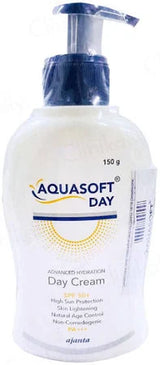
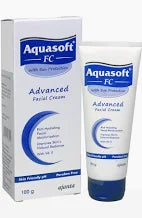
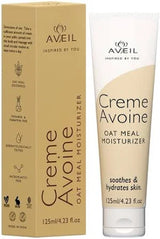
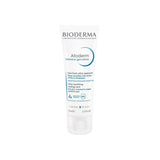
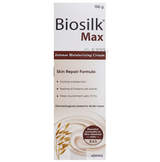
A balanced hydrating layer can make active ingredients easier to maintain. One example of a hydrating lotion option is facial hydrating lotion.
4) Targeted spot and leave-on treatments
Pros: Leave-on formulas can deliver actives directly to affected areas. They can be easier to use consistently than complex multi-step routines.
Cons: Over-application may increase irritation. Some users may need a gradual start.
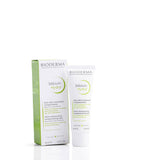
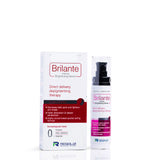
For acne-related concerns, many people explore products such as proactive serum to support daily skin clarity.
5) Sun protection for acne marks and overall skin health
Pros: Helps reduce the risk of dark marks becoming more noticeable. Supports daily consistency.
Cons: Some sunscreens can feel heavy or pill under certain moisturizers. Choosing a compatible texture helps.
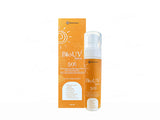
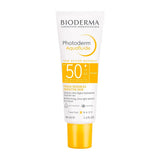
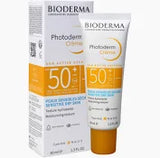
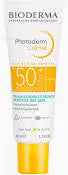
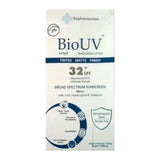
For a face sunscreen with acne-friendly priorities, consider acne UV gel sunscreen or a daily cream option such as shadow sunscreen cream.

Routine timeline with gentle ramp-up and sunscreen daily
Quick Tips
Use these practical steps to design acne treatment solutions that are both effective and sustainable. These are general routine principles that apply across common acne types.
Start with a simple base: Choose one gentle cleanser, one moisturizer, and one targeted active. Avoid adding five products at once.
Introduce actives slowly: Begin with treatment use a few times per week, then increase frequency as your skin tolerates it.
Apply in the correct order: Cleanse, treat, then moisturize. Finish with sunscreen in the morning.
Track changes: Note what improves and what irritates. Consistency matters more than rapid switching.
Choose sunscreen daily: It supports clearer long-term appearance by limiting the contrast of post-breakout marks.
Use the right texture for your skin type: If you are oily, choose lightweight hydration. If you are dry, prioritize barrier-friendly moisture.
Be cautious with harsh exfoliation: If you already use targeted actives, avoid frequent scrubs that increase irritation.
Support compliance: A routine that fits your schedule is more likely to be followed consistently.
Suggested routine framework for different acne patterns
Below are non-prescriptive frameworks. They help you decide what to prioritize, not what to buy.
For clogged pores and blackheads
Prioritize cleansing that removes excess oil.
Choose a leave-on active approach that targets pore congestion.
Maintain hydration so treatment feels tolerable.
For inflamed acne and visible redness
Use gentle cleansing and reduce friction.
Introduce active ingredients gradually to limit irritation-driven flare-ups.
Use sunscreen consistently to prevent darkening of marks.
For post-breakout marks and uneven tone
Keep a reliable morning sunscreen routine.
Support hydration and barrier stability.
Use targeted ingredients as part of a long-term plan, not a one-time fix.
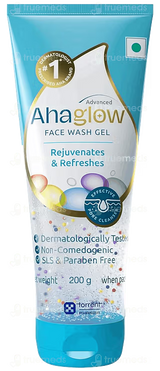
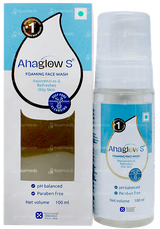
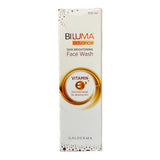
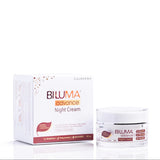
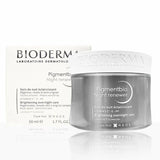
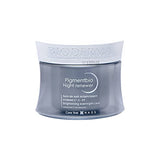
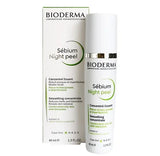
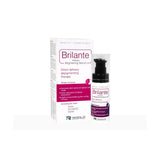
If you are also focused on brightening and overall clarity, you may explore options such as night renewer or a foaming face wash like foaming face wash. These choices should be evaluated based on your sensitivity and current routine steps.
Wrap-Up & Key Insights
Acne treatment solutions work best when you treat acne as a skin-system issue rather than a single-product problem. A strong routine balances cleansing, targeted actives, moisturizer support, and daily sun protection. You reduce the risk of irritation by avoiding overuse, introducing changes gradually, and staying consistent long enough to evaluate results.
If you want a structured starting point, build your routine around gentle baseline care and one targeted step at a time. Then refine based on how your skin responds, not based on short-term fluctuations. For additional product guidance, browse relevant options on Allodermis and select based on your skin goals and tolerance.
Q&A Section
How do I choose the right acne treatment solutions for my skin type?
Start by identifying your dominant concern: clogged pores, inflamed breakouts, or post-breakout marks. Then select one gentle cleanser, one moisturizer that feels comfortable, and one targeted leave-on active. If your skin is sensitive, introduce the active step slowly and avoid combining multiple strong ingredients at the same time.
Is it better to use multiple acne actives together or one at a time?
In most cases, starting with one active at a time is more sustainable. Combining several strong treatments can increase redness and dryness, which may lead to inconsistent use. A gradual ramp-up supports skin tolerance and helps you determine which ingredient is most helpful.
How long should I wait before judging whether a treatment works?
Evaluation should be based on consistent use rather than daily changes. Acne routines often require time for clogged pores to clear and for inflammation to calm. If irritation is severe, adjust frequency and consider simplifying your routine rather than immediately replacing everything.
What should I do if my acne worsens after starting a routine?
Short-term worsening can occur when skin adapts or when irritation is triggered. Reassess cleansing harshness, reduce active frequency, and confirm that moisturizer and sunscreen are part of your daily routine. If worsening is persistent or severe, consider seeking medical guidance from a qualified clinician.
About the Author
Allodermis is a skincare-focused organization with expertise in helping people select practical routines for acne-prone and sensitive skin. This post reflects a routine-based approach grounded in skin barrier principles, ingredient compatibility, and daily consistency. The team is committed to clear guidance that supports informed choices, and your next step can be building a simple plan you can follow. Thank you for reading.
Disclaimer: This article is for general educational purposes only and does not replace professional medical advice. Acne is a medical condition for some people. If you have severe acne, pain, scarring, or signs of infection, consult a qualified healthcare professional for individualized guidance.


