

















Chemical Peels for Skin Rejuvenation: A Practical Guide

Updated on: 2026-05-29
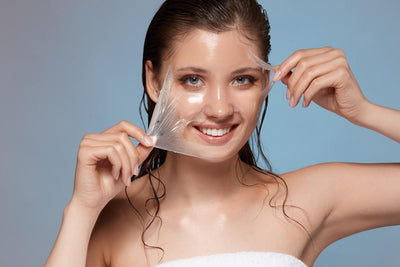
Chemical peels for skin rejuvenation can improve texture, tone, and surface-level imperfections by gently controlling exfoliation.
The results depend on peel strength, formulation, skin condition, and consistent aftercare.
Common errors include choosing an overly aggressive peel, skipping sunscreen, and neglecting barrier support.
A careful consultation and a realistic plan help reduce irritation and support long-term skin quality.
Table of Contents
Chemical peels for skin rejuvenation offer a structured way to refine skin appearance. They use carefully selected acids and supporting ingredients to remove dull, damaged surface cells and encourage more even-looking skin. In this guide, you will learn how chemical peels work, what to expect across different intensities, and how to choose an approach that matches your goals while protecting your skin barrier.
Common Mistakes to Avoid
Choosing a peel intensity that is too strong is one of the most frequent problems. When the formulation is not aligned with your skin tolerance, irritation can escalate into prolonged redness, flaky texture, or uneven recovery. A balanced plan usually begins with a conservative option and then adjusts based on response.
Many people underestimate aftercare. Chemical peels remove surface layers, which temporarily changes how skin handles moisture and sun exposure. Without strict daily sun protection and barrier support, irritation can increase and results may look less uniform.
Skipping sunscreen is a high-impact error. Ultraviolet exposure can worsen discoloration risk and delay the appearance of smoother texture. Daily sunscreen with broad-spectrum coverage supports better tone outcomes and helps preserve the benefits of exfoliation.
Using multiple exfoliating products at the same time is another common mistake. Retinoids, strong exfoliating acids, and abrasive scrubs can compound irritation during the same period. When your routine includes actives, reduce frequency before and after your peel, and reintroduce them gradually.
Ignoring skin history can lead to avoidable setbacks. Conditions such as active inflammation, recent sensitizing treatments, or a pattern of easy irritation may require a modified plan. A consultation with a qualified professional helps identify safe peel types and pacing.
Overlooking hydration and barrier care also affects outcomes. Skin rejuvenation is not only about exfoliation; it is also about maintaining comfort, elasticity, and consistent recovery. When barrier support is neglected, the skin may feel tight, look dull, or heal unevenly.
Finally, expecting instant transformation can reduce satisfaction. Most improvements appear progressively as exfoliated cells shed and the skin surface stabilizes. A steady cycle of appropriate treatments often produces more reliable results than frequent changes.
Pros & Cons Analysis
Chemical peels can be a powerful addition to a skin rejuvenation routine when matched correctly. Below is a structured review of the potential benefits and limitations so you can make a clear decision.
Pros
-
Improves surface texture by reducing dullness and uneven cell build-up.
-
Supports more even-looking tone by targeting certain discoloration patterns at the surface level.
-
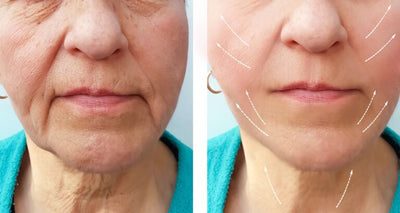
Can soften the appearance of fine lines by encouraging renewal and smoother skin feel.
-
Often offers a more predictable approach than abrasive exfoliation methods.
-
Works in a staged plan, allowing you to progress from mild to stronger options when appropriate.
-
May complement other skincare strategies, such as hydrating routines and pigment-focused care.
Cons
-
Temporary redness, tightness, or flaking can occur, especially with higher intensity peels.
-
Results vary depending on skin type, sun exposure, and consistency of aftercare.
-
Improper selection or overuse can increase irritation and slow recovery.
-
Some discoloration concerns may require time and a combined approach with sunscreen and targeted skincare.
-
Not all peel formulations suit every skin condition, and professional guidance may be necessary.
-
Expect gradual improvement rather than immediate, uniform results.
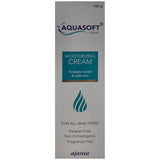
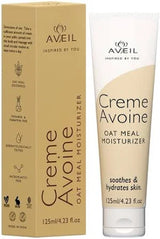
If your goal is clearer, more refined skin, chemical peels for skin rejuvenation can fit well into a broader program that includes gentle cleansing, barrier-friendly moisturizers, and consistent sun protection. For example, a mild cleanser and a stable daily routine can reduce added stress to skin during exfoliation cycles.
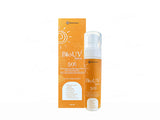
You can explore gentle cleansing options such as Cetaphil Gentle Cleanser and targeted daily skin support products like Fixderma Shadow Sunscreen Cream to help maintain comfort during active skincare phases.
Quick Tips
Use these practical steps to improve safety, comfort, and consistency when incorporating chemical peels for skin rejuvenation into your routine.
-
Start with a conservative peel option if you are new to chemical exfoliation. Increase intensity only after you confirm skin recovery.
-
Plan your routine to include barrier support: a gentle moisturizer and a simplified cleansing step help the skin stabilize after exfoliation.
-
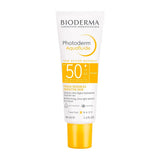
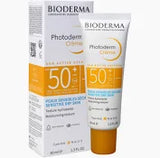
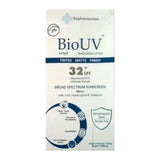
Apply sunscreen every morning and reapply when needed. Look for broad-spectrum protection and a comfortable finish.
-
Avoid combining strong exfoliants on the same days as your peel. Give your skin time to reset before reintroducing strong actives.
-
Hydrate consistently. When the skin feels comfortable, it typically tolerates renewal better and looks smoother sooner.
-
Choose products that support oily or acne-prone skin carefully, especially after exfoliation cycles. A light, non-stripping cleanser can reduce dryness without disrupting recovery.
-
If you focus on pigment concerns, consider a calm routine with targeted serums and strong sun protection instead of frequent changes.
-
Keep expectations realistic. Skin rejuvenation outcomes often build over multiple sessions and stabilized skincare habits.
For skin that needs gentle balance, consider a hydrating approach alongside exfoliation. You may find helpful options such as Cetaphil Pro Oil Control Foam Wash to keep cleansing comfortable during active routines.
If you also use brightening support in your day-to-day schedule, select formulas that align with your peel plan. For example, a serum with a light feel can be introduced when your skin has fully recovered. One option worth reviewing for pigment-focused routines is Dermatica AZE Proactive Serum.

Timeline graphic for peel recovery
Wrap-Up & Key Insights
Chemical peels for skin rejuvenation can refine texture, improve tone consistency, and support a smoother, more refreshed skin surface when used thoughtfully. The most reliable results come from careful peel selection, consistent sunscreen habits, and a barrier-first aftercare strategy. Avoiding common mistakes such as over-aggressive strength, skipped sun protection, and stacking multiple exfoliants can reduce irritation and improve satisfaction.
If you want to incorporate chemical peels into your routine, begin with a conservative approach, keep your cleanser and moisturizer gentle, and commit to daily sun protection. When in doubt, seek guidance from a qualified skin professional to match the peel type to your skin needs. For continued daily support, consider reviewing your current skincare lineup and aligning it with a safe exfoliation schedule.
Call to action: Evaluate your current routine and choose a gentle cleanser and daily sunscreen that support skin recovery. Explore options on Allodermis to build a supportive baseline around your skin rejuvenation plan.
Q&A Section
What skin types benefit most from chemical peels for skin rejuvenation?
Many skin types can benefit, but the right peel strength matters. Mild and medium formulations are often suitable for improving texture and tone in people who tolerate exfoliation well. If your skin is sensitive, reactive, or prone to persistent redness, you may need lower intensity peels, slower pacing, and extra barrier support. A professional assessment is the safest way to match peel depth and formulation to your skin needs.
How should I prepare for a peel and what should I avoid afterward?
Preparation usually includes simplifying your routine and avoiding unnecessary strong actives before treatment so your skin is stable. After the peel, avoid exfoliating scrubs, harsh cleansers, and multiple competing actives until your skin has fully recovered. Focus on gentle cleansing, consistent moisturization, and daily sunscreen to support even healing and reduce discoloration risk.
How long does it take to see improvements from a peel?
Many people notice early changes in surface smoothness as exfoliated cells shed and the skin stabilizes. More consistent improvements typically develop over repeated sessions and longer-term routine support. Results depend on peel type, skin condition, and aftercare quality. If you track changes over time, you are more likely to assess progress accurately.
Are chemical peels safe to combine with skincare actives?
Chemical peels can sometimes be combined with skincare actives, but timing and selection are critical. Using strong exfoliants too close to a peel can increase irritation and disrupt recovery. A common approach is to pause competing exfoliants during the immediate recovery window, then reintroduce them gradually based on how your skin feels. Professional guidance can help you create a safe sequence.
Do chemical peels help with acne-related marks?
They may help improve the appearance of some surface-level marks by refining skin texture and tone. However, acne marks can be complex, involving inflammation and deeper pigment pathways. A comprehensive plan that includes sun protection and appropriate pigment-focused care often performs better than exfoliation alone. If you have active acne, it is important to address that first so your skin heals more evenly.
Can sunscreen alone maintain peel results?
Sunscreen is essential, but it is not the only factor. Maintaining results typically requires a stable, gentle routine that includes moisturization and careful active selection. Consistent sun protection prevents new damage that can undo improvements. When the routine supports barrier health, the skin surface looks more even and comfortable between treatments.
What are warning signs that I should pause or seek professional advice?
Intense burning, worsening swelling, persistent severe redness, or signs of infection are reasons to seek immediate medical guidance. Mild tightness or slight peeling can be expected, but symptoms that escalate or do not settle should not be ignored. If you are unsure, a professional evaluation can help determine whether your peel plan should be adjusted or paused.
About the Author Section
Author: A skincare and dermocosmetics strategist at Allodermis . The author focuses on evidence-informed skincare planning, ingredient logic, and practical routines that prioritize comfort and skin barrier support. With a professional, user-first approach, the author helps readers make confident decisions about chemical exfoliation and long-term skin quality. For personalized guidance, the author encourages readers to review their routine and consult qualified professionals as needed.
Disclaimer: This article is for informational purposes only and does not provide medical advice. Skin responses vary, and chemical exfoliation can cause irritation. Consult a qualified dermatologist or skincare professional before starting any peel program, especially if you have sensitive skin, active dermatologic conditions, or a history of adverse reactions.
Authors & medical review
Swaraj Dhar is a sociopreneur, technologist, and the co-founder of Allodermis.
Every article is fact-checked against current peer-reviewed dermatology literature and Allodermis clinical protocols.
This article was last reviewed and updated on . Published .
Have a skin or hair concern?
Book a free consultation with our AIIMS MD dermatologists. Clinics in Bhubaneswar, Gurgaon, and Delhi NCR.