
























Updated on: 2026-05-30
Hair restoration solutions can support people who want a fuller, healthier-looking hairline and scalp environment.
This guide explains how to evaluate options, prepare for treatment, and set realistic expectations based on evidence-based planning.
You will also learn how to choose a clinic, build a supportive routine, and track progress in a structured way.
By the end, you will have a clear framework to compare approaches and take informed next steps.
If you are considering hair restoration solutions, the most important starting point is clarity. You need a plan that matches your pattern of hair loss, scalp condition, and priorities. With the right evaluation and structured follow-through, you can make better decisions about treatment types, timelines, and supportive routines. This article provides a practical, evidence-oriented approach that helps you compare options without relying on hype.
Essential Tips
- Document your baseline with consistent photos, hair counts from the same area, and scalp notes.
- Plan around root causes, not only appearance, by evaluating inflammation, shedding triggers, and nutrient gaps.
- Use a decision matrix to compare cost, maintenance needs, and suitability for your hair type.
- Ask for a written treatment pathway that explains how outcomes will be measured.
- Prioritize scalp comfort and hygiene to support the environment where regrowth efforts work best.
Detailed Step-by-Step Process
Use the steps below as a repeatable framework. Each step reduces uncertainty and helps you move from curiosity to a clear, actionable plan.
-
Identify the hair loss pattern and onset. Note where thinning started, whether it is gradual or sudden, and whether family history is present.
-
Assess scalp status. Look for redness, flaking, oiliness, itching, tenderness, or signs of chronic irritation. Scalp comfort often affects adherence and results.
-
Collect a medical and routine history. Include medications, recent stressors, changes in diet, and any prior treatments. This context supports accurate selection.
-
Set realistic goals. Decide whether your priority is density, hairline refinement, reduced shedding, or improved thickness across a specific zone.
-
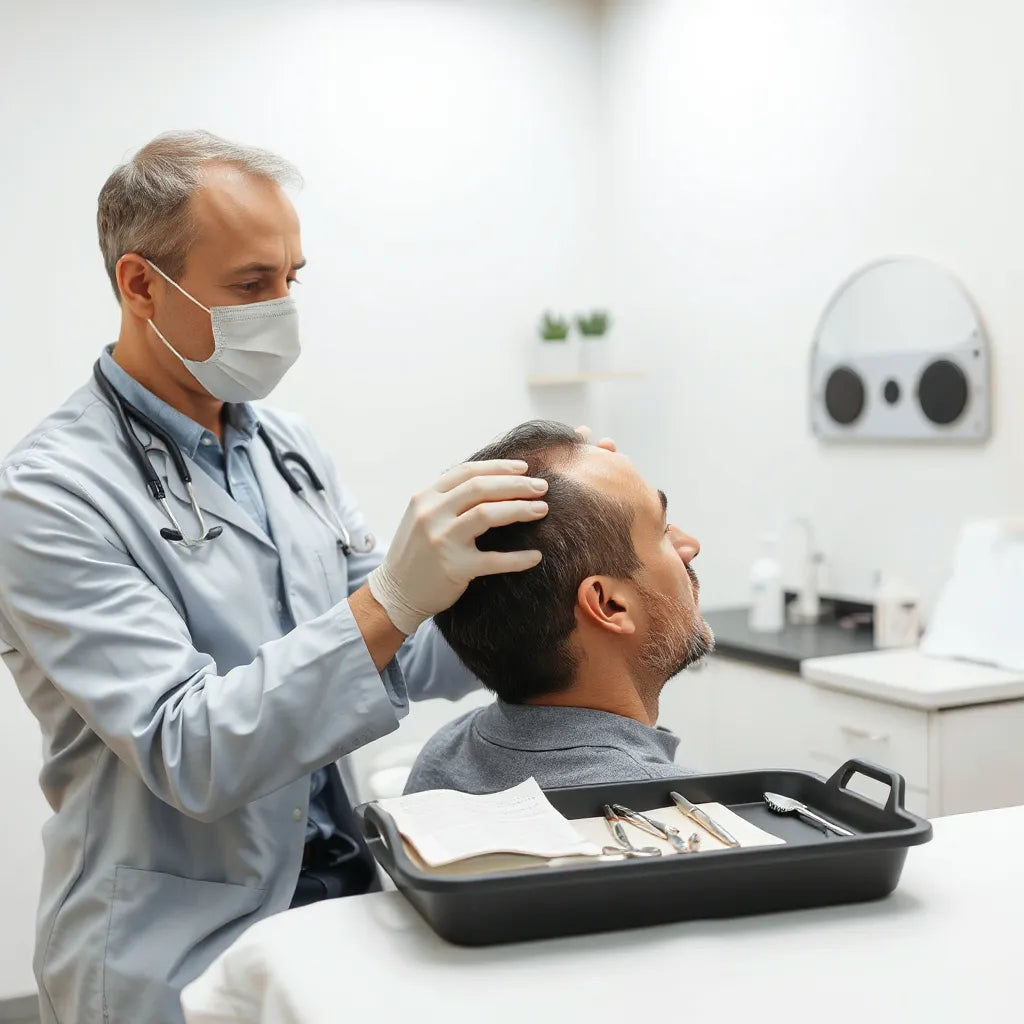
Consult with a qualified clinician. A specialist can evaluate follicle health, discuss eligibility, and explain risks and expected outcomes.
-
Compare treatment categories. Review options such as medications, procedural therapies, devices, and supportive regimens. Use your decision matrix to compare fit.
-
Confirm measurement methods. Ask how progress will be tracked, including standardized photos and objective scales.
-
Build a consistent maintenance routine. Choose gentle cleansing and scalp-supporting products, and maintain a stable schedule to reduce confounding variables.
-
Evaluate outcomes over time and adjust thoughtfully. If results are slower than expected, consider adherence, scalp health, and whether the plan needs refinement.

Annotated scalp diagram showing redness, flakes, and density zones
When you compare approaches, it helps to focus on measurable inputs: scalp stability, regimen consistency, and transparent follow-up. Hair restoration solutions are not only about selecting a technique; they also depend on the quality of planning and ongoing care.
When to Consult a Specialist
Some situations benefit from earlier evaluation rather than waiting. Consider consulting a dermatologist or a qualified hair restoration clinic when you notice rapid shedding, patchy loss, scalp pain, persistent itching, or sudden visible thinning. Specialist review is also appropriate if you have tried basic scalp care for several months without improvement, or if you are unsure whether the cause is genetic patterning, stress-related shedding, or inflammation.
During consultation, ask targeted questions about follicle viability, the likelihood of stabilization versus regrowth, and the role of scalp conditions in your case. A credible plan will not treat every person the same way. It will also explain how eligibility is determined and what factors may limit outcomes.
Choosing Hair Restoration Solutions: What to Compare
Not all plans are comparable. The most effective choice depends on your pattern, donor considerations, scalp health, and maintenance preferences. Below are the major categories you should evaluate and the questions that help you compare them objectively.
1) Evidence-based medication approaches
Medication-based regimens are often used to support stabilization and potential thickening. Your clinician may discuss the mechanism of action, the expected time horizon, and how side effects are monitored. Focus on adherence support and realistic progress metrics.
2) Procedural therapies for density improvement
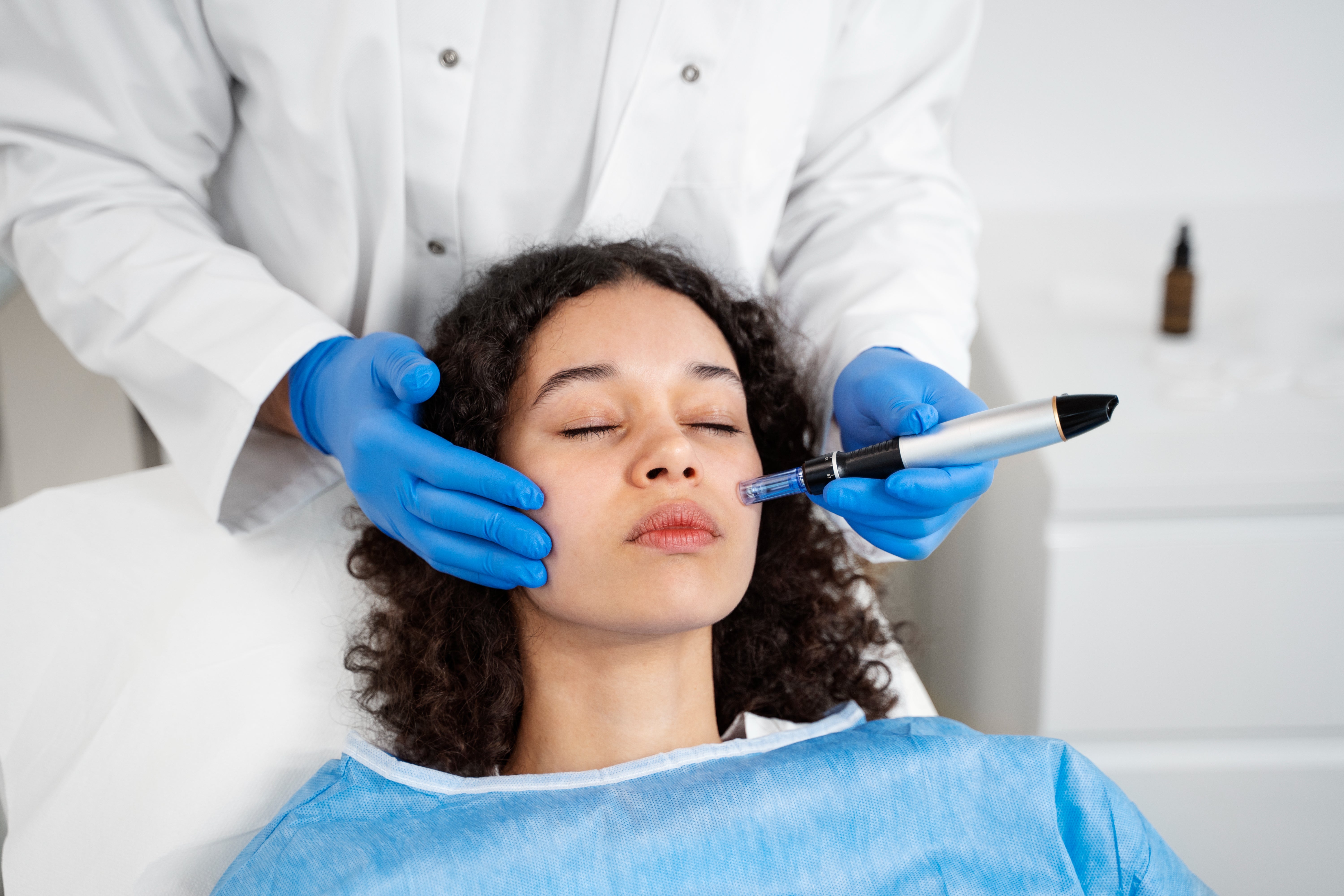
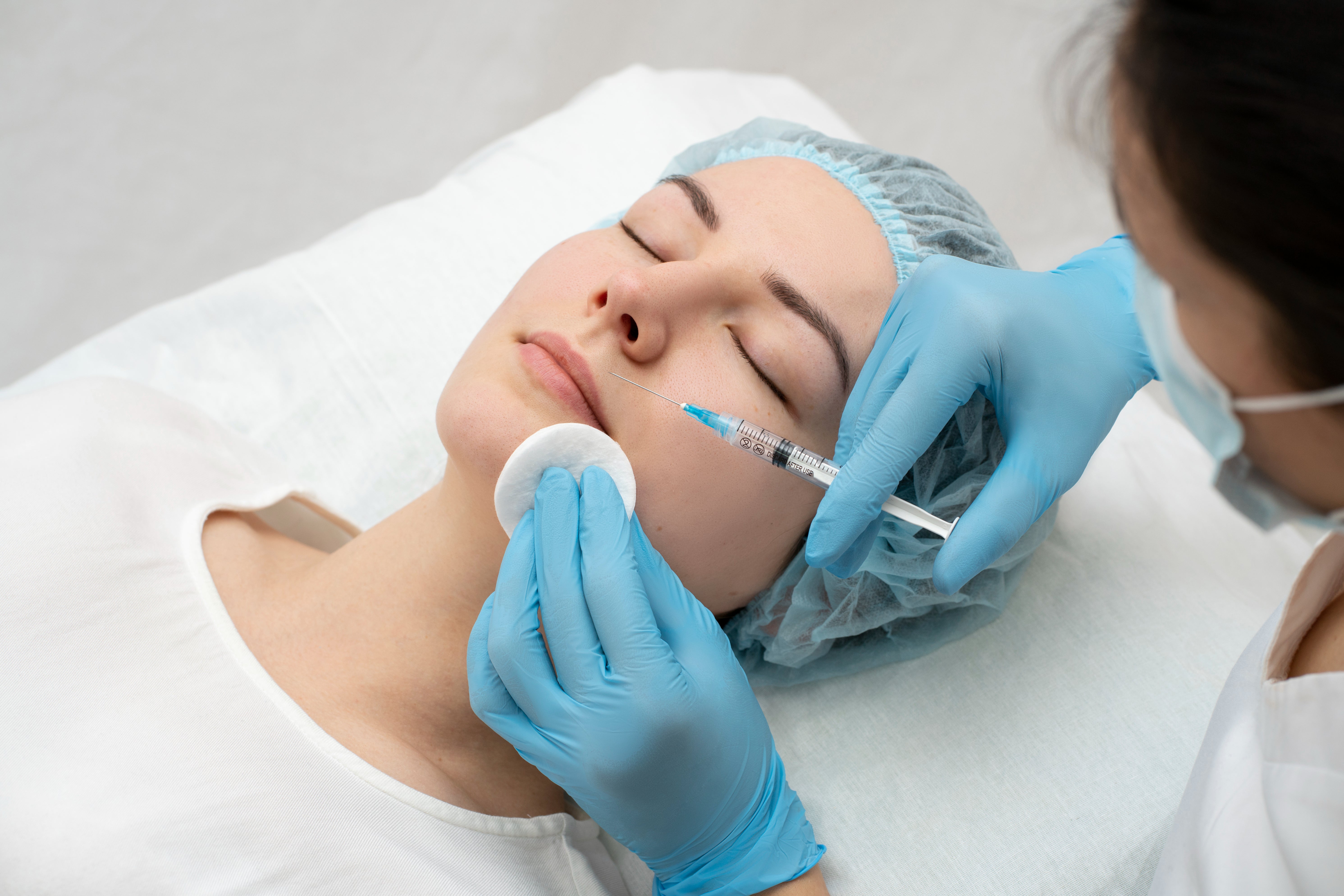
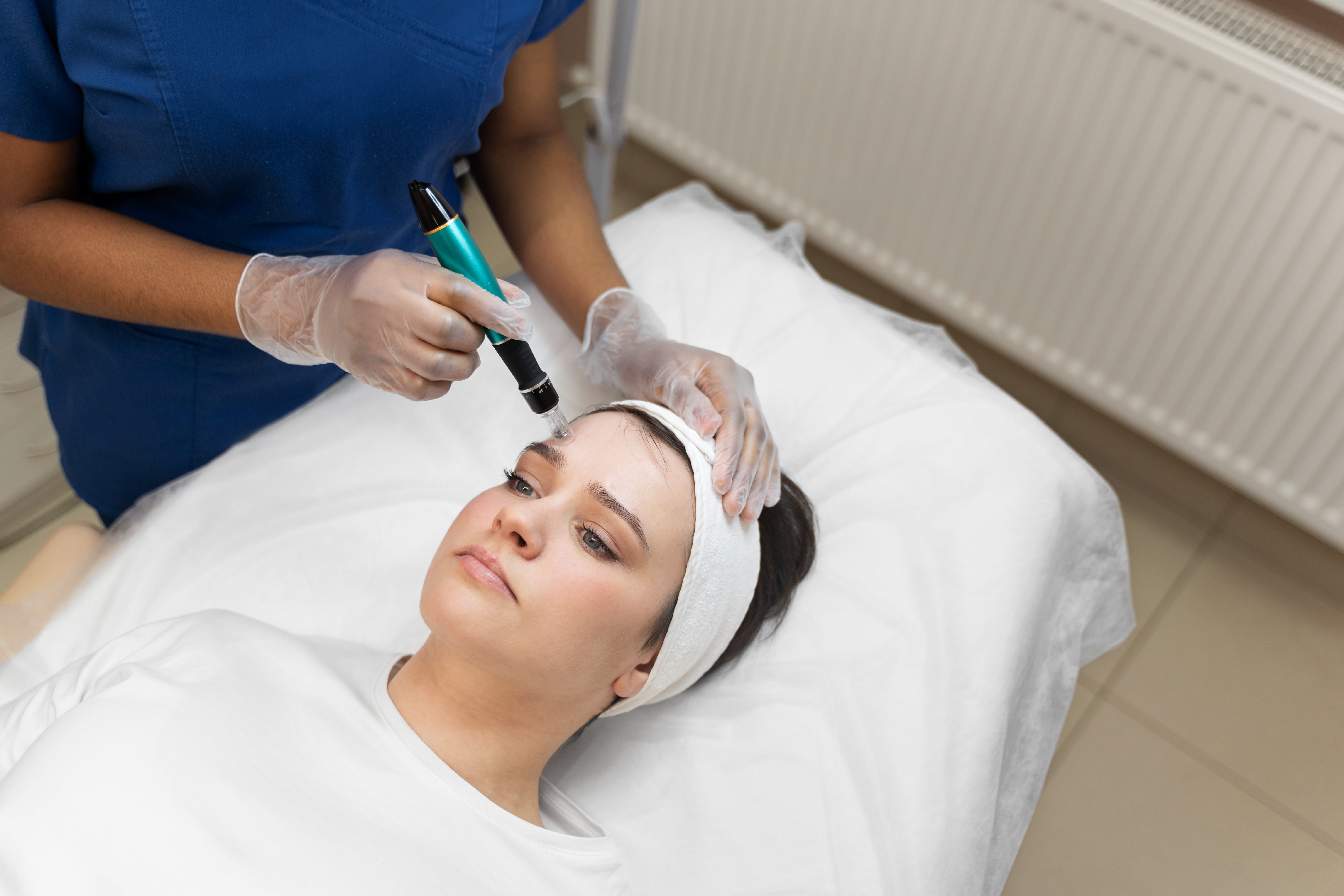
Procedures can target areas with thinning and may be selected for different patterns of hair loss. Evaluate the technique, the clinician’s experience with similar cases, the plan for aftercare, and the expected maintenance requirements.
3) Regenerative or adjunct options
Adjunct options aim to improve the scalp environment or complement other treatments. For these options, ask for clarity on evidence strength, patient selection criteria, and how results are measured in comparable populations.
4) Supportive products and scalp hygiene
Supportive care is not a replacement for clinical therapies when significant thinning is present, but it can reduce friction and support a healthier scalp environment. Look for gentle cleansing, irritation control, and consistency. If you have sensitivity, choose products designed for daily or frequent use and avoid harsh routines that disrupt the scalp barrier.

Side-by-side checklist comparing options: goals, fit, maintenance, monitoring
To select confidently, use a simple rubric: suitability, measurement plan, maintenance burden, and safety. If any option cannot explain outcomes and monitoring in plain language, it should be treated cautiously.
Scalp Health and Supportive Care
A supportive routine helps you stay consistent with your treatment plan. It also reduces added variables that can make progress harder to interpret. The scalp is part of the system, not an afterthought.
Start with gentle cleansing
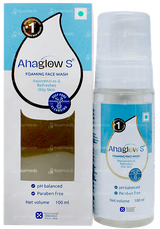
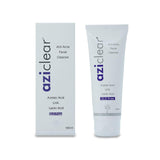
Choose a cleanser that removes oil and product buildup without causing excessive dryness. If your scalp is prone to irritation, a gentle formula can support comfort and adherence. For daily routines, consider products designed for sensitive scalps and mild cleansing.
For example, you may consider gentle cleanser options that support a balanced cleansing approach.
Support with targeted scalp actives when appropriate
If you experience flaking or imbalance, your clinician may recommend an active ingredient approach that fits your scalp needs. The key is to match the active to the problem and avoid stacking multiple harsh products at the same time.
For skin routines that include acne-prone environments, you may also review oil control foam wash as part of a controlled skin-care strategy, while keeping the scalp-specific plan separate.
Do not ignore hydration and barrier comfort
A stable barrier can help reduce itch and dryness that interfere with consistent treatment. Although hair loss plans vary, comfort improves follow-through. If you also treat facial skin as part of your overall routine, you can evaluate hydration and soothing products for daily use, such as facial hydration lotion.
Be mindful of sun exposure for scalp and hairline
Some people benefit from sun protection for the hairline and scalp, especially when wearing less coverage. Consider a suitable sun protection strategy guided by dermatology advice, particularly if you use active treatments on skin-adjacent areas.
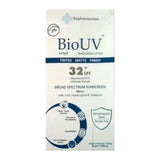
For sun-care products, you may review SPF 50 sun protection options as part of an overall sun-safety routine, while keeping scalp-specific guidance aligned with your clinician’s recommendations.
Tracking Progress and Adjusting the Plan
Progress in hair improvement is often gradual. A strong plan includes a tracking method and a decision point for adjustments. Tracking also protects you from unrealistic expectations and reduces stress.
Use consistent baselines
Take photos under the same lighting and angle. Note hair wash frequency and styling products. If you change multiple variables at once, it becomes difficult to interpret results.
Monitor shedding versus density
Shedding patterns can change for multiple reasons, including stress, seasonal variation, and routine changes. Instead of focusing only on daily shed counts, track density in the same area over time.
Assess scalp comfort and adherence
If itching or irritation increases, you may need to adjust the cleansing method or reduce friction. Adherence is a major driver of outcomes because consistent use of a plan supports steady conditions for the scalp.
Discuss adjustments with your clinician
If results are not moving toward your goals, review the entire plan. The issue may involve the selected approach, dosing schedules, scalp health, or unrealistic goal alignment. A responsible clinic will reassess and propose a tailored adjustment rather than pushing one-size-fits-all changes.
Summary & Takeaway
Hair restoration solutions require more than a single decision. Start with a structured assessment of your hair loss pattern and scalp health, choose options based on suitability and measurable outcomes, and build supportive routines that improve comfort and adherence. By tracking changes consistently and discussing adjustments with a qualified specialist, you create a plan that is both realistic and actionable.
Next step: Schedule a professional evaluation, prepare baseline documentation, and select a treatment pathway that includes clear monitoring and scalp-supportive care. That is the most reliable way to move from uncertainty to informed progress.
Q&A Section
How do I know which hair restoration solutions are appropriate for my situation?
Appropriateness depends on your hair loss pattern, scalp condition, medical history, and personal goals. A qualified specialist can evaluate follicle health and recommend a pathway with safety considerations, realistic outcome ranges, and a monitoring plan.
What role does scalp care play in hair improvement plans?
Scalp care supports comfort, hygiene, and adherence. It also reduces additional variables that can confound progress. Gentle cleansing and barrier-friendly routines can help maintain a stable environment while clinical approaches work toward stabilization and density improvement.
What should I track to measure progress effectively?
Track consistent photos, the specific areas where thinning occurs, and notes on scalp comfort and shedding patterns. Use the same lighting, angle, and hair styling routine. Your clinician can also suggest objective scales or standardized assessment methods.
Is it better to change multiple parts of my routine at once?
No. If you alter cleansing, styling, treatment schedules, and supportive products simultaneously, you reduce your ability to identify what is helping or what is causing irritation. Make changes in a controlled way and consult your clinician when adjusting your plan.
About the Author Section
Allodermis
Allodermis is an established authority in skin and personal care guidance, with a focus on ingredient-conscious routines and education that supports better decision-making. The team emphasizes clarity, consistency, and evidence-oriented thinking when discussing care pathways. Thank you for reading, and consider using this guide to prepare thoughtful questions for your next consultation.
Disclaimer: This article is for educational purposes only and does not provide medical advice. Results vary by individual. Consult a qualified healthcare professional for diagnosis and treatment recommendations.

