


































Professional Skin Treatments: Expert Options That Work

Updated on: 2026-05-30
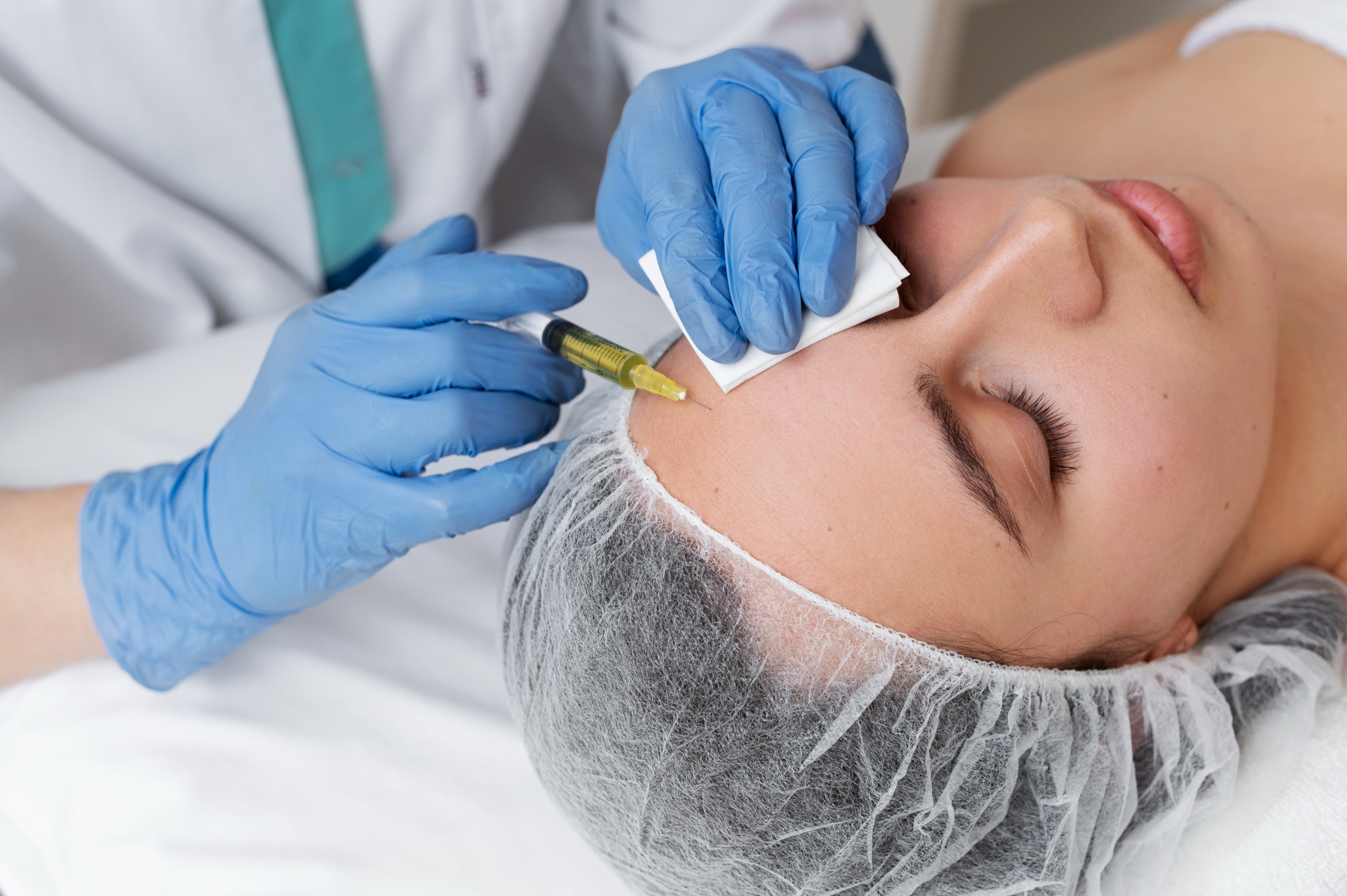
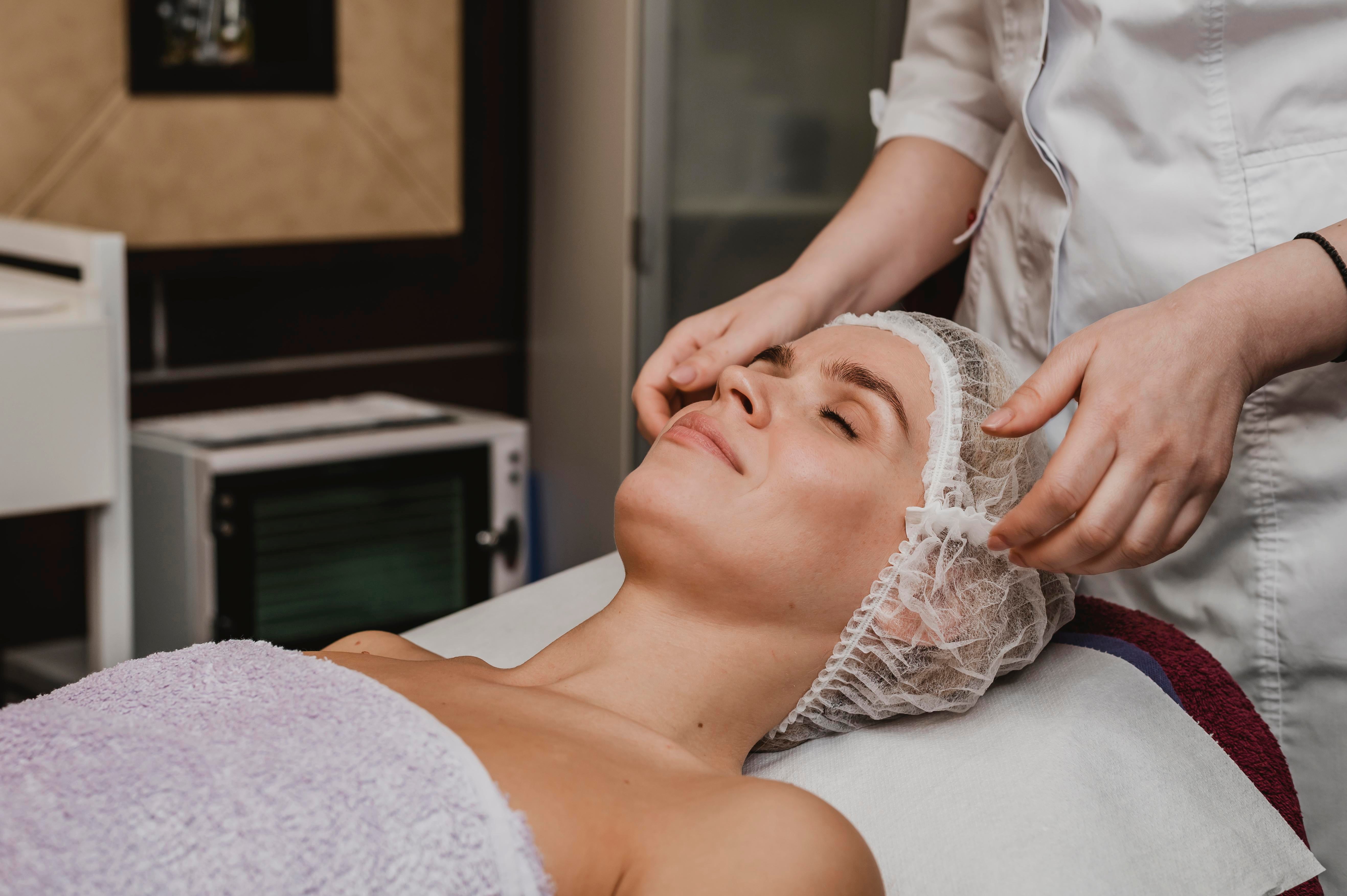
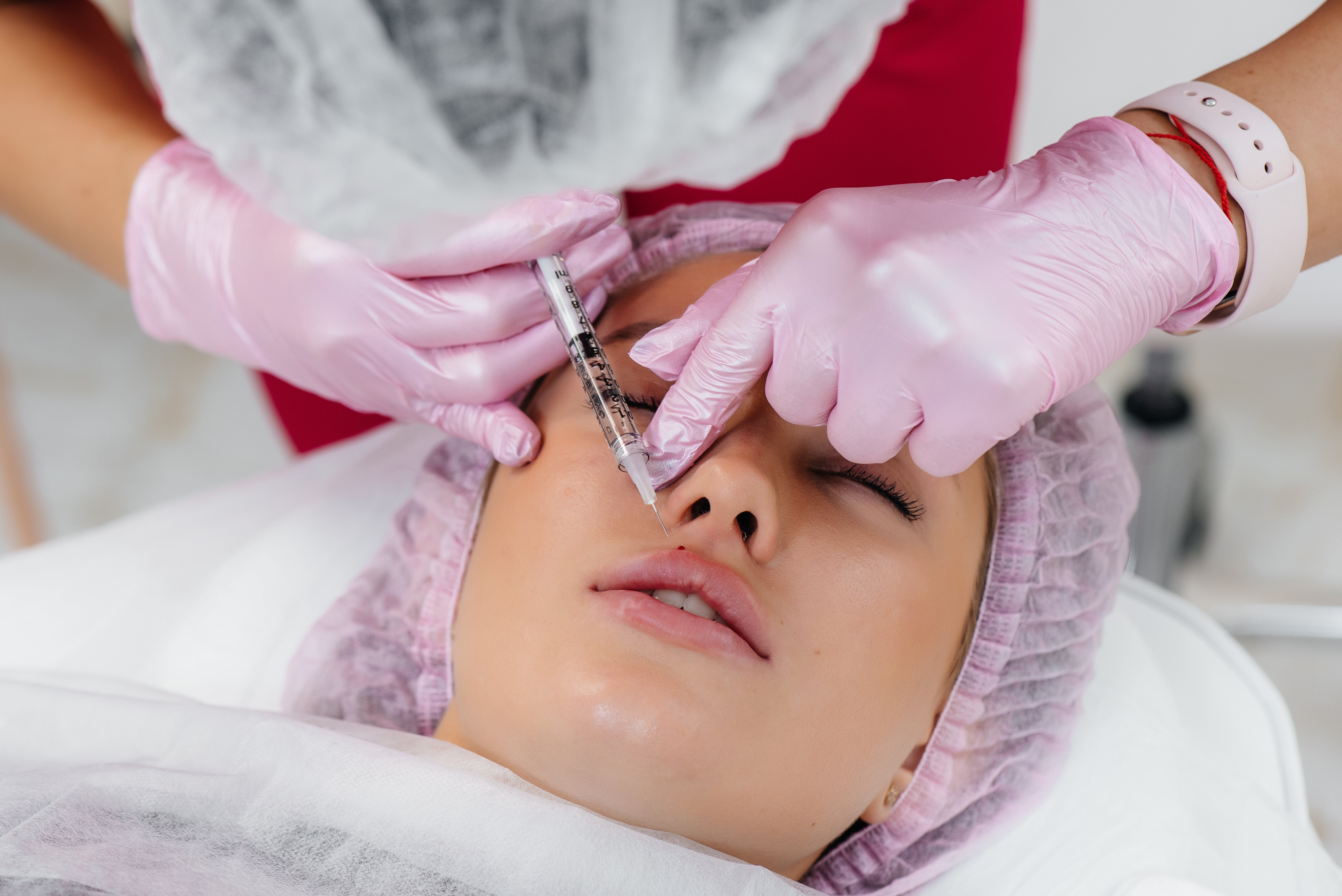
Professional skin treatments are most effective when they are planned, matched to skin needs, and supported by consistent home care.
This guide explains how to evaluate treatment goals, choose evidence-based options, and reduce avoidable risks.
You will also find a practical workflow for preparing, attending, and maintaining results over time.
Use the checklist and questions to communicate clearly with your licensed provider.
Table of Contents
1. Essential Tips
2. Detailed Step-by-Step Process
3. Choosing Services and Ingredients
4. Preparing for Your Appointment
5. Aftercare and Long-Term Maintenance
6. Common Mistakes to Avoid
7. Summary & Takeaway
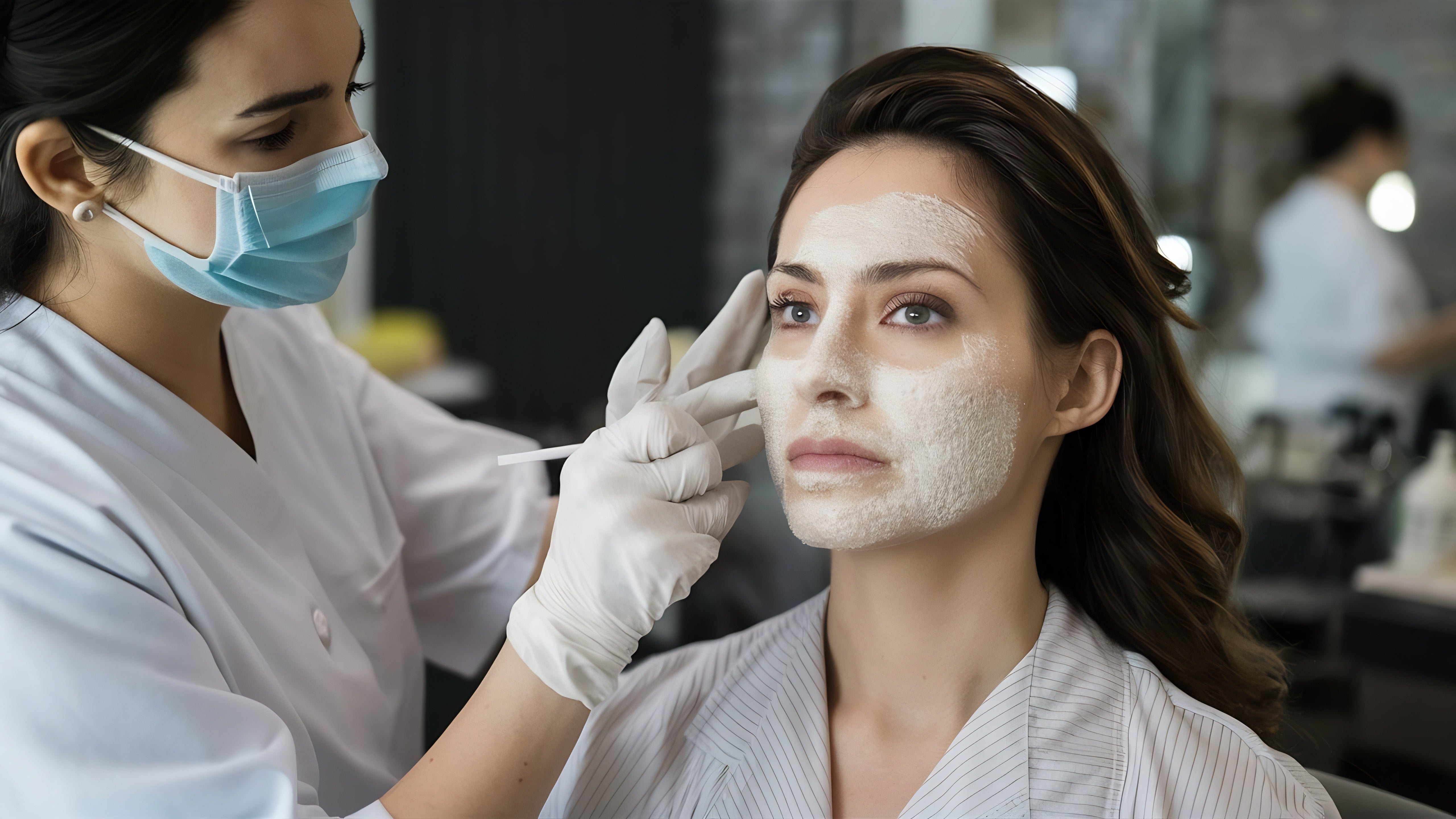
Professional skin treatments combine skilled evaluation, targeted procedures, and thoughtful product support. When they are aligned with your skin type and goals, they can improve tone, texture, and overall appearance while respecting the skin barrier. In this article, you will learn how to approach professional care in a structured way, so your decisions are informed and your routine is sustainable.
Essential Tips
- Start with a clear goal, such as hydration, smoothing, brighter-looking skin, or calming visible irritation.
- Ask your provider for a plan that explains the purpose of each step, not only the procedure name.
- Prioritize skin barrier support before adding aggressive actives.
- Use patch testing when introducing new products to reduce the risk of sensitivity.
- Keep a simple home routine during treatment cycles so you can identify what works.
- Track changes with photos in consistent lighting, focusing on texture, not only color.
- Choose providers who use safety-first protocols and document skin response.
Detailed Step-by-Step Process
To get the most from professional skin treatments, use a repeatable workflow. The steps below are designed to help you make good decisions before, during, and after in-office care.
Step 1: Assess skin needs with a structured intake
Gather information on current routine, past reactions, lifestyle factors, and recurring issues. A good intake typically includes skin sensitivity, hydration level, breakouts, and tolerance to prior products. This helps your provider select the right treatment pathway.
Step 2: Define measurable priorities
Replace broad goals with specific targets. Examples include “reduce the look of uneven texture,” “support calmer-feeling skin,” or “improve daily moisture balance.” Measurable priorities support better follow-up decisions.
Step 3: Select treatment types that match the goal
Different professional modalities address different needs, such as surface exfoliation, pore support, pigmentation management, or soothing inflammation. Your plan should connect the treatment objective to the mechanism.
Step 4: Build a barrier-first home routine
During professional care, the home routine often determines consistency and tolerance. Cleanse gently, moisturize reliably, and use daily sunscreen. If you are adding active ingredients, introduce them gradually.

Step 5: Attend sessions with informed preparation
Arrive with your current products. Avoid last-minute changes unless your provider requests them. This reduces variables and helps your provider evaluate skin response accurately.
Step 6: Follow aftercare instructions precisely
Aftercare supports comfort and helps prevent avoidable irritation. You may be asked to pause certain actives temporarily or focus on moisturization and sun protection.
Step 7: Evaluate results with realistic timelines
Skin response varies based on baseline condition, product tolerance, and the specific protocol. Your provider should explain how they measure progress and when adjustments are reasonable.
Choosing Services and Ingredients
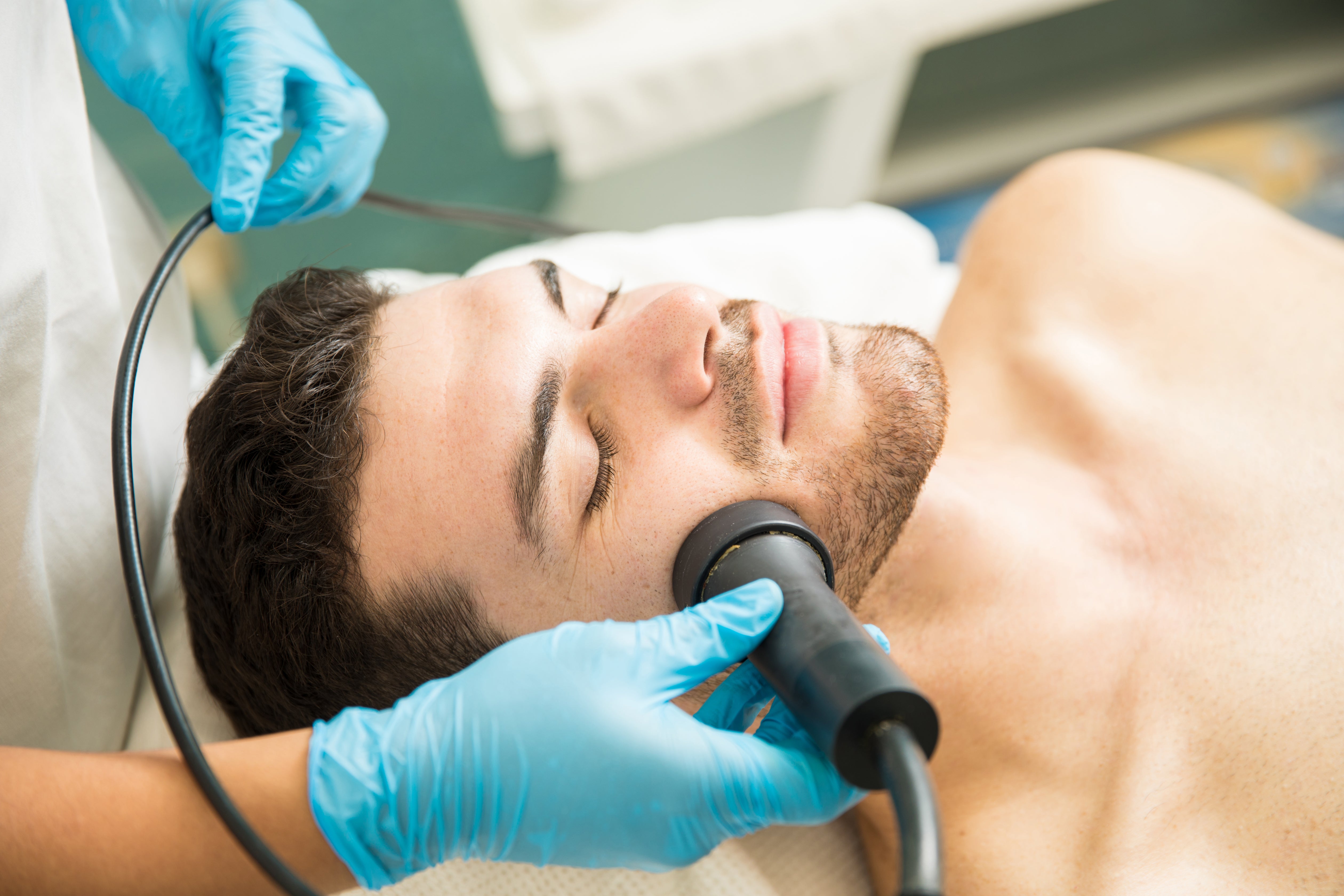
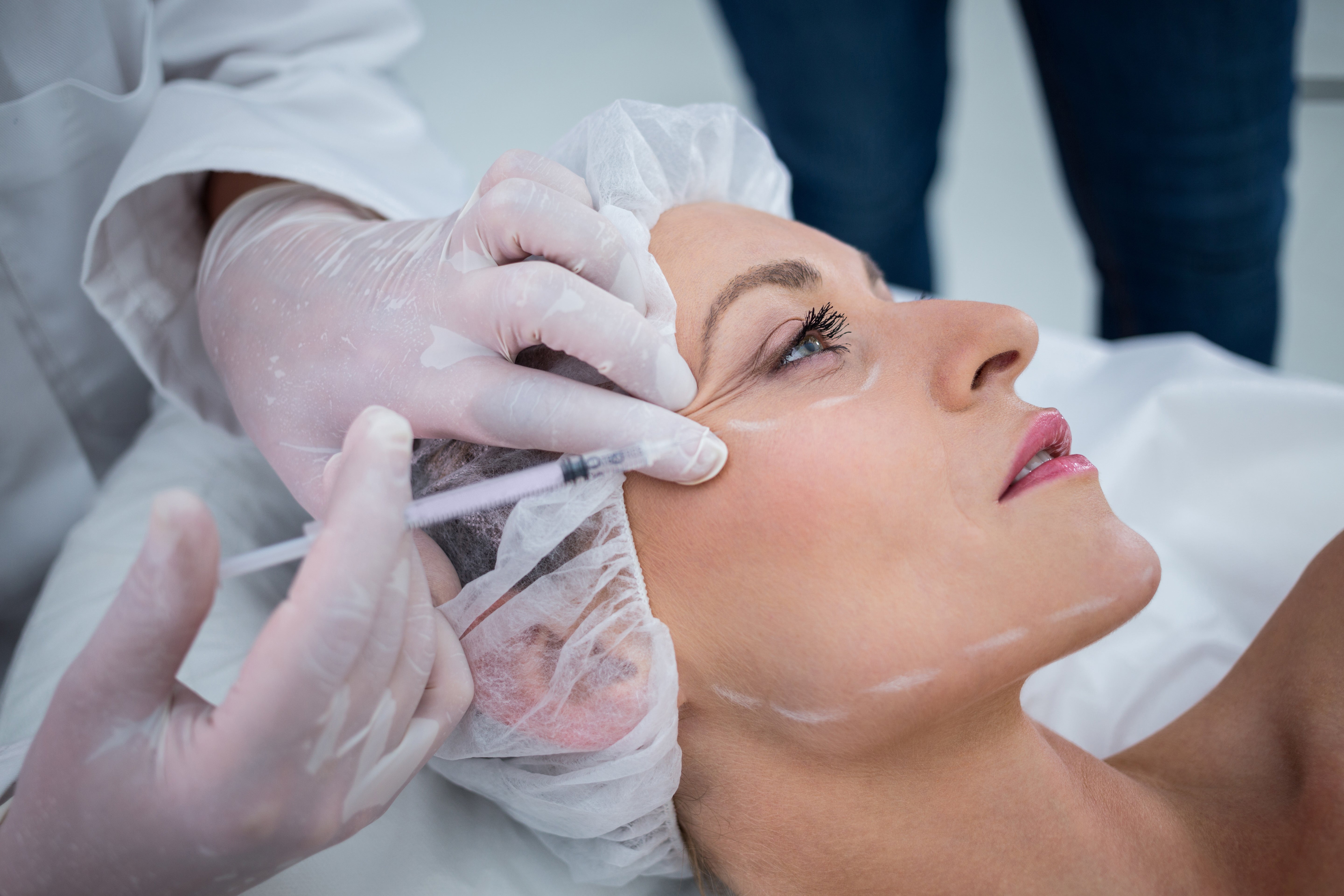
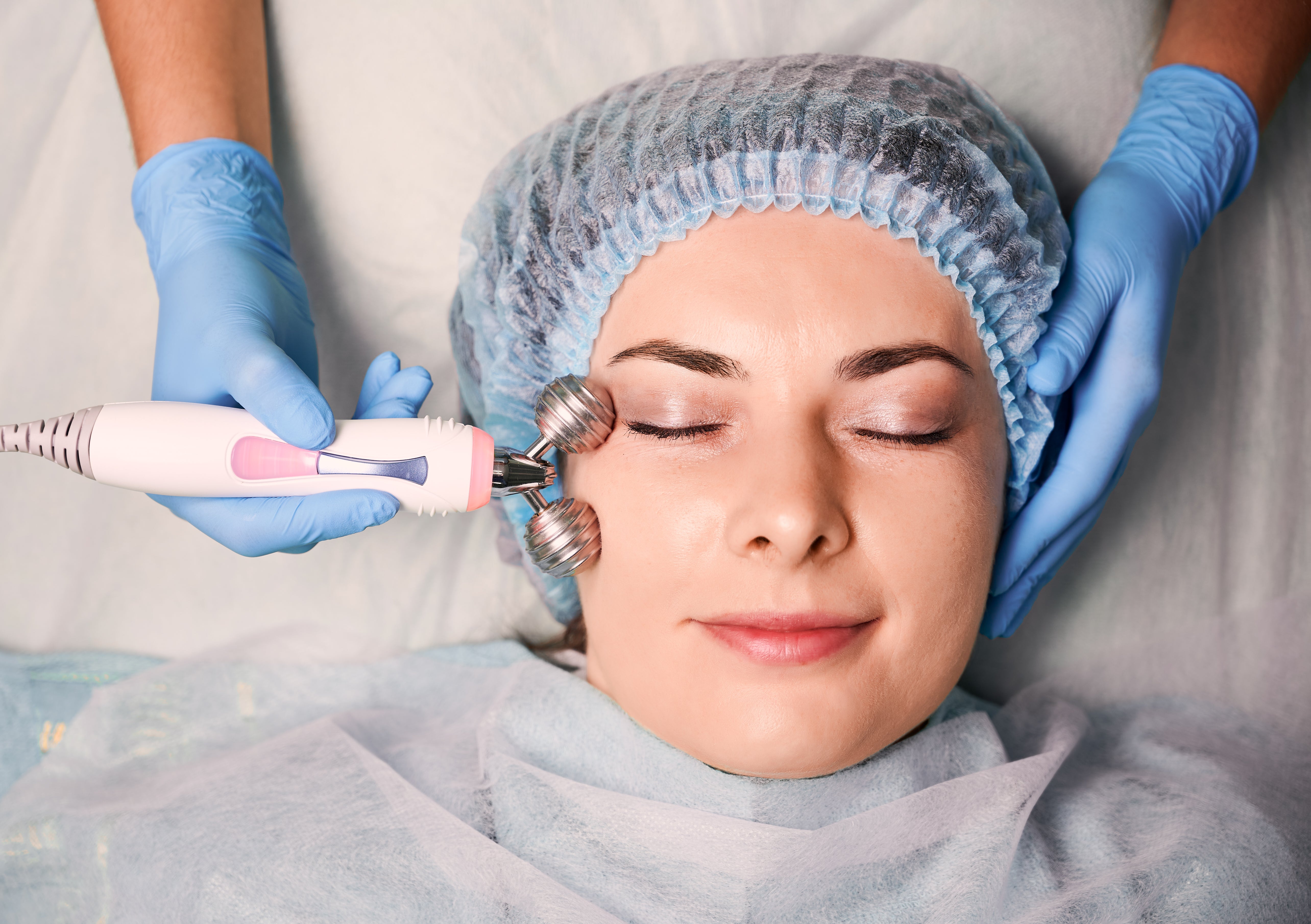
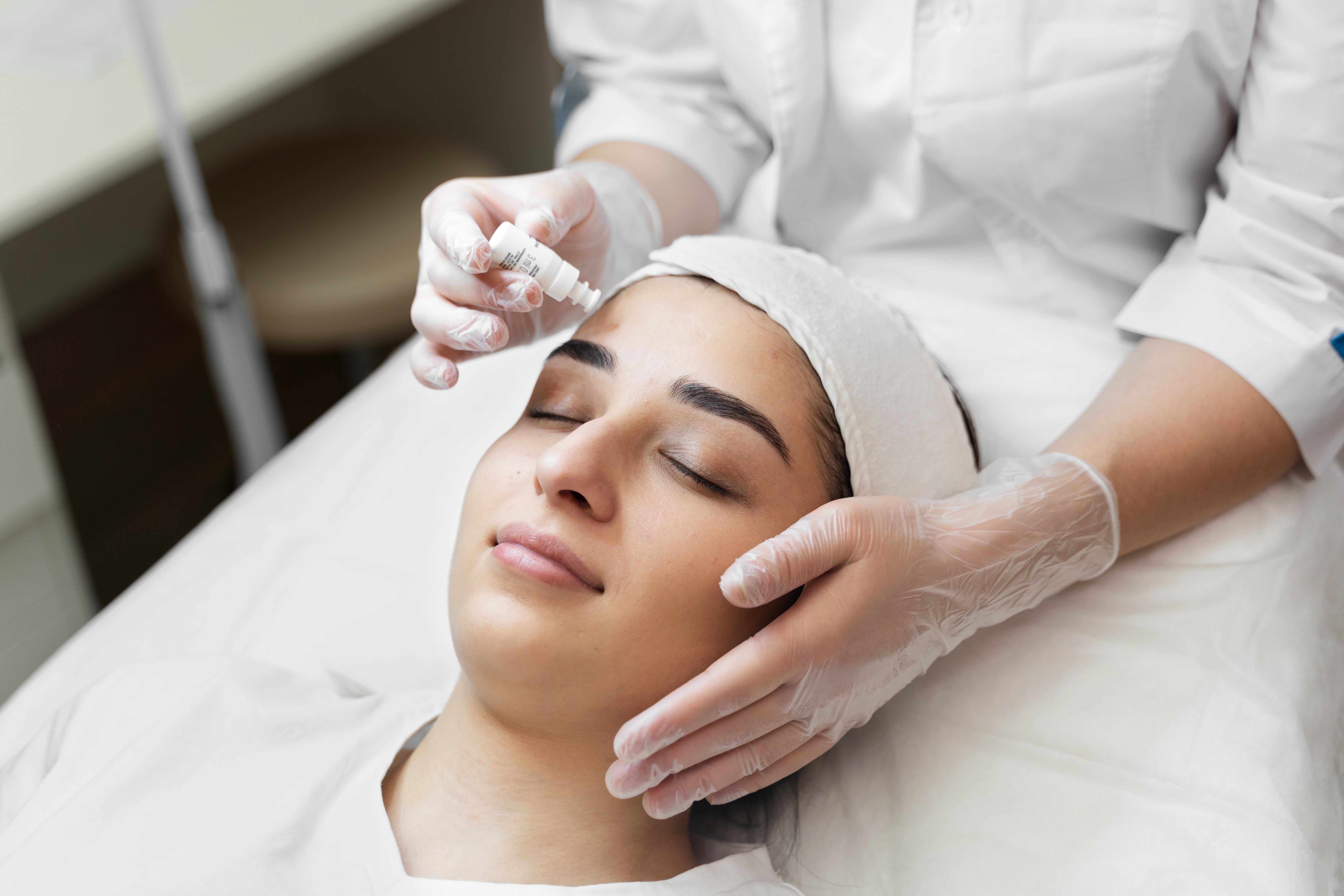
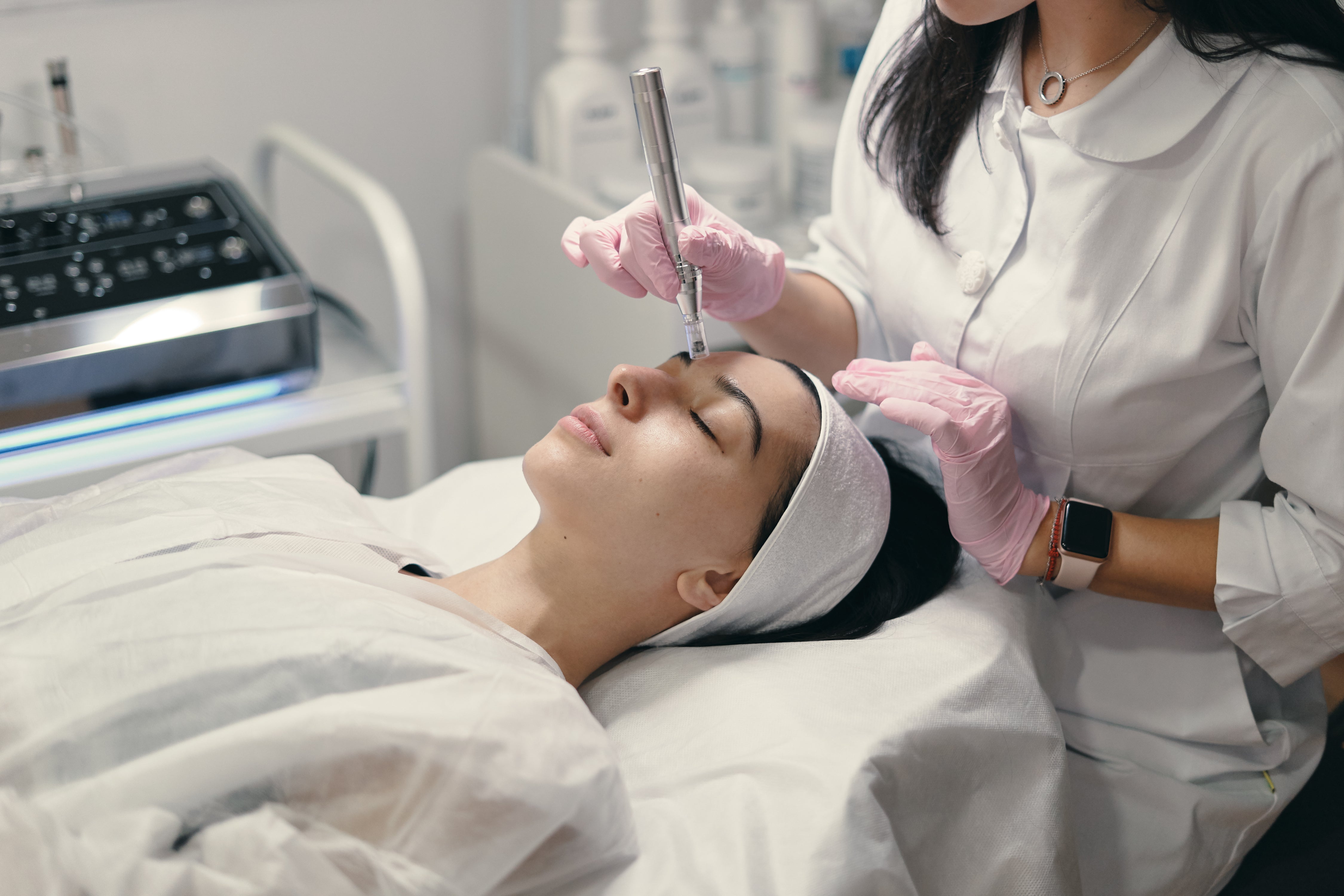
Professional skin treatments can include medical-grade facials, device-assisted sessions, and carefully selected topical regimens. The best choice depends on your skin type, your history of sensitivity, and your primary concern. A well-constructed plan blends in-office support with home products that match the treatment pathway.
Understand how topical actives complement in-office care
Topical ingredients often extend the benefits of professional sessions. However, pairing actives without planning can overwhelm the skin barrier. Your provider may recommend a cleanser, a hydrator, and a sunscreen foundation, then add targeted ingredients in a controlled manner.
Choose gentle cleansing for treatment readiness
During treatment phases, the cleanser should remove impurities without stripping moisture. Look for formulations that feel comfortable on sensitive skin. If you need a gentle option, you can explore a product like Cetaphil Gentle Cleanser for daily use.
Support hydration to reduce irritation risk
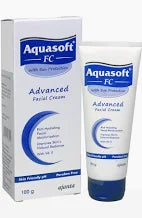
Hydrated skin is more resilient. A stable moisturizing routine can improve comfort and help active ingredients feel more tolerable. For example, you may consider facial hydrating lotion as part of a barrier-support routine.
Plan pigmentation and dullness strategies carefully
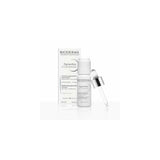
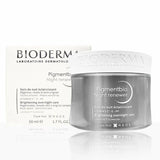
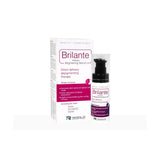
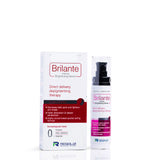
If your concern includes uneven tone or dull appearance, professional guidance is essential. Many protocols rely on consistent sun protection and a slow, methodical approach to topical support. Products designed for brightening regimens may include vitamin C or other supportive systems; selection should reflect your skin tolerance. You can review options such as C-vit liposomal serum when building an evening routine with professional oversight.
Manage acne-prone skin with safety-first formulation
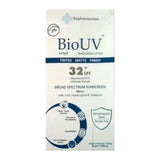
For acne-prone skin, professional care may include pore-focused steps and targeted topical support. The key is to prevent over-drying and to prioritize gentle cleansing and moisturizing. If you want a day-time sunscreen designed for acne-prone routines, consider acne UV gel sunscreen SPF 50 as a reference point.
Preparing for Your Appointment
Preparation influences how your skin responds to professional skin treatments. Clear planning reduces discomfort and improves the accuracy of assessment.
Review your current routine 48 hours before
Make a list of your cleanser, moisturizer, sunscreen, and any active serums or exfoliants. If your provider requests changes, follow them precisely. Avoid adding new products on the same day as your session.
Arrive with clean, product-consistent skin
Most providers prefer that skin is clean and free from makeup. If you use tinted products, keep the application minimal on appointment day unless your provider instructs otherwise.
Document recent changes and sensitivities
Share any episodes of burning, unusual dryness, or unexpected breakouts. Providers can adjust the protocol based on past tolerance. Documentation may include product dates, new skincare introduced recently, or changes in hair products that contact the face.
Plan for sunscreen and comfort after
After professional procedures, skin may feel more reactive. Use a gentle approach: moisturize and protect from sun exposure. If you need daily sunscreen support, a well-formulated option such as I-Shield sunscreen SPF 50 PA can support routine continuity.
Aftercare and Long-Term Maintenance
Aftercare is not optional. It is where many benefits are protected. Long-term maintenance also helps your skin respond better to subsequent professional sessions.
Keep the routine simple and consistent
During the first period after a session, focus on cleansing, hydration, and sunscreen. Avoid introducing multiple new actives at once. If you want to add targeted ingredients, do so gradually and only when your skin feels stable.
Use sunscreen as a daily non-negotiable
Sunscreen supports pigmentation stability and reduces the look of uneven tone. It also helps prevent future irritation flare-ups. Apply enough product and reapply when needed based on your daily schedule.
Choose moisturizers that support the barrier
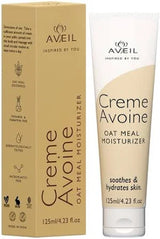
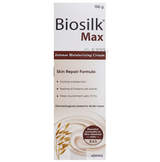
For dryness and sensitivity, comfort matters. A moisturizer can reduce tightness and support tolerance. If you seek a supportive cream for a night routine, you may review BiolSilk Max cream as an example of a barrier-support option to discuss with your provider.
Consider targeted support for specific concerns
Some concerns respond well to specialized topical support. For example, redness-prone or uneven-feeling skin can benefit from soothing and consistent hydration. For texture and breakouts, a controlled active plan can help. If you are unsure, consult a provider before selecting new categories of products.
Common Mistakes to Avoid
Even high-quality providers cannot fully overcome avoidable mistakes. The most common issues are predictable and preventable.
Overloading the routine with multiple actives
Adding several exfoliating or brightening products at the same time increases the chance of irritation. It also makes it harder to identify what caused a reaction. Build step-by-step with clear priorities.
Skipping sunscreen or applying too little
Sunscreen supports long-term tone stability. Under-application reduces protection. If you notice peeling or sensitivity, address the cause with gentle hydration rather than skipping sun protection altogether.
Changing products immediately after a session
Skin response needs continuity. A sudden product shift can cause irritation that appears related to the treatment. If a change is necessary, make it when your skin has returned to baseline comfort.
Using harsh cleansers that feel “tight”
Cleanser comfort is a reliable indicator of barrier health. If cleansing leaves skin feeling overly dry, consider switching to a gentler formulation. A reference point is Cetaphil Pro oil control foam wash, but the best choice depends on your skin’s needs and your provider’s plan.
Not communicating sensitivities clearly
Professional skin treatments require partnership. Inform your provider about past reactions, current stressors, and any new habits that affect skin, such as different sleeping patterns or skincare contact with hair products.
Summary & Takeaway
Professional skin treatments work best when they are guided by a structured assessment, aligned with specific goals, and supported by consistent home care. Use a barrier-first approach, attend appointments with informed preparation, and follow aftercare instructions to protect comfort and results. Avoid routine overload, prioritize daily sunscreen, and communicate skin response clearly to your provider. A thoughtful plan helps you maintain progress without unnecessary irritation.
Q&A Section
How do I know which professional treatment type is right for me?
Select based on your primary goal, skin type, and tolerance. A qualified provider should explain the objective of each step and how it fits your skin history. If your skin is sensitive, prioritize barrier support and choose lower-irritation strategies before adding stronger actives.
Can professional care work without changing my entire routine?
Often, yes. Many plans focus on a few key foundation steps: gentle cleansing, reliable moisturizing, and daily sunscreen. Targeted actives can be introduced gradually when needed. A minimal, consistent routine makes it easier to observe response and reduce avoidable irritation.
What should I avoid right after a treatment session?
Avoid introducing multiple new products at once and avoid harsh exfoliation unless your provider requests it. Focus on hydration and sun protection. If you experience persistent burning or unusual swelling, contact your provider promptly for guidance.
How can I measure whether a treatment plan is working?
Track changes in texture, comfort, and visible tone using consistent lighting. Keep notes on breakouts, dryness, and sensitivity. Your provider should review progress and adjust the plan based on documented skin response rather than expectations alone.
About the Author Section
Allodermis supports skin health through evidence-informed guidance and responsible product curation. Our team focuses on professional skin treatments education, routine building, and barrier-first practices designed for long-term skin comfort. We encourage readers to consult qualified professionals for individualized recommendations. Thank you for choosing Allodermis for your skincare journey.
If you are under medical care or have a skin condition that requires supervision, seek professional advice before starting or changing any routine. This article is for general educational purposes and does not replace personalized diagnosis or treatment from a licensed clinician.
Authors & medical review
Swaraj Dhar is a sociopreneur, technologist, and the co-founder of Allodermis.
Every article is fact-checked against current peer-reviewed dermatology literature and Allodermis clinical protocols.
This article was last reviewed and updated on . Published .
Have a skin or hair concern?
Book a free consultation with our AIIMS MD dermatologists. Clinics in Bhubaneswar, Gurgaon, and Delhi NCR.