

































Hydrating Facial Serums: How to Choose for Plump Skin

Updated on: 2026-05-25
Hydrating facial serums support a comfortable, healthy-looking complexion by delivering water-binding and skin-conditioning ingredients. A well-formulated serum can help strengthen the appearance of the skin barrier while reducing visible dryness. The right routine includes gentle cleansing, consistent application, and thoughtful layering with moisturizers and sunscreen. When you match your serum to your skin type and concerns, results can feel more reliable over time.
TLDR
Hydrating facial serums are lightweight formulas designed to improve comfort and appearance by supporting hydration and barrier function. Choose a serum with humectants such as glycerin or hyaluronic acid, plus soothing barrier-supporting ingredients. Apply on clean, slightly damp skin, then seal with a moisturizer. Finish every morning with sunscreen for consistent daily protection.
Introduction
Hydration is not only about moisture on the surface. It is also about how well skin holds water and how comfortably it behaves throughout the day. Hydrating facial serums are popular because they deliver targeted hydration in a lightweight texture that usually layers well under moisturizers. This guide explains what to look for, how to use hydrating serums effectively, and how to build an everyday routine that respects your skin type.
By the end, you will understand how to select a serum that fits your goals such as dryness, rough texture, or sensitivity. You will also learn practical application steps and how to avoid common routine errors that can reduce results.
Product Spotlight
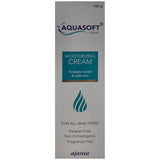
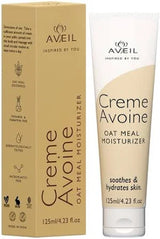
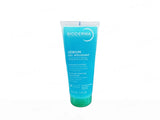
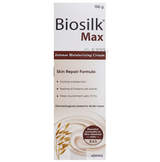
When you want a dependable hydration step, focus on formulas that combine water-attracting humectants with calming support. For a simple starting point in a hydration routine, consider a rich facial hydrating lotion to pair with a serum workflow.
One option from Cipla Excela hydrating lotion can help you seal in moisture after applying a serum. This approach is useful because many serums deliver hydration first, while a moisturizer helps reduce water loss. Together, these steps can improve comfort, especially when skin feels dry after cleansing or environmental exposure.

Hydration layers: mist, droplet, and soft shield icons
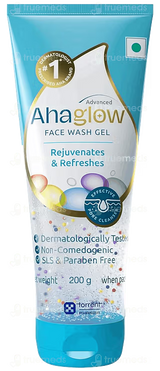
Hydrating facial serums often work best when paired with an appropriate cleanser. If your cleanser is overly stripping, your serum may not perform as well. You can support a more balanced base by using a gentle cleanser such as Cetaphil Gentle Cleanser. Gentle cleansing reduces the risk of tightness, which makes it easier for hydration ingredients to integrate smoothly into your routine.
Step-by-Step How-To
Use this method to make your hydrating facial serums feel consistent and effective across seasons. The steps are designed for clarity and repeatability.
-
Cleanse with care. Use a gentle cleanser to remove residue without leaving the skin overly dry. If you wear sunscreen daily, cleansing should be thorough but not harsh.
-
Apply on slightly damp skin. After cleansing, wait briefly, then apply your serum while skin still feels lightly moisturized. This can support even spreading and better hydration comfort.
-
Use the right amount. Apply a thin, even layer. A serum should glide smoothly rather than leave a heavy film. Consistency matters more than over-application.
-
Layer strategically. Follow with a moisturizer to help reduce water loss. If your skin is prone to dryness, a richer moisturizer can improve comfort.
-
Choose morning protection. Apply sunscreen in the morning. Hydration support works best when paired with daily UV protection, especially for sensitive or barrier-stressed skin.
-
Adjust based on skin signals. If skin feels sticky, reduce serum amount or switch to a lighter texture. If skin feels rough or tight, strengthen your moisturizing step.
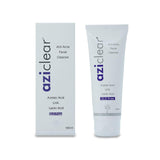
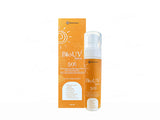
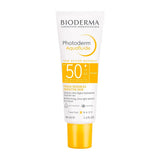
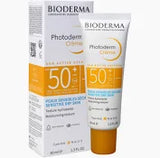
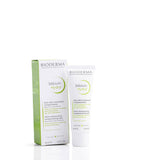
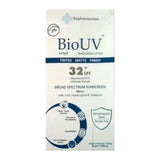
To support daytime hydration and skin comfort, you may also consider a targeted serum that complements your needs. For example, if you are managing acne-prone skin, you can keep your routine lightweight and balance hydration with a non-stripping approach using Acne UV Gel SPF 50 in the morning. This keeps your sun protection step functional without disrupting your hydration layer.
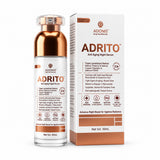
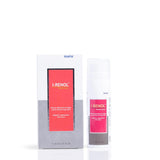
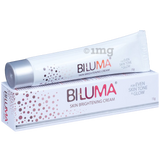
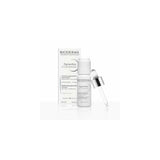
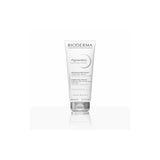
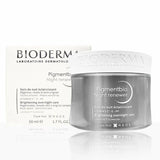
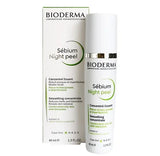
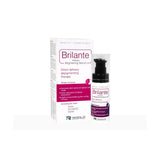
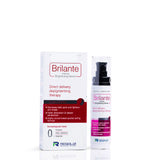
If your skin experiences dullness and you want a more comprehensive brightening routine, consider a hydrating approach that does not overwhelm the skin. A serum can provide hydration first, while you keep other actives controlled and spaced out. For an example of a hydration-forward brightening serum category, you may review Brightening Serum to understand how lightweight serums can integrate with moisturizers in daily use.

Routine flow: cleanser to serum to moisturizer icons
Personal Experience
Several years ago, I noticed that my skin looked fine in the morning but felt tight and textured later in the day. I assumed I needed a stronger face cream. After reviewing my routine, I found the real issue was not the moisturizer itself, but the lack of a consistent hydration step immediately after cleansing. My cleanser left a slight dryness, and then I went straight to a heavier product. The skin felt coated, but comfort was not improving.
Once I added a hydrating serum step and applied it on slightly damp skin, the texture issue softened. The difference was subtle at first. Within days, my skin felt smoother after washing, and my moisturizer sat more evenly. The largest change was routine clarity: cleanse gently, add hydration, seal with cream, and use sunscreen every morning.
This experience matched what many skincare professionals emphasize: hydration works as a system. Serums are the targeted step, but moisturizers and sun protection are what help maintain that hydrated feeling between routines.
Summary & Recommendations
Hydrating facial serums can be an efficient way to improve comfort, softness, and overall hydration balance. Look for ingredients known for water-binding support, such as humectants and barrier-friendly components. Use them on clean skin while it is still slightly damp, then seal the effect with a moisturizer.
For practical routine building, consider these recommendations:
- Start simple. Choose one reliable serum and pair it with a gentle cleanser and a consistent moisturizer.
- Layer with intention. Apply hydration first, then moisturize to reduce water loss.
- Protect daily. Use sunscreen in the morning to maintain skin comfort and reduce the impact of environmental stress.
- Adjust gradually. Change one variable at a time when you evaluate results.
If you want to streamline your hydration routine, you can also explore complementary face-care steps available at Allodermis skin care. Choose products that match your skin profile and use them consistently rather than switching frequently.
Q&A Section
How often should I use hydrating facial serums?
Most people benefit from using a hydrating serum once daily at minimum, often in the morning or evening. If your skin is very dry or climate conditions are harsh, using the serum twice daily can be appropriate. Keep the overall routine simple and adjust only if skin feels sticky or overly heavy.
Can hydrating serums be used with other skincare actives?
Yes, hydrating serums generally work well as a supportive base. Apply the serum first, then follow with your targeted products in the order you normally use. If you use multiple actives, monitor how your skin reacts, and keep one routine change at a time to maintain clarity.
What signs indicate that my serum is not the right fit?
If you experience persistent stinging, unusual redness, or a film that feels uncomfortable, the serum may not suit your skin needs. Also consider whether your cleanser is leaving skin too dry or whether your moisturizer is not sealing hydration. Adjusting cleansing and moisturizing often improves results before changing the serum.
Should I apply serum before or after moisturizer?
In a typical routine, apply the serum first and then apply moisturizer to help lock in hydration. This layering sequence supports comfort and can help reduce the feel of tightness after cleansing.
About the Author
Skin Care Research Writer
Allodermis is focused on evidence-informed guidance for skincare routines, including the role of hydrating facial serums and barrier-friendly hydration strategies. Our expertise covers ingredient function, routine layering, and practical use recommendations for everyday skin care. Thank you for reading, and we hope this guide helps you build a consistent hydration routine with confidence.
Disclaimer: This content is for general informational purposes only and does not constitute medical advice. Individual skin needs vary. If you experience irritation or have specific skin conditions, consult a qualified healthcare professional or dermatologist before making changes to your routine.
Authors & medical review
Swaraj Dhar is a sociopreneur, technologist, and the co-founder of Allodermis.
Every article is fact-checked against current peer-reviewed dermatology literature and Allodermis clinical protocols.
This article was last reviewed and updated on . Published .
Have a skin or hair concern?
Book a free consultation with our AIIMS MD dermatologists. Clinics in Bhubaneswar, Gurgaon, and Delhi NCR.