




















Updated on: 2026-06-20
Laser hair removal is a widely used method to reduce unwanted hair with focused light energy. The best results depend on skin tone, hair color, device type, treatment settings, and consistent sessions. Safety and suitability should be confirmed with a qualified professional before starting. This guide covers key preparation steps, common mistakes, practical tips, and questions that clients typically ask.
Table of Contents
Common Mistakes to Avoid
Laser hair removal works by targeting pigment in hair while minimizing impact on surrounding skin. When the process is planned poorly, clients may experience weaker results, prolonged sensitivity, or avoidable side effects.
Skipping an eligibility assessment. Skin tone, hair color, and medical history affect device selection and settings. Without a professional evaluation, outcomes are harder to predict.
Starting without understanding realistic timelines. Most people require multiple sessions because hair grows in cycles. Attempting to judge performance after one appointment often leads to premature decisions.
Using the wrong hair removal method beforehand. For many protocols, shaving is preferred close to treatment, while plucking and waxing can interfere with the target hair structure. Following the clinic’s instructions helps the light energy work more effectively.
Choosing the lowest-cost option without quality controls. Device type, operator training, and safety protocols matter. A low price does not guarantee appropriate settings, cooling, and treatment technique.
Ignoring pre- and post-care guidance. Sun exposure, harsh exfoliation, and irritating products can increase irritation. Proper skin care supports comfort and reduces the risk of complications.
Overlapping sessions too frequently. Dense schedules can increase irritation. Spacing is usually designed to match hair growth cycles and skin recovery.
Not reporting medications or recent skin treatments. Certain topical products and systemic medications can affect sensitivity. Full disclosure helps the provider adjust settings or postpone treatment when needed.
What to watch for during treatment
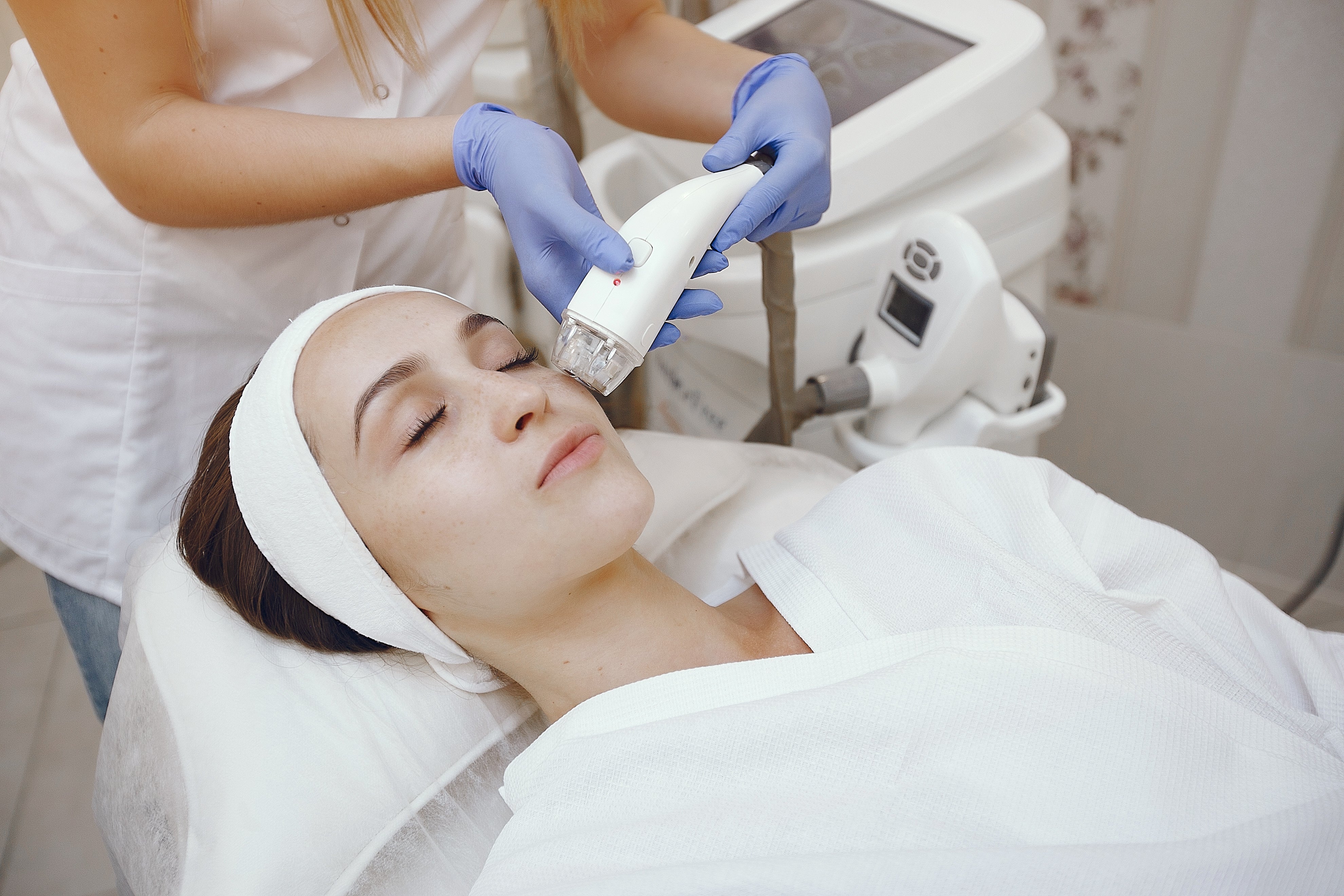
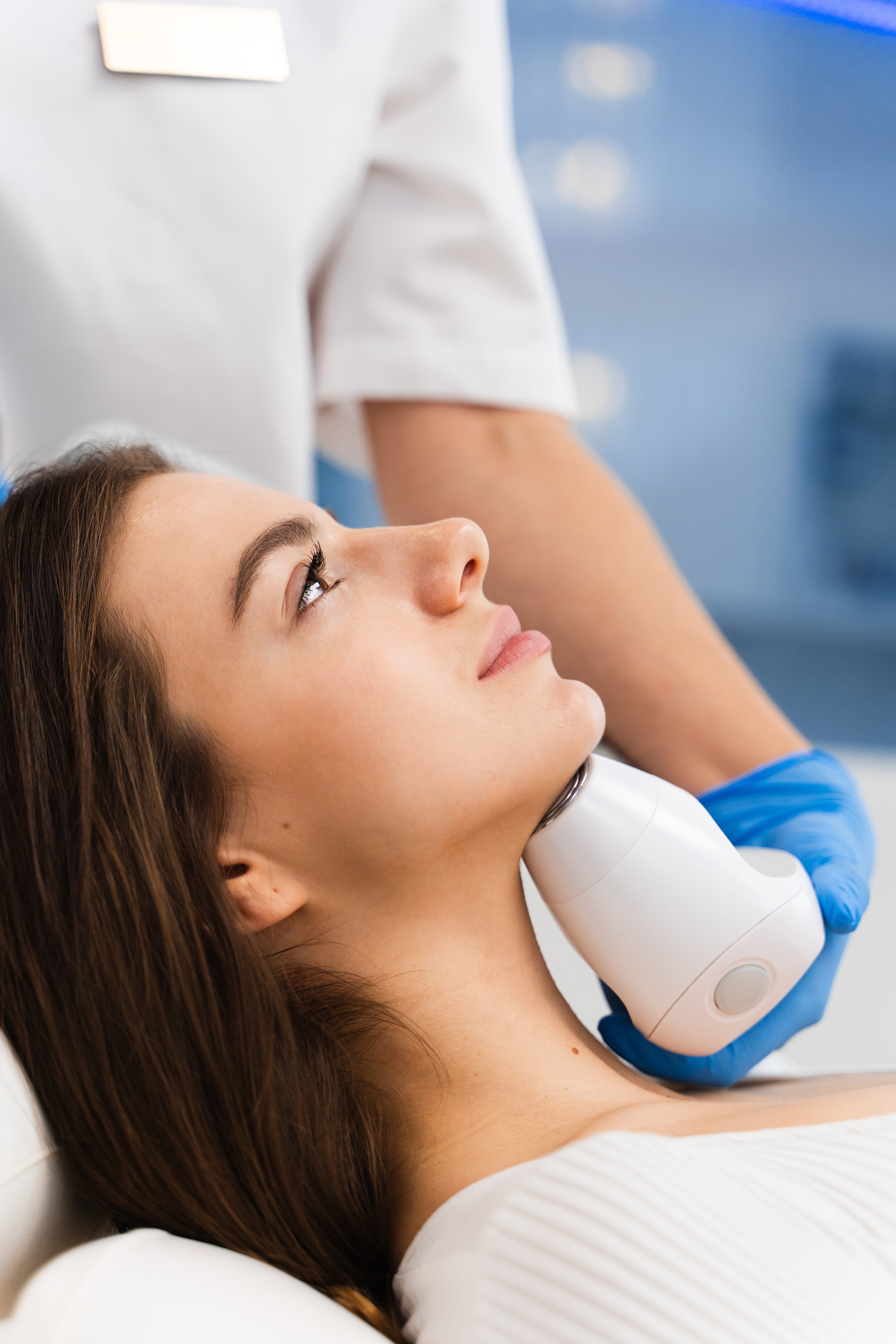
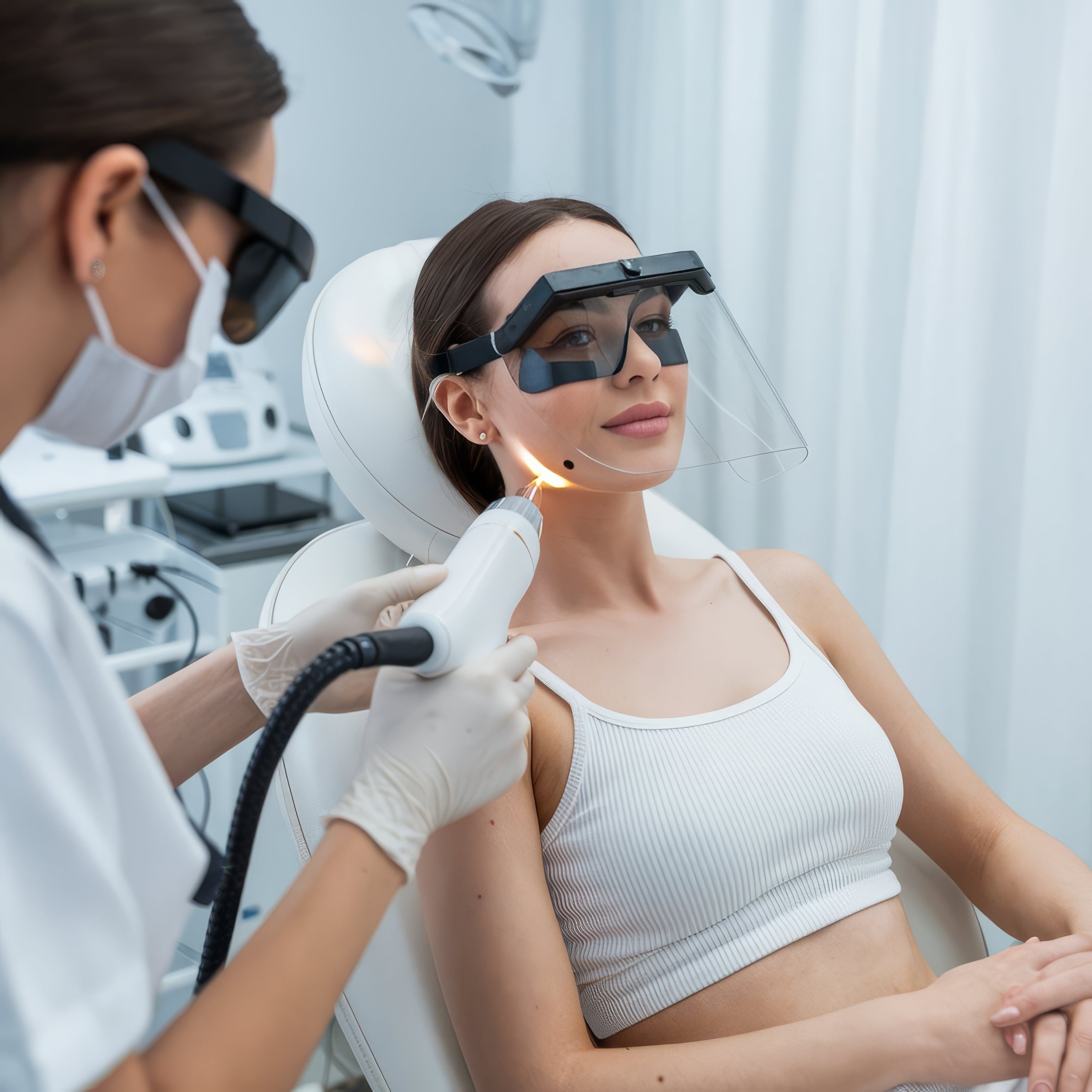
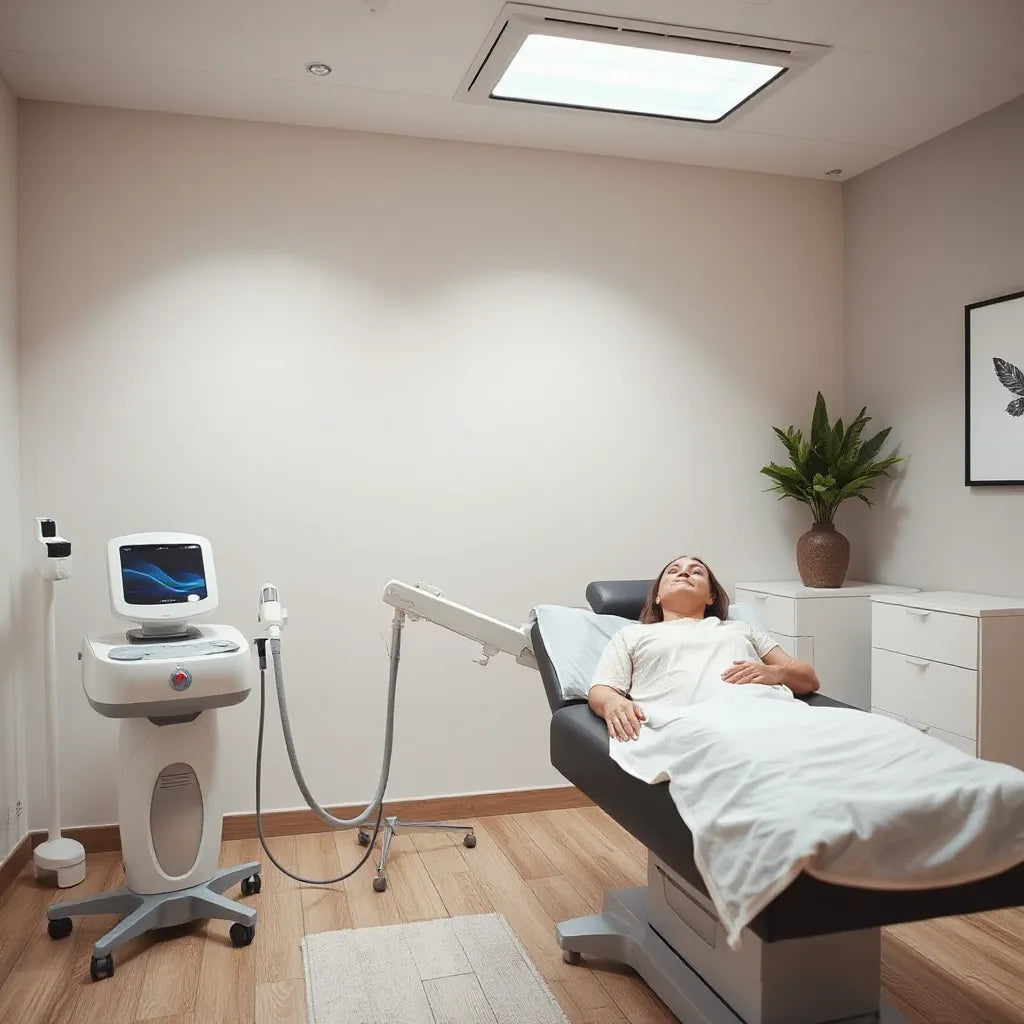
During laser hair removal sessions, mild heat or tingling can occur. However, persistent burning, severe pain, or marked swelling should be reported immediately. A competent provider monitors comfort and skin response and adjusts technique when necessary.

Checklist visuals for safe preparation and aftercare
Pros & Cons Analysis
Before committing to laser hair removal, it is helpful to compare likely benefits against trade-offs. This method can reduce hair density over time, but it requires planning, multiple appointments, and appropriate expectations.
Pros
Long-term reduction in hair growth. Many clients experience fewer hairs and finer regrowth after a course of treatments.
Precision for targeted areas. Treatments can focus on specific zones such as the face, underarms, legs, back, and bikini area, depending on suitability.
Less daily grooming effort. Over time, clients may reduce shaving frequency and related maintenance routines.
Potentially more consistent results than manual methods. When properly matched to skin and hair characteristics, the approach can be more uniform than trimming or shaving.
Customizable comfort and settings. Well-trained providers can adjust energy, spot size, and cooling to support tolerance.
Cons
Requires multiple sessions. Hair regrowth cycles mean results build gradually rather than instantly.
Not equally effective for all hair types. Results vary based on hair pigment and skin tone. Suitability and device selection influence performance.
Possible short-term side effects. Redness, mild swelling, or temporary sensitivity can occur, especially after higher settings or on reactive skin.
Cost and scheduling commitments. A treatment plan involves appointments and post-care needs, which may affect budgeting.
Maintenance may be needed. Some clients choose periodic touch-up sessions after the main course to sustain results.
Where laser hair removal fits into a routine
Laser hair removal is often one part of a broader skin health routine. Gentle cleansing, barrier support, and sun protection help reduce dryness and irritation after treatments. If you manage acne-prone or sensitive skin, a consistent skincare plan can make recovery feel smoother.
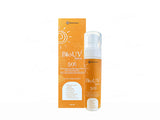
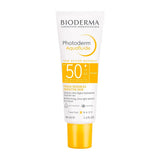
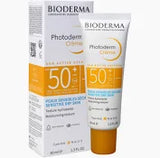
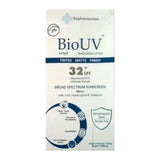
If you need a gentle cleansing option, consider browsing dermatologist-aligned products from Cetaphil Gentle Cleanser. For daily sun protection, explore sunscreen care options designed for routine use. Always follow the clinic’s guidance for what to apply before and after sessions.
Quick Tips
Use the checklist below to improve safety, comfort, and outcome quality. These steps are designed to support consistent results and reduce common disruptions.
Confirm the device and protocol. Ask what type of laser technology is used and how settings are chosen for your skin tone and hair type.
Prepare your skin as instructed. Follow guidance on shaving timing and avoid harsh exfoliation or strongly fragranced products in the treatment window.
Plan around sun exposure. Reduce tanning, avoid direct sun, and use protective clothing. Sun sensitivity can increase irritation risk.
Choose a skincare routine that supports the barrier. After treatment, prioritize gentle cleansing and soothing moisturization. For acne-prone routines, consider a familiar product strategy and avoid introducing new actives right before sessions.
Use targeted sun protection. Daily sunscreen supports skin recovery and helps prevent hyperpigmentation risks associated with irritation.
Track changes between sessions. Note the reduction rate, comfort level, and any reactions. This helps the provider fine-tune settings.
Do not treat over active irritation. If there is an inflamed rash, open wounds, or significant redness, reschedule until the skin is calm.
Keep a consistent cadence. Follow the recommended spacing to support hair cycle coverage and reduce over-irritation.
Support your skin during recovery
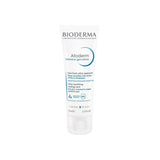
Comfort after laser hair removal often improves when your skin is not overloaded with multiple new products. If you typically use acne care, introduce changes gradually and maintain a simple routine. For hydration or barrier support, you may prefer a mild lotion or moisturizer already compatible with your skin.
When selecting daily skincare, you can also review product options on the site such as oil control cleansing or proactive serum for your existing routine. Always ensure product choices align with the clinic’s post-treatment instructions.

Timeline icons showing sessions, recovery, and sun care
Wrap-Up & Key Insights
Laser hair removal can be a practical long-term solution for reducing unwanted hair when it is planned correctly. The highest-quality outcomes come from choosing an experienced provider, using appropriate devices and settings, and following pre- and post-care guidance consistently.
To maximize results, avoid common errors such as poor preparation, incorrect hair removal methods, and unrealistic expectations after only one session. Maintain gentle skincare, minimize sun exposure, and report concerns early. If you are ready to begin, schedule an eligibility consultation and ask how the treatment plan will be customized to your skin tone and hair characteristics.
Next step: Review a simple skin routine and discuss your current products during your appointment so your provider can align treatment settings with your recovery needs. For additional guidance on gentle cleansing and daily skin support, explore trusted options on Allodermis.
Q&A Section
How should I prepare my skin before laser hair removal?
Preparation usually includes shaving close to the appointment and avoiding tanning or direct sun exposure. You should also follow the provider’s instructions regarding skincare, including what to avoid before the session. If you have recently used strong exfoliants or products that increase sensitivity, inform the provider so settings can be adjusted and the treatment can be scheduled safely.
Why do results require multiple sessions?
Hair grows in cycles, and lasers respond most effectively when target hair is in the right growth phase. Multiple sessions help cover a range of hair growth stages so that more hairs are treated over time. The provider sets the session spacing to support both effectiveness and skin recovery.
Is laser hair removal safe for sensitive skin?
Safety depends on your individual skin response, your medical history, and the suitability of the chosen device and settings. Many people with sensitive skin can undergo treatment when the provider uses conservative settings, appropriate cooling, and careful technique. If you experience persistent irritation, swelling, or significant discomfort, the appointment should be re-evaluated promptly.
What should I do if I experience redness or irritation after treatment?
Use gentle skincare and avoid harsh products until the skin returns to baseline comfort. Reduce heat exposure such as hot showers or saunas if advised by your provider. If symptoms are severe, worsening, or last longer than expected, contact the clinic for guidance. Prompt communication supports safe adjustments for future sessions.
About the Author Section
Allodermis Skin Guidance Team
The Allodermis team supports evidence-informed skincare education with a focus on practical routines and safer decision-making. Our expertise centers on dermatology-aligned content strategy and consumer clarity, helping readers approach procedures with well-informed expectations. Thank you for reading, and we encourage you to consult a qualified professional to tailor any treatment plan to your needs.
Disclaimer: This article is for general informational purposes only and does not constitute medical advice. Laser hair removal outcomes and safety depend on individual factors. Consult a qualified healthcare professional or licensed provider to assess your suitability, review your medical history, and design a personalized treatment plan.


