






















Skin Acacdemy

Root Cause Dermatology: Fix Skin at the Source
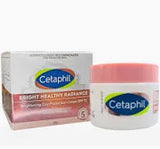
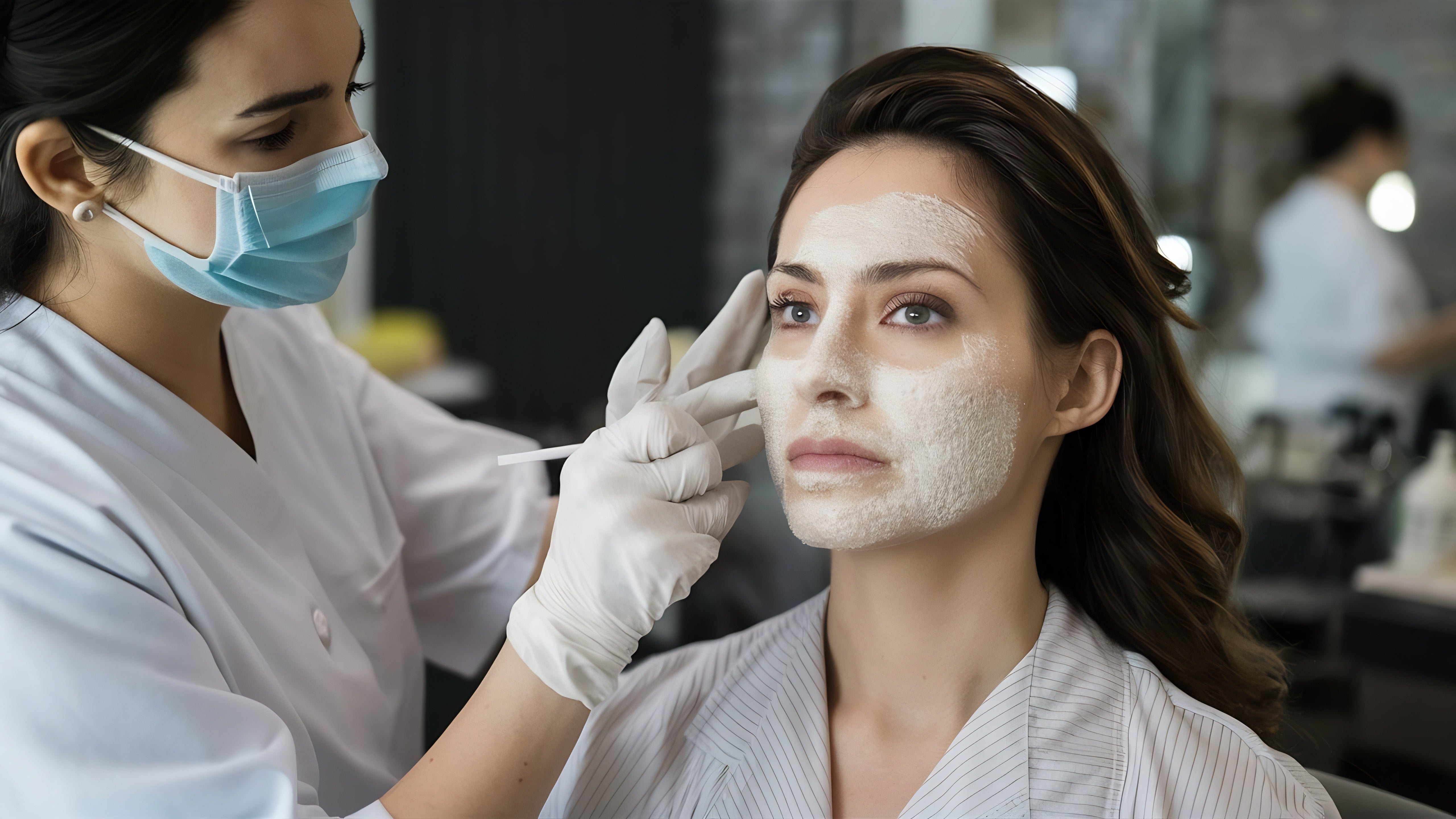
Updated on: 2026-06-28 Root cause dermatology focuses on identifying the underlying reasons skin conditions persist, rather than only treating surface symptoms. A targeted approach can improve treatment consistency, reduce flare cycles, and support healthier barrier function. You can map triggers, habits, and medical factors that contribute to redness, acne, irritation, or dryness. With the right diagnostic pathway, skin care becomes clearer, more measurable, and less frustrating. 1. Myths vs. Facts 2. Step-by-Step Guide 3. Root Cause Dermatology in Action 4. Supporting Barrier Health 5. Treatment Plan and Follow-Up 6. Frequently Asked Questions 7. Q&A Section 8. Summary & Key Takeaways 9. About the Author Myths vs. Facts Myth: Skin problems always reflect poor hygiene. Fact: Many issues relate to barrier dysfunction, inflammation, hormones, stress, medication effects, or allergens. Cleansing alone rarely explains chronic patterns. Myth: A single ingredient can solve every flare. Fact: Skin conditions often have multiple drivers. A root cause dermatology approach evaluates patterns, context, and triggers before selecting targeted care. Myth: Harsh exfoliation speeds up healing. Fact: Over-exfoliation can worsen irritation, disrupt the skin barrier, and increase sensitivity. Healing usually requires stability and time. Myth: If symptoms look similar, causes are the same. Fact: Similar appearance can come from different pathways, including acneiform eruptions, contact dermatitis, rosacea-like inflammation, or fungal overgrowth. Correct classification matters. Step-by-Step Guide The core principle of root cause dermatology is structured identification. Use a repeatable process so that changes are based on evidence, not guesswork. Define the primary complaint: Describe the dominant issue (acne, redness, itching, dryness, dark spots, or rough texture). Note whether it is persistent or episodic. Map the timeline: Record when it started, what changed in that period, and how often it flares. Include events such as new products, travel, seasonal shifts, stress increases, or diet changes. Identify visible patterns: Note location (cheeks, jawline, forehead, scalp margin), symmetry, and whether it follows friction sites like masks, collars, or straps. Check for trigger clusters: Consider sweat exposure, shaving or waxing frequency, hair products contacting the face, detergents, fragrances, and workplace irritants. Review your routine objectively: List every cleanser, moisturizer, serum, sunscreen, and makeup item. Separate them into what you use daily and what you use when you flare. Assess barrier status: Evaluate whether the skin feels tight, stings with water, or looks shiny and inflamed. These signs suggest barrier stress. Consider internal contributors: Hormonal changes, sleep quality, stress load, medications, and nutrition can influence inflammation and healing. Decide on a test window: Choose a short, practical period to evaluate adjustments. Keep variables minimal so you can interpret results. Escalate to clinical evaluation when needed: If symptoms are severe, rapidly worsening, or not improving with a careful plan, consult a dermatologist for targeted diagnosis. Root Cause Dermatology in Action Root cause dermatology treats skin as a system. Instead of switching between multiple actives at once, you prioritize understanding the skin’s current state and the most likely driver. This method is particularly helpful when you have recurring breakouts, persistent redness, or dark marks that return after partial improvement. 1) Classify the pattern before choosing actives Classification can prevent ineffective routines. Acne-like bumps may be inflammatory acne, irritation from occlusive products, follicular inflammation, or a reaction to a cosmetic. Redness can stem from barrier compromise, rosacea-like inflammation, or contact triggers. Dark marks can involve pigment changes after inflammation or uneven healing. When classification is unclear, a clinician can use history and examination to narrow causes. 2) Reduce confounding variables Many people unintentionally create confounding variables by changing cleanser, moisturizer, sunscreen, and multiple treatments simultaneously. A root cause approach controls for this by maintaining baseline items while testing one change at a time. The goal is to learn what improved the barrier, what reduced inflammation, and what may have triggered sensitivity. 3) Build a stable baseline A stable baseline supports the skin barrier and improves treatment tolerance. Start with gentle cleansing and consistent moisturizing, then introduce targeted ingredients only when the skin is calm. A conservative baseline also helps determine whether symptoms come from the skin’s environment or from routine components. For those who need a gentle cleanser to support a low-irritation baseline, consider a formula designed for everyday use such as Cetaphil Gentle Cleanser. For acne-prone routines, cleansing selection can influence how reactive the skin becomes. Supporting Barrier Health Barrier health is the practical foundation of root cause dermatology. When the barrier is compromised, skin becomes reactive and inflammation rises. This can amplify itching, redness, and the appearance of texture. Barrier support does not replace medical treatment when it is needed, but it improves how skin responds to therapies. Choose gentle cleansing Use lukewarm water and avoid aggressive scrubbing. Cleansing should remove sunscreen and debris without stripping natural oils. If you are using multiple exfoliating or drying products, the cleanser should remain mild to prevent a cycle of irritation. Moisturize with a purpose A moisturizer should help maintain hydration and reduce transepidermal water loss. Look for formulas that support the skin barrier and avoid excessive fragrance. If your skin stings after moisturizing, that is a sign to simplify your routine. If your routine includes hydration and protection steps, a rich but tolerable option may help. For example, Cipla Excela Rich Facial Hydrating Lotion is positioned as a hydrating step for daily use. Protect with daily sunscreen Ultraviolet exposure can worsen redness and pigment. Daily sunscreen also supports long-term improvement for post-inflammatory marks. For consistent daytime protection, consider a sunscreen option such as Ipca Acne UV Gel SPF 50 when acne sensitivity is part of your routine goals. Layers diagram showing cleanser, moisturizer, and sunscreen Treatment Plan and Follow-Up Once you identify likely drivers, implement a disciplined treatment plan. The aim is not rapid transformation at any cost. The aim is reliable improvement through well-tolerated care, consistent monitoring, and timely escalation. Use targeted adjustments, not constant overhauls Start with the most foundational steps. If you suspect irritation, pause highly active products and focus on barrier support. If you suspect pigment changes after inflammation, evaluate whether sunscreen and after-flare care are consistent. If you suspect acne triggers, check whether occlusive textures or shaving frequency contribute to follicle irritation. Set realistic outcome measures Outcomes include fewer inflamed lesions, reduced sensitivity, smoother texture, and a decline in flare frequency. Track changes weekly using simple notes or photos taken under the same lighting. If you do not see any improvement after a reasonable period, the plan should be reassessed. Understand when professional diagnosis is essential There are times when root cause dermatology requires clinical tools. Examples include persistent itching with scale, recurrent eruptions that mimic acne but do not respond to acne therapies, suspected fungal involvement, or signs of infection. If you experience severe pain, rapid swelling, or widespread rash, you should seek medical care promptly. Complement skin care with lifestyle structure While skin care matters, supporting factors can shift the entire inflammatory environment. Sleep stability reduces inflammatory signaling. Stress management can improve symptom tolerance. Dietary patterns that support overall nutrition can also influence healing. Sweat and friction control, such as changing sweaty clothing quickly and minimizing prolonged mask or strap contact, can reduce irritation in susceptible skin. Frequently Asked Questions How is root cause dermatology different from standard skincare? Standard skincare often focuses on symptom relief through routine products. Root cause dermatology uses a structured evaluation of triggers, barrier status, and likely internal or environmental contributors so treatments match the underlying driver. Can I apply root cause dermatology at home? You can use the process: observe patterns, simplify your routine, and test one variable at a time. However, persistent or severe symptoms require professional assessment to avoid delays in accurate diagnosis. What should I do if my skin gets worse after starting a new product? Stop the new product and return to a stable baseline with gentle cleansing, supportive moisturizing, and consistent sunscreen. If worsening includes swelling, intense burning, or spreading rash, seek clinical care. Q&A Section What are the most common drivers behind recurring breakouts? Recurring breakouts often involve more than one factor, including clogged pores from occlusive formulations, irritation from harsh actives, friction exposure, and hormone-related inflammation. Stress, sleep disruption, and inconsistent sunscreen use can also contribute indirectly by increasing inflammation and slowing healing. A root cause plan reduces confounders and evaluates routine components alongside trigger patterns. How do I tell the difference between dryness and irritation? Dryness typically involves tightness, flaking, and reduced comfort after cleansing. Irritation often includes burning, stinging, redness, and sudden sensitivity after introducing a new product or active ingredient. Both can coexist when the barrier is compromised, which is why simplifying the routine and re-stabilizing the barrier is a useful first step before reintroducing actives. When should I suspect a contact-related issue? You should suspect contact-related triggers when symptoms flare after a specific change, such as a new cleanser, sunscreen, hair product, detergent, fragrance, or facial tool. Contact patterns often follow consistent contact points, such as the jawline from masks or the hairline from leave-in products. A careful elimination of the suspected variable and clinician evaluation can confirm the cause when needed. Summary & Key Takeaways Root cause dermatology is a method for treating the reasons behind skin symptoms, not only the symptoms themselves. By mapping timelines, recognizing patterns, supporting barrier health, and testing carefully, you can build a routine that is more consistent and more responsive. If symptoms persist or worsen, professional diagnosis becomes a high-value next step. Make your next adjustment based on evidence, not repetition of guesses. About the Author Dr. Maya Reynolds is a licensed dermatologist specializing in inflammatory skin conditions and barrier-focused treatment planning. She helps patients translate complex clinical reasoning into practical, measurable routines that support long-term skin stability. Her work emphasizes careful classification, disciplined follow-up, and clear communication. For compassionate guidance, the team at Allodermis applies the same evidence-first mindset to everyday skincare choices. Disclaimer: This article is for educational purposes only and does not replace diagnosis or medical advice. Skin responses vary, and persistent or severe symptoms should be evaluated by a qualified healthcare professional.
Learn more
Pediatric Dermatology Guide: Common Skin Conditions
Updated on: 2026-06-27 This guide explains how pediatric dermatology teams assess common skin concerns in children. You will learn how to recognize patterns, document symptoms, and prepare for a clinical visit. It also covers skin-care routines that support the barrier in infants, toddlers, and older children. Finally, the article outlines practical questions to ask and when to seek urgent evaluation. Key reasons children need specialized skin care How pediatric dermatology evaluates a skin problem How to prepare for a pediatric dermatology appointment Common skin conditions discussed in pediatric dermatology Building a safe daily routine for sensitive pediatric skin When to seek urgent medical advice FAQ Closing thoughts Key reasons children need specialized skin care Children are not small adults. Their skin differs in hydration balance, immune response, and tolerance to irritation. Even when two patients share a visible rash, the underlying drivers can be different. Pediatric dermatology focuses on age-specific patterns, safe product selection, and treatment plans that consider growth, behavior, and family routines. A pediatric skin concern is also often time-sensitive for comfort and sleep. It can affect school attendance, participation in activities, and self-esteem as children grow older. In many cases, early assessment helps reduce chronic cycles of itching, scratching, and flare-ups. Another important reason is medication safety and dosing. Clinicians choose therapies that align with age, skin thickness, and risk of side effects. This includes careful decisions about topical strength, frequency, and the duration of use. Guidance should be clear enough for caregivers to follow accurately at home. How pediatric dermatology evaluates a skin problem A thorough evaluation usually begins with history and observation. The clinician asks about onset, progression, exposures, and symptoms such as itch, pain, scaling, oozing, or fever. Caregivers are often asked about triggers like new detergents, recent illnesses, new foods, outdoor play, pets, swimming pools, and household members with similar symptoms. Next, the exam focuses on distribution and morphology. Pediatric dermatology commonly uses pattern recognition: where the rash appears, how it looks, and whether it changes over time. Examples include eczema-like dryness in folds, scalp findings in infants, or localized bumps that follow areas of friction. The clinician may also check hair, nails, and mucous membranes when relevant. For persistent or unclear cases, additional steps can include topical trial plans, focused laboratory testing, or referral to related specialists. The goal is to confirm whether the issue is primarily inflammatory, infectious, allergic, or related to irritation. This approach avoids unnecessary treatment and supports more reliable outcomes. Industry best practice also includes setting expectations. Many pediatric skin conditions follow cycles. Care plans aim to control symptoms and reduce flare frequency rather than provide immediate cures for every condition. How to prepare for a pediatric dermatology appointment Preparation can improve diagnostic accuracy and reduce frustration during the visit. Consider the following steps. Track symptoms before the appointment Write down when the skin changes started and whether they improve or worsen at certain times of day. Note itch severity, sleep disruption, and any bleeding or crusting. If possible, record a simple timeline with dates. Document exposures and recent changes List new products used in the last few weeks, including body washes, shampoos, moisturizers, sunscreens, laundry detergents, wipes, and creams. Also include changes in climate, travel, swimming, and contact with new pets. Bring information about all medications, including over-the-counter products and supplements. Bring photos taken in good light Clear images help clinicians compare early and later stages. Take photos from similar angles and distances. Include at least one image that shows the full area and one close-up of the most active site. Prepare questions in advance Good questions include: What is most likely causing this rash? What signs would suggest a different diagnosis? What should improve first with treatment? How long should it take to see benefit? Which products are safe to continue at home? If the family is considering moisturizers, cleansers, and sun protection, it helps to list current products by name. This supports a barrier-first approach and reduces irritation risk. Common skin conditions discussed in pediatric dermatology Pediatric dermatology commonly addresses several recurring patterns. While each child is unique, families often seek care for the following concerns. Eczema and dry, itchy skin Atopic dermatitis often presents as dryness and itch, sometimes with flare-ups that become more inflamed. Triggers may include temperature changes, sweating, rough fabrics, and irritant products. Treatment frequently combines consistent moisturizing, gentle cleansing, and targeted anti-inflammatory therapy when needed. Contact dermatitis and skin irritation Some rashes follow direct or indirect exposure to irritants. Examples include fragrances, harsh soaps, certain wipes, or residue from laundry detergents. The pattern can be localized to areas of friction or contact. Clinicians typically recommend stopping suspected triggers and using bland, fragrance-free skin-care products until the skin stabilizes. Infections and contagious rashes Fungal infections can appear as ring-shaped or persistent areas, while bacterial issues may involve oozing or crusting. Viral rashes can follow fevers and may spread in households or schools. Pediatric dermatology evaluates whether a rash requires antimicrobial care, supportive management, or time-based monitoring. Scalp issues Infant cradle cap and other scalp conditions can cause scaling. In older children, dandruff-like flaking may reflect irritation or inflammation. Clinicians may recommend gentle shampoo routines and short, age-appropriate treatment options when symptoms persist. Acne-like eruptions and bumps Some children experience acneiform bumps. The clinician considers age, pattern, and severity. Treatment is chosen to minimize dryness and irritation, particularly for younger patients. In many cases, gentle cleansing and barrier support are emphasized alongside any targeted therapy. Building a safe daily routine for sensitive pediatric skin A practical routine reduces flare risk and improves comfort. The core principle is barrier support: cleanse gently, moisturize consistently, and protect skin from sun and irritants. The routine should remain simple enough for caregivers to maintain. Gentle cleansing Bathing should remove sweat and debris without stripping natural oils. Use lukewarm water and limit the duration of baths or showers. Choose cleansers designed for sensitive skin. If a child has eczema-like dryness, avoid frequent hot water exposure and strong foaming products. For example, consider a product such as Cetaphil Gentle Cleanser to support non-stripping cleansing habits. Moisturize with a barrier-first strategy Apply moisturizer soon after bathing, typically within minutes, to help lock in hydration. For itch-prone skin, consistent moisturizing often reduces scratching cycles. Select creams or lotions that are designed for sensitive skin and avoid heavy fragrance when possible. Families can start with a single moisturizing product to simplify observations. If irritation occurs, change one variable at a time and inform the clinician during follow-up. Sun protection that fits a child’s routine Sun exposure can worsen certain rashes and may contribute to post-inflammatory discoloration. Use age-appropriate sunscreen and apply it consistently when outdoors. Prefer formulations that are well tolerated and do not sting or cause excessive greasiness. For sun protection, caregivers may review options such as Fixderma Shadow Sunscreen Cream and adjust based on the child’s comfort and clinician guidance. Be cautious with “spot” treatments Many families attempt to treat every patch right away. This can irritate skin and make diagnosis more difficult. The safest approach is to follow a plan from pediatric dermatology that specifies what to use, where to apply it, and for how long. If the child is prescribed medication, keep moisturizing separate unless the clinician instructs otherwise. Using too many layers at once can increase irritation, especially on inflamed skin. When to seek urgent medical advice Most pediatric rashes can be evaluated through routine clinic visits. However, some situations require urgent assessment to protect the child’s health and comfort. Rapidly spreading rash with significant swelling, especially around the eyes or lips. Signs of infection such as fever, increasing pain, pus, or honey-colored crusting. Severe skin tenderness, blistering, or widespread involvement following a medication start. Breathing difficulty, widespread hives, or faintness, which may indicate a serious allergic reaction. Rash with dehydration concerns such as refusal to drink or reduced urination in young children. In urgent scenarios, follow local emergency guidance. For non-emergent cases, contact a clinician promptly so the plan can be updated as symptoms evolve. FAQ What happens during a pediatric dermatology visit? The clinician reviews the timeline of the symptoms, asks about exposures and current products, and performs a focused skin exam. They may examine hair and nails when relevant. The visit typically ends with a clear plan for skin care, symptom control, and follow-up timing. Can diet affect skin conditions in children? Diet may influence specific conditions in selected cases, particularly when allergies are suspected. However, skin problems are often driven by barrier function, irritation, inflammation, or infection. A clinician can determine whether dietary changes are appropriate and how to approach them safely. How can caregivers reduce itching at home? Consistent moisturizing, gentle cleansing, and avoiding known irritants are foundational. Cooling measures and soft, breathable clothing can also help. If the child requires prescription therapy, caregivers should follow the prescribed schedule and avoid adding extra topical products without medical advice. How long does it take for treatment to work? Timelines vary by diagnosis and severity. Some symptoms may improve within days, while complete stabilization may take longer. Pediatric dermatology teams typically discuss what improvement to expect first and when to schedule follow-up if progress is limited. Closing thoughts Pediatric dermatology is most effective when families combine accurate observation with a consistent home routine. By preparing details, documenting triggers, and asking targeted questions, caregivers support a faster, more confident clinical decision. Use gentle cleansing, barrier-focused moisturizing, and appropriate sun protection as the foundation. If symptoms escalate or do not improve, seek timely reassessment rather than continuing trial-and-error care. About the Author Section Dr. Maya R. Patel is a board-certified dermatologist focused on pediatric dermatology and skin barrier disorders across childhood. Her work emphasizes evidence-based skin-care routines, careful medication selection, and practical guidance for families. She has authored clinical education resources for caregivers and supports patient-centered outcomes through multidisciplinary collaboration. Allodermis is proud to feature expertise that prioritizes safe, understandable care, and she invites readers to take the next step by preparing questions for their next appointment. Disclaimer: This article is for educational purposes and does not replace professional medical advice, diagnosis, or treatment. Always consult a qualified clinician for advice tailored to your child’s condition. If symptoms are severe or worsening, seek urgent medical care.
Learn more
What to Expect in Dermatology Consultations
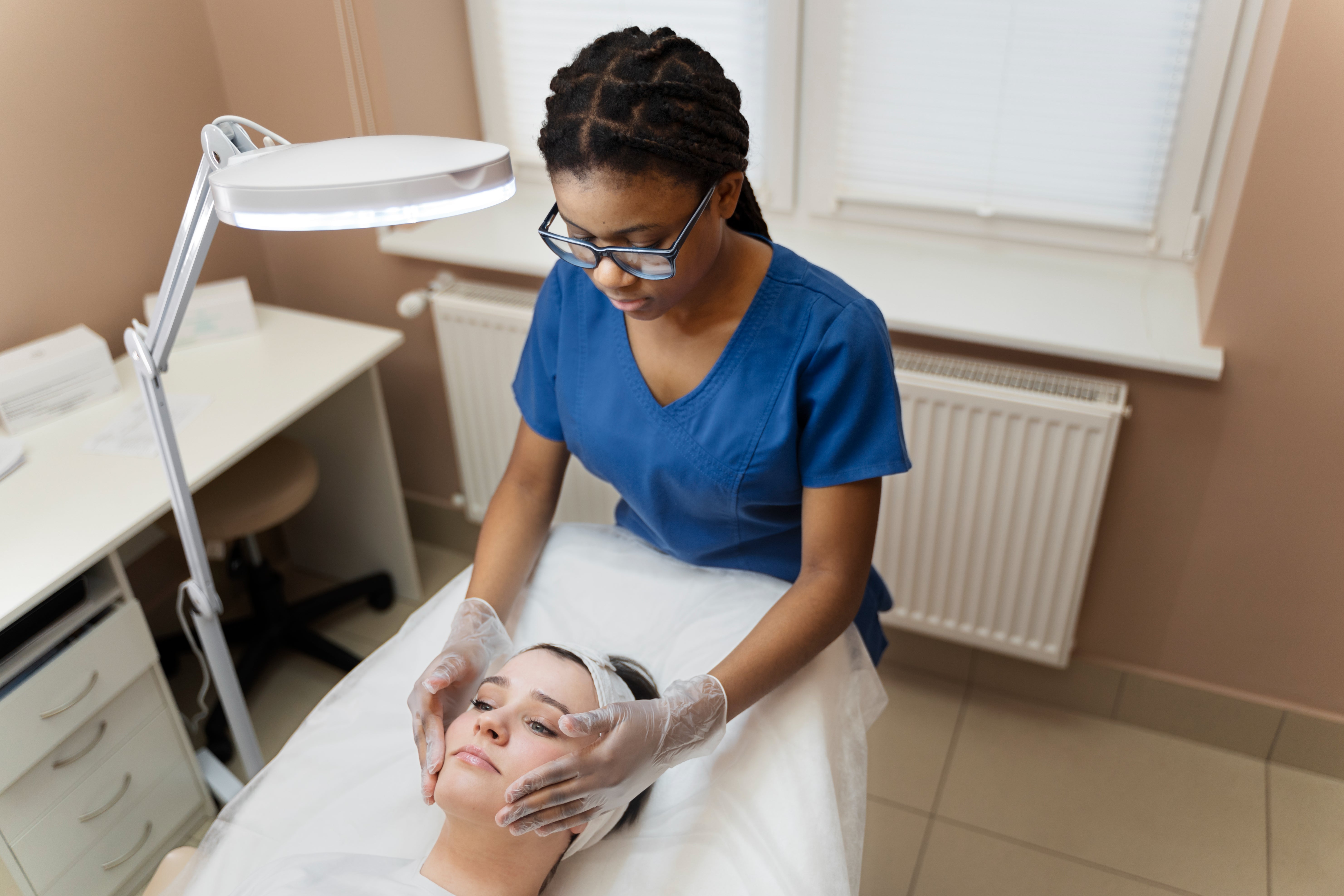
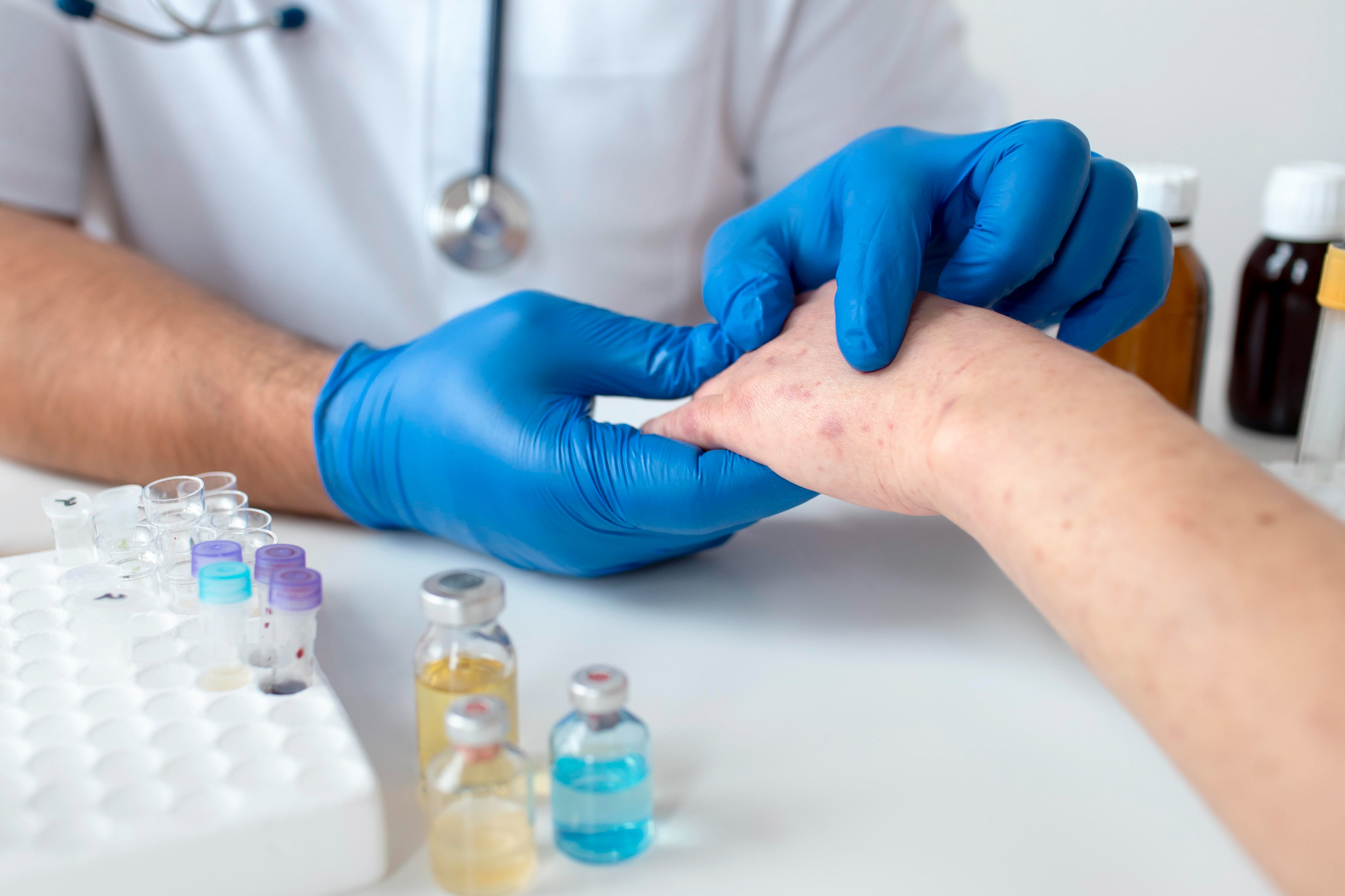
Updated on: 2026-06-23 Dermatology consultations help you translate visible skin concerns into a clear plan. A professional visit supports accurate assessment, personalized routine guidance, and safer product selection. You also gain structured next steps for prevention, follow-up, and monitoring. When you prepare effectively, the appointment becomes more efficient and more valuable. What Dermatology Consultations Cover | Pros & Cons of Dermatology Consultations | Step-by-Step Practical Guide | Wrap-Up | Q&A Section | About the Author What Dermatology Consultations Cover Dermatology consultations are clinical evaluations of skin, hair, and nails. They connect symptoms you can see with likely causes such as irritation, inflammation, infection, hormonal changes, or barrier dysfunction. The goal is not only to describe what you are experiencing, but also to define what to do next with a plan you can follow. In a typical visit, a clinician reviews your medical and skin history, evaluates the affected area, and discusses potential triggers. You may also receive guidance on skincare structure, treatment timing, and realistic outcomes. For chronic conditions, the consultation often focuses on control and maintenance, including prevention strategies for flare-ups. Pros & Cons of Dermatology Consultations Key advantages Better diagnostic clarity: Visual findings are interpreted in context of your history, habits, and exposures. Personalized skincare direction: You receive routine-level recommendations based on your skin type and concerns. Safer product integration: Guidance can reduce the risk of compounding irritation from overlapping actives. Follow-up structure: You learn when to reassess and what changes to expect over time. Support for decision-making: You can prioritize which issues to address first and how to sequence steps. Considerations to plan for Time and effort: Preparation improves the visit, yet it still requires attention to details. Adjustment period: Some regimens require gradual changes to minimize irritation and improve tolerance. Cost considerations: If you are balancing budgets, ask for a stepwise plan you can implement gradually. Individual response variation: Outcomes differ by person, so reassessment may be necessary. Step-by-Step Practical Guide A strong dermatology consultation begins before you arrive. Use this practical workflow to help the clinician understand your concerns quickly and to help you leave with actionable guidance you can execute. 1) Document your skin story in one page Bring a concise summary of when the problem started, how it changed, and what you tried already. Include photos taken in similar lighting and note any new products, exposures, or routine changes. If you have a history of eczema, acne, rosacea, psoriasis, allergies, or sensitivities, write it down. This reduces guesswork and helps the assessment move faster. 2) Identify your top priorities Skin concerns often overlap. Choose the primary goal for the visit, such as reducing redness, improving texture, controlling breakouts, calming itch, or addressing discoloration. If you have multiple goals, rank them. This helps the clinician propose a focused plan rather than an overloaded routine. 3) Prepare for a detailed skin and health review The clinician may ask about medications, family history, diet patterns, stress levels, sleep, hair care habits, shaving practices, or workplace exposures. Prepare to answer clearly. Do not omit relevant information; even small details can indicate the most likely causes or irritation pathways. 4) Bring your current routine and packaging details Bring product names, ideally the exact formulations and approximate purchase dates. If you cannot bring bottles, write them down. Include any prescription treatments and over-the-counter supplements. If you use sunscreen daily or frequently apply actives, mention it. Barrier-supporting steps and sun protection often influence results, particularly for discoloration and irritation. If your clinician reviews your regimen and suggests simplification, treat it as a strategy. Fewer steps can improve tolerance and make it easier to identify what is helping. 5) Ask structured questions during the visit Use a brief question list. Examples include: What is the most likely explanation for my symptoms? What signs would suggest improvement? What signs would suggest I should contact you sooner? What should I avoid while I stabilize my skin barrier? How should I sequence gentle cleanser, moisturizer, and sun protection with any actives? In addition, ask how to evaluate progress. Clear milestones reduce confusion and help you stay consistent. 6) Translate the plan into a routine you can maintain After the assessment, request a routine structure that matches your lifestyle. Many people struggle not because they lack products, but because they cannot sustain the schedule. Ask for a morning and evening framework, including which steps are optional during the adjustment phase. For example, a calm baseline often includes a gentle cleanser, a moisturizer designed to support the skin barrier, and daily sun protection. If your clinician recommends targeted actives, confirm where they fit in the sequence and how often you should introduce them. This approach can reduce irritation and support more consistent progress. 7) Consider integration with evidence-based skincare basics While the consultation provides clinical direction, you can improve execution through reliable skincare fundamentals. If you need to reset routine basics, look for formulations that align with your clinician’s tolerance guidance. For acne-prone or oily skin, a balanced cleanser can support hygiene without aggressive stripping. For hydration and barrier support, a lightweight moisturizer can reduce dryness-related irritation. For discoloration or post-breakout marks, sun protection is often central to preventing worsening. To streamline your product choices, you may explore options such as a gentle daily cleanser and a targeted facial lotion for hydration. For example, you can reference: gentle cleanser hydrating lotion oil-control sunscreen 8) Plan follow-up and keep a minimal monitoring system Do not treat the consultation as a single event. Follow-up may be necessary to confirm diagnosis, review response, and adjust treatment intensity. Create a simple monitoring system: note itching, redness, breakouts, flaking, and overall comfort. If your clinician provided guidance on what to expect, track it. If you experience worsening irritation, stop and contact the clinician rather than pushing through. 9) Manage expectations with practical timelines Many skin improvements require time because the skin barrier, inflammation levels, and cell turnover all need recovery. Instead of focusing on a single short window, focus on trend signals: reduced sensitivity, fewer new lesions, less dryness, and more stable texture. If there is no change after the clinician’s suggested reassessment period, discuss whether the diagnosis or routine sequence needs refinement. Wrap-Up Dermatology consultations are a structured way to convert visible skin concerns into a clear plan. The biggest gains come from preparation: document your history, bring your routine details, prioritize your goals, and ask targeted questions. After the visit, translate recommendations into a manageable skincare framework, and monitor progress with simple, consistent notes. If you follow this approach, you increase your chance of faster clarity and safer routine integration. If you want to improve how your plan is executed, ensure your baseline includes gentle cleansing, barrier support, and daily sun protection. Then introduce any targeted steps according to the clinician’s sequence and tolerance guidance. Review an oil-control cleanser option and use it as a baseline reference when aligning with your clinician’s routine structure. Q&A Section How should I prepare for dermatology consultations if I have sensitive skin? Prepare by documenting triggers and sensitivities, listing products you tolerate well, and noting any burning or stinging episodes. Bring your current regimen in full, including sunscreen and any exfoliating products. During the visit, ask for a phased plan that prioritizes barrier comfort before adding targeted actives. What information helps a dermatologist diagnose skin concerns faster? The most useful details include the start date, how symptoms progressed, any clear triggers, and what treatments you already tried. High-quality photos taken in consistent lighting can support assessment. A concise list of medications, allergies, and relevant family history also improves clinical accuracy. Should I bring product packaging or ingredient lists to my appointment? Yes. Product names, ingredient lists, and approximate frequency of use help the clinician evaluate irritation potential and overlaps between active ingredients. If you do not have packaging, write down product names and application frequency so the clinician can map your routine accurately. How long does it usually take to see improvement after starting a plan? Improvement timing varies by condition and the intensity of treatment. Many routines require a stabilization period first, followed by gradual improvements in inflammation, texture, or discoloration. Ask your clinician for practical milestones and when to schedule follow-up if results do not align with expectations. About the Author Allodermis supports evidence-informed skincare guidance and patient-friendly education. The author team focuses on dermatology-adjacent expertise, including how to interpret routines, reduce irritation risks, and choose supportive skincare fundamentals. A consultation can be more effective when you approach it with clarity, organization, and a plan you can maintain. Thank you for reading, and we encourage you to use your next appointment as a structured step toward healthier skin.
Learn more
Laser Bikini (Brazilian) Hair Removal: A Dermatologist Explained Guide
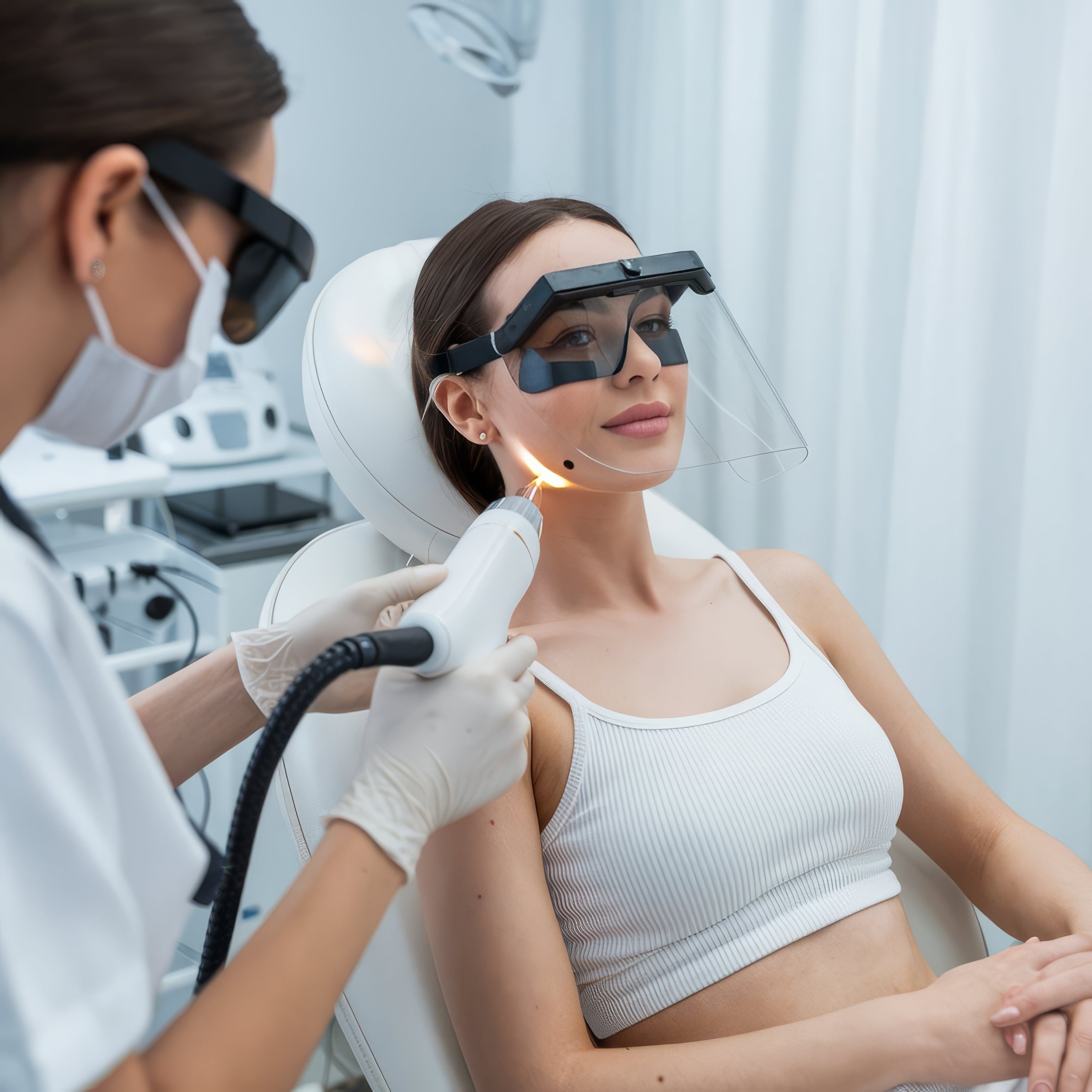
Laser Bikini Hair Removal, performed by expert dermatologists, utilizes targeted laser energy to selectively treat melanin in hair follicles within the bikini area. This procedure effectively weakens follicles, resulting in finer hair growth, reduced density, and longer hair-free intervals, while ensuring safety and comfort for sensitive skin. By choosing a professional, medical-grade approach, patients can achieve long-term, consistent smoothness with significantly fewer ingrown hairs or irritation compared to traditional methods like waxing or shaving.
Learn more
Acne Myths vs Science: What Really Works for Clear Skin
When it comes to acne, misinformation spreads faster than the breakouts themselves. From home remedies to internet fads, many patients come to Allodermis after trying everything they’ve read online—only to end up with irritated, persistent acne.
Learn more