


















Skin Acacdemy
PMOS Symptoms in Women: How Polycystic Metabolic Ovarian Syndrome Affects Skin, Hair, Hormones & Overall Health
PMOS, also known as Polycystic Metabolic Ovarian Syndrome, is more than just an ovarian condition — it affects the entire body, including skin, hair, hormones, metabolism, and emotional health. From hormonal acne and severe hair fall to facial hair growth, pigmentation, fatigue, and irregular periods, discover how PMOS impacts women’s overall wellness and explore advanced skin and hair solutions at Allodermis.
Learn moreAnti-Aging Skin Solutions: Practical Routine That Works
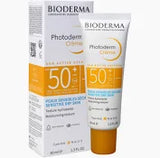
Updated on: 2026-05-14 Anti-aging skin solutions can support a more resilient look by addressing multiple skin processes. A smart routine usually combines cleansing, targeted serums, moisturizing, and daily sun protection. Consistency matters more than trend-driven complexity. This guide explains how to choose evidence-informed ingredients, build a routine, and avoid common mistakes. Table of Contents TLDR Did You Know? Expert Tips Personal Anecdote Summary & Takeaways Q&A Section About the Author Anti-aging skin solutions are most effective when they are chosen to match your skin needs and used consistently. You will learn how to layer actives responsibly, prioritize sun protection, and build a routine that supports texture, firmness, and barrier health. This post also covers ingredient categories, practical scheduling, and how to avoid over-exfoliation. Use it as a foundation for a safer, more sustainable anti-aging approach. Modern skincare often focuses on visible results, but anti-aging skin solutions work best when they also respect skin biology. Over time, your skin barrier can become less efficient, collagen support can decline, and environmental stress may show up as uneven tone and texture. The good news is that you can take a strategic, ingredient-based approach that supports healthier-looking skin. A thoughtful routine can reduce the look of fine lines, improve hydration balance, and help prevent future damage. Did You Know? Daily sun protection is one of the most consistent predictors of long-term skin quality. A healthy skin barrier often improves how other products perform. Not all “anti-aging” products target the same skin concerns, such as texture or tone. Gentle cleansing can support comfort while still removing daily buildup. Overuse of strong exfoliants can worsen sensitivity and compromise hydration. How Anti-Aging Skin Solutions Work Anti-aging outcomes typically come from multiple mechanisms, not a single ingredient. Many routines focus on four categories: protection, hydration support, targeted treatment, and maintenance of barrier function. When you address these categories together, you reduce the risk of side effects and you improve the likelihood of steady visual improvements. Protection primarily means sun protection. Ultraviolet exposure can accelerate visible signs of aging. For best results, broad-spectrum sunscreen should be applied consistently and reapplied when needed. Hydration support includes moisturizers and barrier-supportive ingredients that reduce dryness and help skin look smoother. Hydrated skin can reflect light more evenly, which can make fine lines appear less prominent. Targeted treatment refers to actives such as retinoids, peptides, antioxidants, and carefully chosen exfoliants. Different actives influence cell turnover, collagen signaling, and oxidative stress. Maintenance includes adapting frequency based on tolerance and using gentle cleansing to avoid stripping. Your routine should help you stay consistent, not burn out quickly due to irritation. Layered skincare routine icons: sun, dropper, shield Build a Routine That Supports Results To build anti-aging skin solutions into a routine, start with a simple structure. A layered approach can be more effective than adding many products at once. The goal is to create predictable steps that protect the skin and deliver active ingredients without overwhelming it. Step 1: Cleanse Without Stripping Cleanse once daily in the evening, or twice daily if your skin tolerates it and you use a gentle formula. The best cleansers remove sunscreen and daily residue while preserving comfort. If you frequently feel tightness after cleansing, your cleanser may be too harsh. If you want a gentle option, consider the Cetaphil gentle cleanser for a comfort-focused routine. When your skin feels stable, it is easier to use actives consistently. Step 2: Treat With Targeted Actives Targeted treatments depend on your concerns. Common priorities include fine lines, loss of firmness, uneven tone, and rough texture. Retinoid-type products often support a smoother look over time. Vitamin C and other antioxidants can help defend against oxidative stress. For pigmentation concerns, focus on products designed for discoloration support. If you are also addressing acne marks or texture-related issues, a specialized approach can help. For example, the proactive serum is positioned for daily support of visible skin changes. Always introduce new actives gradually to reduce irritation risk. Step 3: Moisturize to Support the Barrier Moisturizers reduce transepidermal water loss and help skin feel comfortable. Comfort matters because irritation often leads to skipping steps. Look for formulas with humectants and skin-conditioning components. If you are dealing with dehydration, you can layer a hydrating serum under your moisturizer. For people with sensitivity or a need for hydration, the rich facial hydrating lotion can support a smoother feel and more flexible barrier behavior. Step 4: Use Sunscreen Every Day Daily sunscreen is a cornerstone of anti-aging skin solutions. It helps limit new damage and supports the benefits you work hard to create with your routine. Choose a broad-spectrum product and apply enough for full coverage. One example is the SPF 50 sunscreen cream. Apply it as the final daytime step after moisturizer and allow it to settle before going outside. Reapply when you have prolonged sun exposure. Expert Tips Introduce one new active at a time, then keep it consistent before adding another. Use the “less, then more” method for retinoid-type products and exfoliants. Moisturize after treatments to reduce dryness and improve tolerance. Prioritize sunscreen as a daily non-negotiable step, even on cloudy days. Patch test new formulas, especially if you have reactive or barrier-compromised skin. When irritation appears, reduce frequency and focus on barrier-supporting steps. Key Ingredient Categories to Look For Anti-aging results often come from ingredient categories that support different parts of skin aging. Rather than searching for a single miracle, focus on how products work together. Retinoid Support Retinoid-type ingredients are often included in anti-aging skin solutions due to their role in cell turnover and skin renewal. For sensitive skin, lower-frequency use and careful pairing with moisturizer can improve comfort. Gradual introduction usually supports better adherence. Antioxidants Antioxidants can help protect against oxidative stress from daily environmental exposure. Vitamin C is a common example. The goal is to support skin defenses while also contributing to a brighter-looking appearance. If you want a vitamin C approach, you may explore the vitamin C liposomal serum as part of a daytime routine. Pairing antioxidants with sunscreen can be a practical strategy. Hydrators and Barrier Support Hydration is not only about comfort. Well-hydrated skin can show fewer visible lines and smoother texture because water balances skin surface behavior. Look for products that support the barrier and reduce dryness. For brightening-support routines that also emphasize moisturization, the Oryza cream can be used as a softening step in your evening routine. Exfoliation Choices Exfoliation can improve surface texture, but it must be done carefully. Over-exfoliation can lead to redness, dryness, and uneven sensitivity. If you use exfoliants, aim for a controlled schedule and keep your cleanser gentle. Consider rotating exfoliating days with moisturizing nights. Common Mistakes That Slow Results Even well-formulated products can underperform if the routine is inconsistent or too aggressive. One frequent issue is changing products too quickly, which prevents your skin from settling and makes results harder to judge. Another issue is stacking multiple strong actives in the same night without enough barrier support. The skin may become reactive, and you may reduce usage. A third mistake is neglecting cleansing and sunscreen. Residue from sunscreen and daily pollutants can interfere with how treatments feel on skin. Meanwhile, missed sunscreen days can reduce the long-term effectiveness of your effort. Consistency across cleansing, treatment, moisturization, and sun protection is where many routines win. Two schedules: gentle nights versus active nights Personal Anecdote I used to build routines around short-term goals. I would purchase a new serum, add a strong exfoliant, and attempt to “accelerate” results. The outcome was not smoother skin. The outcome was irritation, a tight feeling after cleansing, and a cycle of stopping and restarting. After I reduced my routine to the essentials, my skin behaved differently. I focused on a gentle cleanser, a reliable moisturizer, and sunscreen every daytime step. I reintroduced one active at a lower frequency and allowed my skin time to adapt. Over time, my texture looked more even, and my makeup sat better because my skin barrier felt stable. That experience made one principle clear: anti-aging skin solutions work better when your routine is sustainable. Summary & Takeaways Anti-aging skin solutions are most effective when they are built on protection, hydration, targeted treatment, and barrier maintenance. Choose products that align with your specific concerns, introduce actives gradually, and avoid combining too many strong treatments at once. Daily sunscreen remains the foundation because it helps reduce new damage and supports the benefits of your routine. Cleanse gently to preserve comfort and consistency. Use targeted actives based on your main concerns. Moisturize to support the barrier and reduce irritation risk. Apply broad-spectrum sunscreen every day and reapply when needed. If you want additional context on building a routine with realistic expectations, you can also review Smart Strategies for Anti Aging Skincare That Works. Q&A Section Which anti-aging skin solutions are best for sensitive skin? For sensitive skin, focus on barrier support first: gentle cleansing, consistent moisturizing, and daily sunscreen. When adding actives, use lower frequency and choose formulations designed to be comfortable. Patch testing and careful monitoring for redness or tightness can help you build a routine that you can maintain. How should I layer anti-aging treatments at night? A common layering approach is to cleanse, apply a targeted treatment, and then moisturize. If you use more than one active, stagger them across different nights to reduce irritation risk. Keep your schedule simple at first, then adjust once your skin feels stable and comfortable. Is sunscreen enough on its own for aging prevention? Sunscreen is essential, but it is usually not the only needed step for full anti-aging support. Protective habits limit new damage, while hydration and targeted treatments can help improve the look of existing concerns. A routine that combines sunscreen, moisturization, and appropriate actives typically provides more complete support. What is a safe frequency for exfoliating in an anti-aging routine? Exfoliating frequency should be based on skin tolerance. Many people benefit from using exfoliants a limited number of times per week and prioritizing moisturizing on non-exfoliation nights. If dryness or stinging occurs, reduce frequency and strengthen barrier support before continuing. About the Author Allodermis Allodermis is dedicated to practical skincare guidance with a focus on ingredient literacy and everyday routines. Our expertise covers skin comfort, sun safety, and routine design that supports long-term skin quality. We encourage readers to build consistent habits and select products that match their needs. Thank you for reading, and we hope this guide helps you approach your skincare with clarity and confidence. Disclaimer: This article is for general educational purposes and does not provide medical advice. Individual results vary based on skin type, routine consistency, and tolerance to ingredients. If you have a skin condition or ongoing treatment, consult a qualified healthcare professional before changing your skincare routine.
Learn moreBest Acne Treatment: Doctor-Backed Options That Work
Updated on: 2026-05-13 The best acne treatment is not a single product. It is a plan that matches your skin type and acne pattern. The right routine usually combines gentle cleansing, targeted active ingredients, and consistent sun protection. With the correct approach, you can reduce inflammation, prevent new breakouts, and support smoother, more even-looking skin over time. 1. What the Best Acne Treatment Means 2. Product Spotlight 3. Myths vs. Facts 4. How to Choose a Treatment Plan 5. A Practical Routine Framework 6. When to See a Dermatologist 7. Frequently Asked Questions 8. Final Recommendations 9. Q&A Section 10. About the Author What the Best Acne Treatment Means Choosing the best acne treatment starts with understanding acne as a process. Acne often involves clogged pores, excess oil, inflammation, and the way skin sheds. A strong regimen targets the root causes rather than only masking redness. For many people, the best results come from combination care. You cleanse to remove excess sebum and impurities. You apply acne-focused actives to reduce bacteria-related inflammation and support normal skin turnover. You protect the skin from ultraviolet exposure to limit dark marks and irritation. Because acne is not one uniform condition, “best” depends on your acne type. If you have whiteheads and blackheads, pore-clearing actives are usually more effective. If you have painful red bumps, anti-inflammatory strategies often matter more. If you see both active breakouts and lingering marks, you need a plan that addresses prevention and pigmentation support. Product Spotlight The following categories are widely used in evidence-based routines. They help you build a targeted approach without overwhelming the skin barrier. Select products based on tolerance and acne pattern, then introduce changes gradually. 1) Gentle cleansing for acne-prone skin A cleanser for acne-prone skin should remove oil without stripping. Look for formulas that support skin comfort and do not leave the face tight. Gentle cleansing also improves tolerance for acne actives that follow. Gentle cleanse support with a skin-friendly approach Use once or twice daily depending on your dryness level 2) Acne-active ingredients for targeted treatment Acne actives vary in how they work. Some focus on unclogging pores. Others reduce inflammation and help prevent future breakouts. Many routines use one main active at a time to reduce irritation risk. Azelaic acid support for visible redness and texture concerns Targeted soothing lotion for breakouts with supportive hydration 3) Sun protection to help reduce marks Even when you are treating acne, ultraviolet exposure can worsen post-acne dark spots and irritation. Daily sun protection supports a more even-looking complexion. Acne-friendly sun support for daily wear Apply as the final step every morning Icons for cleanser, active, and daily sunscreen Myths vs. Facts Myth: Scrubbing harder clears acne faster Fact: Aggressive scrubbing can worsen inflammation and damage the skin barrier. Acne often improves when you use gentle cleansing and consistent treatment rather than harsh physical exfoliation. Myth: Oily skin always means you need stronger drying products Fact: Many acne-prone people still need barrier support. Over-drying can lead to rebound oiliness and more irritation. The best acne treatment typically balances oil control with skin comfort. Myth: If a product does not work in a few days, it will never work Fact: Most acne regimens require consistent use to show change. Skin turnover and pore dynamics take time. You should evaluate progress over several weeks while adjusting slowly if irritation occurs. Myth: Dark marks mean your acne treatment failed Fact: Post-acne marks can persist even after breakouts calm down. Sun protection and targeted ingredients can help marks fade as the skin renews. How to Choose a Treatment Plan To select the best acne treatment for your routine, start with three practical questions. What type of acne do you have? How sensitive is your skin? What is your current skincare structure? Identify your acne pattern Common patterns include: Comedonal acne: whiteheads and blackheads Inflammatory acne: red bumps and tender spots Mixed acne: both clogged pores and inflamed lesions Your pattern helps determine whether pore-clearing, anti-inflammatory, or barrier-support strategies should be prioritized. Match actives to your tolerance Many people can benefit from a gradual approach. Begin with one acne-focused step and observe how your skin responds. If your skin is reactive, consider starting on alternate nights and using a moisturizer to support comfort. Consider the role of hydration and barrier support Hydration does not cause acne by default. Skin barrier health can reduce redness and improve tolerance to actives. A simple, non-comedogenic moisturizer can make acne treatment easier to maintain. Plan for discoloration support Acne marks can include dark spots and uneven tone. Treatments that reduce inflammation and support gentle turnover can help. Daily sun protection is essential because ultraviolet exposure can deepen pigmentation. Flowchart showing choose, patch test, and progress tracking A Practical Routine Framework A workable routine should be simple enough to follow consistently. The goal is to reduce irritation while maintaining steady acne control. The routine framework below is designed for evergreen use and can be adapted to your product selection. Morning routine Cleanse gently: use a mild cleanser to remove overnight oil and residue. Treat if needed: if your active is suitable for daytime use, apply a thin layer. Moisturize: choose a lightweight, barrier-support formula. Apply sunscreen: use a broad-spectrum product with sufficient SPF for daily protection. If you prefer minimal steps, you can start with cleanser and sunscreen while introducing acne actives gradually. Evening routine Cleanse gently: remove sunscreen and accumulated impurities. Apply your main acne treatment: introduce one active at a time. Moisturize: support skin comfort to reduce dryness and flaking. How to introduce new actives safely When you add a new product, use it consistently but with care. Apply a small amount, watch for increased dryness, and adjust frequency. If irritation appears, pause the new active and focus on gentle cleansing and moisturizing until the skin stabilizes. Where hydrating and brightening steps fit Some people benefit from brightening support alongside acne treatment. However, do not stack multiple strong actives at once. If you want additional tone support, select one complementary product and keep the rest of the routine calm. Hydration support to improve comfort during treatment Tone-support serum for uneven appearance after breakouts When to See a Dermatologist Self-care can be effective for mild to moderate acne. However, certain signs suggest the need for professional guidance. If you experience severe, painful acne, scarring, or acne that does not improve after a structured regimen, a dermatologist can tailor treatment and reduce long-term risk. You should also seek advice if you have: Deep, painful nodules or cysts Scarring or rapidly worsening inflammation Significant irritation from multiple over-the-counter attempts Acne affecting emotional well-being and daily comfort Professional evaluation can also help rule out skin conditions that resemble acne, ensuring your chosen regimen targets the actual cause. Frequently Asked Questions How long does it take to see improvement with the best acne treatment? Most acne routines show early changes in skin feel and redness within a few weeks. Clearer texture and fewer new breakouts often require consistent use over a longer period. If irritation occurs, slow down the introduction of active ingredients. Can I use acne treatment and sunscreen together? Yes. In most routines, sunscreen is applied after treatment steps in the morning. Daily sun protection helps reduce the risk of worsening post-acne marks and supports overall skin tone consistency. Should I stop treatment when my skin feels better? Improvement often reflects stabilization of inflammation and clogged pores. Many people benefit from a maintenance phase using the same main active at a tolerable frequency. A gradual approach can reduce the likelihood of rebound breakouts. What if my acne treatment makes my skin dry or flaky? Dryness can signal that the active is too strong or used too often. Reduce frequency, focus on gentle cleansing, and prioritize moisturizing. If irritation persists, discontinue the active and consider professional guidance. Final Recommendations The best acne treatment is a consistent, well-tolerated routine that targets acne mechanics while protecting the skin barrier. Focus on gentle cleansing, a carefully selected acne active, and daily sun protection. Avoid changing multiple products at once, and introduce new steps gradually to prevent irritation. If acne is severe, scarring occurs, or progress stalls, consult a dermatologist for a personalized plan. If you want a practical starting point, begin by standardizing your cleanse and daily sunscreen, then add your main acne active one step at a time. This approach improves adherence and helps you identify what truly supports clearer, calmer skin. Explore acne-friendly sun protection and build your routine around skin comfort. Q&A Section Which ingredient category is usually best for clogged pores? For whiteheads and blackheads, pore-clearing strategies are commonly prioritized. Choose a single main active and apply it consistently. If you are new to acne care, start at a lower frequency and add moisturizer to reduce dryness. Can I combine multiple acne treatments in one routine? It is possible, but it is not always advisable to combine several strong actives at once. A safer approach is to add one treatment, evaluate your skin response, and then consider a second step only if your barrier remains comfortable. What is the most reliable habit for post-acne dark marks? Daily sunscreen is the most reliable habit. Ultraviolet exposure can deepen marks even if active acne is under control. Pair sun protection with a gentle, consistent skincare routine to support gradual tone improvement. Is hydrating skincare compatible with acne care? Yes. Hydration supports the skin barrier and can reduce irritation from acne actives. Use lightweight moisturizers and avoid overly occlusive products if you are prone to comedones. About the Author Allodermis is an established skincare resource focused on practical guidance for acne-prone routines and skin barrier support. The editorial team brings expertise in ingredient selection, routine consistency, and evidence-aligned skincare education. This article is written to help you make informed choices with a calm, methodical approach. Thank you for reading and for prioritizing skin health with care. Disclaimer: This article is for general educational purposes only and does not replace professional medical advice. If you have severe acne, scarring, or persistent irritation, consult a qualified healthcare professional or dermatologist before making major changes to your skincare routine.
Learn more