


















Skin Acacdemy
Hydrating Lotions for Dryness: Simple Tips That Work
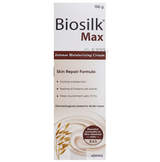
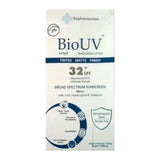
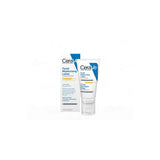
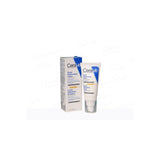
Updated on: 2026-05-19 Hydrating lotions for dryness help restore comfort when skin feels tight, rough, or flaky. They work by supporting the skin barrier and reducing water loss. A good routine uses the right texture, correct timing, and consistent application. When you match ingredients to your skin needs, you can improve softness and reduce visible dryness over time. Quick Takeaways Table of Contents Introduction Personal Experience or Anecdote Key Advantages Quick Tips Summary & Next Steps Q&A Section About the Author Quick Takeaways Hydrating lotions for dryness are designed to improve hydration, reduce roughness, and support the skin barrier. The right lotion can feel lighter than creams while still delivering long-lasting moisture. The most reliable results come from applying to slightly damp skin, using gentle cleansing, and layering properly. If you are consistent, dryness typically becomes less noticeable and skin feels more balanced. Table of Contents Introduction Personal Experience or Anecdote Key Advantages Quick Tips Summary & Next Steps Q&A Section About the Author Introduction If your skin often feels tight after washing, looks dull, or flakes during cooler weather, a targeted moisturizing routine can make a measurable difference. Hydrating lotions for dryness are a practical solution because they are easy to spread, simple to layer, and designed for daily comfort. In this article, you will learn how these lotions work, how to choose one that fits your skin type, and how to apply it so dryness decreases rather than returns quickly. You do not need a complex routine. You need the right formula, a gentle cleanse, and consistent hydration steps that protect your barrier. Over time, your skin can feel softer, look smoother, and maintain better balance. Personal Experience or Anecdote Not long ago, dryness became a recurring issue for me after a stretch of frequent hand washing and air-conditioned days. My skin was not only dry. It also felt uncomfortable, as if it was pulling during the day. I initially tried to “wait it out,” but the tightness returned each time I skipped moisturizer. When I switched to a lotion-focused approach, the improvement was gradual but clear. I started using a hydrating lotion after cleansing, then applied again when my skin felt rough later in the day. I also reduced harsh cleansers and chose gentler care. Within a few weeks, my skin stopped looking flaky and felt less irritated. The biggest change was consistency combined with a barrier-supporting moisturizer. Key Advantages Hydrating lotions for dryness can support multiple aspects of dry-skin care. The benefits below are the reasons these products are widely used in everyday routines. Improved water retention: Many hydrating formulas include humectants that help draw water into the outer skin layer. Barrier support: A well-chosen lotion helps reduce transepidermal water loss, which is a common driver of ongoing dryness. Comfort and softness: Moisturized skin typically feels less tight and looks smoother because hydration improves texture. Lightweight daily wear: Lotions often absorb faster than thick creams, which makes regular use more realistic. Better layering: Lotions can work under sunscreen, serums, and other treatments without feeling overly heavy. Versatility for different areas: Many people use the same concept on hands, arms, and body while tailoring intensity by need. Skin barrier layers with water-retention icons What ingredients typically matter most Dry skin is not a single problem. It is often a combination of dehydration, barrier weakness, and sensitivity. When you compare lotions, look for ingredients that address these drivers. Common categories include humectants such as glycerin and hyaluronic acid, barrier-supporting lipids, and calming agents that reduce the discomfort associated with dryness. For face routines, it is also useful to consider whether the lotion is designed for facial use or body use. Facial skin often needs a more refined texture and compatibility with sunscreen. If you are also managing oiliness or breakouts, select a lotion that fits your skin goals and does not conflict with your other steps. If you want a gentle approach to cleansing before hydration, consider pairing your lotion with a mild cleanser such as Cetaphil Gentle Cleanser. Gentle cleansing reduces friction and helps your moisturizer work more effectively. Quick Tips Using hydrating lotions for dryness is not only about product choice. Technique matters. The following tips are designed to be simple and repeatable. Apply after cleansing: Use the lotion within a short window after washing to help lock in moisture. Target slightly damp skin: Light moisture on the skin surface supports better spread and hydration. Use the right amount: Under-application often leads to patchy results that fade quickly. Layer intentionally: If you use a serum, apply it first, then moisturize to seal in hydration. Choose the correct finish: If you need daily comfort under sunscreen, look for a lotion that absorbs without pilling. Do not skip sunscreen: Dryness can worsen with sun exposure. Daily protection helps maintain barrier resilience. Reapply when needed: If your skin becomes tight during the day, a small amount can restore comfort. Choose a lotion that matches your skin goals Not all dryness is the same. Some people experience surface roughness. Others experience irritation or sensitivity. Some also feel dryness while managing acne or uneven texture. In those cases, selecting a formula that fits the broader routine is essential. For facial hydration, you may prefer a lotion with a more refined texture. One option to explore is Cipla Excela Rich Facial Hydrating Lotion. For daytime dryness plus sun exposure concerns, a moisturizing sunscreen approach can help. You can review options such as I Shield Sunscreen Cream SPF 50 PA when building a complete daily routine. Step-by-step routine icons: cleanse, lotion, seal How to build a dependable routine A routine that supports dryness typically has three phases: gentle cleanse, moisturizing layer, and protection. For many people, this structure reduces trial-and-error. Morning: Cleanse gently, apply a facial hydrating lotion, then use sunscreen. Evening: Cleanse gently, apply the hydrating lotion, and allow it to work overnight. Optional mid-day support: Reapply if dryness becomes noticeable, especially on hands or exposed areas. If you also treat acne or oiliness, be careful with over-cleansing. If you need a foaming option, consider a controlled approach such as Cetaphil Pro Oil Control Foam Wash as part of a balanced plan. The key is to avoid stripping moisture before moisturizing. Summary & Next Steps Hydrating lotions for dryness can improve comfort, soften rough texture, and support the skin barrier when used consistently. The most effective routines combine gentle cleansing, correct application timing, and daily protection. If dryness persists despite routine changes, it may be time to reassess skin triggers, cleansing habits, and whether your lotion is truly suited to your skin type. Next steps: Choose a lotion that matches your facial or body needs, apply it after cleansing to slightly damp skin, and build a simple routine with sunscreen in the daytime. If your skin is sensitive, start with a steady, fragrance-aware approach and increase frequency only as needed. For additional guidance on skin care choices, explore products on Allodermis and select items that align with your hydration and barrier goals. Q&A Section How do hydrating lotions for dryness differ from body creams? Lotions often have a lighter texture and absorb faster, which supports daily use. Body creams can feel richer and may be more suitable for very dry zones or colder conditions. The best choice depends on your skin comfort, how quickly you need absorption, and whether you want a lighter finish under clothing or sunscreen. How often should I apply a hydrating lotion for dryness? For most routines, applying once in the morning and once in the evening is a strong baseline. If dryness increases due to weather changes, frequent washing, or air-conditioned environments, an additional application during the day can improve comfort. Consistency is usually more important than frequent switching between products. Will using more lotion solve dryness faster? More is not always better. Under-application can lead to patchy moisture, but excessive layering may not address the underlying barrier issue. A better approach is to use the right amount, apply after cleansing, and ensure your routine includes gentle cleaning and daytime sun protection when relevant. If dryness continues, evaluate your cleanser and whether your lotion is appropriate for your skin needs. What should I look for in a lotion if my skin is sensitive? For sensitive skin, prioritize formulas that support barrier comfort and minimize irritation risk. Look for moisturizing ingredients such as humectants and soothing agents, and consider choosing a lotion that performs well under sunscreen if you use it on the face. Patch testing on a small area before full use is also a practical step. About the Author Allodermis is a brand focused on skincare guidance and product expertise, with a clear emphasis on hydration, barrier support, and routine clarity. The author team reviews ingredient function, application techniques, and compatibility with daily essentials so readers can make informed choices. This post reflects professional, practical knowledge developed from ongoing dermatology-aligned education. Thank you for reading, and may your routine support lasting skin comfort. Disclaimer: This article is for general educational purposes and does not provide medical advice, diagnosis, or treatment. Individual skin conditions vary, and persistent dryness may require professional guidance. Always review product labels and consider patch testing when introducing new skincare products.
Learn moreOpen Pores Treatment Explained: Causes, What Actually Works, Best Procedures, Timelines, and Prevention
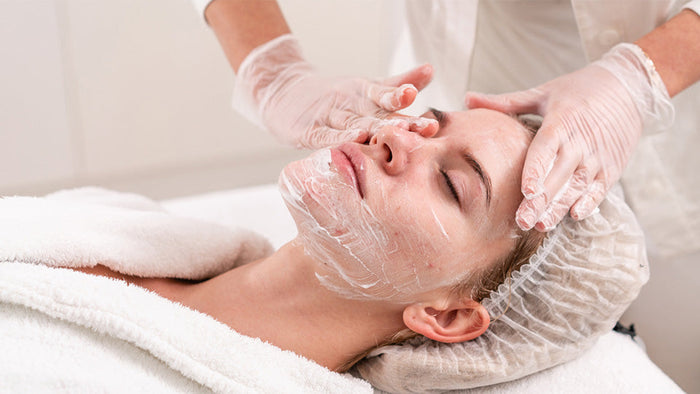
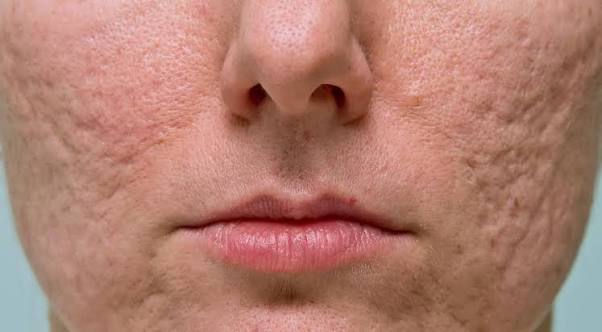
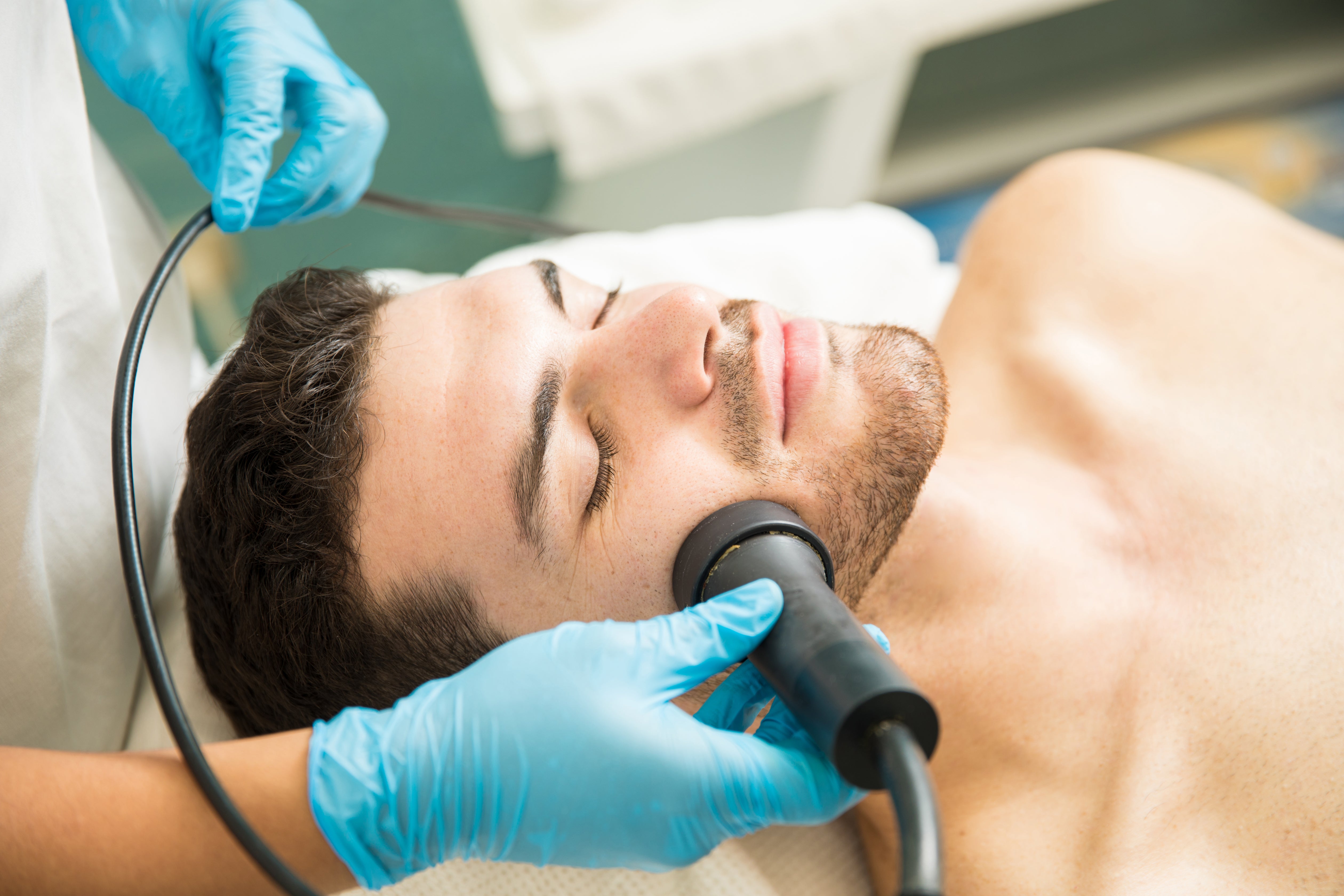
Open pores are normal skin openings that become more visible due to excess oil production, congestion from dead skin cells and blackheads, and the weakening of collagen and elastin caused by age and sun damage. While pores cannot be permanently closed, their enlarged appearance can be significantly reduced through consistent at-home care—such as gentle cleansing, noncomedogenic products, and daily sunscreen—and specialized dermatologist-guided procedures. Effective professional treatments include chemical peels for decongestion, laser toning for oil control, fractional laser resurfacing for texture, and radiofrequency microneedling (MNRF) for collagen loss and structural improvement. Overall, addressing enlarged pores requires a multimodal approach that tackles oil regulation, collagen health, inflammation, and barrier integrity for long-term refinement.
Learn moreVitamin C Skincare Products: How to Choose and Use
Vitamin C skincare products are a widely used way to support brighter, more even-looking skin. This guide explains what to look for, how to choose a formula that fits your routine, and how to introduce it with sensible expectations. You will also find a practical buyer’s checklist, a simple application process, and answers to common questions. The goal is to help you select products that match your skin type and ingredient preferences. Updated on: 2026-05-18 Vitamin C skincare products are often chosen for their role in supporting a more even skin tone and a healthy-looking glow. The best results come from choosing the right derivative, the right concentration range, and a compatible texture for your routine. Proper application and gradual introduction can reduce irritation for many skin types. This article provides a clear checklist and step-by-step method so you can evaluate options with confidence. 1. Buyer’s Checklist 2. Step-by-Step Guide 3. FAQ 4. Closing Thoughts & CTA Buyer’s Checklist When you are evaluating vitamin C skincare products, focus on formulation quality, skin compatibility, and consistency. Start with the basics, then refine based on your skin goals and sensitivities. Choose the right vitamin C form: Different derivatives vary in stability and feel. Common options include L-ascorbic acid, ascorbyl glucoside, and ethylated or lipophilic derivatives. If you want a classic, fast-acting feel, L-ascorbic acid may be relevant. If you prefer a gentler approach, many people consider water-soluble derivatives. Check stability signals: Look for packaging that protects from light and air, such as opaque, airtight, or pump-style containers. Oxidized formulas can lose effectiveness and may irritate. Assess concentration with realism: Higher strength does not automatically mean better results. The best choice is the one your skin tolerates well and that you can use consistently. Match texture to your routine: Serums often layer well under moisturizers and sunscreen. Creams or lotions may be easier for drier skin. Gel formats can suit oilier skin. Choose what you will actually use. Review the full ingredient context: Vitamin C works best when the formula supports barrier health. Look for soothing ingredients and compatible hydrators. If you have reactive skin, review your entire routine so you do not stack too many strong actives at once. Plan for daily sunscreen use: Many users combine vitamin C products with a broad-spectrum sunscreen to support an even skin look. Even the best topical routine cannot replace sun protection. Consider your skin type: Dry skin often benefits from more emollient textures. Oily skin may prefer lightweight textures and minimal heaviness. Sensitive skin usually requires slower introduction. Checklist icons: stability, texture, tolerance If you want a wider routine foundation, cleanse gently and keep skin calm. For example, you can explore a gentle cleanser option such as gentle cleanser to reduce friction and support barrier comfort before vitamin C. Step-by-Step Guide To get the most from vitamin C skincare products, focus on correct layering and an introduction schedule that respects your skin. Use this method as a repeatable approach for different formulations. Start with clean, dry skin: Wash with a mild cleanser and pat dry. Avoid rubbing. Apply on fully dry skin to reduce pilling and uneven distribution. Choose the right placement in your routine: Vitamin C is commonly used after cleansing and before moisturizer. If you use other actives like retinoids or exfoliating acids, consider spacing them on different days. Use an appropriate amount: Apply a thin, even layer. More product does not always improve outcomes. A controlled amount also supports tolerance. Patch test for compatibility: Test on a small area for several days. This helps you gauge comfort and reduces the chance of irritation when you scale up. Introduce gradually: Begin with a lower frequency, such as a few times per week, then increase if your skin remains comfortable. Moisturize to support the barrier: Follow with a moisturizer that suits your skin type. This step can reduce tightness and help you keep routine consistency. Use sunscreen in the daytime: If your vitamin C product is part of a morning routine, apply broad-spectrum sunscreen after moisturizer. This supports an even skin look and helps protect against environmental stress. Monitor changes and adjust: If you notice persistent redness, dryness, or stinging, reduce frequency and reassess the rest of your routine. Many people also benefit from simplifying surrounding steps. If you use sunscreen daily, you can integrate it smoothly with your vitamin C routine by selecting a suitable SPF product. You may consider a widely used option such as SPF gel for daily wear if your skin prefers a lighter finish. Layering steps: cleanse, vitamin C, moisturize, SPF FAQ How do I choose among different vitamin C skincare products? Start by selecting a form that matches your tolerance and your texture preference. If you are sensitive, consider gentler derivatives and introduce slowly. Also evaluate packaging for stability, and prioritize formulas that feel comfortable to use every day. Can vitamin C skincare products replace sunscreen? No. Vitamin C products support an overall skincare routine, but they do not replace sunscreen. Daily broad-spectrum protection remains a core step for supporting an even skin look and reducing exposure-related concerns. What should I do if my skin tingles or becomes dry? First, reduce how often you apply the product and ensure you are using a moisturizer afterward. Consider using it on alternate days while keeping other strong actives spaced out. If irritation continues, stop use and reassess the formula and your routine. Is it better to use vitamin C in the morning or at night? Vitamin C can be used either time depending on your routine. Morning use often pairs naturally with sunscreen. Night use can help you focus on barrier support and reduce daytime exposure. Choose the schedule that you can maintain consistently and that fits your other actives. Closing Thoughts & CTA Vitamin C skincare products can be a valuable part of a balanced routine when you select the right form, confirm stability, and introduce the product in a way your skin can tolerate. Focus on consistency, correct layering, and supportive hydration. If you want to build a complete skincare workflow, consider combining your vitamin C step with a gentle cleanser and a reliable daily SPF. If you are ready to refine your routine, explore options on Allodermis and choose products that align with your skin type and texture preferences. You can also review targeted serum options such as proactive facial serum and sun care such as sunscreen cream to complement your daily regimen. Disclaimer: This article is for informational purposes only and does not provide medical advice. Results vary by individual and are influenced by skin sensitivity, routine consistency, and product formulation. If you have a skin condition or experience persistent irritation, consult a qualified healthcare professional. About the Author Section Allodermis is a skincare-focused organization specializing in formulation guidance, ingredient education, and routine planning. The author behind this guide has expertise in dermatology-informed skincare principles, product selection strategy, and consumer-friendly education on active ingredients. The team emphasizes balanced routines, barrier support, and evidence-aware expectations. Thank you for reading, and we welcome you to build a routine that feels consistent, comfortable, and sustainable.
Learn moreAdvanced Skincare Technologies: What Really Works
Updated on: 2026-05-18 Advanced skincare technologies help improve the way skin products deliver actives and support skin barrier health. Modern systems such as encapsulation, delivery gradients, and precision hydration can enhance consistency and reduce common irritation from poorly matched formulas. Smart approaches to exfoliation, sun protection, and ingredient stabilization support long-term results rather than short-lived effects. When you pair the right technology with a skin plan that matches your needs, you can build a routine that feels more controlled and predictable. Table of Contents Myths vs. Facts Step-by-Step Guide Frequently Asked Questions Summary & Key Takeaways Q&A Section About the Author Myths vs. Facts Advanced skincare technologies are often discussed like magic solutions. In reality, they are engineering tools that improve formula performance. The difference matters, because the best outcomes come from matching technology to skin needs, not from chasing novelty. Myth: More advanced formulas always work faster. Fact: Speed depends on the active, the skin condition, and the routine schedule. Technology can improve delivery, but it cannot replace realistic usage. Myth: High-strength ingredients automatically mean better results. Fact: Concentration is only one factor. Stability, skin penetration, and tolerance determine whether an ingredient performs well over time. Myth: If a product feels gentle, it must be low performance. Fact: Delivery systems and barrier-friendly textures can feel comfortable while still supporting measurable skin improvements. Myth: Sun protection is separate from skincare technology. Fact: Modern UV filters and formulation systems can improve coverage comfort and wearability, which supports daily adherence. Step-by-Step Guide To get value from advanced skincare technologies, build a routine that is measurable, repeatable, and compatible with your skin. Use the steps below to evaluate products and organize your day-to-day use. Step 1: Start with barrier-first cleansing Your skin is a living barrier. Cleansing removes excess oil, pollutants, and residues, but harsh cleansing can disrupt barrier lipids. Look for gentle surfactant systems and supportive moisturizing components. A cleanser designed for daily use can help reduce friction and support smoother skin texture. You can explore examples of barrier-friendly cleansing by reviewing options such as gentle cleanser from Allodermis. Pair it with lukewarm water and avoid aggressive scrubbing. Step 2: Choose technology that matches your goal Not all advanced systems target the same concern. Some focus on controlled release of actives. Others improve stability so ingredients remain effective from bottle to application. Choose based on what you want to address. Texture and dryness: technologies that support hydration and lipid compatibility. Uneven tone and dullness: stable brightening systems and consistent exfoliation support. Acne-prone skin: oil-balancing and targeted treatment systems designed for tolerance. Fine lines and resilience: formulations that support antioxidant protection and skin comfort. Cross-section icons showing layered hydration delivery Step 3: Use encapsulation and delivery systems with patience One reason advanced skincare technologies have grown is the use of delivery methods. Encapsulation can help protect sensitive actives, reduce premature breakdown, and support more even distribution on skin. Delivery gradients can improve how ingredients spread, which may reduce hot spots of irritation. However, these systems still require consistent use. Many actives work through gradual processes such as improved turnover, antioxidant defense, and barrier strengthening. Apply products as directed and track comfort during the first two weeks. Step 4: Add a targeted treatment layer A dedicated treatment layer helps separate daily essentials from active-focused products. This structure reduces overlap and makes results easier to interpret. For example, a serum can deliver brightening or anti-blemish benefits while a moisturizer supports barrier comfort. If you are searching for treatment-focused options, consider reviewing serum designed for proactive support and brightening serum to see how product positioning aligns with your skin goals. Step 5: Choose exfoliation with controlled frequency Exfoliation supports smoother texture and more even appearance. The safest approach is to choose an exfoliation system that is formulated for predictable use and to avoid frequent stacking of multiple exfoliating acids. Advanced skincare technologies can help blend exfoliants into formats that reduce sharp irritation and improve tolerance. When you introduce exfoliation, consider starting slowly. Maintain hydration afterward. If you experience persistent redness or burning, adjust frequency and prioritize barrier support. Step 6: Use moisturizer systems that support hydration retention Hydration retention is a key concept in advanced skincare technologies. Look for humectants, film-formers, and barrier-compatible emollients that support comfort after washing. A well-designed moisturizer can improve the look of dryness and help skin feel less reactive to active layers. For oil-balanced routines, you may also consider a supportive lotion option such as hydrating lotion, particularly when dryness is part of the overall concern. Routine timeline graphic with treatment, moisturize, protect Step 7: Prioritize UV protection as a technology-based system Daily UV protection supports the long-term stability of many skincare goals. Modern sunscreens can improve spreadability, reduce residue feel, and support consistent wear. Consistency matters because UV exposure can change how skin responds to brighteners, exfoliants, and barrier-supporting ingredients. When selecting UV protection, consider texture, reapplication comfort, and compatibility with your makeup routine. You can review product examples such as acne UV gel or sunscreen cream to understand how formulation choices can support daily adherence. Step 8: Build a routine that avoids ingredient overload Advanced skincare technologies should simplify decision-making, not complicate it. A disciplined routine usually includes cleansing, treatment, moisturizing, and UV protection. Treatment products can be rotated if you need different goals, but you should not introduce multiple new active-heavy products at the same time. A good rule is to add one new product per routine cycle and observe skin response. This approach supports tolerance and helps you identify what truly helps your skin. Frequently Asked Questions How do advanced skincare technologies differ from standard skincare? Advanced skincare technologies focus on formula performance: ingredient stability, controlled release, improved absorption, better texture spread, and barrier support. Standard skincare can be effective, but advanced systems are engineered to optimize how actives behave on skin over time. Can I combine multiple advanced actives in one routine? Yes, but it requires structure. Use a cleanser that prepares skin, apply one primary treatment layer, add a moisturizer for barrier comfort, and use UV protection daily. If you add another active, introduce it gradually and avoid stacking multiple strong exfoliants at once. Do encapsulation and delivery systems require special use? No special technique is usually required. Apply according to directions and allow the product time to settle into skin before applying moisturizer or sunscreen. The key is consistent application rather than unusual handling. Summary & Key Takeaways Advanced skincare technologies can improve the way skincare products deliver actives, support barrier comfort, and maintain ingredient stability. By choosing technology that aligns with your goal, using a barrier-first cleansing step, adding one targeted treatment layer, and protecting your skin with reliable UV coverage, you create a routine that is both effective and manageable. If you want to build a calmer, more predictable routine, start with foundational steps and evaluate treatment products based on performance design. Consider reviewing a few options from Allodermis to see how technology-focused formulas fit together. Q&A Section What ingredient qualities should I look for when I want tone and brightness support? Look for stable brightening systems, supportive exfoliation formats, and hydration layers that reduce dryness-related dullness. Technology that improves stability and controlled release can help maintain consistent performance and comfort across routine days. Why does my skin sometimes react to new skincare even when the ingredient list seems gentle? Skin reactivity can come from texture friction, layering order, or sensitivity to delivery systems. Even gentle formulas can feel different depending on how they spread and how quickly they interact with your skin. Introduce one change at a time and prioritize moisturizer and UV protection to maintain tolerance. How can I tell whether a routine is working without relying on temporary “instant” effects? Track longer-term indicators such as comfort level, reduced visible dryness, fewer rough patches, and more even appearance. A technology-driven routine often shows value through steadier wear, improved texture over weeks, and more consistent skin behavior when you repeat the routine. About the Author Allodermis contributes to skincare education by focusing on ingredient literacy, routine design, and formulation performance. The author team specializes in helping readers understand how advanced systems such as delivery formats, stabilization strategies, and barrier support can fit into real routines. With a practical, evidence-minded approach, this guide supports informed decisions and long-term consistency. Thank you for reading, and may your skincare plan feel more structured and effective. Disclaimer: This article is for educational purposes only and does not provide medical advice. Individual skin needs vary. If you have a skin condition, irritation, or sensitivity, consider consulting a qualified healthcare professional before making changes to your routine.
Learn more50 SPF Sunscreen Lotion for Complete Skin Protection
Daily use of a high-quality 50 SPF sunscreen lotion is essential for complete skin protection from harmful UV rays, preventing issues like tanning, premature aging, pigmentation, dark spots, and uneven skin tone. This broad-spectrum lotion blocks UVB rays, offering benefits such as reducing sun tanning, preventing premature aging, supporting even skin tone, and providing daily hydration. A comprehensive skincare routine requires specific considerations, including choosing lightweight, non-greasy formulas for oily skin sunscreen, pairing it with a targeted cream for skin pigmentation to gradually reduce dark spots, and using a moisturizing dermis cream at night to repair the skin barrier. Ultimately, Allodermis emphasizes that prevention through consistent daily application of 50 SPF sunscreen lotion is the vital approach to achieving healthier and brighter skin.
Learn moreClinical Skincare Treatments: A Practical Guide to Results
Updated on: 2026-05-17 Clinical skincare treatments can support clearer skin, smoother texture, and more consistent results when they are matched to your needs. This guide explains how dermatology-style care works, what to expect in an evidence-based plan, and how to prepare your routine. You will also learn practical ways to choose providers, set realistic expectations, and protect your results with long-term maintenance. Use the step-by-step process to build a safe and structured approach that aligns with your skin goals. Table of Contents 1. Introduction to Clinical Skincare Treatments 2. Essential Tips for Safer, More Effective Care 3. Detailed Step-by-Step Process to Plan Treatment 4. What to Expect During a Clinic-Based Treatment Plan 5. Maintenance and Aftercare for Long-Term Results 6. How to Choose a Provider and Avoid Common Errors 7. Summary & Takeaway Introduction to Clinical Skincare Treatments Clinical skincare treatments are structured procedures and regimens delivered or guided by trained professionals. They are designed to address specific skin concerns such as acne, pigment changes, visible pores, uneven texture, and dryness. Unlike casual at-home routines, clinical care follows a plan. That plan typically includes assessment, selection of suitable options, and follow-up adjustments based on response. When clinical skincare treatments are implemented correctly, they can reduce trial-and-error and improve the consistency of your routine. The primary benefit is not a single instant transformation. The benefit is disciplined, repeatable progress supported by skin-safe practices, appropriate product selection, and monitoring. In this article, you will find essential tips, a clear step-by-step framework, and a practical checklist to help you approach clinic-based skincare with confidence. You will also learn how to maintain results through sun protection, gentle cleansing, and targeted moisturization. Essential Tips for Safer, More Effective Care Start with skin assessment: Note your concern, your skin type, and how your skin reacts to irritation, heat, and dryness. Prioritize barrier care: A stable skin barrier supports tolerance to active ingredients and reduces rebound dryness. Use sun protection every day: Many pigment and texture concerns worsen without consistent UV defense. Introduce changes one at a time: This improves your ability to identify what helps and what triggers sensitivity. Keep a simple, evidence-aligned routine: Focus on cleansing, moisturizing, targeted actives, and sunscreen. Ask about compatibility: Some procedures require specific preparation and product restrictions to reduce irritation. Track progress with neutral observations: Use photographs under consistent lighting to compare changes over time. If your goals include acne control, uneven tone, or hydration support, aligning your at-home base with clinic guidance can strengthen outcomes. For cleansing, consider a gentle option such as Cetaphil Gentle Cleanser to support daily tolerance. Checklist icons: skin barrier, sunscreen, gentle cleanser Detailed Step-by-Step Process to Plan Treatment A structured process helps you make better decisions and reduces the risk of mismatched treatments. Use this framework to plan clinical skincare treatments in a way that respects your skin, your schedule, and your long-term goals. Clarify the main concern: Choose one priority first, such as acne lesions, post-acne marks, rough texture, or sensitivity-related redness. Multiple goals can be addressed, but sequencing helps reduce confusion and irritation. Prepare a short skin history: Document prior reactions to skincare products, medications, and any history of eczema or frequent flares. Assess current routine: Identify your cleanser, moisturizer, sunscreen, and any exfoliants or retinoids. Check for too many actives at once. Schedule a professional evaluation: A qualified provider can determine whether your concern is inflammatory, pigment-related, or barrier-driven. Choose appropriate options: Based on your assessment, your plan may include supervised procedures or a clinician-led regimen. The best plan matches your skin type and tolerance. Build a supportive base routine: Start with a gentle cleanser, a hydrating moisturizer, and reliable UV protection. This helps your skin handle treatment demands. Introduce targeted actives in phases: If your plan includes active ingredients, introduce them gradually and follow clinician guidance on frequency. Maintain realistic expectations: Skin improvement often happens in stages. Track changes without comparing every day. Follow monitoring and adjustment: Treatment plans should evolve. Adjustments are normal when your skin response indicates the need for different pacing or different strengths. Many routines benefit from hydration and controlled oil balance. If your skin shows excess oil and you need a cleanser that supports daily use, a product such as Cetaphil Oil Control Foam Wash can help create a stable cleansing step. For hydration, clinicians often recommend consistent moisturization, especially when active ingredients are introduced. What to Expect During a Clinic-Based Treatment Plan Clinical care is a coordinated workflow. Your experience will vary based on the procedure or regimen selected, your skin sensitivity, and your baseline condition. However, several patterns are common across evidence-based clinic plans. Assessment before action: Providers typically review skin condition, irritation risk, and potential triggers before deciding on options. Clear pre- and post-care instructions: You may receive a plan for cleansing frequency, active ingredient timing, and sun protection rules. Skin response guidance: Expect at least some adjustment in tolerance and comfort. Mild dryness or tightness can occur when active ingredients or procedures are used. Follow-up adjustments: Your provider may modify intensity, spacing, or product selection when your skin signals over- or under-stimulation. Emphasis on photoprotection: Reliable sunscreen use is often treated as a cornerstone for pigment concerns and post-treatment maintenance. For sunscreen needs, a clinician-supported approach often includes a broad-spectrum product. If you require a daily UV shield, consider Acne UV Gel SPF 50 as an example of a sunscreen designed for daytime consistency. For additional options, another suitable direction for sun protection is Shadow Sunscreen Cream. Before-and-after frames with consistent lighting and notes Maintenance and Aftercare for Long-Term Results After your clinician-led phase, your routine becomes the main driver of stability. Long-term outcomes depend on barrier support, sun defense, and targeted maintenance. In many cases, the best maintenance plan is not the most complex one. It is the most consistent one. Use the following aftercare principles to protect your results: Maintain a gentle cleansing routine: Over-cleansing can worsen dryness and compromise the barrier. Moisturize strategically: A moisturizer helps reduce irritation risk and supports comfort between treatments. Use targeted actives with appropriate pacing: Frequency matters as much as ingredient selection. A lower frequency can outperform a rushed, higher frequency. Protect against UV exposure: Sunscreen is essential for pigment control and helps prevent regression. Be cautious with stacking: Using multiple exfoliating or strong active products simultaneously can increase irritation. Watch for signs of intolerance: Persistent burning, severe redness, or worsening acne may indicate that the routine is too aggressive. If your goal includes hydration with a clinician-directed feel, consider a hydrating lotion such as Excela Rich Facial Hydrating Lotion. For brightening-focused routines guided by professionals, you may also explore care routes that align with pigment management. For example, clinicians often recommend stable, well-tolerated actives paired with sunscreen. When discussing acne-related concerns or texture unevenness, it is helpful to consider a routine that supports daily skin comfort. In clinic settings, providers often emphasize that consistent cleansing, gentle moisturization, and disciplined UV protection create the foundation on which other steps can work. How to Choose a Provider and Avoid Common Errors Quality of care matters. The provider is responsible for selecting options that match your skin profile and for guiding you through safe pacing. The safest decision is not the most aggressive one. It is the most suitable one. What to look for in a clinic Transparent assessment: The provider explains what they see and why an option is appropriate. Individualized planning: Your plan should reflect your skin type, tolerance, and lifestyle. Clear guidance on home care: You should receive simple instructions for cleansing, moisturizing, actives, and sunscreen. Follow-up and adjustment: A good clinic plan includes review and modification based on results and comfort. Common errors that reduce outcomes Skipping patch tests or gradual introductions: Sudden changes increase the risk of irritation. Overuse of exfoliation: Too much exfoliation can worsen barrier weakness and lead to flare-ups. Inconsistent sunscreen: Without daily UV protection, pigment and texture goals are harder to sustain. Assuming all skin types respond the same: Product tolerance varies widely among individuals. Chasing short-term changes: Many benefits appear progressively, and patience supports better decision-making. If your clinic plan includes steps that involve actives, the at-home routine should support tolerance. As a supplemental option for daytime protection and comfort-focused care, you can also consider I Shield Sunscreen Cream SPF 50 PA. For hydration and balance during an active phase, a clinician-led approach often begins with barrier-friendly products. Summary & Takeaway Clinical skincare treatments can be effective when they follow a structured plan: assessment, suitable option selection, supportive home care, and monitoring. The most reliable outcomes come from barrier-first routines, disciplined UV protection, and gradual introduction of targeted actives. Use the step-by-step framework to create an organized plan, avoid mismatched pacing, and track neutral progress. When you maintain aftercare consistency, your results are more likely to remain stable over time. Q&A Section Are clinical skincare treatments only for advanced skin concerns? Clinical skincare treatments are often used for a wide range of concerns, from acne and post-acne marks to texture unevenness and sensitivity-related issues. The key factor is fit: your provider should match the treatment intensity and pacing to your skin profile. Many people benefit from early, structured guidance rather than waiting for severe symptoms. What should I do if my skin becomes irritated during a treatment plan? Discomfort can signal that pacing is too aggressive or that the barrier needs additional support. A safe approach is to pause or reduce active intensity under clinician guidance, increase gentle moisturizing, and maintain strict sun protection. It is important not to stack additional exfoliants or irritants while your skin is inflamed. How can I maintain results after clinic-based care? Maintenance typically includes consistent cleansing, reliable moisturizing, and daily sunscreen. Many plans also include a simplified active routine designed to support long-term control without constant high intensity. Tracking results with consistent lighting helps you evaluate whether your routine is supporting improvement or causing overexposure to irritation. About the Author Section Allodermis Allodermis is a skincare-focused brand with expertise in evidence-informed routine building and barrier-friendly care strategies. The team supports customers by emphasizing practical guidance for cleanser, moisturizer, and sun protection alignment. This article reflects a professional approach to structured skincare planning and aftercare consistency. Thank you for reading. Disclaimer: This article is for general educational purposes only and does not replace professional medical advice, diagnosis, or treatment. Individual results vary, and you should consult a qualified clinician for guidance tailored to your skin condition and personal health needs.
Learn moreHolistic Skin Health: Simple Habits for Radiant Skin
Updated on: 2026-05-17 Holistic skin health focuses on how daily habits, skin barrier care, and supportive lifestyle choices work together. It prioritizes gentle cleansing, consistent hydration, and protection from environmental stressors. A holistic approach also considers stress management and nutrition to support long-term skin comfort. When you combine sound routines with ingredient literacy, you can create a plan that is realistic and sustainable. 1. Buyer’s Checklist 2. Step-by-Step Guide 3. FAQ 4. Closing Thoughts & CTA 5. About the Author Buyer’s Checklist Holistic skin health works best when your routine is coherent, consistent, and gentle. Before you purchase cleansers, moisturizers, serums, or sun protection, use this checklist to assess fit for your skin and your goals. Start with skin barrier support. Choose products that cleanse without over-stripping and that help maintain comfort and resilience. Verify ingredient clarity. Look for recognizable ingredients and avoid unnecessary complexity if you have sensitive skin. Choose a sunscreen you can use daily. Daily ultraviolet protection is a cornerstone for overall skin appearance. Select a formula that feels tolerable on your skin. Assess your cleanser type. If your skin feels tight after washing, consider a gentler cleanser and reduce harsh routines. Match hydration to your climate. Dry environments often require more supportive moisturizers. Humid environments may still need lightweight hydration. Plan one targeted layer at a time. For example, introduce a hydrating lotion or a proactive serum, then observe changes for several weeks. Consider skin tone and concerns carefully. For issues related to uneven tone, look for products designed for that purpose and use them consistently. Do not chase too many products at once. A simpler routine improves predictability and reduces irritation risk. To simplify product selection, consider building your routine around a few dependable categories, such as a gentle cleanser, a hydrating layer, and reliable sunscreen. If you want a starting point, explore a cleanser like Gentle Cleanser to support a calm baseline. Checklist icons over a shield for skin barrier care Step-by-Step Guide This step-by-step plan is designed to help you practice holistic skin health in an organized and sustainable way. Each step builds on the last one, with a focus on barrier integrity, daily protection, and routine simplicity. Step 1: Cleanse with intent Cleanse once daily in the evening, or twice if your skin and lifestyle require it. Use lukewarm water and avoid aggressive scrubbing. A gentle cleanser can remove surface debris while preserving comfort. If you prefer a non-stripping option, consider Cetaphil gentle cleanser as a baseline. Step 2: Hydrate immediately after cleansing Apply hydration while skin is still comfortable after cleansing. This helps reduce the feeling of tightness and supports a smoother surface. Choose a hydrating lotion for daily use, especially if your skin tends toward dryness or sensitivity. For an example of a hydrating approach, you may consider Rich facial hydrating lotion. Step 3: Add a targeted serum thoughtfully Targeted layers can support specific goals such as moisture balance, improved radiance, or reduced look of uneven tone. Introduce one serum at a time so you can evaluate how your skin responds. If your routine aims for proactive daily support, a serum such as Aze proactive serum can be considered for structured layering. Step 4: Protect with daily sunscreen Sun protection is essential for daily skin maintenance. Select a sunscreen that you can apply consistently, because effectiveness depends on regular use. A formula that suits your comfort level can help you maintain routine adherence. If you are looking for SPF options, consider a product like Acne UV gel SPF 50 or another sunscreen that aligns with your skin preference. Step 5: Consider gentle spot support, not harsh routines If you experience occasional texture or blemish concerns, treat them with care. Over-cleansing or frequent irritation can disrupt barrier comfort. Instead, choose spot-focused strategies and maintain your foundational routine. Step 6: Support skin health from the outside and inside Holistic skin health extends beyond skincare products. Sleep quality, stress levels, hydration habits, and balanced nutrition all influence how skin feels and functions. These factors do not replace skincare, but they can improve your overall consistency. Aim for sustainable lifestyle choices, such as steady water intake and stress-reducing activities. Step 7: Observe, adjust, and simplify Your skin is a feedback system. If you notice redness, stinging, or persistent dryness, reduce active steps and return to barrier basics. If your skin feels stable, you can continue the planned routine. Keep your product list minimal to preserve predictability. Simple routine timeline: cleanse, hydrate, protect, observe FAQ What does holistic skin health focus on? Holistic skin health focuses on treating skin as part of a larger system. It emphasizes barrier-friendly cleansing, consistent hydration, daily sun protection, and lifestyle support such as stress management and balanced nutrition. How many skincare products do I need for a holistic routine? A complete routine can be built with a few essentials: a gentle cleanser, a moisturizer or hydrating lotion, and a daily sunscreen. Targeted serums can be added gradually, but a simpler routine often improves tolerance and long-term consistency. How do I know if a product is irritating my skin barrier? Common signs include persistent tightness, stinging during application, increased redness, or worsening dryness. If these effects occur, reduce the active steps, return to gentle hydration and sunscreen, and simplify until skin comfort improves. Should I use sunscreen even if I stay indoors? Ultraviolet exposure can occur near windows and in outdoor environments. Daily sunscreen use supports long-term skin protection and routine consistency, especially when you spend time near daylight sources. Closing Thoughts & CTA Holistic skin health is a practical approach to caring for your skin with consistency and restraint. When you prioritize barrier support, hydration, and reliable sun protection, your routine becomes easier to maintain and more effective over time. Use the checklist to choose products that you can use daily, then follow the step-by-step plan with gradual adjustments. If you want a structured start, review a few essential categories on Allodermis and build a routine around gentle cleansing, hydration, and daily SPF. For example, you can compare cleanser options such as Cetaphil gentle cleanser and sunscreen options such as Acne UV gel SPF 50, then select what fits your comfort level. Disclaimer: This article is for informational purposes only and does not provide medical advice. Individual skin needs vary. If you have a medical condition or persistent irritation, consult a qualified healthcare professional or dermatologist for personalized guidance. About the Author Allodermis — This publication is supported by a team focused on skincare education and routine design. Expertise highlights include ingredient literacy, barrier-first planning, and evidence-minded approaches to everyday skin care. The team emphasizes practical guidance that helps readers build consistent routines without unnecessary complexity. For friendly support, explore the product categories and educational resources available through Allodermis.
Learn morePRP Hair Restoration: Benefits, Process, and Results
Updated on: 2026-05-17 PRP hair restoration has become a widely discussed option for people seeking improved scalp coverage and hair density. This guide explains how PRP works, what the evidence suggests, and how to evaluate a clinic’s process with a safety-first mindset. You will also find common myths, practical expectations for results, and questions to ask before starting treatment. Use this information to make informed decisions and align your plan with your scalp health goals. Table of Contents 1. What PRP Hair Restoration Is | 2. Myths vs. Facts | 3. Personal Experience | 4. Who May Benefit and Who Should Be Cautious | 5. Procedure and Session Expectations | 6. Visual Guide: What a “PRP Session” Commonly Looks Like | 7. Aftercare and Scalp Care Support | 8. Visual Guide: Tracking Progress Over Time | 9. Final Thoughts & Takeaways PRP Hair Restoration: What It Is and How It Works PRP hair restoration is a non-surgical approach that uses a concentration of platelets derived from the patient’s own blood. The central concept is to introduce growth factor signals into the scalp microenvironment, aiming to support the hair cycle and improve overall hair quality. In practical terms, PRP preparation involves drawing blood, processing it to separate the platelet-rich fraction, and then applying it to the scalp. Some clinics use injections, while others use a combination of application methods. The goal is consistent: deliver platelet-derived signaling to areas where hair growth has become thinner. It is important to frame PRP hair restoration as part of scalp management rather than a single “instant” fix. Hair density changes typically require time because the hair cycle operates on its own schedule. For many people, the most realistic outcome is gradual improvement in thickness and coverage, supported by ongoing scalp care and evidence-based follow-up. Before choosing PRP treatment, evaluate three fundamentals: clinician training, protocol consistency, and scalp assessment. A detailed baseline exam helps identify patterns of shedding, miniaturization, inflammation, and triggers that may influence results. A well-run clinic should also explain risks, downtime expectations, and how they will measure progress. Myths vs. Facts Myth: PRP hair restoration works the same for everyone. Fact: Outcomes vary based on hair loss pattern, severity, scalp health, and adherence to the plan. Myth: Results are immediate. Fact: Visible changes usually develop gradually as hair cycles progress. Myth: More injections always mean better results. Fact: Treatment density and spacing should be individualized to anatomy and hair loss distribution. Myth: PRP is risk-free. Fact: It is generally low risk when performed by trained clinicians with sterile technique, yet side effects can occur. Myth: Any clinic can offer PRP with the same quality. Fact: Centrifugation, handling, and application standards influence the final platelet fraction and consistency. Personal Experience When people explore PRP hair restoration, they often begin with a familiar pattern: noticing a change in density, monitoring shedding, and comparing photos over time. In one common scenario, a person may shift from steady daily hair loss awareness to visible scalp show-through at certain angles. That moment often prompts a search for a solution that feels both targeted and conservative. In my view, the most valuable early step is not deciding on a treatment immediately. It is to document the baseline. Many patients benefit from consistent lighting, the same hairstyle, and the same distance when taking scalp photos. They also benefit from tracking whether shedding is active or has already stabilized. A clear baseline improves the quality of later comparisons and reduces emotional decision-making. Equally important is building a supportive scalp routine during the treatment phase. Scalp irritation, dryness, or inflammation can undermine comfort and make it harder to stay consistent. That is why a gentle cleanser and a well-tolerated daily skincare routine can be meaningful adjuncts to a hair-focused plan. Scalp mapping with focus zones and session steps Who May Benefit and Who Should Be Cautious PRP hair restoration may be considered by people who want a non-surgical option for thinning hair. However, it is not the correct choice for every scalp condition. The best candidates typically have clear hair loss distribution, stable overall health, and realistic expectations about gradual improvement. Clinically, thinning can come from multiple drivers. Some are related to genetics and hair cycling patterns, while others connect to inflammation, dermatitis, or shedding conditions. For that reason, a proper scalp evaluation matters. A clinician should look for signs of scalp inflammation, visible scale, itch, or tenderness. If those factors are present, the plan may begin with calming the scalp and addressing irritation before introducing PRP. There are also situations where PRP may require additional caution or alternative approaches. If a person has active infection at the time of treatment, uncontrolled bleeding disorders, or a condition that affects blood handling, PRP may not be appropriate. Pregnancy and certain medication profiles may also influence the timing of treatment, so the clinician should review medical history carefully. If your scalp is prone to sensitivity, discuss how the clinic minimizes irritation and how they manage post-procedure care. A safety-first clinic should emphasize sterile handling and clear aftercare instructions. Procedure and Session Expectations A typical PRP hair restoration plan includes multiple sessions rather than a one-time treatment. Many clinics schedule an initial series followed by maintenance, based on how the scalp responds over time. The exact timing varies by protocol, but the core principle is that the hair cycle needs time to reflect changes. During a session, the clinic usually performs a scalp assessment, reviews the treatment area, and prepares the platelet-rich fraction. Application may include micro-injections into targeted zones. Some protocols also use surface application methods. Your clinician should explain what they are using and why it matches your pattern of thinning. It is reasonable to expect mild discomfort during application and temporary redness afterward. Swelling can occur in some cases, especially when injection techniques are used. Most side effects are short-lived when the procedure is performed with appropriate technique and hygiene. Do not rely on marketing claims alone. Ask about the platelet preparation steps, what quality checks are used, and how the clinic ensures consistent processing. Also ask how they document progress, including photo protocols and objective measures such as hair counts or scalp coverage scales, where available. How Clinics Commonly Structure a PRP Session To make an informed decision, look for clarity. A good clinic describes each phase: assessment, preparation, application, and aftercare. You should also receive guidance on which products are safe to use immediately after treatment. If you have oily or sensitive scalp concerns, a gentle cleanser can support comfort during the treatment window. For example, you may consider a clinician-recommended approach using a mild daily wash such as gentle cleanser to help maintain a balanced scalp environment without harsh stripping. Progress photos in fixed lighting and labeled intervals Aftercare and Scalp Care Support After PRP treatment, aftercare helps maintain comfort and consistency. The first rule is to follow the clinic instructions precisely. Avoid aggressive scalp manipulation in the early period. Also avoid styling habits that increase friction or pressure on treated areas. Scalp hygiene is an essential foundation. During the treatment series, choose products that minimize irritation and support barrier health. If you notice increased oiliness, you may need a routine that cleans without drying. If you notice flaking or itch, you may benefit from a plan that targets scalp comfort rather than simply adding more products. For people who want to refine their overall skincare strategy, it may be helpful to focus on ingredients that are compatible with sensitive skin. For example, some individuals choose a calming, fragrance-considered routine. While hair restoration is not skincare alone, the scalp is skin, and comfort matters for adherence. In the broader routine, you may also consider a sunscreen strategy for exposed scalp areas when outdoors. Sun exposure can worsen irritation and can make post-procedure redness feel more noticeable. A practical option is to discuss a suitable daily sunscreen product with your clinician. If you prefer a gentle formulation, you may explore a category-compatible product such as daily SPF protection to support overall scalp comfort when applicable. In addition, if dandruff-like flaking or irritation occurs, address it early. Many people delay scalp comfort measures and then struggle to stay consistent with PRP sessions. An organized plan improves the experience and helps you focus on the actual treatment timeline. Final Thoughts & Takeaways PRP hair restoration is a structured, non-surgical option that aims to support the hair cycle using platelet-derived growth factor signals. The most meaningful results typically come from careful candidate selection, consistent protocols, and a scalp-support routine that reduces irritation. Before you commit, evaluate the clinic’s process and ask direct questions about preparation, injection or application methods, and how progress is measured. Understand the realistic timeline: gradual improvement is more likely than immediate, dramatic change. Finally, treat PRP as one component of a complete hair and scalp strategy. When combined with sensible scalp care and proper follow-up, PRP can be a practical option for people who want a conservative approach. If you are considering a consultation, prepare by bringing baseline photos, noting shedding patterns, and listing any scalp symptoms such as itch, tenderness, or flaking. A clear starting point supports better decision-making and more reliable comparisons over time. CTA: If you want to build a supportive routine around your hair restoration plan, consider reviewing your current cleanser and scalp-care products. You can also explore skincare support options through trusted retailers such as oil-control foam wash when appropriate for your scalp type. Q: How many sessions are typically needed for PRP hair restoration? A: Many clinics plan a series of sessions rather than a single treatment. The exact number and interval depend on your pattern of thinning, scalp condition, and the protocol used by the clinician. A structured plan also helps you assess response more reliably. Q: Does PRP hair restoration require medication changes? A: Not necessarily. However, your clinician should review your full medical history and current medications because blood handling, bleeding risk, and scalp sensitivity can influence timing and safety. If you are already using hair loss medications, discuss how they fit into the overall plan. Q: What side effects can occur after PRP treatment? A: Common short-term effects include temporary redness, mild swelling, tenderness, or sensitivity at treated sites. These effects usually resolve within a brief period when the procedure is performed using sterile technique and appropriate aftercare guidance. Q: How should I measure progress for PRP hair restoration? A: Use consistent photo conditions such as the same lighting, angle, and distance. Also track changes in coverage and perceived density over time. If your clinic offers objective measurements, request a clear plan for how they document results across follow-up visits. About the Author Section Allodermis supports evidence-informed beauty and skin health education with a focus on routine selection, ingredient compatibility, and safety-minded guidance. The author team specializes in dermatology-aligned content strategy and helps readers understand how to pair professional procedures with everyday scalp care. A thoughtful approach and realistic expectations are key to decision-making. Thank you for reading, and may your next steps be clear and confident. Disclaimer: This article provides general educational information and does not constitute medical advice. Individual suitability for PRP hair restoration depends on personal health factors, scalp evaluation, and clinician assessment. Consult a qualified healthcare professional before starting any treatment, especially if you have bleeding disorders, active scalp infection, or other medical conditions.
Learn morePigmentation Treatment Solutions: What Works Best
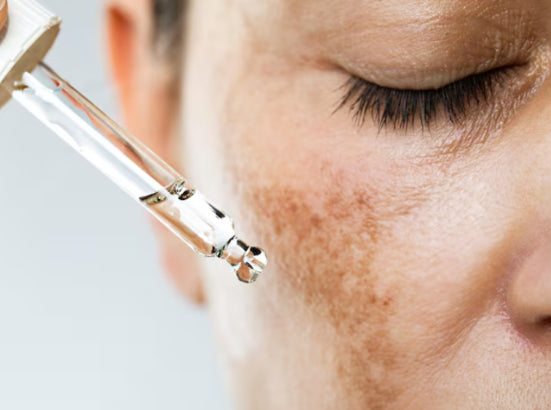
Updated on: 2026-05-16 Choosing effective pigmentation treatment solutions requires more than a single product choice. It starts with correct identification of the cause and type of discoloration. A structured routine can support more even tone by combining gentle cleansing, sun protection, and targeted actives. This guide explains how to evaluate options, plan a safe regimen, and track progress with realistic expectations. Buyer’s Checklist Step-by-Step Guide FAQ Closing Thoughts & CTA About the Author Buyer’s Checklist Before you buy pigmentation treatment solutions, align your purchase decision with your skin needs and your routine style. Pigmentation is a broad category that can include sun-related dark spots, post-inflammatory marks, and uneven tone linked to hormonal or environmental triggers. A thoughtful selection process improves consistency and helps you avoid mismatched ingredients. Identify your pigmentation pattern: Note whether the issue is from sun exposure, irritation, acne healing, or general uneven tone. Choose a routine-ready format: Consider cleansers for preparation, serums for targeted care, and sunscreen for daily maintenance. Prioritize daily sun protection: Look for a reliable UV filter designed for everyday wear. Prefer well-tolerated base care: Gentle cleansing and hydration support skin barrier function and reduce unnecessary irritation. Select actives with complementary roles: Combine ingredients for exfoliation, brightening, and antioxidant support rather than relying on one step only. Check sensitivity and compatibility: If you have reactive skin, favor simpler ingredient lists and introduce one active at a time. Review finish and comfort: Textures should match your climate and daily habits to improve adherence. Plan for long-term consistency: Discoloration management benefits from a routine that you can sustain. Checklist icons showing triggers, care steps, and UV focus Step-by-Step Guide This step-by-step guide focuses on practical decisions that support pigmentation management. It uses routine logic that many dermatology-informed regimens follow: cleanse gently, prepare the skin, apply targeted ingredients, and protect daily with UV filters. You will also find internal product links to help you explore categories on Allodermis. Step 1: Build a gentle cleansing baseline Start with a cleanser that removes debris without over-stripping. A calm skin surface supports even application of actives. For daytime routines, a gentle facial wash can reduce residue and help you maintain comfort. Explore options such as gentle facial cleanser for a baseline approach, and consider foaming face wash if your routine benefits from a slightly deeper cleanse. Step 2: Add hydration to support barrier comfort Hydration matters because many brightening actives work best when the skin barrier is stable. If your skin feels tight after washing, prioritize soothing moisture before increasing intensity. You can consider a hydrating lotion such as facial hydrating lotion to support daily comfort. Step 3: Use targeted brightening actives strategically Pigmentation is not one problem with one solution. Targeted care often includes antioxidants, skin-smoothing exfoliation, and pigment-supporting approaches. Serums are a common choice because they allow more precise layering. Examples of categories that may fit many routines include vitamin C options, proactive brightening formulas, and specialized serums designed for visible discoloration. On Allodermis, you can review brightening serum and proactive serum for how different formulas are positioned within a brightening routine. Step 4: Choose a sunscreen that you will actually use Sun protection is central to pigmentation control. Even when you use effective actives, UV exposure can reduce progress or contribute to new darkening. Select a sunscreen that matches your daily conditions and feels comfortable enough for consistent use. Consider reviewing options such as UV gel sunscreen for lightweight wear, or sunscreen cream if you prefer a richer feel. Layers diagram: cleanse, serum, moisturizer, sunscreen steps Step 5: Plan a simple morning and evening rhythm A balanced regimen reduces confusion and helps you evaluate what works. A common structure is as follows: Morning: Cleanse gently, apply a hydrating layer if needed, use a targeted serum if it suits your formula, and finish with sunscreen. Evening: Cleanse, apply targeted care or a brightening serum, and add a moisturizer for comfort. Adjust frequency based on your skin response. If irritation occurs, simplify your routine and reduce the number of active steps. Consistency often matters more than frequency. Step 6: Introduce changes gradually When you evaluate pigmentation treatment solutions, add one change at a time. This helps you recognize whether a formula improves tone, increases sensitivity, or requires further barrier support. Gradual introduction is especially useful when combining exfoliating or vitamin-rich ingredients. Step 7: Track progress with objective notes Progress with discoloration management tends to be subtle. Use consistent lighting and take periodic notes to observe changes in uneven tone. Track things such as comfort, dryness, and whether marks look less prominent. Also monitor your triggers. If you notice flare-ups after sun exposure or after irritation events, adjust your protection habits and cleansing choices. FAQ What are pigmentation treatment solutions, and how do I choose the right category? Pigmentation treatment solutions are routine approaches designed to support more even skin tone. They typically include gentle cleansing, daily UV protection, and targeted actives such as vitamin C–based options, antioxidant-supporting serums, and ingredient strategies that help reduce the appearance of dark spots. Choosing the right category depends on your discoloration pattern and your skin sensitivity. Can I combine brightening ingredients with sunscreen without causing irritation? Many routines combine targeted brighteners with sunscreen safely when introduced gradually and supported by hydration. Begin with a simple base routine, use sunscreen consistently, and add one active step at a time. If your skin feels dry or reactive, prioritize moisturizing and reduce active intensity until comfort returns. How should I evaluate whether a pigmentation routine is working? Evaluate changes using consistent lighting and periodic notes. Focus on overall tone uniformity and whether marks appear less noticeable. Also track skin comfort, because irritation can worsen the look of pigmentation. If you experience persistent irritation, simplify your routine and reassess product compatibility. Are natural supplements or oral products part of pigmentation support? Oral nutrition can complement a skincare routine, but results vary by individual factors and overall diet. If you consider supplements, choose products from reputable sources and follow the label instructions. Maintain a skincare foundation of gentle cleansing and consistent sun protection, since UV exposure is a major driver of uneven tone. Closing Thoughts & CTA Effective pigmentation treatment solutions are built on consistency, smart ingredient pairing, and daily UV defense. When you use a routine that you can maintain, you improve your ability to observe meaningful changes in tone and texture over time. Explore curated options on Allodermis to help you design your routine, such as proactive brightening care, UV gel sunscreen, and gentle cleansing support. If you want a structured plan, start with the baseline steps and add targeted care one change at a time. Disclaimer: This article is for informational purposes only and does not constitute medical advice. Results vary based on individual skin conditions and adherence to a routine. For persistent discoloration, irritation, or uncertainty about causes, consult a qualified healthcare professional. About the Author Allodermis is an ecommerce and skincare-focused brand with expertise in product discovery, ingredient education, and routine planning. The author team supports shoppers by translating dermatology-informed concepts into practical buying guidance. The focus includes barrier-friendly routines, sun protection strategy, and ingredient compatibility for visible uneven tone. Thank you for reading. Use this guide to create a consistent approach to pigmentation management.
Learn more