
































Acne Management: A Practical Guide to Clearer Skin

Updated on: 2026-06-06
Acne can change how your skin looks and how you feel day to day. This guide explains acne management using evidence-based routines and practical habits. You will learn how to build a consistent plan for cleansing, treating, protecting, and monitoring progress. The article also covers common mistakes that can worsen breakouts and how to respond when acne persists.
A Simple Acne Management Routine
Choosing Products Without Overcomplication
Lifestyle and Skin Care Habits
Introduction Paragraph
Acne is common, and it often has more than one driver, such as clogged pores, inflammation, excess oil, and friction. Effective acne management is not about using more products. It is about using the right ingredients in the right order and keeping the routine steady long enough to measure results. When you approach acne with structure and patience, you can reduce breakouts, limit irritation, and support clearer-looking skin.
If you have tried many steps and still see flare-ups, the solution is usually a clearer plan. This article offers a practical framework for acne management that fits into daily life. It also explains how to adjust your routine based on your skin response, rather than reacting to every new pimple.
Benefits & Reasons
Consistency improves outcomes. Acne treatment often requires repeated exposure to active ingredients. A stable routine helps your skin adapt and reduces the cycle of irritation and rebound breakouts.
Less irritation supports faster healing. Over-cleansing, harsh scrubs, and too many active ingredients can damage the skin barrier. With gentler choices and measured treatment, your skin can recover between flare-ups.
Targeted care addresses multiple acne pathways. A complete plan can include pore-focused cleansing, anti-inflammatory treatment, and daily sun protection. This combination supports both prevention and visible improvement.
Better monitoring reduces guesswork. When you track what you change and when you change it, you can identify triggers such as new products, friction, or inconsistent application.
How Acne Management Works
Acne forms when pores become clogged and inflammation increases around trapped material. Sebum, dead skin cells, and bacterial imbalance can contribute to the process. Acne management therefore benefits from strategies that reduce clogging, calm inflammation, and support skin barrier function.
For many people, the most effective plan includes four pillars: cleansing, treatment, moisturization, and sun protection. Each pillar has a specific job. Cleansing removes excess oil and debris without stripping. Treatment targets acne-related pathways. Moisturization reduces dryness from active ingredients. Sun protection helps prevent post-acne marks from becoming more noticeable.

Cleanser, treatment, moisturizer, sunscreen workflow icons
A Simple Acne Management Routine
The goal is not to overcorrect. The goal is to build a routine that your skin can tolerate. Below is an example structure that you can adapt to your needs and product selection.
Morning routine
- Cleansing: Use a gentle cleanser to remove overnight oil and reduce surface buildup.
- Light treatment: If your skin is sensitive, start with one active product and apply a thin layer.
- Moisturizer: Choose a non-comedogenic moisturizer to maintain comfort.
- Sun protection: Apply daily broad-spectrum sunscreen to help protect skin from visible discoloration.
Evening routine
- Cleansing: Clean the skin thoroughly but gently, especially if you wear makeup or sunscreen.
- Primary acne treatment: Use your acne-fighting active ingredient as directed.
- Barrier support: Apply moisturizer if the treatment causes dryness.
How to pace changes
Introduce changes one at a time. This approach makes it easier to learn what your skin tolerates. If you add multiple new actives at once, you will not know which ingredient caused irritation or which one improved breakouts.
Choosing Products Without Overcomplication
Product selection is one of the most common obstacles in acne management. Many people switch products too frequently or add multiple strong actives. A better strategy is to select a small set of products that cover the key needs in your routine.
Start with a gentle cleanser
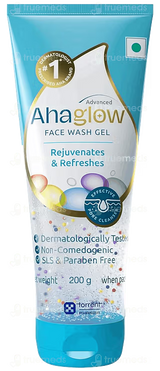
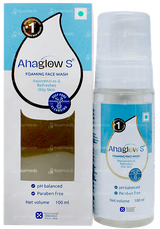
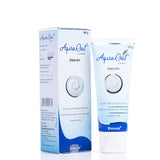
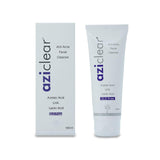
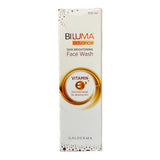
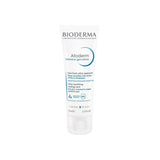
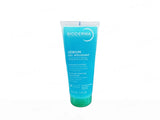
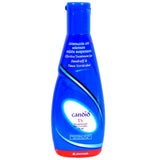
A cleanser should remove excess oil and residue while maintaining barrier comfort. If your cleanser is too harsh, your skin may feel tight and produce more oil as a compensatory response. Consider using a gentle, daily formula such as gentle cleanser to support consistent cleansing.
Use one main active ingredient
There are different categories of acne treatments. Some focus on unclogging pores, while others reduce inflammation or improve skin cell turnover. Choose one primary active, use it as directed, and give your skin time to adjust.
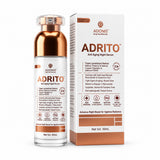
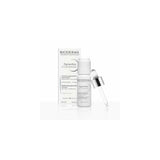
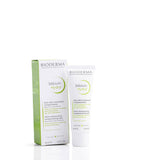
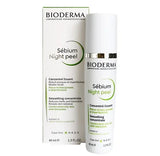
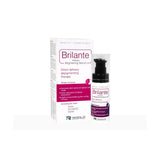
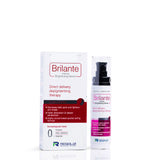
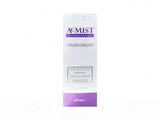
For example, if you want a targeted facial treatment option, you may explore proactive acne serum for a structured treatment approach. If your acne is paired with oil control needs, a daily-use strategy such as oil control cleanser can help reduce surface greasiness.
Do not skip moisturization
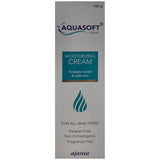
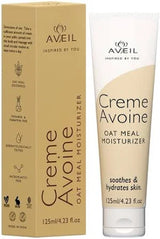
Even acne-prone skin needs hydration. When treatment dries your skin, the barrier can become more reactive. Choose a light, non-greasy moisturizer and apply it consistently.
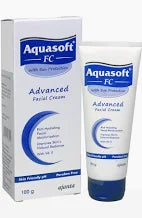
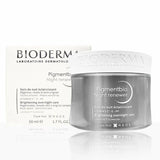
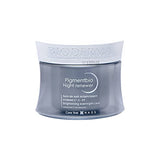
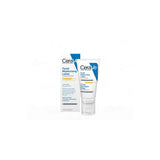
If you also want hydration support in your routine, consider facial hydration lotion as part of a barrier-friendly routine.

Timeline chart showing single change, skin response, and balance
Choose sunscreen that fits acne-prone skin
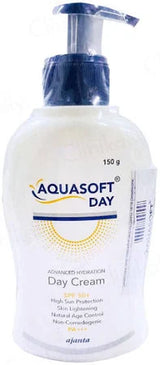
Sun protection is essential in acne management because ultraviolet exposure can worsen the look of post-acne marks. A lightweight, daily sunscreen can also reduce the temptation to skip treatment due to irritation.
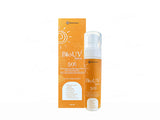
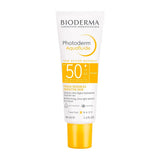
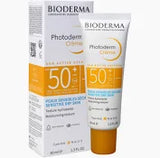
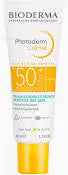
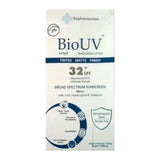
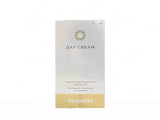
You can evaluate sunscreen options such as acne UV gel SPF 50 or daily sunscreen cream based on texture and comfort.
Lifestyle and Skin Care Habits
Skincare products are only one part of acne management. Daily habits influence irritation, friction, and inflammation. You do not need extreme changes. You need sensible, repeatable behaviors.
Reduce friction and buildup
- Keep hair away from the forehead if breakouts cluster along the hairline.
- Clean items that contact skin frequently, such as pillowcases and phone screens.
- Avoid tight headwear and frequent rubbing of affected areas.
Use makeup thoughtfully
Heavy makeup can trap heat and residue. If you use makeup, remove it thoroughly at night. Consider lighter, acne-friendly application practices and ensure complete cleansing without aggressive scrubbing.
Manage shaving and grooming triggers
If you shave or groom facial hair, use clean tools and avoid dragging the skin. Use a gentle approach that minimizes micro-irritation around follicles.
Monitor stress without blaming it
Stress can affect sleep and inflammation markers, which may influence acne flare-ups. However, stress is not the only cause. Use stress management as a supportive habit, not as a sole explanation for breakouts.
Be cautious with aggressive exfoliation
Acne management does not require constant scrubbing. Frequent exfoliation can increase irritation and delay barrier recovery. If you use exfoliating acids, introduce them gradually and stop if your skin becomes red, burning, or excessively dry.
Diet: focus on observation
Rather than adopting strict diets without guidance, use observation. If you notice consistent patterns between certain foods and flare-ups, discuss changes with a qualified healthcare professional. Personalized guidance is more reliable than general rules.
FAQ
How long does acne management take to show results?
Most acne routines require time to establish consistency and allow active ingredients to work. Skin response often improves gradually, rather than immediately. If you notice persistent worsening, significant irritation, or lack of improvement after a reasonable trial period, consider adjusting the routine with guidance from a qualified professional.
Is it better to treat acne with many products or just one?
Acne management is usually most effective with a focused plan. Using multiple strong actives at once can overwhelm the skin barrier and increase inflammation. A simpler routine that includes gentle cleansing, one primary acne treatment, moisturization, and daily sun protection often supports more stable progress.
What should I do if my acne treatment causes dryness or redness?
Reduce the frequency of the active ingredient and prioritize barrier support with a gentle moisturizer. Ensure your cleanser is not overly stripping and confirm you are using sunscreen daily. If irritation continues, stop the suspected active and consult a dermatologist to choose a lower-irritation approach.
Final Thoughts & Recommendations
Acne management works best when it is structured, gentle, and consistent. Start with a reliable cleansing routine, add one primary active treatment, support your barrier with moisturization, and use sunscreen every day. Then track changes and adjust slowly based on how your skin responds.
If you want a practical starting point, consider selecting products that align with each pillar of the routine and avoid unnecessary switching. For additional guidance on building a care plan, you can explore dermatologist-style routines through the resources available at Allodermis. For optimal results, consider professional advice if acne is severe, painful, or persistent.
About the Author Section
Allodermis is a brand committed to skin health through ingredient-aware skincare education and product guidance. Our team focuses on acne management principles such as barrier support, consistent cleansing, and sun protection. We aim to help readers build realistic routines that prioritize tolerance and long-term skin clarity. Thank you for reading and for taking a thoughtful approach to skin care.
Disclaimer: This article is for general educational purposes only and does not replace medical advice. Individual skin conditions vary, and results depend on many factors. If you have severe acne, painful lesions, or any persistent worsening, consult a qualified healthcare professional for personalized guidance.
Authors & medical review
Swaraj Dhar is a sociopreneur, technologist, and the co-founder of Allodermis.
Every article is fact-checked against current peer-reviewed dermatology literature and Allodermis clinical protocols.
This article was last reviewed and updated on . Published .
Have a skin or hair concern?
Book a free consultation with our AIIMS MD dermatologists. Clinics in Bhubaneswar, Gurgaon, and Delhi NCR.