














Acne Scar Therapies: Options for Clearer, Smoother Skin

Acne scar therapies aim to improve texture, tone, and the depth of marks left after acne. The best plan depends on scar type, skin sensitivity, and how consistently you protect your skin from sun. A combination approach is often more effective than relying on a single method. With realistic expectations and a structured routine, many people can reduce the visible impact of acne scarring over time.
Updated on: 2026-05-31
Introduction
Acne scarring can feel frustrating because it is often harder to treat than active breakouts. Acne scar therapies focus on remodeling damaged skin and improving the look of marks that persist after inflammation has settled. The value of this guide is practical: it helps you match treatment choices to scar patterns, build a supportive skincare routine, and understand common trade-offs. You will also learn how to evaluate options with clearer expectations and safer decision-making.
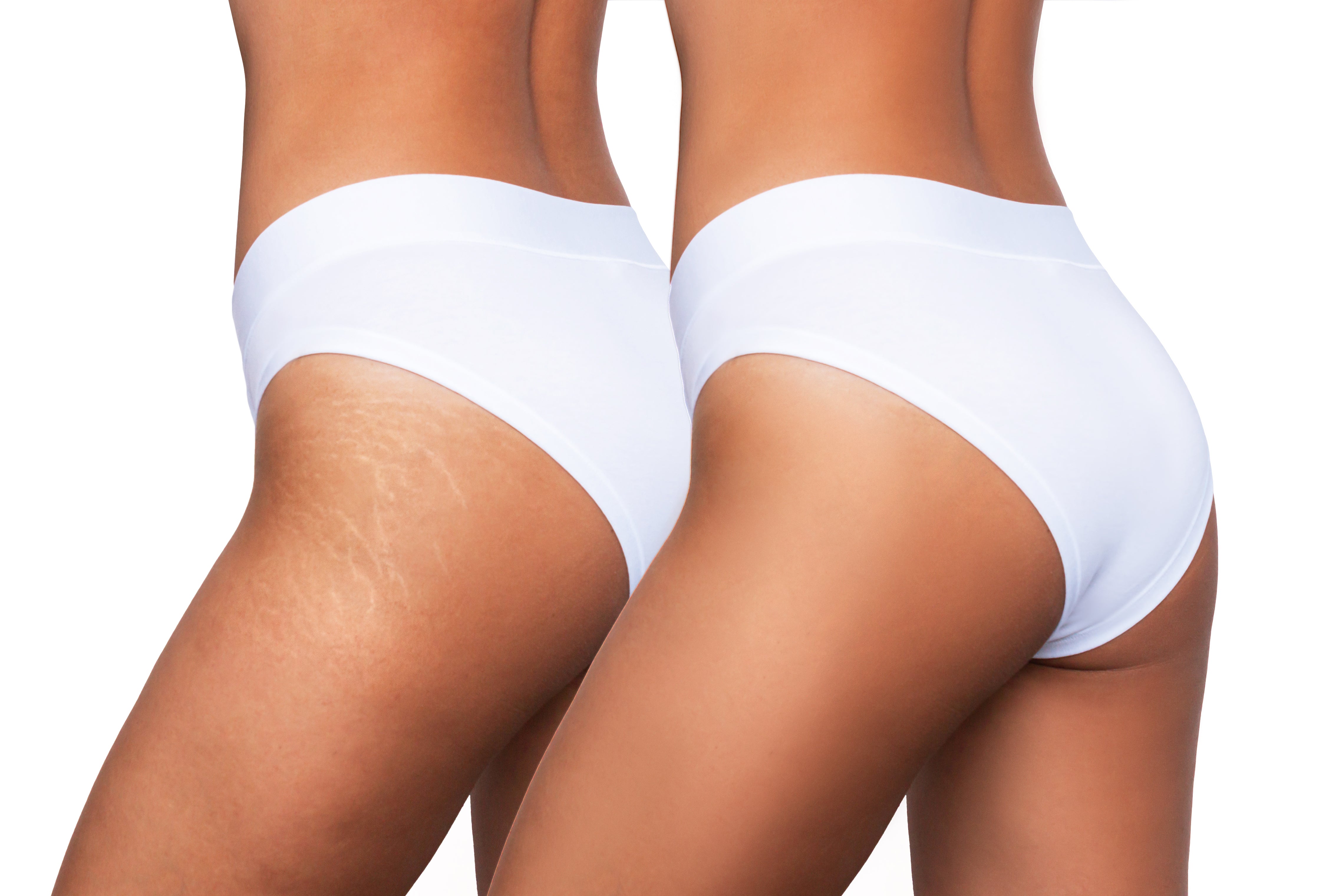
Before you choose a path, it helps to know that “acne scars” is not a single problem. Some scars are raised. Others are indented. Many are a mix of both. This matters because the best approach for one skin pattern may underperform on another.
Did You Know?
- Not all post-acne marks are true scars; some are temporary discoloration that fades with consistent care.
- Inflammation and collagen disruption during acne can lead to texture changes that require targeted remodeling.
- Sun exposure can worsen the appearance of old marks by increasing pigment activity in healing skin.
- Raised scars and indented scars respond differently, which is why scar type determines treatment selection.
- A supportive regimen can improve results by improving barrier health and reducing irritation that slows progress.
Comparison: Pros & Cons
- Chemical exfoliation (gentle acids): Pros: Can reduce dullness and support smoother texture; Cons: May irritate sensitive skin if overused.
- Topical scar-focused actives: Pros: Convenient and gradual; Cons: Results can be subtle and require consistency.
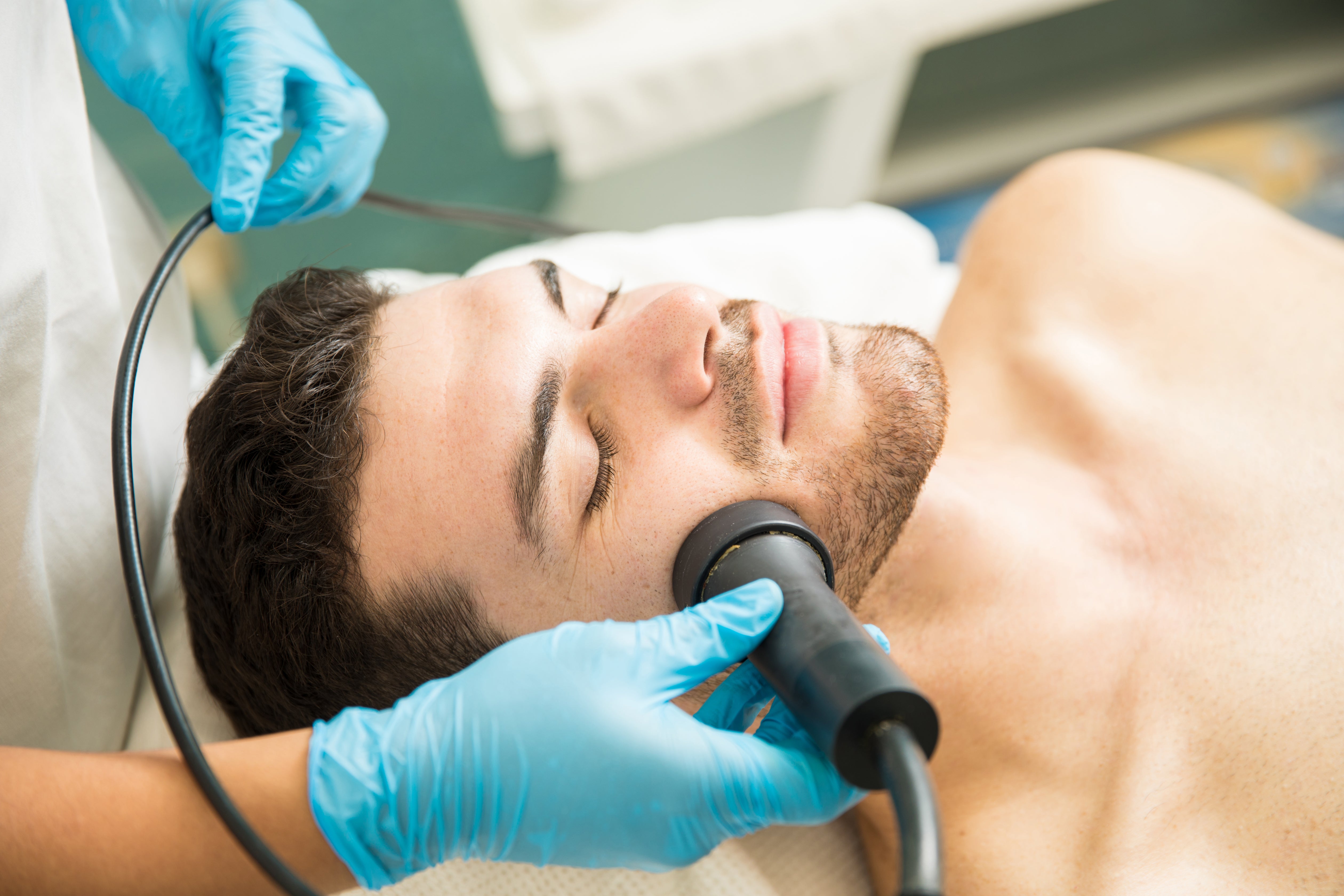
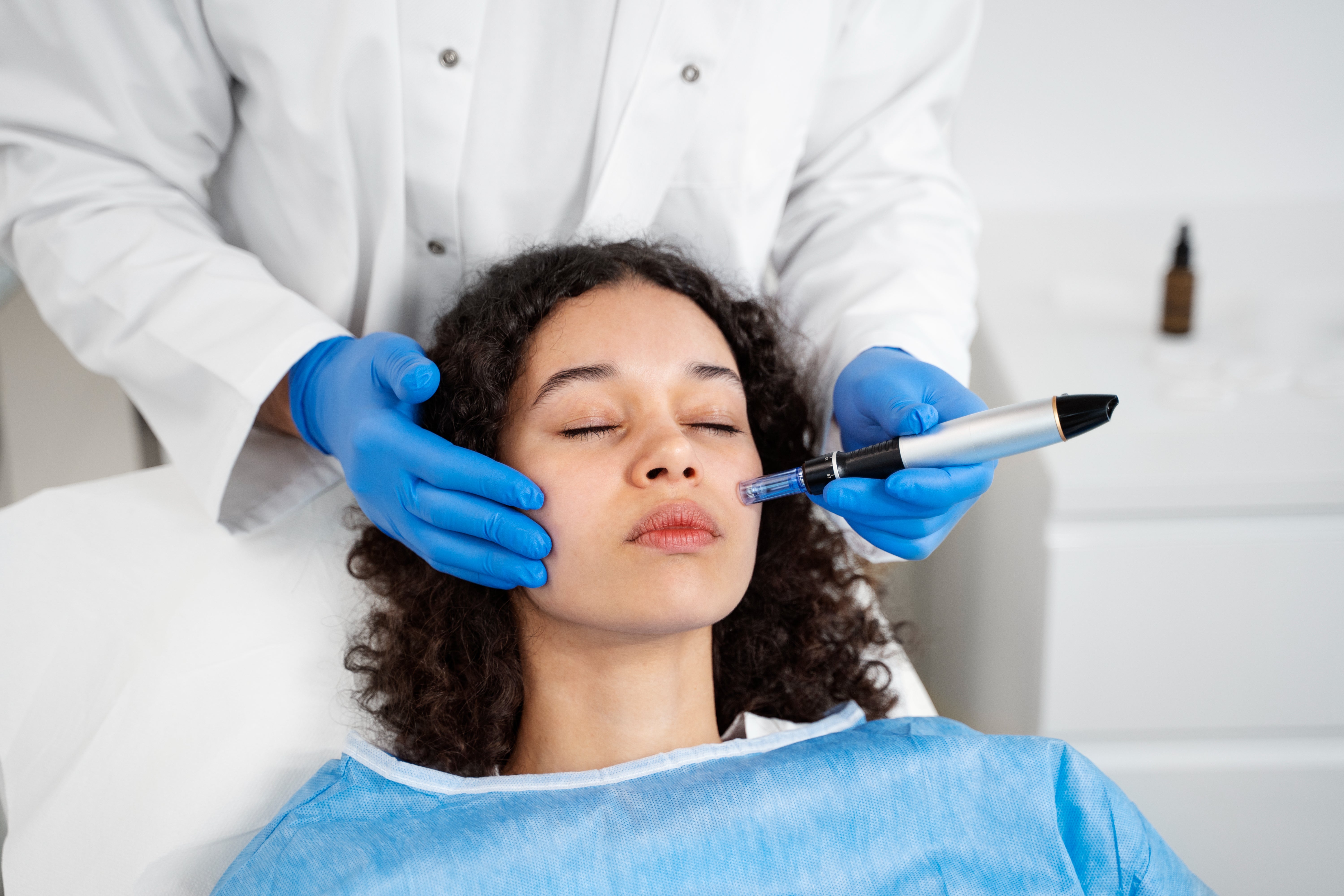
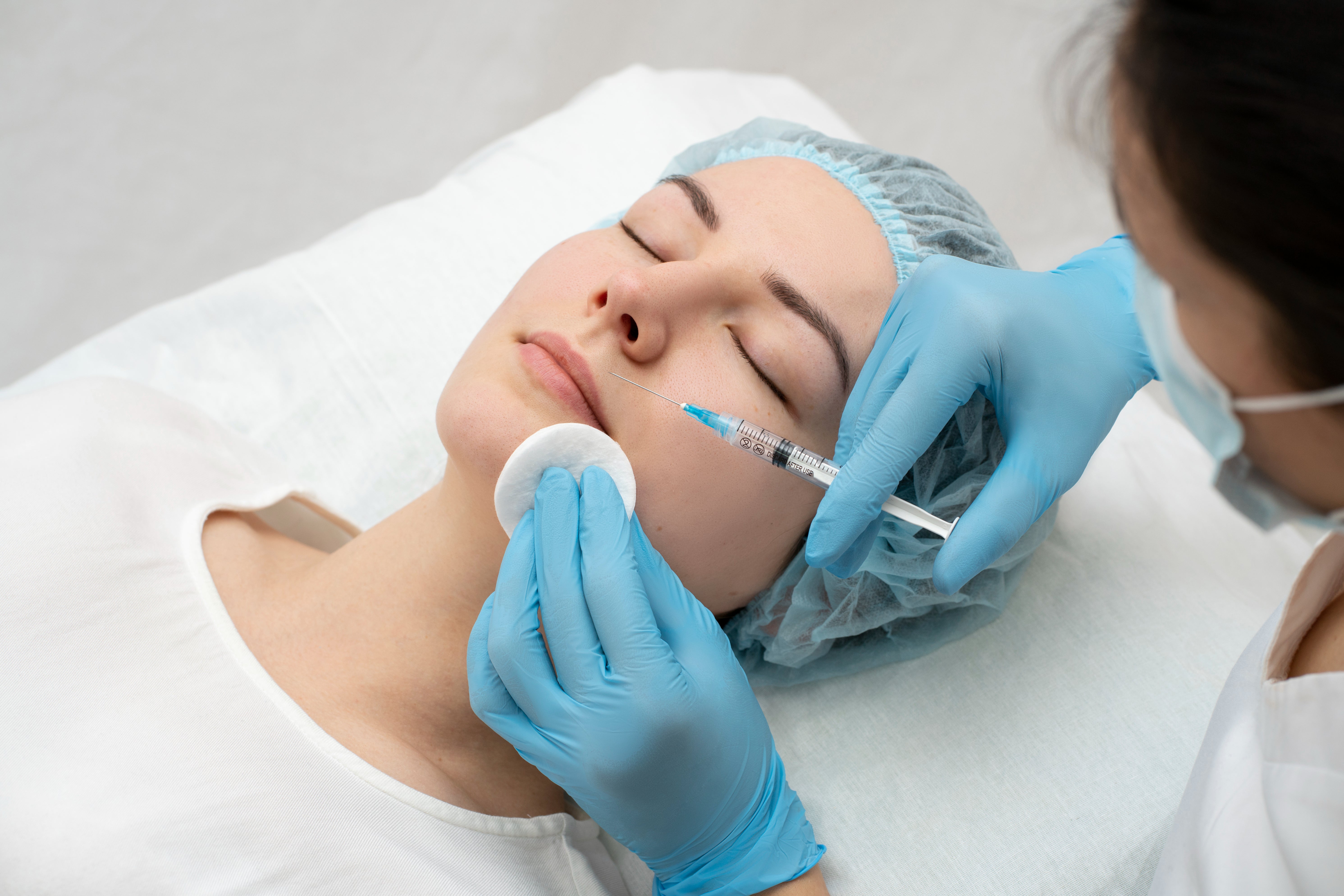
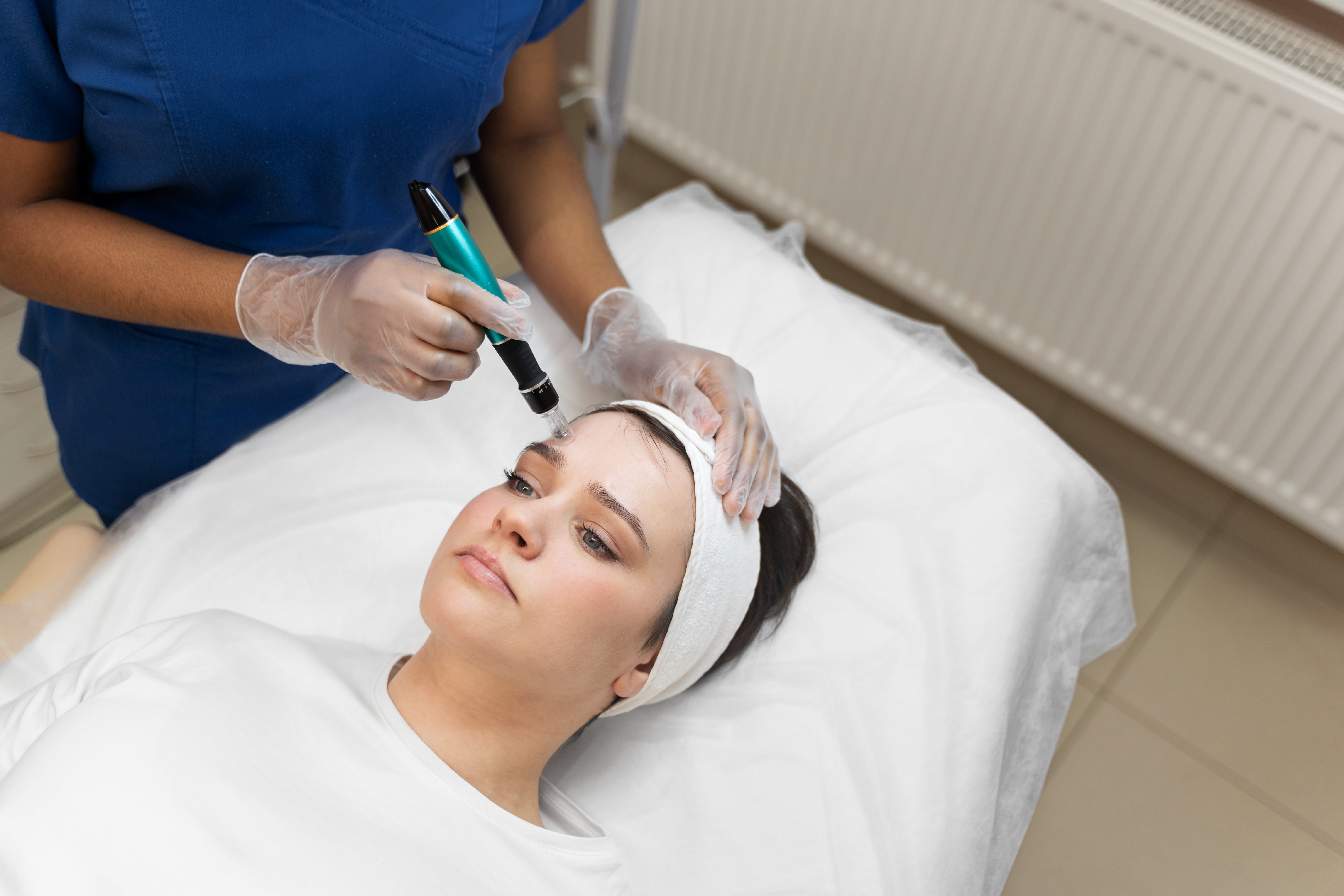
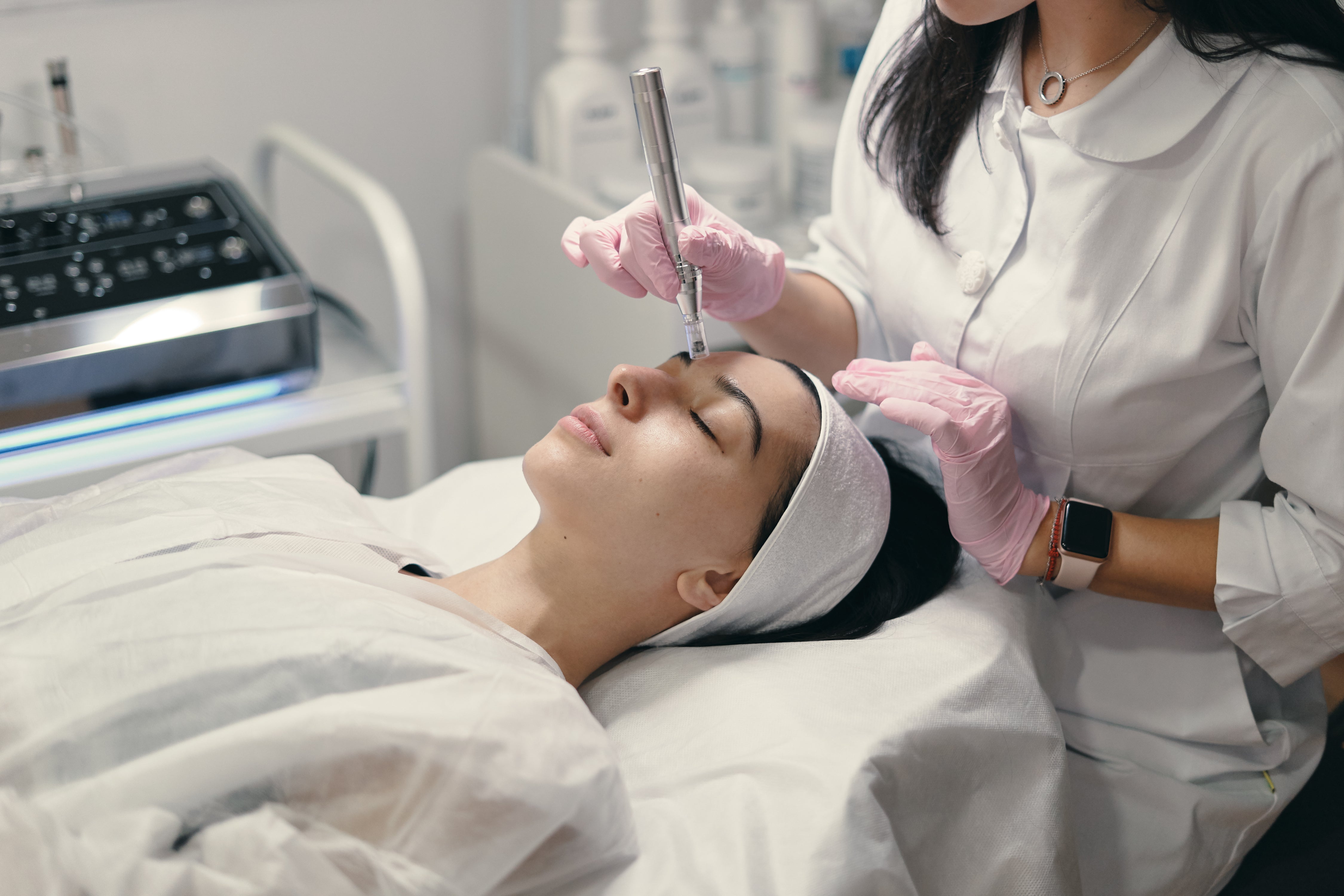
- Microneedling: Pros: Can stimulate collagen for texture improvement; Cons: Needs correct technique and downtime varies by person.
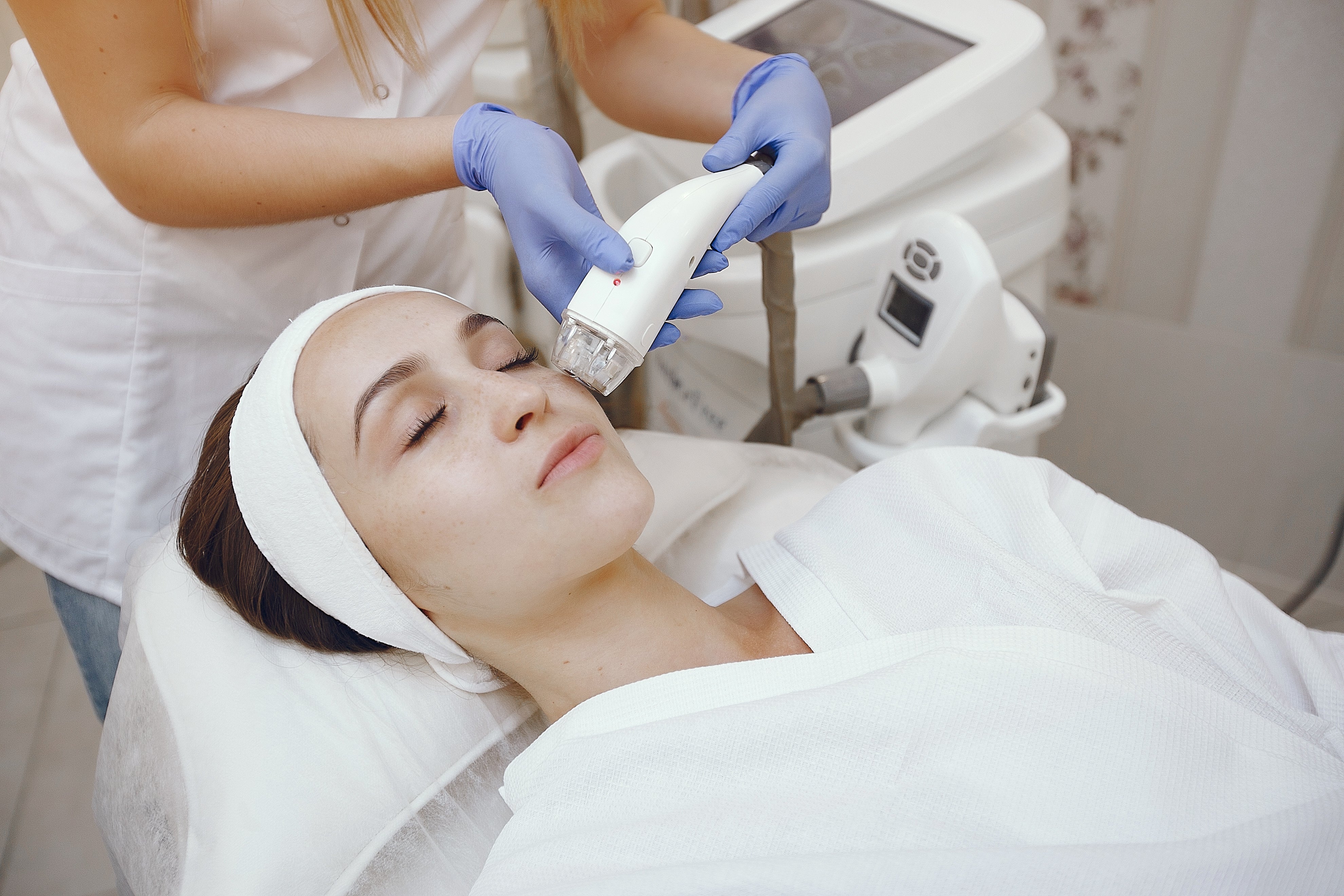
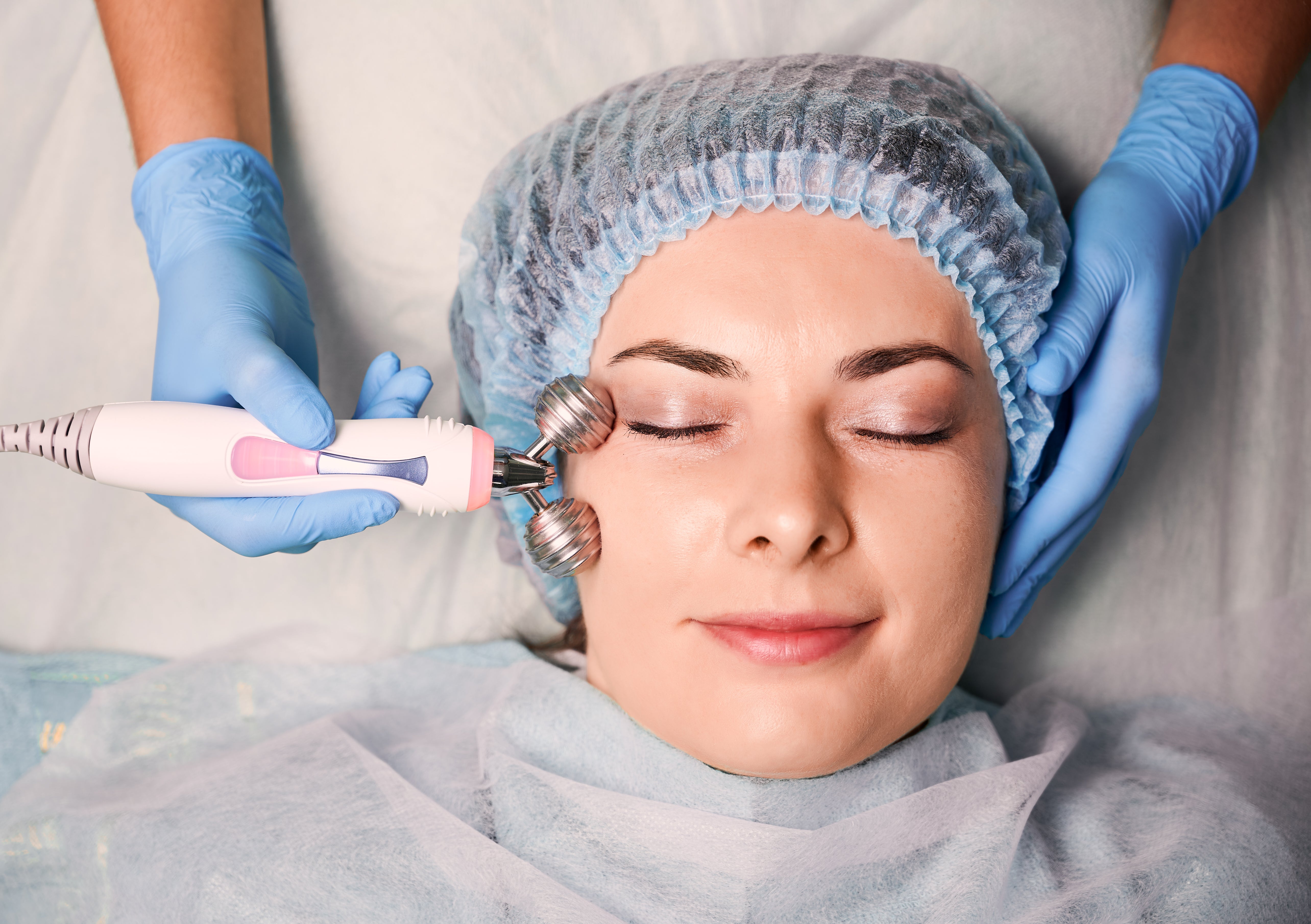
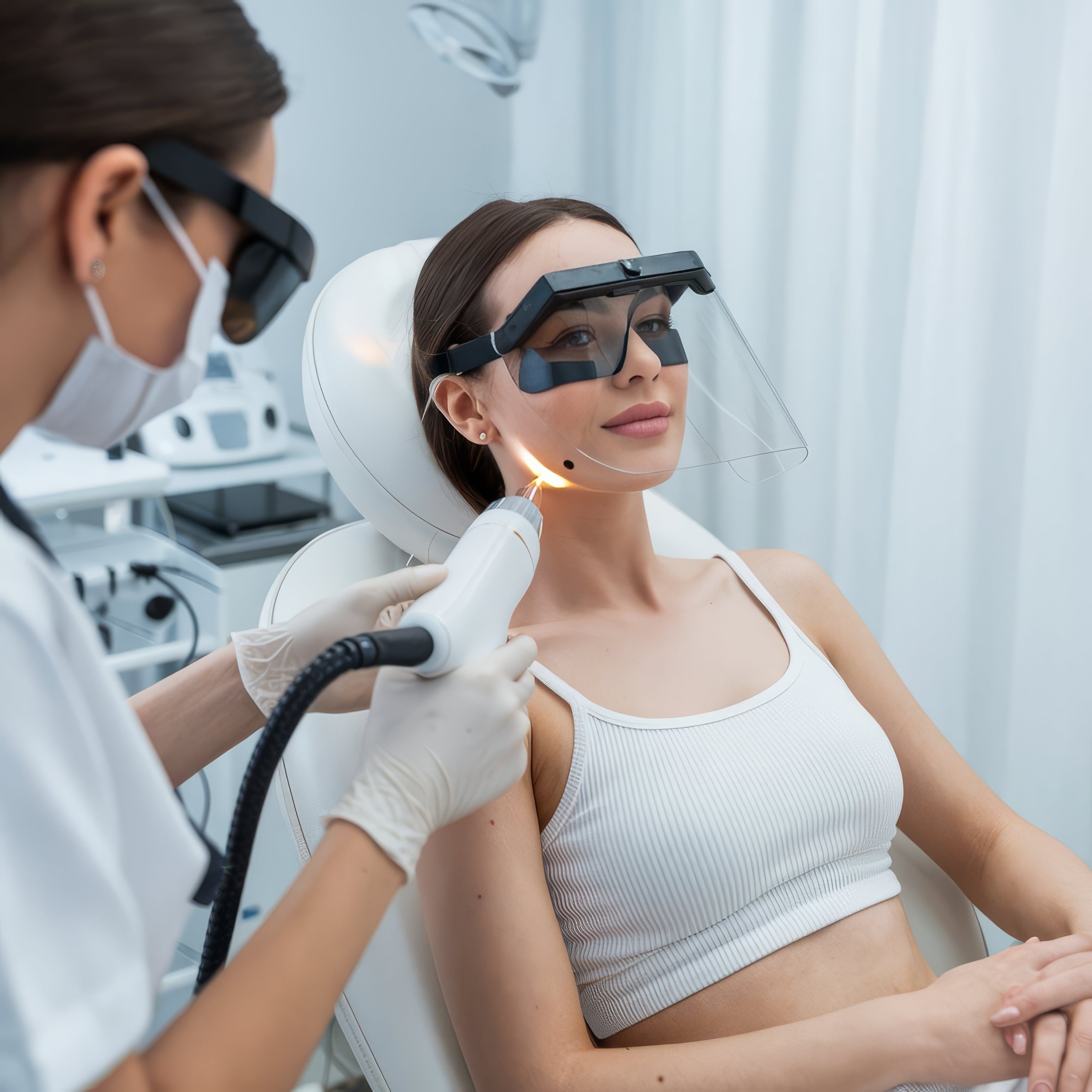
- Laser and light-based options: Pros: Can target pigment and texture; Cons: Often requires professional assessment and careful aftercare.
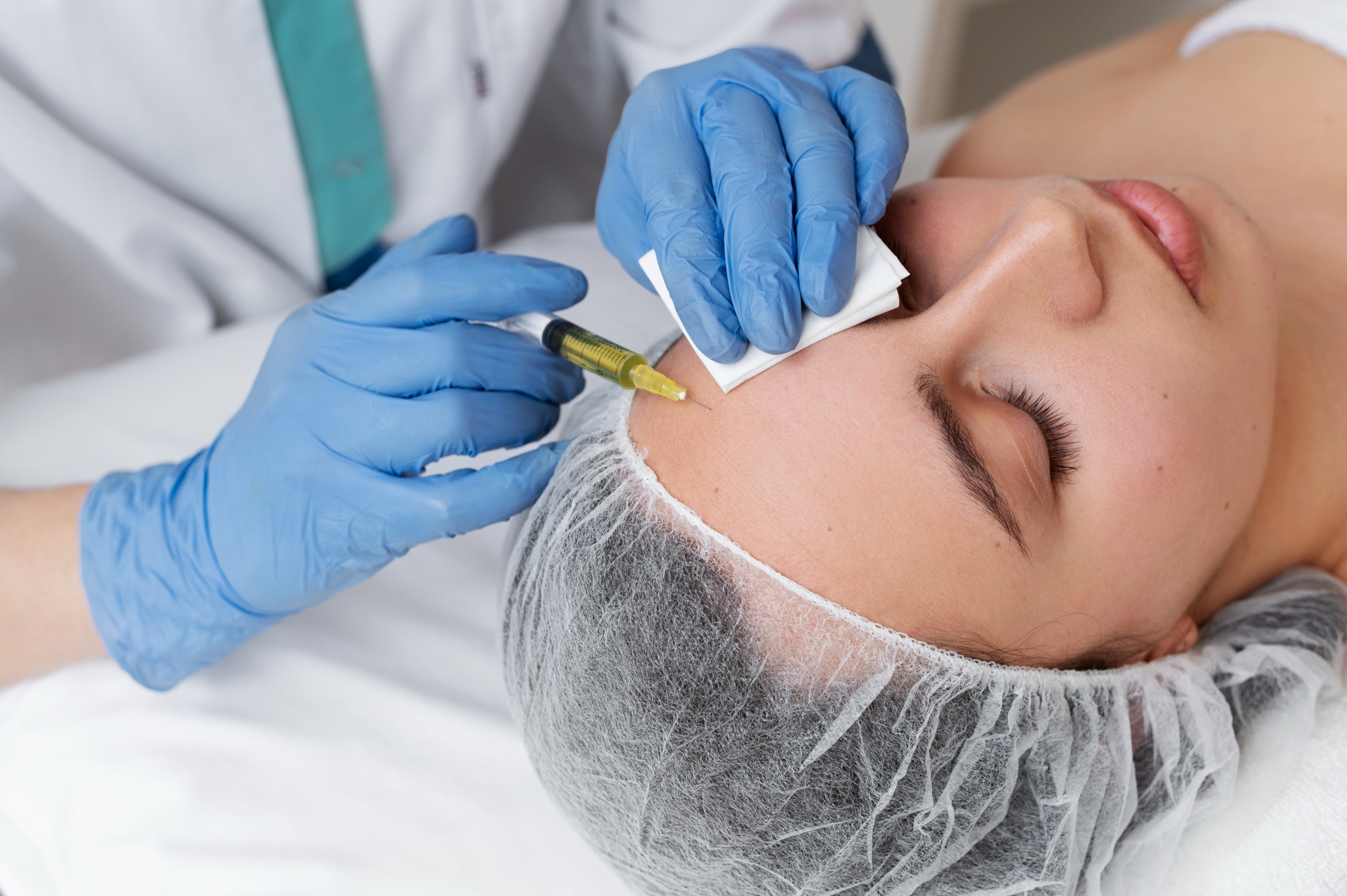
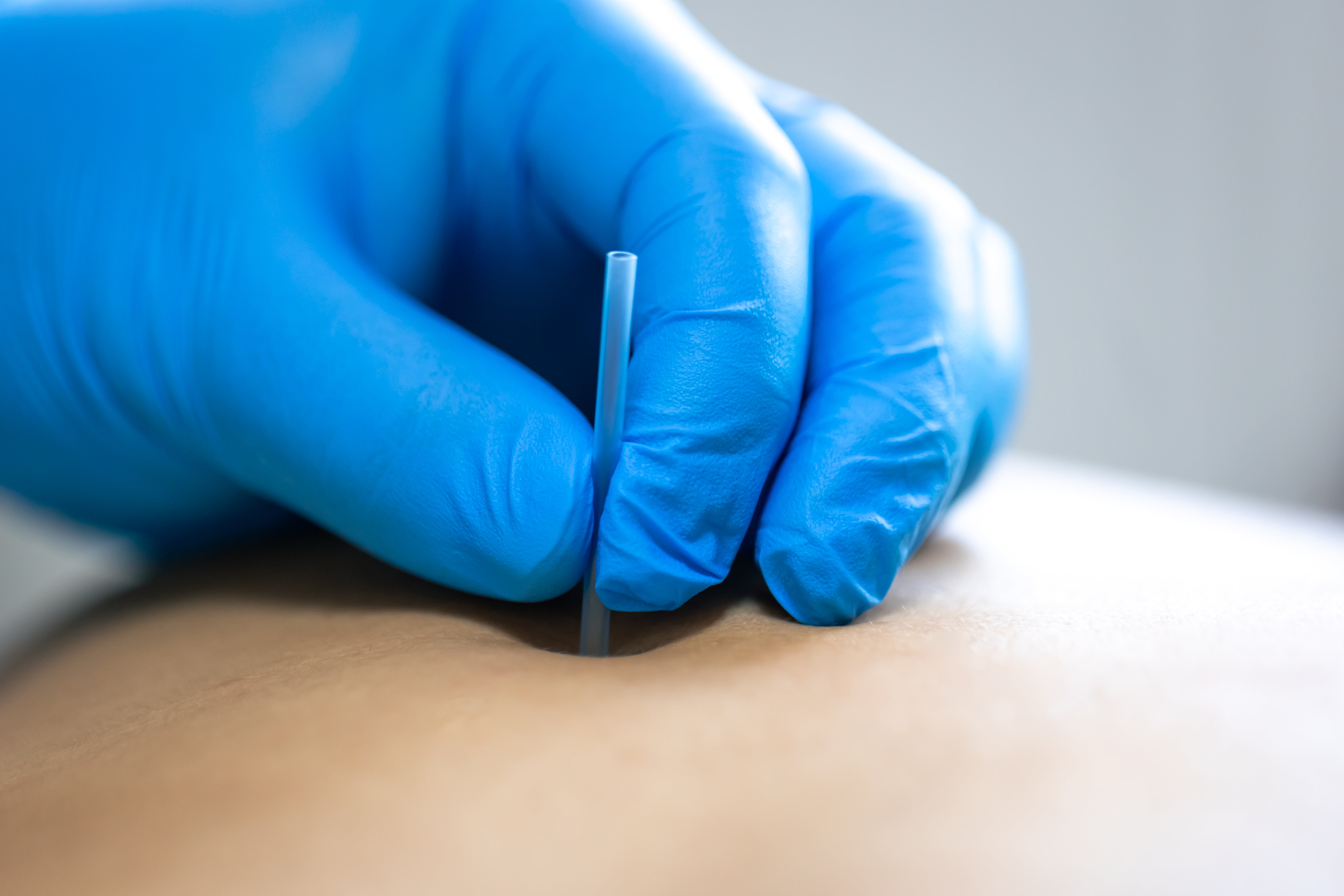
- Subcision and surgical approaches: Pros: Can address specific indented structures; Cons: Typically more involved and best for certain scar patterns.
Acne Scar Therapies by Scar Type
Matching therapies to scar type is one of the most effective ways to reduce wasted effort. Below is a practical framework for decision-making.
1) Indented scars (atrophic scars)
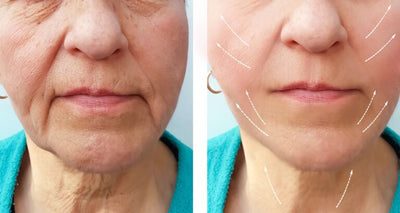
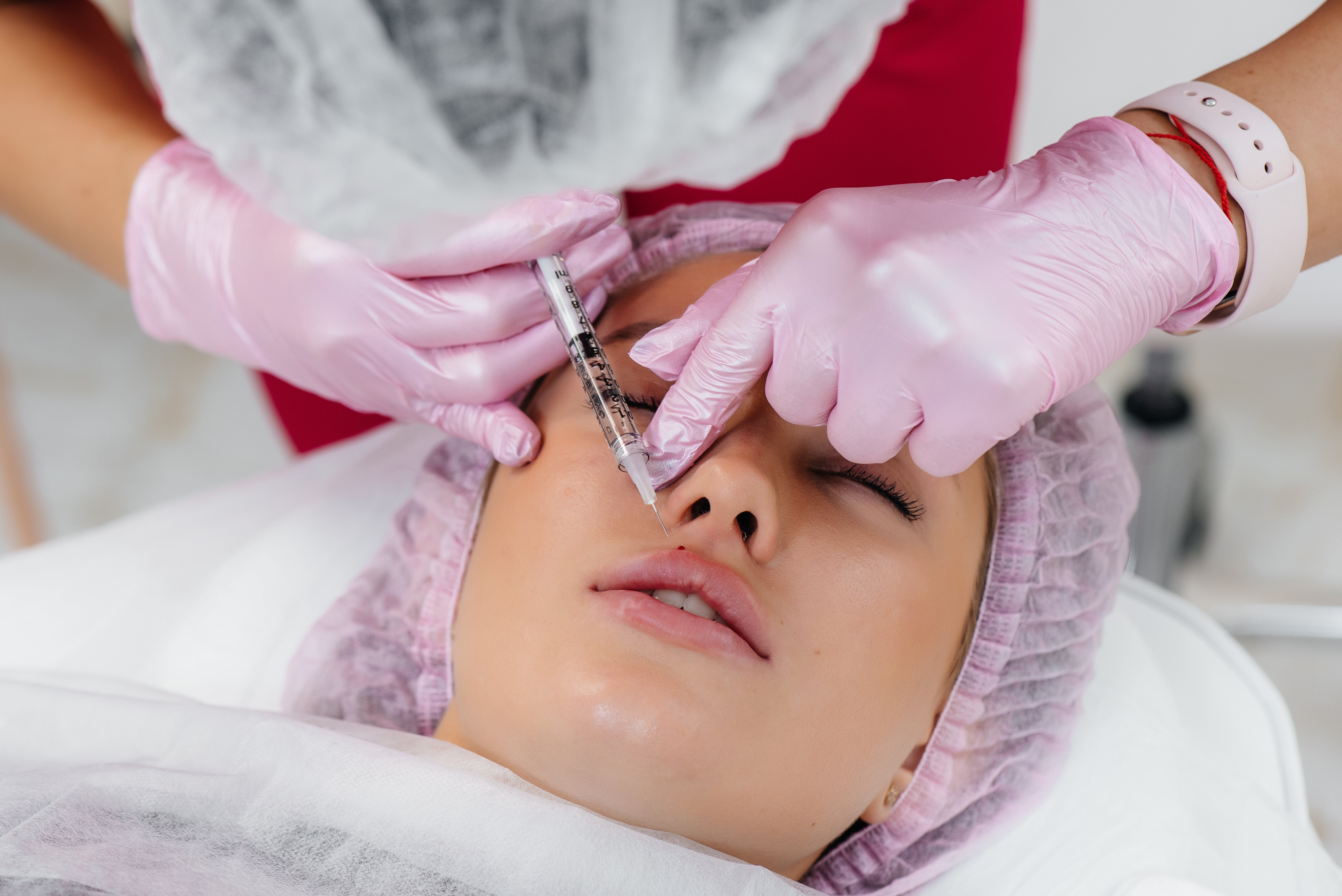
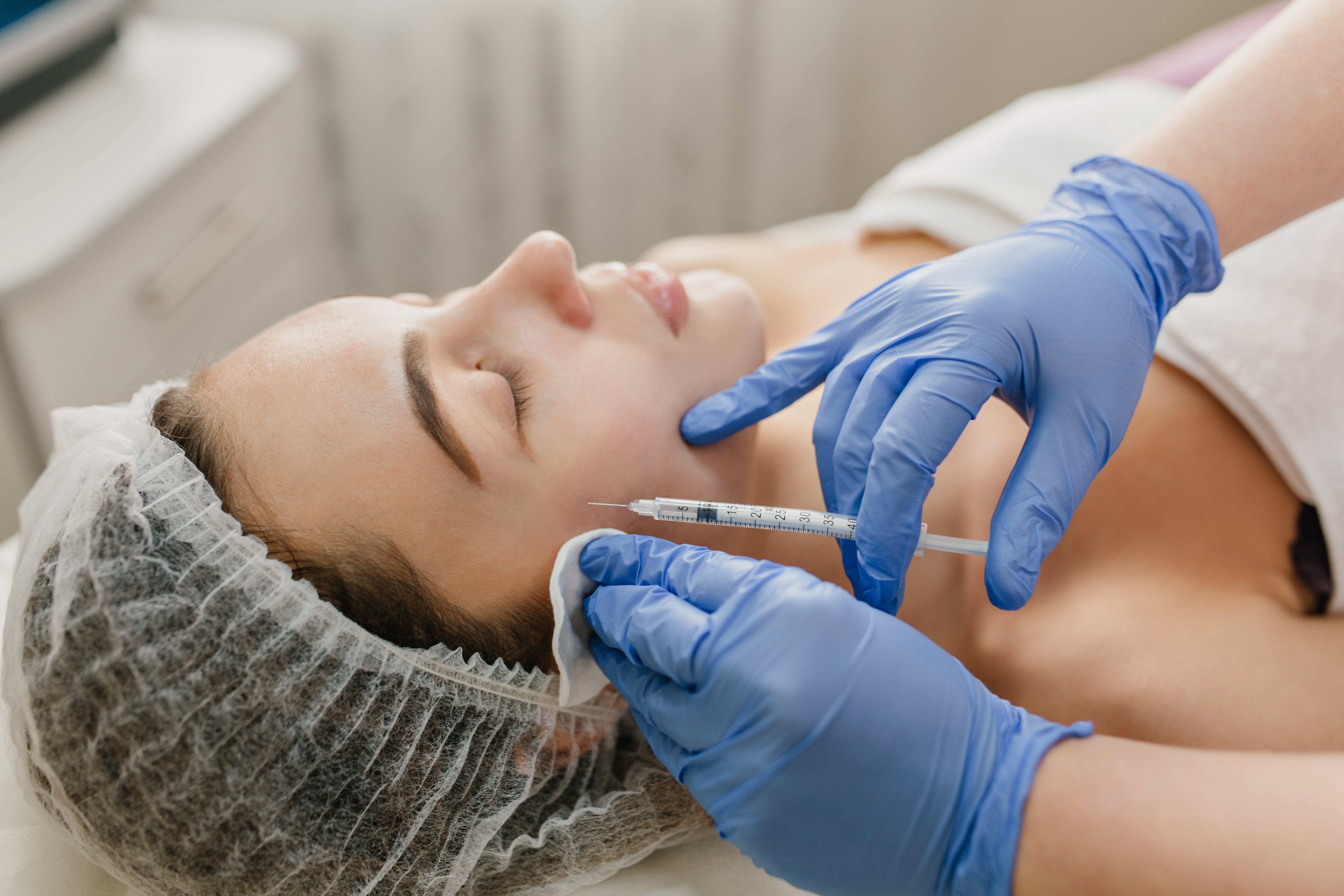
Indented scars are often linked to disrupted collagen support beneath the skin surface. Acne scar therapies that stimulate deeper remodeling are commonly considered. Microneedling and select laser modalities can help improve texture. Subcision is sometimes used when tethering creates a visible “pull” in the skin.
2) Raised scars (hypertrophic or keloid-like scars)
Raised scarring involves an overproduction of collagen during healing. Treatments may focus on flattening texture and calming inflammation. Options can include medical approaches and careful topical support depending on your skin response. Because raised scars can remain active for long periods, early evaluation is valuable.
3) Post-acne discoloration
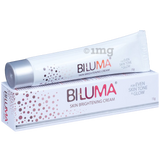
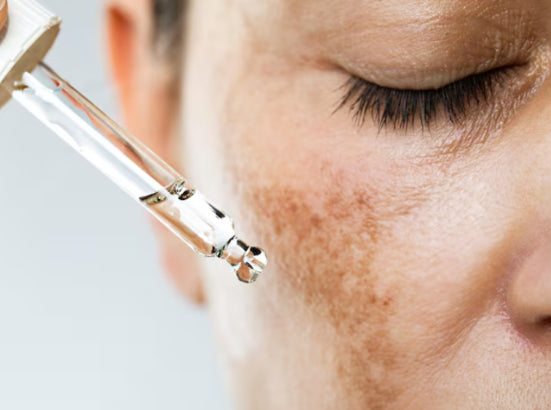
Many people notice brown or red marks after acne. These are often pigment changes or lingering redness rather than permanent structural scars. In these cases, acne scar therapies may include brightening-focused ingredients plus diligent daily sun protection. When redness or discoloration fades, the overall skin surface often appears more even even without dramatic texture work.
Skin Care Foundations That Support Scar Improvement
Even when you plan professional treatments, daily skincare sets the stage for better outcomes. A strong foundation reduces irritation, supports healing, and limits pigment darkening. The following elements are widely relevant for scar recovery routines.
Daily sun protection
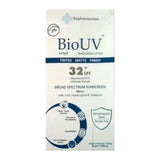
Consistent sunscreen use is essential. Ultraviolet exposure can intensify pigment and prolong the look of old marks. Look for broad-spectrum coverage with stable protection. If you are using exfoliating or resurfacing treatments, sunscreen becomes even more important to prevent new discoloration.
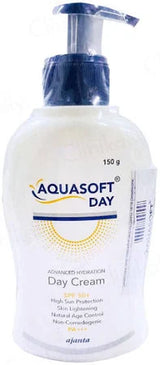
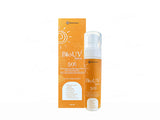
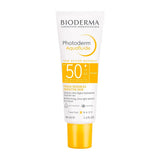
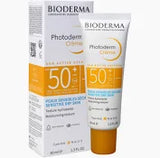
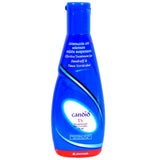
If you are searching for a routine-aligned option, consider an acne-friendly approach such as acne UV gel SPF 50 or a lightweight daily sunscreen like SPF 50 PA sunscreen.
Barrier-supporting cleansing
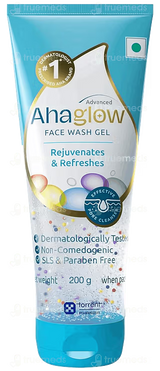
Gentle cleansing helps remove oil and residue without stripping the skin barrier. Over-cleansing can worsen sensitivity, which can delay the benefits of scar work. Choose a cleanser that feels comfortable and use it consistently.
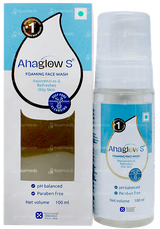
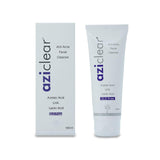
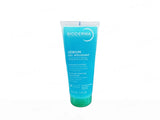
You may prefer a gentle option such as gentle cleanser to support a stable routine.
Targeted exfoliation and pigment support
For discoloration and rough texture, mild exfoliation can help. Chemical exfoliants like lactic acid, glycolic acid, or salicylic acid may support smoother appearance when used at a pace your skin tolerates. If you are new to actives, start gradually. If irritation appears, reduce frequency and prioritize barrier recovery.
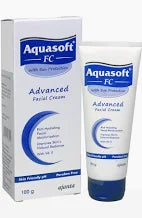
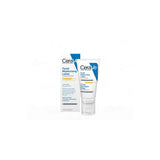
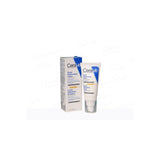
When aiming to support a brighter tone, some people pair exfoliation with a hydrating approach using products like rich facial hydration lotion to maintain comfort during active use.
Hydration and soothing
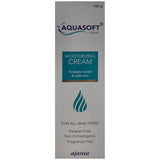
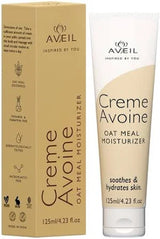
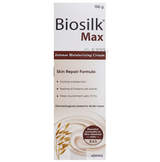
Hydration does not erase scars by itself, but it supports the skin’s readiness for treatment. Well-hydrated skin is less reactive, which can make it easier to maintain a steady regimen. A lotion or moisturizer that suits your skin type can reduce dryness that otherwise triggers rebound redness.
Buyer’s Checklist
This checklist is designed to help you choose acne scar therapies in a way that is realistic, safe, and consistent.
- Confirm your scar category: Identify whether your main issue is texture, raised scars, or discoloration. Take note of which problem is most visible.
- Assess your skin sensitivity: If you have a history of irritation, prioritize gentle routines and avoid stacking too many strong actives at once.
- Choose a compatible cleanser: Use a non-stripping cleanser so your routine remains stable between active treatments.
- Use daily sun protection: Make sunscreen a non-negotiable step to prevent pigment recurrence.
- Plan for consistency: Many scar improvements are gradual. Select a regimen you can follow without frequent changes.
- Start with conservative frequency: Introduce exfoliation or scar-supporting actives slowly to reduce irritation risk.
- Evaluate ingredient fit: Look for soothing and hydrating support if your skin feels reactive.
- Set expectations based on scar depth: Indented scars usually need texture remodeling, while discoloration may fade more readily.
- Know when to seek professional guidance: If scars are deep, raised, or worsening, an in-person assessment can improve decision quality.
Final Thoughts & Advice
Acne scar therapies can be effective, but success depends on correct matching of treatment strategy to scar pattern and skin needs. Indented scars often require collagen remodeling approaches, while post-acne discoloration can improve with consistent pigment-support and daily sun protection. Raised scars may need specialized care and should not be treated with a one-size-fits-all mindset.
For long-term improvement, focus on repeatable fundamentals: gentle cleansing, daily broad-spectrum protection, and a steady routine that your skin can tolerate. Consider building your regimen around barrier comfort so that active steps do not lead to ongoing irritation. If your results plateau or your scars appear severe, consult a qualified dermatologist to refine your plan.
CTA: If you want to standardize your daily routine around sun protection and gentle skincare support, explore options on Allodermis and select products that align with your sensitivity and scar goals.
Q&A Section
How do I know whether I have scars or discoloration after acne?
Scar tissue usually changes texture. Indented scars feel like small depressions. Raised scars look thicker and more prominent. Discoloration primarily changes color, such as red or brown patches, without a clear texture shift. Many people have both, so it is useful to note which aspect is more noticeable in your mirror under natural light.
Are acne scar therapies effective for all skin tones?
Therapy selection can be adapted for different skin tones. The key is choosing methods that respect pigment sensitivity and using daily sun protection. Some strategies that support even tone may require more cautious pacing if your skin tends to hyperpigment. A careful routine and, when needed, professional assessment can help tailor the approach.
What is the most common mistake people make when treating acne scars?
The most common mistake is using too many strong steps at once. Over-exfoliation and irritation can worsen redness, disrupt the barrier, and extend the visible impact of marks. Another frequent error is inconsistent sun protection. Consistency across cleansing, moisturizing, and sunscreen often determines whether improvement looks steady rather than erratic.
When should I consider professional treatment for scar texture?
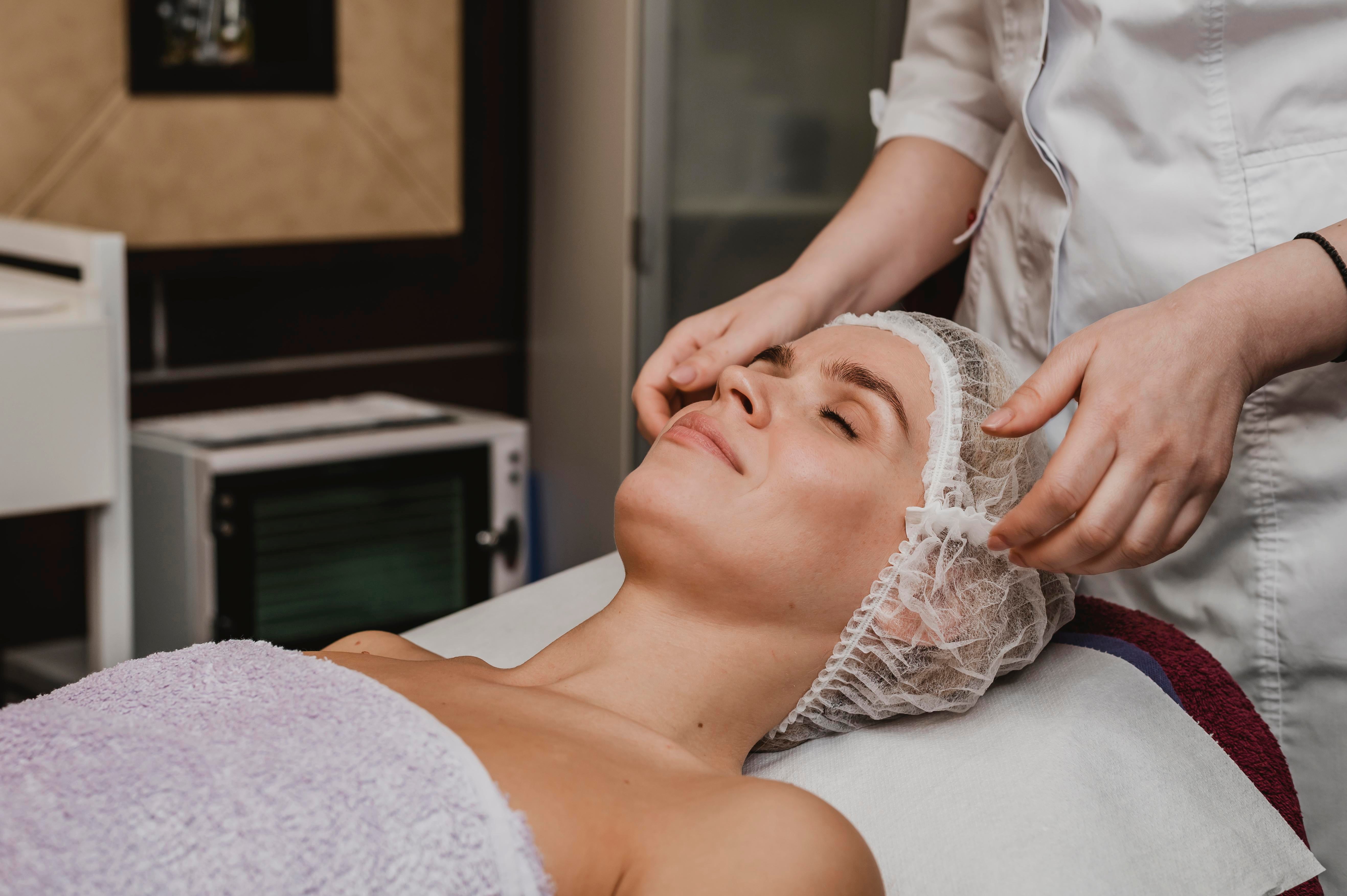
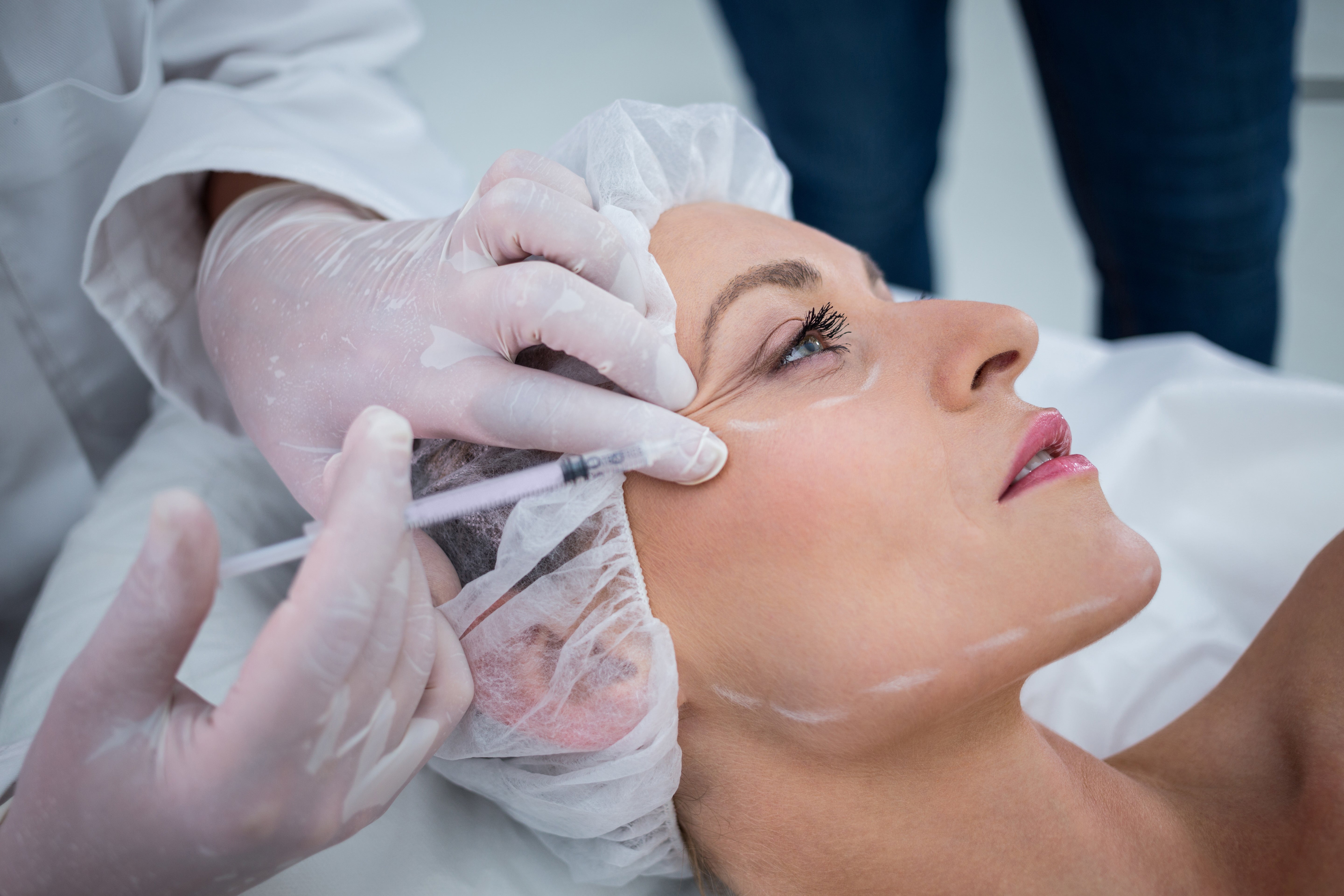
Consider professional guidance if scars are deep, widespread, or clearly worsening, or if home-based routines do not improve texture after consistent use. Many in-office therapies focus on remodeling or targeted resurfacing. A qualified clinician can confirm scar type and propose a plan that aligns with your skin response and goals.
About the Author
Allodermis
Allodermis is a skincare-focused contributor with expertise in ingredient education, routine planning, and evidence-informed beauty guidance. The team supports readers with practical frameworks for safer selection of acne scar therapies and supportive everyday care. Thank you for reading, and take the next step toward a more consistent, skin-friendly routine.
Disclaimer: This article is for educational purposes only and does not provide medical advice, diagnosis, or treatment. Individual results vary, and you should consult a qualified healthcare professional or dermatologist for guidance tailored to your skin condition. If you experience burning, severe irritation, or worsening symptoms, discontinue use and seek professional evaluation.
Authors & medical review
Swaraj Dhar is a sociopreneur, technologist, and the co-founder of Allodermis.
Every article is fact-checked against current peer-reviewed dermatology literature and Allodermis clinical protocols.
This article was last reviewed and updated on . Published .
Have a skin or hair concern?
Book a free consultation with our AIIMS MD dermatologists. Clinics in Bhubaneswar, Gurgaon, and Delhi NCR.