





































Updated on: 2026-05-15
Moisturizers for sensitive skin are designed to support the skin barrier while reducing irritation triggers. The right formula balances hydration with gentle, low-irritant ingredients and a non-stinging texture. A careful approach to cleansing, layering, and patch testing improves comfort and consistency. This guide explains common challenges, practical selection criteria, and evidence-informed routines for everyday use.
1. Why Moisturizers for Sensitive Skin Matter
3. Main Selection Criteria for Gentle Hydration
5. Comparison: Barrier Support vs. Lightweight Comfort
6. A Simple Routine That Reduces Irritation
Why Moisturizers for Sensitive Skin Matter
Choosing moisturizers for sensitive skin is not only about comfort. Sensitive skin often responds to changes in temperature, stress, cleansing habits, and product ingredients. A suitable moisturizer helps limit water loss, supports barrier function, and lowers the likelihood of recurring dryness and tightness.
For many people, the problem is not a lack of hydration. It is a disruption in the skin barrier and an overreaction to irritating or overly complex formulas. The outcome can include rough texture, redness, and recurring sensitivity after routine changes. A targeted moisturizer selection can help your routine feel stable and predictable.
How Sensitive Skin Behaves
Sensitive skin commonly shows signs such as dryness, stinging, or redness after exposure to certain products or environmental stress. Even when skin is clean and well-cared for, barrier function may be more vulnerable. This means your skin can feel reactive to factors that others tolerate easily.
A helpful way to think about sensitive skin is to separate two needs: hydration and tolerance. Hydration focuses on water balance and smoothness. Tolerance focuses on minimizing irritation signals caused by fragrance, harsh surfactants, high-strength actives, or unsuitable textures.
Main Selection Criteria for Gentle Hydration
When you evaluate moisturizers for sensitive skin, prioritize ingredients and product behavior, not marketing promises. A consistent approach often works better than frequent product swaps.
1) Look for barrier-supporting ingredients
Humectants such as glycerin and hyaluronic acid help attract and hold water.
Emollients such as fatty alcohols and oils help soften and reduce roughness.
Occlusives such as petrolatum or ceramide-like blends can reduce water loss.
2) Choose low-irritant, fragrance-conscious formulas
Prefer fragrance-free or fragrance-minimized options when your skin is reactive.
When you suspect irritation, simplify the ingredient list and reduce simultaneous changes.
3) Match texture to your environment
If your skin feels tight, a richer cream may provide comfort.
If your skin feels warm or oily, a lighter gel-cream can still support hydration.
4) Consider compatibility with your cleansing routine
Many sensitivity issues begin with cleansing. If you use a cleanser that is too stripping, even the best moisturizer can feel insufficient. For a gentler start, consider a mild cleanser such as Cetaphil Gentle Cleanser.

Layered care icons: water drop, barrier shield, calm face
Common Challenges
Sensitive skin routines often fail for predictable reasons. Below are frequent challenges and practical solutions that focus on stability, not quick fixes.
Challenge 1: Burning or stinging after application
Stinging can occur when a formula includes irritant triggers or when skin is still overly dry. Solution: apply moisturizer to slightly damp skin after cleansing. Also reduce layering of multiple active products during the first days of change.
If stinging persists, discontinue use and return to a simpler formula. Patch testing on a small area can help you identify compatibility issues early. This approach is especially useful when your skin barrier is already compromised.
Challenge 2: Dryness returns within hours
Short-lived hydration is often a sign that water loss is not fully controlled. Solution: choose a product with both humectants and emollients, and use a slightly thicker layer at night. In many cases, consistency over several weeks matters more than a one-time application.
If you frequently cleanse, adjust the frequency and choose a gentle cleanser. A stable baseline can improve how your moisturizer performs.
Challenge 3: Breakouts or clogged-feeling texture
Sensitive skin can also be acne-prone. The key is to select a formula that balances comfort with non-greasy spread. Solution: consider a lightweight moisturizer and review ingredient behavior such as heavy occlusion or overly thick textures.
If you also use acne-related actives, keep them separate from moisturizer changes. This prevents overlapping irritation. A simple cleanser like Cetaphil Pro Oil Control Foam Wash can be considered if oiliness is part of your sensitivity pattern.
Challenge 4: Redness after switching seasons
Season changes alter humidity and skin dehydration rates. Solution: adjust texture rather than abandoning your routine. In dry seasons, move toward a richer moisturizer at night. In warmer conditions, use a lighter version in the daytime.
Do not change cleanser, toner, and moisturizer simultaneously. One change at a time helps you identify what your skin tolerates.
Challenge 5: Conflicting product layers
Many people layer multiple products such as serums, exfoliants, and moisturizers. When skin is sensitive, too many layers can increase irritation risk. Solution: keep your routine minimal until comfort improves. Then add one product at a time.
Comparison: Barrier Support vs. Lightweight Comfort
Moisturizers for sensitive skin typically fall into two practical categories. The difference is how they feel and how they protect the skin barrier. Use the table below to choose based on your needs.
| Category | Best for | Pros | Potential drawbacks |
|---|---|---|---|
| Barrier-supporting creams | Dryness, tightness, rough texture | More comfort, reduced water loss | May feel heavy in high humidity |
| Light gel-cream textures | Daytime sensitivity, warm climates | Good spread, less residue | Can feel less protective at night |
A Simple Routine That Reduces Irritation
Stability is the goal. A routine that is gentle, consistent, and easy to repeat usually produces better results than frequent experimentation.
Step 1: Cleanse gently
Use a mild cleanser that does not strip moisture. If you have sensitivity, consider a gentle option like Cetaphil Gentle Cleanser. Massage lightly and rinse thoroughly with lukewarm water.
Step 2: Apply moisturizer soon after cleansing
Moisturize while skin is slightly damp. This supports hydration and reduces the chance of tightness. Use a consistent amount, and avoid rubbing aggressively.
Step 3: Use sunscreen in daytime routines
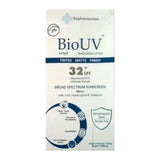
Moisturizer alone cannot replace sun protection. Sensitive skin often reacts strongly to sun exposure, and daily sunscreen can reduce flare-ups caused by irritation and dryness. If you need an option with broad everyday usability, consider I Shield Sunscreen Cream SPF 50 PA.

Routine flow: cleanse, moisturize, shield icon sequence
Step 4: Introduce new products gradually
If you want to add additional treatments, do so one at a time. For example, if you use hydration-first products or occasional serums, keep them separate from moisturizer changes. This makes it easier to recognize what your skin tolerates.
When you use facial hydrating products, select formulas designed for comfort. A hydrating lotion such as Cipla Excela Rich Facial Hydrating Lotion can be considered for supportive daily hydration in routines that prioritize gentle feel.
Summary & Recommendations
Effective moisturizers for sensitive skin are built on barrier support, tolerance, and routine consistency. Select formulations that include humectants, emollients, and barrier-friendly components, and prioritize low-irritant profiles. Pair your moisturizer with a gentle cleansing routine, moisturize on slightly damp skin, and use daily sun protection.
If irritation occurs, simplify your regimen and make one change at a time. Over the long term, a stable routine and careful selection usually deliver the most reliable comfort and appearance improvements.
Q&A Section
How do I choose between a cream and a gel-cream for sensitive skin?
Choose based on the main problem you want to address. If you experience tightness and dryness, a cream texture often provides more comfort and water-loss reduction. If you feel warm, oily, or easily overloaded, a gel-cream may feel lighter while still supporting hydration. If you are unsure, start with a cream at night and use a lighter option in the daytime.
Can I use moisturizers for sensitive skin if I also use acne treatments?
Yes, but the key is layering strategy and ingredient timing. Keep the routine minimal when you introduce changes. Apply acne treatments as directed, then use a compatible moisturizer to maintain comfort. Avoid changing multiple products at once, and stop a product if stinging or redness increases. When irritation is persistent, consider simplifying and focusing on barrier support first.
What should I do if my skin reacts to a new moisturizer?
Discontinue the product and return to your most comfortable baseline cleanser and moisturizer. In future selections, look for fragrance-conscious, simpler formulas and introduce new items gradually. Patch testing can reduce risk, especially when your skin barrier is already compromised. If you experience severe reactions, seek professional guidance.
How long should I try a moisturizer before deciding it is not suitable?
For most routine adjustments, give the formula adequate time to integrate into your skin care plan. Focus on consistency, and evaluate comfort, smoothness, and redness trends rather than immediate first impressions alone. If irritation clearly worsens after each use, stop earlier. If comfort improves, continue using it reliably while maintaining your overall routine stability.
About the Author
Allodermis
Allodermis is an editorial and skin-care guidance team with expertise in dermatology-informed routines, ingredient selection, and barrier-focused skincare education. The goal is to help readers build practical, low-irritation habits for daily comfort. Thank you for reading, and may your routine feel simpler, steadier, and more supportive.
Disclaimer: This article is for general educational purposes and does not provide medical advice. Individual skin responses vary, and product suitability depends on personal tolerance and overall routine. If you have a medical condition or severe irritation, consult a qualified healthcare professional.


