
































Updated on: 2026-05-15
UV exposure can affect skin tone, texture, and long-term skin comfort. UV protection products help reduce damage from UVA and UVB rays when used correctly and consistently. The right formula can also support everyday skin routines without adding unnecessary friction. This guide explains how to choose, apply, and pair UV protection products for more reliable coverage.
Table of Contents
Understanding UV Protection Products
UV protection products are skin-care items designed to reduce the impact of ultraviolet radiation on the skin. Ultraviolet light includes UVA and UVB rays, and each can contribute to different forms of skin stress. UVB rays are strongly linked to sunburn, while UVA rays can penetrate deeper and support long-term changes in skin appearance.
Most modern UV protection products combine filters that absorb, reflect, or scatter harmful rays. Many formulations also include additional ingredients that improve spreadability, comfort, and wear over time. The most effective choice depends on daily exposure patterns, skin type, and the texture you can tolerate throughout the day.
When you choose UV protection products, you are not only selecting an ingredient list. You are selecting a practical solution for consistent use. In real life, consistent application usually matters more than a single perfect application. This is why the feel of a product, how it sits under makeup, and whether it stays comfortable in heat can strongly influence results.
Personal Experience: The Day I Rebuilt My Routine
I used to think sunscreen was something I applied when I remembered it. After repeated midday outdoor errands, I noticed that my skin looked dull and uneven, even though I wore it sometimes. The turning point was not a dramatic change in skin care products. It was the routine design.
I started treating UV protection products like a fixed step: cleansing, moisturizing if needed, and then applying UV protection products every morning. I also improved coverage by using a sufficient amount and reapplying during longer outdoor periods. The biggest difference was consistency. My skin tone looked more stable, and my day-to-day skin comfort felt more predictable.
Morning routine clock, sun rays icons, checklist consistency
Key Advantages of UV Protection Products
- Reduced visible effects of sun exposure: Consistent protection supports a more even-looking complexion over time.
- Help with skin comfort: Some formulas include soothing or hydrating ingredients that reduce tightness.
- Support for a layered skin routine: UV protection products can be paired with serums and moisturizers without disrupting the routine.
- Practical wear options: You can select textures that fit your climate, skin type, and daily activities.
- Better long-term habit formation: When the product is comfortable, reapplication becomes more realistic.
How to Choose UV Protection Products
Choosing the right UV protection products involves more than comparing numbers. Sun protection effectiveness depends on coverage, filter type, proper application, and your environment. Start by evaluating your everyday conditions.
1) Understand SPF and broad-spectrum coverage
SPF primarily relates to UVB protection. Broad-spectrum protection indicates UVA coverage as well. For daily use, look for labeling that indicates broad-spectrum UVA and UVB coverage. This is important because daily UVA exposure can still occur even when skies are cloudy.
2) Match the texture to your skin type
Oily or combination skin often benefits from lighter gels or emulsions that do not feel heavy. Dry skin may prefer formulas with more moisturizing components. Sensitive skin typically benefits from products that emphasize gentle film formation and lower irritation potential.
If you struggle with residue or pilling when applying makeup, consider a formula designed for smooth layering. The best UV protection products are the ones you actually use consistently, because the routine will not collapse at the first sign of discomfort.
3) Evaluate wearability for your lifestyle
If you spend time outdoors for errands, commuting, or sports, you may need a product that remains comfortable with sweat and heat. For office-based days, you may still want daily broad-spectrum protection. UV exposure can occur through windows, especially during long screen and desk sessions.
4) Pair with other active skincare carefully
Many people use serums and toners that improve skin appearance. When pairing with UV protection products, focus on compatibility. Apply lighter, water-based steps first, then finish with UV protection as the final step. If your routine includes targeted facial treatments, ensure the UV protection layer does not cause excessive mixing or uneven coverage.
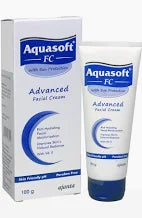
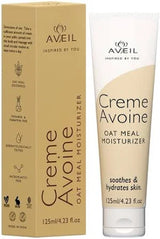
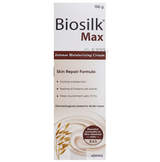
For example, if you use facial hydrating lotions, a well-formulated base can improve comfort and reduce dry patches. You can explore a gentle option such as rich facial hydrating lotion to support daily moisture before sun protection.
Layered skincare steps with texture shapes and reapply drops
Quick Tips for Better Daily Results
- Apply early: Use UV protection products as one of the first steps in your morning routine, after any lightweight moisturizer.
- Use enough product: Adequate coverage is essential for uniform protection across the face, neck, and exposed areas.
- Do not skip commonly missed areas: Cover ears, hairline, and the back of the neck when these areas are exposed.
- Reapply when exposure continues: If you remain outdoors or near windows for extended periods, reapplication supports steadier protection.
- Choose compatible textures: If your skin feels oily or congested, consider a lighter gel or lotion texture that blends smoothly.
- Cleanse at night: Remove UV protection products gently with a suitable cleanser so skin can rest.
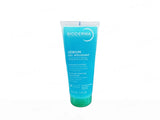
For cleansing support, you may consider a daily cleanser such as gentle facial cleanser to help maintain a comfortable routine after daily wear.
Common Mistakes to Avoid
Even high-quality UV protection products can underperform if application habits are inconsistent. The goal is to remove friction between your routine and real life.
1) Applying too late
If UV protection products are applied after you have been outside for a while, your protection gaps can accumulate. Establish a habit by applying before the first outdoor exposure.
2) Using too little product
Many users apply below the amount needed for full coverage. Under-application can reduce effective protection. Treat the first application as part of a full, intentional step, not a quick finishing pass.
3) Overloading the routine
Too many layers can increase pilling and uneven coverage. Keep the morning routine streamlined: cleanse, moisturize if needed, apply UV protection products, then add makeup if you use it.
4) Ignoring reapplication needs
Reapplication is not only for beach days. If you are outside longer than usual, reapply UV protection products to maintain steadier coverage. A product that feels comfortable is easier to reapply without skipping.
5) Forgetting the purpose of cleansing
Remaining product on the skin overnight can affect comfort. Use a cleanser that matches your skin type to remove residue thoroughly but gently.
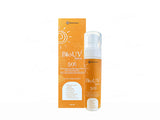
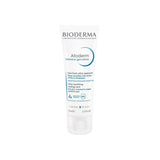
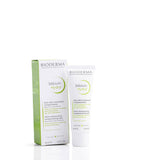
If you prefer a targeted approach for daily face care, consider routines that include gentle cleansing and supportive care. For acne-prone skin, a formula such as acne UV gel SPF 50 may offer a smoother daily approach that integrates sun protection into acne-friendly wear.
Summary & Next Steps
UV protection products are a foundational part of skin-care consistency. Their value increases when you treat them as a routine step, apply with adequate coverage, and reapply when exposure continues. Choose a broad-spectrum option with a texture that supports daily wear, then pair it with a simple, compatible routine.
Your next step is practical: select one UV protection product that you can apply comfortably every morning. Then refine two habits: coverage across the neck and ears, and consistent cleansing in the evening.
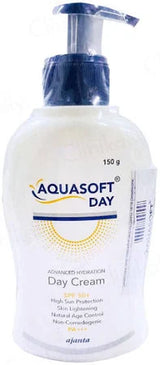
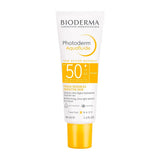
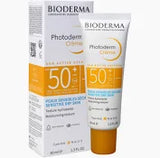
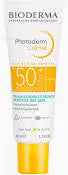
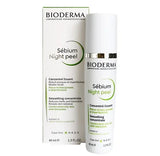
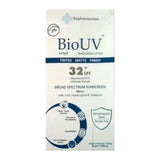
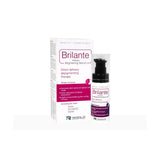
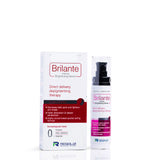
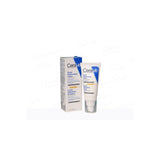
If you want to explore complementary face care, you can also review well-regarded daily skincare options on the Allodermis site, such as a sunscreen cream option and a supportive serum that may fit into layered routines.
Q&A Section
How often should I use UV protection products?
Use UV protection products daily for all visible exposed areas, especially on mornings. Reapply when you remain outdoors for extended periods or when your skin is exposed to conditions that reduce steadiness of coverage. If you spend most of the day indoors near windows, daily application still remains a practical baseline.
Is broad-spectrum UV protection necessary?
Yes. Broad-spectrum coverage targets both UVA and UVB rays. UVA rays can contribute to deeper skin stress over time, while UVB rays are commonly associated with sunburn. A broad-spectrum product helps support more complete everyday protection.
What is the best way to apply UV protection products for even coverage?
Apply UV protection products in a consistent sequence: cleanse, moisturize if needed, then apply as the final step before makeup. Use sufficient quantity and spread evenly across the face, neck, ears, and hairline when exposed. Allow a brief time to settle before adding additional layers.
Can I use UV protection products with active skincare like serums?
Yes, in most cases. Apply serums and lighter layers first, then apply UV protection products last. If your routine uses multiple actives, keep the morning method simple to reduce pilling and uneven mixing. If irritation occurs, simplify the routine and confirm compatibility.
How do I choose between gel, lotion, and cream textures?
Choose based on how the product feels during your day. Gel textures often suit oily or humid conditions. Lotion options can balance comfort with lighter wear. Cream textures can support dry skin when they feel non-greasy on your routine. If you consistently dislike a texture, you are less likely to reapply, so comfort matters.
About the Author Section
About Allodermis and the Author
Allodermis is a skincare-focused platform with expertise in selecting effective, everyday skin-care categories. The author team emphasizes routine design, ingredient compatibility, and practical guidance that supports consistent use of UV protection products. We believe strong skin-care outcomes come from steady habits rather than occasional effort.
Thank you for reading. If you use this guide to refine your UV habits, you are already moving toward more reliable daily skin comfort.
Disclaimer: This article is for educational purposes only and does not replace professional medical advice. Individual results may vary based on skin sensitivity, exposure conditions, and application habits. For persistent skin concerns, consult a qualified healthcare professional or dermatologist.


