








































Updated on: 2026-05-15
Personalized skincare routines help align daily care with your skin type, concerns, and tolerance.
When routines are built around evidence-based steps, consistency becomes easier and results become more predictable.
A strong plan considers cleansing, hydration, sun protection, and barrier support as a system.
This guide explains how to design a routine, compare options, and avoid common mismatches between products and skin needs.
Did You Know?
personalized skincare routines work best when they treat your skin like a living system rather than a fixed set of product rules. Your skin changes with weather, sleep quality, stress levels, and even how often you wear makeup or cleanse. A routine that feels “right” today may need minor adjustments tomorrow.
- Skin barrier health is strongly influenced by gentle cleansing and consistent hydration, not only by active ingredients.
- Sun protection is a routine foundation because it reduces the impact of daily UV exposure on texture and tone.
- Many irritation issues come from product stacking, such as using multiple strong actives without adequate barrier support.
- Patch testing and gradual introduction often matter more than selecting the most expensive option.
Comparison: Pros & Cons
- Pros: Improves compatibility between products and your skin needs.
- Pros: Encourages a clear routine structure, which supports consistency and better adherence.
- Pros: Helps reduce irritation by limiting unnecessary steps.
- Pros: Makes it easier to measure what works by changing one variable at a time.
- Cons: Requires honest observation of your skin response over time.
- Cons: May need updates when seasons or lifestyle factors change.
- Cons: If built incorrectly, it can lead to over-layering and product fatigue.
Buyer’s Checklist
If you want personalized skincare routines that remain practical, evaluate your plan in stages. Start with a basic framework, then add targeted steps based on specific concerns. The goal is not complexity. The goal is fit, tolerance, and repeatable habits.
Start with a skin needs assessment
Before you choose products, define your primary concerns and your current comfort level. Ask what is most noticeable: dryness, oiliness, sensitivity, uneven tone, clogged pores, or dullness. Also note how your skin behaves after cleansing and after sun exposure. This short assessment helps you select products with the right balance of cleansing strength, hydration level, and protective coverage.
Build the foundation: cleanse, hydrate, protect
A stable routine typically includes three core elements. First, use a cleanser that removes excess oil and impurities without stripping. Second, apply hydration that supports comfort and barrier function. Third, use sun protection every day to reduce the effect of UV on visible changes. Once these steps are consistent, targeted actives become more tolerable.
For gentle cleansing, many people benefit from a balanced option such as Cetaphil Gentle Cleanser. For oil control and foam-style cleansing needs, you can also consider Cetaphil Pro Oil Control Foam Wash, especially if your skin feels congested or shiny.

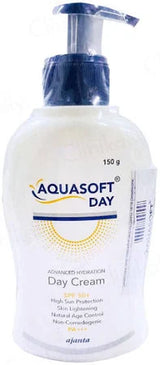
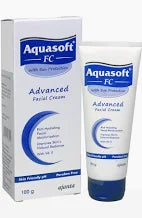
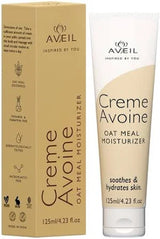
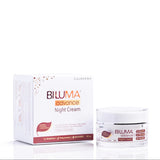
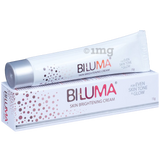
Visual guide: cleanser, moisturizer, and sunscreen symbols
Choose actives with intent, not impulse
After your foundation is set, select targeted products based on one clear goal. Examples include regulating shine and breakouts, improving hydration feel, supporting uneven tone, or enhancing the look of texture. When routines are personalized well, actives are introduced gradually and used in a way that respects skin tolerance.
If acne and congestion are a focus, consider an acne-focused sunscreen option such as IPCA Acne UV Gel SPF 50. For those who want a more proactive serum approach, Dermatica AZE Proactive Serum may be useful as part of a targeted plan.
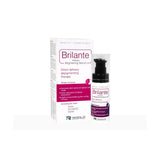
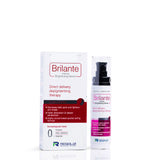
If hydration and smoothness are your main priorities, a rich facial hydrating lotion can be a strong support step. One example is Cipla Excela Rich Facial Hydrating Lotion. If your goal involves brightness, consider a brightening serum such as NiaShine Brightening Serum or a curation that includes tone-supporting ingredients.
Match sunscreen to your day
Sunscreen selection is an everyday decision, so it must suit your habits. If you prefer lightweight wear, choose a gel-like texture. If you want more reliable coverage feel, choose a formula that layers well under your routine. If you spend time outdoors, consistent reapplication habits become part of the plan. A personalized routine treats sunscreen as a core step, not as an occasional add-on.
For daily sun protection in a skin-friendly format, review options like Fixderma Shadow Sunscreen Cream or I Shield Sunscreen Cream SPF 50 PA. When using actives, a compatible sunscreen can help minimize sensitivity risk.
Plan night repair-style care
Night routines can focus on comfort and barrier support. This is also where some actives are commonly introduced, because your skin is not exposed to outdoor UV. A well-designed plan often includes hydration and, when appropriate, a targeted serum or cream. Keep the overall routine simple. If irritation appears, reduce active frequency and strengthen hydration support.

Night routine map: gentle steps and barrier symbols
Introduce changes one variable at a time
To refine personalized skincare routines, adjust slowly. A common method is to change only one product or one step at a time, then observe skin for a short period. Look for signs of improved comfort, balanced oil levels, fewer visible rough patches, or reduced irritation. If your skin feels dry, tighten the hydration step first. If your skin feels congested, review cleansing and consider how often you cleanse.
Avoid over-layering
Even when products are high quality, too many steps can overwhelm your skin. Layering multiple strong actives without support may lead to redness or sensitivity. Personalization is about subtraction as much as it is about addition. If you want to improve results, the first improvement is often simplifying the routine while keeping the foundation consistent.
Track your results briefly
Use a simple note system to record what you used and how your skin felt. Track comfort (tightness, softness, itchiness) and appearance (shine, dryness, texture). This process improves your ability to refine your plan without guessing. Over time, you will develop a personalized routine that fits your skin and your schedule.
Final Thoughts & Advice
Personalized skincare routines are most effective when they follow a practical system: gentle cleansing, supportive hydration, and consistent sun protection. Targeted actives can be added later, but they should be chosen for intent and introduced gradually. If you remain consistent and refine one step at a time, your routine becomes easier to maintain and more responsive to real skin needs.
As you build your routine, prioritize tolerance. If your skin reacts negatively, reduce the frequency of actives and return to the foundation steps. Over the long term, a stable approach tends to outperform a constantly changing one. When you are ready to upgrade your plan, select options that match your concern and your comfort level, and keep your routine aligned with your daily lifestyle.
CTA: Explore your routine options and strengthen your foundation by reviewing curated products on Allodermis, then choose steps that match your skin needs and preferences.
Q&A Section
How do I start personalized skincare routines if I am not sure what my skin type is?
Begin by observing how your skin feels after cleansing and after several hours of daily routine wear. Note whether it feels tight, looks shiny, appears rough, or shows signs of sensitivity. Then choose a gentle cleanser, a moisturizer that supports comfort, and a daily sunscreen. After this foundation is stable, add one targeted step based on the most visible concern.
Is it better to use many active ingredients or fewer products?
For most people, fewer products with better fit tend to be more sustainable. Many irritation problems come from over-layering and overlapping actives. A personalized approach uses targeted ingredients intentionally and supports them with hydration and sun protection. If a routine is complex, it becomes harder to identify what helps and what causes discomfort.
How can I tell whether my routine is truly working?
Look for consistent changes in comfort and appearance rather than short-term effects. Improved skin usually shows up as reduced tightness, less visible irritation, smoother texture, and more balanced oil levels. Keep routine changes gradual so you can connect outcomes to specific steps. If a product worsens comfort, pause it and return to the foundation while reassessing your plan.
Can I personalize my routine across seasons?
Yes. Seasonal shifts often change how your skin reacts to cleansing and hydration. In drier months, increase hydration support. In warmer months, prioritize oil control and ensure sunscreen feels comfortable on your skin. Personalization is dynamic. It adjusts to your environment while keeping the foundation steps consistent.
About the Author Section
Author: Allodermis
Allodermis is an authority in skincare formulation education and routine-building guidance, with expertise in ingredient compatibility and practical consumer outcomes. The team focuses on helping readers choose evidence-based steps that align with skin tolerance and daily habits. This content is designed to support thoughtful decisions and consistent routines. Thank you for reading, and may your skincare plan feel clear, structured, and sustainable.
Disclaimer: This article is for general informational purposes and does not replace professional medical advice, diagnosis, or treatment. Results vary by individual and skin condition. If you have persistent skin issues, severe irritation, or any medical concerns, consult a qualified healthcare professional or dermatologist.


