



























































Vitiligo Treatments: Options, Costs, and What to Expect

Updated on: 2026-06-03
Vitiligo can affect skin appearance and confidence. Effective management usually requires a long-term plan rather than a single quick fix. This guide explains common myths, evidence-based options, and how to choose a practical routine. You will also find guidance on treatment support, patch testing considerations, and what to discuss with a dermatologist.
3. Understanding Vitiligo and Why Treatments Vary
4. Diagnosis and Personalization of Care
5. Overview of Vitiligo Treatments That Clinicians Commonly Use
6. How to Build a Safe Daily Skin Routine
Myths vs. Facts
People often hear strong opinions about vitiligo treatments. The reality is more nuanced. Below are common statements and the evidence-based perspective clinicians generally follow.
-
Myth: Vitiligo always spreads rapidly.
Fact: Many individuals experience stable phases. Some areas can change slowly or remain unchanged for long periods.
-
Myth: Only one treatment works for everyone.
Fact: Response depends on lesion location, disease stage, and individual skin biology. Plans are usually personalized.
-
Myth: Sun exposure is always beneficial.
Fact: Unprotected sun can worsen skin stress and uneven pigmentation. Photoprotection is a core part of routine care.
-
Myth: Over-the-counter products can fully replace medical care.
Fact: Skincare support can improve comfort and barrier health, but medical interventions may be needed for repigmentation goals.
-
Myth: Treatment success is immediate.
Fact: Repigmentation and stabilization often require time. A realistic plan includes monitoring and adjustments.
Personal Experience
When I first learned about vitiligo, I focused on surface appearance. Over time, I learned that the emotional impact can be as significant as the visual change. I also saw how quickly online advice can become contradictory. The most helpful shift was viewing vitiligo treatments as a structured care pathway: protect the skin, reduce triggers, support the barrier, and discuss medical options with a qualified dermatologist.
That approach made the process feel less confusing. It also helped set expectations. Instead of searching for a single answer, the focus became consistent follow-through and informed decision-making.
Understanding Vitiligo and Why Treatments Vary
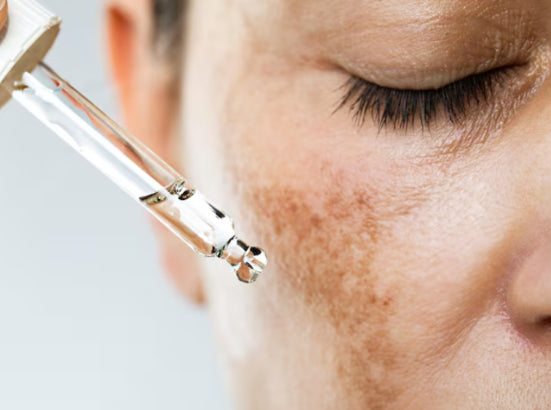
Vitiligo is a pigment disorder that leads to areas of depigmented skin. It can involve different body locations, and its pattern can evolve. Dermatologists typically consider multiple factors when recommending vitiligo treatments, including whether the condition appears active, the distribution of lesions, and the patient’s history.
Two key concepts guide treatment planning:
Disease activity: Active vitiligo may need stabilization before repigmentation efforts are expected to hold.
- Skin and lesion characteristics: Locations such as hands, face, or joints can respond differently due to thickness, friction, and local skin environment.
Because these variables differ across people, clinicians usually avoid “one-size-fits-all” thinking. The goal is to select therapies that match the stage and the practical lifestyle needs of the patient.

Skin map highlights disease activity and lesion areas
Diagnosis and Personalization of Care
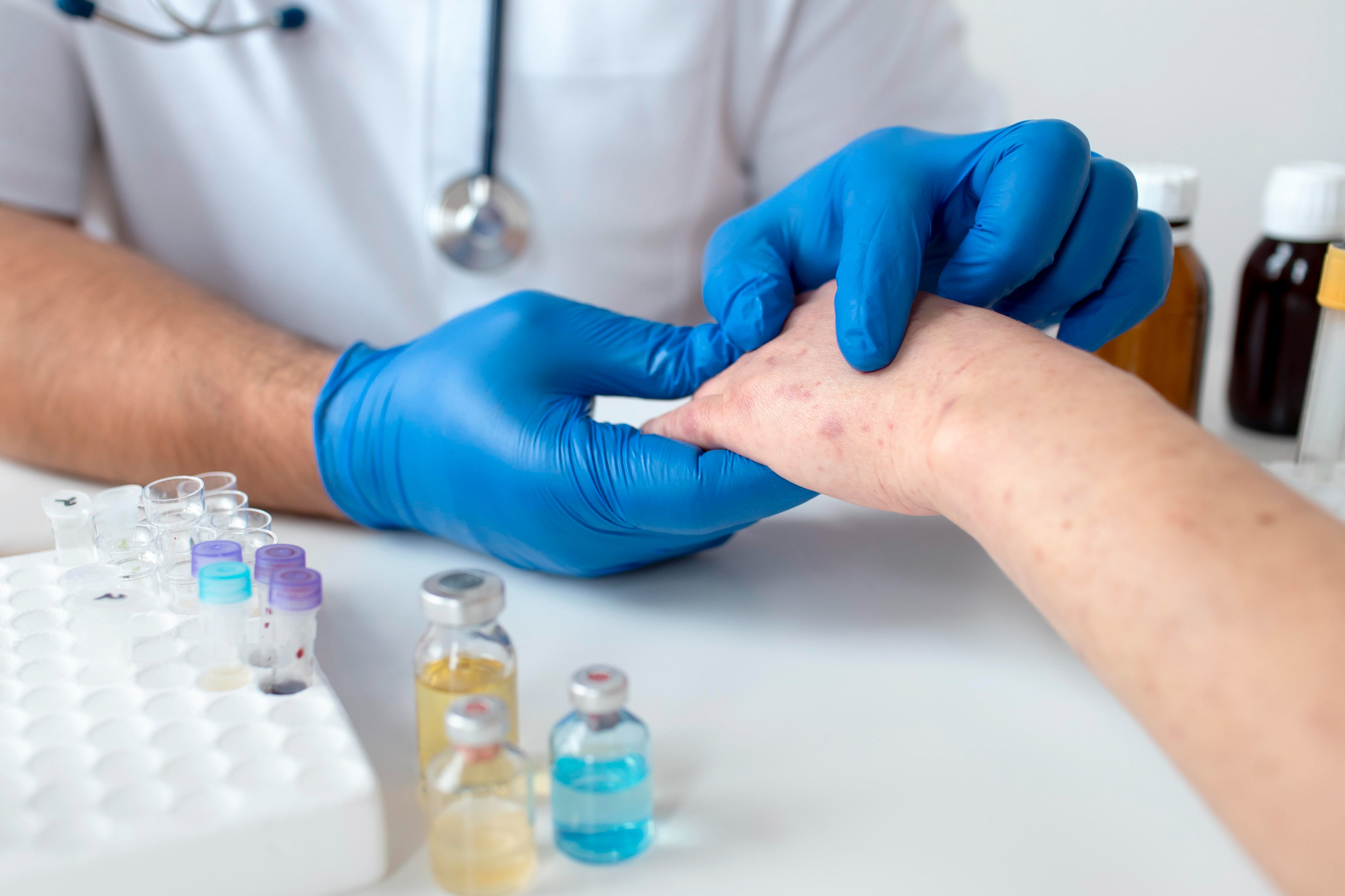
Before choosing any vitiligo treatments, diagnosis matters. Dermatologists often use a visual exam and may use a light-based evaluation to better understand lesion borders and activity. Accurate assessment helps differentiate vitiligo from other causes of depigmentation.
Personalization goes beyond diagnosis. A practical plan also accounts for:
Medication history: Prior therapies and response can influence next steps.
Skin sensitivity: Some individuals require a slower introduction of topical products to reduce irritation risk.
Lifestyle and access: Certain therapies may require clinic visits or scheduled sessions.
Barrier care needs: Dryness and irritation can worsen the look and feel of depigmented areas.
If you are unsure about your diagnosis, it is reasonable to request a second opinion from an experienced dermatologist. Clarity reduces wasted effort and supports safer decisions.
Overview of Vitiligo Treatments That Clinicians Commonly Use
Modern care for vitiligo is typically multi-step. Many plans include stabilization, repigmentation efforts, and long-term photoprotection. The best strategy depends on how active the condition appears and where lesions are located.
1) Topical anti-inflammatory therapies
Topical medications can help calm immune-driven processes in some cases. Clinicians may prescribe topical options that target inflammation. Topical care also allows gradual integration into daily routines, which can improve tolerability.
2) Phototherapy options
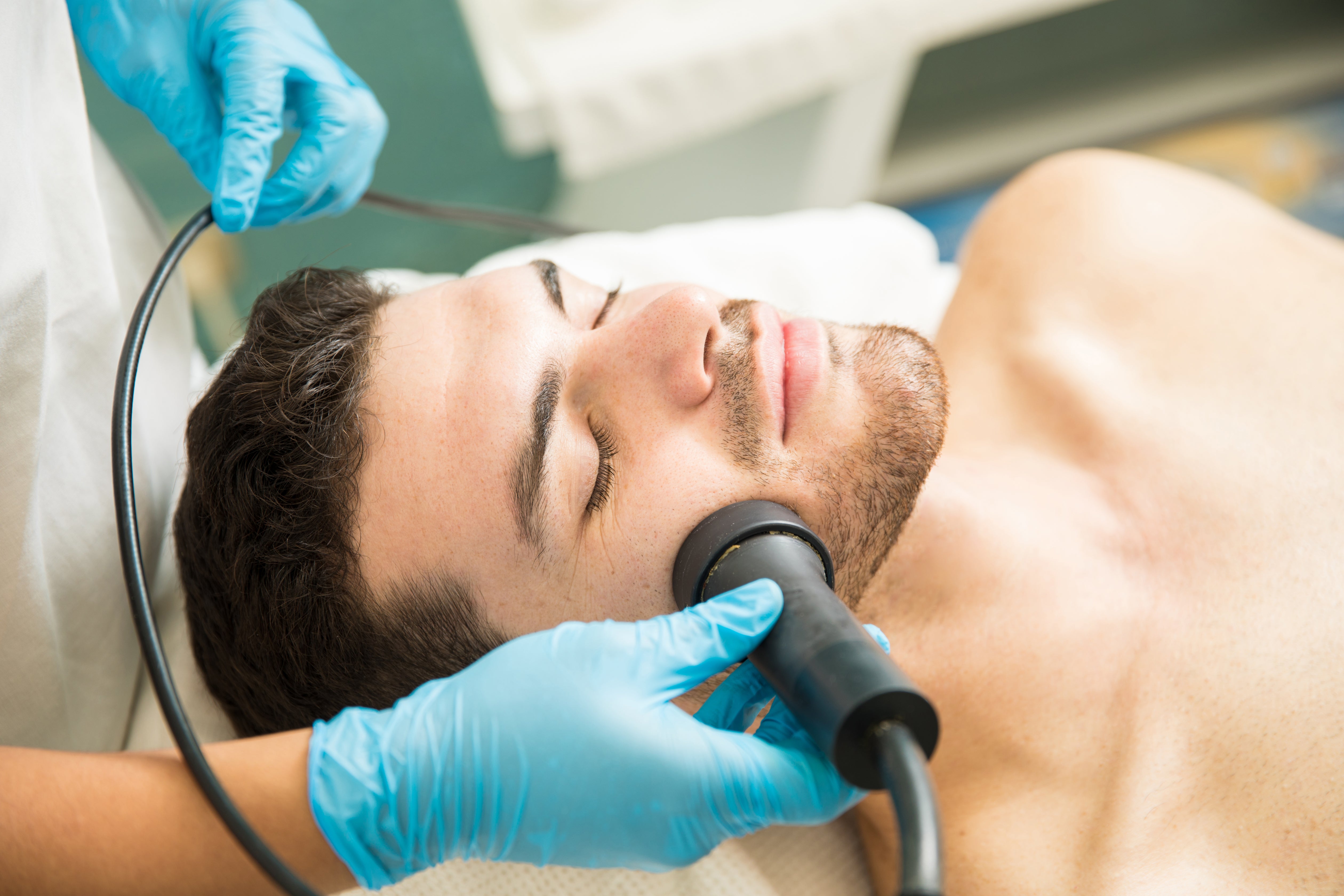
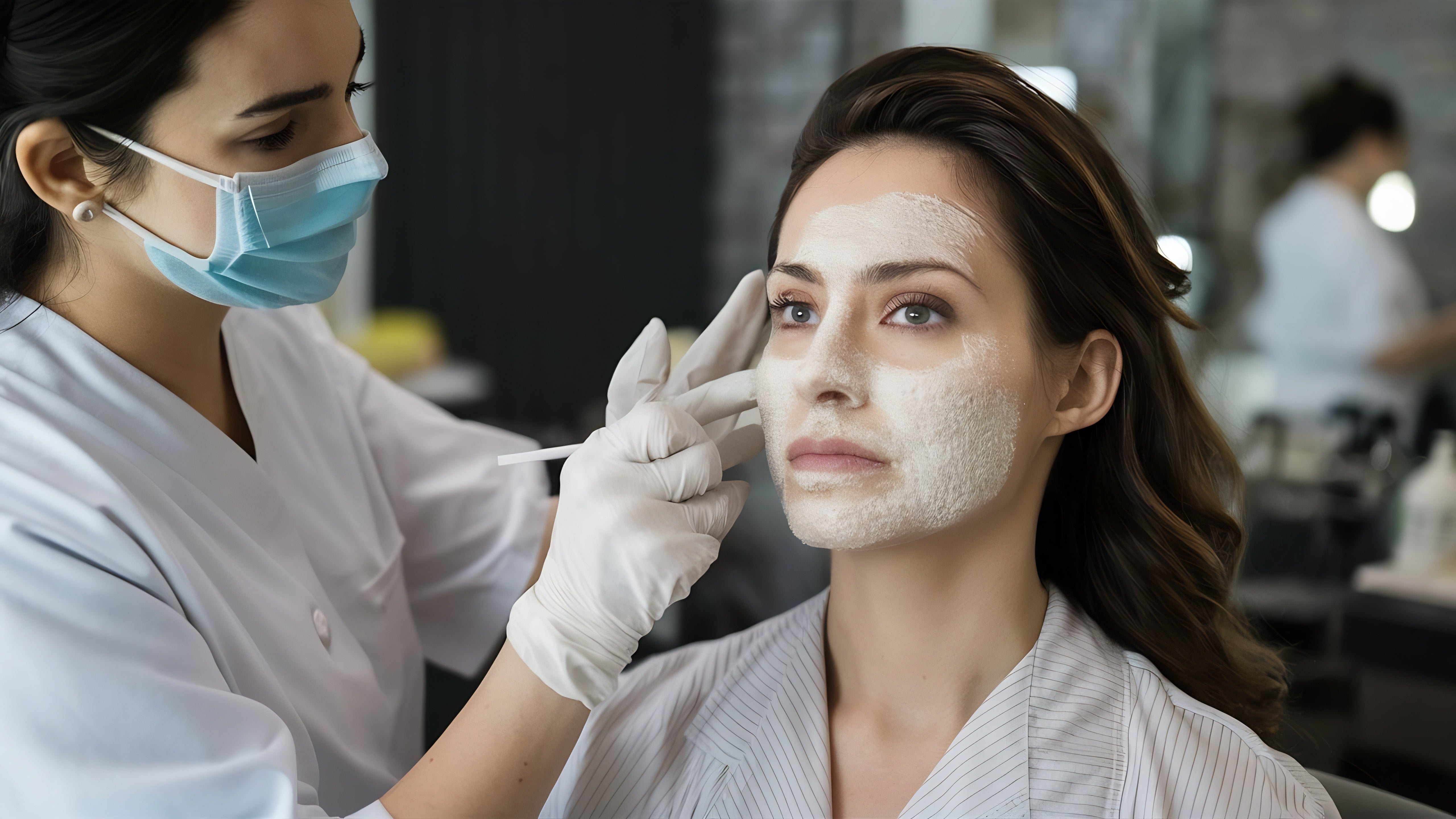
Light-based therapies are commonly used in clinical settings. They may support repigmentation by affecting local immune activity and pigment pathways. Phototherapy schedules vary, and consistent attendance is often important for meaningful assessment.
Because light exposure has risks, phototherapy should be guided by a clinician rather than replaced with unmonitored tanning practices.
3) Targeted systemic therapies for specific cases
Some individuals with more extensive disease or particular patterns may require systemic treatment under close medical supervision. These choices are made after evaluating benefits, risks, and overall health factors.
4) Procedural approaches for stable lesions
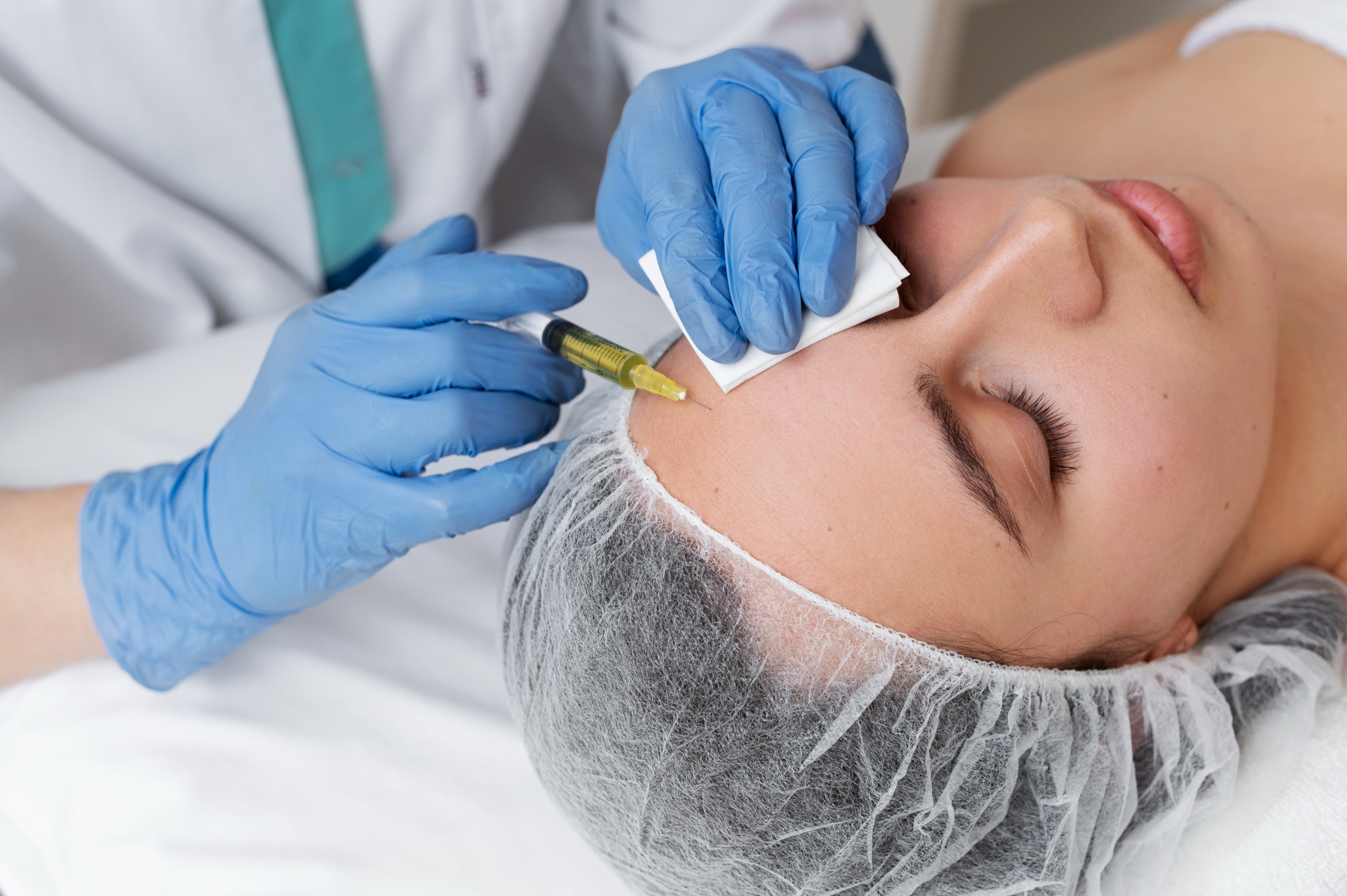
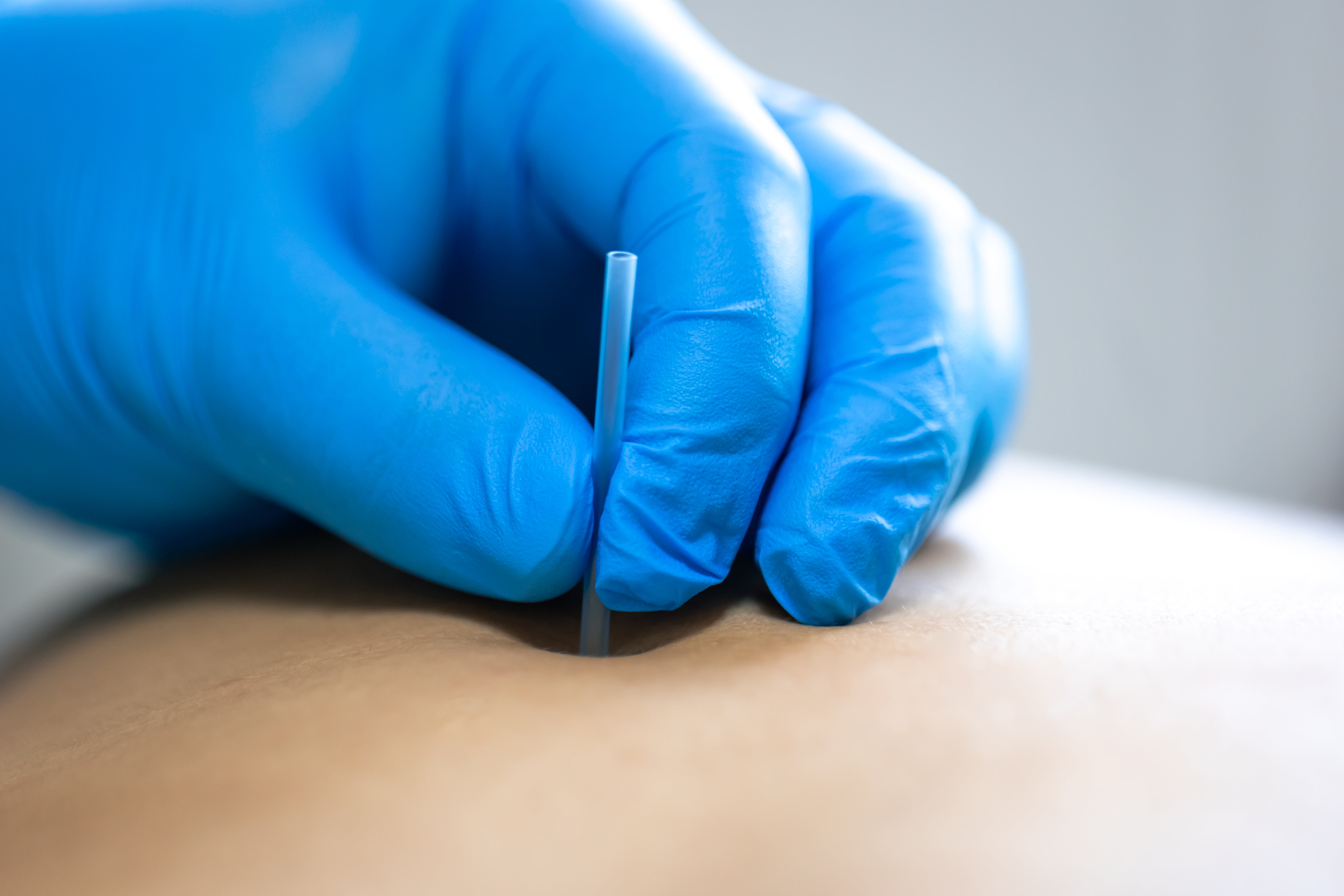
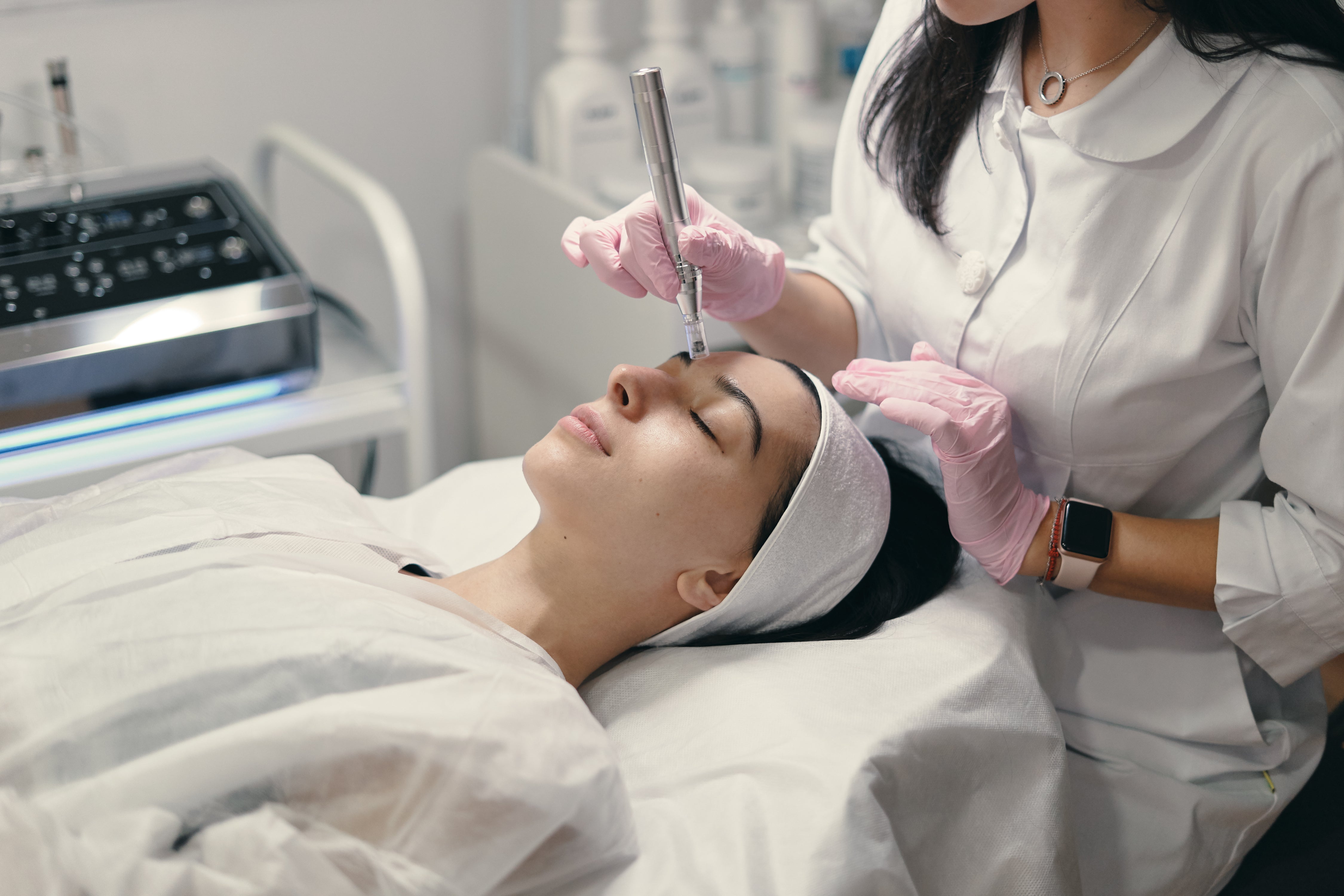
For stable vitiligo that is not actively changing, procedure-based approaches may be considered. These options generally aim to restore pigment in select areas. Suitability depends on lesion stability and patient-specific factors.
5) Supportive management: photoprotection and barrier health
Although supportive care may not be the primary driver of repigmentation, it is essential for comfort and appearance. Depigmented skin is more vulnerable to sun-related contrast and irritation. Consistent sun protection and gentle cleansing can reduce flare discomfort and improve daily wearability.
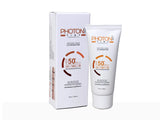
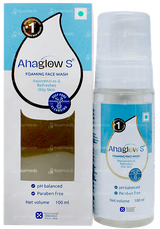
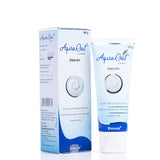
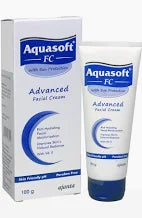
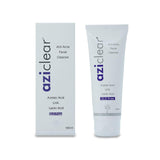
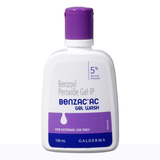
For example, a routine that includes a soothing cleanser and appropriate sun protection can help maintain skin comfort while you pursue medical steps. Consider browsing dermatologist-friendly product categories such as:

Layered skincare routine symbols show protection and barrier care
How to Build a Safe Daily Skin Routine
A well-structured routine supports treatment outcomes by improving tolerance and reducing irritation. While vitiligo treatments may be the main medical focus, daily skincare can meaningfully affect comfort and appearance.
Step 1: Use a gentle cleansing routine
Harsh cleansing can increase dryness and discomfort. Choose a mild cleanser and keep water temperature moderate. Cleanse once daily for most people, or as needed based on skin type and daily activity.
If you are looking for a gentle option, you may consider Cetaphil gentle cleanser support as a baseline approach for sensitive skin routines.
Step 2: Moisturize to support the skin barrier
Depigmented areas can feel more noticeable and may be prone to dryness. Moisturizing helps maintain comfort, reduces friction, and can support better tolerance to topical therapies prescribed by a dermatologist.
Look for moisturizers that emphasize barrier-friendly ingredients and avoid strong fragrances if your skin is reactive.
Step 3: Prioritize photoprotection every day
Sun exposure can worsen contrast between depigmented and pigmented skin. Daily sunscreen application and protective clothing can reduce uneven appearance and help prevent irritation.
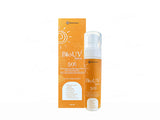
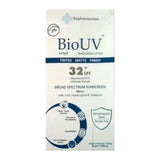
You can explore options such as SPF cream for daily protection or sunscreen cream coverage, then pair them with hats or shade when possible.
Step 4: Introduce new products carefully
When starting or switching skincare, introduce one new item at a time. This helps you identify irritation sources. If a dermatologist prescribes a topical therapy, follow the exact directions and use moisturizers as advised to reduce dryness.
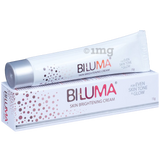
If your routine includes brightening or pigment-focused serums, use them cautiously. Depigmented skin may respond differently than other areas, and over-layering can increase irritation risk.
Step 5: Manage triggers that can affect skin comfort
Some people report that stress, friction, or skin irritation can influence disease perception. While evidence for specific triggers varies, practical trigger awareness is still valuable. Reduce rubbing from clothing, avoid aggressive exfoliation, and keep nails and grooming tools gentle near affected areas.
When to Escalate Care and Seek Second Opinions
Vitiligo treatments are often adjusted over time. It is normal to reassess after a period of consistent use, because response can vary. Escalation does not mean failure; it can mean optimization.
Consider discussing next steps with a dermatologist if:
New depigmented patches appear despite consistent routine support.
Existing lesions show a clear pattern of expansion.
You experience frequent irritation from topical products or need a better tolerance strategy.
You want to explore phototherapy, procedural options, or a more comprehensive plan.
When planning adjustments, ask practical questions: What stage is my disease in? Which treatment goal is most realistic for my case, stabilization or repigmentation or both? How will we track progress, and when will we reconsider the plan?
Documenting photos in consistent lighting can support tracking. If you do so, focus on safe handling and privacy.
Final Thoughts & Takeaways
Vitiligo treatments require a patient, evidence-guided approach. The most effective plans usually combine medical strategies with daily supportive care. Myths often create unrealistic expectations, but personalized care helps set a workable pathway.
Key insights to keep at the center of your plan include:
Diagnosis and lesion assessment guide what therapy is appropriate.
Treatment selection depends on disease activity, location, and tolerance.
Daily photoprotection and gentle skincare support comfort and appearance.
Adjustments and escalation may be part of a normal, structured care process.
With consistent care and informed decision-making, many people are able to manage symptoms and improve day-to-day confidence. The priority is a plan that is safe, realistic, and monitored by qualified professionals.
Visual Note
Skin map highlights disease activity and lesion areas
Visual Note
Layered skincare routine symbols show protection and barrier care
Q&A Section
What are the main categories of vitiligo treatments?
Common categories include topical anti-inflammatory therapies, phototherapy, systemic treatments for selected cases, and procedures that target stable lesions. Supportive care such as daily photoprotection and barrier-friendly skincare is also an important part of many plans.
How long should I expect to see progress?
Progress timelines vary widely based on lesion location, disease activity, and the therapies used. Many people find that meaningful assessment requires consistent follow-up and patience, with periodic reviews to adjust the plan when needed.
Can skincare products replace medical vitiligo treatments?
Skincare can support comfort, reduce irritation, and improve appearance, but it typically does not replace clinician-guided vitiligo treatments. A combined approach is often more effective than relying on cosmetic-only strategies.
What should I discuss with my dermatologist before starting a plan?
Discuss your diagnosis, whether the disease appears active or stable, the primary goal of treatment for your case, and how progress will be tracked. Also ask about tolerability, how to handle irritation, and which routine elements are essential for photoprotection and barrier support.
About the Author Section
About the Author
Allodermis is a skincare-focused organization dedicated to helping customers make informed choices through practical education and dermatologist-aligned guidance. The author team has expertise in dermatology-focused content strategy, ingredient literacy, and evidence-informed routine planning. This article is designed to support safe decision-making and structured conversations with qualified clinicians. Thank you for reading, and we encourage you to seek professional medical advice for personalized care.
Disclaimer: This article is for informational purposes only and does not provide medical advice, diagnosis, or treatment. Vitiligo is a medical condition, and care decisions should be made with a qualified healthcare professional who can evaluate your specific situation. Do not start, stop, or change any medical therapy without professional guidance.
Authors & medical review
Swaraj Dhar is a sociopreneur, technologist, and the co-founder of Allodermis.
Every article is fact-checked against current peer-reviewed dermatology literature and Allodermis clinical protocols.
This article was last reviewed and updated on . Published .
Have a skin or hair concern?
Book a free consultation with our AIIMS MD dermatologists. Clinics in Bhubaneswar, Gurgaon, and Delhi NCR.