











Case Study

Case 5: Rough, Dull, 'Fish-Scale' Skin — Understanding Xerosis (Severe Dry Skin)
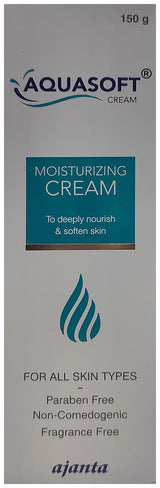
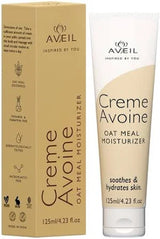
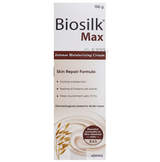
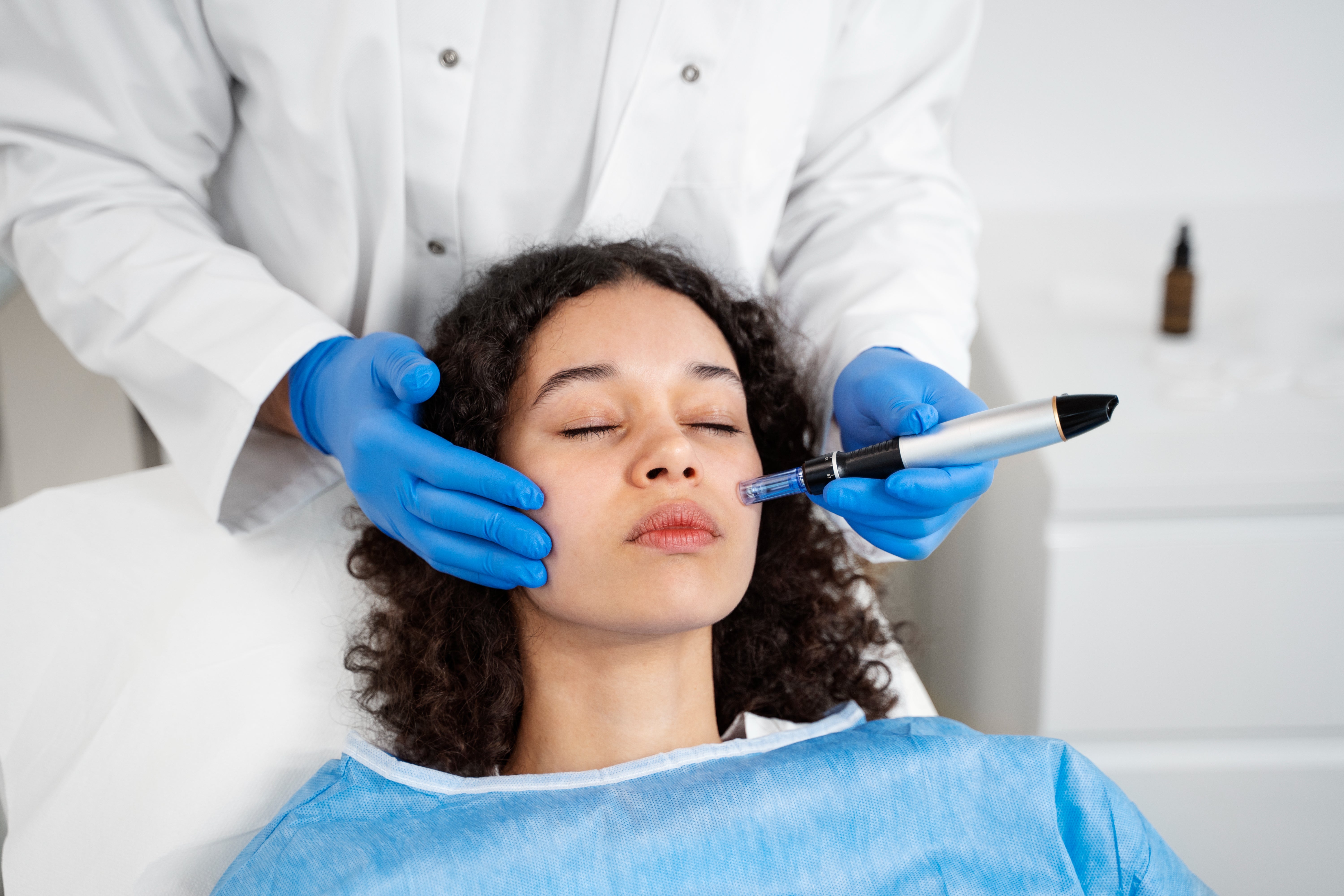
Quick Answer: Skin that looks rough, dull, and 'fish-scale' like usually indicates xerosis — severe dryness caused by a damaged skin barrier. The most effective treatment is a thick moisturiser containing ceramides, urea, or lactic acid applied within minutes of bathing, combined with lukewarm showers and soap-free cleansers. Persistent or itchy xerosis may signal underlying conditions like atopic dermatitis, diabetes, or thyroid disease. Case Snapshot: A patient presented with rough, scaling, dull skin over the legs and arms, with fine fish-scale-like cracking, itching, and a sensation of tightness that worsened after hot showers. What Is Xerosis? Xerosis is the medical term for very dry skin. Healthy skin maintains a lipid-rich barrier — think of it as mortar between skin-cell bricks — that locks moisture in. When this barrier is lost, water escapes, cells dry and curl at the edges, and the surface develops rough texture, visible scaling, itching, and sometimes painful cracks. The characteristic polygonal, fish-scale pattern is the visual signature of a severely dehydrated surface. Why the Barrier Fails Skin conditions: atopic dermatitis (eczema) is the most common underlying tendency Internal diseases: diabetes and thyroid disorders both impair skin hydration — xerosis can be their first visible sign Ageing: oil gland activity and barrier lipids naturally decline with age Lifestyle aggravators: inadequate water intake, frequent hot showers (hot water strips barrier lipids), and harsh soaps that alkalinise and degrease the skin The Dermatologist's Repair Protocol Thick moisturisers with ceramides, urea, or lactic acid. Ceramides replace missing barrier lipids; urea and lactic acid are humectant-keratolytics that hydrate while gently smoothing scale. The 3-minute rule: apply moisturiser immediately after bathing, while skin is still damp, to trap water in the skin. This single habit change often transforms outcomes. Switch to gentle, soap-free cleansers (syndets) that clean without stripping. Shorten showers and lower the temperature to lukewarm. Reapply moisturiser at night and after every hand wash on affected areas. Red Flags That Need Medical Attention Xerosis that is severe, intensely itchy, cracked, or persistent despite the above measures deserves a proper work-up. Your dermatologist may screen for atopic dermatitis, check for diabetes or thyroid dysfunction, and rule out true ichthyosis — a genetic scaling disorder that mimics severe xerosis but needs specific management. Scratched, cracked skin can also become secondarily infected, requiring treatment beyond moisturisers. The Bigger Picture: Barrier First, Everything Else Second Patients often layer actives — exfoliating acids, retinoids, brightening serums — on top of a broken barrier, worsening irritation. In dermatology, the rule is simple: repair the barrier first. Once skin is calm and hydrated, other concerns like dullness and uneven tone can be safely addressed — for instance through gentle, professionally supervised chemical peels or a dull skin treatment plan. When to See a Dermatologist If your skin remains rough, itchy or cracked after 3–4 weeks of intensive moisturisation, or if scaling covers large body areas, book a consultation. Prescription-strength emollients and screening for internal causes can make a decisive difference. FAQs Q: Why does my skin get worse every winter? Cold, low-humidity air pulls moisture out of the skin, and indoor heating compounds it. Winter xerosis responds to thicker occlusive moisturisers and shorter, cooler showers. Q: Is fish-scale skin the same as ichthyosis? Ichthyosis is a distinct genetic condition. Severe xerosis can look similar; a dermatologist can differentiate the two on examination and history. Q: How many times a day should I moisturise? At minimum twice daily — always after bathing — and more often on severely affected areas. Q: Which moisturiser ingredients should I look for on the label? Ceramides, urea, lactic acid, glycerin, petrolatum, and shea butter are the workhorses. For fish-scale texture, urea 10% or lactic acid formulations are particularly effective at smoothing scale while hydrating. How to Choose Between Lotion, Cream, and Ointment Texture matters as much as ingredients. Lotions are light and suit mild dryness or humid weather; creams carry more lipid and suit moderate xerosis; ointments (petrolatum-heavy) are the most occlusive and best for cracked, severely scaling areas, especially overnight. Many patients do well with a cream by day and an ointment layered over urea cream at night on the worst zones — shins, elbows, and feet, where oil glands are scarce and xerosis strikes first. Bathing Habits That Repair Rather Than Strip Keep showers under 10 minutes, lukewarm rather than hot Use a soap-free syndet cleanser only on areas that need it; plain water suffices elsewhere Pat dry, never rub — then moisturise within three minutes In winter, consider a humidifier in the bedroom; overnight ambient humidity meaningfully reduces morning tightness Wear soft cotton layers against the skin; wool directly on xerotic skin triggers itch Why Itch Control Matters Dry skin itches; scratching breaks the barrier further, which dries and itches more — the classic itch–scratch cycle. Breaking it early with intensive moisturisation (and, when prescribed, short courses of anti-itch treatment) prevents the thickened, darkened patches that chronic scratching leaves behind, which are far harder to reverse than the dryness itself. 📌 Case Study Reference: Publicly shared patient image and query, Reddit skincare communities. Educational discussion only; not a final diagnosis. Clinical commentary by the Allodermis dermatology team. Written By: Dr. Pranomita
Learn more
Case 4: Darkening Around the Mouth That Won't Fade — Perioral Pigmentation Explained
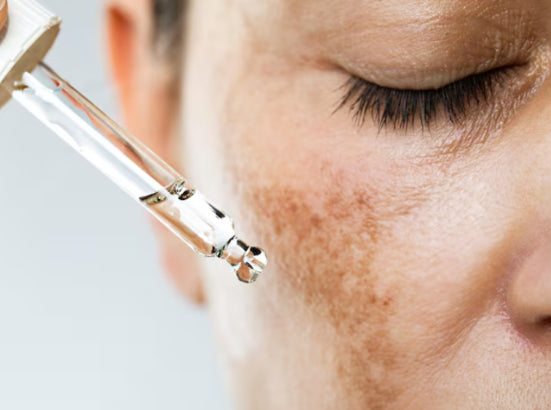
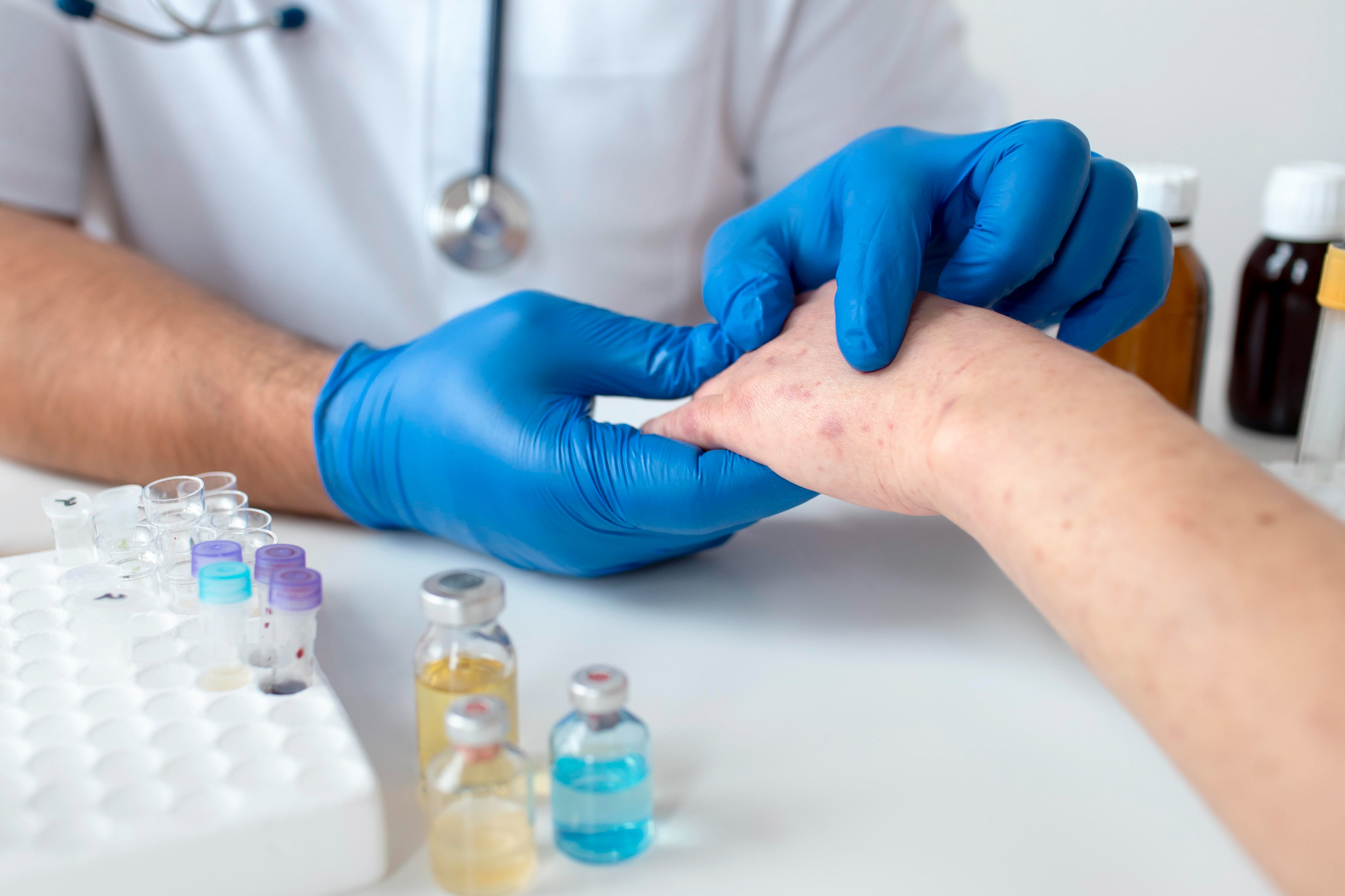
Quick Answer: Persistent darkening around the mouth is called perioral pigmentation. It develops from sun exposure, lip-licking, chronic dryness, hormonal factors, or irritation from cosmetics and toothpaste. Treatment combines strict broad-spectrum sunscreen, gentle moisturisation, and dermatologist-guided lightening agents like azelaic acid, kojic acid, arbutin, vitamin C, or retinoids — with chemical peels or lasers reserved for resistant cases. Case Snapshot: A patient presented with a well-defined ring of brownish discolouration around the mouth that had been present for over a year. Home remedies, scrubbing, and multiple fairness creams had not helped — and some had made the area more irritated and darker. What Is Perioral Pigmentation? Perioral pigmentation is darkening of the skin surrounding the lips and mouth. The area is uniquely vulnerable: it is thin, constantly stretched by talking and eating, repeatedly exposed to saliva, toothpaste, and cosmetics, and frequently forgotten during sunscreen application. In Indian and other richly pigmented skin types, even mild chronic irritation here readily converts into visible brown pigmentation. Common Causes Cumulative sun exposure without sunscreen coverage around the mouth Lip-licking habit — saliva enzymes irritate the surrounding skin, causing a cycle of dryness, inflammation, and pigment Chronic dryness and barrier damage Irritation from cosmetics or toothpaste (fragrances, flavouring agents, sodium lauryl sulphate) Hormonal factors Occasionally, underlying medical or nutritional issues, which is why persistent cases deserve evaluation The Treatment Plan Broad-spectrum sunscreen every morning, deliberately applied around the mouth and reapplied outdoors. Without this step, no lightening treatment can succeed. Gentle, consistent moisturisation to repair the barrier and break the lick–dry–irritate cycle. Evidence-based lightening actives: azelaic acid, kojic acid, arbutin, vitamin C, or retinoids, chosen and sequenced by a dermatologist to avoid irritation. Trigger elimination: switch to a bland, SLS-free toothpaste and fragrance-free lip products; consciously stop lip-licking. In-clinic options for resistant pigmentation: chemical peels and laser toning performed at conservative settings suited to darker skin tones. Avoid over-exfoliation and rubbing — friction is itself a pigment trigger in this area. Why "Fairness Creams" Often Backfire Many over-the-counter creams for facial darkness contain unlabelled potent steroids. These give temporary lightening, then cause rebound darkening, thinning, and steroid-induced rashes around the mouth. Perioral skin is especially vulnerable — never use combination creams here without a prescription. Not All Pigmentation Is the Same Melasma, post-inflammatory hyperpigmentation, contact dermatitis, and even some nutritional deficiencies can all present as darkness around the mouth, and each is treated differently. Explore our skin pigmentation and hyperpigmentation treatment pages, and get a formal diagnosis before starting long-term actives. When to See a Dermatologist If pigmentation persists beyond 2–3 months of sunscreen and gentle care, spreads, or is accompanied by itching, burning or scaling, book a consultation. Identifying and removing your specific trigger is half the cure. FAQs Q: Does toothpaste really cause pigmentation around the mouth? Yes — flavouring agents and foaming ingredients in some toothpastes can irritate perioral skin and trigger post-inflammatory pigmentation in susceptible people. Q: How long does perioral pigmentation take to fade? With consistent sunscreen and correctly chosen actives, expect gradual improvement over 3–6 months. Deeper pigment may need peels or laser toning. Q: Can I scrub the darkness away? No — scrubbing worsens it. Perioral pigmentation is an inflammation problem, and friction adds inflammation. Q: Is perioral pigmentation permanent? Rarely. Once the trigger is removed and the skin barrier is stabilised, pigment fades steadily with actives and photoprotection — though deeper dermal pigment takes longer and may need in-clinic procedures. A Practical Daily Routine for Perioral Pigmentation Morning: gentle fragrance-free cleanser → moisturiser → broad-spectrum sunscreen, deliberately dabbed around the mouth and lip border Day: SPF lip balm; conscious effort not to lick the lips; reapply sunscreen if outdoors Night: gentle cleanse → dermatologist-selected lightening active (start 2–3 nights weekly) → barrier-repair moisturiser Weekly audit: note whether any product, toothpaste, or food ritual precedes stinging or redness — your trigger usually reveals itself within a month of careful observation Conditions That Mimic Perioral Pigmentation Because the treatment differs entirely, dermatologists actively rule out look-alikes: melasma extending from the upper lip, post-inflammatory pigmentation from a previous rash, perioral dermatitis (a bumpy, inflammatory rash often triggered by steroid creams), contact allergy to lipsticks or toothpaste, and occasionally pigmentation linked to nutritional deficiencies or endocrine conditions. If your "pigmentation" is ever itchy, bumpy, or scaly, that's a rash — and lightening creams will make it worse, not better. This is exactly why an allergy and patch test is sometimes the smartest first investment: identifying the allergen ends the cycle at its source. 📌 Case Study Reference: Publicly shared patient image and query, r/IndianSkincareAddicts community, Reddit — https://www.reddit.com/r/IndianSkincareAddicts/. Educational discussion only; not a final diagnosis. Clinical commentary by the Allodermis dermatology team. Written By: Dr. Pranomita
Learn more
Case 3: Enlarged Pores or Acne Scars? Most People Treat the Wrong Thing
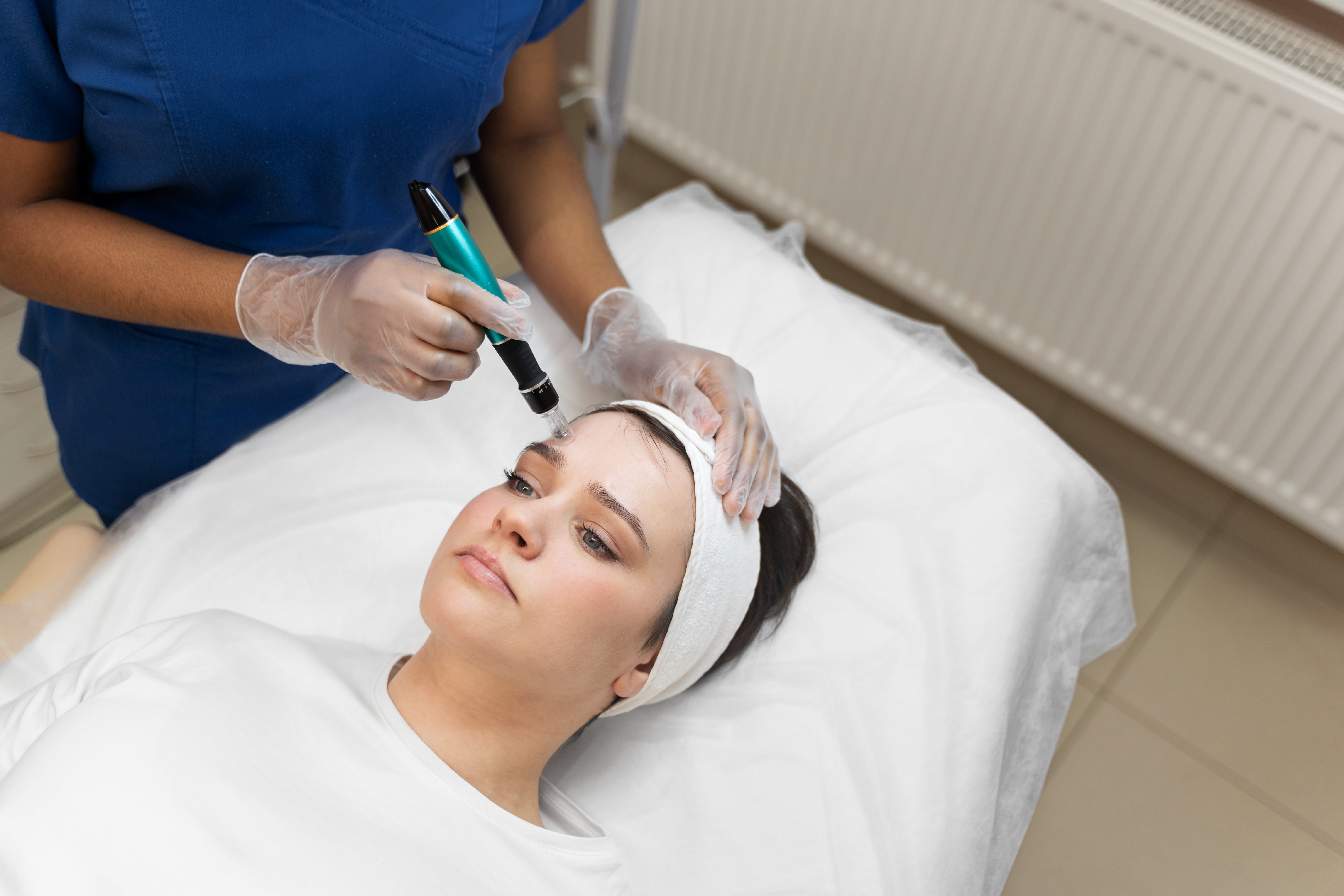
Quick Answer: Enlarged pores are visible openings of hair follicles on relatively smooth skin, caused mainly by oiliness, sun damage, and loss of elasticity. Acne scars are pits and depressions caused by collagen damage in deeper skin layers — and unlike pores, they do not improve when oil is controlled. Correctly identifying which one you have completely changes the treatment plan. Case Snapshot: A user shared close-up images of their cheeks asking whether the visible texture was "large open pores or acne scarring." They had been using pore-minimising products for over a year with no change — a strong hint that the diagnosis was wrong. Understanding the Difference Enlarged pores are simply the visible openings of hair follicles. They become more prominent due to: Excess oil production stretching the pore Past acne damage around the follicle Cumulative sun damage degrading supporting collagen Age-related loss of skin elasticity Genetics — some skin types naturally have larger, more visible pores Crucially, skin with enlarged pores still feels relatively smooth when you run a finger over it. Acne scars, in contrast, result from deep inflammation destroying dermal collagen. They appear as pits, depressions, or uneven, undulating texture — and they persist regardless of how well oil is controlled, because the damage lies in deeper structural layers. A Quick Comparison Feature Enlarged Pores Acne Scars Root cause Oil, sun damage, elasticity loss, genetics Deep inflammation damaging collagen Surface feel Relatively smooth Pitted, depressed, uneven Improves with oil control? Yes, partially No First-line care Salicylic acid, retinoids Collagen-remodelling procedures Treatment for Enlarged Pores Daily salicylic acid or retinoid use keeps pores clear and gradually refines their appearance Chemical peels exfoliate and stimulate superficial collagen Microneedling and laser treatments tighten pore walls over a series of sessions Oil-control skincare and sun protection prevent worsening Visit our dedicated open pores treatment page for the complete protocol. Treatment for Acne Scars Scars need procedures that rebuild collagen at depth: MNRF (microneedling radiofrequency) for rolling and boxcar scars Subcision to release tethered rolling scars TCA CROSS for deep ice-pick scars Fractional laser resurfacing for overall texture See our full acne scar treatment options and detailed guide: Acne Scar Treatment Explained. Why Getting the Diagnosis Right Matters Treating scars with pore products wastes months; treating pores with aggressive scar procedures risks unnecessary downtime. Many patients have both conditions co-existing on the same cheek, which is why an in-person dermatological assessment — sometimes with dermoscopy — is the essential first step before spending on treatments. When to See a Dermatologist If texture concerns persist despite 3–6 months of consistent actives, or if you can feel dips and depressions, book a skin assessment. A tailored combination plan almost always outperforms any single product or procedure. FAQs Q: Can pores be permanently closed? No — pores are natural, necessary structures. They can only be minimised in appearance, not eliminated. Q: Which single treatment helps both pores and mild scarring? Microneedling or MNRF, since both stimulate collagen. Your dermatologist will confirm suitability after examination. Q: Do pore strips help enlarged pores? They remove surface debris temporarily but do nothing for pore size and can irritate skin with repeated use. Q: Does sunscreen really matter for pores and scars? Yes, for both. UV degrades collagen — enlarging pores over time — and darkens scars and post-acne marks, making texture look worse. Daily broad-spectrum sunscreen is the cheapest texture treatment there is. The Home Test Before Your Clinic Visit Try this in front of a mirror with side-lighting (a lamp at eye level works well): side-lighting exaggerates true depressions, casting small shadows inside scars, while pores remain small dots without shadows. Then run a clean fingertip across the area. Smooth glide with visible dots suggests pores; a subtly bumpy, dipping ride suggests scarring. This doesn't replace a dermatologist's assessment, but it will make your consultation conversation far more precise. What a Combined Treatment Journey Looks Like Since most cheeks show both concerns, a typical staged plan at Allodermis might look like this: Foundation (weeks 0–8): salicylic acid wash, night retinoid, moisturiser, sunscreen — controlling oil and priming the skin Superficial phase: a series of chemical peels to refine pores and fade marks Remodelling phase: microneedling or MNRF sessions targeting scars, with subcision or TCA CROSS added for specific scar types Maintenance: retinoid nightly, sunscreen daily, periodic touch-up sessions Improvement is cumulative — texture keeps refining for months after each session as new collagen matures. Photograph your skin monthly in the same lighting; the change is easy to miss day-to-day but obvious across a quarter. 📌 Case Study Reference: Publicly shared patient images and query, r/IndianSkincareAddicts community, Reddit — https://www.reddit.com/r/IndianSkincareAddicts/. Educational discussion only; not a final diagnosis. Clinical commentary by the Allodermis dermatology team. Written By: Dr. Pranomita
Learn more
Case 2: Are All Dark Circles Pigmentation? The Hollow Under-Eye Most People Miss
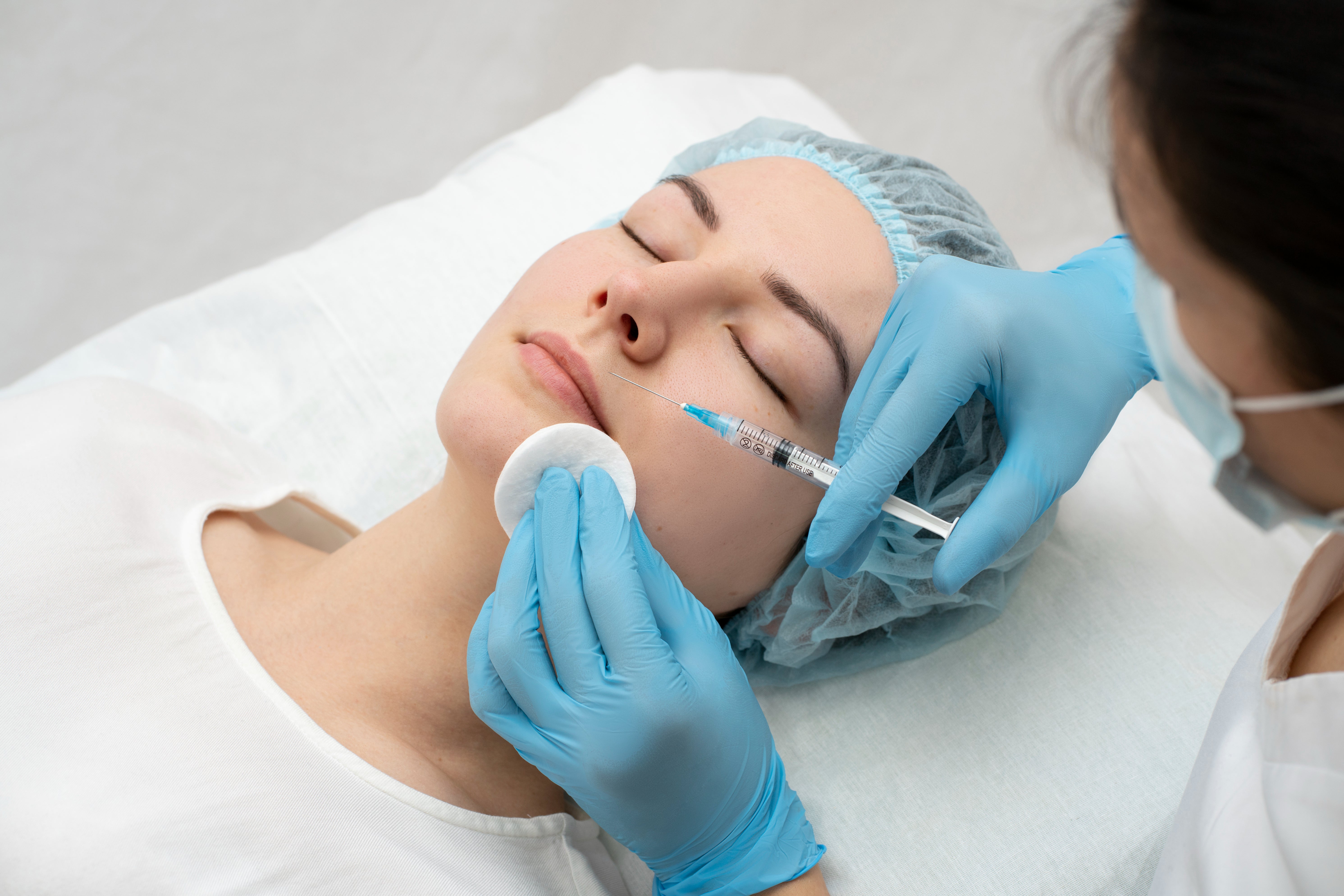
Quick Answer: Not all dark circles are caused by pigmentation. In many patients, under-eye darkness is actually a shadow created by hollowness (volume loss) in the tear trough area. A simple clue: if the darkness improves when the skin is gently stretched, the cause is structural — and tear trough fillers, not lightening creams, are the most effective treatment. Why Under-Eyes Look Dark: A Multifactorial Problem Under-eye darkening rarely has a single cause. Dermatologists evaluate several contributors: Lifestyle factors: inadequate sleep, chronic stress, excessive screen time, smoking, and alcohol use, all of which worsen vascular congestion and dullness Allergies and habitual eye rubbing, which thicken and darken the skin True dermal pigmentation — genetic in many Indian skin types, or post-inflammatory after eczema and rubbing Structural hollowness — age-related or genetic volume loss in the tear trough, which casts a shadow that reads as "darkness" Thin skin revealing underlying blood vessels The Stretch Test: A Simple Home Clue Stand in front of a mirror and gently stretch the under-eye skin downward. If the dark area fades or disappears on stretching, the darkness is largely a shadow from hollowness. If the colour stays the same, true pigmentation is the dominant cause. Many patients have a mix of both, which is why professional assessment matters. Treatment Depends Entirely on the Cause For pigment-based dark circles: Lightening creams containing kojic acid, arbutin, or azelaic acid Gentle chemical peels such as lactic acid, performed carefully in the delicate eye area Strict daily sunscreen, since UV deepens pigment For structural (shadow-type) dark circles: Tear trough fillers — hyaluronic acid dermal fillers placed precisely to restore lost volume and eliminate the shadow. Results are immediate and typically last 9–18 months. Supporting options such as PRP and skin boosters to improve skin quality Explore the full range of under-eye treatments and our dedicated dark circle treatment page to understand which option matches your cause. Why Creams "Fail" So Often Most over-the-counter eye creams target pigment. If your darkness is a shadow, no amount of brightening cream can fill a hollow. This mismatch between cause and treatment is the single biggest reason patients feel dark circle products "don't work." A correct diagnosis saves months of frustration and money. When to See a Dermatologist If dark circles persist despite good sleep, sun protection, and topical care — or if you're considering fillers — get a proper evaluation. Injectable treatment near the eye demands anatomical expertise and should only be done by qualified doctors. Book a consultation with our AIIMS-trained dermatologists for a personalised plan. FAQs Q: Do dark circle creams work for everyone? No. Creams only address pigment-based darkness. Shadow-type circles from hollowness need volume restoration with fillers. Q: Are under-eye fillers safe? In qualified hands, tear trough fillers are safe and deliver natural results. Technique and product selection are critical, so choose a certified dermatologist. Q: Can lack of sleep alone cause permanent dark circles? Poor sleep worsens the appearance temporarily, but persistent circles usually involve pigment, vessels, or structure that need targeted treatment. Q: How is the type of dark circle diagnosed in clinic? Dermatologists combine the stretch test, examination under good lighting and magnification, assessment of skin thickness and vessel show-through, and your history of allergies, rubbing, and sun exposure. Mixed-type circles are common and often need a combined plan. Lifestyle Corrections That Genuinely Help Whatever the dominant cause, a few habits improve every type of dark circle: Sleep 7–8 hours on a consistent schedule; elevate the head slightly if morning puffiness is an issue Manage allergies and stop rubbing the eyes — chronic rubbing is one of the most underrated causes of under-eye darkening in Indian skin Reduce screen strain with regular breaks; late-night screen time compounds both fatigue and rubbing Limit smoking and alcohol, both of which worsen vascular congestion and dull the under-eye skin Wear sunglasses and sunscreen — UV exposure deepens pigment and accelerates collagen loss in this thin-skinned zone What a Combined Treatment Plan Can Look Like For a patient with mixed hollowness and mild pigment, a typical Allodermis plan might sequence: a tear trough filler session to erase the shadow, a course of gentle under-eye peels or laser toning for residual pigment, and a maintenance routine of sunscreen plus a dermatologist-selected lightening cream. Treating the components in the right order — structure first, pigment second — produces results no single product could achieve. 📌 Case Study Reference: Publicly shared patient image and query, r/IndianSkincareAddicts community, Reddit — https://www.reddit.com/r/IndianSkincareAddicts/. Educational discussion only; not a final diagnosis. Clinical commentary by the Allodermis dermatology team. Written By: Dr. Pranomita
Learn more
Case 1: Tiny White Bumps on the Forehead That Won't Go Away — Comedonal Acne Explained
Quick Answer: Tiny, stubborn white bumps on the forehead are usually closed comedones (whiteheads) — a form of comedonal acne caused by oil and dead skin clogging the pores. The standard first-line treatment is a salicylic acid face wash for gentle exfoliation combined with a night-time retinoid such as adapalene, along with treating dandruff if present. What Are These Bumps, Really? These are typically whiteheads, medically called closed comedones — the earliest, non-inflamed stage of acne. A comedone forms when sebum (natural skin oil) mixes with dead skin cells and blocks the opening of a hair follicle. Because the pore opening remains closed, the trapped material appears as a small white or skin-coloured bump rather than a blackhead. The forehead is a classic location because it sits in the oily "T-zone" and is constantly exposed to hair products and scalp conditions. Common Triggers Naturally oily skin with excess sebum production Heavy hair oils and comedogenic skincare products that migrate onto the forehead Poor or absent exfoliation, allowing dead cells to accumulate Hormonal factors, especially in teens and young adults Untreated dandruff — a frequently missed driver of forehead comedones, as scalp flaking and Malassezia yeast irritate the hairline skin How Dermatologists Approach It Salicylic acid face wash: a beta-hydroxy acid that is oil-soluble, meaning it penetrates into greasy pores and dissolves the plug from within. Used once or twice daily, it provides gentle chemical exfoliation without the trauma of physical scrubs. Night-time retinoid (adapalene): the cornerstone of comedonal acne treatment. Retinoids normalise the way skin cells shed inside the follicle, keeping pores clear and preventing new comedones from forming. Start with a pea-sized amount on alternate nights and build up. Treat dandruff aggressively with an anti-dandruff shampoo — clearing the scalp often clears the forehead. Audit your products: switch to non-comedogenic, oil-free moisturisers and avoid applying hair serums or oils near the hairline. Why Patience Matters Retinoids work on the pore's biology, not just its surface, so visible results typically take 8–12 weeks. Stopping early is the most common reason treatment "fails." Some people experience mild dryness or purging initially — this settles with moisturiser support and gradual frequency. When to See a Dermatologist Not every white bump is acne. Milia, keratosis pilaris of the face, flat warts, and fungal folliculitis can all mimic closed comedones, and each needs a different treatment. If bumps persist despite 8–12 weeks of consistent care, or if they spread or become inflamed, book a professional evaluation. Allodermis offers dedicated acne and pimple treatment, and stubborn comedones can be safely extracted in-clinic or accelerated with a chemical peel. For a complete understanding of how acne develops and how long treatment takes, read our guide: Acne Treatment Explained — Causes, Types, Options and Timelines. FAQs Q: How long does adapalene take to clear whiteheads? Most patients notice visible improvement within 8–12 weeks of consistent night-time use. Full results can take up to 4–6 months. Q: Can I squeeze whiteheads out at home? No. Squeezing pushes the contents deeper, triggering inflammation, dark marks, and potential acne scarring. In-clinic comedone extraction by a dermatologist is the safe alternative. Q: Will drinking more water cure comedonal acne? Hydration supports overall skin health but does not unclog pores. Comedonal acne needs keratolytic and retinoid therapy. Q: Is comedonal acne a hygiene problem? No. Washing more often — or harder — does not remove comedones and frequently irritates the skin. Comedones form inside the follicle, below the reach of any cleanser; only keratolytics and retinoids address the plug itself. Common Myths About Forehead Bumps "Scrubbing daily will clear them." Physical scrubs cannot dislodge a plug seated inside the follicle; they only inflame the surface and can convert quiet comedones into angry, red pimples. "Toothpaste dries them out." Toothpaste is an irritant, not a treatment, and commonly leaves post-inflammatory dark marks — a particular problem in Indian skin tones. "They'll disappear once I'm older." Comedonal acne can persist well into adulthood, especially when triggers such as hair oils and dandruff continue unaddressed. A Simple Daily Routine for Comedonal Acne Morning: salicylic acid face wash → light non-comedogenic moisturiser → broad-spectrum sunscreen Night: gentle cleanser → pea-sized adapalene over the affected area → moisturiser Weekly: anti-dandruff shampoo if the scalp flakes; keep hair oils away from the forehead Ongoing: avoid touching the forehead, clean anything that rests against it (helmet linings, caps, pillowcases) The routine looks unglamorous, but this consistency — not product-hopping — is what clears comedonal acne. If irritation appears, buffer the retinoid with moisturiser or reduce frequency rather than quitting; your dermatologist can also adjust strengths or add in-clinic extraction for stubborn lesions. 📌 Case Study Reference: Publicly shared patient image and query, r/IndianSkincareAddicts community, Reddit — https://www.reddit.com/r/IndianSkincareAddicts/. Educational discussion only; not a final diagnosis. Clinical commentary by the Allodermis dermatology team. Written By: Dr Pranomita
Learn more
Why Your Acne Keeps Coming Back (And What You Can Do About It)
Struggling with persistent breakouts that just won't clear up? At Allodermis, we understand that recurring acne is often more than a surface-level issue. Whether it's driven by hormonal imbalances, dietary triggers like sugar and dairy, or the stress-acne cycle, finding a long-term solution requires addressing the root cause. Discover how a customized, dermatologist-led approach can help you decode your skin’s signals and finally achieve the clear, healthy complexion you deserve.
Learn more