





Skip to content
Up to 30% Off on all Treatments

Skin Acacdemy

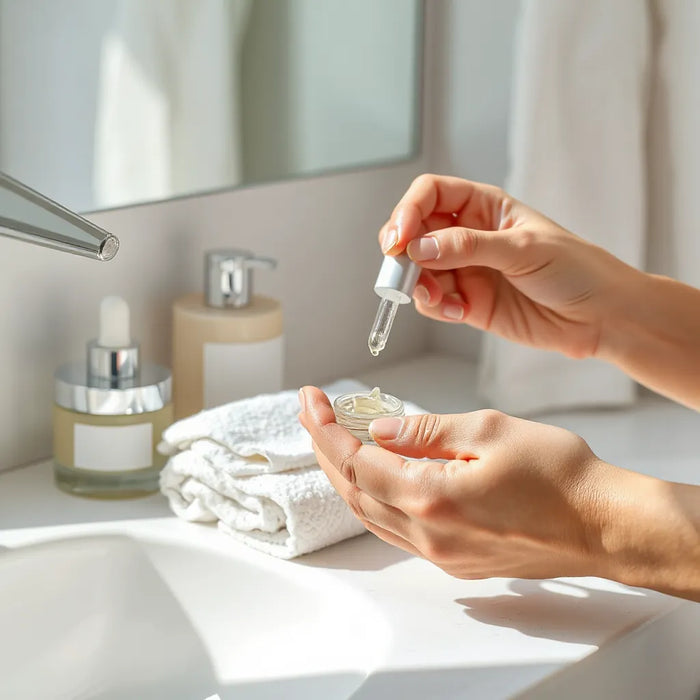
Hands applying a clear skincare gel to the cheek beside simple skincare bottles on a clean counter

Acne Management Tips for Clearer, Calm Skin

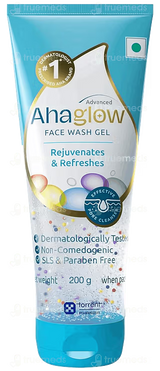
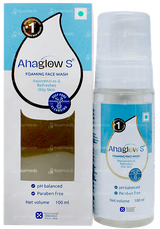
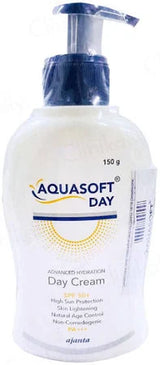
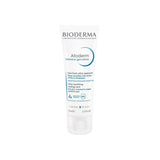
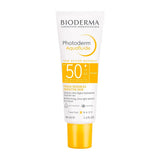
Updated on: 2026-06-30 Acne management works best when it is structured, consistent, and guided by skin physiology rather than trends. The right routine can reduce inflammation, limit clogged pores, and support the skin barrier while you treat active breakouts. You will also reduce setbacks by matching products to your skin type, sensitivity level, and the acne pattern you experience. This article offers a practical framework you can use to build an evidence-based routine and track progress. Why Acne Management Matters Personal Experience: What Changed My Approach Key Advantages of a Routine-Based Strategy Build Your Routine for Acne Management Ingredients and Product Choices Quick Tips for Better Results Summary & Next Steps Why Acne Management Matters Acne management is not only about covering blemishes. It is about reducing the drivers of acne such as clogged pores, excess oil, inflammation, and bacterial imbalance. When these drivers are addressed with appropriate topical actives and a supportive daily routine, skin typically becomes more stable over time. Without a plan, many people cycle through harsh cleansing, over-exfoliation, and inconsistent application. That often worsens irritation and increases the risk of post-inflammatory marks. The most effective routines also protect the barrier. Inflamed skin is more reactive, and reactive skin responds poorly to strong formulas. A balanced approach can help you treat breakouts while keeping discomfort low. This matters because adherence is a core part of success. You cannot benefit from a complex routine if the products cause dryness, burning, or peeling that leads you to stop. Personal Experience: What Changed My Approach I once treated acne management like a short-term cleanup. I tried stronger washes, switched products every few days, and added multiple exfoliating steps in the hope of faster improvement. The result was predictable: irritation increased, my face felt tight, and new breakouts appeared alongside redness. When I slowed down and committed to a consistent routine, the pattern changed. I used gentler cleansing, introduced targeted treatments gradually, and protected my skin with daily hydration and sunscreen. Over time, the number of active lesions decreased, and the overall texture became less rough. That experience reinforced a key principle: acne management is a process. It requires careful product selection, gradual adaptation, and patience. Even when results are not immediate, incremental improvements such as reduced flare frequency and calmer skin indicate the routine is working.   Split facial areas showing calm skin versus redness Key Advantages of a Routine-Based Strategy More consistent results: A predictable routine supports long-term adherence and reduces the chance of overcorrecting. Better tolerance: Using barrier-friendly steps helps your skin handle acne actives with fewer side effects. Improved pore clarity: Targeted cleansing and pore-supporting ingredients can reduce buildup that contributes to clogged follicles. Lower inflammation: Thoughtful ingredient selection can reduce visible redness and discomfort. Reduced post-breakout marks: When irritation is minimized, discoloration often fades more evenly. Build Your Routine for Acne Management A routine for acne management should be simple enough to follow daily and structured enough to address multiple acne mechanisms. The following framework works for many skin types. Adjust intensity based on sensitivity, and introduce changes one at a time. Step 1: Cleanse with control Cleanser choice affects both acne and comfort. Use a gentle cleanser that removes excess oil without stripping. Harsh cleansing can trigger rebound oil and increase irritation, especially when you use acne actives later. If you wear makeup or sunscreen, cleanse thoroughly but avoid aggressive rubbing. If you prefer an oil-control approach, consider a foaming cleanser designed for acne-prone skin. For those with dryness or barrier sensitivity, a gentle cleanser is often a better starting point. Gentle cleanser options Step 2: Treat the active phase Treatments should be targeted and measured. For many routines, a leave-on active applied after cleansing is more effective than frequent scrubbing. Apply a thin layer to the areas that need attention. If your skin is sensitive, introduce treatment every other night, then increase frequency only after tolerance improves. Topical options often fall into categories such as benzoyl peroxide, salicylic acid, retinoids, azelaic acid, or sulfur-based approaches. The best category for you depends on your acne type and your skin’s reaction to actives. Step 3: Support hydration and barrier function Hydration is not optional in acne management. Dehydrated skin can look worse even when breakouts are improving. Choose a lightweight moisturizer that reduces tightness and supports barrier lipids. Look for non-irritating formulations and avoid heavy occlusion if you notice clogged-pore behavior with richer creams. Hydrating lotion for comfort Step 4: Use daily sun protection Sun exposure can worsen discoloration and increase visible marks after breakouts. A broad-spectrum sunscreen also supports overall skin calmness. If sunscreen causes sting or pilling, you may need a different texture or application technique. Oil-control sunscreen gel Four-step routine icons: cleanse, treat, moisturize, protect Ingredients and Product Choices Ingredient literacy is a practical tool in acne management. It helps you avoid stacking incompatible actives, reduce irritation, and select products aligned with your acne type. For clogged pores and texture Look for ingredients that support exfoliation within the pore environment. Salicylic acid is widely used for this purpose because it can help clear congestion. If you are new to actives, start with lower frequency application and monitor redness and dryness. For inflamed acne and redness Inflammation responds to careful anti-acne actives and anti-inflammatory support. Benzoyl peroxide products are often used for active lesions, while azelaic acid may help with both redness and uneven tone. Begin with one targeted treatment rather than combining several at once. For post-breakout marks Even when active lesions reduce, marks can remain. Consistent sun protection is the foundation. For additional support, consider gentle brightening ingredients that do not intensify irritation. When your barrier is stable, tone tends to even out more reliably. How to decide what to use next Use a simple decision rule: pick the step that matches your most visible problem. If you primarily have clogged pores, prioritize pore-clearing ingredients. If you have painful inflamed bumps, prioritize anti-inflammatory acne treatments. If you have mostly marks with few new lesions, reinforce sunscreen and tone-supporting care. Also consider sensitivity. If stinging is common, reduce the number of strong actives used in the same routine. Use the fewest steps needed, then add one improvement at a time. Quick Tips for Better Results Introduce changes gradually: Switch one variable at a time so you can identify what helps or irritates. Apply to dry skin: Many acne actives work better and sting less when skin is fully dry after cleansing. Avoid over-exfoliation: Scrubs and frequent chemical exfoliation can increase inflammation. Use consistent application: Spotty use reduces the treatment effect and makes progress harder to measure. Mind your cleanser frequency: Twice-daily cleansing may be excessive for some skin types; adjust based on dryness. Protect during the day: Sunscreen supports clearer healing and helps reduce visible marks. Track skin weekly: Note changes in new lesions, redness, and dryness to guide next steps. Summary & Next Steps Acne management succeeds when routines are designed around skin needs and followed with consistency. Begin with controlled cleansing, select one targeted treatment strategy, support hydration, and use daily sun protection. When you choose ingredients intentionally, you reduce irritation and improve the chance that active acne control translates into smoother, calmer skin. Next, assess your primary acne pattern. If congestion leads your concerns, focus on pore-supporting care. If inflammation is dominant, prioritize anti-inflammatory treatment options. If marks are the main issue, strengthen sunscreen habits and add gentle tone support. If you experience persistent severe acne, scarring, or significant irritation despite a careful routine, consult a qualified dermatologist for personalized guidance. Q&A Section How long does acne management typically take to show improvement? Visible improvement usually depends on acne type, treatment selection, and adherence. Early changes often include reduced irritation and fewer new lesions. However, skin remodeling and mark fading can take additional time. If your routine is consistent and well tolerated, you should see meaningful progress over several weeks. When there is no improvement, reassess the treatment strategy and consider professional advice. Can I use multiple acne treatments in the same routine? Yes, but it requires careful planning. Combining several strong actives can increase dryness, redness, and peeling. A safer approach is to start with one primary treatment, establish tolerance, then add a secondary step only if needed. If you already use a retinoid or strong exfoliant, be cautious with additional exfoliating products. If irritation occurs, simplify the routine and prioritize barrier support. Why does my skin get worse before it gets better? Some people experience temporary flare-ups when introducing new acne treatments, especially those that increase cell turnover or target clogged pores. Irritation can also create the appearance of worsening acne. This does not always indicate treatment failure. Reduce application frequency, ensure gentle cleansing, and focus on hydration. If the worsening is severe, painful, or persistent, consult a dermatologist to adjust the regimen. What should I do if sunscreen makes my acne worse? If a sunscreen worsens congestion or causes stinging, choose a formula with a lighter texture and acne-prone friendly feel. Consider a non-comedogenic style product and apply with a thin, even layer. Some people also benefit from allowing moisturizer to absorb before sunscreen application. Consistent sun protection is important, but it should be compatible with your skin. Do I need professional acne management care? Many mild to moderate cases improve with consistent at-home routines. Professional care becomes especially important for severe nodular or cystic acne, scarring risk, or acne that does not respond to a well-structured regimen. A clinician can evaluate underlying triggers, review medication options, and tailor a plan that reduces both acne and long-term effects on skin appearance. About the Author Allodermis is committed to practical dermatology-informed skincare guidance and product education. Our expertise focuses on routine design for acne management, barrier support, and ingredient-based decision making. We encourage informed choices that respect skin sensitivity and promote consistent daily habits. Thank you for reading, and we hope this guidance helps you build a routine with clarity and confidence. Disclaimer: This article is for educational purposes only and does not replace professional medical advice. Acne can have many causes, and individual treatment needs may vary. If you have severe acne, scarring, or persistent irritation, consult a qualified dermatologist or healthcare professional.

Learn more
Person applying acne scar care gel to the face with visible healing marks

Proven Acne Scar Solutions for Clearer Skin

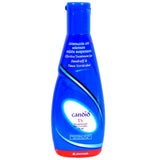
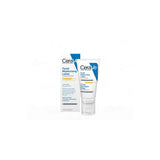
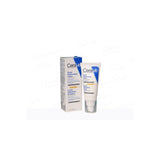
Updated on: 2026-06-28 Acne scars can form after inflammation damages skin structure. Effective acne scar solutions combine prevention of new breakouts with targeted scar remodeling. The best approach depends on whether the marks are red or brown, or whether they are indented or raised. A consistent routine, professional options, and realistic expectations typically deliver the most reliable results. Table of Contents Introduction Product Spotlight: Barrier Repair and Calm for Acne-Prone Skin Step-by-Step How-To: Build a Scarring-Focused Routine Personal Experience: Why Consistency Beats Quick Fixes What to Expect From Acne Scar Treatments Summary & Recommendations Q&A Section Introduction Acne scar solutions work best when they address the root causes that create scarring: ongoing inflammation, impaired healing, and uneven pigment. Many people focus only on marks, yet scars often include multiple components at once. For example, a site may look darker while also showing subtle texture changes. A thoughtful plan can improve tone, soften texture, and reduce the appearance of both early and established scars. This guide explains how to choose evidence-based options using at-home skincare and when to seek clinical care. It also covers how to select products that support a stable skin barrier, which can reduce irritation during active treatment. The goal is not perfection. The goal is visible improvement with a plan that your skin can tolerate. Product Spotlight: Barrier Repair and Calm for Acne-Prone Skin When treating acne scarring, irritation can slow progress. A well-tolerated cleanser and a gentle hydration step help maintain barrier function, which supports smoother healing. One practical starting point is a formulation designed for oily, blemish-prone skin that cleans without over-stripping. Over-cleansing can increase redness and sensitivity, which may worsen the look of early marks. If you are rebuilding your baseline routine, consider adding a gentle, non-aggressive cleanser and a hydrating lotion to prepare your skin for active ingredients. For many routines, a cleanser that removes excess oil while staying mild helps reduce the chance of flare-ups that can add new texture changes. For example, you can explore Cetaphil Gentle Cleanser to support a stable cleansing step. If your skin is oily and tends to feel tight, pairing a mild cleanse with appropriate hydration can reduce the likelihood of rebound irritation. Step-by-Step How-To: Build a Scarring-Focused Routine Acne scars do not respond to a single ingredient. A successful routine uses a sequence: prevent new inflammation, treat discoloration, and improve texture gradually. Below is a structured approach that prioritizes skin tolerance and consistency. Identify the scar type you are seeing. Look for red or pink marks (post-inflammatory erythema), brown spots (post-inflammatory hyperpigmentation), and any indented or raised texture. Each category responds differently. Stabilize cleansing and hydration. Use a gentle cleanser once or twice daily. Apply a light moisturizer that supports comfort. If you experience burning or persistent dryness, reduce active strength and increase barrier support. Reduce ongoing breakouts first. If acne is active, scarring will continue. Choose acne-targeting care such as salicylic acid or other acne controls suited for your tolerance. Treating breakouts lowers new scar formation risk. Use pigment-support ingredients for marks. For brown or uneven tone, incorporate a brightening approach. Many routines benefit from vitamin C derivatives, niacinamide, or gentle acids in carefully managed frequency. Consider topical retinoids for texture over time. Retinoids can support cell turnover and collagen-related remodeling. Introduce them slowly, use moisturizer to reduce dryness, and avoid combining too many strong actives at once. Apply daily sun protection. Ultraviolet exposure can darken marks and reduce the effectiveness of scar treatment. Choose broad-spectrum SPF and use enough product on all exposed areas. Track progress with photos. Use consistent lighting and angles. Texture and color improvement can be gradual. Documenting changes supports smarter adjustments and reduces frustration. If you want an accessible SPF option to support discoloration improvement, you can review Acne UV Gel SPF 50 for acne-prone routines where lightweight protection helps daily compliance. What to Expect From Acne Scar Treatments Different scar appearances improve at different rates. Color marks often fade earlier than indented scars. Raised scars can require a distinct strategy, and they may benefit more from clinical assessment. The most common misconception is that all scars behave the same way. In practice, mixed scar types often require a combination of topical care and procedural options. Topical acne scar solutions can soften the look of texture and reduce discoloration, especially for early scars. Clinical treatments can target deeper structural changes. Your selection should reflect the primary visible concern, your skin tolerance, and the presence of active acne. For pigment-focused care, vitamin C and supportive brightening agents can help with uneven tone. For texture support, retinoid-based routines are commonly used as a long-term strategy. For redness, anti-inflammatory approaches and strict sun protection often play a major role. As you progress, you may notice that the skin surface becomes smoother before marks fully disappear. You may also see transient dryness when introducing stronger actives. This is often avoidable with gradual scheduling and barrier-focused hydration. Personal Experience: Why Consistency Beats Quick Fixes In my early acne journey, I treated scarring like a short-term project. I cycled through products aggressively, increased strength too soon, and expected immediate results. Within a few weeks, the skin became reactive. The inflammation that should have settled instead returned, and the marks looked more stubborn. Later, I rebuilt my routine with a focus on tolerance. I used a gentle cleanser, applied moisturizer consistently, and added actives more slowly. I also made sunscreen a non-negotiable step. The visible change was not dramatic overnight, but it was steadier. Over time, the tone became more even and the surface looked less rough. That experience reinforced an important principle: acne scar solutions work through steady skin remodeling and improved healing conditions. The most effective routine is the one your skin can sustain. Summary & Recommendations Acne scars are not one problem; they are a mix of color and texture changes that develop after inflammation. The most reliable acne scar solutions combine three pillars: prevent new breakouts, treat discoloration, and support gradual texture improvement. Barrier-friendly cleansing and hydration reduce irritation and help you stay consistent with active ingredients. Recommendations to guide your plan: Match your routine to your visible scar type: red marks, brown spots, or texture changes. Prioritize tolerance by introducing actives slowly and supporting the skin barrier. Use daily SPF to prevent marks from becoming darker. Consider professional options if you have indented scars, raised scars, or limited response after consistent at-home care. To strengthen your daily skincare foundation, consider pairing your cleanser with a targeted hydrating step. If you are exploring brightening support, you may also review Cipla Excela Rich Facial Hydrating Lotion as part of a comfort-first routine. When you treat scarring with patience and precision, the skin can recover more effectively. If you have severe scarring, new acne that is not controlled, or concern about sensitivity, consult a qualified dermatologist for individualized guidance. Q&A Section What are the most common types of acne scars, and how do they look? Acne scars most often appear as post-inflammatory redness, post-inflammatory hyperpigmentation, and textural changes. Red or pink marks tend to look flatter and can fade with time. Brown spots often reflect pigment rather than depth. Indented scars create visible dents or uneven contour, while raised scars appear thicker and may feel firm. Identifying which appearance dominates helps you choose the right strategy. How long does it take for topical acne scar solutions to show results? At-home approaches typically require consistent use over multiple weeks to months. Pigment-related improvement can be faster than deeper texture remodeling. Progress also depends on whether acne is still active, how well sun protection is maintained, and whether the routine is adjusted to avoid irritation. Many users see incremental changes in smoothness and color before larger improvements become obvious. Can I treat acne marks and scars at the same time as active acne? Yes, but the plan should be carefully balanced. Active acne can drive new scarring, so breakout control should remain a priority. Many routines address both concerns by using gentle barrier support, controlled acne treatment, and pigment-focused actives that do not overwhelm the skin. If irritation occurs, reduce frequency, simplify the routine, and consider professional guidance. When should I consider professional procedures for scarring? You should consider clinical options when you have clear indented scars, raised scars that persist, or limited response to a consistent routine. Dermatologists can assess scar depth and recommend procedures such as resurfacing or scar remodeling approaches tailored to your skin type. Professional care can shorten the timeline for certain scar categories and improve outcomes when at-home care reaches its limits. How can I prevent acne from leaving new scars? Scar prevention begins with inflammation control. Avoid picking, reduce friction, and use a targeted acne routine that keeps breakouts under control. Keep sun protection consistent to prevent new marks from darkening. If your skin is frequently irritated, choose gentler cleansing and hydration so that active treatments stay tolerable. Prevention is the fastest way to stop new scarring. About the Author Allodermis is a skincare specialist team focused on dermocosmetic education and practical routine building for acne-prone skin. Their expertise supports evidence-aware guidance on barrier health, pigment management, and long-term skin texture improvement. The team encourages readers to approach acne scar solutions with consistency, patience, and professional support when needed. Thank you for reading. Disclaimer: This article provides general skincare education and does not replace medical advice, diagnosis, or treatment. Results vary by skin type and the severity of scarring. If you have persistent acne, painful lesions, or a history of sensitive reactions, consult a licensed dermatologist before starting new skincare routines or procedures.

Learn more
Hormonal Acne: What It Really Is and Why Treating It Needs More Than Just Skincare

Hormonal Acne: What It Really Is and Why Treating It Needs More Than Just Skincare

Acne that keeps coming back—especially around the jawline, chin, or cheeks—could be more than just a clogged pore issue. It may be hormonal acne, and it behaves very differently from the typical teenage breakouts. At Allodermis, we regularly see patients—especially women in their 20s, 30s, and even 40s—struggling with persistent, painful acne despite trying multiple skincare products. The cause? Hormonal imbalances beneath the skin. Understanding what hormonal acne looks like, what triggers it, and when to see a dermatologist or skin doctor can save your skin—and your confidence. What Is Hormonal Acne? Hormonal acne is triggered by internal hormonal fluctuations—especially androgens like testosterone, which increase oil gland activity and inflammation in the skin. It most commonly affects: Adult women (due to PCOS, stress, periods, or contraceptive changes) Teenagers entering puberty Men with excess androgen levels or high stress You’ll typically see hormonal acne along the jawline, lower cheeks, chin, neck, and sometimes back or chest. The breakouts are often deep, painful, and cystic—and they tend to recur in the same areas. If you're wondering what it looks like, search for verified hormonal acne pictures from dermatology sources. These show clear patterns distinct from bacterial or fungal acne. What Triggers Hormonal Acne? PCOS or hormonal disorders Menstrual cycle fluctuations Stress and cortisol spikes High-glycemic diets and dairy intake Use (or discontinuation) of hormonal birth control Poor sleep or chronic inflammation Understanding the trigger is just as important as treating the breakout. That’s why the best results come from dermatologist-led care that addresses both skin and systemic health. Hormonal Acne Diet: Does Food Really Matter? Yes. While diet alone doesn’t cause hormonal acne, certain foods can aggravate it. Some dietary habits to watch: Reduce refined sugars and high-GI carbs Limit dairy products (especially skim milk) Include omega-3s (flax seeds, walnuts) Add zinc, antioxidants, and fiber to support hormone regulation Adopting a hormonal acne diet won’t replace medication, but it can complement your treatment and reduce flare-ups [Dreno et al., 2018]. Hormonal Acne Treatment Options: What Works Best The best treatment depends on age, hormone levels, acne severity, and overall health. Your dermatologist may recommend: Oral contraceptives (for hormone balancing) Spironolactone (an anti-androgen medication) Retinoids (topical or oral) Anti-inflammatory agents like niacinamide Lifestyle and diet adjustments In-clinic treatments like peels or lasers for persistent pigmentation or scarring If you're tired of trial-and-error products, find a top-rated hormonal acne doctor who can guide you with both lab testing and long-term strategy. When to See a Dermatologist or Skin Doctor If you have any of the following, it’s time to consult a professional: Breakouts around jawline, chin, or neck that worsen with your period Cystic, painful lesions that don’t respond to skincare Irregular periods or facial hair growth (possible PCOS signs) Acne that recurs despite clean diet and hygiene Acne leaving behind dark marks or scars The right hormonal acne treatment begins with understanding the internal cause, not just treating the surface symptoms. Your Skin Is Talking. Let’s Decode It Together. At Allodermis, we specialize in root-cause-based dermatology—and hormonal acne is one of the most common cases we treat. Whether it’s through blood tests, ultrasound screening (for PCOS), or skin microbiome analysis, we ensure no guesswork. Our dermatologists develop evidence-based plans for patients looking for clarity, not confusion. Acne may be on the surface—but its origin often runs deeper. Struggling with stubborn jawline or chin acne? Book a consultation with our skin doctors today and start your personalized journey toward balanced, healthy skin. References: Dreno, B., et al. (2018). Pathophysiology of acne. Dermato-Endocrinology, 9(1), e1351570.https://doi.org/10.1080/19381980.2017.1351570 Zaenglein, A.L., et al. (2016). Guidelines of care for the management of acne vulgaris. Journal of the American Academy of Dermatology, 74(5), 945–973.https://doi.org/10.1016/j.jaad.2015.12.037 Burris, J., et al. (2013). Diet and acne: A review of the evidence. International Journal of Dermatology, 52(7), 794–801.https://doi.org/10.1111/j.1365-4632.2012.05697.x Smith, R.N., et al. (2007). Low glycemic load diet improves symptoms in acne vulgaris. American Journal of Clinical Nutrition, 86(1), 107–115.https://doi.org/10.1093/ajcn/86.1.107

Learn more
Types of Acne: Why You Need the Right Diagnosis Before the Right Treatment

Types of Acne: Why You Need the Right Diagnosis Before the Right Treatment

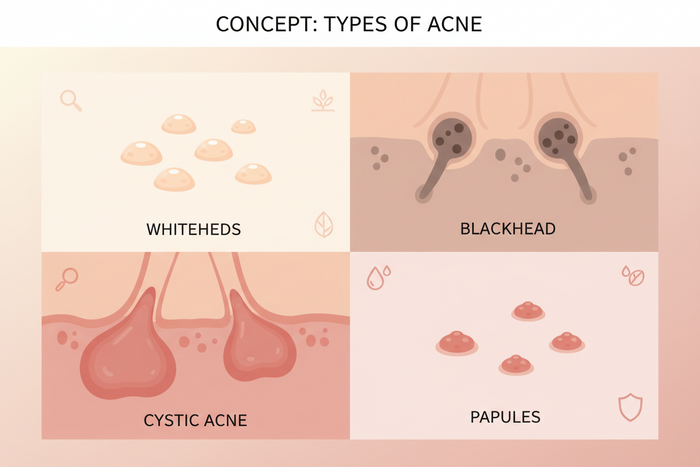
Acne might seem simple from the outside—just pimples on the skin. But as any experienced dermatologist will tell you, it’s not a one-type-fits-all condition. There are multiple types of acne, each with its own causes, severity, and treatment requirements. Understanding which type you have is the first step toward effective treatment—and avoiding unnecessary skin damage. Whether you’re dealing with stubborn blackheads or painful cysts, this guide breaks it down so you know when home care is enough—and when it’s time to see a skin doctor or the best dermatologist for your acne concerns. Why Knowing Your Acne Type Matters Many people reach for popular skincare products without understanding what’s actually happening underneath the skin. That’s why we often see patients at Allodermis who’ve used the wrong products, leading to worsening inflammation, scarring, or irritation. Each acne type behaves differently, and requires a tailored approach. Here's what you need to know: 1. Non-Inflammatory Acne This is the earliest and mildest form of acne—caused by clogged pores without active infection. Blackheads (Open Comedones): Pores are clogged with oil and dead skin but remain open, giving a dark appearance. Whiteheads (Closed Comedones): The pore closes over the buildup, forming a small bump under the skin. Treatment Tips:Topical exfoliants like salicylic acid or adapalene help keep pores clear. But if they persist, visit a dermatologist for a prescription-strength retinoid or comedolytic treatment. 2. Inflammatory Acne This is where the immune system reacts to bacteria and clogged pores, leading to redness, swelling, and sometimes pus. Papules: Small, red bumps—often tender and not pus-filled. Pustules: Similar to papules but filled with pus and more inflamed. Treatment Tips:Use products with benzoyl peroxide or topical antibiotics. Avoid popping these, as they can worsen inflammation or lead to scarring. If it doesn't improve within a few weeks, research and consult the best doctor for acne treatment near you. 3. Nodulocystic Acne (Severe Acne) This is the most intense and potentially scarring form of acne. It includes: Nodules: Hard, painful lumps deep under the skin. Cysts: Large, pus-filled lesions that may rupture and scar. These lesions often require medical-grade treatment and should never be treated with over-the-counter products alone. Treatment Tips:Oral retinoids (like isotretinoin), hormonal therapy (for women), and in-clinic care are usually required. If you notice recurring painful cysts or nodules, book a consultation with the best dermatologist you can find—early intervention here is critical to prevent long-term damage. 4. Fungal Acne (Malassezia Folliculitis) Though not technically "acne," this condition looks very similar—tiny itchy bumps, often on the chest, shoulders, or back. It’s caused by yeast overgrowth, not bacteria. Treatment Tips:Fungal acne doesn’t respond to traditional acne treatments. It needs antifungal shampoos or creams, so getting a proper diagnosis from a skin doctor is essential. When to See a Dermatologist Here are signs it’s time to move from self-care to expert care: Acne hasn’t improved after 4–6 weeks of OTC products You have painful, deep nodules or cysts You're noticing signs of scarring or pigmentation You're unsure which type of acne you have Your acne is affecting your self-esteem or confidence Find the best doctor for acne treatment, who will not only diagnose your acne type but also consider your skin type, lifestyle, and hormonal profile to create a plan that actually works. Your Skin Is Unique—So Should Be Your Treatment At Allodermis, we believe acne isn't just skin-deep. Each breakout tells a story—of hormones, environment, genetics, and lifestyle. That's why we don’t believe in one-size-fits-all skincare. If you're struggling with breakouts and unsure what you're dealing with—comedones, cysts, or something else—our dermatologists will help decode it and offer science-backed solutions. Book your skin consultation with Allodermis today—and let’s treat your acne with clarity, not confusion. Read more: Back Acne: Why It’s Different and How to Treat It Right References: Zaenglein, A.L., et al. (2016). Guidelines of care for the management of acne vulgaris. Journal of the American Academy of Dermatology, 74(5), 945–973.https://doi.org/10.1016/j.jaad.2015.12.037 Dreno, B., et al. (2018). Pathophysiology of acne. Dermato-Endocrinology, 9(1), e1351570.https://doi.org/10.1080/19381980.2017.1351570 Dréno, B., et al. (2020). Understanding and Management of Truncal Acne. JEADV, 34(S4), 3–14.https://doi.org/10.1111/jdv.16839 Nagler, A.R., Orlow, S.J. (2014). Hormonal treatment of acne in adolescent females.https://doi.org/10.1016/j.jpag.2013.11.004

Learn more
Back Acne: Why It’s Different and How to Treat It Right

Back Acne: Why It’s Different and How to Treat It Right

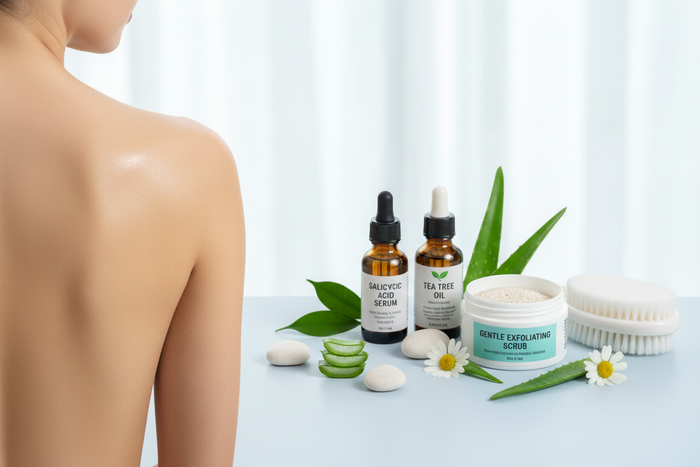
Back acne—or bacne—is more common than most people realize, but it often goes ignored until it becomes painful or leaves marks. At Allodermis, we frequently see patients who’ve tried scrubs, home remedies, or harsh soaps—only to end up with worse inflammation or scarring. Just like facial acne, back acne ranges from blackheads to deep cysts. But the skin on your back behaves differently—so the causes, triggers, and treatment approach must be different too. Understanding what back acne means, and when to see a dermatologist or skin doctor, can help you treat it right from the start. What Causes Back Acne in the First Place? At the core of acne—whether on the face or body—is excess sebum (oil) production. On the back, this oil combines with dead skin and sweat to block pores. This environment becomes a breeding ground for Cutibacterium acnes (formerly P. acnes), leading to inflammation and pus-filled lesions [Dreno et al., 2018]. Triggers for back acne include: Tight clothing or gym wear that traps sweat Friction from backpacks or prolonged sitting Skipping showers after workouts Use of steroids or protein supplements Hot and humid climates Poor exfoliation of thick back skin In some cases, back acne is hormonal—especially in females experiencing simultaneous breakouts on the jawline, chest, or shoulders [Nagler & Orlow, 2014; Poli et al., 2001]. This condition is referred to as truncal acne, and research confirms it is often more persistent than facial acne due to delayed treatment and higher friction exposure [Dreno et al., 2020]. Types of Back Acne: More Than Just a Spot Back acne may appear as: Non-inflammatory lesions: Blackheads and whiteheads (comedones) Inflammatory lesions: Red papules, pustules, nodules, and cysts The thicker skin on your back means breakouts may go unnoticed in early stages, giving them time to worsen. Nodulocystic back acne can cause deeper inflammation and increase the risk of scarring—especially in people with keloid tendencies. How to Prevent and Manage Back Acne Daily For mild back acne, a few lifestyle changes and targeted skincare may help: Use body washes with salicylic acid to exfoliate pores [Bowe & Shalita, 2008] Rotate with benzoyl peroxide-based soaps to reduce bacteria Avoid wearing sweaty clothes for extended periods Shower immediately after workouts or sweating Choose breathable fabrics and avoid tight-fitting gear However, if acne persists for more than a few weeks or becomes painful or infected, it's time to seek professional care from a dermatologist. How to Get Rid of Back Acne Scars Back acne often leaves behind dark marks, pigmentation, or keloid scars. The healing process on the back is slower and often less visible to patients, which can delay treatment. Options for back acne scar treatment include: Chemical peels or body peels Microneedling for textural irregularities Q-Switch laser for pigmentation Steroid injections or cryotherapy for raised scars The choice depends on the scar type—flat, dark, raised, or indented—and your skin’s healing response [Sardana et al., 2017]. What Dermatologists Recommend for Back Acne Treatment Treatment depends on severity and progression: Mild: Salicylic acid or benzoyl peroxide-based cleansers, exfoliants Moderate: Topical retinoids, antibiotic gels, or glycolic acid scrubs Severe/nodulocystic: Oral antibiotics, hormonal treatment (for women), or oral retinoids (like isotretinoin) Scarring acne: In-clinic procedures like lasers, peels, or injectables Back acne is often more chronic than facial acne, with healing taking 4–6 months or longer [Dreno et al., 2020]. That’s why early intervention with the back acne best treatment plan is key. Don’t Ignore Back Acne—Treat It Early Left untreated, back acne can leave long-lasting signs: Post-inflammatory hyperpigmentation (PIH) Keloidal or hypertrophic scars Thickened, bumpy texture If you're wondering how to get rid of back acne scars, the best results come from treating the underlying acne first—and starting scar management early. If over-the-counter options aren't helping, don’t wait. Book a visit with a skin doctor or dermatologist for a personalized solution. Your Skin Deserves Expert Care Back acne isn’t just a cosmetic issue—it reflects deeper skin imbalances, lifestyle factors, or hormonal triggers. A one-size-fits-all approach doesn’t work here. At Allodermis, we offer dermatologist-led treatment plans tailored to your skin type, acne severity, and scar risk. Whether it’s a few stubborn spots or full truncal acne, we help you treat it at the root—safely and effectively. Looking for the back acne best treatment? Book your skin consultation with Allodermis today. Also Read: Retinol Gone Wrong at 20: Why Skincare is Not One-Size-Fits-All References Dreno, B., et al. (2020). Understanding and Management of Truncal Acne: An Expert Opinion. JEADV, 34(S4), 3–14. https://doi.org/10.1111/jdv.16839 Nagler, A.R., Orlow, S.J. (2014). Hormonal Agents in Adolescent Female Acne. J Pediatric Adolescent Gynecology, 27(2), 61–65. https://doi.org/10.1016/j.jpag.2013.11.004 Bowe, W.P., Shalita, A.R. (2008). Effective OTC Acne Treatments: A Review. J Clin Aesthetic Dermatol, 1(4), 32–36. https://www.ncbi.nlm.nih.gov/pmc/articles/PMC3016935/ Poli, F., Dreno, B., Verschoore, M. (2001). Epidemiology of Female Adult Acne. JEADV, 15(6), 541–545. https://doi.org/10.1046/j.1468-3083.2001.00345.x Dreno, B., et al. (2018). Pathophysiology of Acne. Dermato-Endocrinology, 9(1), e1351570. https://doi.org/10.1080/19381980.2017.1351570 Sardana, K., et al. (2017). Management of Acne Vulgaris: Review & Update. Indian J Dermatol, 62(4), 332–340. https://www.ncbi.nlm.nih.gov/pmc/articles/PMC5605214/  

Learn more
Laser Acne Scar Removal: What to Expect and Results

Laser Acne Scar Removal: What to Expect and Results

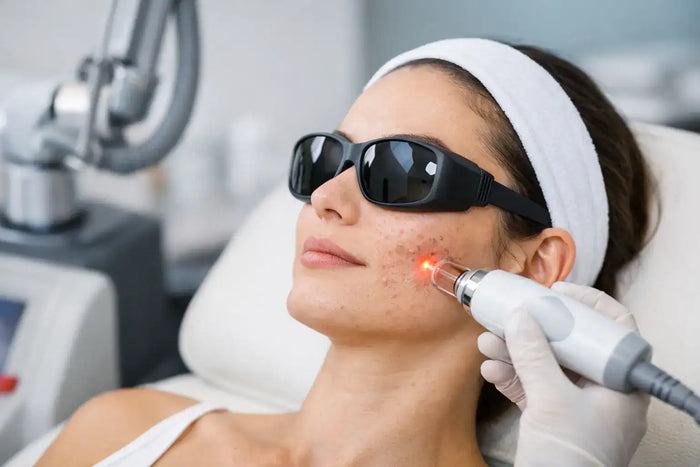
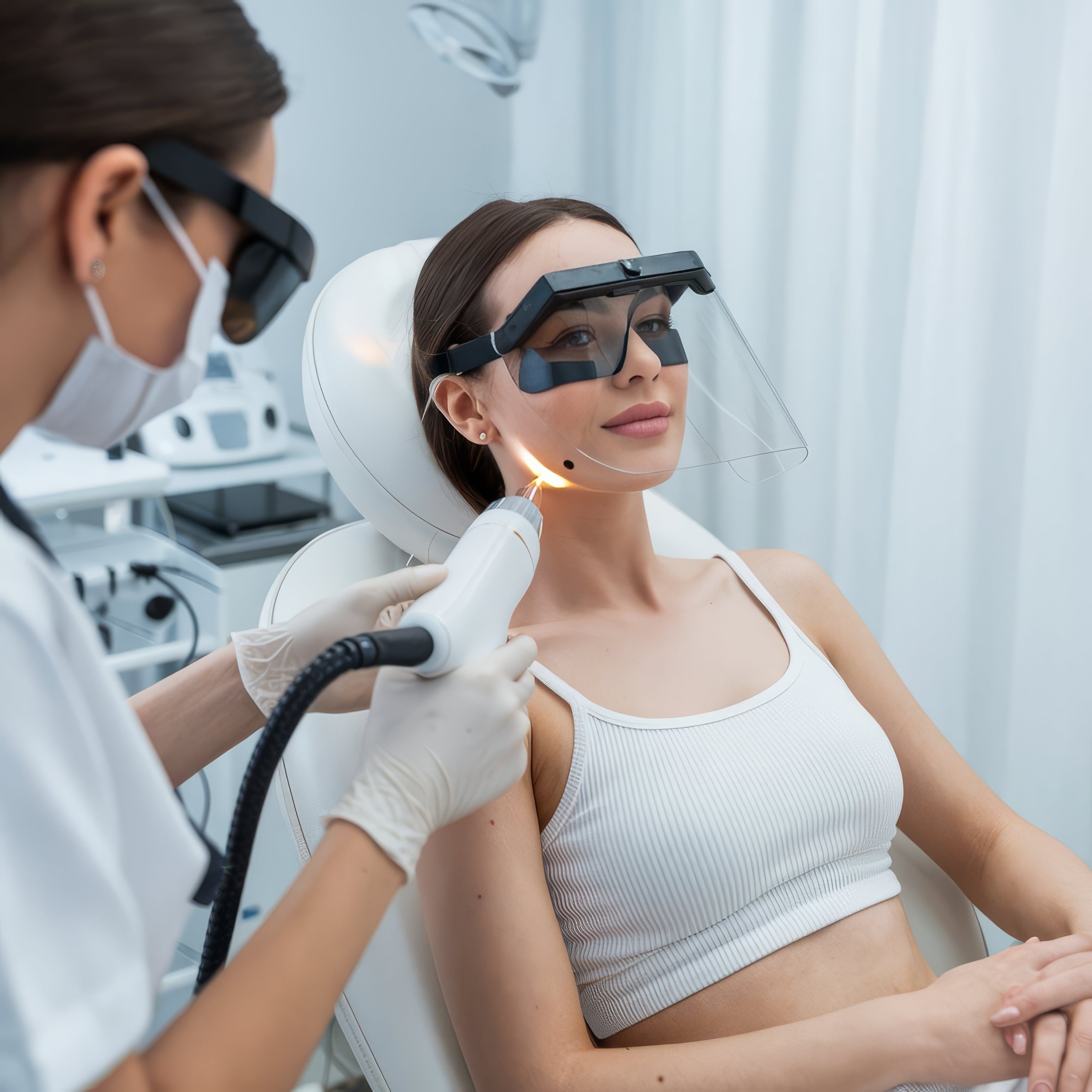
Updated on: 2026-05-24 Laser acne scar removal is a structured approach to improving the look of acne marks and deeper scars. The best results depend on scar type, skin tone, device choice, and a realistic treatment plan. Pros include targeted energy delivery and gradual texture improvement, while cons include cost, downtime for some sessions, and the need for strict aftercare. This guide explains what to expect, how to prepare, and how to choose a safe, evidence-based path forward. TLDR | Table of Contents | Introduction | Did You Know? | Comparison: Pros & Cons | Buyer’s Checklist | Visual Concept | Final Thoughts & Advice | Visual Concept | Q&A Section | About the Author Laser acne scar removal can improve texture and reduce visible scarring, but outcomes vary by scar type and skin history. A careful evaluation, conservative settings when appropriate, and consistent aftercare are often more important than the device label. Use this guide to compare benefits and trade-offs, verify credentials, and prepare your routine for safer, steadier progress. 1. Introduction 2. Did You Know? 3. Comparison: Pros & Cons 4. Buyer’s Checklist 5. Final Thoughts & Advice 6. Q&A Section 7. About the Author Laser acne scar removal is often discussed as a high-precision option for improving the appearance of acne marks. However, lasting improvement is not only about the laser. It also depends on accurate scar classification, your skin’s baseline behavior, and a conservative, medically supervised treatment plan. In this article, you will learn how laser-based approaches work at a practical level, which factors influence results, and how to make a safe decision that aligns with your goals and routine. Did You Know? “Acne scars” are not one single condition; depressed, raised, and discolored marks each require a different strategy. Skin inflammation history can affect how your skin responds to energy-based treatments, including redness and pigment changes. Good outcomes often come from repeated sessions rather than a single procedure, with progress measured gradually. Sun protection and barrier support can be as important as the device used during treatment. Clinical evaluation should include lighting, palpation, and scar pattern analysis, not only a brief visual check. Comparison: Pros & Cons Pros: Targeted treatment can focus on specific scar characteristics such as texture irregularity or raised tissue. Pros: Many people can see gradual improvement across multiple sessions, which may fit long-term goals. Pros: Treatment parameters can be adjusted based on skin response and scar depth. Cons: Results vary by scar type, severity, and individual healing patterns; no outcome can be guaranteed. Cons: Some approaches may involve temporary redness, swelling, or sensitivity, which affects social plans. Cons: Costs can add up, especially when a plan includes several sessions and follow-up care. Cons: Risk management is critical for darker skin tones or those prone to post-inflammatory pigment changes. Buyer’s Checklist Before choosing laser acne scar removal, treat your decision like a medical-grade project. The goal is not only a procedure, but also a plan that reduces risk and increases the chance of steady improvement. Confirm scar classification: Ask how the clinician will determine whether your concerns are depressed scars, raised scars, or pigmentation-related marks. Verify clinical credentials: Request details about training, experience with acne scarring, and how complications are managed. Discuss device rationale: A responsible provider should explain why a particular wavelength or approach fits your scar type. Set realistic expectations: Ask what improvement looks like for your scar pattern and what would indicate the plan needs adjustment. Review risk factors: Mention any history of keloids, frequent hyperpigmentation, eczema, or recent active acne. Ask about downtime: Understand what you can expect for redness, texture sensitivity, and when makeup or skincare can resume. Request aftercare guidance: A strong plan includes sun protection, gentle cleansing, and barrier support. Plan for skin stability: Consider stabilizing your routine first, so your skin is less reactive during treatment. Evaluate hygiene and protocols: Inquire about skin preparation, eyewear safety, and post-treatment monitoring. Use a consent-based approach: Ensure the provider documents risks, alternatives, and your understanding before any procedure. To support treatment readiness, your daily routine matters. If you cleanse gently and protect skin from ultraviolet exposure, you reduce the chance that irritation will interfere with healing. Consider a mild cleanser such as gentle cleanser to support a stable baseline. For those who need broad-spectrum daily protection, an acne-safe option like daily sunscreen can support post-procedure recovery and help prevent pigment shifts. Understanding how different scars respond Not every scar responds the same way to laser energy. Depressed scars often benefit from approaches that encourage remodeling beneath the surface. Raised scars may require strategies that reduce excessive tissue and vascularity. Discoloration is also distinct; it may improve with targeted treatments, but it can also be strongly influenced by sun exposure and inflammation control. This is why a clinician should start with pattern recognition and then select the least aggressive plan that can still achieve your goals. Final Thoughts & Advice Laser acne scar removal can be a thoughtful option when acne activity is controlled and scar characteristics are clearly assessed. The most reliable path is an evaluation-first approach: identify what you are treating, select parameters that match your skin type, and commit to aftercare that supports healing. If your skin is currently inflamed, it is typically wiser to focus on controlling breakouts first, because active acne can complicate healing and assessment. When you compare clinics, do not rely only on marketing language. Instead, look for transparency about risks, a clear plan for multiple sessions, and a commitment to adjusting treatment if your skin response suggests the need for changes. Also, consider whether your routine supports recovery. Barrier support and sunscreen use can reduce the chance of irritation becoming a secondary problem. If you also use calming, hydration-forward steps, choose them with care. For example, a lightweight option such as facial hydration may help your skin tolerate daily care during the treatment cycle. If you are managing oiliness or congestion that can fuel ongoing acne, consider an appropriate cleanser like oil control wash, used gently and consistently. How to maintain progress after treatment Aftercare is not a formality. It is a risk-reduction tool. Use sunscreen daily, keep cleansing gentle, and avoid aggressive exfoliation during periods when your skin barrier is still recovering. If you are prone to irritation, introduce changes one at a time and pause active retinoid-like or strong acids if your skin shows persistent sensitivity. A steady routine supports even outcomes and helps your clinician evaluate progress between sessions. Finally, remember that improvements are often gradual. A responsible provider should explain how they will measure changes, such as changes in texture, visibility under varied lighting, and overall skin tone uniformity. If you cannot describe your goals clearly, ask the clinician to help you set measurable expectations based on your specific scar pattern. Q&A Section How many sessions are usually needed for acne scar improvement? Many people require a series rather than a single visit, because tissue remodeling happens gradually. The number of sessions depends on scar depth, the treatment approach selected, your skin response, and whether there are additional concerns such as ongoing acne activity or pigment tendency. Your clinician should provide a plan that includes session spacing, expected progress checkpoints, and criteria for adjusting settings. Is laser acne scar removal suitable for all skin types? Suitability depends on scar type and skin history, especially your tendency toward post-inflammatory pigment changes. A qualified clinician should tailor parameters and may use conservative settings for higher-risk cases. Before treatment, you should disclose prior reactions to procedures, sun sensitivity, and any history of keloids or unusually prolonged redness. A safe decision is based on individualized risk assessment, not a generic device promise. What should I do if my skin becomes more sensitive after treatment? Increased sensitivity can occur during normal healing, but persistent burning, swelling, or unusual discharge requires prompt medical evaluation. In the meantime, prioritize barrier support with gentle cleansing, avoid harsh actives, and follow the aftercare plan provided by your clinician. Strict sun protection is essential because ultraviolet exposure can amplify discoloration. If symptoms escalate, contact your provider instead of continuing routine changes. Can skincare products improve results alongside laser? Skincare can support results by reducing irritation and helping your barrier recover. Products with gentle cleansing and appropriate moisturization can improve tolerance between sessions, and daily sunscreen can help minimize pigment changes. If you incorporate treatment-grade actives, introduce them carefully and only if your clinician advises it for your specific healing stage. About the Author Allodermis is supported by skincare-focused expertise that emphasizes practical routines, evidence-informed decision-making, and consumer education for safer care choices. The author behind this guide brings professional experience in product selection principles and skin health fundamentals, with a focus on clarity and risk awareness. The goal is to help readers approach laser-based options with preparation, realistic expectations, and consistent aftercare. Thank you for reading, and choose an approach that aligns with your skin’s needs. Disclaimer: This article is for educational purposes only and does not provide medical advice, diagnosis, or treatment. Consult a qualified healthcare professional or licensed dermatologist to evaluate your skin, confirm scar type, and determine an appropriate plan for your safety. Individual results vary, and no procedure guarantees specific outcomes.

Learn more
Retinol Gone Wrong at 20: Why Skincare is Not One-Size-Fits-All

Retinol Gone Wrong at 20: Why Skincare is Not One-Size-Fits-All

Retinol is trending everywhere, but using it without understanding your skin type can lead to irritation, dryness, redness, and long-term barrier damage. This article explains why skincare is not one-size-fits-all, the side effects of retinol misuse in your 20s, and why consulting a dermatologist before experimenting with active ingredients is essential.

Learn more
Black Peel for Acne: What It Is, How It Works, and Who It’s For

Black Peel for Acne: What It Is, How It Works, and Who It’s For

Black Peel is a dermatologist-performed chemical peel commonly used for active acne, comedonal congestion, excess oil, and early inflammatory breakouts. It is based primarily on salicylic acid (BHA) combined with supportive ingredients that help calm inflammation and support skin barrier recovery. Unlike cosmetic peels done without medical oversight, Black Peel is used as part of a clinical acne management plan, not as a standalone cosmetic fix. What Is Black Peel? Black Peel is a professional salicylic acid–based chemical peel designed to penetrate oil-filled pores. Salicylic acid is lipophilic, meaning it dissolves excess sebum and debris inside follicles, making it especially useful for acne-prone skin. Some proprietary Black Peel formulations may include: Antioxidants Humectants Barrier-supporting agents such as niacinamide Select antimicrobial adjuncts used judiciously in dermatology. The primary therapeutic effect, however, comes from the acid type and concentration, not from traditional or cosmetic additives. How Black Peel Works (Clinical Mechanism) Black Peel acts through three main pathways: 1. Pore exfoliation Salicylic acid loosens dead skin cells and clears follicular blockages, reducing comedones. 2. Anti-inflammatory and antimicrobial action By reducing Cutibacterium acnes activity and inflammatory mediators, the peel helps calm active breakouts. 3. Barrier and pigment modulation Supportive ingredients help reduce postinflammatory pigmentation risk and support recovery during healing. This controlled epidermal injury encourages renewal without serious dermal damage. Who Is Black Peel Best Suited For? Black Peel may be helpful for: Oily or acne-prone skin Whiteheads and blackheads Mild to moderate inflammatory acne Early postacne pigmentation (PIH) Patients seeking low-downtime acne procedures It is not appropriate for: Pregnancy or breastfeeding (without specialist clearance) Active skin infections or open wounds Severe cystic acne requires systemic control first. Recent isotretinoin use (timing decided by dermatologist) What to Expect During Treatment Before the peel Medical consultation and acne assessment Review of skincare, medications, and triggers Patch testing when indicated During the peel Controlled application with timed exposure Continuous monitoring Neutralisation as per protocol After the peel Temporary redness or mild flaking Calming and barrier support care Sun protection is essential. Most people resume routine activities within 48–72 hours. How Many Sessions Are Usually Needed? Black Peel is typically performed as a series, not a one-time treatment. Mild acne: 2–3 sessions Moderate acne: 3–6 sessions Sessions are usually spaced 4–6 weeks apart, depending on skin response. Expected Results (CaseDependent) With appropriate patient selection and aftercare, many individuals notice: Reduced oiliness Fewer new breakouts Smoother skin texture Gradual reduction in post-acne marks Results depend on acne severity, consistency, and whether internal triggers are addressed. Safety and Side Effects Common, temporary effects: Redness Mild peeling or crusting Temporary sensitivity Rare complications such as prolonged pigmentation or irritation are usually linked to improper indication, incorrect technique, or poor postcare, highlighting the importance of dermatologist supervision. Black Peel is not a cosmetic shortcut. It is a medically supervised chemical peel best used as part of a broader acne management strategy that includes skincare correction, trigger control, and follow-up care. When appropriately indicated, it offers an effective, low-downtime option for acne-prone skin.  

Learn more
Pimple, Acne, Acne Scars: Understanding the Skin Condition Beyond Breakouts

Pimple, Acne, Acne Scars: Understanding the Skin Condition Beyond Breakouts

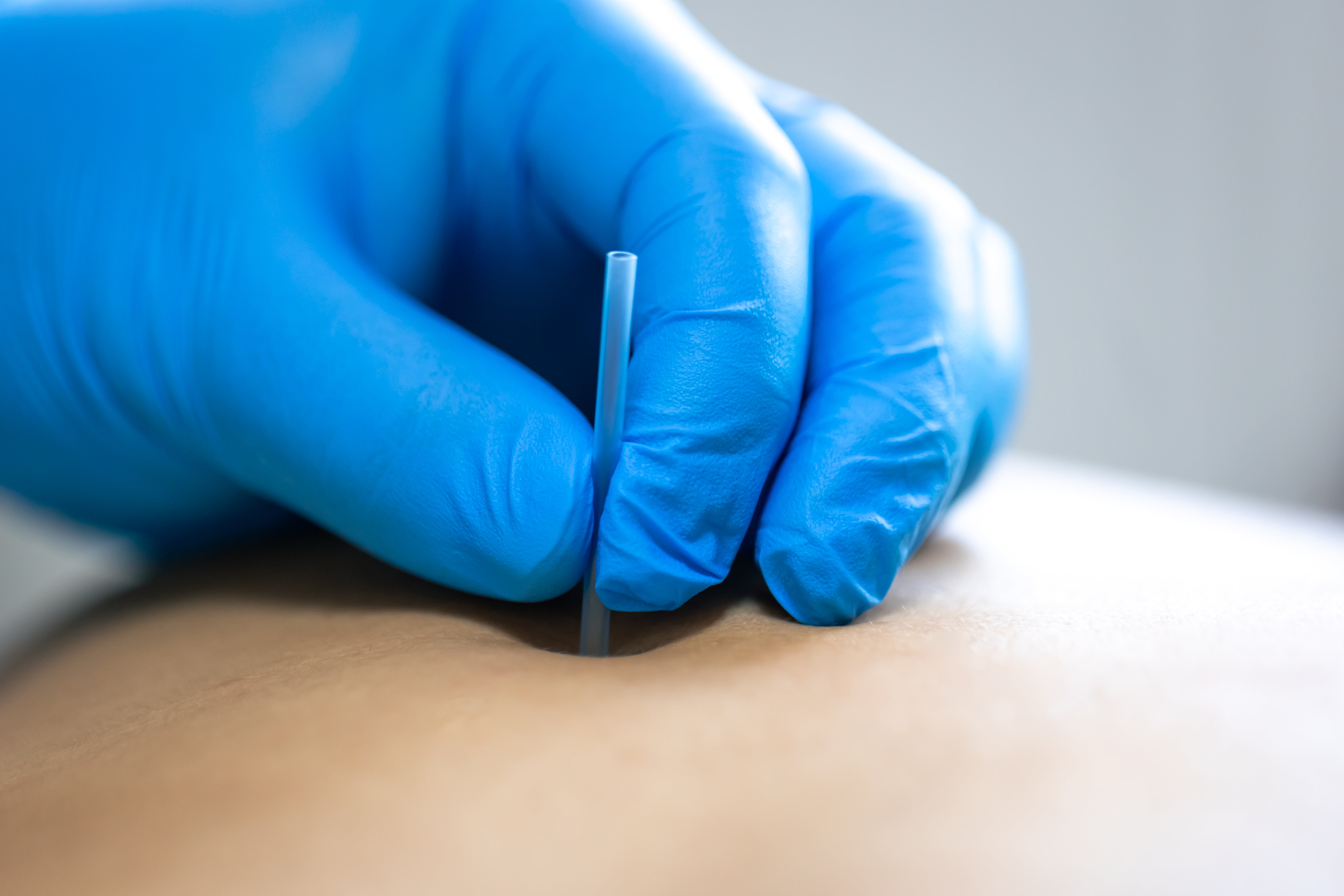
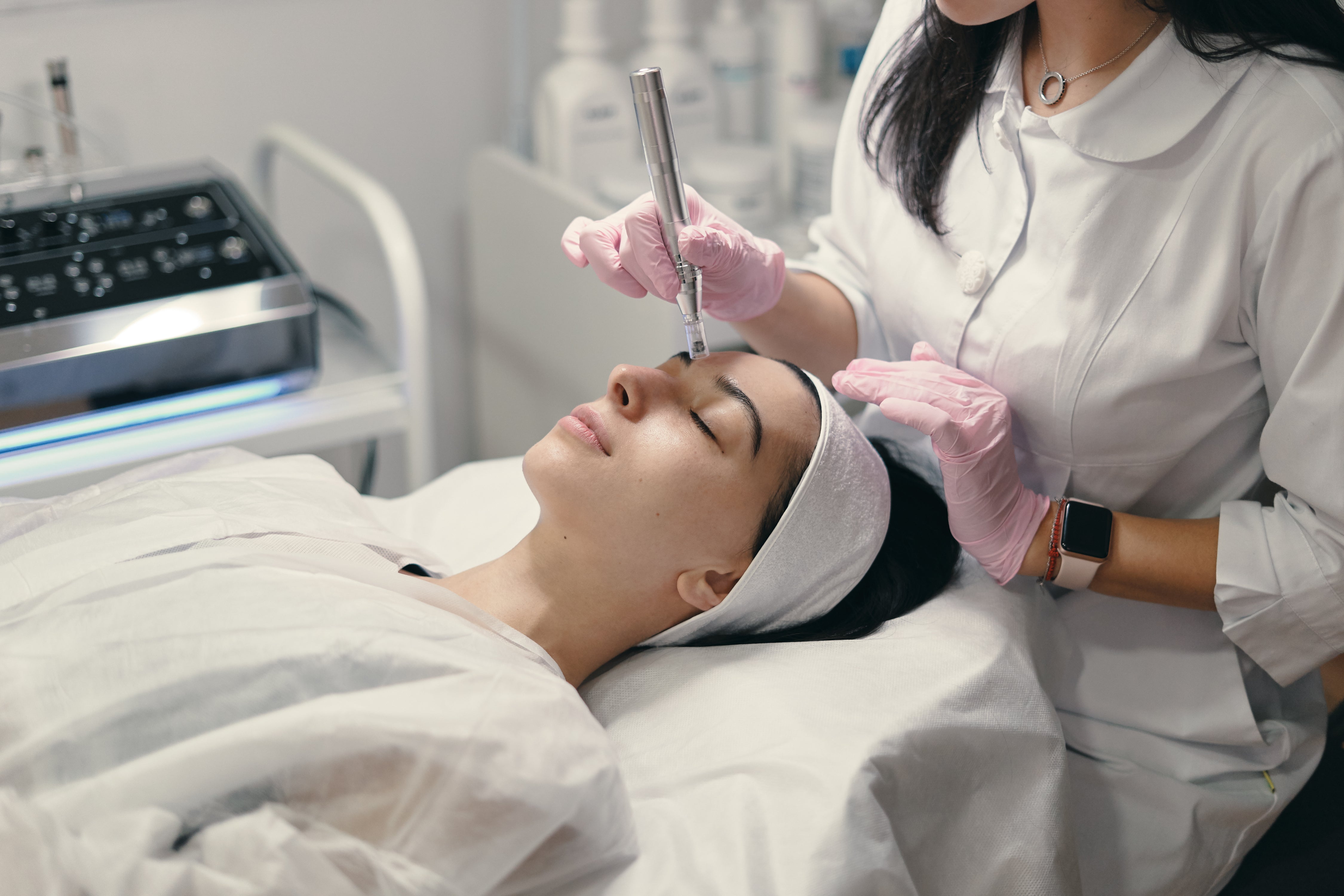
Acne is one of the most common skin conditions worldwide, yet it is still widely misunderstood. Often dismissed as a cosmetic issue, acne is actually a chronic inflammatory condition influenced by oil production, hormones, skin barrier health, bacteria, inflammation, and lifestyle factors. When acne is not understood or treated correctly, it can progress from temporary breakouts to long-lasting pigmentation and permanent scarring. That’s why a science-based, diagnostic approach matters. What Is Acne, Medically Speaking? Acne develops when several biological processes occur simultaneously: Excess sebum (oil) production Blockage of hair follicles due to dead skin cell buildup Overgrowth of Cutibacterium acnes bacteria Hormonal fluctuations (case dependent) Inflammation and impaired skin barrier Depending on severity and duration, acne can present as: Whiteheads and blackheads Papules and pustules Nodules and cysts Postinflammatory pigmentation Permanent scars (in some cases) Acne is not caused by dirt or poor hygiene. It is a medical condition. The Four Core Biological Mechanisms Behind Acne Follicular hyperkeratinisation Excess dead skin cells clog pores. Sebum overproduction Influenced by genetics, hormones, stress physiology, and individual triggers. Bacterial proliferation Blocked pores create an environment where inflammation can increase. Inflammation and barrier damage Prolonged inflammation raises the risk of marks and scarring. Hormonal Acne: Why It Behaves Differently Hormonal pattern acne often appears as: Deep, painful cysts Jawline or lower face involvement Monthly or stress-linked flare-ups It is commonly seen during puberty, in PCOS, around menstrual cycles, during high-stress periods, or postpregnancy. These patterns usually require medical evaluation rather than topical care. Different Types of Acne and Post-Acne Concerns Noninflammatory acne Whiteheads Blackheads Inflammatory acne Papules Pustules Nodules Cysts Postacne concerns Dark spots (PIH) Red marks (PIE) Uneven texture Scarring Each category requires a different management strategy. Understanding Acne Scars Acne scars form when inflammation damages collagen during healing. Atrophic (depressed) scars Ice pick scars Boxcar scars Rolling scars Hypertrophic or keloid scars Raised, thick scars due to excess collagen No single treatment works for all scars. Correct classification is essential. How Acne and Scars Are Treated Medically Dermatology-led acne care usually involves a combination of: Prescription topical and oral medications Chemical peels (case dependent) Safe comedone extraction Intralesional injections for inflamed cysts Laser or light-based therapies (where appropriate) Microneedling,radiofrequency, subcision, or fractional lasers for scars Targeted techniques such as TCA CROSS for specific scar types Treatment plans are customised based on acne severity, scar type, skin biology, and tolerance. Realistic Timelines for Improvement (Case Dependent) Mild acne: 4–8 weeks Moderate acne: 8–12 weeks Severe or hormonal acne: 3–6 months For scars and marks, visible improvement usually requires multiple sessions and combination therapy. Complete removal is uncommon, but significant improvement is achievable for many individuals. Final Thoughts Clear skin is not achieved through harsh products or shortcuts. It comes from understanding why acne occurs, supporting the skin barrier, managing internal triggers, and using evidence-based treatments consistently. When acne persists, scars, or affects quality of life, professional dermatological guidance can make a meaningful difference.

Learn more
AI Skin Analysis