



















Skin Acacdemy
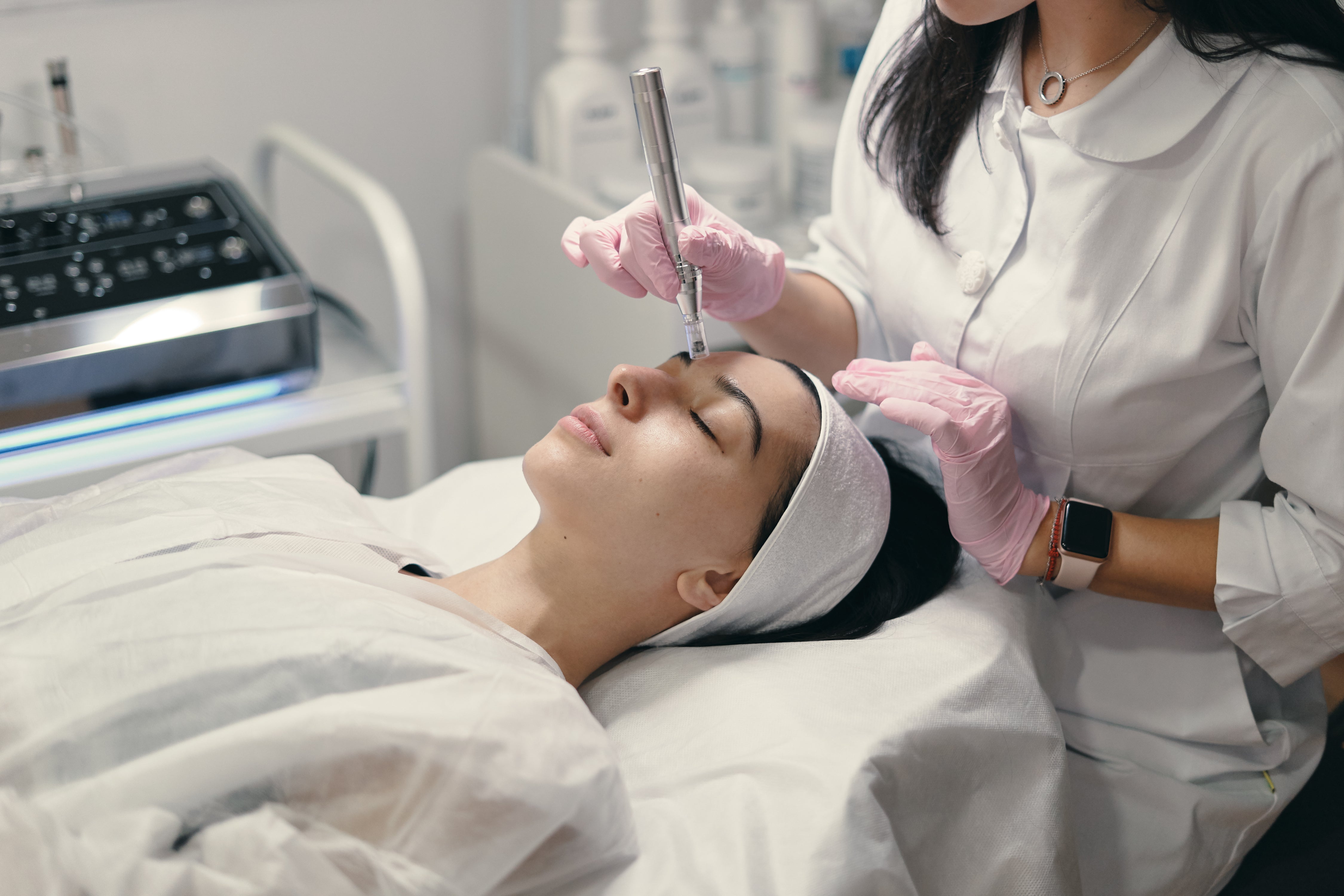
Skin Analysis Services: What to Expect and Why It Helps
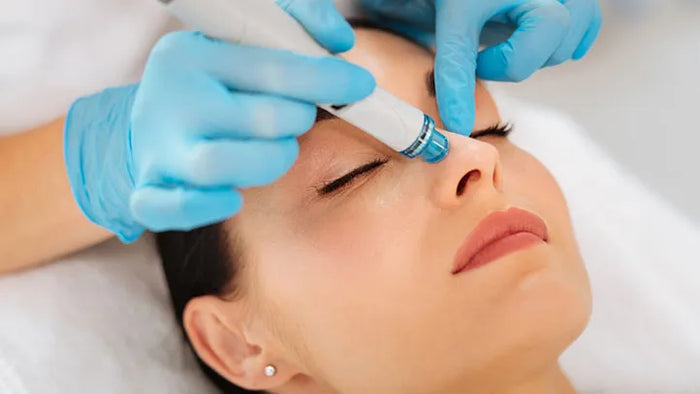
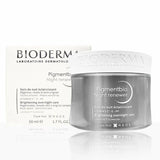
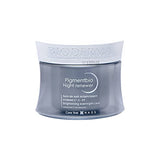
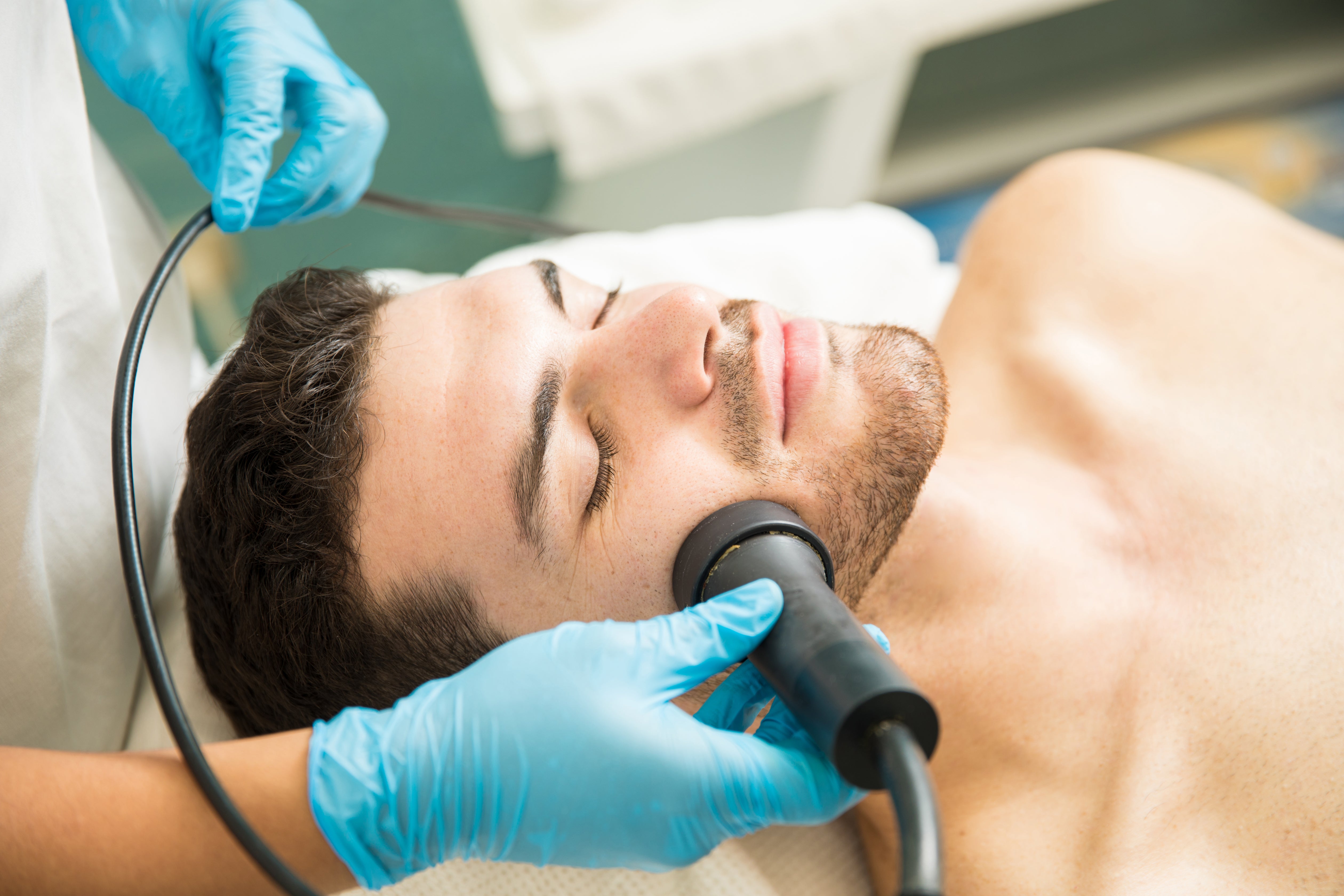
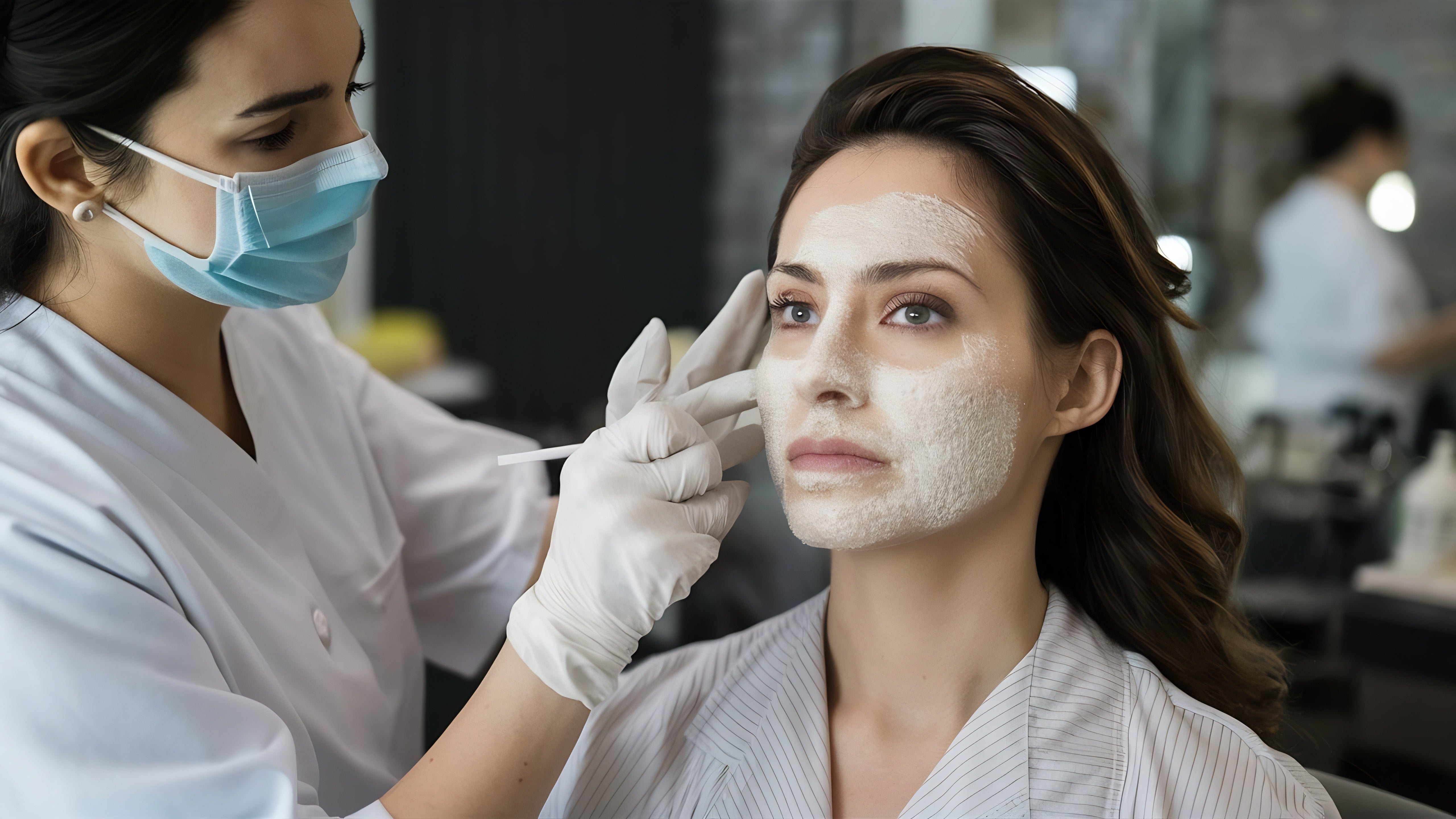
Updated on: 2026-06-11 Skin analysis services help you understand your skin’s current needs, not just how it looks in daylight. In a typical session, specialists review tone, texture, hydration, oil balance, and visible concerns using structured evaluation. You receive a practical plan that aligns ingredients and routines with your skin profile. This guide explains what to expect, how to interpret results, and how to avoid common myths. 1. Introduction 2. Product Spotlight 3. Skin Analysis Services: How the Process Works 4. Myths vs. Facts 5. Frequently Asked Questions 6. Final Recommendations 7. Q&A Section 8. About the Author Introduction Skin analysis services are designed to make skincare decisions more precise. Many people buy products based on marketing, social media trends, or how skin feels on a single day. A structured skin evaluation shifts focus from guesswork to documented observations. You can learn what your skin needs in terms of moisture, barrier support, gentle cleansing, and targeted treatment strategies. This article explains how skin analysis services are typically delivered, what information the assessment can provide, and how to turn results into a routine that is easier to maintain. You will also find myth corrections, practical guidance, and a short set of questions that address common concerns before your first session. Product Spotlight Skin planning improves when you pair the insights from an assessment with dependable everyday products. A simple, evidence-informed routine often includes a gentle cleanser, a sunscreen, and a well-formulated active product. For example, many skin plans benefit from a balanced approach to cleansing and hydration, followed by sun protection to reduce new damage. If you have acne-prone or congested skin, you may also be directed toward oil-control or targeted anti-acne formulas that complement your personal profile. From a shop perspective, consider building around a consistent daily foundation. Start with a cleanser that does not strip the skin barrier. Then add a lightweight hydration step that supports comfort. Finally, apply a sunscreen with reliable broad-spectrum coverage to protect new improvements. Gentle cleansing to reduce friction and support barrier comfort Moisture and hydration support to improve tolerance for actives Sunscreen to help maintain results and support even-looking tone Targeted treatment choices based on your observed concerns If you need a starting point for cleansing, review options such as Cetaphil Gentle Cleanser. For daily sun protection, you can explore products like Acne UV Gel SPF 50 when acne-prone skin requires a lighter feel. Icons for hydration, oil balance, and sun protection Skin Analysis Services: How the Process Works Skin analysis services generally follow a repeatable workflow. This consistency matters because skincare concerns change over time with stress, weather, product usage, and hormonal cycles. A strong service does not just capture images; it interprets skin behavior and translates it into clear action steps. 1) Baseline observation and skin context The first step is gathering skin context. Specialists usually ask about current products, frequency of cleansing, sunscreen habits, and changes in texture or sensitivity. They also review how your skin responds to heat, shaving, sweating, or seasonal shifts. This intake stage helps the evaluation avoid inaccurate assumptions, such as treating sensitivity as acne when it is actually irritation. 2) Structured evaluation of visible and measurable traits Most skin analysis services evaluate multiple aspects of skin. These commonly include tone evenness, visible texture, hydration level, oil balance, and the presence of marks. Depending on the service design, assessment tools may include standardized photography, imaging guidance, or observational scoring. The goal is to document the skin profile in a consistent manner, so improvements can be tracked over time. 3) Barrier and tolerance assessment Barrier function is a core theme in professional skincare planning. Skin may appear oily yet still feel tight or reactive. That is why the evaluation typically focuses on tolerance and comfort signals, not only on surface appearance. Your plan should prioritize barrier support before layering multiple actives that can overwhelm the skin. 4) Personalized routine mapping After evaluation, the specialist converts insights into a routine map. A routine map typically includes a morning step, an evening step, and targeted additions such as serums or treatment gels. The plan should also specify what to do if irritation occurs and how to introduce new actives in a controlled way. When a service is well structured, it helps you decide what to keep, what to pause, and what to add. That reduces trial-and-error spending and improves consistency. Instead of changing multiple products at once, you can make changes one variable at a time. 5) Monitoring and adjustment Skin does not improve instantly. A professional workflow includes follow-up adjustment, which may involve re-checking hydration, sensitivity, and visible concerns. The purpose is to confirm that the selected approach is compatible with your skin’s tolerance and goals. Adjustments also help you avoid plateauing due to incorrect ingredient selection. Myths vs. Facts Myth: Skin analysis services guarantee instant results Fact: Skin improvements usually happen gradually. The evaluation supports smart sequencing and ingredient selection, but visible changes depend on consistent use, barrier readiness, and the nature of your specific concerns. Myth: A single image can reveal the full story Fact: Skin is dynamic. A responsible service uses structured observation over time and considers your routines, reactions, and lifestyle factors. Images can support the evaluation, but they are not the only input. Myth: More active ingredients automatically means better results Fact: Layering multiple actives can increase irritation and worsen tolerance. A personalized plan often emphasizes gentle cleansing, hydration support, and sun protection first, then adds targeted actives based on needs. Myth: Skin analysis only benefits people with visible acne Fact: Skin analysis services can help with uneven tone, early signs of dullness, sensitivity management, and preventive routines. Even relatively clear skin can show hydration or barrier issues that influence how products perform. Flowchart of cleanse, hydrate, treat, protect steps Frequently Asked Questions What happens during a skin analysis appointment? Most appointments include a short intake, structured skin observation, and a routine discussion. The specialist explains what they see and proposes an action plan for cleansing, hydration, sun protection, and targeted care. How should I prepare for my skin analysis services session? Arrive with your usual products if possible. Avoid introducing brand-new actives right before the visit. If you recently used strong exfoliants or treatments, inform the specialist so the plan can account for temporary sensitivity. Will the recommendations require expensive products? Not necessarily. Effective routines rely on compatibility and consistency. You may be guided toward a small set of products that match your skin profile, rather than purchasing many items at once. Can I follow the plan alongside my current routine? Yes, often with adjustments. A professional evaluation typically identifies what to keep, what to pause, and what to add. This approach helps you reduce disruption and improves tolerance. How long does it take to see improvements? Timelines vary by concern. Hydration and comfort may improve sooner, while visible marks and texture changes generally require consistent, barrier-friendly use over time. Your service provider should set realistic expectations based on your skin profile. Final Recommendations Choosing skin analysis services is most effective when you approach the process like a system, not a one-time purchase. Start by requesting a clear explanation of what the assessment found, how it affects your routine, and what you should do next. Avoid vague recommendations that do not specify products, usage order, and adjustment steps. When you receive your plan, follow these practical principles: Keep your routine simple for the first phase, typically cleanse, hydrate, and protect. Introduce one change at a time to determine what your skin actually tolerates. Prioritize sun protection daily, because ultraviolet exposure can undermine progress. Focus on barrier comfort before adding multiple treatment actives. Track results with consistent lighting or scheduled follow-ups, if offered. If your analysis indicates dryness or sensitivity, consider gentle foundational products. For example, a skin plan may include a soothing cleanser like Cetaphil Gentle Cleanser and a hydrating lotion such as Cipla Excela Rich Facial Hydrating Lotion. If your concerns involve acne and oil control, you may be directed toward options like Acne UV Gel SPF 50 and active support from a tailored serum. For pigmentation-related goals, a plan often includes both sun protection and targeted brightening ingredients. You may see recommendations that reference formulas such as Bioderma Pigmentbio Night Renewer when your assessment shows uneven tone and visible marks. For persistent dullness or uneven texture, the service may recommend a structured actives schedule paired with hydration. In all cases, skin analysis services should help you select the right category of product, not simply increase product quantity. The outcome you want is better tolerance, steadier improvements, and fewer unnecessary changes. Q&A Section How do skin analysis services differ from using consumer skin apps? Skin apps may offer general guidance, but professional services typically include individualized context, structured interpretation, and routine planning. A specialist can also help identify tolerance signals, review your product history, and recommend a sequence that fits your skin behavior. Can skin analysis services help with sensitive skin? Yes. Sensitivity is often linked to barrier function, irritation triggers, and overuse of strong actives. A professional evaluation can help you reduce friction, simplify your routine, and choose gentler ingredient profiles that support comfort. What should I do if my skin reacts after starting a new product from the plan? If irritation occurs, pause the new product and prioritize barrier support such as gentle cleansing and basic hydration. Inform the provider if follow-ups are available. Reintroduce products slowly only after comfort returns. Is it necessary to repeat skin analysis services regularly? Many people benefit from periodic reassessment, especially when seasons change or when routines are updated. Regular review can confirm that your plan remains compatible with your skin profile and can prevent unnecessary product switching. About the Author Section Allodermis Allodermis is a skincare-focused brand with expertise in ingredient-aligned routines and product compatibility. The author team supports readers with practical guidance that connects skin education to everyday care choices. You can approach your routine with more confidence when each step is selected for your needs. Thank you for reading and investing in smarter skin planning. Disclaimer: This article provides general skincare education and routine guidance. It is not medical advice. Individual results vary, and you should consult a qualified dermatologist or healthcare professional for conditions that require diagnosis or treatment.
Learn moreDermatologist-Recommended Treatments for Clear, Healthy Skin
Updated on: 2026-06-10 Dermatologist-recommended treatments focus on safety, consistency, and skin barrier support. Many routines fail because they do not match skin type, climate, and ingredient tolerance. A science-led approach helps you choose actives carefully and avoid unnecessary irritation. This guide explains common myths, practical selection steps, and sensible next actions for everyday skin care. Table of Contents Key Takeaways Product Spotlight Myths vs. Facts Frequently Asked Questions Final Recommendations Q&A Section Dermatologist-recommended treatments for clearer, calmer skin Dermatologist-recommended treatments are built on a simple principle: effective care should be tailored, gentle, and consistent. When you use the right active ingredients at the right time, you can support your skin barrier and reduce irritation. This article helps you understand what typically matters in clinical skin care. You will also learn how to select products by skin concern, how to avoid common mistakes, and how to build a routine that is easier to maintain. If you want results, focus on fundamentals first: cleansing, moisturization, and daily sun protection. Then add actives with a plan. If you do this in a disciplined way, you reduce the risk of flare-ups and wasted product purchases. Product Spotlight Dermatology-style routines often begin with a cleanser that removes oil and impurities without stripping protective lipids. For acne-prone or congested skin, gentle foaming cleansers can help manage excess sebum while keeping the skin comfortable. For daily hydration, lightweight facial lotions can support the barrier and reduce the dryness that often causes redness. Finally, for daily protection, a reliable sunscreen helps limit pigment changes and supports recovery from irritation. Below are examples of categories that often align with dermatologist guidance. These are not replacements for professional care, but they can help you structure your selection process. Layered skincare steps shown by simple icons For acne-prone routines, a product like Oil-control foam wash can support cleansing without over-drying. If your routine includes brightening or uneven tone goals, pairing cleansing with a hydrating base can improve tolerance. For hydration, Hydrating facial lotion can serve as a barrier-friendly step when your skin feels tight or reactive. For sun care, a broad-spectrum approach matters. Consider a sunscreen option such as SPF 50 acne UV gel when you prefer a lighter feel on oily skin. If your concern is pigmentation, you may prefer a more targeted sunscreen formula, but the key is daily use and adequate coverage. In addition to sunscreen and moisturization, many dermatologist-style routines use one active at a time. Common categories include retinoids, vitamin C derivatives, and anti-inflammatory options. The best results often come from controlled use, gradual introduction, and close monitoring of irritation. Myths vs. Facts Misunderstandings can slow progress and cause unnecessary irritation. The most common errors involve oversimplifying skin biology and chasing quick fixes. Myth 1: Strong products always work better Fact: Dermatologist-recommended treatments usually prioritize tolerability first. Many strong actives can increase dryness and inflammation if used too often. A steady routine with consistent hydration and sun protection is often more effective than aggressive cycling. Myth 2: If you cleanse more, you will get better acne control Fact: Over-cleansing can disrupt the skin barrier. It may increase irritation, which can worsen redness and discomfort. Most skin types benefit from cleansing once or twice daily with a gentle approach. Myth 3: Sunscreen is only needed when you plan to be outdoors Fact: Daily ultraviolet exposure can contribute to pigment changes and barrier stress even when you stay close to windows. Using sunscreen consistently supports long-term tone evenness. Myth 4: Brightening requires harsh scrubbing Fact: Dermatology-focused brightening emphasizes controlled actives and barrier support. Gentle cleansing and moisturization improve tolerance, and sunscreen reduces new pigment formation. Myth 5: One product can solve every skin concern Fact: Skin concerns often overlap, but routines usually work best when each step has a clear job. Cleanse, hydrate, protect, and then target one concern at a time with an active that matches your skin response. Decision flowchart for gentle active ingredient selection Frequently Asked Questions How do I choose dermatologist-recommended treatments for my skin type? Start with your skin barrier and sensitivity level. If your skin feels tight or looks red, prioritize gentle cleansing and daily moisturization first. Then add one active category based on your primary goal, such as acne control, texture, or pigmentation. Is it necessary to use multiple actives at the same time? In most cases, it is not. Combining too many actives can increase irritation. A practical method is to introduce one active, observe your skin response, and then add a second only when your skin remains comfortable. What should I do if a product stings or causes redness? Stop the active and return to the basics: gentle cleansing, moisturizer, and sunscreen. Reintroduce more slowly or choose a different active with a lower irritation profile. Persistent burning, severe swelling, or worsening rash should be evaluated by a qualified professional. Final Recommendations To build a routine that supports long-term skin health, use a structured approach. The goal is not only short-term improvement, but also ongoing comfort and consistent results. Protect first: Use sunscreen every day as a foundation for tone and barrier recovery. Clean gently: Choose a cleanser that removes oil and impurities without leaving your skin dry. Moisturize consistently: Select a moisturizer that reduces tightness and improves flexibility. Introduce actives gradually: Use one active category at a time to understand your skin response. Track irritation: Watch for dryness, flaking, or persistent redness. Adjust frequency rather than pushing through discomfort. If you are managing acne and shine, a routine that includes a suitable cleanser and daily SPF can reduce triggers. For example, pairing gentle cleansing with an acne-focused sunscreen such as SPF 50 acne UV gel can support baseline care. If your primary concern is hydration and readiness for actives, you may benefit from using a lotion such as rich facial hydrating lotion before adding a targeted serum. For pigmentation and brightening goals, a vitamin C approach is common, but tolerability matters. If you prefer a structured brightening step, consider exploring a product such as liposomal vitamin C serum. For textured skin and uneven tone, you may also consider a regimen that supports resurfacing gently, while keeping sunscreen as the non-negotiable step. When you aim for balanced care, the strongest strategy is to simplify. Maintain the basics, introduce only one new variable at a time, and give your skin enough time to respond under consistent protection. Q&A Section What are the most common reasons dermatologist-recommended treatments stop working? The most common reasons include inconsistent use, over-exfoliation, and ingredient mismatch. If you change too many variables at once, it becomes difficult to identify what helps. If you push frequency to compensate for slow progress, you may create irritation that reduces overall effectiveness. How long should I keep a routine before deciding it does not work? Skin responds on a biological timeline. It is reasonable to evaluate after a consistent period of use. However, you should not wait if irritation is severe. In that case, you should adjust immediately and focus on barrier support. Can I use dermatologist-recommended treatments if I have sensitive skin? Yes, but you must choose gentler options and introduce actives slowly. Sensitive skin often benefits from moisturization, non-stripping cleansing, and careful sunscreen selection. If you experience persistent burning, swelling, or rash, seek professional guidance. What role does sunscreen play in results for tone and texture? Sunscreen helps reduce new pigment formation and supports recovery from irritation. Many brightening routines underperform because they do not include consistent daily sun protection. Adequate application and regular reapplication, when needed, are key to reliable outcomes. How should I structure a simple morning and evening routine? A practical structure is: in the morning, cleanse gently, apply moisturizer, and use sunscreen. In the evening, cleanse, apply moisturizer, and add your selected active only if your skin tolerates it. If your active is new, start at a low frequency and increase gradually. Where can I find reliable guidance on ingredient selection? Start by reviewing ingredient categories, then align them with your primary concern and skin tolerance. For acne care, look for cleansing and sun protection that match oily or breakout-prone skin. For pigmentation and dullness, consider vitamin C or other brightening categories while maintaining barrier support. If you have chronic issues, a board-certified dermatologist can provide a more targeted plan. Do dermatologist-recommended treatments differ from routine beauty products? They can differ in formulation focus, tolerability, and evidence-based ingredient selection. The most important difference is not the marketing label, but the discipline of building a routine around skin physiology. Evidence-based care typically avoids unnecessary steps and emphasizes consistent fundamentals. About the Author Section About Allodermis Allodermis is dedicated to helping customers build practical skin routines based on dermatologist-aligned principles and ingredient-first selection. Our topic expertise centers on gentle cleansing, barrier support, and daily sun protection for everyday skin health. We aim to make skincare decisions clearer and more manageable. Thank you for reading, and we invite you to explore routines that prioritize comfort and consistent care. Disclaimer: This article provides general educational information and does not replace professional medical advice, diagnosis, or treatment. If you have a skin condition that is severe, persistent, or rapidly worsening, consult a qualified healthcare professional.
Learn moreAnti-Aging Skincare Products: Key Ingredients That Work
Updated on: 2026-06-10 Anti-aging skincare products are designed to support skin renewal, hydration, and visible smoothness over time. Effective routines usually combine gentle cleansing, targeted actives, and daily sun protection. The best products depend on your skin type and tolerance, not on trends or claims. A consistent, well-tolerated regimen typically delivers the most reliable results. 1. Why Anti-Aging Skincare Products Matter 2. What Actually Drives Visible Aging 3. Common Challenges 4. How to Choose Anti-Aging Skincare Products for Your Skin Type 5. Comparison Section 6. Simple Routine Using Proven Skincare Categories 7. Summary & Recommendations Why Anti-Aging Skincare Products Matter Anti-aging skincare products can help you maintain a resilient skin barrier, reduce the look of dullness, and support smoother texture. Even when you cannot stop the aging process, you can influence how your skin behaves day to day. A well-built regimen often focuses on hydration, consistent protection from ultraviolet exposure, and ingredients that support cell turnover and collagen-related pathways. The most practical benefit is usually improved appearance and comfort. When your skin is well protected and properly moisturized, it often looks more even, feels softer, and tolerates daily life better. This makes anti-aging skincare products a routine upgrade rather than a one-time fix. What Actually Drives Visible Aging Visible aging commonly reflects multiple influences, including cumulative sun exposure, gradual slowing of natural cell turnover, and changes in barrier function. Over time, the skin may produce less supportive structural components, leading to decreased firmness and a higher likelihood of dryness. Fine lines can become more noticeable, especially when the skin is dehydrated or irritated. It is also important to recognize that “aging” on the face is often a combination of tone, texture, and hydration status. Dullness can make fine lines look deeper. Rough texture can make pores appear larger. These effects are frequently improved by consistent cleansing, careful exfoliation, and effective moisturization. Skin texture patterns representing barrier and hydration support Common Challenges Many people start using anti-aging skincare products and then experience setbacks. The most common issues are irritation, inconsistent application, and choosing ingredients that do not match their skin needs. Challenge 1: Irritation from strong actives Actives such as exfoliating acids, retinoid-style ingredients, or high-strength vitamin derivatives can be effective. However, irritation can occur when products are layered too quickly or used too often. The solution is a slower start and a clear order of application. Begin with one targeted product at a time. Use it on alternate nights or fewer days per week, then increase frequency only if your skin remains comfortable. Pair your routine with gentle cleansing and consistent moisturizing to preserve barrier integrity. Challenge 2: Dryness that makes lines look worse Some cleansers can be overly stripping. Others may leave the skin feeling tight, which can make fine lines look more pronounced. When dryness is present, anti-aging skincare products should include strong hydration support. Look for moisturizing ingredients such as glycerin, humectants, and skin-conditioning emollients. Ensure you apply moisturizer right after cleansing, ideally within minutes, to reduce moisture loss. Challenge 3: Uneven tone and “spot” concerns Uneven tone can be caused by sun exposure and inflammatory cycles. If you focus only on texture or only on hydration, pigment concerns may still persist. A practical approach is to pair day protection with targeted brightening actives and gradual exfoliation. Consistency matters more than intensity. Use sunscreen daily and choose products that complement each other rather than competing. Challenge 4: Lack of daily sun protection Sun exposure is one of the most significant drivers of premature visible aging. Many routines fail because sunscreen is not used consistently enough. Choose a broad-spectrum sunscreen you can tolerate and reapply when needed. This step supports every other anti-aging skincare products category because it helps prevent additional damage from daily ultraviolet exposure. How to Choose Anti-Aging Skincare Products for Your Skin Type Choosing anti-aging skincare products becomes easier when you match product categories to your skin type. Instead of chasing a single “miracle” ingredient, build a regimen around cleansing, treatment, and protection. For dry or dehydrated skin Select a gentle cleanser that does not leave the skin tight. Favor moisturizing lotions with humectants and emollients. Consider an antioxidant serum for day use, and add a barrier-supporting moisturizer at night. For oily or acne-prone skin Choose lightweight, non-comedogenic formulas. Use treatment ingredients carefully and avoid over-cleansing. Oil-control and gentle exfoliation can support smoother texture without causing rebound dryness. For sensitive skin Prioritize low-irritation cleansing and fragrance-free or minimal-ingredient approaches where possible. Introduce one active at a time. If you already feel dryness or redness, reduce exfoliation frequency and focus on hydration and barrier repair. For combination skin Use a balanced cleanser and a moisturizer that hydrates without becoming heavy. You can apply different amounts of treatment based on where you experience dryness or congestion. Consistency still matters more than complex layering. For daily support and product category guidance, you can review these options from Allodermis: gentle cleanser, acne-friendly sunscreen, and hydrating lotion. Layered skincare routine icons showing cleanser, serum, sunscreen Comparison Section Not all anti-aging skincare products target the same issue. The table below provides a practical comparison of common categories and what they usually support. Category Typical focus Key benefit Main watch-outs Gentle cleanser Comfort and barrier support Reduces friction and dryness Avoid harsh, over-stripping formulas Hydrating lotion or cream Moisture retention Improves softness and appearance of lines Choose a texture that matches your skin type Antioxidant or brightening serum Tone and environmental defense Supports a more even look Introduce gradually if you are sensitive Targeted exfoliation Texture and dullness Supports smoother surface appearance Overuse can increase irritation Day sunscreen Prevents UV-driven changes Supports overall anti-aging goals Choose a formula that feels comfortable daily If you prefer serums with a proactive approach, you may also consider reviewing proactive serum and night renewer for category ideas. For acne-prone needs and sun protection, SPF 50 gel sunscreen is a relevant option. Simple Routine Using Proven Skincare Categories A reliable anti-aging routine can remain uncomplicated. The goal is to use complementary steps that support barrier comfort, targeted treatment, and daily protection. Morning routine Cleanse gently if needed, or rinse with lukewarm water if your skin is dry. Apply a hydrating product to reduce dehydration signals. Use a targeted serum if it suits your skin tolerance, focusing on brightening or antioxidant support. Finish with sunscreen every morning. This step is essential for long-term visible improvement. For day protection guidance, explore SPF 50 PA sunscreen cream and consider matching the finish to your skin comfort needs. Evening routine Cleansing: remove sunscreen and daily residue with a gentle cleanser. Treatment: apply a single anti-aging active product, such as a brightening or renewal serum. Moisturization: use a lotion or cream that supports barrier comfort overnight. If you are also addressing uneven tone, you can consider a brightening cleanser like foaming face wash for pigment support as part of your cleansing category. For those focused on smooth texture and supportive renewal, reviewing nourishing cream may help match the moisturizer step to dry or normal needs. How to schedule actives safely To protect comfort while using anti-aging skincare products, use a simple frequency approach. Start with the active product two to three nights per week. When skin feels stable, move to alternate nights. If sensitivity appears, reduce frequency again. Consistency and tolerance are more meaningful than aggressive schedules. For exfoliation routines, avoid layering multiple exfoliating products on the same night. This reduces the risk of over-exfoliation. When your skin feels calm, you can keep a steadier rhythm. What to expect over time Anti-aging skincare products typically support visible changes gradually. Hydration improvements can be noticed quickly because the skin surface looks and feels better. Texture and tone adjustments usually develop more slowly as you maintain consistent protection and supportive treatment. It is also normal for your skin to adapt. If you notice dryness, dullness, or sensitivity at the start, adjust the active frequency and emphasize moisturizing support. Summary & Recommendations Anti-aging skincare products work best when they are selected for your skin type and used with a consistent routine. Focus on barrier-friendly cleansing, effective hydration, and daily sunscreen protection. Add targeted serums or exfoliation gradually, especially if you are prone to sensitivity. Choose one active category at a time, and introduce it slowly. Use a moisturizer that reduces dryness and supports comfort. Protect your skin daily with a sunscreen you tolerate. Evaluate your skin response over several weeks and adjust frequency rather than abandoning products immediately. If you want a practical starting point, review gentle cleanser, pair it with a hydrating lotion, and use a reliable daily SPF such as SPF 50 gel sunscreen or another suitable option from the site. This structured approach is more effective than switching products repeatedly. Q&A Section Which anti-aging skincare products are most important to start with? The most important categories to start with are gentle cleansing, consistent moisturization, and daily broad-spectrum sunscreen. These three steps reduce irritation risk and support the effectiveness of any additional treatments. How often should I use anti-aging actives like exfoliants or renewal serums? Begin with two to three uses per week for the first several weeks. Increase frequency only if your skin remains comfortable and does not show persistent dryness or redness. If irritation appears, reduce use and prioritize moisturizing support. Can I use multiple anti-aging products in the same routine? Yes, but layering should be intentional. Use complementary categories, such as a hydrating moisturizer plus a single targeted serum, and avoid stacking multiple exfoliating or irritating actives in the same night. When in doubt, simplify the routine for a stable baseline. What should I do if my skin becomes dry while using anti-aging skincare products? Reduce the active frequency and strengthen the hydration step. Use a gentle cleanser, apply moisturizer promptly after cleansing, and ensure sunscreen does not leave your skin tight. Stable barrier comfort often improves how your skin looks even before deeper changes occur. About the Author Section Allodermis Skincare Team The Allodermis team supports evidence-aware skincare education with a focus on routine design, ingredient categories, and product matching for different skin needs. Our topic expertise centers on hydration support, barrier-friendly cleansing, and consistent daily sun protection practices. We encourage thoughtful selection of anti-aging skincare products and clear, practical implementation. Thank you for reading, and may your skincare routine feel calm, consistent, and effective. Disclaimer: This article provides general skincare education and routine planning guidance. It does not diagnose, treat, cure, or prevent any condition. Individual results vary, and you should patch test new products and consult a qualified healthcare professional for personal medical advice.
Learn moreAcne Treatment Solutions: What Actually Helps
Updated on: 2026-06-09 Acne treatment solutions work best when they match your skin type and acne pattern. A practical routine should balance cleansing, targeted active ingredients, and daily sun protection. Many people improve faster by combining spot-focused care with consistent barrier support. This guide explains how to choose acne treatment solutions responsibly and how to build a routine that can be sustained. TLDR | Introduction | Product Spotlight | Did You Know? | Pros & Cons Analysis | FAQ | Conclusion & CTA TLDR: Acne treatment solutions should be selected based on acne type, skin sensitivity, and routine consistency. Use gentle cleansing, add evidence-based active ingredients in a controlled way, and do not skip sunscreen. When irritation appears, reduce frequency and prioritize barrier-friendly steps. Track progress over time and adjust with a professional when needed. Acne treatment solutions: how to choose and combine them for reliable results Acne is not only a skin surface issue. It often involves clogged pores, inflammation, and skin barrier disruption. For that reason, acne treatment solutions should not be random or purely cosmetic. The most effective approach is structured care that targets the main driver of your breakouts while supporting your skin between flare-ups. In this guide, you will learn how to identify common acne patterns, how to select ingredient categories, and how to assemble a routine that stays comfortable. You will also see how a few well-chosen steps can reduce friction, improve tolerance, and help your skin respond more consistently. As you read, keep your expectations realistic. Acne management is rarely linear. Changes in texture, oil balance, and redness can vary by individual. However, a disciplined routine can reduce the frequency of new lesions and limit post-acne marks. Product Spotlight: oil-control cleansing for acne-prone skin When acne treatment solutions are discussed, many people focus on strong actives only. In practice, cleansing is the foundation. A gentle cleanser can remove excess oil and daily buildup without stripping. This step helps prevent re-clogging and reduces the risk of irritation when you use targeted products. One option that aligns with this foundation is a daily oil-control foam wash designed for acne-prone needs. If your breakouts are linked to oiliness, this style of cleanser can help you start your routine with a cleaner surface and less active product waste. Illustration of pores clearing, gentle foam, and balance For example, you can consider Cetaphil Pro Oil Control Foam Wash as a cleansing base. Use it once daily at first if your skin is sensitive, then increase only if your skin remains comfortable. Pairing a stable cleanser with a targeted leave-on active is often more effective than relying on a single step. Importantly, avoid over-washing. Excess cleansing can worsen dryness and trigger a compensatory increase in oil production. Consistency matters more than intensity. Did You Know? Acne often clusters around “oil-meets-friction” areas such as the forehead, cheeks, and jawline. Inflammation can persist even after visible bumps improve, so routine support matters. Sun exposure can worsen dark marks after acne, which is why sunscreen is a key acne treatment solutions step. Barrier-supportive habits reduce the likelihood of irritation when using strong actives. Pros & Cons Analysis: ingredient categories in acne treatment solutions Acne treatment solutions typically rely on ingredient categories that work in different ways. The best plan combines compatible categories while managing irritation. The table below summarizes common options and realistic trade-offs. Ingredient category What it targets Pros Potential cons Best fit Salicylic acid (BHA) Clogged pores Helps reduce blackheads and whiteheads; typically versatile for oily skin Can cause dryness or stinging in sensitive skin Comedonal acne and uneven texture Benzoyl peroxide Inflammatory lesions Reduces bacteria and supports lesion control May irritate and can bleach fabrics Red, tender breakouts Retinoids (topical) Pore turnover and prevention Supports long-term acne control and texture improvement Often requires slow introduction; initial dryness can occur Recurring acne and visible texture concerns Azelaic acid Acne, redness, and post-acne marks Can be gentler for many users; supports a more even look May tingle for some skin types Mixed acne with redness and uneven tone Soothing and barrier support Skin comfort and tolerance Improves the ability to stick with actives May not fully treat active acne alone Dryness, sensitivity, and routine adherence Because different categories can overlap, you should prioritize compatibility. For instance, using multiple strong actives at once can lead to irritation that makes acne treatment solutions harder to sustain. Instead, introduce changes one at a time. How to build a routine that is consistent Cleanse once daily to start, then adjust to your skin tolerance. Treat with one main acne-active ingredient first, such as salicylic acid, azelaic acid, or a retinoid approach. Moisturize with a lightweight, non-greasy formula to support barrier function. Protect with sunscreen every morning, especially if you use acne actives. In many cases, sunscreen improves tolerance and reduces the risk of dark marks that persist after breakouts. If you require an acne-friendly daytime step, consider IPCA Acne UV Gel SPF 50 to support daily protection. Layering routine steps: cleanse, treat, moisturize, protect FAQ Section What are acne treatment solutions that work for different acne types? Different acne types often require different targets. Comedonal acne (blackheads and whiteheads) generally responds to pore-clearing ingredients such as salicylic acid. Inflammatory acne (red bumps and tender lesions) often benefits from antibacterial or anti-inflammatory categories such as benzoyl peroxide. For acne that recurs and leaves marks, a retinoid approach and supportive ingredients like azelaic acid can be useful. The most reliable plan matches the active to the predominant acne pattern. How do I combine actives without irritating my skin? Start with one active category and introduce it slowly. Use a lower frequency at first, then increase only if your skin remains comfortable. When adding a second active, consider timing changes. For example, use one active in the evening and another in the morning, rather than stacking multiple actives in the same routine step. Always include moisturizing support and daily sunscreen. If irritation appears, reduce frequency and focus on barrier comfort. Why does sunscreen matter when using acne treatment solutions? Sunscreen is essential because many acne actives can increase sensitivity to light, and post-acne marks can become more visible with sun exposure. Daily protection helps reduce the appearance of dark spots and supports overall skin tone recovery. A consistent sunscreen step also improves the long-term appearance of skin texture after acne activity decreases. Which supporting products help acne-prone skin feel balanced? Acne-prone skin often needs gentle cleansing and lightweight moisturization to maintain comfort. When your skin barrier is stable, you can better tolerate acne-focused actives. Some users also benefit from hydration products that reduce tightness after cleansing. If you want a gentle base, Cetaphil Gentle Cleanser can be a practical option for many routines, particularly when you are introducing stronger treatment steps. Conclusion & CTA Acne treatment solutions are most effective when they follow a clear strategy: gentle cleansing, one primary active that targets your acne type, supportive moisturization, and daily sunscreen. Avoid treating acne with intensity alone. Instead, choose compatible ingredient categories and introduce them in a controlled manner so you can maintain the routine. If you are building your next routine, review your current steps and select one area to improve first, such as cleansing comfort or daytime protection. Explore carefully matched options on Allodermis and compare ingredient benefits to your skin needs. For additional targeted care, consider azelaic-acid-focused serum options and hydration-supporting products that help you stay consistent. Disclaimer: This article is for educational purposes only and does not replace professional medical advice. Individual skin responses vary. If you experience severe irritation, worsening acne, or signs of an allergic reaction, discontinue use and consult a qualified healthcare professional. About the Author Allodermis is supported by a team with expertise in skincare formulation and routine design for acne-prone needs. The content is developed to help readers understand ingredient categories, tolerance strategies, and practical daily habits that support skin comfort. For best results, build your routine gradually and use products in a way that aligns with your sensitivity. Thank you for reading, and continue refining your acne management approach with consistency.
Learn moreSafe Sunscreen Tips for Sensitive Skin Every Day
Choosing the right sunscreen can be the difference between daily comfort and ongoing irritation. If you have sensitive skin, finding safe sunscreen for sensitive skin requires more than reading a marketing label. You need to evaluate filter type, formula design, application method, and how your skin reacts over time. This guide explains how to make an informed choice that supports barrier health and reduces the risk of common sunscreen triggers. Updated on: 2026-06-09 A sunscreen that suits sensitive skin should use gentle ingredients and a predictable UV filter system. Look for broad-spectrum protection, low irritation potential, and a texture that you can apply consistently. Proper application and patch testing matter as much as the formula. This article provides a step-by-step method, practical tips, and clear answers to frequent concerns. Why Sensitive Skin Needs Care | Step-by-Step Guide | Tips | FAQs | Wrap-up & Final Thoughts Why Sensitive Skin Needs Care Sensitive skin often reacts to irritants that other skin types tolerate well. The irritation may show up as redness, stinging, dryness, or uneven comfort after application. These responses can come from the UV filters themselves, from fragrance and certain preservatives, or from the overall feel of the product on a stressed skin barrier. Therefore, the best approach is not to search for a single “perfect” sunscreen, but to choose a formula with a low probability of triggering irritation and to use it in a consistent, skin-friendly way. One practical way to reduce risk is to prioritize mineral or gentle filter systems and to avoid unnecessary additives when you already know your skin is reactive. However, even gentle formulas can cause problems for some people. Skin is personal. A structured selection process helps you narrow down options and improves your odds of finding a reliable sunscreen routine. Shield icon over calm skin and barrier lines Step-by-Step Guide Confirm broad-spectrum coverage and the correct UV protection. Choose a sunscreen labeled for broad-spectrum protection. UVA and UVB coverage are both relevant to skin comfort and long-term skin appearance. If you spend time outdoors, consistent broad-spectrum coverage supports a stable daily routine. Prefer gentler filter types and review the ingredient list. Many people with sensitive skin do better with zinc oxide or titanium dioxide based formulas. Others tolerate certain chemical filters well, especially when the formula is fragrance-free and designed for sensitive skin. If you have reacted to a previous sunscreen, compare the filter type and excipients before trying something new. Check for common irritation triggers. Consider avoiding fragrance, essential oils, and strong alcohol-heavy formulas if you know they cause stinging. Preservatives can be important for safety, but some skin types respond better to simpler formulas. Look for a “for sensitive skin” positioning, then verify by reviewing the full ingredient list rather than relying on the label alone. Evaluate texture and reapplication comfort. Sensitive skin responds well to predictable application. If a sunscreen feels heavy, greasy, or tacky, you may reapply inconsistently. A sunscreen with a comfortable finish supports correct use over the day, which is a key factor for effective sun protection. Do a patch test before full-face use. Apply a small amount to a limited area, such as behind the ear or along the jawline, and observe how your skin behaves for a typical evaluation period. If you experience stinging, swelling, or persistent redness, discontinue use. This step is especially important when you are testing a new formulation. Apply with the right technique. Use enough product to cover exposed areas evenly. Apply to clean, dry skin. If you have very reactive skin, consider applying sunscreen after a gentle moisturizer that is well tolerated by your barrier. When possible, avoid rubbing repeatedly. Press and smooth gently to reduce friction. Reapply based on your exposure pattern. Sunscreen performance depends on consistent reapplication during outdoor exposure. If you sweat or towel dry, reapplication becomes more important. Maintain a routine that fits your day so that your skin receives steady protection without aggressive handling. Build a compatible skin routine around your sunscreen. Harsh cleansers and strong active ingredients can increase sensitivity. Pair your sunscreen with a gentle cleanser and a simple moisturizer. For many people, a calm baseline routine reduces the chance that sunscreen will be blamed for irritation caused by other steps. How to narrow choices when your skin is reactive If you have recurring irritation, treat the process like a controlled test. Keep your cleansing and moisturizing routine stable while you trial a new sunscreen for sensitive skin. Focus on changes you can control: switch one product at a time, document comfort, and stop quickly if irritation escalates. Over time, you will develop a shortlist of textures and ingredient categories that your skin tolerates. If you prefer to shop with guidance, you can start by exploring a gentle cleanser and then pairing it with a sunscreen product designed for sensitive use. Consider reviewing the following internal options to support a calm routine. Gentle cleanser for less irritation Daily sunscreen with broad protection focus Sunscreen option for sensitive comfort routines Hands applying sunscreen with gentle, even coverage Tips Use the following expert tips to improve comfort and consistency when selecting a sunscreen that supports sensitive skin needs. Start with a barrier-friendly base: If your skin is dry or easily inflamed, use a moisturizer that you already tolerate before sunscreen. Consider fragrance-free products: Fragrance can raise the chance of stinging in reactive skin. A simpler formula often performs better. Watch for “pilling” and layer friction: Pilling can occur when layers are incompatible. It can also increase rubbing, which may trigger irritation. Use mineral-friendly strategies if you are sensitive: Many people prefer zinc oxide or titanium dioxide based formulas because they can feel less reactive. Separate sunscreen from active treatments: If you use strong actives, reduce them to the night routine until your skin feels calm, then reintroduce slowly. Hydrate after cleansing: Cleansing can temporarily strip oils. Immediate hydration helps the skin barrier feel stable before sunscreen application. Choose a sunscreen you will reapply: Effective protection depends on regular use. Select a texture that you can apply without discomfort. Evaluate skin response over time: A first-day reaction may differ from a repeated-use reaction. Continue monitoring comfort during a short trial period. Complementary routine ideas for sensitive skin While sunscreen is central, your overall routine influences how your skin behaves. If you cleanse too aggressively, the barrier can become fragile. If you use harsh exfoliants during the day, sunscreen may sting even if it is gentle. The goal is harmony. Some people benefit from adding a hydrating step to reduce dryness that can amplify irritation. You can also explore internal options that emphasize hydration and calming textures. For example: Foam wash for daily cleansing support Hydrating lotion for comfort-first routines Serum designed for proactive skin support FAQs What makes a sunscreen suitable for sensitive skin? A suitable sunscreen for sensitive skin typically has broad-spectrum UV coverage, a formula designed to reduce common irritants, and a texture that supports consistent application. Many people prefer fragrance-free formulas and gentler filter systems such as zinc oxide or titanium dioxide. Patch testing helps you confirm compatibility before using it broadly. Is it better to choose mineral or chemical sunscreen filters for sensitive skin? There is no universal rule. Mineral filters using zinc oxide or titanium dioxide can be well tolerated by many people with sensitivity. Some chemical filters also work well when they are formulated gently and without fragrance. The most reliable strategy is to test the filter type that aligns with your skin history and to monitor comfort during regular use. How should I apply sunscreen to reduce irritation? Apply sunscreen to clean, dry skin using sufficient product for even coverage. Smooth gently rather than rubbing. If your skin is easily irritated, apply a moisturizer that you tolerate first, then apply sunscreen on top. If you notice stinging or redness, stop and reassess the formula, application method, and surrounding skincare steps. Can sunscreen cause acne or clogged pores for sensitive skin? Some sunscreens may feel heavy or occlusive, which can contribute to breakouts for certain skin types. If your skin tends to clog easily, prioritize non-greasy textures and consider a formula designed for daily facial use. Consistency matters; overly thick layers can increase friction during application and removal, which may worsen irritation. Wrap-up & Final Thoughts Finding safe sunscreen for sensitive skin is a process that combines careful ingredient review, correct application, and realistic routine building. Start with broad-spectrum protection and a formula that minimizes common triggers such as fragrance and harsh additives. Use patch testing to confirm compatibility, then apply gently and reapply consistently during outdoor time. When your cleanser and moisturizer support a calm barrier, your sunscreen experience becomes more predictable. If you want a practical starting point, begin with a gentle cleansing step and pair it with a sunscreen made for daily wear. From there, refine your routine based on comfort and consistency rather than marketing claims. This approach supports a safer, steadier sun-care routine that respects sensitive skin needs. About the Author Section Allodermis is a skincare-focused brand guided by dermatology-informed principles and a commitment to thoughtful ingredient selection. The author behind this guide, an editorial specialist in skin-care education, focuses on clear, evidence-aware guidance for everyday shoppers. Readers are encouraged to build routines that prioritize comfort and consistency while monitoring how their skin responds over time. Thank you for reading, and may your sun-care choices feel simpler and more reliable. Disclaimer: This article provides general educational information and does not replace professional medical advice. Individual skin responses vary, and patch testing is recommended. If you have persistent irritation, a suspected allergic reaction, or a skin condition that requires clinical care, consult a qualified healthcare professional.
Learn moreAt-Home Skincare Solutions: Simple Routines That Work
Updated on: 2026-06-08 At-home skincare solutions can help you build a consistent routine that supports healthier-looking skin. The most effective plans balance cleansing, hydration, sun protection, and targeted care. When you choose products and steps based on your skin type, you reduce irritation and improve adherence. This guide explains practical methods, common myths, and smart next steps for everyday use. Table of Contents 1. Introduction 2. Product Spotlight 3. Myths vs. Facts 4. Frequently Asked Questions 5. Final Recommendations 6. Q&A Section 7. About the Author Section At-Home Skincare Solutions: Build a Routine That Your Skin Can Keep At-home skincare solutions are more than a list of products. They are a repeatable system that fits your habits, your skin type, and your comfort level. When you use the same structure each day, your skin receives predictable care. That predictability supports barrier function and can lower the risk of overreacting to new ingredients. In this article, you will learn how to select a simple routine, how to introduce active ingredients safely, and how to avoid the most common mistakes. You will also find a product spotlight that illustrates how key categories work together for daily results. Product Spotlight The best at-home skincare solutions usually follow a clear order. First, you cleanse to remove residue and sweat. Next, you hydrate to support comfort and barrier balance. Then, you apply targeted treatment if you have a specific concern. Finally, you protect your skin from ultraviolet exposure, which is essential for long-term skin quality. To illustrate how this framework works, consider these categories and what they typically do: Cleansing: A gentle cleanser helps you reset your skin without stripping moisture. This step can reduce tugging, tightness, and dullness. Hydration: A hydrating lotion or serum supports a smoother look by improving skin comfort and reducing dryness signals. Targeted care: Serums can address visible concerns such as uneven texture or the look of dark spots, depending on the formula. Sun protection: Daily sunscreen helps prevent further discoloration and supports healthier-looking skin over time. For shoppers who want a practical, routine-aligned starting point, you may review the following internal options: Gentle cleanser options Oil-control foam wash Rich facial hydration lotion Daily sunscreen cream Layered routine steps shown as clean icons How to Build an At-Home Routine That Works in Real Life Many people stop skincare progress because their routine is too complex. A strong routine should have a clear minimum and flexible add-ons. Start with a core set of steps that you can maintain for weeks, then adjust slowly. Step 1: Choose a cleanser that matches your skin behavior If your skin feels oily or congested, a foam cleanser can remove excess sebum without leaving a dry feel. If you experience tightness after washing, a gentler cleanser can help maintain comfort. A cleanser that is too harsh can cause rebound oiliness and irritation. For example, you can explore gentle cleanser options when your priority is comfort, or oil-control foam wash when you want a more balanced cleanse for oily skin. Step 2: Hydrate with a simple lotion or serum Hydration supports the appearance of skin smoothness and can make active ingredients feel more tolerable. Look for formulas that absorb well and do not conflict with your other products. If you layer too many products, you may also reduce the benefits of each step. One approach is to choose a hydrating lotion first, then add a targeted serum only if needed. You can reference rich facial hydration lotion as an example of how hydration can fit into a consistent routine. Step 3: Add targeted care with a slow introduction Targeted care is where many routines become difficult. Active ingredients can help with concerns such as uneven tone, texture, or acne-prone behavior. However, speed is not the goal. Introduce one active at a time, assess skin tolerance, and continue only if your skin remains comfortable. To address acne-related concerns or oily shine, consider reviewing internal options such as acne UV gel SPF. For complexion-brightening and appearance-focused support, you may also explore brightening serum or face serum, depending on your sensitivity level. Step 4: Use sun protection every day Sunscreen is not an optional step in most at-home skincare solutions. Ultraviolet exposure can worsen discoloration and contribute to visible aging changes. A consistent sunscreen habit supports more even tone and can improve how other products perform. For daily use, you can review SPF sunscreen cream or daily sunscreen cream based on your comfort preferences. Day and night routine icons with sunscreen signal Myths vs. Facts Skincare advice spreads quickly, but not all claims are useful. Clear facts help you choose at-home skincare solutions that support your skin without unnecessary risk. Myth 1: More products always lead to better results Fact: A longer routine is not automatically more effective. Skin can become irritated when you add multiple actives or heavy layers. Most people benefit from a focused routine with gradual upgrades. Myth 2: Natural ingredients are always safer Fact: Ingredient origin does not guarantee safety for every skin type. Even plant-derived ingredients can trigger sensitivity. The best approach is to match ingredients to your tolerance and to patch-test when you introduce something new. Myth 3: Sunscreen is only needed on sunny days Fact: Ultraviolet exposure can occur even when skies are cloudy or indoor light is bright. A daily sunscreen habit supports more consistent long-term skin quality. Myth 4: Active ingredients should be used every hour for faster change Fact: Active ingredients work through gradual effects. Overuse can disrupt the skin barrier and cause redness or dryness. Safer results often come from consistent use within recommended frequency. Myth 5: If a product stings, it must be working Fact: Stinging and burning sensations often indicate irritation. Skin may react negatively even if the product targets a concern. Comfort is a key signal in routine building. Frequently Asked Questions Below are concise answers to common questions about at-home skincare solutions. These responses focus on routine structure, ingredient tolerance, and everyday best practices. What are the most important steps in at-home skincare? The core steps are cleansing, hydration, and sun protection. Many routines also include targeted treatment based on individual needs, such as acne-prone skin or uneven tone. How do I introduce a new serum safely? Introduce one new product at a time. Apply it slowly and assess skin response over several days. If your skin remains comfortable, you can consider increasing frequency gradually. Can I use multiple active ingredients in the same routine? It is usually better to start with one active ingredient. Combining multiple actives increases the chance of irritation. If you combine products later, introduce them gradually and monitor your skin closely. How long does it take to see changes? Visible improvements typically require consistent use. Many people notice better comfort and texture first, followed by longer-term changes in tone and clarity. Final Recommendations At-home skincare solutions work best when they are consistent, skin-friendly, and tailored to your daily life. Use the following recommendations as a practical checklist. Keep a core routine: cleanser, moisturizer or lotion, and sunscreen. This foundation supports barrier balance. Add only one targeted change at a time: introduce a serum or treatment gradually to track your results. Prioritize comfort: if irritation appears, simplify your routine and reduce frequency. Use sunscreen daily: this supports long-term skin quality and helps prevent worsening of discoloration. Review how your skin behaves: oily, dry, sensitive, or combination patterns can shift seasonally, so adjust calmly. If you want to start with proven routine categories, you can explore product options on Allodermis to match your skin behavior. For example, you may compare cleansing and hydration approaches using gentle cleanser options and rich facial hydration lotion. For sun protection, you can reference SPF sunscreen cream. Call to action: Evaluate your current routine today. Choose one step to improve first, then refine the rest in small changes so your skin can adapt. Disclaimer: This article provides general skincare education and does not replace professional medical or dermatological advice. Individual results vary based on skin type, sensitivities, and product compatibility. If you have persistent irritation, severe acne, or unusual symptoms, consult a qualified healthcare professional. Q&A Section How can I tell whether my routine is too harsh? If you notice persistent tightness after cleansing, visible redness, burning sensations, or sudden rough texture, your routine may be too aggressive. Reduce the number of active products, return to a simpler cleanser and moisturizer routine, and reintroduce actives more slowly. Consistent comfort is a strong indicator that your at-home skincare solutions are suitable for your skin. What is a practical morning routine for daily skin support? A practical morning routine is typically: gentle cleansing if needed, hydrating lotion or serum, and broad-spectrum sunscreen. If you use a targeted treatment, apply it after hydration and before sunscreen. Keep the sequence consistent so your skin can follow predictable steps each day. What is a practical evening routine for targeted improvement? An evening routine often starts with cleansing to remove the day’s residue. Next, apply hydration and then add your chosen targeted serum if your skin tolerates it. End with moisturizer if needed to support comfort. Avoid changing multiple products at once in the evening so you can track what actually helps. Should I use toners as part of at-home skincare solutions? Toners are optional. Some toners can improve comfort and reduce residue, while others may contain actives that increase irritation for sensitive skin. If you choose to use a toner, start slowly and prioritize hydration-focused formulas. If your skin is already comfortable with cleanser and moisturizer, a toner may not be necessary. About the Author Section Allodermis Allodermis is an expert resource focused on practical skincare routines, ingredient awareness, and everyday product selection. Our team supports thoughtful at-home skincare solutions through education that emphasizes comfort and consistency. We encourage readers to choose products that match their skin behavior and to introduce changes gradually. Thank you for reading, and we look forward to supporting your next routine improvement.
Learn morePRP Hair Therapy: Benefits, Process, and Results Explained
PRP hair therapy is a widely discussed option for people who want to support healthier-looking hair growth. Many individuals explore this treatment when they notice thinning, reduced density, or changes in scalp comfort. This guide explains what PRP hair therapy is, where it fits in a hair-care plan, and how to evaluate expectations realistically. You will also find a structured buyer’s checklist and evidence-informed questions to ask before choosing a provider. Updated on: 2026-06-08 Common Mistakes Buyer’s Checklist How PRP Hair Therapy Works Who It Is For Prep and Aftercare FAQ Section Wrap-Up & Final Thoughts Common Mistakes Choosing PRP hair therapy without a clear plan is a common error. Many buyers focus on the procedure label and ignore scalp assessment, hair goals, and risk factors. A good provider starts with diagnosis and then designs a strategy that matches your pattern of hair loss, hair cycle, and overall skin health. Another frequent mistake is expecting instant, dramatic results. Hair changes often develop gradually because the hair cycle takes time. It is more realistic to view treatment as a supportive intervention, not a quick cosmetic fix. Some people also skip careful aftercare. Scalp sensitivity can increase after procedures. If you do not follow guidance on washing, sun exposure, and product selection, inflammation may worsen and progress may slow. Finally, buyers sometimes choose a clinic based solely on price. Lower-cost offers can still be reasonable, but you should evaluate the protocol quality, centrifugation method, and staff training. Consistency matters when a treatment depends on precise preparation and sterile technique. Buyer’s Checklist Use this checklist to evaluate a clinic before you schedule PRP hair therapy. A responsible provider will answer these questions clearly and document their approach. Scalp evaluation first: Ask whether they assess hair density, pattern, and scalp condition before treatment. Protocol transparency: Request a description of how blood is handled, processed, and prepared, including quality control steps. Practitioner credentials: Confirm who performs the procedure and their training in scalp injections or dermatologic procedures. Risk and contraindication review: Ensure they screen for anemia, bleeding disorders, active infection, or medication concerns. Evidence-aligned expectations: Ask what outcomes are realistic for your hair situation and how success is measured. Aftercare plan: Confirm guidance on washing, styling, and which scalp-friendly products are recommended. Follow-up schedule: Ensure there is a structured plan for reassessment and adjustment. Decision timeline: Request time for questions and informed consent before any commitment. How PRP Hair Therapy Works PRP hair therapy uses a person’s own blood components to create a concentrated preparation that is applied to the scalp. Providers typically draw blood, process it in a centrifuge, and then inject or apply the resulting material into targeted scalp areas. The working concept is to deliver growth-factor signals that may support scalp environment and hair follicle activity. It is important to understand that “concentrated” does not mean “guaranteed.” Response varies because hair loss has multiple drivers, including genetics, hormonal changes, inflammation, and hair cycle disruption. A thoughtful clinic accounts for these variables and may recommend supportive scalp care alongside PRP sessions. Scalp hygiene and skin barrier support can influence comfort and overall scalp quality. While PRP targets treatment at a deeper level, daily skincare still matters. If your scalp is oily or prone to residue, gentle cleansing is a practical baseline. You can consider a mild cleanser for routine washing such as Cetaphil Gentle Cleanser to reduce irritation and maintain a clean scalp surface. Diagram of scalp zones and targeted injection points Who It Is For PRP hair therapy is most commonly considered by people experiencing thinning hair or early-to-moderate hair density reduction. It may also be explored for certain scalp discomfort issues when inflammation is part of the problem, but the decision should follow an assessment. Ideal candidates usually have realistic goals and understand that results can differ. If you have active scalp disease, untreated infection, or ongoing severe inflammation, stabilization is often prioritized first. For individuals with diffuse shedding, concurrent factors such as stress, nutrition, and medication may require attention. A well-run clinic will consider the full picture, not only the hair. Many buyers also want to support scalp comfort between sessions. A calm routine can include products that help maintain skin balance. If you deal with acne-prone scalp or clogged pores around hairline areas, consider gentle routines and targeted skincare rather than harsh scrubbing. For example, if your routine includes cleansing and you later use serums, choose products that are designed for sensitive use and consistent layering. A clinic may recommend a lightweight regimen, depending on your scalp status and tolerance. Prep and Aftercare Preparation and aftercare are essential to any procedural plan. In the days leading up to a session, providers often review medications and lifestyle factors that can affect bleeding risk. Follow the guidance precisely. Do not change prescriptions without medical supervision. After treatment, the scalp may feel tight, warm, or mildly tender. It is typically advised to avoid aggressive washing for a short period, then resume gentle cleansing as directed. Use a product that supports comfort and does not add unnecessary fragrance or irritant ingredients. If you want a consistent cleansing option, Cetaphil Gentle Cleanser can be part of a conservative baseline routine. Scalp sun exposure is another practical consideration. While hair covers much of the scalp, exposed thinning areas can be sensitive. If you spend time outdoors, consider a sun protection approach recommended by your provider. For facial skin, sunscreen frameworks can inspire the same discipline. A similar principle applies to scalp protection habits: choose broad coverage, minimize prolonged exposure, and avoid irritation. If your provider recommends topical support, look for options that match your skin needs. For acne-prone or oily skin tendencies, you may prefer products designed for oil control. For instance, Cetaphil Pro Oil Control Foam Wash can support a routine for people who experience excess oil and want gentle daily cleansing. Thermometer and calm-skin icons representing post-care comfort Expected Outcomes and Practical Timeline Hair response generally evolves over time because hair growth follows a cycle. Buyers should evaluate progress using photos taken under consistent lighting, along with changes in shedding and perceived thickness. Many clinics also use objective assessments such as hair count in defined areas or standardized scalp mapping. It is also important to interpret what “improvement” means. For some individuals, success looks like less shedding, improved scalp comfort, and gradual thickening. For others, the primary gain is stabilization rather than full restoration. If you have androgen-driven hair patterns, combining PRP hair therapy with evidence-based hair strategies can be considered. You should discuss options with qualified clinicians who can tailor therapy to your condition and medication history. Cost Considerations and Provider Standards Pricing for PRP hair therapy can vary widely. Cost differences often reflect protocol complexity, processing equipment, staff training, and the use of standardized documentation. When comparing clinics, do not rely only on package prices. Ask what is included for each session, including preparation, injection technique, and follow-up evaluations. You should also confirm whether the clinic provides clear informed consent and an aftercare plan. A clinic with strong standards will explain potential side effects such as temporary swelling, tenderness, or minor bruising. They should also discuss how complications are handled and when you should contact them. Supporting Scalp Care Around PRP PRP hair therapy may be only one layer in a wider hair-care strategy. Scalp care influences the environment in which hair follicles operate. While PRP targets growth signals delivered via injections, ongoing cleansing and barrier support can reduce irritation and residue buildup. Consider your scalp type. If your scalp is dry or sensitive, prioritize gentle cleansing and avoid aggressive exfoliation. If your scalp is oily, a balanced cleanser may help. If you use topical treatments, ensure they are compatible with your scalp and that you follow spacing guidance provided by your clinician. Some people also benefit from antioxidant and vitamin-focused skincare routines, especially when they experience dryness or dullness. For general skin health, you might explore products that align with your goals and tolerance. For example, if you seek a structured approach to skincare, dermatology-minded brands often provide targeted serums such as Dermatica Aze Proactive Serum as part of a broader plan. Always confirm that any topical choice is appropriate for the scalp area you plan to treat. FAQ Section Is PRP hair therapy painful? Most clinics use scalp numbing methods or provide a comfort plan during the procedure. Sensation varies by individual sensitivity and injection pattern. Mild soreness and tightness may occur afterward, typically improving within a short period with proper aftercare. How many sessions are usually recommended? Recommendations vary depending on hair density goals and baseline scalp condition. Providers often start with a planned series and then reassess response. If progress is limited, adjustments may include changes to scalp care, repeat intervals, or alternative strategies. Can PRP hair therapy be combined with other hair treatments? In many cases, PRP hair therapy can be integrated with other medically guided options. The key is coordination. A qualified clinician should review your current regimen and screen for safety, timing, and compatibility of treatments and topical products. What side effects should I watch for? Common temporary effects include redness, swelling, mild tenderness, and small bruises at injection sites. Contact your provider promptly if symptoms worsen, last longer than expected, or include signs of infection such as increasing warmth, severe pain, or persistent drainage. Does PRP work for all hair loss types? Not all hair loss conditions respond equally. Pattern hair loss, inflammatory scalp conditions, medication-related shedding, and nutritional factors may require different strategies. A thorough evaluation helps determine whether PRP hair therapy is likely to be supportive for your specific situation. Wrap-Up & Final Thoughts PRP hair therapy can be a considered option for people seeking support for scalp environment and hair density. The most effective journeys begin with a credible evaluation, a transparent protocol, and realistic expectations. Pair the procedure with a consistent, scalp-friendly routine and follow the provider’s aftercare plan closely. If you are ready to discuss options, contact a qualified clinic and ask the checklist questions so you can make an informed decision. If you want to support daily scalp hygiene during your hair-care plan, you may also review your current cleanser and irritation tolerance. For gentle daily washing, consider Cetaphil Gentle Cleanser. For oil-control oriented routines, evaluate Cetaphil Pro Oil Control Foam Wash as part of a conservative approach. Q&A Section What should I bring to my first consultation for PRP hair therapy? Bring a list of current medications, a summary of your hair-care routine, photos of your scalp over time, and details about when thinning began. If you have prior lab work or diagnoses, share them. A strong provider will use this information to refine a plan and discuss safe expectations. How do I measure results if my hair looks similar at first? Use consistent photographs, track shedding changes, and observe scalp comfort. Improvement often appears gradually. Ask the clinic about their reassessment method so you can compare progress objectively, not by day-to-day variation. What are the key qualities of a reliable PRP provider? A reliable provider conducts a structured assessment, uses sterile technique, explains the protocol clearly, and offers a documented aftercare plan. They should also discuss contraindications and risk management with clarity, rather than focusing only on marketing claims. Is it necessary to change my hair routine after PRP? Usually, minor adjustments are recommended temporarily. Your provider may advise avoiding harsh scalp manipulation or selecting a gentle cleanser during the early recovery phase. After that, a stable routine often helps maintain scalp balance. How should I choose products for scalp support? Select products based on scalp type and comfort. Favor gentle cleansing, avoid excessive fragrance, and introduce new items gradually. If you use actives or serums, coordinate with your provider to ensure your regimen aligns with your procedural timeline. Can PRP hair therapy help with hairline thinning? It may support certain individuals with early-to-moderate thinning. However, the best approach depends on the underlying cause and scalp condition. A provider should evaluate the pattern, inflammation signals, and hair cycle context before recommending treatment. What questions should I ask about the processing method? Ask how the clinic processes blood, how it ensures consistency, and what preparation is used for scalp application. Clarity on centrifugation steps and staff training helps you understand whether the clinic follows a standardized quality approach. About the Author Section Allodermis Allodermis is a skincare-focused brand with expertise in dermatology-informed routines and ingredient-aware guidance. Our approach supports practical consumer decision-making for scalp and skin wellness. The team emphasizes evidence-minded education and careful product selection. Thank you for reading, and for choosing a thoughtful path toward healthier-looking skin and hair. Disclaimer: This article is for general educational purposes only and does not constitute medical advice, diagnosis, or treatment. Individual results may vary, and PRP hair therapy may not be appropriate for everyone. Consult a qualified healthcare professional or dermatologist before making decisions about scalp procedures or hair-loss treatments.
Learn moreMicrodermabrasion Services Guide for Smoother, Clearer Skin
Microdermabrasion services can be a practical option for people who want a smoother, more even-looking complexion. In this guide, you will learn what microdermabrasion does, who it is commonly suited for, and how to evaluate a provider before booking. You will also find expert-ready prep and aftercare guidance that supports comfort and helps you stay consistent. Finally, you will see clear answers to common questions so you can decide with confidence. Updated on: 2026-06-07 1. Quick Summary 2. Did You Know? 3. Expert Tips 4. Personal Anecdote 5. Summary & Takeaways 6. Q&A Section 7. About the Author TLDR Microdermabrasion services offer a non-surgical approach that aims to refine skin texture and support a clearer, more uniform look. The session usually involves gentle exfoliation to help lift surface debris and support smoother makeup application. Results vary by skin type and routine, so you should plan for a series rather than expecting instant change. The best outcomes often come from pairing treatments with consistent cleansing, daily sun protection, and careful aftercare. Did You Know? Microdermabrasion is often described as a controlled exfoliation method that targets the outermost skin layer. Many clients choose a treatment series to maintain a steady refinement of texture and tone. Comfort and results depend on skin sensitivity, machine settings, and the cleanliness of the treatment area. Aftercare matters: hydration and sun protection support recovery and help prevent visible irritation. A well-designed plan may include complementary steps such as gentle cleansing and targeted topical support. Expert Tips Choosing the right provider is as important as choosing the procedure. Use the following guidance to evaluate microdermabrasion services in a structured way. Request a skin assessment before the first appointment. A professional should review your current routine, recent procedures, and any irritation history. Ask what technique will be used and how settings are adjusted for different skin types, especially if you have sensitive skin. Confirm hygiene standards. Clean tools, sanitized surfaces, and proper hand hygiene reduce the risk of post-treatment issues. Maintain a simple pre-treatment routine. Avoid introducing new actives right before your session to reduce the chance of sensitivity. Plan for consistent aftercare. A calm, hydrating routine and daily broad-spectrum sunscreen usually support a smoother recovery. Track outcomes objectively. Use the same lighting and take notes on comfort, redness duration, and visible texture changes. Consider complementary skincare products. A gentle cleanser and appropriate facial hydration can support the skin barrier. If you want a gentle baseline cleanser for your routine, you can explore options such as Cetaphil Gentle Cleanser to help keep daily cleansing non-stripping. If your focus includes shine control, you may also consider Oil Control Foam Wash as part of a balanced regimen. Gentle exfoliation concept with soft glow and contrast How Microdermabrasion Services Work in Plain Terms Microdermabrasion services typically involve a controlled exfoliation process designed to remove dead skin cells from the surface. By reducing surface buildup, the skin can appear smoother and more refined. Many clients also notice that skincare and makeup apply more evenly after a session. It is helpful to understand that the outer layer of skin naturally cycles. Microdermabrasion aims to influence this cycle by improving the texture of the topmost skin layer. This approach can be relevant when you have concerns such as roughness, uneven texture, or the appearance of clogged pores. Your exact experience will depend on your starting point, your sensitivity level, and the treatment parameters used by the provider. A reputable clinic will explain the expected timeline. Some people see immediate improvement in surface smoothness, while others benefit from repeated sessions. Skin responses should be monitored after each appointment, and settings should be adjusted if irritation occurs. What to Expect During a Session Most appointments follow a predictable structure. First, a professional cleanses the area to remove surface oils and debris. Next, they may apply a pre-treatment step depending on the method. Then the exfoliation phase begins, using a device and controlled technique. During the session, comfort is generally monitored continuously. A professional should pause or adjust the approach if the skin shows unexpected redness or discomfort. After the exfoliation step, the provider typically applies a calming and hydrating product and gives aftercare instructions. At the end of the visit, you should leave with clear guidance on sun protection, hydration, and how to adjust your routine for the next few days. Who Commonly Chooses Microdermabrasion Services Microdermabrasion services are often selected by clients who want to refine texture without invasive procedures. People commonly seek a more even-looking complexion and improved smoothness for day-to-day appearance. It is also common for clients to consider these services when they want to support a consistent skincare routine. Exfoliation can complement other steps, such as hydration and targeted active ingredients. However, it is important to match treatment frequency and intensity to skin resilience. If you have a history of marked sensitivity, you should discuss this early. A thoughtful provider will recommend a conservative plan and may advise adjusting home products to reduce irritation risk. Common Skin Concerns That May Be Discussed Rough texture and uneven surface feel Visible buildup from environmental exposure Clogged-pore appearance Dullness that limits how evenly skincare spreads Uneven tone as part of a broader routine plan Aftercare That Supports a Smooth Recovery Aftercare is not a secondary step. It is often the difference between a comfortable result and prolonged sensitivity. Following a treatment, skin can feel more reactive. Therefore, the goal is to keep the routine gentle, supportive, and protective. Immediate Post-Treatment Habits Use a gentle cleanser and avoid aggressive scrubbing. Prioritize hydration with a barrier-supporting moisturizer. Apply broad-spectrum sunscreen every day, especially when outdoors. Avoid heat exposure and strong friction during the first recovery window. Reintroduce exfoliating actives only when your skin feels calm and stable. Sun protection is a key element of any plan for refined complexion goals. For daily protection, you may consider Acne UV Gel SPF 50 if your skin tends to be acne-prone or reactive to heavier formulas. If you prefer a lightweight option, I Shield Sunscreen Cream SPF 50 PA can fit into many routine styles. Routine aftercare concept with shield, hydration, and calm How to Choose the Right Provider for Microdermabrasion Services Not all microdermabrasion services are delivered the same way. The most reliable indicator of quality is process: assessment, sanitation, customization, and transparent communication. Evaluate These Four Quality Signals Customization: The provider should tailor settings based on your skin type and response history. Hygiene: Look for clear sanitation practices and orderly treatment protocols. Realistic expectations: A professional should explain what can be improved and what requires a broader plan. Aftercare clarity: You should receive a concise, practical plan for cleansing, hydration, and sunscreen. In addition, you should ask about the treatment series approach. Many clients benefit from a structured schedule that allows for gentle, cumulative refinement. A provider should also ask whether you are using any topical actives or have recently started a new skincare product. Integrating Microdermabrasion With Your Home Skincare Routine Microdermabrasion services can be easier to sustain when your home routine is consistent. The objective is to support the skin barrier and maintain a calm environment for recovery. That does not mean your routine must be complex. It should be appropriate for your sensitivity level and aligned with the treatment timeline. A Simple Routine Framework Cleanse: Choose a gentle cleanser that does not leave skin tight. Hydrate: Use a moisturizer that supports comfort after exfoliation. Protect: Apply daily sunscreen with broad-spectrum coverage. Target: Consider actives only when your skin is stable and the provider recommends timing. If your priority includes hydration and soothing support, you may explore Cipla Excela Rich Facial Hydrating Lotion as a barrier-friendly option. For clients who want a serum-forward approach, Dermatica AZE Proactive Serum may complement a structured routine when used with appropriate timing and guidance. Personal Anecdote I once scheduled microdermabrasion services after noticing that my complexion looked uneven under indoor lighting. I expected a dramatic change, but the most noticeable improvement was how smooth the surface felt. The first appointment taught me that aftercare is not optional. I reduced exfoliating products for a short period, focused on hydration, and used sunscreen consistently. Over the following weeks, my routine felt easier. Skincare spread more evenly, and I experienced less visible roughness during the day. Most importantly, I learned to treat each session as part of a plan rather than a one-time fix. Summary & Takeaways Microdermabrasion services can support a refined skin texture by targeting surface debris and promoting smoother appearance. The best experiences often come from careful provider selection, realistic expectations, and aftercare that prioritizes hydration and sunscreen. To maximize results, plan for a consistent routine and communicate your skin history during assessment. Choose providers that offer skin assessment, sanitation, and customization. Follow aftercare guidance closely, especially sunscreen and hydration. Use a gentle cleanser and supportive moisturizer to reduce sensitivity risk. Track comfort and visible changes to decide whether to continue a series. If you are ready to start, begin by preparing your current product list and ask how your routine will be adjusted around microdermabrasion services. That conversation can help you move forward with clarity and a more controlled outcome. Q&A Section How many microdermabrasion sessions are typically needed to see results? Many people plan for a series rather than a single appointment. The number of sessions depends on your skin condition, sensitivity, and the provider’s recommended schedule. Your best next step is to ask for a personalized treatment plan during your initial consultation so that frequency and intensity align with your goals. Is microdermabrasion suitable for sensitive skin? It can be suitable for some individuals with sensitive skin when treatment settings are conservative and when aftercare is carefully followed. A qualified provider should assess your tolerance, review your skincare routine, and adjust technique as needed. If you experience prolonged redness or discomfort, the provider should modify the plan. What should I avoid before and after microdermabrasion services? Before treatment, avoid introducing new strong actives that can increase reactivity. After treatment, focus on gentle cleansing, hydration, and daily sunscreen. You should also avoid harsh scrubbing and strong friction while skin recovers. Your provider may recommend pausing specific exfoliating products until your skin feels calm. Can I use my regular skincare products after the appointment? Many regular products can be continued, but timing matters. Calming hydration and sunscreen are usually appropriate aftercare steps. Strong exfoliants or irritating actives may need to be paused temporarily. Discuss your current products with the provider so the routine is adjusted safely. About the Author Allodermis Allodermis is a skincare-focused team specializing in skin wellness education, routine planning, and product guidance for everyday complexity. The team focuses on ingredient literacy, barrier support, and practical steps that help clients maintain consistency. If you want to build a calmer, more structured approach to skin care, you can rely on this expertise to guide your decisions. Disclaimer: This article is for informational purposes only and does not provide medical advice. Individual results vary, and you should consult a qualified professional for guidance tailored to your skin condition and history.
Learn moreBotox Treatments: What to Expect and How to Prepare
Updated on: 2026-06-07 Botox treatments are a popular option for people who want a smoother, more relaxed facial appearance. This guide explains what the procedure is, who it may suit, and how to prepare with practical steps. You will also learn what to expect during and after treatment, along with safety and aftercare fundamentals. The goal is to help you approach botox treatments with informed expectations and responsible decision-making. Introduction Benefits & Reasons How Botox Treatments Work What to Expect During a Session Preparation and Aftercare Visual Overview Choosing a Qualified Provider Visual Overview Risks, Safety, and Quality Considerations FAQ Final Thoughts & Recommendations About the Author Section Introduction Botox treatments are often used to reduce the look of certain dynamic lines by relaxing targeted facial muscles. Many individuals explore this option after noticing that expression lines become more visible with time. A clear, evidence-focused approach helps you make decisions that align with your goals, comfort level, and skin care routine. This article provides a structured overview, with emphasis on provider selection, realistic expectations, and responsible aftercare practices. When you begin researching botox treatments, it helps to understand the difference between muscle-focused treatments and other skin-based approaches. Botox is commonly discussed in the context of facial expression, while skin hydration, sun protection, and gentle cleansing support the surrounding complexion. You can also pair a broader routine with professional guidance, but the safest path is to confirm suitability during a consultation. Benefits & Reasons People seek botox treatments for several practical reasons. The most common motivation is a more relaxed facial expression, especially for lines that are most noticeable during movement. Another reason is the option for a measured approach. Treatment plans can be adjusted based on facial anatomy and desired outcomes, rather than applying a one-size-fits-all method. Many patients value that the plan is guided by a clinical assessment. Some individuals also appreciate that the procedure is typically performed in an office setting with minimal disruption to daily activities. This makes it a common choice for those who want a streamlined process without extensive downtime. Finally, botox treatments can complement a wider skin health strategy. Sun protection, consistent cleansing, and targeted hydration products support the skin barrier and may enhance the overall appearance of the face. How Botox Treatments Work Botox is a neuromodulator that affects specific muscle activity. In cosmetic practice, it is used to reduce the appearance of certain expression-driven lines by temporarily relaxing targeted muscles. The result is often described as a softer look rather than a fully motionless face. During a consultation, a qualified provider evaluates muscle movement, skin thickness, and facial proportions. This assessment helps determine which areas could benefit from relaxation and where careful balance is needed. The goal is usually to maintain facial identity while reducing line visibility. It is important to understand that responses can vary. Factors such as individual anatomy, injection technique, and dosing strategy influence outcomes. Responsible expectations focus on gradual improvement and careful personalization. Face map with highlighted muscle zones and smile lines What to Expect During a Session A typical session begins with a consultation and assessment. The provider may review your history, ask about previous treatments, and observe facial movements. This step supports an injection plan that matches your goals and your facial dynamics. Next, the procedure is performed using fine injections into selected areas. Providers often use small, precise techniques to support symmetry and controlled distribution. Many patients describe the sensation as brief and manageable, but comfort measures vary by clinic. After treatment, you may be asked to follow brief guidance related to movement, touching the skin, and staying consistent with aftercare instructions. Most people return to normal routines shortly after, though the exact guidance should follow your provider’s protocol. It is also useful to understand the timeline. Many cosmetic neuromodulators take time to reach the final look. Rather than expecting instant changes, planning with patience is a more reliable approach. Preparation and Aftercare Preparation for botox treatments is centered on safety, hygiene, and clear communication. If you have used other injectable products, inform your provider. If you are prone to bruising or have a history of sensitive reactions, the provider can tailor comfort steps and monitoring. Before your appointment, keep your skin care routine simple. On the days leading up to treatment, many clinics recommend avoiding aggressive exfoliation. If you use potent actives, such as strong retinoids, your provider may guide you on whether to pause or adjust. Always follow clinical advice rather than generic recommendations. After treatment, aftercare often focuses on minimizing disruption at injection sites. Providers may advise against heavy pressure, vigorous rubbing, or extensive heat exposure for a short period. These steps help protect the injection area while the treatment settles. For overall skin quality, you can continue a gentle regimen. A calm cleanser supports a clean skin surface without over-stripping. For example, you may consider a gentle option such as Cetaphil Gentle Cleanser to support routine cleansing. Pairing gentle cleansing with appropriate moisturization can help the skin look healthy during the transition period. Sun protection remains a year-round priority. Even when you focus on muscle relaxation, protecting the skin reduces the risk of uneven texture and pigment concerns. A daily sunscreen can support a stable, protective foundation. Visual Overview Some patients prefer a high-level visual of a routine approach. The purpose is to connect aftercare steps with skin barrier support, rather than to replace clinical guidance. A consistent, gentle routine helps reduce irritation and supports a stable look. Choosing a Qualified Provider Provider selection is the most important decision when you consider botox treatments. A qualified clinician understands facial anatomy, dosing strategies, and injection mapping. They also know how to avoid overcorrection that can lead to an unnatural expression. Look for providers who clearly explain the consultation process and discuss realistic outcomes. A responsible provider will address your questions, review your medical background, and offer a plan tailored to your face rather than a scripted pattern. It is also wise to choose a clinic that follows strong hygiene standards and uses appropriate product handling protocols. While patients may not have access to internal procedures, you can assess professionalism through clear communication, proper documentation, and consistent follow-up guidance. If you already use skincare products, bring them to your appointment. This helps the provider evaluate potential irritation risks and coordinate your existing regimen. For those who want additional support for hydration and comfort, you can use clinic-approved products that are designed for sensitive skin. For example, if you focus on maintaining hydration and balance, consider a reputable facial moisturizer strategy and supportive cleansers. You can reference options such as Cetaphil Oil Control Foam Wash if your skin is oil-prone, or select a hydrating lotion approach like Excela Rich Facial Hydrating Lotion as part of your routine. Clinic consultation checklist icons and facial symmetry guide Visual Overview Visual cues can clarify the consultation flow. The goal is to support informed preparation and to reinforce the importance of safety checks and individualized planning. Risks, Safety, and Quality Considerations Any injectable procedure carries potential risks. Common temporary effects can include mild swelling, localized redness, and short-lived tenderness. In many cases, these effects resolve naturally. However, it is essential to choose a provider who can manage concerns appropriately. More serious adverse events are uncommon, but they underline why clinical expertise matters. Technique influences outcomes and helps reduce the likelihood of uneven results. A trained provider also monitors for contraindications and adjusts treatment strategies when needed. It is critical to understand that individuals respond differently. Some people may achieve subtle changes, while others may notice more pronounced effects. A consultation should include discussion of expectations, facial harmony, and the possibility of needing adjustments. From a broader skin perspective, injectable treatments do not replace fundamentals such as sunscreen, gentle cleansing, and consistent hydration. If you are concerned about uneven tone or texture, a clinic may recommend supportive topical strategies. For pigment or complexion concerns, you may explore routine support using dermatologist-oriented products, such as Pigment Bio Night Renewer as part of an overall care plan. Always confirm compatibility with your provider, especially during the post-injection period. If you also experience acne-related issues, managing inflammation can support overall skin stability. In that context, a clinician may recommend appropriate daily options. You may consider Acne UV Gel SPF 50 for daytime protection as part of a complete routine that addresses both comfort and sun exposure. Finally, never rely on informal advice or unverified claims. A credible consultation relies on clinical assessment and tailored planning. FAQ How long do botox treatments take to show results? Many people notice early changes within the first couple of weeks, with the full effect typically becoming clearer over a short follow-up window. The exact timing can vary based on muscle activity, injection sites, and individual response. Your provider can provide an expectation range during consultation. What should I avoid after my appointment? Aftercare guidance commonly focuses on avoiding rubbing or heavy pressure at the injection area, and following any clinic-specific recommendations regarding heat exposure and vigorous exercise. You should also avoid starting new aggressive skincare actives right away unless your provider instructs otherwise. Can botox treatments be combined with skincare products? Yes, many people combine injections with a supportive skincare routine, provided the products are appropriate for your skin type and do not create irritation. Gentle cleansing, hydration, and daily sunscreen typically align well with post-procedure care. However, you should confirm timing and suitability with your provider. Final Thoughts & Recommendations Botox treatments can be a structured way to reduce the look of certain expression lines while preserving a natural facial character. The most effective results typically come from a personalized consultation, careful injection technique, and responsible aftercare. If your goal is an overall refreshed appearance, combine neuromodulator planning with reliable skincare fundamentals such as gentle cleansing and consistent sun protection. To approach your decision with confidence, choose a qualified provider, discuss realistic expectations, and follow tailored guidance. If you would like to reinforce your routine during treatment, consider supportive options like gentle cleansers, hydration, and daily sunscreen. For additional product support, explore curated options at Allodermis. About the Author Section Allodermis is supported by a team focused on skincare education and product guidance. The expertise area includes dermal health fundamentals, routine building, and consumer-ready recommendations based on skin comfort principles. With a patient-first approach, the team emphasizes safety, informed choices, and consistent care. Thank you for reading, and we encourage you to consult a qualified healthcare professional for personalized advice.
Learn more