





















Skip to content
Up to 30% Off on all Treatments

Skin Acacdemy

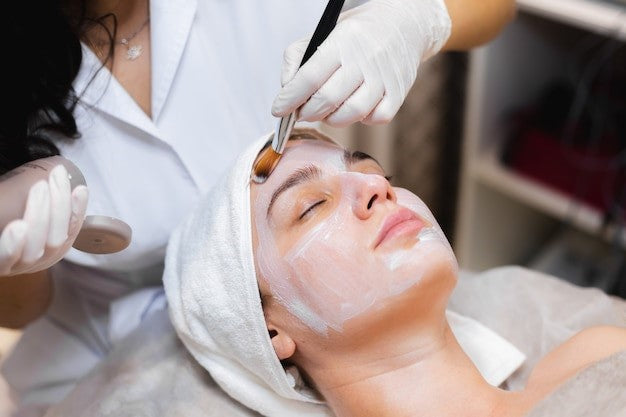
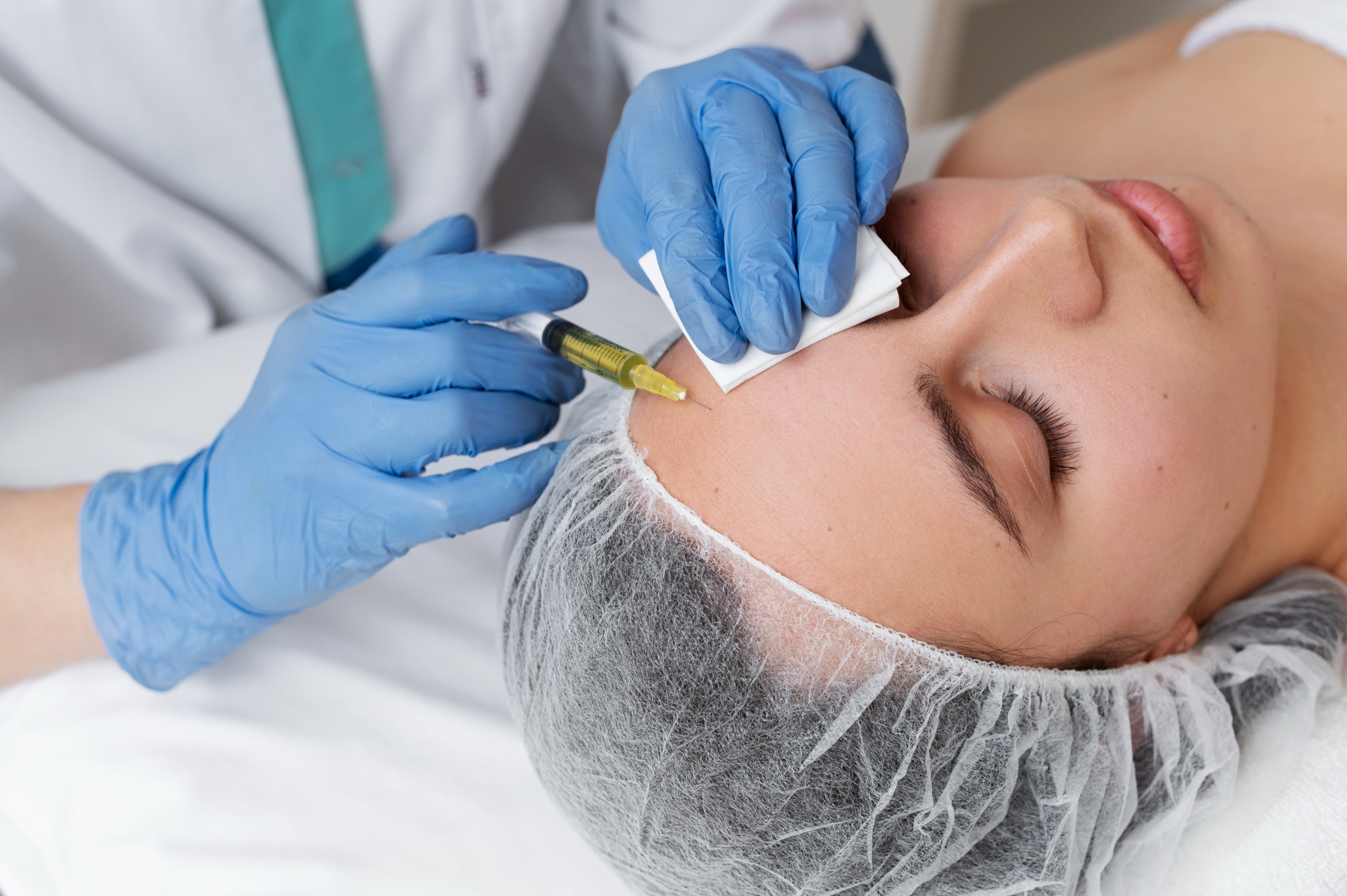
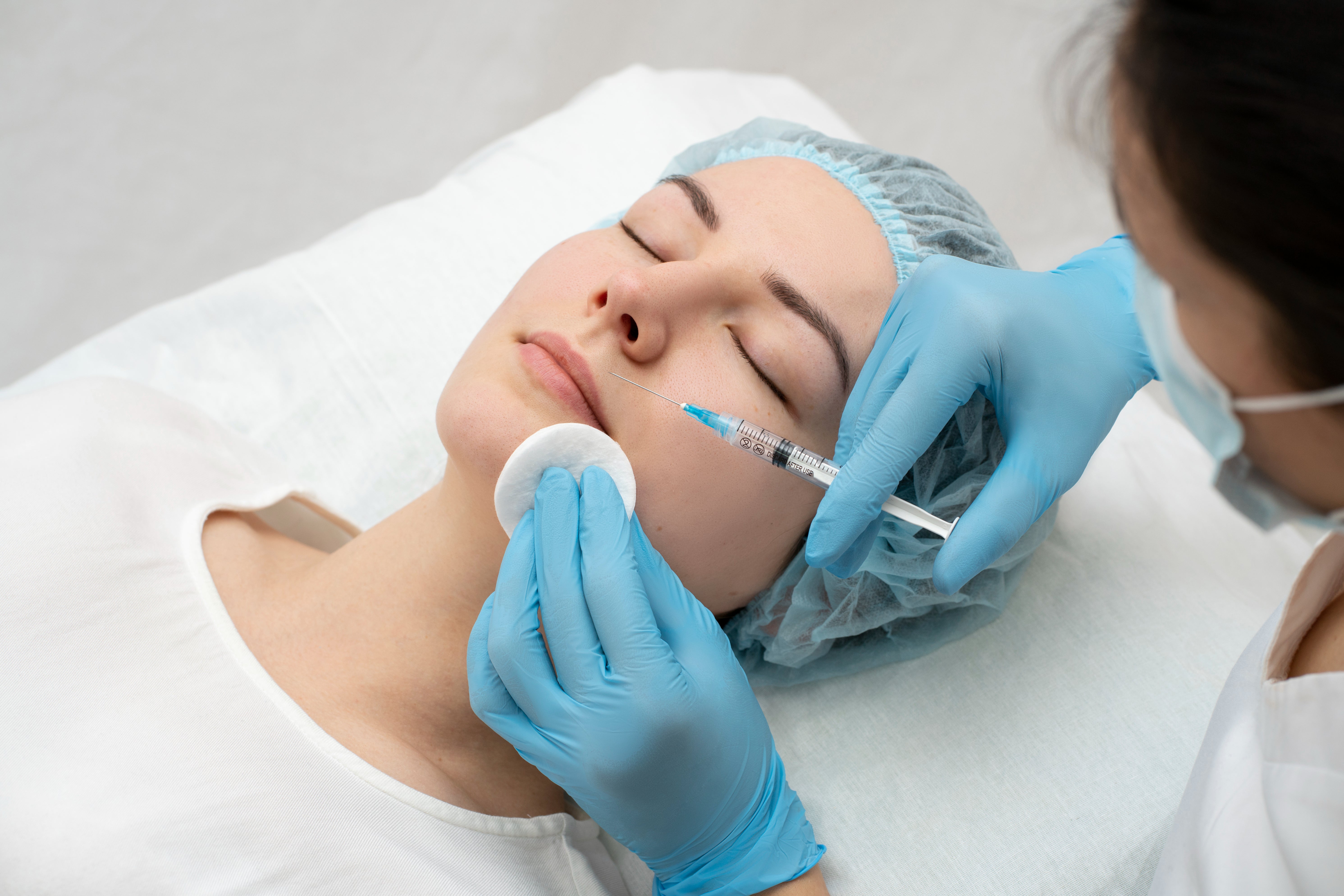
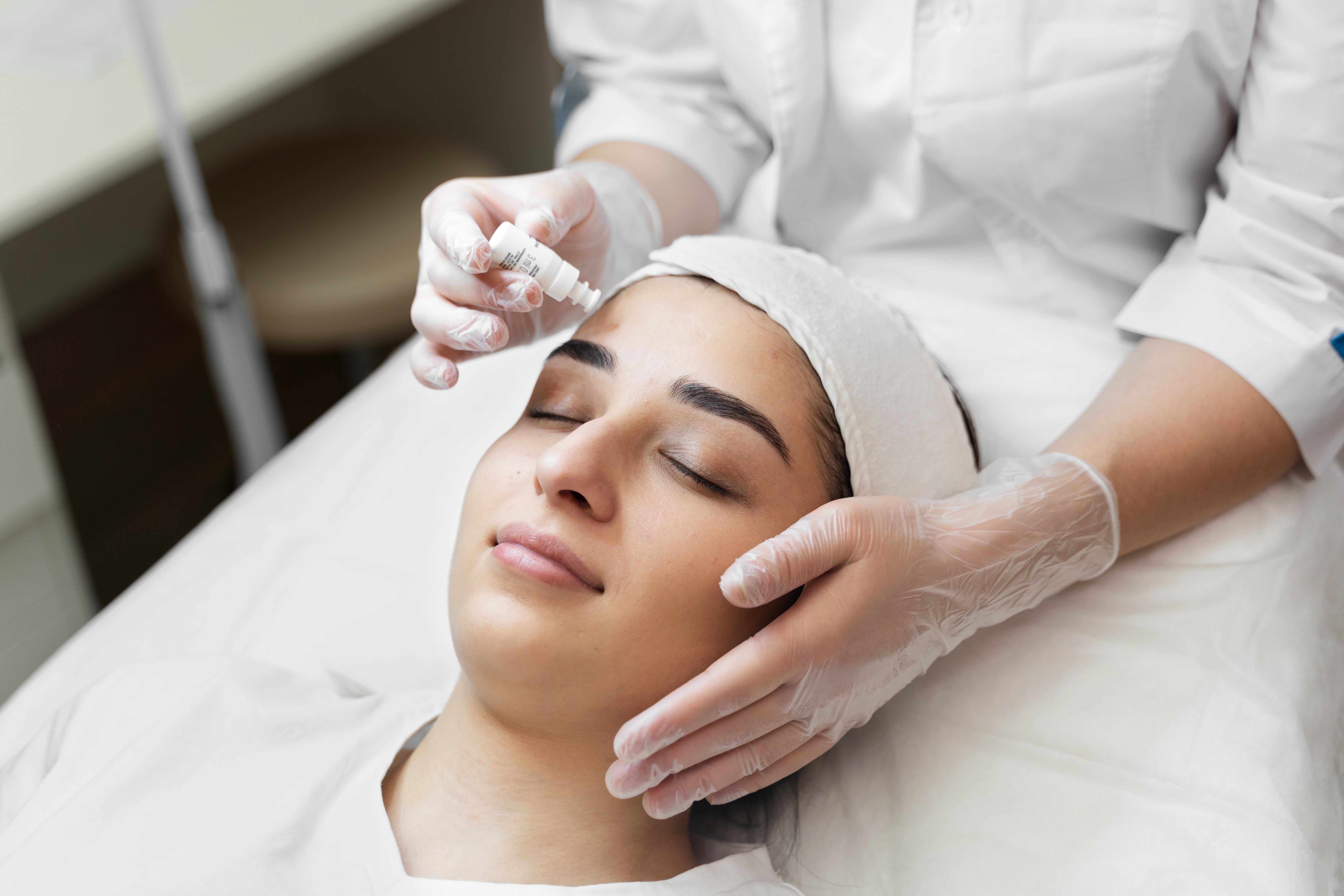
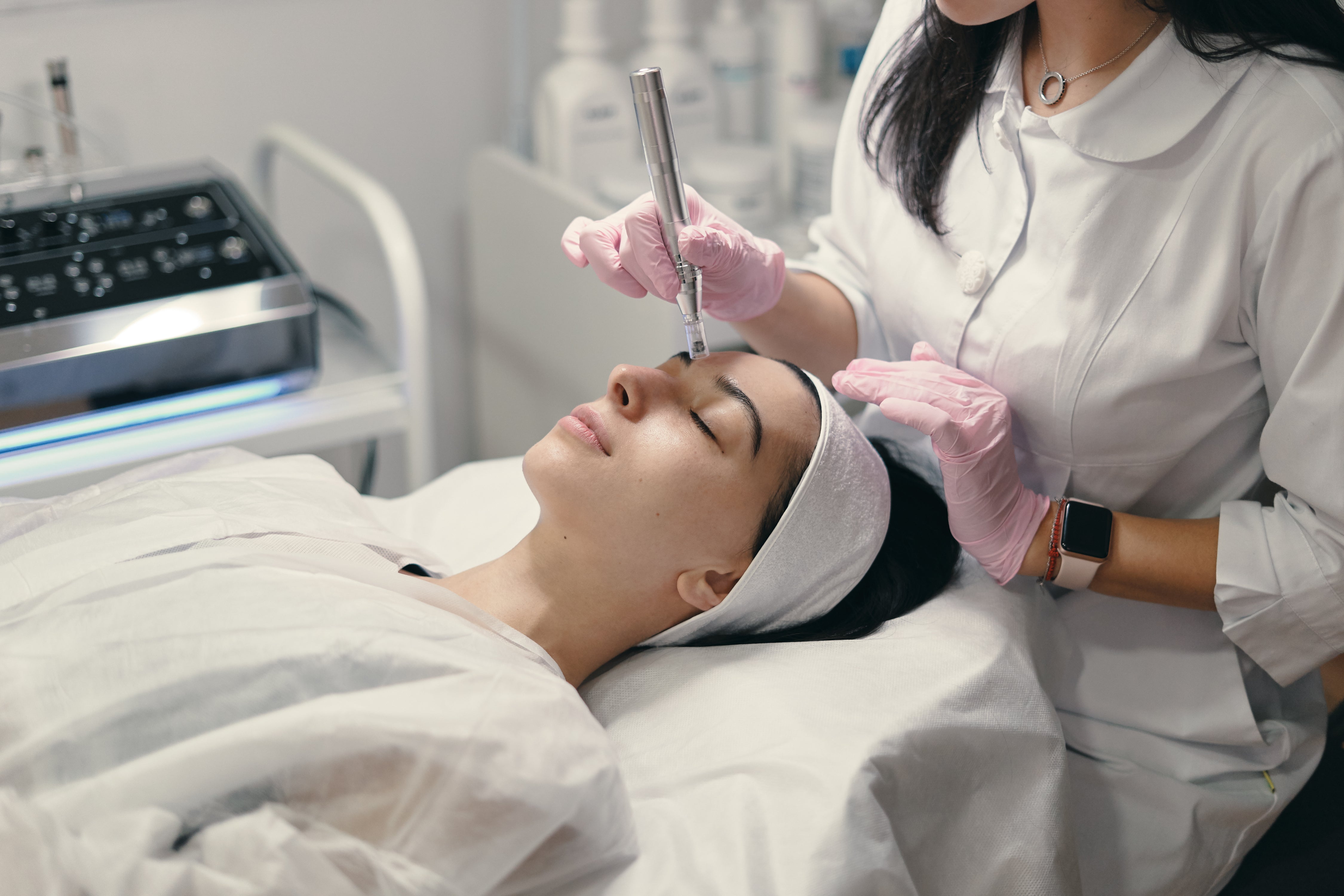
Skincare consultant applying a serum to a client’s cheek in a bright, minimalist treatment room

Expert Skincare Advice for Clearer, Healthier Skin

Updated on: 2026-06-06 Choosing the right routine can feel overwhelming, especially when skin needs change with seasons, stress, and hormones. Expert skincare advice helps you simplify decisions and build a plan that fits your skin type and goals. You will learn how to evaluate ingredients, select a cleanser, add the right treatments, and protect your barrier every day. You will also find a practical checklist and a step-by-step approach for consistent results. Table of Contents Buyer’s Checklist Step-by-Step Guide FAQ Closing Thoughts & CTA About the Author Section Buyer’s Checklist: Apply Expert Skincare Advice Before You Buy Expert skincare advice begins before you open product labels. The best routine is not the one with the most items. It is the one that matches your skin condition, tolerates your skin barrier, and fits your daily habits. Start by identifying what you want to improve: hydration, uneven tone, acne control, sensitivity, texture, or early signs of aging. Then match your products to those needs with clear logic. Use this checklist to make purchasing decisions with confidence: Know your skin type: oily, dry, combination, or sensitive. If you experience burning or tightness easily, prioritize barrier-friendly formulas. List your top concerns: for example, clogged pores, dark spots, dullness, or visible redness. Choose one primary target first. Check compatibility: avoid stacking multiple strong actives at the same time. Look for formulas that support one another. Inspect the cleanser goal: if you are prone to dryness, choose a gentle cleanser. If you are oily, choose a balanced foam that does not over-strip. Confirm treatment strength: serums should address your concern without causing frequent irritation. Start with a low frequency plan. Prioritize sunscreen every day: daily sun protection supports tone and texture goals and reduces the risk of worsening pigmentation. Evaluate moisturizers by function: look for barrier-supporting ingredients such as glycerin, ceramides, or soothing agents. Plan for patch testing: test new products on a small area to reduce the chance of reaction. Choose according to your routine time: if you cannot stay consistent, select simpler steps that you can repeat reliably. If you need a practical place to start, begin with a cleanser and a moisturizer, then add one targeted serum. For oily skin that tolerates foaming textures, consider a gentle yet effective option such as oil control foam wash. For sensitive or dry-prone skin, a cleanser designed for gentleness can reduce disruption, such as gentle cleanser. Checklist icons, skin-type labels, routine timeline markers Step-by-Step Guide: Build a Routine With Expert Skincare Advice A well-built routine is structured, repeatable, and measured. The goal is not rapid change. The goal is steady improvement while protecting your skin barrier. Follow these steps to design a routine that remains effective as your needs evolve. Step 1: Cleanse with the correct balance Cleanser choice sets the stage. A cleanser that removes excess oil should still preserve comfort. Over-cleansing can lead to dryness, which may increase visible texture and sensitivity. Use lukewarm water and avoid scrubbing. If you wear sunscreen or makeup, cleanse thoroughly but gently. For daily oil control, an appropriate foam can help keep pores clear. For dryness-prone skin, a gentle cleanser reduces friction and supports long-term tolerance. Choose one cleanser and use it consistently before adding more variables. Step 2: Assess hydration and barrier needs After cleansing, your skin should feel clean, not tight. If you notice tightness, add a moisturizer that supports hydration and comfort. Barrier-friendly moisturizers reduce transepidermal water loss and make active ingredients easier to tolerate. When your skin is dehydrated, treatments can feel harsher. Prioritize moisture first, then refine your active steps. For facial hydration, an option such as rich facial hydrating lotion can help you restore comfort. Step 3: Add one targeted serum at a time Serums provide focused benefits, but they require discipline. Select one primary serum based on your main concern and introduce it gradually. Frequency increases as your skin adapts. For acne-prone areas and preventive care, consider a formula intended for oil balance and acne support, such as acne UV gel SPF for daytime use. For active treatment of pigmentation or dullness, incorporate a serum designed for targeted results, for example brightening serum. Use the treatment consistently, but avoid introducing multiple new active products at the same time. Step 4: Use sunscreen as the non-negotiable step Sunscreen supports your entire skincare plan. It helps reduce the risk of worsening dark spots and supports smoother tone. Apply every morning as the final step of your routine. Reapplication is useful when you spend extended time outdoors, especially in bright conditions. If you need a sunscreen designed for acne-prone or oily skin comfort, use acne UV gel SPF 50. If you prefer a different texture for daily wear, choose a well-formulated sunscreen with broad-spectrum coverage and a finish that your skin tolerates. Step 5: Manage day-to-day irritation with a simple protocol If you experience redness, burning, or persistent dryness, reduce active frequency and increase moisturizer. Do not stop your routine entirely unless irritation is severe. Consider spacing active products farther apart and use gentle cleansing until your skin returns to baseline comfort. When adjusting your routine, keep your variables controlled. Change only one step at a time. This approach makes it easier to understand what your skin is responding to. Step 6: Build a seasonal and lifestyle adaptation plan Skin can change with temperature, humidity, and stress. During warmer months, many people benefit from lighter textures and consistent sunscreen. During colder months, they often need more hydrating moisturizers. The best strategy is flexible maintenance, not constant reinvention. Keep your core steps stable: cleanse, moisturize, and protect with sunscreen. Then adapt the texture and frequency of serums based on how your skin feels. This method reduces friction and improves adherence. Routine layers diagram: cleanse, treat, moisturize, shield Step 7: Review your results using a measured evaluation Skincare improvements are gradual. Instead of judging by one day, evaluate changes in comfort, texture, and tone over time. Track progress by skin feel, not only appearance. If your skin is comfortable and your routine is consistent, you have built a sustainable foundation. If you are targeting uneven tone or hyperpigmentation, daily sunscreen becomes even more critical. If you are targeting acne and clogged pores, focus on consistent cleansing and a single acne-oriented treatment approach. When you keep your plan clear, your results become easier to interpret. FAQ: Expert Skincare Advice for Common Routine Questions How do I choose the right cleanser for my skin type? Choose based on comfort and oil balance. If your skin feels tight after washing, switch to a gentler cleanser. If your skin looks shiny soon after cleansing, a controlled-foam cleanser may help. Avoid harsh scrubbing and use lukewarm water to reduce irritation. Can I use multiple active serums in the same routine? It is usually best to introduce one targeted serum at a time. Using multiple actives at once increases the likelihood of irritation and makes it harder to identify what works. Once your skin is comfortable, you can add a second treatment with careful spacing and consistent barrier support. What is the most important step for pigmentation and uneven tone? Daily sunscreen is the most important step for supporting tone. Sun exposure can worsen existing pigmentation and create new discoloration. Apply sunscreen every morning and ensure your skin remains comfortable with appropriate hydration and moisturizer. Why does my skin get irritated when I start new products? New products can be drying, irritating, or simply too strong for your current barrier state. Reduce frequency, moisturize more consistently, and introduce one product at a time. If irritation persists or becomes severe, discontinue the product and seek guidance from a qualified professional. Closing Thoughts & CTA Expert skincare advice is most effective when it turns complex choices into a clear routine you can repeat. Start with a gentle cleanser, prioritize barrier-friendly hydration, add one targeted serum, and protect with daily sunscreen. Consistency and controlled adjustments matter more than trends or over-layering. If you want to streamline your routine, review your needs and select products that match your skin type and goals. Explore dermatologist-informed categories and curated options at Allodermis to build a practical plan that supports comfort and long-term skin health. Disclaimer: This article is for general educational purposes and does not provide medical advice or diagnosis. Skin responses vary by individual factors. If you have persistent irritation, severe acne, or a medical skin condition, consult a qualified healthcare professional before using new skincare products. About the Author Section Allodermis is supported by a team dedicated to practical skincare education and ingredient-focused routines. Our topic expertise centers on skin barrier support, daily cleansing habits, hydration strategy, and sunscreen selection for consistent maintenance. We encourage readers to build routines with patience, clarity, and realistic expectations. For a routine approach grounded in skin comfort, explore curated guidance and product categories on Allodermis.

Learn more
Skincare products on a clinic desk beside a person with mild facial acne redness

Acne Management: A Practical Guide to Clearer Skin

Updated on: 2026-06-06 Acne can change how your skin looks and how you feel day to day. This guide explains acne management using evidence-based routines and practical habits. You will learn how to build a consistent plan for cleansing, treating, protecting, and monitoring progress. The article also covers common mistakes that can worsen breakouts and how to respond when acne persists. Introduction Benefits & Reasons How Acne Management Works A Simple Acne Management Routine Choosing Products Without Overcomplication Lifestyle and Skin Care Habits FAQ Final Thoughts & Recommendations About the Author Introduction Paragraph Acne is common, and it often has more than one driver, such as clogged pores, inflammation, excess oil, and friction. Effective acne management is not about using more products. It is about using the right ingredients in the right order and keeping the routine steady long enough to measure results. When you approach acne with structure and patience, you can reduce breakouts, limit irritation, and support clearer-looking skin. If you have tried many steps and still see flare-ups, the solution is usually a clearer plan. This article offers a practical framework for acne management that fits into daily life. It also explains how to adjust your routine based on your skin response, rather than reacting to every new pimple. Benefits & Reasons Consistency improves outcomes. Acne treatment often requires repeated exposure to active ingredients. A stable routine helps your skin adapt and reduces the cycle of irritation and rebound breakouts. Less irritation supports faster healing. Over-cleansing, harsh scrubs, and too many active ingredients can damage the skin barrier. With gentler choices and measured treatment, your skin can recover between flare-ups. Targeted care addresses multiple acne pathways. A complete plan can include pore-focused cleansing, anti-inflammatory treatment, and daily sun protection. This combination supports both prevention and visible improvement. Better monitoring reduces guesswork. When you track what you change and when you change it, you can identify triggers such as new products, friction, or inconsistent application. How Acne Management Works Acne forms when pores become clogged and inflammation increases around trapped material. Sebum, dead skin cells, and bacterial imbalance can contribute to the process. Acne management therefore benefits from strategies that reduce clogging, calm inflammation, and support skin barrier function. For many people, the most effective plan includes four pillars: cleansing, treatment, moisturization, and sun protection. Each pillar has a specific job. Cleansing removes excess oil and debris without stripping. Treatment targets acne-related pathways. Moisturization reduces dryness from active ingredients. Sun protection helps prevent post-acne marks from becoming more noticeable. Cleanser, treatment, moisturizer, sunscreen workflow icons A Simple Acne Management Routine The goal is not to overcorrect. The goal is to build a routine that your skin can tolerate. Below is an example structure that you can adapt to your needs and product selection. Morning routine Cleansing: Use a gentle cleanser to remove overnight oil and reduce surface buildup. Light treatment: If your skin is sensitive, start with one active product and apply a thin layer. Moisturizer: Choose a non-comedogenic moisturizer to maintain comfort. Sun protection: Apply daily broad-spectrum sunscreen to help protect skin from visible discoloration. Evening routine Cleansing: Clean the skin thoroughly but gently, especially if you wear makeup or sunscreen. Primary acne treatment: Use your acne-fighting active ingredient as directed. Barrier support: Apply moisturizer if the treatment causes dryness. How to pace changes Introduce changes one at a time. This approach makes it easier to learn what your skin tolerates. If you add multiple new actives at once, you will not know which ingredient caused irritation or which one improved breakouts. Choosing Products Without Overcomplication Product selection is one of the most common obstacles in acne management. Many people switch products too frequently or add multiple strong actives. A better strategy is to select a small set of products that cover the key needs in your routine. Start with a gentle cleanser A cleanser should remove excess oil and residue while maintaining barrier comfort. If your cleanser is too harsh, your skin may feel tight and produce more oil as a compensatory response. Consider using a gentle, daily formula such as gentle cleanser to support consistent cleansing. Use one main active ingredient There are different categories of acne treatments. Some focus on unclogging pores, while others reduce inflammation or improve skin cell turnover. Choose one primary active, use it as directed, and give your skin time to adjust. For example, if you want a targeted facial treatment option, you may explore proactive acne serum for a structured treatment approach. If your acne is paired with oil control needs, a daily-use strategy such as oil control cleanser can help reduce surface greasiness. Do not skip moisturization Even acne-prone skin needs hydration. When treatment dries your skin, the barrier can become more reactive. Choose a light, non-greasy moisturizer and apply it consistently. If you also want hydration support in your routine, consider facial hydration lotion as part of a barrier-friendly routine. Timeline chart showing single change, skin response, and balance Choose sunscreen that fits acne-prone skin Sun protection is essential in acne management because ultraviolet exposure can worsen the look of post-acne marks. A lightweight, daily sunscreen can also reduce the temptation to skip treatment due to irritation. You can evaluate sunscreen options such as acne UV gel SPF 50 or daily sunscreen cream based on texture and comfort. Lifestyle and Skin Care Habits Skincare products are only one part of acne management. Daily habits influence irritation, friction, and inflammation. You do not need extreme changes. You need sensible, repeatable behaviors. Reduce friction and buildup Keep hair away from the forehead if breakouts cluster along the hairline. Clean items that contact skin frequently, such as pillowcases and phone screens. Avoid tight headwear and frequent rubbing of affected areas. Use makeup thoughtfully Heavy makeup can trap heat and residue. If you use makeup, remove it thoroughly at night. Consider lighter, acne-friendly application practices and ensure complete cleansing without aggressive scrubbing. Manage shaving and grooming triggers If you shave or groom facial hair, use clean tools and avoid dragging the skin. Use a gentle approach that minimizes micro-irritation around follicles. Monitor stress without blaming it Stress can affect sleep and inflammation markers, which may influence acne flare-ups. However, stress is not the only cause. Use stress management as a supportive habit, not as a sole explanation for breakouts. Be cautious with aggressive exfoliation Acne management does not require constant scrubbing. Frequent exfoliation can increase irritation and delay barrier recovery. If you use exfoliating acids, introduce them gradually and stop if your skin becomes red, burning, or excessively dry. Diet: focus on observation Rather than adopting strict diets without guidance, use observation. If you notice consistent patterns between certain foods and flare-ups, discuss changes with a qualified healthcare professional. Personalized guidance is more reliable than general rules. FAQ How long does acne management take to show results? Most acne routines require time to establish consistency and allow active ingredients to work. Skin response often improves gradually, rather than immediately. If you notice persistent worsening, significant irritation, or lack of improvement after a reasonable trial period, consider adjusting the routine with guidance from a qualified professional. Is it better to treat acne with many products or just one? Acne management is usually most effective with a focused plan. Using multiple strong actives at once can overwhelm the skin barrier and increase inflammation. A simpler routine that includes gentle cleansing, one primary acne treatment, moisturization, and daily sun protection often supports more stable progress. What should I do if my acne treatment causes dryness or redness? Reduce the frequency of the active ingredient and prioritize barrier support with a gentle moisturizer. Ensure your cleanser is not overly stripping and confirm you are using sunscreen daily. If irritation continues, stop the suspected active and consult a dermatologist to choose a lower-irritation approach. Final Thoughts & Recommendations Acne management works best when it is structured, gentle, and consistent. Start with a reliable cleansing routine, add one primary active treatment, support your barrier with moisturization, and use sunscreen every day. Then track changes and adjust slowly based on how your skin responds. If you want a practical starting point, consider selecting products that align with each pillar of the routine and avoid unnecessary switching. For additional guidance on building a care plan, you can explore dermatologist-style routines through the resources available at Allodermis. For optimal results, consider professional advice if acne is severe, painful, or persistent. About the Author Section Allodermis is a brand committed to skin health through ingredient-aware skincare education and product guidance. Our team focuses on acne management principles such as barrier support, consistent cleansing, and sun protection. We aim to help readers build realistic routines that prioritize tolerance and long-term skin clarity. Thank you for reading and for taking a thoughtful approach to skin care. Disclaimer: This article is for general educational purposes only and does not replace medical advice. Individual skin conditions vary, and results depend on many factors. If you have severe acne, painful lesions, or any persistent worsening, consult a qualified healthcare professional for personalized guidance.

Learn more
Calm face skin with moisturizer on a clean countertop, suggesting skin barrier restoration and healing

Skin Barrier Restoration: Fix, Protect, and Heal

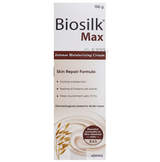
Skin barrier restoration is the foundation of comfortable, resilient skin. When the outer layer is weakened, skin can feel tight, look dull, and become more reactive to everyday factors. A focused routine can support the lipid barrier, improve tolerance, and reduce the need for constant correction. This guide explains what skin barrier restoration means, which habits help, and how to build a practical plan that fits daily life. Updated on: 2026-06-05 Skin barrier restoration supports the skin’s natural outer defenses so it can hold moisture more effectively. A strong barrier can improve comfort, reduce irritation, and make other skincare steps easier to tolerate. The process typically includes gentle cleansing, consistent moisturizing, and targeted barrier lipids. This article provides a clear plan and answers common questions to help you choose an effective approach. Table of Contents 1. Myths vs. Facts 2. Step-by-Step Guide 3. Frequently Asked Questions 4. Summary & Key Takeaways 5. Q&A Section Myths vs. Facts Myth: Skin barrier restoration requires harsh exfoliation to “reset” skin. Fact: Over-exfoliation can further disrupt the barrier. Gentle cleansing and hydration usually come first, followed by slow, careful introduction of active ingredients. Myth: Any moisturizer will fix barrier problems. Fact: Barrier-focused formulas often emphasize emollients, humectants, and skin-compatible lipids. Texture alone is not the deciding factor; ingredient function matters. Myth: Barrier restoration is only for dry skin types. Fact: Barrier disruption can also show up as redness, stinging, uneven comfort, or increased sensitivity in oily or combination skin. The goal is tolerance and resilience, not only hydration. Myth: You can rush results in a few days. Fact: Skin adapts gradually. Consistency is more important than speed, and the skin’s response guides pacing. Step-by-Step Guide Skin barrier restoration works best with a simple routine that protects the outer layer each day. Instead of adding many products at once, focus on the sequence: cleanse gently, replenish moisture, support lipids, and defend from environmental stress. 1) Assess the signals of barrier disruption Common signs include tightness, dryness, visible flaking, rough texture, stinging after washing, or redness that appears quickly after routine changes. If irritation increases with typical products, treat your skin as sensitive and prioritize comfort. 2) Choose a gentle cleanser and use correct technique A cleanser should remove impurities without stripping natural oils. Use lukewarm water, massage lightly for a short time, and avoid frequent hot showers. When skin barrier restoration is the goal, cleansing should feel calm, not squeaky or tight. You can consider a gentle, non-stripping option such as Cetaphil Gentle Cleanser to support daily cleansing comfort. 3) Apply moisture soon after cleansing Moisturizing immediately after washing helps reduce transepidermal water loss. Humectants draw water toward the upper layers, while emollients soften surface texture. If your skin reacts easily, apply a thin layer first and increase coverage only if needed. If you want a supportive hydrating step, consider Cetaphil-excella hydration lotion as an example of a comfort-first approach. Patch testing is essential when you introduce any new product. Close-up icons: shield layer, water droplets, calm skin 4) Support barrier lipids with a targeted moisturizer Barrier lipids help reinforce the skin’s protective seal. Look for moisturizers that include ingredients known for skin-conditioning and emollient support, such as fatty alcohols, ceramide-like components, or other barrier-supporting emollients. The aim is to reduce dryness and improve resilience so your skin tolerates other steps later. For an additional supportive option in a barrier-friendly routine, you may explore BiO Silk Max Cream to complement hydration and comfort-focused care. 5) Add sunscreen to prevent visible damage Daily sun protection helps prevent dryness and irritation that can worsen barrier weakness. Choose a sunscreen that feels comfortable and does not increase stinging for your skin type. Proper protection reduces the need to over-correct later. You can use Acne UV Gel SPF 50 as a reference point for a lightweight, daily defense approach. For anyone with heightened sensitivity, introduce sunscreen gradually and monitor comfort. 6) Introduce actives slowly, if needed Once skin feels stable, you may incorporate actives for specific concerns such as uneven tone or clogged pores. Barrier restoration should be the base; actives are the optional layer. When skin is reactive, reduce frequency, avoid stacking too many new ingredients, and stop if stinging or redness persists. If you use anti-acne or brightening products, apply them to fully moisturized skin and keep the rest of the routine simple. This sequencing helps reduce irritation and supports tolerance. 7) Keep routines consistent and reduce friction Small changes can matter. Use a soft towel, avoid harsh scrubs, and remove makeup gently. If you change products frequently, your skin never gets time to rebuild comfort. Consistency supports skin barrier restoration and helps you identify what truly helps. 8) Manage triggers outside skincare Barrier comfort is influenced by non-skincare factors. Dry indoor air can worsen dehydration. Frequent handwashing can irritate the skin around the face and neck area. Consider moisturizing after washing, using humidification when practical, and choosing fragrance-light products if you are sensitive. Frequently Asked Questions How long does skin barrier restoration take? Barrier recovery varies by severity and consistency. Many people notice improved comfort within a few weeks when they maintain gentle cleansing, consistent moisturizing, and daily sun protection. If irritation continues, reassess triggers and consider simplifying the routine further. Can I use exfoliants while restoring the barrier? Exfoliation can increase dryness and sensitivity if the barrier is already compromised. If you choose to exfoliate, do it infrequently and only after skin feels stable. For most people, gentle cleansing and hydration should lead the routine. Is skin barrier restoration the same as treating acne or eczema? They are related but not identical. Skin barrier restoration focuses on improving tolerance and reducing irritation. Acne and eczema also require targeted approaches. If symptoms are persistent, it is wise to seek professional guidance. Routine map: cleanser, moisturizer, sunscreen, calm progress arrows Summary & Key Takeaways Skin barrier restoration is a practical, evidence-aligned approach to strengthening the skin’s outer defenses. By cleansing gently, moisturizing promptly, supporting barrier lipids, and using daily sunscreen, you can improve comfort and resilience. Actives can be added later, but they should never replace the foundation. If your skin feels reactive, simplify your routine and allow consistent support. For daily product choices that fit a barrier-first routine, explore options from Allodermis and select formulas that feel comfortable with your skin type. Q&A Section What should I change first if my skin feels tight after washing? First, reassess cleansing. Switch to a gentler cleanser, use lukewarm water, and shorten wash time. Then apply moisturizer immediately after rinsing. Barrier restoration typically improves when the routine stops stripping oils and supports hydration consistently. How do I layer products during skin barrier restoration? Use a simple order: cleanse, moisturize, and apply sunscreen in the morning. If you use additional targeted products, introduce them one at a time and only after your skin feels calm. Keep layering minimal to avoid irritation and allow skin to adjust. Can diet or stress affect skin barrier health? Yes. Hydration, balanced nutrition, and adequate sleep support overall skin function. Stress can worsen inflammation signals, which may make barrier discomfort more noticeable. While skincare is essential, lifestyle factors can influence how quickly your skin stabilizes. When should I stop and seek professional advice? If you experience persistent burning, swelling, severe redness, or symptoms that do not improve after routine simplification, professional evaluation is appropriate. Barrier disruption can overlap with other skin conditions, and targeted care may be necessary. Disclaimer This article is for educational purposes only and does not provide medical advice, diagnosis, or treatment. Individual results vary, and skin reactions can occur with any ingredient or product. If you have a medical condition or severe symptoms, consult a qualified healthcare professional. About the Author Section Allodermis is guided by a team that focuses on skin comfort, formulation principles, and evidence-informed skincare education. The author has professional expertise in skincare routines and ingredient literacy, with a practical approach to sensitivity and barrier support. If you are building a barrier-first routine, prioritize consistency and choose products that feel calm on your skin. Thank you for reading, and best wishes for stable, comfortable skin.

Learn more
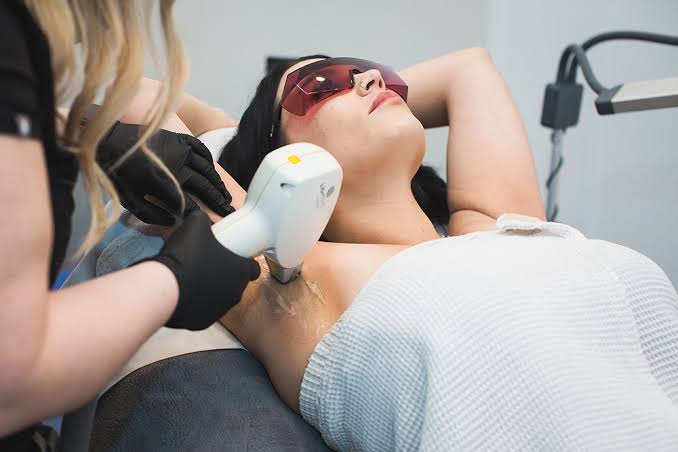
Technician performing a laser hair removal session on a person’s leg in a clean clinic room

Laser Hair Removal: How It Works and What to Expect

Updated on: 2026-06-05 Laser hair removal is a modern option for long-term hair reduction. It works by targeting pigment in the hair while protecting surrounding skin. Results depend on hair and skin contrast, treatment spacing, and aftercare. A clear plan for preparation, sessions, and expectations helps you make better decisions. Table of Contents How laser hair removal works How-To Guide Common Questions Answered Summary & Next Steps About the Author Laser hair removal: how it works and why it is widely used Laser hair removal is a widely chosen method for long-term hair reduction. Many people prefer it because it can reduce the need for frequent shaving or waxing over time. Laser energy is delivered in focused pulses that travel through the skin to the hair follicle. The target is the pigment within the hair shaft, which helps convert light into heat inside the follicle. Because the follicle and hair pigment absorb the light differently, results typically vary by hair color, skin tone, and hair thickness. Dark, coarse hair often responds more readily than very light or fine hair. Skin tone also matters because devices and settings must be matched to reduce the risk of irritation. In most plans, multiple sessions are needed. Hair grows in cycles, so not every follicle is in the same growth phase during one appointment. Spacing between sessions allows treatment to coincide with when follicles are most responsive. This is one reason why professional protocols emphasize consistent scheduling and follow-through. Another important factor is device choice. Different laser types and wavelengths are used based on skin characteristics and hair properties. A qualified provider should evaluate your suitability, explain the likely number of sessions, and discuss how settings may be adjusted across visits. Cross-section diagram: targeted heat in hair follicle How-to plan for safe and effective laser hair removal A strong outcome depends on more than the session itself. Preparation, realistic expectations, and careful aftercare help support skin comfort and treatment consistency. The following guide is designed to help you organize decisions and reduce avoidable setbacks. How-To Guide Step 1: Confirm your eligibility and device match Schedule a consultation with a qualified provider. Share your skin history, hair characteristics, and any past reactions to procedures or topical products. Ask which wavelength and settings are appropriate for your skin tone and hair color. This step is essential because a mismatch increases the risk of poor results and irritation. Step 2: Prepare your hair and skin Most protocols recommend avoiding waxing and plucking before treatment because they remove the hair structures the laser needs to target. Shaving is often used closer to the appointment so that hair is present at the follicle while surface length is minimized. Also follow instructions about sun exposure. Tanned skin can change how laser energy behaves in the skin, which can affect comfort and outcomes. Step 3: Manage skincare before and after the session On the day of treatment, use a simple routine. Avoid new active ingredients right before the appointment if your provider advises against it. After treatment, focus on gentle cleansing and moisturization. If your skin is sensitive, choose a mild cleanser and a barrier-supporting moisturizer to reduce dryness and friction. If you have acne-prone or oily skin, maintaining a routine that supports calm skin can help during the recovery window. For cleansing guidance, you may find relevant support from Cetaphil gentle cleanser as part of a gentle regimen. If you use sunscreen daily, consider reviewing your current product habits and ingredient tolerance. Step 4: Follow your session schedule consistently Do not treat appointments as optional. Sessions are planned around hair growth cycles. Missing sessions can delay progress and may require additional visits to reach your goals. Keep a simple calendar reminder for each session and for any recommended skincare pause periods. Step 5: Track changes and adjust expectations Progress is often gradual. Many people notice reduced hair density and slower regrowth across sessions. Others may see a change in texture first. Track areas treated, the time until regrowth, and any discomfort. This helps your provider determine whether settings should be adjusted. Step 6: Protect your skin from irritation and heat Immediately after treatment, avoid activities that may overheat your skin. Heat can increase redness and sensitivity. Use loose clothing over treated areas when possible. Continue daily sun protection, since UV exposure can increase the chance of post-treatment marks in sensitive skin. For a straightforward approach to daily sun protection, you can review options such as Acne UV gel SPF 50, or other dermatologist-friendly formulations from your routine. Selecting a sunscreen that you tolerate consistently supports safer long-term maintenance. Treatment timeline: spaced sessions with progress markers What to expect during and after laser hair removal During a session, many people describe a warming or snapping sensation. Exact comfort depends on the device, settings, and the treated area. Providers may use cooling methods to improve comfort. If you experience significant discomfort, inform your provider so settings and cooling strategies can be reconsidered. After treatment, mild redness can occur. This usually settles as skin returns to baseline. In some cases, you may notice dryness or temporary roughness as hair sheds. Do not pick at treated skin. If your provider provides specific guidance for moisturizers or soothing agents, follow that plan closely. Your skin care choices matter because treated skin can be more reactive for a short period. A gentle moisturizer and careful cleansing can support barrier function. If you want to standardize your cleanser routine, a mild option such as Cetaphil gentle cleanser may be compatible with many sensitive routines. Common treatment factors that affect results Three factors tend to influence outcomes most: contrast, growth phase, and consistency. Contrast: Higher contrast between hair pigment and skin often improves the efficiency of light absorption in the hair follicle. Very light hair may respond less. Very fine hair may also require careful evaluation. Growth phase: Hair cycles determine when follicles are most susceptible. This is why a structured schedule is important and why results arrive over time. Consistency: Treating at recommended intervals helps maintain coverage across cycles. Consistency also supports predictable cumulative effects. Additionally, provider expertise matters. A qualified operator understands how to evaluate skin, select parameters, and monitor comfort. If the plan feels vague, ask targeted questions about device selection, session spacing, and how they handle adjustments. Common Questions Answered Is laser hair removal suitable for all skin tones and hair types? Many modern devices can treat a wide range of skin tones, but suitability depends on wavelength selection, energy settings, and the hair-to-skin contrast. A professional consultation is necessary to confirm safe parameter selection. If your hair is very light or you have concerns about pigmentation, ask about alternative options or adjusted expectations. How should I prepare for a laser hair removal session? Follow your provider’s pre-care instructions. In many standard protocols, shaving is preferred over waxing or plucking because the follicle structure supports targeting. Reduce sun exposure before treatment and avoid tanning. Use a simple skincare routine and skip new products unless your provider specifically recommends them. What aftercare steps help reduce irritation after laser hair removal? Use gentle cleansing and moisturizing. Avoid picking or scrubbing treated areas. Wear loose clothing to reduce friction. Protect skin from sun exposure by using daily sunscreen and limiting direct heat and sweating when your provider advises. If you experience persistent discomfort, contact your provider for guidance. Does laser hair removal replace shaving and waxing completely? Laser hair removal often reduces hair density and slows regrowth, which can decrease the need for frequent shaving or waxing. Many people still perform occasional maintenance as hair patterns change over time. A realistic goal is long-term hair reduction, not necessarily permanent absence after one treatment cycle. Summary & Next Steps Laser hair removal can be an effective choice for long-term hair reduction when sessions are planned around hair growth cycles and when device parameters match your skin and hair characteristics. Good results come from careful preparation, consistent scheduling, and supportive aftercare that reduces irritation. Next, schedule a consultation to evaluate suitability and discuss realistic outcomes. Confirm the device approach, ask how sessions will be spaced, and request clear aftercare instructions. If you want to streamline your routine during treatment windows, maintain a gentle cleanser and daily sunscreen to support calm, protected skin. You may also explore Aze proactive serum only if your provider confirms it fits your post-treatment schedule. Disclaimer: This article provides general educational information and does not replace professional medical advice. Individual results vary. Always consult a qualified healthcare professional or trained laser provider to evaluate suitability, discuss risks, and plan safe treatment. About the Author Allodermis is a skincare and personal care brand with expertise in evidence-informed routines, skin barrier support, and ingredient-focused guidance. The author team reviews practical skincare education that helps readers make safer, more consistent choices. For laser hair removal, this includes emphasizing preparation, aftercare, and realistic expectations. Thank you for reading, and we encourage you to seek professional guidance for your specific skin needs.

Learn more
Skincare professional preparing a facial chemical peel applicator in a clean clinic room

Chemical Peel Services: Benefits, Types, and Safety Tips

Updated on: 2026-06-04 Chemical peel services can help improve the look of skin texture and tone with controlled exfoliation. This guide explains how to choose a safe plan, what to expect before and after treatment, and how to support results. You will also find a practical checklist for selecting a qualified provider and preparing your skin routine. Use the Q and A to address common concerns about strength, downtime, and aftercare. Quick Overview Table of Contents Introduction Essential Tips Detailed Step-by-Step Process How to Choose a Provider Preparing Your Skin Day of Treatment Aftercare and Maintenance Common Mistakes to Avoid Summary & Takeaway Q&A Section About the Author Quick Overview Chemical peel services are professional exfoliation treatments designed to refine the look of skin. When planned correctly, they can support smoother texture and more even tone. The key is selecting the right peel strength for your goals and your skin type. This article provides a clear framework to help you make confident decisions. Introduction Chemical peel services use controlled solutions to gently remove the outer layer of skin. Dermatology and aesthetics practices often offer these treatments as a structured option for people seeking visible improvements in texture, clarity, and tone. The main benefit is that the process can be customized through peel depth, solution selection, and your aftercare plan. When you understand the steps and choose a qualified provider, you can reduce risk and improve consistency of outcomes. Because skin varies from person to person, safe results depend on preparation, correct timing, and disciplined sun protection. You will also learn how to build an everyday routine that supports barrier health. If you want additional guidance on daily skin support, you can explore dermatologist-informed product options such as gentle cleansing and targeted hydration at gentle cleanser care and sun protection at daily SPF support. Essential Tips Start with a clear goal. Decide what you want to improve, such as uneven tone, rough texture, or dullness, and communicate it at the consultation. Match peel strength to skin sensitivity. More aggressive solutions can increase redness and irritation, especially for first-time recipients. Confirm provider credentials. Ask about training, sanitation practices, and how they adjust treatment plans. Plan your schedule. Keep important events and heavy sweating or sun exposure to a minimum during the recovery phase. Use a barrier-first routine. Prioritize gentle cleansing, consistent moisturization, and strict sunscreen use. Avoid mixing strong actives. Retinoids, strong acids, and exfoliating products may need to be paused based on your plan. Detailed Step-by-Step Process To approach chemical exfoliation safely, treat it like a controlled skincare workflow. The process should be guided by skin assessment, appropriate selection, and consistent follow-through. Below is a practical sequence that many professional clinics follow. Initial assessment: The provider evaluates skin type, current irritation level, and past product use. They also review allergies and skin conditions. Goal setting: You and the provider align on realistic outcomes and an approach that supports gradual improvement. Peel selection: The provider selects the solution type and strength. For many beginners, a conservative starting point is preferred. Patch testing when needed: Some plans include a test area or additional screening to gauge sensitivity. Preparation of the skin: The provider may cleanse the face and apply protective steps to reduce uneven absorption. Timed application: The peel is applied evenly and monitored. Timing matters to ensure predictable results. Neutralization or removal: Depending on the peel system, the solution is removed or neutralized to stop the chemical action. Immediate calming: Cooling and soothing support may be used to reduce discomfort. Aftercare plan: You receive instructions for cleansing, moisturizing, and sunscreen habits. Illustrated timeline of peel steps and aftercare Professional structure matters because skin response is not identical across individuals. A consistent schedule helps you avoid overexposure to irritation and supports smoother recovery. How to Choose a Provider Provider selection is a core factor in the safety of chemical peel services. A well-qualified professional should explain the plan clearly and adapt it based on your response. Use the criteria below to evaluate quality. Clinical assessment competence: The provider should ask detailed questions about your skin history, sensitivities, and current routine. Transparent protocol: A reliable clinic describes peel depth options, expected sensations, and the approximate length of recovery. Sanitation standards: Tools and application materials should be properly cleaned or disposed of according to hygiene policies. Adjustment based on response: After the first session, the plan should be updated if your skin shows sensitivity. Aftercare education: The provider should guide your sunscreen habits and help you choose gentle supportive products. If you are building your routine around a treatment plan, consider how daily products align with exfoliation. For example, a soothing cleanser such as oil-control foam wash can help keep the skin clean without unnecessary stripping, depending on your skin type. For hydration and comfort, consider a balanced facial moisturizer product strategy from hydration lotion options that suit your needs. Preparing Your Skin Preparation should begin before the treatment day. A thoughtful pre-peel routine reduces the risk of excessive irritation and improves comfort during recovery. The guidance below supports most skin types, but your provider may customize it. Follow your provider instructions on actives: You may need to pause strong retinoids, exfoliating acids, or benzoyl peroxide products for a short period. Keep cleansing gentle: Use a mild cleanser and avoid scrubbing. Dryness increases the likelihood of discomfort. Maintain hydration: Moisturize regularly. A well-hydrated barrier often tolerates exfoliation better. Plan for sun safety: Avoid intentional sun exposure leading into the appointment. Treat sunscreen as a daily requirement. Reduce friction: Limit harsh towels, aggressive massage, and rough face coverings. Many people benefit from a product strategy that supports barrier health. If you have acne-prone skin, you can explore gentle face wash options or acne-supportive routines. For broad daytime coverage, prioritize daily sunscreen care that fits your lifestyle. Day of Treatment On the appointment day, the focus is on safe application and controlled timing. Clinics typically start with cleansing and skin evaluation, then apply the peel solution according to the selected protocol. The experience usually includes a warming, tingling, or mild stinging sensation. The exact feeling depends on the solution strength and your sensitivity. Arrive with a clean face: You may be asked to avoid makeup and heavy skincare layers beforehand. Communicate sensitivity: If you have a history of irritation, tell the provider clearly. Do not add new products: Avoid introducing new actives the day of treatment unless instructed. Follow monitoring instructions: The provider should observe the skin response throughout the timing window. Confirm aftercare before leaving: Ensure you understand what to apply, what to avoid, and when to resume your routine. Diagram showing soothing recovery steps and sunscreen layer Aftercare and Maintenance Aftercare is where results become more consistent. Your skin needs time to recover and rebuild its protective barrier. Following a structured maintenance plan can also reduce the risk of prolonged redness and uneven healing. The essential aftercare elements usually include cleansing, moisturizing, and sun protection. Many clinics also advise on avoiding certain habits during recovery. Immediate recovery basics Gentle cleansing: Use a mild cleanser or follow your provider’s recommended method to keep skin clean without friction. Moisturize consistently: Apply a supportive moisturizer to reduce tightness and dryness. Strict sunscreen use: Use broad spectrum sunscreen daily and reapply when required by your routine. Avoid heat and sweating: Saunas and intense workouts may worsen sensitivity during early recovery. Supporting longer-term improvement Resume actives slowly: Reintroduce retinoids or acids only when your provider confirms that your skin has stabilized. Consider gradual series planning: Many people achieve the best balance with multiple sessions rather than one strong treatment. Track changes objectively: Note how your skin looks over days and weeks. This helps you and your provider adjust future sessions. If your objective includes tone support and daily comfort, a carefully selected routine can help. For example, brightening serum options can be used only when your provider confirms tolerance, especially after your skin barrier recovers. For acne-prone or texture-focused needs, daily SPF combined with a consistent cleansing approach can support overall skin appearance alongside treatment plans. Always prioritize instructions tailored to your peel depth and sensitivity profile. Common Mistakes to Avoid Even when treatment is performed well, certain behaviors can interfere with recovery. Avoiding these mistakes supports better comfort and steadier results. Using strong exfoliants too soon: Scrubs and harsh acids can intensify irritation and delay healing. Skipping sunscreen: Without sun protection, skin may darken unevenly after exfoliation. Over-moisturizing with fragranced products: Some products can irritate compromised skin. Stick to gentle options. Pick-and-peel behavior: Peeling skin should not be manually removed. Let it shed naturally. Increasing session frequency prematurely: Results can plateau or worsen when the skin is not given adequate recovery time. Ignoring discomfort signals: Severe burning, swelling, or persistent worsening should be assessed by a professional. For acne-prone concerns and daily support, a calm, consistent routine can reduce stress on the skin barrier. Consider pairing gentle cleansing with appropriate daytime care. Options such as proactive serum support may be useful later in your plan, but integration should follow provider guidance. Summary & Takeaway Chemical peel services can be an effective option for improving skin texture and tone when the treatment is planned and supported correctly. The safest path begins with a realistic goal, a qualified provider, and a conservative starting approach when appropriate. Preparation and aftercare matter as much as the appointment itself. With disciplined sun protection and barrier-friendly routines, you can support a smoother recovery and more consistent visual outcomes. Q&A Section How do chemical peel services differ from home exfoliation? Professional chemical peel services use clinician-guided solutions with controlled timing, standardized application methods, and on-site assessment. Home exfoliation products vary widely in strength and formulation, and they are not applied with the same level of monitoring. This does not mean home products are always ineffective, but professional guidance typically improves safety and predictability, especially for first-time users. What factors determine the right peel strength for my skin? The right peel strength depends on skin type, sensitivity, active conditions such as acne or rosacea, prior treatment history, and your tolerance for irritation. Your provider should review your current routine, identify trigger ingredients, and adjust the plan to your recovery capacity. Communication about past reactions is essential for a well-matched approach. How should I build a post-treatment skincare routine? Aftercare routines generally focus on gentle cleansing, consistent moisturization, and daily broad spectrum sunscreen. You should avoid introducing additional exfoliating acids, strong retinoids, or irritant products until your provider confirms your skin has stabilized. If you want a supportive routine framework, select products designed for sensitive skin and follow your clinic’s specific instructions. Are results immediate, or do they develop over time? Some visible changes can appear as skin sheds and recovers, but many benefits develop gradually as the skin barrier stabilizes. Improvement is typically more consistent when the routine is maintained and sessions are spaced appropriately. Your provider can suggest a realistic series plan based on your initial response. About the Author Allodermis is a skincare-focused publication associated with dermatology-informed product education and routine guidance. The author team specializes in skincare ingredients, barrier support, and practical aesthetic planning designed to help readers make informed decisions. A professional tone and evidence-aware approach guide every article. Thank you for reading and for prioritizing skin safety. Disclaimer: This article is for educational purposes only and does not provide medical advice, diagnosis, or treatment. Treatment plans for chemical peel services should be discussed with a qualified healthcare professional or trained skincare provider who can assess your individual skin condition and safety needs.

Learn more
Person gently parting hair near the hairline, showing subtle thinning and surrounding healthy growth

Hair Loss Solutions: What Works for Different Causes

Hair loss can be stressful, especially when you notice more shedding, thinning at the crown, or a change in hair texture. This guide explains hair loss solutions in a practical, evidence-aware way. You will learn how to think about root causes, what to expect from common treatment categories, and how to build a routine that supports scalp health and hair density. You will also see how to evaluate products responsibly and when to seek clinical care. Hair Loss Solutions: What They Are and How to Choose Hair loss solutions are approaches designed to slow, treat, or mask the visible effects of hair thinning and shedding. They typically fall into several groups, such as scalp care, medically guided therapies, nutrition support, and lifestyle adjustments. The most effective plan depends on the pattern of hair loss, the timing of onset, and the presence of scalp symptoms like itching, scaling, or inflammation. Start with clarity. Hair shedding can be temporary, hormone related, inflammatory, or nutrient related. Hair thinning can be genetic, age related, or linked to stress and health conditions. A strong selection process connects your symptoms to likely drivers. Then it matches those drivers to a safe and consistent intervention strategy. To stay grounded, evaluate hair care from two angles: the scalp environment and the hair growth cycle. Many “solutions” focus on the growth phase, while others prioritize reducing triggers that affect the scalp. Ideally, you use a balanced plan that supports both. Common drivers behind thinning and shedding Genetic patterns that gradually thin the top or crown area. Telogen effluvium where stressors can increase shedding for a period. Inflammation and scalp barrier disruption from irritation, over-washing, or dermatitis. Hormonal shifts such as changes related to androgen activity or postpartum recovery. Nutrient shortfalls that may affect growth and hair structure. Traction and mechanical stress from tight styles, frequent heat, or harsh chemical processing. TLDR Hair loss solutions work best when they match the cause of thinning or shedding. A balanced approach usually includes scalp care, a targeted therapy category, and supportive lifestyle habits. Consistent routine design matters more than sudden changes. You should also monitor scalp symptoms and know when to seek clinical evaluation. Updated on: 2026-06-04 Table of Contents 1. Hair Loss Solutions: What They Are and How to Choose 2. Product Spotlight 3. Did You Know? 4. Pros & Cons Analysis 5. FAQ Section 6. Conclusion & CTA 7. About the Author Section Product Spotlight When building hair thinning support routines, many people benefit from reducing scalp irritation and maintaining a clean, comfortable scalp. A gentle cleanse can reduce the chance of buildup that worsens inflammation. In that context, a facial and scalp-friendly cleanser concept can be helpful even if it is not specifically marketed for hair. Consider a gentle cleanser option such as Cetaphil Gentle Cleanser. The key idea is not to treat hair growth directly, but to support a calmer scalp environment. A stable scalp barrier often matters because irritation can affect comfort, increase scratching, and potentially disrupt routine adherence. When your scalp feels balanced, it is easier to maintain consistency with your overall plan. To integrate a cleanser into a hair-focused routine, choose a wash frequency that matches your scalp oiliness and sensitivity. Avoid harsh rubbing of the scalp. Massage gently for a short period, rinse thoroughly, and allow the scalp to dry comfortably. If you use treatment serums or scalp actives, place them after cleansing so the skin surface is free of residue. Illustration of calm scalp routine: gentle cleanse, soft brush strokes How to use gentle cleansing in a hair routine Pre-plan frequency based on scalp oiliness and comfort. Choose gentle massage rather than abrasive scrubbing. Rinse thoroughly to reduce residue and friction. Follow with a compatible step that does not trigger stinging or extra dryness. While cleansing is only one component, it can support the routine foundation that makes other interventions more tolerable. Did You Know? Hair shedding cycles can make short-term changes misleading; patterns matter more than a single day. Scalp inflammation can contribute to increased shedding through irritation and discomfort. Overuse of heavy oils or occlusive products may worsen some scalp conditions, depending on the person. Balanced protein and micronutrient intake supports hair structure, even though it does not replace targeted treatment. Mechanical stress from tight styles and frequent heat can amplify breakage that looks like thinning. Pros & Cons Analysis Below is a structured way to evaluate common hair loss approaches. The goal is not to declare any single option universally best. Instead, use the trade-off view to decide what fits your situation, skin tolerance, and lifestyle. Approach trade-offs at a glance Scalp cleansing and barrier support Pros: Often improves comfort, reduces buildup, supports routine consistency. Cons: Does not directly stop genetic patterns alone. Best for: Irritation-prone scalps, flakes, and people who need a gentler baseline. Targeted growth therapies Pros: Can be effective for certain pattern-based thinning when used consistently. Cons: Requires correct use and realistic expectations. Best for: Well-established thinning patterns with supportive monitoring. Nutrition and deficiency correction Pros: Supports hair structure and overall scalp health. Cons: Intake changes may take time to show results. Best for: Diet gaps, suspected deficiencies, or people with fatigue or other systemic clues. Anti-inflammatory and dermatitis-focused care Pros: Reduces discomfort and may reduce shedding triggers linked to irritation. Cons: Requires identification of the scalp condition. Best for: Itch, scaling, redness, and recurring scalp sensitivity. Lifestyle and mechanical protection Pros: Improves overall hair integrity and reduces breakage risk. Cons: Does not fully reverse advanced thinning on its own. Best for: Heat exposure, tight hairstyles, and routine-related hair damage. How to measure progress responsibly Instead of judging results by a single wash day, consider tracking objective signals. Use consistent photos with the same lighting, note the density of specific areas, and observe scalp symptoms such as itch or flaking. Also document product tolerance. A plan that you can follow without irritation often performs better than an aggressive plan that causes breakage or redness. If shedding accelerates quickly, you develop scalp pain, or you see sudden patchy loss, clinical evaluation becomes important. Professional assessment can rule out medical contributors and guide safe treatment selection. Checklist concept: compare routines, track scalp comfort, note shedding trends FAQ Section What are the most reliable hair loss solutions for different types of thinning? The most reliable hair loss solutions depend on the type of thinning and the pattern of symptoms. For scalp irritation and flaking, barrier-focused cleansing and anti-inflammatory care can help. For pattern thinning, targeted therapies often play a central role when used correctly over time. Nutrition support is most helpful when dietary intake is insufficient or when deficiency is suspected. How long should I wait before deciding a routine is not working? Hair-related changes occur over time because hair growth cycles are slow. A practical approach is to keep the routine consistent for long enough to evaluate stable trends in shedding, scalp comfort, and density. If you experience persistent irritation, worsening flaking, or increasing scalp discomfort, adjust earlier and consider professional guidance. Can scalp care products improve shedding even if the cause is genetic? Scalp care can often improve comfort and reduce irritation, which may lower shedding triggers related to inflammation. However, scalp care is not always sufficient to address the underlying drivers of genetic thinning. The best strategy is usually a combined plan that supports the scalp environment while using a targeted therapy category where appropriate. Are hair loss solutions safe for sensitive skin? Many hair loss solutions can be used safely with sensitive skin when introduced gradually and selected carefully. Patch testing on a small area can help you identify stinging or redness. Avoid combining multiple strong actives at once. If sensitivity is persistent, professional advice can help tailor a safer regimen. Conclusion & CTA Hair loss solutions work best when they are cause-aware, consistent, and compatible with your scalp. Begin with a clear view of the driver behind thinning or shedding, then build a routine that supports scalp health, reduces irritation, and aligns with the right intervention category. Track both scalp comfort and density signals so you can make informed adjustments. If you want to strengthen your baseline routine, start with gentle cleansing and skin-friendly habits. Explore options on oil-control cleansing for a balanced skin feel, and consider a supportive hydration step such as hydration support when your scalp or hairline feels dry. For users dealing with skin-related concerns that can affect the hairline area, you may also review serum options that focus on gentle proactive care. Choose products that match your tolerance and do not compromise scalp comfort. Disclaimer: This article is for educational purposes only and does not replace professional medical advice. Hair loss can have multiple causes, including underlying health conditions. If you experience sudden, severe, or patchy hair loss, scalp pain, or rapid worsening, consult a qualified healthcare professional or a dermatologist for individualized guidance. About the Author Section Allodermis Allodermis is an e-commerce brand focused on dermatology-aware skincare and supportive routines. The author contributes expertise in ingredient literacy, routine design, and consumer safety for sensitive skin contexts. This guidance is intended to help readers make structured decisions while maintaining realistic expectations. Thank you for reading, and choose hair care steps that you can apply consistently and comfortably.

Learn more
Dermatologist examining a patient’s depigmented skin patches in a clean clinic

Vitiligo Treatments: Options, Costs, and What to Expect

Updated on: 2026-06-03 Vitiligo can affect skin appearance and confidence. Effective management usually requires a long-term plan rather than a single quick fix. This guide explains common myths, evidence-based options, and how to choose a practical routine. You will also find guidance on treatment support, patch testing considerations, and what to discuss with a dermatologist. 1. Myths vs. Facts 2. Personal Experience 3. Understanding Vitiligo and Why Treatments Vary 4. Diagnosis and Personalization of Care 5. Overview of Vitiligo Treatments That Clinicians Commonly Use 6. How to Build a Safe Daily Skin Routine 7. When to Escalate Care and Seek Second Opinions 8. Visual Note 9. Visual Note 10. Final Thoughts & Takeaways Myths vs. Facts People often hear strong opinions about vitiligo treatments. The reality is more nuanced. Below are common statements and the evidence-based perspective clinicians generally follow. Myth: Vitiligo always spreads rapidly. Fact: Many individuals experience stable phases. Some areas can change slowly or remain unchanged for long periods. Myth: Only one treatment works for everyone. Fact: Response depends on lesion location, disease stage, and individual skin biology. Plans are usually personalized. Myth: Sun exposure is always beneficial. Fact: Unprotected sun can worsen skin stress and uneven pigmentation. Photoprotection is a core part of routine care. Myth: Over-the-counter products can fully replace medical care. Fact: Skincare support can improve comfort and barrier health, but medical interventions may be needed for repigmentation goals. Myth: Treatment success is immediate. Fact: Repigmentation and stabilization often require time. A realistic plan includes monitoring and adjustments. Personal Experience When I first learned about vitiligo, I focused on surface appearance. Over time, I learned that the emotional impact can be as significant as the visual change. I also saw how quickly online advice can become contradictory. The most helpful shift was viewing vitiligo treatments as a structured care pathway: protect the skin, reduce triggers, support the barrier, and discuss medical options with a qualified dermatologist. That approach made the process feel less confusing. It also helped set expectations. Instead of searching for a single answer, the focus became consistent follow-through and informed decision-making. Understanding Vitiligo and Why Treatments Vary Vitiligo is a pigment disorder that leads to areas of depigmented skin. It can involve different body locations, and its pattern can evolve. Dermatologists typically consider multiple factors when recommending vitiligo treatments, including whether the condition appears active, the distribution of lesions, and the patient’s history. Two key concepts guide treatment planning: Disease activity: Active vitiligo may need stabilization before repigmentation efforts are expected to hold. Skin and lesion characteristics: Locations such as hands, face, or joints can respond differently due to thickness, friction, and local skin environment. Because these variables differ across people, clinicians usually avoid “one-size-fits-all” thinking. The goal is to select therapies that match the stage and the practical lifestyle needs of the patient. Skin map highlights disease activity and lesion areas Diagnosis and Personalization of Care Before choosing any vitiligo treatments, diagnosis matters. Dermatologists often use a visual exam and may use a light-based evaluation to better understand lesion borders and activity. Accurate assessment helps differentiate vitiligo from other causes of depigmentation. Personalization goes beyond diagnosis. A practical plan also accounts for: Medication history: Prior therapies and response can influence next steps. Skin sensitivity: Some individuals require a slower introduction of topical products to reduce irritation risk. Lifestyle and access: Certain therapies may require clinic visits or scheduled sessions. Barrier care needs: Dryness and irritation can worsen the look and feel of depigmented areas. If you are unsure about your diagnosis, it is reasonable to request a second opinion from an experienced dermatologist. Clarity reduces wasted effort and supports safer decisions. Overview of Vitiligo Treatments That Clinicians Commonly Use Modern care for vitiligo is typically multi-step. Many plans include stabilization, repigmentation efforts, and long-term photoprotection. The best strategy depends on how active the condition appears and where lesions are located. 1) Topical anti-inflammatory therapies Topical medications can help calm immune-driven processes in some cases. Clinicians may prescribe topical options that target inflammation. Topical care also allows gradual integration into daily routines, which can improve tolerability. 2) Phototherapy options Light-based therapies are commonly used in clinical settings. They may support repigmentation by affecting local immune activity and pigment pathways. Phototherapy schedules vary, and consistent attendance is often important for meaningful assessment. Because light exposure has risks, phototherapy should be guided by a clinician rather than replaced with unmonitored tanning practices. 3) Targeted systemic therapies for specific cases Some individuals with more extensive disease or particular patterns may require systemic treatment under close medical supervision. These choices are made after evaluating benefits, risks, and overall health factors. 4) Procedural approaches for stable lesions For stable vitiligo that is not actively changing, procedure-based approaches may be considered. These options generally aim to restore pigment in select areas. Suitability depends on lesion stability and patient-specific factors. 5) Supportive management: photoprotection and barrier health Although supportive care may not be the primary driver of repigmentation, it is essential for comfort and appearance. Depigmented skin is more vulnerable to sun-related contrast and irritation. Consistent sun protection and gentle cleansing can reduce flare discomfort and improve daily wearability. For example, a routine that includes a soothing cleanser and appropriate sun protection can help maintain skin comfort while you pursue medical steps. Consider browsing dermatologist-friendly product categories such as: Gentle cleanser support High protection daily SPF options Sunscreen cream for consistent coverage Layered skincare routine symbols show protection and barrier care How to Build a Safe Daily Skin Routine A well-structured routine supports treatment outcomes by improving tolerance and reducing irritation. While vitiligo treatments may be the main medical focus, daily skincare can meaningfully affect comfort and appearance. Step 1: Use a gentle cleansing routine Harsh cleansing can increase dryness and discomfort. Choose a mild cleanser and keep water temperature moderate. Cleanse once daily for most people, or as needed based on skin type and daily activity. If you are looking for a gentle option, you may consider Cetaphil gentle cleanser support as a baseline approach for sensitive skin routines. Step 2: Moisturize to support the skin barrier Depigmented areas can feel more noticeable and may be prone to dryness. Moisturizing helps maintain comfort, reduces friction, and can support better tolerance to topical therapies prescribed by a dermatologist. Look for moisturizers that emphasize barrier-friendly ingredients and avoid strong fragrances if your skin is reactive. Step 3: Prioritize photoprotection every day Sun exposure can worsen contrast between depigmented and pigmented skin. Daily sunscreen application and protective clothing can reduce uneven appearance and help prevent irritation. You can explore options such as SPF cream for daily protection or sunscreen cream coverage, then pair them with hats or shade when possible. Step 4: Introduce new products carefully When starting or switching skincare, introduce one new item at a time. This helps you identify irritation sources. If a dermatologist prescribes a topical therapy, follow the exact directions and use moisturizers as advised to reduce dryness. If your routine includes brightening or pigment-focused serums, use them cautiously. Depigmented skin may respond differently than other areas, and over-layering can increase irritation risk. Step 5: Manage triggers that can affect skin comfort Some people report that stress, friction, or skin irritation can influence disease perception. While evidence for specific triggers varies, practical trigger awareness is still valuable. Reduce rubbing from clothing, avoid aggressive exfoliation, and keep nails and grooming tools gentle near affected areas. When to Escalate Care and Seek Second Opinions Vitiligo treatments are often adjusted over time. It is normal to reassess after a period of consistent use, because response can vary. Escalation does not mean failure; it can mean optimization. Consider discussing next steps with a dermatologist if: New depigmented patches appear despite consistent routine support. Existing lesions show a clear pattern of expansion. You experience frequent irritation from topical products or need a better tolerance strategy. You want to explore phototherapy, procedural options, or a more comprehensive plan. When planning adjustments, ask practical questions: What stage is my disease in? Which treatment goal is most realistic for my case, stabilization or repigmentation or both? How will we track progress, and when will we reconsider the plan? Documenting photos in consistent lighting can support tracking. If you do so, focus on safe handling and privacy. Final Thoughts & Takeaways Vitiligo treatments require a patient, evidence-guided approach. The most effective plans usually combine medical strategies with daily supportive care. Myths often create unrealistic expectations, but personalized care helps set a workable pathway. Key insights to keep at the center of your plan include: Diagnosis and lesion assessment guide what therapy is appropriate. Treatment selection depends on disease activity, location, and tolerance. Daily photoprotection and gentle skincare support comfort and appearance. Adjustments and escalation may be part of a normal, structured care process. With consistent care and informed decision-making, many people are able to manage symptoms and improve day-to-day confidence. The priority is a plan that is safe, realistic, and monitored by qualified professionals. Visual Note Skin map highlights disease activity and lesion areas Visual Note Layered skincare routine symbols show protection and barrier care Q&A Section What are the main categories of vitiligo treatments? Common categories include topical anti-inflammatory therapies, phototherapy, systemic treatments for selected cases, and procedures that target stable lesions. Supportive care such as daily photoprotection and barrier-friendly skincare is also an important part of many plans. How long should I expect to see progress? Progress timelines vary widely based on lesion location, disease activity, and the therapies used. Many people find that meaningful assessment requires consistent follow-up and patience, with periodic reviews to adjust the plan when needed. Can skincare products replace medical vitiligo treatments? Skincare can support comfort, reduce irritation, and improve appearance, but it typically does not replace clinician-guided vitiligo treatments. A combined approach is often more effective than relying on cosmetic-only strategies. What should I discuss with my dermatologist before starting a plan? Discuss your diagnosis, whether the disease appears active or stable, the primary goal of treatment for your case, and how progress will be tracked. Also ask about tolerability, how to handle irritation, and which routine elements are essential for photoprotection and barrier support. About the Author Section About the Author Allodermis is a skincare-focused organization dedicated to helping customers make informed choices through practical education and dermatologist-aligned guidance. The author team has expertise in dermatology-focused content strategy, ingredient literacy, and evidence-informed routine planning. This article is designed to support safe decision-making and structured conversations with qualified clinicians. Thank you for reading, and we encourage you to seek professional medical advice for personalized care. Disclaimer: This article is for informational purposes only and does not provide medical advice, diagnosis, or treatment. Vitiligo is a medical condition, and care decisions should be made with a qualified healthcare professional who can evaluate your specific situation. Do not start, stop, or change any medical therapy without professional guidance.

Learn more
Lightweight serum and moisturizer applied to a face in a clean bathroom setting

Oily Skin Routines: The Simple Daily Plan That Works

Updated on: 2026-06-03 Oily skin routines are not about stripping the skin. They are about balancing oil production while keeping the skin barrier calm. A well-structured routine can reduce the look of shine, limit clogged pores, and support smoother texture. The key is consistency: gentle cleansing, targeted actives, and the right lightweight moisturization and sunscreen. This guide outlines common mistakes, a practical buyer checklist, and evidence-aligned answers to frequent questions. Updated Date and Value Summary Oily skin routines focus on balance, not harsh stripping. Gentle cleansing and barrier-friendly hydration reduce pore congestion risk. Targeted actives and consistent sun protection help manage breakouts and shine. A checklist approach makes it easier to choose compatible steps. Common Mistakes Buyer’s Checklist FAQ Section Wrap-Up & Final Thoughts Q&A Section About the Author Common Mistakes Many routines fail because they target oil aggressively instead of improving skin function. Oily skin can look shiny and feel tight, but the problem often starts with imbalance rather than lack of moisture. When you correct the fundamentals, your skin typically tolerates actives better and maintains a calmer surface. Over-cleansing: Washing too often or using harsh foaming cleansers can increase rebound oiliness and irritation. Skipping moisturizer: Lightweight, non-greasy hydration supports the barrier and can reduce the urge to over-dry. Layering too many strong actives: Using multiple exfoliants or high-strength formulas at the same time can worsen sensitivity. Inconsistent sun protection: Sun exposure can aggravate visible marks and uneven texture, even when breakouts improve. Ignoring compatibility: Some ingredients do not suit every skin response. The goal is a routine that your skin can repeat daily. If you want a stable foundation, begin with a cleanser designed for daily use and a sunscreen that feels comfortable during wear. For a gentle baseline, consider a cleanser like Cetaphil Gentle Cleanser. If your skin tends toward congestion, choose formulas that cleanse without leaving a squeaky feel. Oil sheen reduction: blotting paper and calm skin cues Buyer’s Checklist Before you build oily skin routines, define your primary goals. Your routine should address your top concern first, then add steps that support long-term clarity. Use the checklist below to match products to your needs, while keeping the number of steps manageable. 1) Choose a gentle cleanser for daily use A cleanser should remove surface oil and impurities without causing dryness. Look for mild surfactants and a formula that rinses clean. If you prefer a more controlled oil feel, you can select an oil-control cleanser, but avoid frequent overuse. A reliable option to consider is Cetaphil Pro Oil Control Foam Wash. 2) Add lightweight hydration Moisturizer is often the missing link in oil balancing. For oily skin, hydration should be lightweight and fast-absorbing. This step supports the barrier so that actives do not trigger excessive irritation. If you need a hydrating lotion, review Cipla Excela Rich Facial Hydrating Lotion to evaluate how it feels on your skin during routine testing. 3) Use targeted actives based on skin needs Actives help with clogged pores, texture, and the look of post-breakout marks. Select one active as your main focus for several weeks, then assess tolerance. Common categories include: Exfoliating acids: Help refine texture and reduce the appearance of congestion. Niacinamide: Supports visible oil balance and barrier comfort. Retinoid alternatives: May support smoother skin texture with gradual use. Spot-focused formulas: Can be used to target specific areas. For a niacinamide-forward approach, you may review Nia Shine Brightening Serum. For acne and oil control support, always introduce actives slowly and watch how your skin responds. 4) Select a sunscreen you will actually wear Sunscreen is essential in any oily skin routines, because it protects against irritation and helps prevent marks from lingering. Choose a sunscreen finish that matches your preferences: gel-like, fluid, or lightweight cream. If you want an option designed for daily wear, review IPCA Acne UV Gel SPF 50. For a different texture direction, you can also consider Fixderma Shadow Sunscreen Cream. 5) Include one “repair” option when skin feels stressed When your skin barrier is stressed, it often reacts with increased oiliness and sensitivity. A repair-focused product, used intermittently, can support comfort. This step is especially helpful when you begin new actives. Choose a formula that feels soothing and does not trigger additional dryness. Daily routine workflow: cleanse, hydrate, treat, protect FAQ Section How often should I cleanse oily skin? Most people benefit from cleansing twice daily. If you sweat heavily, an additional gentle cleanse or a quick rinse can help. The goal is to remove excess oil and impurities without stripping the barrier. Should I avoid moisturizer if my skin is oily? No. Lightweight moisturizers can reduce the appearance of dryness and help stabilize oil balance. When the barrier is supported, skin often becomes less reactive to actives and daily environmental stress. What is the simplest routine for oily skin? A practical baseline is cleanse, moisturize, treat if needed, and protect with sunscreen in the morning. At night, cleanse, moisturize, and use one targeted active slowly. Keep the routine stable for several weeks before making changes. Can oily skin routines help with clogged pores? Yes, when you use gentle cleansing and compatible actives. Look for formulas that support exfoliation and consistent pore care. Avoid over-scrubbing, and focus on steady, repeatable steps. Wrap-Up & Final Thoughts Oily skin routines succeed when they respect the skin barrier and maintain a consistent rhythm. Focus on a gentle cleanser, lightweight hydration, carefully selected actives, and daily sunscreen. Avoid frequent over-cleansing, rushing into multiple strong treatments, and skipping protective steps. If you want an actionable start, use the buyer checklist to assemble a routine that matches your sensitivity level and long-term comfort. If you are building or refining your routine, explore product options that align with your preferences for cleansing, hydration, and sun protection on Allodermis. Choose fewer steps first, then iterate based on how your skin responds. Q&A Section What active ingredient strategy works best for oily skin? Choose one primary active category for several weeks, then evaluate results and tolerance. For many people, starting with a gentle approach and building gradually reduces the risk of irritation that can worsen oiliness. Consistency and correct timing are more important than using many actives at once. How do I prevent shine without making my skin feel dry? Preventing excess shine usually requires balance. Use a cleanser that removes surface oil without over-drying. Pair it with a lightweight moisturizer to maintain comfort. In the daytime, a non-greasy sunscreen can support a smoother finish and reduce the perception of oiliness during wear. Why does my skin feel oily right after washing? This can happen when the cleanser is too stripping or when the skin barrier is stressed. Harsh cleansing can trigger rebound oiliness. If this occurs, reduce cleansing frequency slightly and choose a gentler cleanser with a comfortable, non-tight finish. Is a spot treatment enough for oily skin concerns? Spot treatments can help targeted areas, but they usually do not replace a full routine. Oily skin routines work best when they include daily cleansing, barrier-friendly hydration, and sun protection. If clogged pores or texture persist broadly, consider adding one compatible active step for overall support. About the Author Allodermis is supported by topic expertise in skincare routines for oily and combination skin. The author team focuses on ingredient compatibility, daily compliance, and evidence-aligned care strategies. This guidance is intended to help readers make informed routine choices with confidence. For personalized needs, consider professional dermatology advice. Disclaimer: This article is for general educational purposes and does not provide medical advice. Individual skin needs vary. If you have persistent irritation, worsening breakouts, or significant skin conditions, consult a qualified healthcare professional before changing your routine.

Learn more
Unlabeled skincare bottles and a hand applying gentle cream for sensitive skin

Sensitive Skin Products: What to Look For

Updated on: 2026-06-02 Choosing the right sensitive skin products can reduce discomfort and improve day-to-day skin comfort. The best approach is to focus on gentle cleansing, careful moisturization, and smart ingredient selection. This guide explains how to read labels, build a routine, and introduce new items safely. You will also find practical troubleshooting tips for common sensitivity triggers. 1. Essential Tips 2. Detailed Step-by-Step Process 3. Summary & Takeaway 4. Q&A Section 5. About the Author How to Choose Sensitive Skin Products Without Guesswork Sensitive skin products are designed for skin that reacts easily to changes, friction, and harsh ingredients. If your skin stings, feels tight, or turns red after cleansing or moisturizing, a more careful routine can help you maintain comfort. The goal is not to eliminate every trigger at once, but to reduce irritation risk while keeping your barrier supported. Start with the basics: gentle cleansing, consistent hydration, and sunscreen that feels comfortable. Then refine your product choices using clear label-reading rules. This systematic method helps you avoid random trial-and-error and supports smoother integration into your routine. Prefer fragrance-free options when you notice stinging or redness. Look for cleanser and moisturizer formulas that support the skin barrier. Choose sunscreen textures you can tolerate daily, not only on low-sensitivity days. Introduce one new product at a time and give your skin a fair test window. Patch test behind the ear or on the inner forearm before full-face use. Track triggers such as shaving, hot showers, rough towels, and over-exfoliation. Keep routines simple; multiple active ingredients at once increase risk. Replace products that cause repeated burning, itching, or swelling. Checklist visuals for gentle cleanser, moisturizer, sunscreen compatibility Detailed Step-by-Step Process to Build a Comfortable Routine Building a sensitive-skin routine requires structure. Follow these steps to reduce irritation, improve consistency, and make product selection more predictable. Use this framework whether you are starting fresh or revising an existing routine. Step 1: Assess your current irritation pattern Before changing products, identify when irritation happens. Common patterns include stinging during cleansing, dryness after washing, or redness after sun exposure. Note whether reactions occur immediately or after repeated daily use. This observation guides which category needs the most attention: cleanser, moisturizer, or sunscreen. Step 2: Choose a gentle cleanser first A sensitive-skin routine usually begins with a cleanser that removes oil and impurities without stripping. Seek a mild, non-drying formula and avoid frequent cleansing throughout the day. If you experience tightness after washing, your cleanser may be too harsh or your water temperature may be too hot. If you want a dependable baseline cleanser, consider options such as gentle facial cleanser for non-stripping washing. Another option is oil control foam wash if you also need light oil management. Select the cleanser that matches your skin comfort level, not only your skin type. Step 3: Add a barrier-supporting moisturizer Moisturizers reduce water loss and help minimize the sensation of dryness-related irritation. For sensitive skin products, the most important factor is comfort. A suitable moisturizer should spread easily, absorb without burning, and leave skin feeling calm rather than coated or sticky. If you prefer a richer texture, evaluate a moisturizing cream option. If you want a hydrating approach suited for everyday use, consider hydrating lotion. Select based on how your skin feels after application, not on theoretical claims. Step 4: Use sunscreen in a sensitivity-aware way Sunscreen is essential for daily skin health, yet sensitivity can make it challenging. Choose a sunscreen that offers comfortable wear, does not sting on contact, and suits your skin’s needs. Reactions can also be linked to application technique or rubbing after application. Start by applying sunscreen to dry skin and avoiding heavy rubbing. If you need a broad daily option, consider SPF lotion-style sunscreen for consistent protection. For texture preference, a cream or gel option may feel different on sensitive skin. If acne-prone or oilier skin is involved, you can also explore UV gel SPF to match your tolerance. Step 5: Introduce treatments only after comfort is stable Once cleansing, moisturizing, and sunscreen feel stable, you can add targeted products carefully. Treatments such as brightening serums or acne-focused formulas can improve uneven tone or breakouts. However, they also increase the chance of irritation if introduced too soon or used too often. Use one treatment category at a time and evaluate results for comfort. If you are balancing sensitivity with pigmentation concerns, a brightening serum such as brightening serum can be considered after your routine feels calm. If your goal includes proactive anti-aging support, you may consider proactive serum support, applied with restraint at first. Step 6: Adjust your exfoliation and active ingredient frequency Exfoliation is a common sensitivity trigger. If you use exfoliating acids or retinoid-style products, reduce frequency and avoid stacking multiple actives. You can keep skin calm by using treatments on alternate days or using a single active at a time. When irritation occurs, pause active products until the skin returns to baseline comfort. For gentle correction or targeted soothing, consider products that are designed to be compatible with sensitive routines. For example, for texture-focused brightening you can assess a rich cream for supportive hydration as part of barrier care, rather than relying on exfoliation to do all the work. Step 7: Pay attention to application habits Sensitive skin products perform better when applied correctly. Use clean hands, apply moisturizer with gentle pressure, and avoid aggressive rubbing. Pat skin dry after cleansing. Use a soft towel and avoid hot water that can worsen dryness. These small behavior adjustments often improve tolerance more than frequent product swaps. Step 8: Use a simple rotation strategy for recurring triggers If your skin reacts during specific seasons or under certain conditions, you can rotate products based on comfort. Keep your cleanser and moisturizer consistent, and only change one variable at a time. This allows you to identify which formula or texture causes changes in redness or itching. If you are using an exfoliating or brightening cleanser, consider using it less often and pairing it with strong moisturizer support. If you are exploring pigmentation-focused routines, you may research gentle wash options such as foaming face wash for pigment support and keep the rest of your routine minimal. Routine flow diagram showing calm barrier steps and pauses Step 9: Troubleshoot common sensitivity signals Sensitivity can look similar across different causes. Use these troubleshooting guidelines to decide what to adjust. Stinging during cleansing: Switch to a milder cleanser, reduce cleansing frequency, and avoid hot water. Tightness after washing: Increase moisturizing consistency and ensure moisturizer is applied within minutes of cleansing. Redness after sunscreen: Try a different texture, confirm you apply without rubbing, and check whether the sunscreen is being layered with too many actives. Rash-like bumps after treatments: Pause the newest product and reintroduce slowly one variable at a time. Dry, flaky patches: Reduce exfoliation, increase hydration support, and ensure the moisturizer is sufficient. Step 10: Build an evidence-based ingredient filter Although every skin system is unique, you can reduce risk by using a predictable ingredient filter. Many people with sensitive skin respond best to formulas that avoid unnecessary fragrance and keep the ingredient list straightforward. It is also helpful to look for balanced hydration and barrier-supporting components. When comparing sensitive skin products, evaluate tolerability signals such as whether the formula contains known irritants or strong fragrance. If you have a history of reactions, prioritize fragrance-free and simplified routines. If you use any additional topical treatments, use them sparingly and avoid multiple new products on the same day. Summary & Takeaway Sensitive skin products work best when your routine is consistent and your selection process is structured. Begin with a gentle cleanser, add a barrier-supporting moisturizer, and choose sunscreen with a texture you can tolerate daily. Introduce treatments one at a time after comfort is stable, and adjust exfoliation and active frequency if sensitivity appears. Most importantly, focus on skin comfort and tolerance. When you treat sensitivity as a system rather than a single product problem, you create a routine that is easier to maintain and more likely to support long-term skin balance. Q&A Section What are the most important signs that sensitive skin products are not suitable for me? The strongest indicators are burning, persistent stinging, itching that increases over time, swelling, or repeated redness after consistent use. If symptoms appear the same day and continue with continued application, stop the product and simplify your routine until comfort returns. How should I introduce new sensitive skin products to reduce the risk of irritation? Introduce only one new item at a time. Perform a patch test behind the ear or on the inner forearm, then use the product on a small area of the face for several days. If comfort remains stable, you can expand to full-face use while maintaining your core routine of gentle cleansing, moisturizing, and sunscreen. Can I use brightening or acne-targeted treatments with sensitive skin? Yes, but it requires deliberate pacing. Treatment products can be compatible when your barrier is stable and when you avoid stacking multiple actives. Start with a lower frequency and monitor comfort closely. If irritation occurs, pause treatments and rebuild stability before reintroducing them. Is sunscreen still necessary when my skin is easily irritated? Daily sunscreen remains important, because sun exposure can worsen redness and increase overall reactivity. The key is to choose a sunscreen that your skin tolerates and to apply it gently without rubbing. If a sunscreen causes stinging repeatedly, switch to a different texture or formula rather than abandoning sun protection entirely. About the Author Allodermis is a skincare-focused team with expertise in formulation guidance, routine design, and comfort-first product selection for sensitive skin products. We emphasize evidence-informed choices and practical label reading so customers can build dependable routines. The approach is rooted in real-world tolerance and barrier support. Thank you for reading and for prioritizing skin comfort. Disclaimer: This article is for informational purposes only and does not provide medical advice. Individual skin conditions vary, and results depend on many factors. If irritation is severe, persistent, or accompanied by swelling, discontinue use and consult a qualified healthcare professional.

Learn more
AI Skin
Analysis