



























Skin Acacdemy
Anti-Aging Treatments: Key Ingredients That Really Work
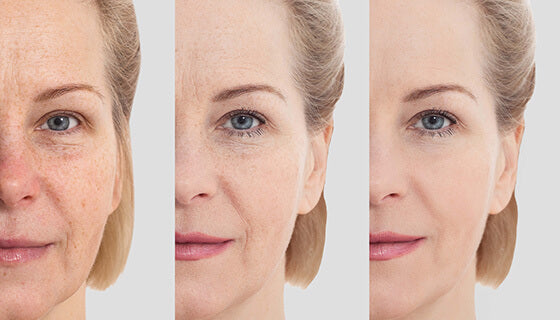
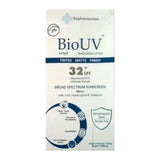
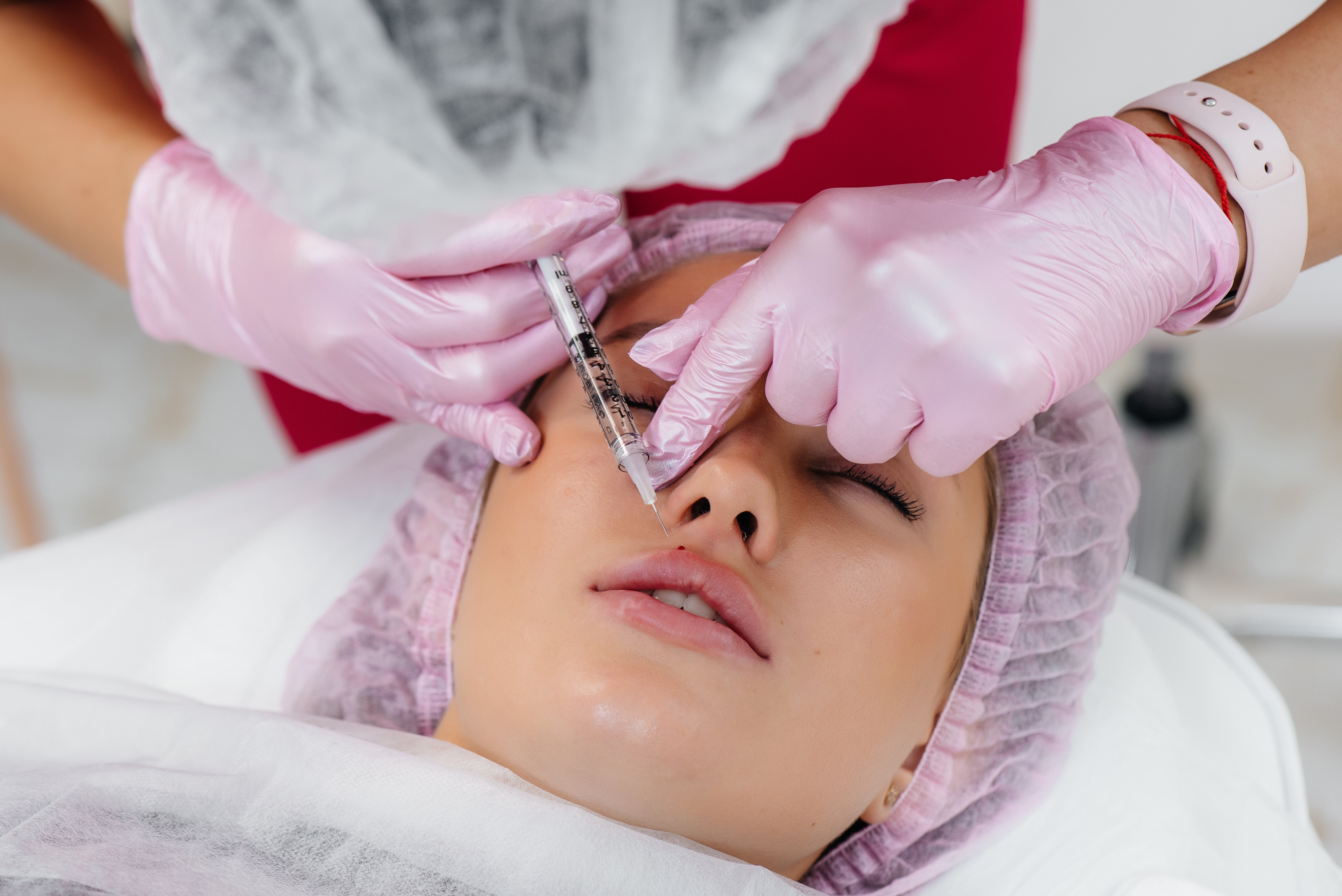
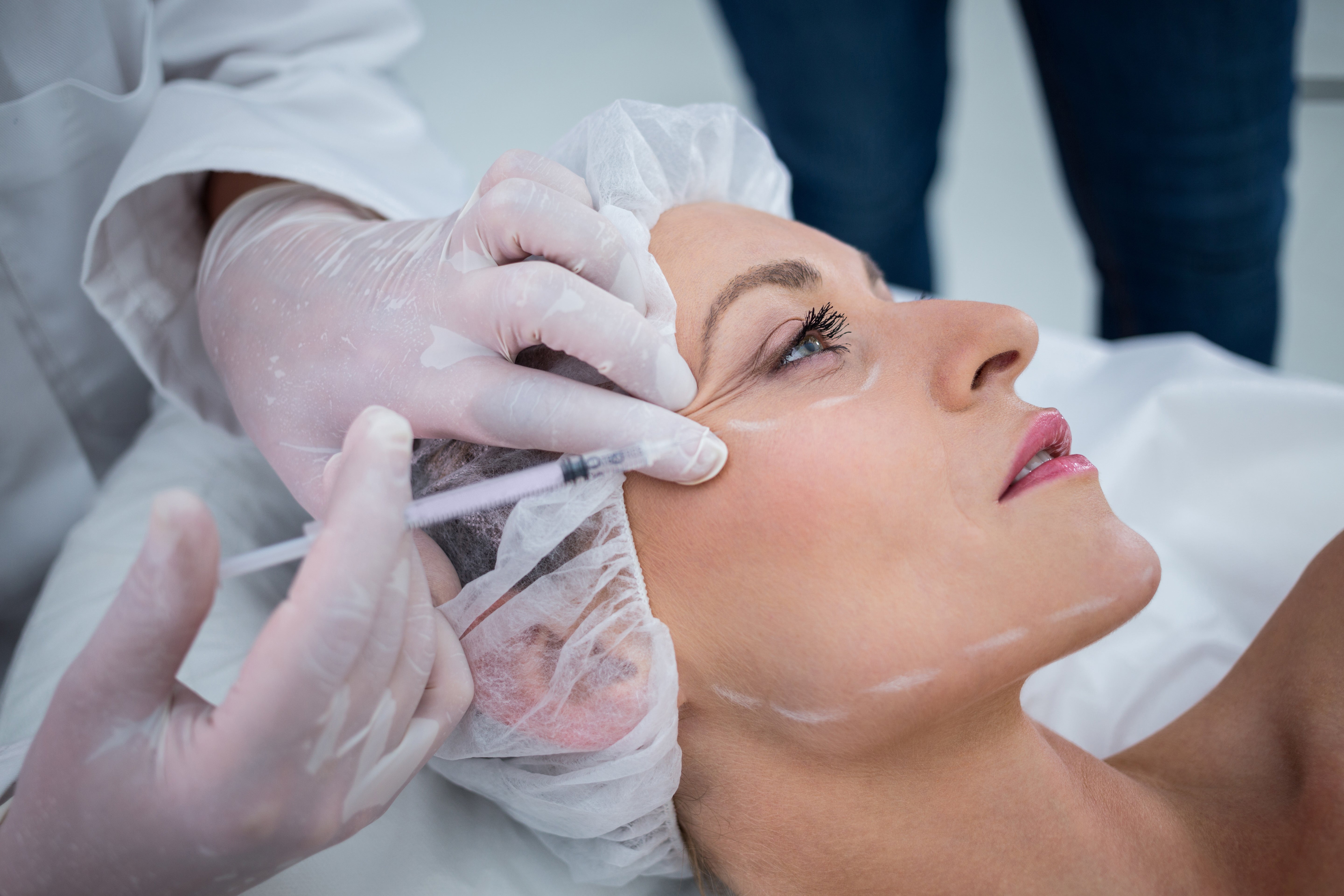
Updated on: 2026-05-28 Anti-aging treatments aim to improve visible skin aging by supporting hydration, texture, and barrier health. The most effective routines combine evidence-based actives, consistent sun protection, and realistic timelines for results. Injectable options may target volume and wrinkles, while topical formulas support collagen-related pathways and surface renewal. Choosing treatments should prioritize skin type, tolerance, and professional guidance when needed. Table of Contents Introduction Product Spotlight Step-by-Step How-To Personal Experience Summary and Recommendations Q and A Section About the Author Introduction Anti-aging treatments are often discussed as a single solution, but effective skin care is usually a system. Skin aging is shaped by daily habits, genetics, environmental exposure, and the natural slowing of renewal processes. When routines are built on barrier support and sun defense, the results tend to look more consistent and more natural. This guide explains how to evaluate common options, how to build a routine step by step, and how to avoid choices that do not match your skin goals. For many people, the most visible changes are not only wrinkles. They can also include uneven tone, rough texture, dullness, enlarged pores, and dryness. A well-designed approach to anti-aging treatments addresses multiple skin needs at once, including hydration, exfoliation, and protection from ultraviolet radiation. Product Spotlight Topical products can play a central role in anti-aging treatments because they support daily skin function. One dependable category is a broad sunscreen, used consistently to reduce the cumulative effects of ultraviolet exposure. A reliable sunscreen can also improve the appearance of fine lines by preventing further damage. If you want a practical starting point, consider pairing a gentle cleanser with a focused hydration and protection routine. For cleansing, you can use Cetaphil Gentle Cleanser to reduce irritation risk. For sun protection, select a formulation designed for daily wear. For example, you can explore Fixderma Shadow Sunscreen Cream to support daytime defense. Shield icon with skin texture lines, gentle cleanser flow In a practical routine, the cleanser removes surface debris and helps the next steps absorb correctly. The sunscreen then becomes the protective layer that supports longer-term improvement in tone and texture. This foundation matters because many active ingredients work best when the skin barrier is calm and protected. What makes a treatment “anti-aging” in everyday terms When people say anti-aging treatments, they often mean three outcomes: smoother texture, more even tone, and better hydration. In clinical and consumer skin care, these outcomes frequently align with ingredients that support exfoliation, collagen signaling, antioxidant protection, and barrier reinforcement. The key is selecting actives that suit your tolerance and using them consistently. Step-by-Step How-To The most reliable way to integrate anti-aging treatments is to treat your routine as a phased plan. The phases reduce irritation, improve adherence, and allow you to evaluate what works. Use the steps below as a general framework. Adjust frequency if your skin becomes dry, tight, or reactive. Assess your current skin baseline. Identify your main concern: dryness, rough texture, dark spots, or early fine lines. Note any triggers such as fragrance sensitivity, over-exfoliation, or harsh weather. Cleanse gently. Use a mild cleanser once daily at night or as needed. Avoid strong stripping effects because barrier disruption can worsen the look of aging. For a gentle option, see Cetaphil Gentle Cleanser. Hydrate before you treat. Many anti-aging treatments feel more effective when the skin is well hydrated. Choose a moisturizer that supports comfort and reduces tightness. If you use a hydrating lotion, keep it consistent for at least a few weeks before changing multiple variables. Introduce one active at a time. If your goal is texture refinement, consider an ingredient that encourages renewal. If your goal is uneven tone, consider brightening actives and antioxidant support. Add only one new product per routine phase to reduce the risk of irritation. Use targeted daytime protection. Ultraviolet exposure is a major driver of visible aging. Apply sunscreen every morning, including on cloudy days. If you need a daytime option, consider exploring I Shield Sunscreen Cream SPF 50 PA. Support skin at night with a focused step. Night routines can include a serum and a moisturizer to improve comfort and surface appearance. You may also choose products designed for proactive skin concerns. For example, you can consider Dermatica AZE Proactive Serum as an option within a structured routine. Track tolerance and adjust frequency. If your skin feels dry, reduce the frequency of active steps. If your skin is stable, you can gradually increase consistency. Improvement should look gradual, not sudden. How to build a routine using ingredient categories Anti-aging treatments often fall into a few practical categories: Barrier supportive hydration: Helps skin maintain a comfortable surface and can improve the look of fine dry lines. Antioxidant support: Helps reduce the look of stress-related dullness and supports overall skin resilience. Texture refinement: Often involves exfoliating or renewal-supporting ingredients that smooth roughness over time. Brightening and tone balancing: Targets uneven pigmentation and helps maintain a more uniform appearance. Sun defense: Prevents further damage and protects all other steps from being undermined. Common mistakes that slow results Several habits can prevent progress: Changing multiple products at once, which makes it impossible to identify what caused irritation or improvement. Skipping sunscreen, which reduces long-term benefits from serums and moisturizers. Over-exfoliating, which can create dryness and increase the appearance of lines. Using active ingredients without adequate hydration or barrier support. Phased skincare timeline icons: cleanse, hydrate, protect, refine Personal Experience I approached anti-aging treatments with a practical mindset rather than expecting instant transformation. In my earlier routine, I added several products at once because I wanted faster visible change. Within days, my skin felt tight after cleansing and my complexion looked uneven. That outcome is common when barrier needs are ignored. I adjusted the plan using a phased approach. I returned to gentle cleansing, improved hydration, and added daytime sun protection consistently. Only after my skin felt calm did I introduce one new active step at night. The change was not dramatic overnight. However, after several weeks, my skin looked smoother and more even, and the routine became easier to follow without discomfort. This experience reinforced an important principle: anti-aging treatments should support daily skin function first. When skin comfort improves, texture and tone follow more reliably. Summary and Recommendations Anti-aging treatments work best when you build a foundation and then add targeted support. Start with gentle cleansing and consistent hydration, then include daily sun protection to reduce further photoaging effects. Introduce active ingredients one at a time to evaluate tolerance, and adjust frequency based on how your skin responds. Recommendations you can use immediately: Use a gentle cleanser to minimize irritation risk, such as Cetaphil Gentle Cleanser. Choose a daily sunscreen and apply it consistently, such as I Shield Sunscreen Cream SPF 50 PA. Use one active step at a time in your night routine to support texture and tone goals. Track skin comfort. If irritation appears, reduce intensity and prioritize barrier support. If you want to refine your approach further, consider evaluating your routine against your primary goal. For example, if your priority is acne-prone or blemish-related concerns alongside aging, you can review relevant skin care options such as IPCA Acne UV Gel SPF 50. If your priority is brightening support, you may also explore products designed for visible tone improvement, while still using sunscreen daily. Q and A Section Which anti-aging treatments deliver the most reliable results for everyday users? For most people, the most reliable outcomes come from consistent sun protection, gentle barrier support, and a gradual addition of targeted actives. The combination of sunscreen and well-tolerated serums tends to produce steadier improvements in tone and texture compared with aggressive product changes. How should I choose anti-aging treatments if my skin is sensitive? Begin with cleansing and moisturizing that maintain comfort. Add one active ingredient at a time, preferably at a lower frequency, and increase slowly only if your skin remains stable. Avoid combining multiple strong actives in the same routine phase. When sensitivity is persistent, professional guidance can help reduce trial and error. Do topical anti-aging treatments work without professional procedures? Topical options can support visible improvements in hydration, texture, and tone, particularly when sun protection is consistent. However, the extent of change varies by skin baseline and goals. For deep wrinkles or volume concerns, professional procedures may be considered, but topical care still plays an important role in maintaining overall skin quality. How long should I maintain a routine before deciding it is not working? Evaluate results using skin comfort and visible changes rather than immediate expectations. Many anti-aging treatments require repeated use to show consistent effects. If irritation occurs early, adjust promptly rather than continuing an uncomfortable routine. About the Author Allodermis Allodermis is an eCommerce skincare platform focused on ingredient-first guidance and practical routines. Our expertise spans daily skin care essentials, formulation understanding, and care planning for common visible aging concerns. We aim to make selection and usage more clear, so customers can build consistent habits. Thank you for reading, and we encourage you to choose anti-aging treatments that align with your skin comfort and long-term goals. Disclaimer: This article is for informational purposes only and does not provide medical advice. Individual results vary based on skin type, lifestyle, and product tolerance. If you have a medical condition, are using prescription treatments, or experience persistent irritation, consult a qualified healthcare professional or dermatologist before starting new anti-aging treatments.
Learn moreMoisturizers for Sensitive Skin: What to Look For
Updated on: 2026-05-28 Choosing the right moisturizers for sensitive skin is essential for comfort and barrier support. The best options reduce dryness, limit irritation triggers, and maintain a healthy skin feel. A good routine also includes gentle cleansing and careful ingredient reading. This guide explains how to evaluate formulas and how to build a simple plan that fits daily life. Introduction 1. Common Challenges 2. Comparison: What to Look For 3. How to Choose Moisturizers for Sensitive Skin 4. Build a Calm Moisturizing Routine Visual Insight Visual Insight 5. Summary & Recommendations 6. Q&A 7. About the Author Introduction Moisturizers for sensitive skin are not only about adding moisture. They are about supporting the skin barrier, lowering dryness discomfort, and improving tolerance to everyday skincare. When skin feels tight, reactive, or easily irritated, a well-chosen moisturizer can become a practical anchor in your routine. The goal is simple: use a formula that hydrates while staying gentle, so your skin can look and feel more balanced over time. In this article, you will learn how to select a suitable moisturizer texture, which ingredients are commonly helpful, and how to avoid common irritation triggers. You will also find routine steps you can apply with most daily schedules, without turning your skincare into a complex system. Common Challenges Sensitive skin often behaves differently from other skin types. It can react quickly to changes in climate, stress, cleansing habits, or product ingredients. Many people also misjudge the role of moisturizer, expecting it to work like a treatment rather than a barrier support tool. The result is overuse, wrong texture choices, or products that feel good at first but later cause stinging or redness. Challenge 1: Stinging or tightness after moisturizing Stinging is commonly linked to an ingredient mismatch. Some formulas include strong fragrances, essential oils, or high levels of alcohol. Even when a product claims to be “gentle,” the formula may still contain components that do not suit your skin. Choose fragrance-free or low-sensitizing formulas. Prefer barrier-support ingredients and soothing components. Apply to slightly damp skin to reduce friction. Challenge 2: Dryness that returns quickly Dryness often returns when the moisturizer does not contain enough humectants or barrier lipids. In sensitive skin, water loss can feel faster, especially after washing. Look for hydration support with humectants and occlusives. Use a consistent schedule instead of only applying during flare-ups. Consider a richer layer at night if your skin feels dry. Challenge 3: Oily sensitivity and clogged-feeling texture Some people with sensitive skin also experience oiliness. They may avoid moisturizers that feel heavy, which can lead to imbalance. The solution is not to skip hydration. The solution is to choose a lighter texture that still supports the barrier. Select a lotion or gel-cream for daytime. Check the finish you prefer: lightweight, non-greasy, or creamy. Layer thoughtfully rather than applying excessive amounts. When in doubt, start with a simpler routine. If your cleanser is too stripping, even the best moisturizers for sensitive skin can struggle to keep comfort stable. Explore a gentle cleanser option Barrier-support visuals with calming skin symbols Comparison: What to Look For Not all moisturizers perform the same way. The most suitable choice depends on your comfort goals, your sensitivity triggers, and your preferred texture. Below is a practical comparison framework that can guide your selection without relying on hype. Category Best for Key benefit Potential drawback Light lotion Daytime comfort, oily-sensitive skin Hydration with a lighter feel May need richer layering at night Gel-cream Normal to combination sensitive skin Balanced moisturization Not ideal for very dry flare-ups alone Cream Dry, tight, or weather-affected skin More barrier support May feel heavy if overapplied Fragrance-free sensitive formulas High reactivity or frequent irritation risk Reduced exposure to common triggers May vary by brand; always patch test When comparing moisturizers, focus on skin feel and ingredient structure rather than only marketing phrases. “Gentle” is not a synonym for “effective,” and “effective” does not automatically mean “well tolerated.” Consider a hydrating lotion style How to Choose Moisturizers for Sensitive Skin The best moisturizer is one that your skin accepts consistently. Use a structured approach: consider ingredient safety, hydration mechanics, and your routine context. This reduces trial-and-error and helps you build confidence in your choices. Step 1: Prioritize barrier support ingredients Barrier-support formulas commonly include components that help reduce water loss and support skin comfort. While exact ingredients vary by brand, the overall goal remains the same: moisturize without triggering sensitivity. Look for humectant support, skin-conditioning lipids, and soothing agents. Step 2: Choose the right texture for your skin day Sensitive skin can change across seasons. A texture that works in warm months may not provide enough comfort in cold, dry air. Plan for flexibility. Many users benefit from keeping two options: a lighter daily formula and a richer night cream. This strategy supports comfort without requiring frequent formula swaps. Step 3: Read labels for common irritation triggers Some ingredients tend to increase irritation risk for sensitive users. These can include strong fragrance components, certain essential oils, and high concentrations of alcohol in some formulations. Not every person reacts to these items, but sensitive skin has less tolerance margin, so caution is practical. Step 4: Patch test and introduce slowly Even when ingredients look suitable, sensitivity can be individual. Introduce new moisturizers gradually. Use it on a small area first, and observe how your skin feels over multiple days. This approach supports calmer decision-making. Step 5: Use moisturizer strategically with other products If you also use actives such as exfoliating acids or retinoid-like products, moisturizer becomes even more important. Proper hydration can reduce friction and improve comfort. However, layering order matters. Apply moisturizer after cleansing, before or after actives depending on your routine design and product guidance. Review a supportive lotion format Routine layering with gentle steps and soft icons Build a Calm Moisturizing Routine A successful routine is not about using many products. It is about reducing friction, supporting hydration, and maintaining consistent skin behavior. Below is a balanced framework you can adapt for morning and evening. Morning routine Gentle cleanse: Use a low-stripping cleanser and avoid hot water. Moisturize: Apply moisturizers for sensitive skin with a light, even layer. Add a second thin layer only if needed. Sun protection: Use a suitable daytime protection option to support overall skin health. Sensitive skin benefits from consistent coverage, especially when dryness is present. Pair with a daily sun protection choice Evening routine Cleanse gently: Remove residue without over-scrubbing. Moisturize: Apply a richer cream if your skin feels tight. If you use actives, leave time for them to settle before moisturization. Optional comfort step: If skin is very dry, consider a small amount of additional hydration on the most affected areas. How to troubleshoot common issues Even well-chosen moisturizers can cause discomfort if the routine is too harsh elsewhere. Use the troubleshooting approach below. If you experience redness: Pause new products, simplify the routine, and confirm that your cleanser is not overly stripping. If you feel greasy: Use a smaller amount, choose a lighter texture, and avoid applying to areas that naturally do not require extra layering. If dryness persists: Increase consistency, apply to slightly damp skin, and consider a richer evening option. If stinging occurs: Stop the product, reintroduce another gentle option, and perform patch testing before full-face use. Summary & Recommendations Moisturizers for sensitive skin should support comfort, improve moisture balance, and avoid common irritation triggers. The most reliable path is to choose a gentle, barrier-support formula that matches your preferred texture and routine conditions. Pay attention to how your skin feels after cleansing, and consider using a lighter option for daytime and a richer option for nighttime comfort. Recommended actions: Select fragrance-free or low-irritation formulas whenever your skin is highly reactive. Apply on slightly damp skin to improve spread and hydration efficiency. Patch test before full use and introduce changes gradually. Pair your moisturizer with a gentle cleanser and consistent daytime sun protection. For shoppers who prefer browsing curated skincare categories, you can also explore options on the Allodermis website to support your routine decisions. View an oil-control cleanser option Q&A How often should I apply moisturizers for sensitive skin? In most routines, applying once in the morning and once in the evening is effective. If skin feels tight after cleansing, an additional thin layer can help. The key is consistency and gentle application, not heavy reapplication throughout the day. What ingredients are commonly helpful for sensitive skin moisturizers? Many users prefer formulations that include humectants for water attraction and barrier-support components that help reduce dryness discomfort. Soothing agents are also commonly included to improve skin feel. For individual tolerance, always review the full ingredient list and patch test. Can I use a moisturizer when my skin feels oily but still sensitive? Yes. Sensitive skin can be oily and still experience water loss and irritation. Choose a lightweight lotion or gel-cream texture to support hydration without an overly heavy feel. Using the correct amount also helps maintain comfort. Should I change my moisturizer with every season? It can be useful to adjust texture rather than replace everything. Many people keep a lighter formula for warm months and a richer option for dry weather. This reduces disruption and helps sensitive skin maintain familiarity. About the Author Allodermis Skin Care Team Allodermis is a skin care-focused brand with expertise in supportive routines for sensitive and reactive skin. The team emphasizes ingredient understanding, gentle cleansing habits, and barrier-first moisturization strategies. Thank you for reading. You can build a calmer routine by choosing consistent, well-tolerated products and monitoring your skin comfort over time. Disclaimer: This article provides general skincare guidance and does not replace medical advice. Individual skin responses vary. If you have a skin condition, persistent irritation, or severe symptoms, consult a qualified healthcare professional before making routine changes.
Learn moreHormonal Acne: What It Really Is and Why Treating It Needs More Than Just Skincare
Acne that keeps coming back—especially around the jawline, chin, or cheeks—could be more than just a clogged pore issue. It may be hormonal acne, and it behaves very differently from the typical teenage breakouts. At Allodermis, we regularly see patients—especially women in their 20s, 30s, and even 40s—struggling with persistent, painful acne despite trying multiple skincare products. The cause? Hormonal imbalances beneath the skin. Understanding what hormonal acne looks like, what triggers it, and when to see a dermatologist or skin doctor can save your skin—and your confidence. What Is Hormonal Acne? Hormonal acne is triggered by internal hormonal fluctuations—especially androgens like testosterone, which increase oil gland activity and inflammation in the skin. It most commonly affects: Adult women (due to PCOS, stress, periods, or contraceptive changes) Teenagers entering puberty Men with excess androgen levels or high stress You’ll typically see hormonal acne along the jawline, lower cheeks, chin, neck, and sometimes back or chest. The breakouts are often deep, painful, and cystic—and they tend to recur in the same areas. If you're wondering what it looks like, search for verified hormonal acne pictures from dermatology sources. These show clear patterns distinct from bacterial or fungal acne. What Triggers Hormonal Acne? PCOS or hormonal disorders Menstrual cycle fluctuations Stress and cortisol spikes High-glycemic diets and dairy intake Use (or discontinuation) of hormonal birth control Poor sleep or chronic inflammation Understanding the trigger is just as important as treating the breakout. That’s why the best results come from dermatologist-led care that addresses both skin and systemic health. Hormonal Acne Diet: Does Food Really Matter? Yes. While diet alone doesn’t cause hormonal acne, certain foods can aggravate it. Some dietary habits to watch: Reduce refined sugars and high-GI carbs Limit dairy products (especially skim milk) Include omega-3s (flax seeds, walnuts) Add zinc, antioxidants, and fiber to support hormone regulation Adopting a hormonal acne diet won’t replace medication, but it can complement your treatment and reduce flare-ups [Dreno et al., 2018]. Hormonal Acne Treatment Options: What Works Best The best treatment depends on age, hormone levels, acne severity, and overall health. Your dermatologist may recommend: Oral contraceptives (for hormone balancing) Spironolactone (an anti-androgen medication) Retinoids (topical or oral) Anti-inflammatory agents like niacinamide Lifestyle and diet adjustments In-clinic treatments like peels or lasers for persistent pigmentation or scarring If you're tired of trial-and-error products, find a top-rated hormonal acne doctor who can guide you with both lab testing and long-term strategy. When to See a Dermatologist or Skin Doctor If you have any of the following, it’s time to consult a professional: Breakouts around jawline, chin, or neck that worsen with your period Cystic, painful lesions that don’t respond to skincare Irregular periods or facial hair growth (possible PCOS signs) Acne that recurs despite clean diet and hygiene Acne leaving behind dark marks or scars The right hormonal acne treatment begins with understanding the internal cause, not just treating the surface symptoms. Your Skin Is Talking. Let’s Decode It Together. At Allodermis, we specialize in root-cause-based dermatology—and hormonal acne is one of the most common cases we treat. Whether it’s through blood tests, ultrasound screening (for PCOS), or skin microbiome analysis, we ensure no guesswork. Our dermatologists develop evidence-based plans for patients looking for clarity, not confusion. Acne may be on the surface—but its origin often runs deeper. Struggling with stubborn jawline or chin acne? Book a consultation with our skin doctors today and start your personalized journey toward balanced, healthy skin. References: Dreno, B., et al. (2018). Pathophysiology of acne. Dermato-Endocrinology, 9(1), e1351570.https://doi.org/10.1080/19381980.2017.1351570 Zaenglein, A.L., et al. (2016). Guidelines of care for the management of acne vulgaris. Journal of the American Academy of Dermatology, 74(5), 945–973.https://doi.org/10.1016/j.jaad.2015.12.037 Burris, J., et al. (2013). Diet and acne: A review of the evidence. International Journal of Dermatology, 52(7), 794–801.https://doi.org/10.1111/j.1365-4632.2012.05697.x Smith, R.N., et al. (2007). Low glycemic load diet improves symptoms in acne vulgaris. American Journal of Clinical Nutrition, 86(1), 107–115.https://doi.org/10.1093/ajcn/86.1.107
Learn moreOrganic Skincare Products: A Simple Guide to Buying Right
Updated on: 2026-05-27 Organic skincare products are formulated to align with cleaner farming and ingredient sourcing. Many people choose them to support a simpler routine and to reduce exposure to harsh, synthetic additives. When you select products carefully, you can improve skin comfort and consistency over time. This guide explains what to look for, how to use products effectively, and how to build a routine that fits your skin type. 1. Introduction: Why organic choices matter 2. Personal experience and what changed 3. Key advantages of organic skincare products 4. Quick tips for choosing and using them 5. Building a routine with supporting steps 6. Common mistakes to avoid 7. Summary and next steps 8. Q&A 9. About the Author Organic Skincare Products: A Practical Way to Choose Better for Your Skin Organic skincare products can be a strong option when you want ingredient transparency and a more intentional routine. Many consumers are moving beyond marketing and toward practical selection criteria such as certification, ingredient lists, and skin compatibility. In this article, you will learn how to evaluate organic claims, what benefits are realistic, and how to combine these products with supportive daily habits. You will also find actionable guidance that supports a calm, consistent approach to skin care. Personal Experience: How a Simple Organic Routine Improved Skin Comfort I used to change products frequently when my skin felt off. The pattern was predictable: a new cleanser, a new serum, then another change after a few days. My skin reacted more with each switch, and I could not identify what truly helped. When I adopted an organic-first approach, I reduced the number of active steps and focused on gentler, plant-forward ingredients. I also paid attention to how my skin responded to each product instead of judging results too quickly. Over time, the routine became easier to manage. My cleanser felt less stripping, my moisturizer felt more supportive, and my overall skin comfort improved. The biggest change was not a single “miracle” product. It was consistency, proper cleansing, and choosing formulas that matched my skin needs rather than trends. Checklist and icons representing ingredient transparency Key Advantages of Organic Skincare Products Ingredient transparency and sourcing focus: Organic labeling typically emphasizes farming practices and ingredient handling, which can be helpful when you prefer cleaner supply chains. Often gentler formulations: Many organic skincare product lines aim for fewer harsh additives and a more skin-friendly base, especially in cleansers and moisturizers. Better routine consistency: When products are selected for compatibility, it is easier to use them daily without frequent resets that disrupt your skin barrier. Compatibility with gradual layering: Organic-friendly routines often support a simple layering structure such as cleanse, hydrate, treat, and protect. Environmental awareness: Organic farming standards often include sustainability-oriented requirements that align with values-based purchasing. It is important to manage expectations. “Natural” and “organic” do not automatically mean “risk-free.” Any ingredient can irritate some skin types. The most reliable approach is careful selection, patch testing when appropriate, and gradual introduction. Quick Tips for Choosing and Using Organic Skincare Products Read the label for actual ingredients: Do not rely on front-of-pack wording alone. Confirm ingredient lists and look for familiar, well-described components. Check for certifications and clear sourcing: Legitimate organic claims are usually supported by recognizable certification language. Match the formula to your skin type: If you have dryness, prioritize hydrating bases. If you have oily or acne-prone skin, look for lightweight textures. Introduce one change at a time: Replace or add only one item per routine cycle so you can track skin response. Give products a realistic adjustment window: Skin needs time to settle, especially when you are improving cleansing and hydration routines. Do not skip daily sun protection: Even the best organic nighttime routine cannot replace effective daytime protection. Building a Routine with Supporting Steps A practical routine often focuses on three foundations: cleansing, hydration, and protection. If you add treatment steps, do it in a way that supports comfort rather than overload. Step 1: Start with a gentle cleanser Over-cleansing can disturb the skin barrier and make later products feel irritating. Choose a gentle cleanser that removes excess oil and impurities without leaving the skin tight. If your skin is reactive, select a low-iritation cleanser and avoid frequent scrubbing. If you want to explore a gentle cleanser option, consider reviewing a product such as Cetaphil Gentle Cleanser. A compatible cleanser helps your routine perform consistently. Step 2: Add hydration that supports the barrier Hydration is not only about comfort. It also helps your skin handle active ingredients better. Look for moisturizers or lotions designed to keep skin supple, especially after cleansing. For people who prefer a light feel, hydrating lotions can be a practical middle step. To support your routine with an example hydration-focused formula, you may review Cipla Excela Rich Facial Hydrating Lotion. Choose textures that your skin actually tolerates daily. Step 3: Consider a targeted serum only after basics feel stable Once cleansing and hydration are stable, you can explore a serum for specific goals such as brightness, uneven texture, or visible concerns. Organic skincare products can include plant-based actives, but the key is compatibility. Use a small amount, apply consistently, and monitor your skin response. If your goal is proactive treatment, you may consider reviewing Aze Proactive Serum for a structured approach to daily care. For acne-prone skin, you may also evaluate Acne UV Gel SPF 50 as part of a protection-forward routine. Layering routine diagram: cleanse, hydrate, protect icons Step 4: Protect with sunscreen every day Daytime sun exposure contributes to dryness and uneven tone over time. A consistent sunscreen step reduces the need to over-treat later and supports a more stable overall appearance. Look for a formula that feels comfortable on your skin and does not disrupt your daily routine. For those who want a daytime option, you may explore Fixderma Shadow Sunscreen Cream or I-Shield Sunscreen Cream SPF 50 PA. Choose what you will use consistently. Common Mistakes When Using Organic Skincare Products Confusing “organic” with “non-irritating”: Natural ingredients can still trigger sensitivity. Always evaluate how your skin reacts. Overusing multiple actives at once: Layering too many treatments can increase irritation and make it harder to identify what is helpful. Skipping patch testing: If you have reactive skin, test new items on a small area before full-face use. Ignoring skin type needs: Using heavy formulas when your skin is oily can increase discomfort, while using overly light products can worsen dryness. Neglecting the basics: If cleansing and moisturizing are inconsistent, even the best organic serum will not deliver stable results. Relying on short-term judgment: Skin care improvements often develop through consistency rather than rapid changes. Summary & Next Steps Organic skincare products can support a cleaner, more intentional routine, but the best results come from choosing formulas that match your skin needs and using them consistently. Focus on foundational steps such as gentle cleansing, barrier-support hydration, and daily sunscreen. Then add targeted treatment carefully, one change at a time. If you are unsure where to start, begin by refining your cleanser and moisturizer, and only then evaluate additional serums or specialty products. Next step: Review your current routine and identify one area that can improve comfort and consistency. Choose one product that aligns with your skin type, introduce it gradually, and maintain sunscreen support every day. Q&A Section What does organic actually mean in skincare product labeling? Organic skincare labeling generally indicates that ingredients are sourced and processed under specific organic agriculture and handling standards. The exact meaning depends on the certification system used by the brand and the region where the product is marketed. For best decision-making, review ingredient lists and look for clear, verifiable organic certification language rather than relying only on marketing phrases. Are organic skincare products suitable for sensitive skin? They can be suitable for many people, but sensitive skin is individual. Organic formulas may include plant-derived ingredients that some users tolerate well, while others may find irritating. Start slowly, introduce one new item at a time, and consider patch testing if you have a history of reactions. If irritation occurs, stop using the product and reassess ingredient compatibility. How many organic products should I use in a routine? A smaller routine often performs better. Many users benefit from a four-step structure: cleanser, moisturizer, optional targeted serum, and daily sunscreen. If you add more products, your skin may become more reactive and your results less predictable. Aim for simplicity first, then refine based on visible comfort and tolerance. Can organic skincare products replace sunscreen? No. Sunscreen is a distinct and essential protection step. Organic skincare products can support hydration and skin comfort, but they do not replace the protective function of sunscreen against daily UV exposure. For consistent results, choose a sunscreen formula you will apply reliably each day. How do I build consistency without switching products too often? Keep your routine stable for long enough to observe skin response. When you want to improve one concern, replace only one step at a time and monitor changes in comfort and appearance. If you are adding a targeted treatment, use it consistently and avoid stacking multiple new actives during the same period. About the Author Allodermis Team Allodermis is a skincare-focused organization with expertise in ingredient-aware product selection and routine-building guidance. The team supports customers by translating complex formulation choices into practical, everyday steps. We encourage thoughtful experimentation, consistent use, and ingredient transparency. Thank you for reading, and we hope this guide helps you build a calmer, more effective routine. Disclaimer: This article provides general skincare education and routine guidance. Individual results vary based on skin condition, sensitivity, and product compatibility. If you have a medical condition or persistent skin irritation, consult a qualified healthcare professional before making changes to your skincare routine.
Learn moreTypes of Acne: Why You Need the Right Diagnosis Before the Right Treatment
Acne might seem simple from the outside—just pimples on the skin. But as any experienced dermatologist will tell you, it’s not a one-type-fits-all condition. There are multiple types of acne, each with its own causes, severity, and treatment requirements. Understanding which type you have is the first step toward effective treatment—and avoiding unnecessary skin damage. Whether you’re dealing with stubborn blackheads or painful cysts, this guide breaks it down so you know when home care is enough—and when it’s time to see a skin doctor or the best dermatologist for your acne concerns. Why Knowing Your Acne Type Matters Many people reach for popular skincare products without understanding what’s actually happening underneath the skin. That’s why we often see patients at Allodermis who’ve used the wrong products, leading to worsening inflammation, scarring, or irritation. Each acne type behaves differently, and requires a tailored approach. Here's what you need to know: 1. Non-Inflammatory Acne This is the earliest and mildest form of acne—caused by clogged pores without active infection. Blackheads (Open Comedones): Pores are clogged with oil and dead skin but remain open, giving a dark appearance. Whiteheads (Closed Comedones): The pore closes over the buildup, forming a small bump under the skin. Treatment Tips:Topical exfoliants like salicylic acid or adapalene help keep pores clear. But if they persist, visit a dermatologist for a prescription-strength retinoid or comedolytic treatment. 2. Inflammatory Acne This is where the immune system reacts to bacteria and clogged pores, leading to redness, swelling, and sometimes pus. Papules: Small, red bumps—often tender and not pus-filled. Pustules: Similar to papules but filled with pus and more inflamed. Treatment Tips:Use products with benzoyl peroxide or topical antibiotics. Avoid popping these, as they can worsen inflammation or lead to scarring. If it doesn't improve within a few weeks, research and consult the best doctor for acne treatment near you. 3. Nodulocystic Acne (Severe Acne) This is the most intense and potentially scarring form of acne. It includes: Nodules: Hard, painful lumps deep under the skin. Cysts: Large, pus-filled lesions that may rupture and scar. These lesions often require medical-grade treatment and should never be treated with over-the-counter products alone. Treatment Tips:Oral retinoids (like isotretinoin), hormonal therapy (for women), and in-clinic care are usually required. If you notice recurring painful cysts or nodules, book a consultation with the best dermatologist you can find—early intervention here is critical to prevent long-term damage. 4. Fungal Acne (Malassezia Folliculitis) Though not technically "acne," this condition looks very similar—tiny itchy bumps, often on the chest, shoulders, or back. It’s caused by yeast overgrowth, not bacteria. Treatment Tips:Fungal acne doesn’t respond to traditional acne treatments. It needs antifungal shampoos or creams, so getting a proper diagnosis from a skin doctor is essential. When to See a Dermatologist Here are signs it’s time to move from self-care to expert care: Acne hasn’t improved after 4–6 weeks of OTC products You have painful, deep nodules or cysts You're noticing signs of scarring or pigmentation You're unsure which type of acne you have Your acne is affecting your self-esteem or confidence Find the best doctor for acne treatment, who will not only diagnose your acne type but also consider your skin type, lifestyle, and hormonal profile to create a plan that actually works. Your Skin Is Unique—So Should Be Your Treatment At Allodermis, we believe acne isn't just skin-deep. Each breakout tells a story—of hormones, environment, genetics, and lifestyle. That's why we don’t believe in one-size-fits-all skincare. If you're struggling with breakouts and unsure what you're dealing with—comedones, cysts, or something else—our dermatologists will help decode it and offer science-backed solutions. Book your skin consultation with Allodermis today—and let’s treat your acne with clarity, not confusion. Read more: Back Acne: Why It’s Different and How to Treat It Right References: Zaenglein, A.L., et al. (2016). Guidelines of care for the management of acne vulgaris. Journal of the American Academy of Dermatology, 74(5), 945–973.https://doi.org/10.1016/j.jaad.2015.12.037 Dreno, B., et al. (2018). Pathophysiology of acne. Dermato-Endocrinology, 9(1), e1351570.https://doi.org/10.1080/19381980.2017.1351570 Dréno, B., et al. (2020). Understanding and Management of Truncal Acne. JEADV, 34(S4), 3–14.https://doi.org/10.1111/jdv.16839 Nagler, A.R., Orlow, S.J. (2014). Hormonal treatment of acne in adolescent females.https://doi.org/10.1016/j.jpag.2013.11.004
Learn moreHow Dermatologists Specialize in Acne Care
Updated on: 2026-05-26 Dermatologists specializing in acne can translate a complex skin problem into a practical plan. They evaluate triggers, skin type, and acne patterns to reduce flare ups and support long term skin health. The most effective routines often combine evidence based topicals, appropriate cleansing, and sunscreen. This guide explains common myths, what a specialist may assess, and how to build a steady, skin friendly approach. Table of Contents 1. Myths vs. Facts 2. Personal Experience 3. Why Dermatologists Specializing in Acne Matter 4. What a Specialist Typically Assesses 5. Building an Evidence Based Acne Routine 6. Protecting the Skin Barrier During Treatment 7. When to Seek Professional Care 8. Final Thoughts & Takeaways Myths vs. Facts Myth: Acne is only caused by poor hygiene. Fact: Genetics, hormones, inflammation, and comedone formation often play a larger role than cleansing frequency. Myth: Strong products cure acne immediately. Fact: Many acne treatments work gradually by changing how skin cells shed and how inflammation develops. Myth: Oily skin cannot use moisturizers. Fact: Lightweight, non comedogenic moisturizers support tolerance, which helps people stay consistent. Myth: Sun exposure always improves acne. Fact: Ultraviolet light can worsen discoloration and increase irritation risk, so sunscreen is generally important. Myth: If you stop treatment once acne calms, the problem will not return. Fact: Many people benefit from maintenance routines to reduce recurrence. Personal Experience I once saw how quickly acne guidance can get distorted by quick fixes. A routine that seemed helpful for a week later caused redness and tightness. The next step was not more harshness. It was structure: a consistent cleanser, a targeted active, and sunscreen as a daily anchor. That change improved skin comfort and made it easier to continue the plan long enough to see steady progress. This mirrors what many dermatologists specializing in acne emphasize: patience, tolerance, and a plan that matches your skin behavior. Why Dermatologists Specializing in Acne Matter Dermatologists specializing in acne bring clinical pattern recognition and treatment planning that goes beyond general skincare advice. Acne is not one single condition. It includes different subtypes, including comedonal acne, inflammatory papules, pustules, nodules, and cystic patterns. Each pattern may require a different balance of anti inflammatory care, comedone control, and sometimes systemic treatment. Specialists also help when your goals extend past visible breakouts. Many patients want clearer skin with fewer marks and less scarring. Acne can leave post inflammatory hyperpigmentation and textural changes, which are influenced by timing, inflammation level, and product tolerance. A specialist can adjust the plan to minimize irritation, because irritation often increases the chance of prolonged redness or uneven tone. Another advantage is risk management. Dermatology care typically considers your medical background, current medications, pregnancy or planning considerations, and realistic time frames for change. That approach supports safety and continuity. Checklist icons for acne evaluation and tailored care What a Specialist Typically Assesses A thorough assessment can make treatment feel more precise. Dermatologists often start with a focused history and then connect it to skin findings. You can expect questions about the onset, frequency, and distribution of breakouts. They may ask about skincare habits, hair products, shaving friction, and any occlusive behaviors that can contribute to clogged pores. 1) Acne pattern and subtype The distribution across the face, jawline, chest, back, or scalp can suggest different drivers. Comedones may point toward blockage of follicles. Inflammatory lesions suggest a stronger inflammatory component. Severe, painful, deep lesions can indicate a need for escalation beyond basic topicals. 2) Trigger and lifestyle factors Common triggers include stress, certain hair or skin products, friction from masks or straps, and sometimes diet patterns that influence inflammation in susceptible individuals. A specialist tries to identify which factors are likely in your case, rather than treating everything at once. 3) Skin sensitivity and barrier tolerance Many acne treatments can cause dryness or irritation, especially in the first phase. An expert may evaluate whether your routine already includes potentially irritating ingredients, or whether your barrier needs support before adding stronger actives. This is one reason dermatologists specializing in acne often advise a stepwise approach. 4) Scar risk and pigmentation risk When acne is frequent and inflamed, the risk of scarring increases. When post acne marks appear, sunscreen and gentle consistency become part of the long term strategy. Dermatology care can also address how to proceed when marks fade slowly or recur. Building an Evidence Based Acne Routine A consistent routine is often the most important factor. Acne care generally follows a structure: cleanse gently, treat strategically, moisturize for tolerance, and protect with sunscreen. The details matter, including how often you cleanse and how you introduce active ingredients. Cleansing: gentle and predictable Over washing can worsen irritation. Under cleansing can leave residues that contribute to clogged pores. A balanced cleanser helps prepare the skin for treatment without stripping. If you want a gentle option, consider exploring products like Gentle cleanser options from Allodermis. For acne prone skin, the goal is to remove excess oil without compromising comfort. Targeted treatment: focus on the acne driver Many acne regimens use a combination of ingredients that reduce comedones, inflammation, and bacterial load. Dermatologists may recommend topical therapies such as retinoid based treatments, benzoyl peroxide combinations, or salicylic acid for comedonal acne. The specialist may also consider whether you need a preventive approach for early lesions. Hydration: support tolerance, not heaviness Acne care frequently fails when dryness leads to skipping treatments. Lightweight hydration supports continued use of actives. For a supportive lotion approach, you may review Acne friendly hydration ideas from Allodermis. Look for a texture that feels comfortable and does not trigger additional breakouts for your skin. Sunscreen: an everyday requirement Even if acne is the main concern, ultraviolet exposure can worsen post acne marks and increase irritation sensitivity. A broad spectrum sunscreen can be a stabilizing routine step. If you want an acne aware sunscreen pathway, consider acne UV gel sunscreen from Allodermis. Using sunscreen consistently also helps prevent uneven tone during treatment. Daily routine timeline with cleanse, treat, moisturize, protect Protecting the Skin Barrier During Treatment One of the most practical insights from dermatologists specializing in acne is that treatment success depends on tolerance. A damaged barrier can increase burning, scaling, and redness. When irritation rises, people often overcorrect by stopping actives or switching to multiple products at once. That cycle delays clarity. Barrier support typically includes gentle cleansing, strategic moisturizing, and reducing exposure to additional irritants. If your regimen feels too aggressive, a clinician may adjust frequency, switch to a less irritating option, or pair treatment with a soothing moisturizer. Practical strategies for tolerance Introduce one change at a time: This helps you identify what causes irritation and reduces the risk of abandoning a helpful ingredient. Use moisturizers consistently: Hydration can reduce dryness without adding heavy occlusion for many skin types. Keep the routine simple: When acne is active, complicated layering often increases irritation. Choose sunscreen that feels compatible: A sunscreen that you actually tolerate supports adherence. Example of a stepwise approach A dermatologist might begin with cleansing and hydration, then introduce a targeted treatment slowly. After skin tolerance improves, the plan can be intensified if needed. The sequence is individualized based on how your skin reacts and how severe your acne pattern is. When to Seek Professional Care Professional assessment is especially valuable when acne is persistent, painful, or leaving marks. If you experience deep nodules, cystic lesions, or scarring changes, the most responsible option is to schedule a dermatology visit. Early guidance can reduce the likelihood of long term consequences. Seek care when your current routine leads to frequent irritation, when breakouts return quickly after improvement, or when you develop significant discoloration. Dermatologists specializing in acne can also evaluate whether a different condition is masquerading as acne, such as folliculitis or irritation from product buildup. Signals that warrant a dermatology visit Frequent inflammatory breakouts that feel tender or deep. Signs of scarring, such as pits, dents, or persistent texture changes. Marks that remain long after lesions resolve. Inability to maintain a routine due to burning, peeling, or persistent redness. What to bring to your appointment Bring a list of your current skincare products and how you use them. Include cleansing times, active ingredients, and any recent changes. Many dermatologists find it easier to optimize when they can see the full routine rather than only the newest product. Final Thoughts & Takeaways Clear acne guidance is built on accuracy and consistency. Dermatologists specializing in acne help you match treatment to your acne subtype, skin sensitivity, and long term goals. Myths about quick fixes are common, yet evidence based routines typically work through gradual, controlled changes. If you want a practical direction, focus on gentle cleansing, a targeted treatment plan introduced step by step, supportive moisturizing, and daily sunscreen. When acne is severe, persistent, or scarring is a concern, professional care can shorten the trial and error phase and reduce avoidable irritation. If you would like to build your routine around skin comfort, you can explore curated skincare options on oil control cleanser ideas and review sunscreen options such as SPF protection options from Allodermis. For acne prone skin, consistency and tolerance matter as much as the ingredients themselves. Q&A Section How do dermatologists specializing in acne determine the right treatment intensity? They typically evaluate acne subtype, inflammation level, distribution, and your skin tolerance. They also consider how your current routine responds, including dryness and redness patterns. Based on these factors, they may start with a stepwise plan and then adjust frequency or add targeted therapies if needed. Can an acne routine work if my skin feels sensitive to active ingredients? Yes. Many acne regimens are designed for tolerance, using lower frequencies at first and pairing actives with supportive hydration. A specialist can help you choose the right balance and reduce irritation triggers, which often improves adherence and outcomes. Is sunscreen truly necessary when the main concern is breakouts? For many people, yes. Acne treatments can increase sensitivity, and ultraviolet exposure can worsen post acne marks. Daily sunscreen supports both prevention of discoloration and comfort while you treat ongoing acne. What is the most common reason people stop acne treatment too early? Skin irritation and the expectation of immediate results. Acne improvement is usually gradual, and initial dryness or redness can occur. Dermatologists commonly address this by adjusting schedules, simplifying routines, and supporting the skin barrier. About the Author Section Allodermis Skin Care Expertise Allodermis is a skincare resource focused on dermatology aligned routines and practical product guidance. Our team emphasizes skin barrier support, ingredient compatibility, and evidence informed approaches for acne care. We encourage readers to work with qualified clinicians, especially for persistent or painful acne. For tailored support and a carefully curated routine, explore Allodermis guidance and product selection at Allodermis. Disclaimer: This article is for educational purposes only and does not replace professional medical advice, diagnosis, or treatment. Consult a qualified healthcare professional or dermatologist for guidance tailored to your specific condition, especially if you experience severe acne, scarring, or persistent irritation.
Learn morePersonalized Skincare Routines: Build Your Best Plan
Updated on: 2026-05-26 A personalized skincare routines approach aligns your products with your skin’s needs, not generic trends. Start by identifying your skin type, barrier status, and sensitivities, then build a routine with clear roles for cleansing, hydration, treatment, and protection. Consistency and gentle adjustment are more effective than frequent product swapping. Track how your skin responds over time, and refine the routine to reduce irritation and improve texture and comfort. Table of Contents Product Spotlight Step-by-Step How-To Personal Experience Summary & Recommendations Q&A Section Product Spotlight: Hydration That Supports a Personalized Plan Personalized skincare routines begin with a strong foundation. When your barrier is comfortable, your treatments can work more effectively. For most people, a gentle, hydrating facial lotion helps the skin stay flexible and reduces the urge to over-strip with aggressive cleansing. One option worth considering is a rich facial hydrator designed for everyday use. The goal is not to “add more” but to add the right level of moisture for your current skin state. Look for formulas that feel smooth on the skin, rinse cleanly, and do not leave a heavy film. When hydration is consistent, skin often shows less tightness, fewer rough patches, and improved makeup wear. To support an individualized routine, pair hydration with your cleansing choice and then adjust your treatment intensity. If your skin is easily reactive, prioritize comfort first and layer actives later with a slower ramp-up. Hydration layers shown with droplet icons For an example of a lotion style that can fit a barrier-first workflow, you may review rich facial hydrating lotion. While every routine is individual, a dependable moisturizer can be the anchor that stabilizes your entire regimen. Personalized Skincare Routines: Step-by-Step How-To Personalized skincare routines work best when they are built as a system. Each step should have a purpose, and your routine should match your skin’s current needs. The most reliable results come from a simple structure, careful product selection, and gradual changes. 1) Start with a skin needs check Assess your skin type and behavior across seasons. Note whether your skin feels oily, dry, sensitive, or balanced. Pay attention to common signals such as flaking, redness, stinging after cleansing, clogged pores, or uneven texture. Also consider external triggers like frequent mask use, harsh weather, or new hair products that touch the face. 2) Choose a cleanser that matches your comfort level Your cleanser should remove daily buildup without leaving the skin tight. If your skin is easily irritated, a gentle cleanser often prevents barrier stress. If your skin is acne-prone, cleansing may need to be slightly more targeted, but it still must feel gentle. For a mild approach, you may explore gentle cleanser. For acne-prone skin and a structured routine, you can also evaluate options such as foaming face wash, then adjust based on how your skin reacts over one to two weeks. 3) Hydrate with a predictable baseline Hydration is not just moisture; it is comfort. A consistent moisturizer reduces the chance that your skin will overreact to active ingredients. Apply it after cleansing while the skin still feels slightly damp. This simple timing can support smoother layering. If you need sun protection support later, choose moisturizers that layer well under sunscreen and do not pill. 4) Add one targeted treatment at a time When building personalized skincare routines, actives should be introduced carefully. Select one treatment category based on your primary goal, such as clearer pores, brighter tone, or firmer feel. Then use it consistently for long enough to evaluate results. Examples of treatment goals and product types you can consider include: For redness-prone concerns, prioritize calming and barrier-friendly steps first. For visible breakouts, consider acne-focused ingredients and avoid stacking multiple strong products at once. For dullness or uneven tone, consider brightening options that fit your skin’s sensitivity level. For acne-focused routines, you can review acne UV gel SPF as part of a daily protection plan, but remember that treatment and sunscreen are different jobs. For targeted serum layering, consider evaluating proactive serum when your skin is ready for an additional step. 5) Include daily sun protection as a non-negotiable step Sun exposure affects pigmentation, texture, and overall skin tone. A sunscreen that fits your skin type helps make adherence easier. Choose a formula that feels comfortable, does not sting, and works under your makeup or daily routine. For SPF options that support oily or acne-prone needs, you may consider SPF for acne-prone skin. For broader daily comfort, you can also review daily sunscreen cream and select based on texture preference. 6) Build routines for morning and night with clear roles Many people succeed by keeping morning routines shorter and night routines more treatment-focused. Morning often includes cleansing (or rinsing), hydration, and sunscreen. Night often includes cleansing, treatments, and moisturization. If you use strong actives, keep the rest of the routine simple. Do not add multiple new products on the same day. 7) Adjust slowly and use simple tracking Your skin gives feedback. Track changes in comfort, oiliness, breakouts, and texture. If you introduce a new product, evaluate over a reasonable period before making additional changes. If irritation occurs, reduce frequency and simplify the routine until comfort returns. Routine checklist with timeline markers for gradual change 8) Create a routine that fits real life Personalization includes lifestyle. If your mornings are rushed, use fewer steps that you will actually follow. If your evenings are consistent, add your treatment step at night. The best routine is the one your skin tolerates and your schedule supports. Common routine patterns that match many skin goals Below are examples of how a personalized plan can be structured. These are general templates, not one-size prescriptions. Adjust based on sensitivity and response. Barrier-first routine: gentle cleansing, moisturizer, and daily sun protection; add treatments only after comfort stabilizes. Breakout-aware routine: cleansing suited to acne-prone skin, targeted treatment, and consistent sunscreen; avoid over-cleansing. Tone-support routine: hydration, a brightening serum introduced slowly, and daily SPF to support long-term even appearance. Personal Experience: How I Learned to Stop Chasing “Perfect” Many people assume that better results come from trying more products. I learned the opposite through trial and structure. At one point, my skin became reactive after I changed multiple items at once. My cleanser felt slightly too strong, my moisturizer did not layer smoothly, and I added a brightening treatment too quickly. Instead of escalating, I simplified. I returned to a gentle cleanser, chose a consistent hydrator, and reintroduced one active ingredient at a time with a slower schedule. The change was not instant, but the difference in comfort was noticeable. My skin stopped feeling tight after cleansing, and my routine felt more predictable. That experience reinforced a key principle of personalized skincare routines: skin improvement is often a result of stable habits and measured adjustments, not constant novelty. Summary & Recommendations Personalized skincare routines are built on clarity. Identify your skin needs, choose steps that feel comfortable, and give each product a defined role. Use targeted treatments with patience, and protect your skin daily with a sunscreen that supports adherence. To create a routine you can maintain, follow these recommendations: Start with a gentle cleanser and a reliable moisturizer to support barrier comfort. Introduce one treatment step at a time and adjust frequency based on skin response. Use daily sun protection consistently to support tone and texture goals. Track changes in comfort and appearance, and simplify if irritation occurs. If you want a practical way to begin, review a cleanser option like gentle cleanser, then build outward with hydration and SPF. Q&A Section How do I know my skin is ready for a treatment step? Your skin is usually ready when it feels calm and consistent. If your face stings after cleansing, looks persistently red, or feels very tight, prioritize comfort first. Once your skin maintains stable hydration and reduced sensitivity, introduce one treatment ingredient category at a time. Can I combine multiple actives in one routine? Combination is possible, but it increases the chance of irritation. A safer approach is to keep the routine simple and start with one active. After your skin tolerates it well, you can decide whether to add a second category. If your skin shows dryness, burning, or sudden breakouts, reduce complexity and return to a baseline routine. What should I do if my routine stops working? First, review changes in your environment and habits. Seasonal shifts, stress, or new hair products can affect skin behavior. Next, check for over-cleansing, inconsistent sunscreen use, or too many new products. Simplify to a stable cleanser and moisturizer, then reintroduce treatments gradually to re-establish tolerance and results. How often should I change products in a personalized routine? Changes should be deliberate. Introduce one new item, observe skin response, and only then make further adjustments. Frequent swapping can prevent your skin from settling and makes it difficult to identify what is helping or irritating. About the Author Section Allodermis Skin Care Editorial Team The Allodermis editorial team focuses on practical skin care guidance grounded in ingredient awareness and routine design. Our expertise includes barrier-first strategies, product layering, and consumer-friendly formulation education. We aim to help readers build sustainable habits through clear steps and objective recommendations. Thank you for reading and investing in skin comfort with a personalized approach. Disclaimer: This article is for educational purposes only and does not provide medical advice. Individual results vary based on skin type, tolerance, and underlying conditions. If you experience persistent irritation or concerns, consider consulting a qualified healthcare professional.
Learn moreUV Protection Skincare: Simple Routine for Daily Safety
Updated on: 2026-05-25 UV exposure can accelerate visible skin aging and increase the risk of uneven tone. UV protection skincare helps reduce photoaging by lowering the impact of ultraviolet rays. A strong routine combines daily broad-spectrum sunscreen, compatible moisturizers, and careful reapplication habits. The right product choice depends on skin type, texture preferences, and your daily sun exposure pattern. Table of Contents 1. Common Challenges 2. Comparison of Approaches 3. How to Build UV Protection Skincare 4. How to Apply Sunscreen Correctly 5. Ingredients and Formulas to Look For 6. Common Mistakes That Reduce Effectiveness 7. Summary & Recommendations 8. Q&A UV protection skincare is a practical, everyday step for healthier-looking skin. Sun exposure is not limited to beach days; it occurs during commutes, errands, and office hours near windows. When ultraviolet radiation repeatedly hits the skin, it can contribute to dark spots, rough texture, and loss of firmness. With a consistent routine, you can reduce these effects and support a more even, resilient complexion. Common Challenges Many people want UV protection skincare, yet several barriers prevent consistent results. The most frequent issues are discomfort, poor compatibility, and uncertainty about what to choose. Each challenge has a clear solution when you adjust product texture, application method, and routine order. 1) Sunscreen feels heavy or causes shine Some formulas can appear glossy or feel sticky, especially on warm days. The solution is to select lightweight textures such as gel, lotion, or fluid formats. You can also pair sunscreen with a thin moisturizer that supports comfort without adding excess slip. If you prefer a matte finish, consider a formula designed for oil control while still providing broad-spectrum coverage. 2) Sunscreen irritates sensitive skin When irritation occurs, it is often linked to fragrance, high levels of certain active filters, or application friction. Use gentle cleansing before skincare and keep the rest of the routine minimal. A calming cleanser and a simple, non-aggressive moisturizer can reduce baseline irritation. If you experience redness or stinging, switch to a skin-friendly option and introduce it gradually. 3) Makeup interferes with reapplication Reapplication is essential for ongoing protection, but thick makeup can make touch-ups difficult. A practical approach is to use a sunscreen with a finish that works under makeup, then reapply using a method that suits your day. For example, you can use a compatible sunscreen texture that layers smoothly rather than requiring full removal. Layering shields: sunscreen, moisturizer, and gentle care icons Comparison Section UV protection skincare can be approached through different products and habits. The most effective routines typically use sunscreen as the foundation, then add supportive skin care. The table below summarizes common options and where they fit. Approach Best For Pros Potential Limitations Daily broad-spectrum sunscreen All-day baseline protection Directly targets UVA and UVB exposure Must be applied in sufficient quantity Moisturizer + sunscreen layering Comfort and barrier support Helps reduce tightness and irritation Thick layers may affect how sunscreen spreads Antioxidant-supportive skincare Commuters and outdoor time Supports skin resilience and visible tone Does not replace sunscreen coverage Sun-protective lifestyle habits High-exposure days Reduces direct UV hit Cannot replace sunscreen for complete coverage In practice, the strongest plan is a layered routine with sunscreen at the core, plus barrier-friendly care that improves tolerance and daily consistency. How to Build UV Protection Skincare A reliable UV protection skincare routine is simple, repeatable, and compatible with your skin type. Start with your existing base routine and adjust it for sun exposure. Then focus on consistency: daily application, correct quantity, and timely reapplication. Step 1: Use a gentle cleanser Begin with a cleanser that supports comfort and does not strip your skin. If your skin barrier is unsettled, sunscreen can feel less pleasant and may lead to poor adherence. A gentle cleanse in the morning can remove overnight residue without increasing dryness. Consider using a gentle cleanser such as Cetaphil Gentle Cleanser for daily support. Step 2: Apply a moisturizer that matches your skin needs Moisturizer reduces tightness and helps sunscreen spread evenly. Choose a formula that matches your finish preferences. If your skin is oily, choose a lighter lotion. If your skin is dry, select a more nourishing cream or barrier-supportive texture. You can explore a hydrating option like Excela Rich Facial Hydrating Lotion to support comfort before sunscreen. Step 3: Use broad-spectrum sunscreen as the final step Sunscreen should be the last step in your morning routine so it forms a protective layer. Look for broad-spectrum coverage that addresses both UVA and UVB rays. If you use makeup, allow sunscreen to settle for a short period before applying foundation or concealer to improve wear. For daily UV protection skincare, you may consider IPCA Acne UV Gel SPF 50 if you prefer a lighter feel. Step 4: Add targeted skin care when appropriate Even with consistent sunscreen, additional products can support tone and texture goals. For example, antioxidants and brightening ingredients can complement daily protection. If you use active ingredients, ensure they do not irritate your skin barrier and always keep sunscreen as the anchor. One example of a supportive routine component is Azelaic acid serum, which many users incorporate for visible clarity while maintaining sunscreen as the non-negotiable step. Daily routine timeline: cleanse, moisturize, shield, reapply How to Apply Sunscreen Correctly Correct application is a major factor in UV protection skincare performance. Under-application is one of the most common reasons people feel their sunscreen is not working. A consistent quantity and even coverage provide the most reliable barrier. Use adequate quantity Apply enough sunscreen to cover the entire face and neck area. Include ears and the hairline when possible. The goal is uniform coverage, not streaky thin patches. If you use a moisturizer, wait briefly so sunscreen does not move around. Apply before sun exposure For many sunscreen types, applying before heading outside helps ensure an even protective film. If you know you will be outdoors, plan your routine to include sunscreen prior to leaving. Reapply according to your exposure Reapplication is required when sun exposure continues, particularly during prolonged outdoor activity. If you sweat or wipe your face with towels, you should consider reapplying as well. When reapplication feels inconvenient, focus on simplifying your routine so the habit remains realistic. Choose a finish that matches your day If your routine includes makeup, select a sunscreen texture that blends without pilling. If you have acne-prone skin, consider a non-comedogenic gel or oil-control format. The best sunscreen is the one you will apply consistently. If you prefer a formula designed for comfortable coverage, you can also consider Fixderma Shadow Sunscreen Cream to support daily wear. Ingredients and Formulas to Look For While sunscreen actives vary, the key concept is that UV protection skincare should include broad-spectrum UV filters. Beyond actives, supportive ingredients can improve texture and tolerance. Pay attention to how your skin responds to specific formulations. Broad-spectrum UV filters Look for broad-spectrum labeling that signals UVA and UVB coverage. This helps address both immediate sunburn risk and longer-term photoaging contributors. Hydrators and barrier-supporting agents Hydration ingredients such as glycerin, panthenol, and similar moisturizers can support comfort. When sunscreen is paired with proper hydration, you often see better wear and less dryness. Antioxidant support Antioxidants are frequently used to help skin manage environmental stress. They are not a substitute for sunscreen, but they can complement your overall routine. Many users include vitamin C derivatives or other antioxidant systems during the day. If you seek an antioxidant-forward approach, you may explore liposomal vitamin C serum as part of a daytime routine while keeping sunscreen as the final step. Oil control and shine management For those with oily skin, oil-control formulas can improve finish and reduce the need for blotting. Blotting can remove product, so it is better to choose a sunscreen that stays comfortable throughout the day. For oil-prone skin needs, you may review I Shield Sunscreen Cream SPF 50 PA for daily coverage. Compatibility with actives If you use exfoliating acids or retinoids, be careful about irritation. Irritated skin is less likely to tolerate sunscreen well. Maintain a simple base routine, then introduce actives slowly while keeping sunscreen consistent. Common Mistakes That Reduce Effectiveness Even the best products cannot perform if routines are inconsistent. The following pitfalls commonly weaken UV protection skincare results. Mistake 1: Using sunscreen only when the sky is bright UV rays can reach the skin on cloudy days. A daily habit supports consistent protection and reduces the chance of missing exposure. Build sunscreen into your morning workflow regardless of weather. Mistake 2: Applying sunscreen too late When sunscreen is applied after you are already outside, coverage may be uneven or insufficient. Apply before exposure so the protective layer is established. Mistake 3: Not covering high-exposure areas Areas such as ears, neck, and the hairline are often neglected. Incomplete coverage can lead to uneven tone and faster visible damage in those zones. Mistake 4: Overloading the face with too many layers Excessive layers can reduce sunscreen adhesion or cause pilling under makeup. Choose a moisturizer that works well under sunscreen and keep the morning routine streamlined. Mistake 5: Assuming skincare actives replace sunscreen Brightening serums and exfoliating treatments may support tone, but they do not replace UV filters. The correct order is sunscreen as the foundation, then supportive products based on your goals and tolerance. Mistake 6: Not reapplying during prolonged outdoor time Long exposure and skin contact with water, sweat, or friction can reduce the protective film. If your routine requires reapplication, plan it in a way that suits your lifestyle and minimizes disruption. Summary & Recommendations UV protection skincare is most effective when sunscreen is applied daily with correct quantity and supported by a barrier-friendly routine. Begin with a gentle cleanse, use a moisturizer that matches your skin type, and finish with broad-spectrum sunscreen. Choose textures you can tolerate under your normal conditions, including makeup or time outdoors. For a dependable starting point, consider using a gentle cleanser and a compatible moisturizer, then select a broad-spectrum sunscreen designed for comfortable wear. If you want a simple, effective plan, review options such as Cetaphil Gentle Cleanser, Excela Rich Facial Hydrating Lotion, and IPCA Acne UV Gel SPF 50. Consistency will provide the clearest long-term benefit. Call to Action: Build your UV protection skincare routine today by selecting a sunscreen you enjoy wearing, pairing it with a compatible moisturizer, and committing to daily application. If you already use sunscreen, refine your habit by improving coverage and reapplication during longer outdoor exposure. Q&A Section How can I tell whether my sunscreen offers real UV protection skincare coverage? Look for broad-spectrum labeling that indicates UVA and UVB coverage. Also confirm that the sunscreen is appropriate for daily use and that you can apply enough product without discomfort. If you notice frequent irritation or streaking that prevents even coverage, choose a more compatible formula and focus on correct application. Is a moisturizer with SPF enough for UV protection skincare? Many moisturizers with added SPF may provide some protection, but they are often not applied in the same sufficient quantity as dedicated sunscreen. For reliable coverage, use a broad-spectrum sunscreen designed to be used as the final step. If your routine relies on SPF moisturizers, evaluate whether you can apply enough product consistently across the face and neck. What should I do if my sunscreen causes pilling under makeup? Pilling often occurs when the skin is too dry, when layers are incompatible, or when sunscreen has not settled before makeup. Apply a thin moisturizer, allow brief setting time, and then apply makeup gently. If pilling persists, switch to a sunscreen texture that layers smoothly and is designed for daily wear. How often should I reapply sunscreen for UV protection skincare? Reapplication should match your exposure conditions. For shorter indoor days, daily application may be sufficient. For prolonged outdoor time, it is important to reapply during continued sun exposure, especially after sweating, towel drying, or friction that reduces the protective film. About the Author Section Allodermis Editorial Team The Allodermis editorial team focuses on skincare education, ingredient literacy, and routine planning for everyday skin health. With expertise in dermatology-informed guidance and product selection, the team supports readers with practical, evidence-based content. The aim is to help you build an effective UV protection skincare habit that fits your lifestyle. Thank you for reading and taking a thoughtful approach to skin care. Disclaimer: This article is for educational purposes only and does not replace professional medical advice. Individual skin needs vary, and results depend on consistent routine use and correct application. If you have a medical condition or experience persistent irritation, consult a qualified healthcare professional.
Learn more