














Skin Acacdemy
Stretch Marks (Striae) Treatment at Allodermis
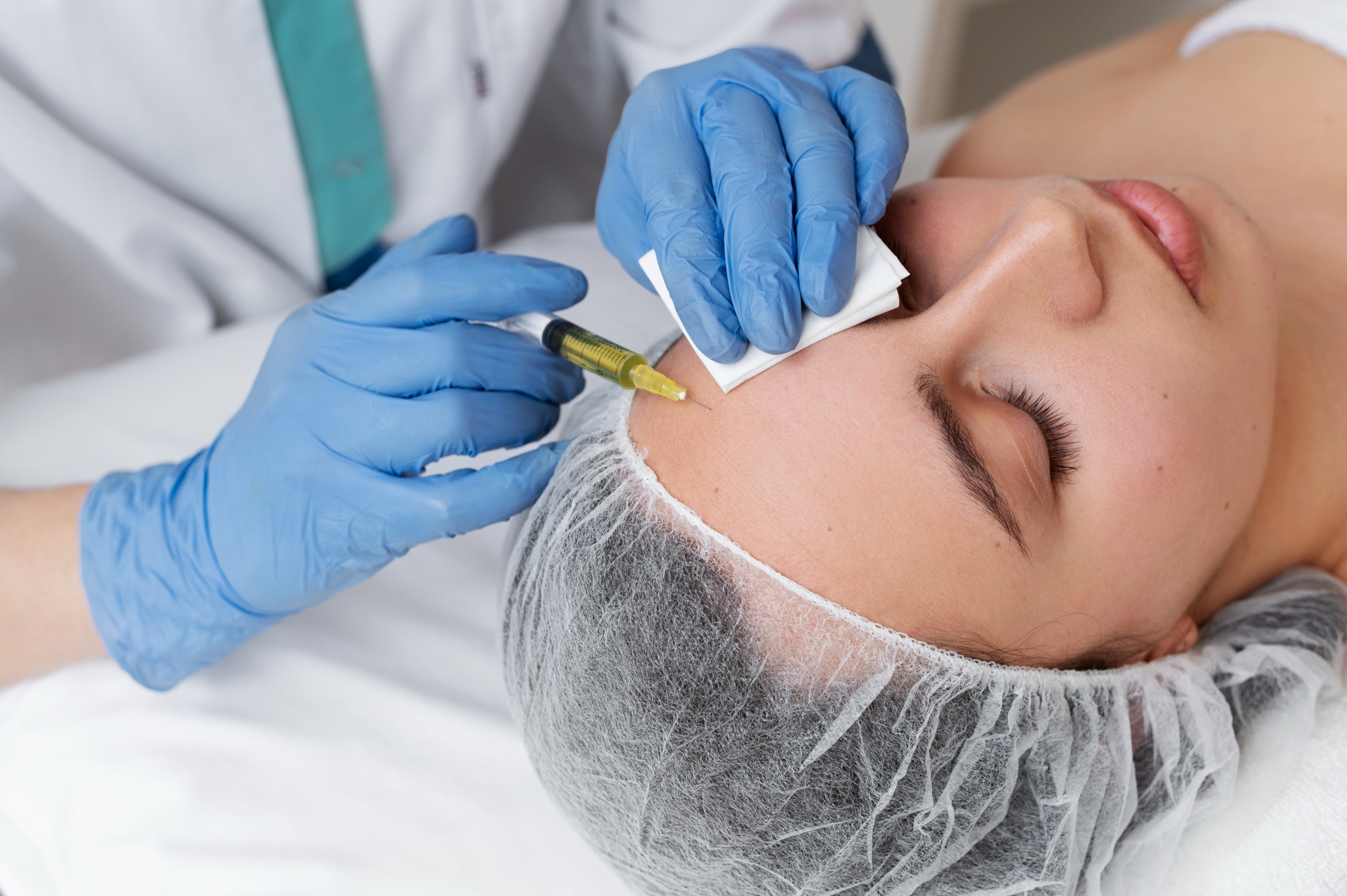
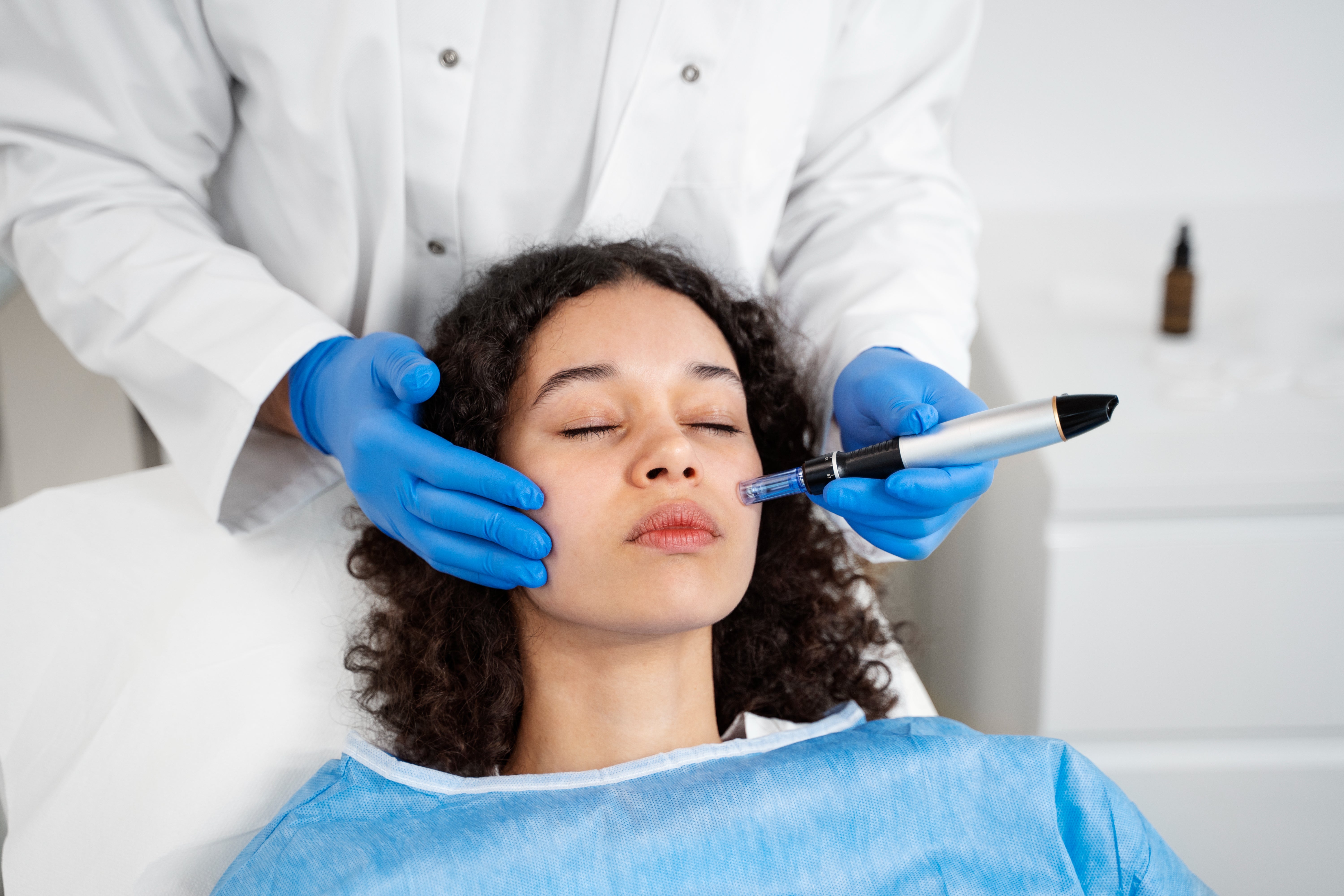
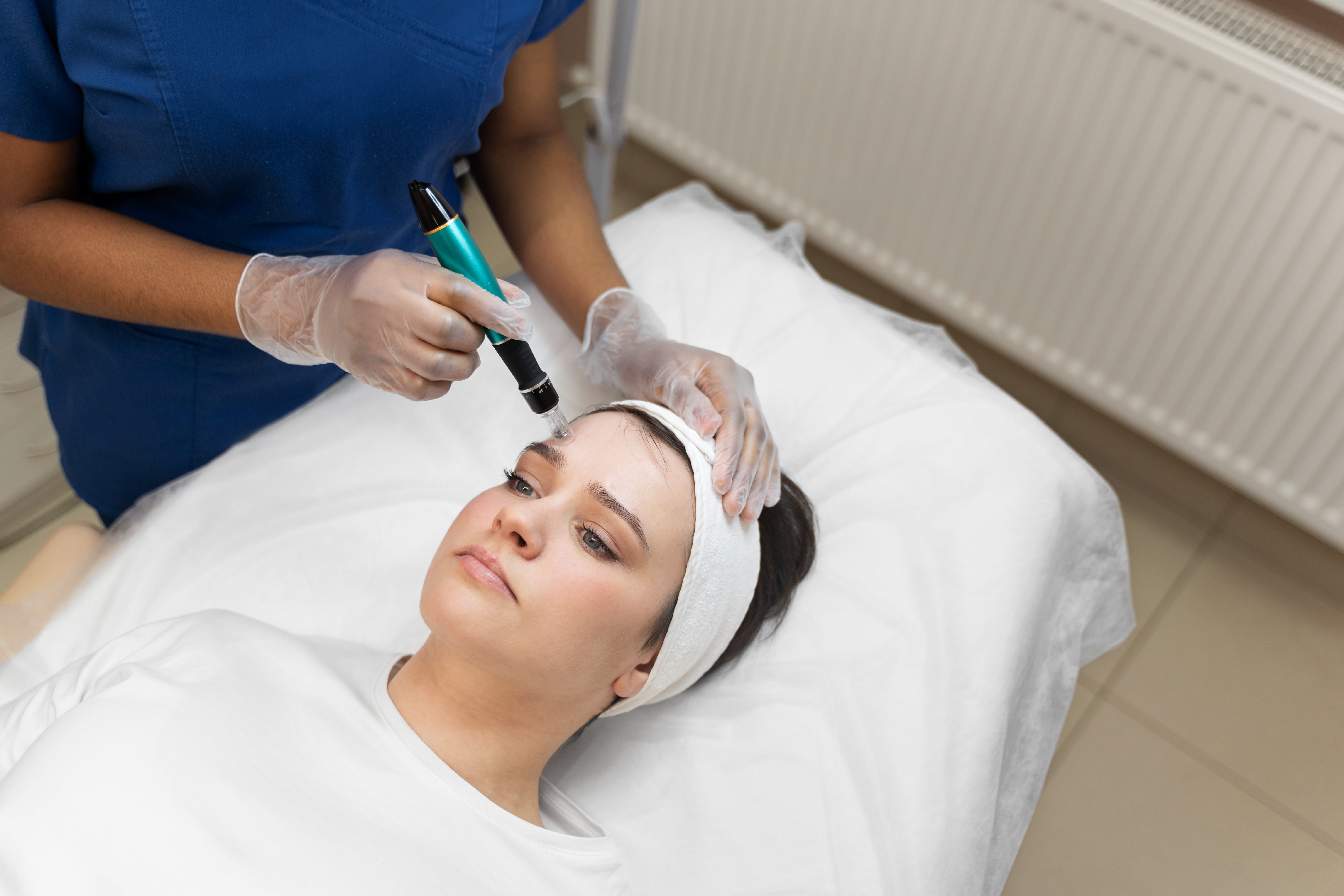
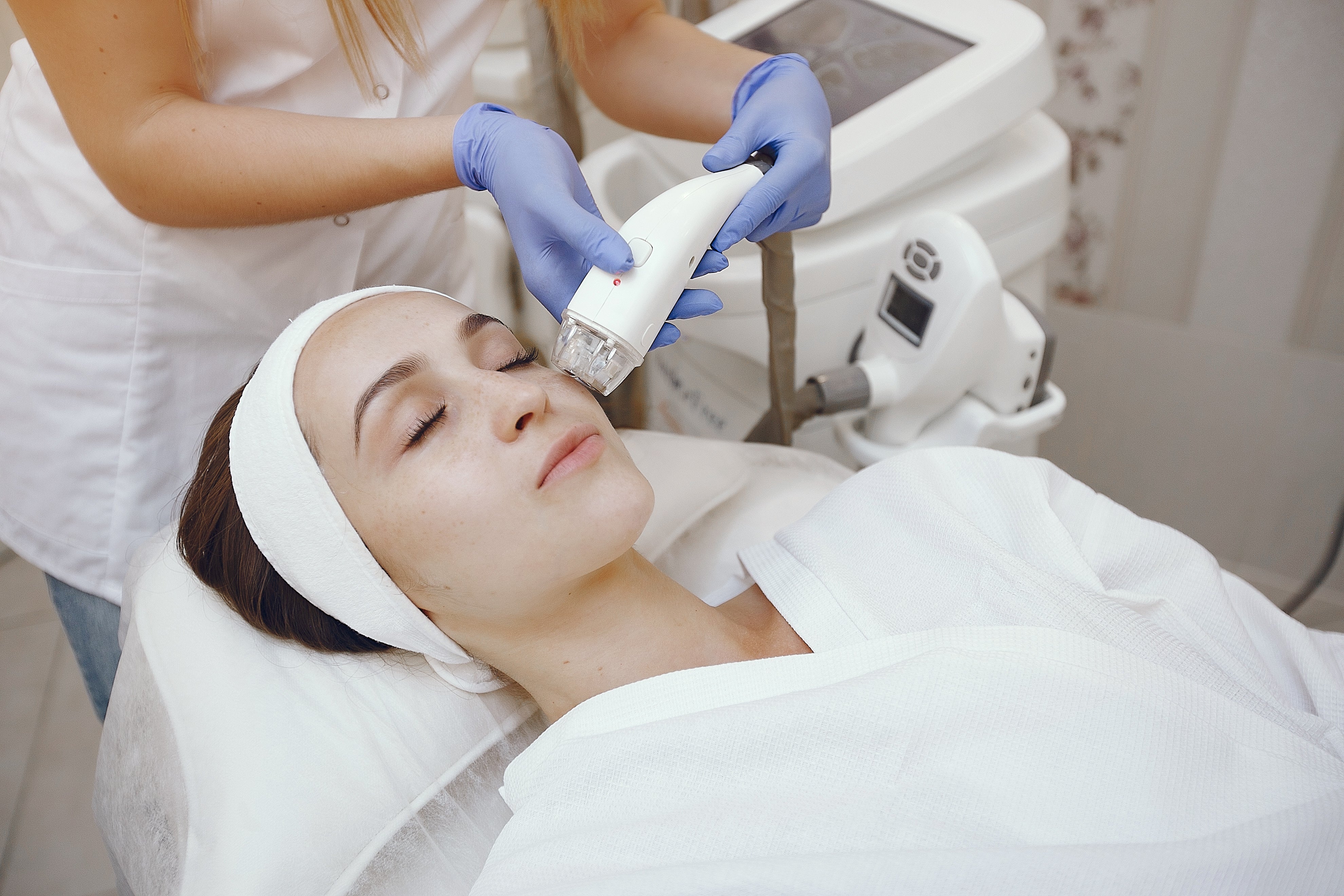
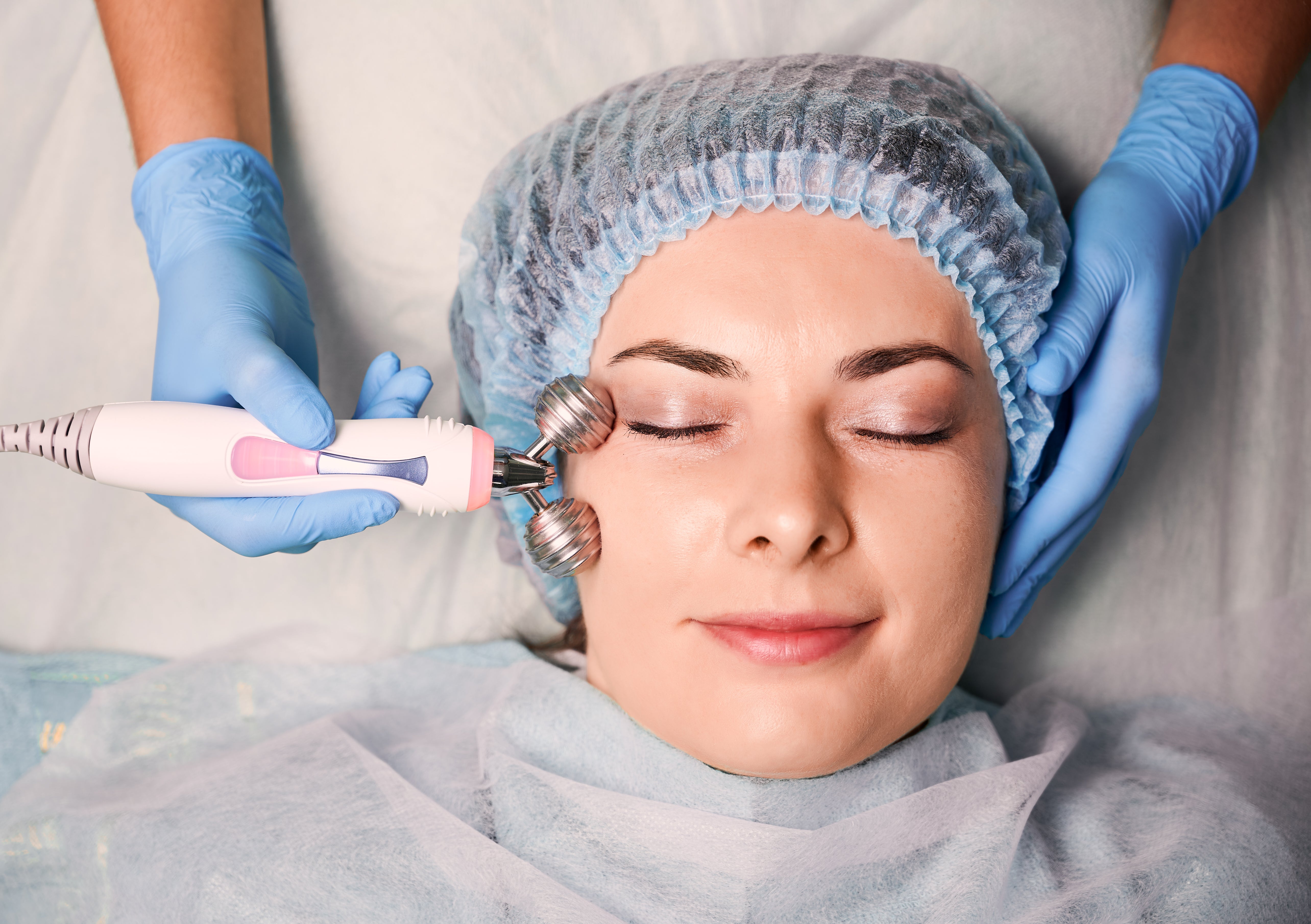
At Allodermis — RootCause Dermatology for Healthy, Youthful Skin📞 9717503031 | 🌐 www.allodermis.comAIIMS MD Dermatologists | RootCause Dermatology | USFDAApproved Technology | Minimal, Science-Backed Care Stretch Marks: Causes, Treatments & Medical Management Stretch marks (striae) affect 40–90% of individuals globally, occurring due to puberty, pregnancy, weight fluctuations, hormonal changes, and certain medications. Although common, they often cause emotional distress and aesthetic concerns. At Allodermis, our AIIMStrained dermatologists offer evidence-based, minimally invasive, and regenerative therapies designed to rebuild collagen, restore skin elasticity, and visibly reduce the appearance of stretch marks. What Are Stretch Marks (Striae)? Stretch marks are linear dermal scars caused when the skin stretches faster than its collagen and elastin fibers can adapt. This leads to microtearing within the dermis, followed by inflammation and scar formation. Stretch marks typically appear in the following stages: Red/purple lines (Striae Rubrae) – Early inflammatory phase. White/silver lines (Striae Albae) – Mature, deeper scars that are more challenging to treat. Commonly affected areas include: Abdomen, breasts, hips, thighs, buttocks, shoulders, and calves. Stretch marks do not disappear on their own, but scientifically backed dermatological treatments can achieve significant improvement. Causes: Why Do Stretch Marks Form? Stretch marks develop due to a combination of mechanical stretching, hormonal imbalance, and collagen disruption. External Factors: Rapid weight gain or loss Excessive bodybuilding Use of topical or oral corticosteroids Skin dehydration and barrier damage Internal Factors: Puberty-related growth spurts Pregnancy (occurs in ~90% of pregnancies) Hormonal disorders (e.g., Cushing’s syndrome) Genetics (family history increases risk) Low collagen synthesis due to nutritional deficiencies Stretch marks reflect an injury to the dermal scaffolding and not just a superficial skin issue, necessitating professional medical treatment. Diagnosis at Allodermis — Root Cause Evaluation Our AIIMStrained dermatologists assess and diagnose stretch marks through a structured approach: Step 1: Clinical Examination Phase of striae (Rubrae vs Albae) Depth, width, and density of stretch marks Skin elasticity and hydration Associated hormonal or metabolic causes Step 2: Medical History Analysis Pregnancy Weight fluctuation patterns Endocrine disorders Medication use Nutritional profile Step 3: Dermascan Analysis Advanced imaging to evaluate: Collagen disruption Melanin distribution Scar depth Early vs chronic striae changes Accurate identification ensures precision treatment at Allodermis. Are You at Risk of Stretch Marks? You may be more likely to develop stretch marks if you have: Rapid weight changes or muscle hypertrophy Pregnancy (occurs in approximately 90% of pregnancies) Longterm steroid use Family history of striae Endocrine disorders (e.g., Cushing’s syndrome) Dry, low elasticity skin Teen growth spurts Emotional Impact Stretch marks can cause reduced body confidence, discomfort wearing certain clothing, and long-term self-esteem issues. Allodermis approaches this with empathy and medical precision. Prevention & Management While treatments offer the best solution, you can manage and prevent stretch marks by: Weight management: Maintain a steady weight and avoid sudden gain or loss. Skin hydration: Moisturize daily to help maintain elasticity. Barrier repair: Use dermatologist-prescribed ceramide-rich formulations. Active topicals: Retinoids or hyaluronic acid-based products may help early (red) stretch marks. Balanced nutrition: Rich in protein, Vitamin C, zinc, and Omega-3 fatty acids. Treatment Options at Allodermis Stretch marks respond best to a multimodal dermatology approach, where collagen regeneration is stimulated using medical-grade technologies. 1. Microneedling Radiofrequency (MNRF) – USFDA Approved The gold standard treatment for both early and mature stretch marks. Delivers RF energy into deeper dermal layers. Stimulates collagen and elastin remodeling. Reduces width, depth, and discoloration. Improves texture and firmness. Sessions: 4–6 sessions, 4–6 weeks apartDowntime: Minimal 2. Fractional Laser Skin Resurfacing Ideal for white/mature striae (Striae Albae). Creates microthermal zones that trigger collagen regeneration. Improves atrophic texture. Lightens discoloration and enhances skin elasticity. Sessions: 3–6 sessionsDowntime: 5–7 days, depending on settings 3. PRP (Platelet-Rich Plasma) Regenerative Therapy Growth factors in PRP: Speed up tissue repair. Improve elasticity. Enhance results when combined with MNRF / Laser. 4. Topical Medical Therapy Prescribed by AIIMS dermatologists: Retinoids, Hyaluronic acid, Growth factor serums, and barrier-restoring creams. Best for early-stage stretch marks or maintaining results after procedures. Why Choose Allodermis for Stretch Mark Treatment? Right Products, Only When Needed: We offer minimalistic, evidence-based prescriptions — no unnecessary routines. RootCause Dermatology: We don’t chase the marks. We correct the root causes, such as hormonal imbalances, skin barrier health, nutrition, stress, and lifestyle factors. AIIMStrained MD Dermatologists: Diagnosis rooted in clinical science + empathy. USFDA-Approved Technologies: We use lasers, MNRF, and regenerative therapies proven to deliver results. InsideOut Wellness: Skin healing is not just cosmetic; it’s about whole-body health. Prognosis Early stretch marks respond best to treatment. Mature white marks improve significantly with combination therapy. Skin texture, color, and elasticity improve over 8–24 weeks. Maintenance therapy may be recommended. Complete disappearance is unlikely, but a 50–80% improvement is achievable. FAQs – Stretch Marks (Scientifically Answered) Q1. Can stretch marks be permanently removed?No. However, advanced dermatology treatments can reduce their appearance by 50–80%, depending on depth and chronicity. Q2. Do stretch marks fade naturally?Red marks may lighten over time; white marks rarely improve without treatment. Q3. Are stretch marks a sign of a medical condition?Sometimes. Conditions like Cushing’s syndrome or prolonged steroid use can cause severe striae. Q4. Is laser safe for Indian skin?Yes, when done using USFDA-approved Q-switched or fractional lasers by trained dermatologists. Q5. Which treatment is best?Depends on: Stage (Rubrae vs Albae) Skin type Hormonal status Depth Combination therapy works best for most cases. Scientific References Kang S, et al. “Topical Retinoids in the Treatment of Striae Distensae”. Dermatologic Surgery. Elsaie ML. “Striae Distensae Treatment Review”. Journal of Dermatologic Therapy. Jiménez GP. “Treatment of Striae with the 1550 nm Fractional Laser”. Dermatologic Surgery. Ud Din S, et al. “Skin Scarring and Collagen Biology”. Journal of Clinical & Experimental Dermatology. Goldman MP. “Fractional Photothermolysis for Stretch Marks”. Aesthetic Surgery Journal. ✍ Written by: Swaraj Dhar Co Founder Allodermis || Sociopreneur || Technologist LinkedIn ID: https://www.linkedin.com/in/swarajdhar/ Reviewed by: Dr Alok Sahoo MBBS, MD Dermatology and Venereology, AIIMS Delhi LinkedIn ID: https://www.linkedin.com/in/dralokderma/
Learn morePremature Ageing (Ageing Issues) Treatment at Allodermis
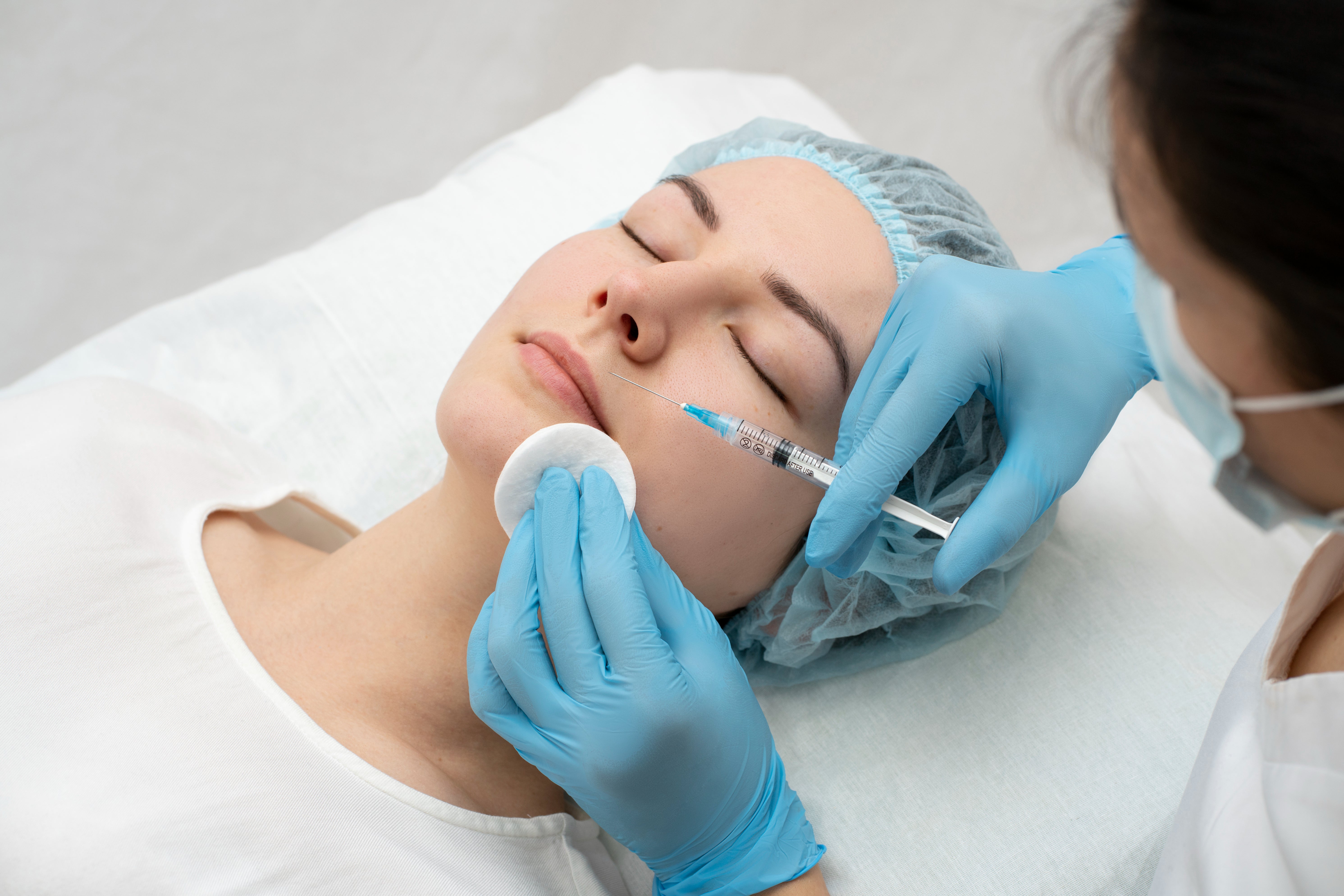
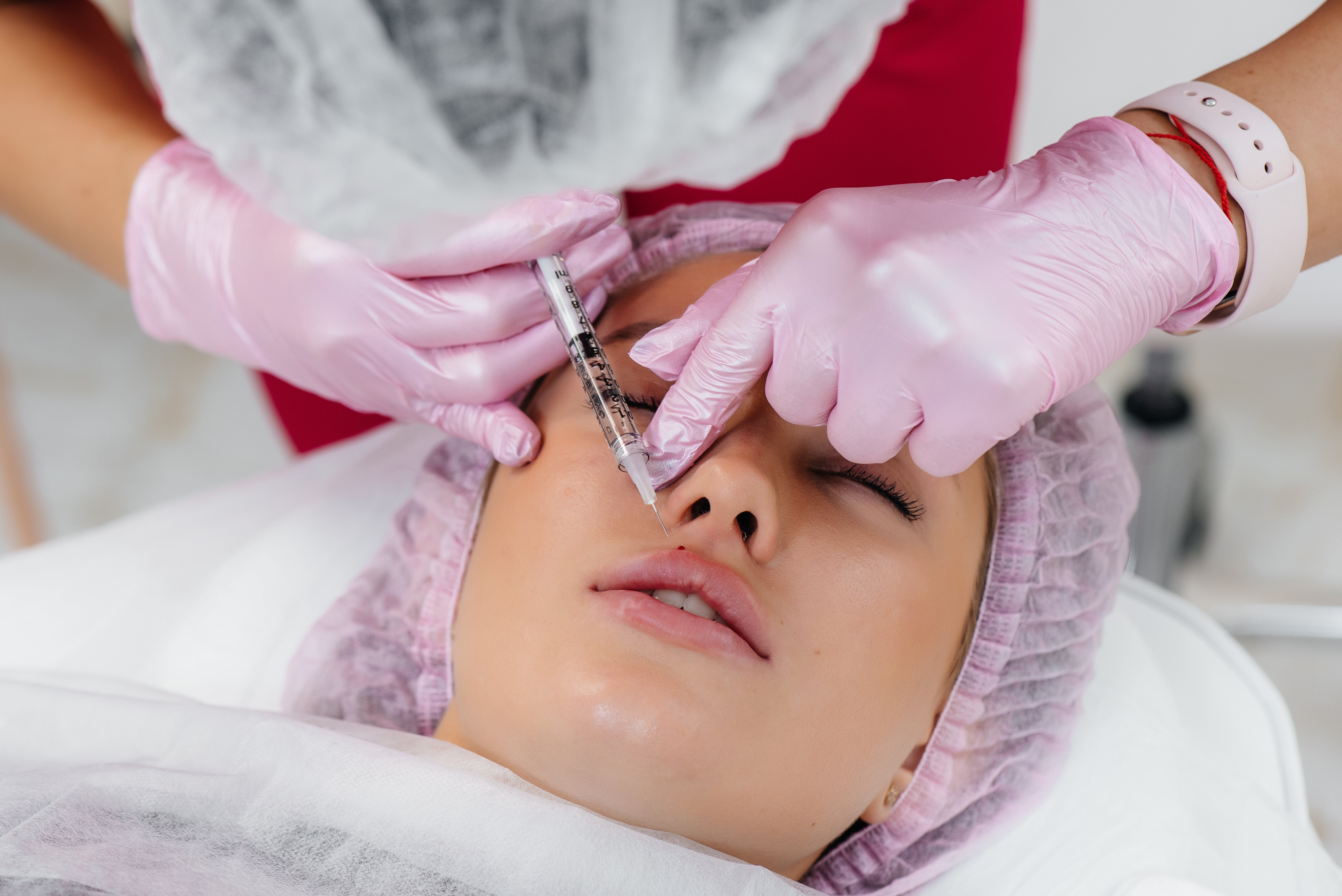
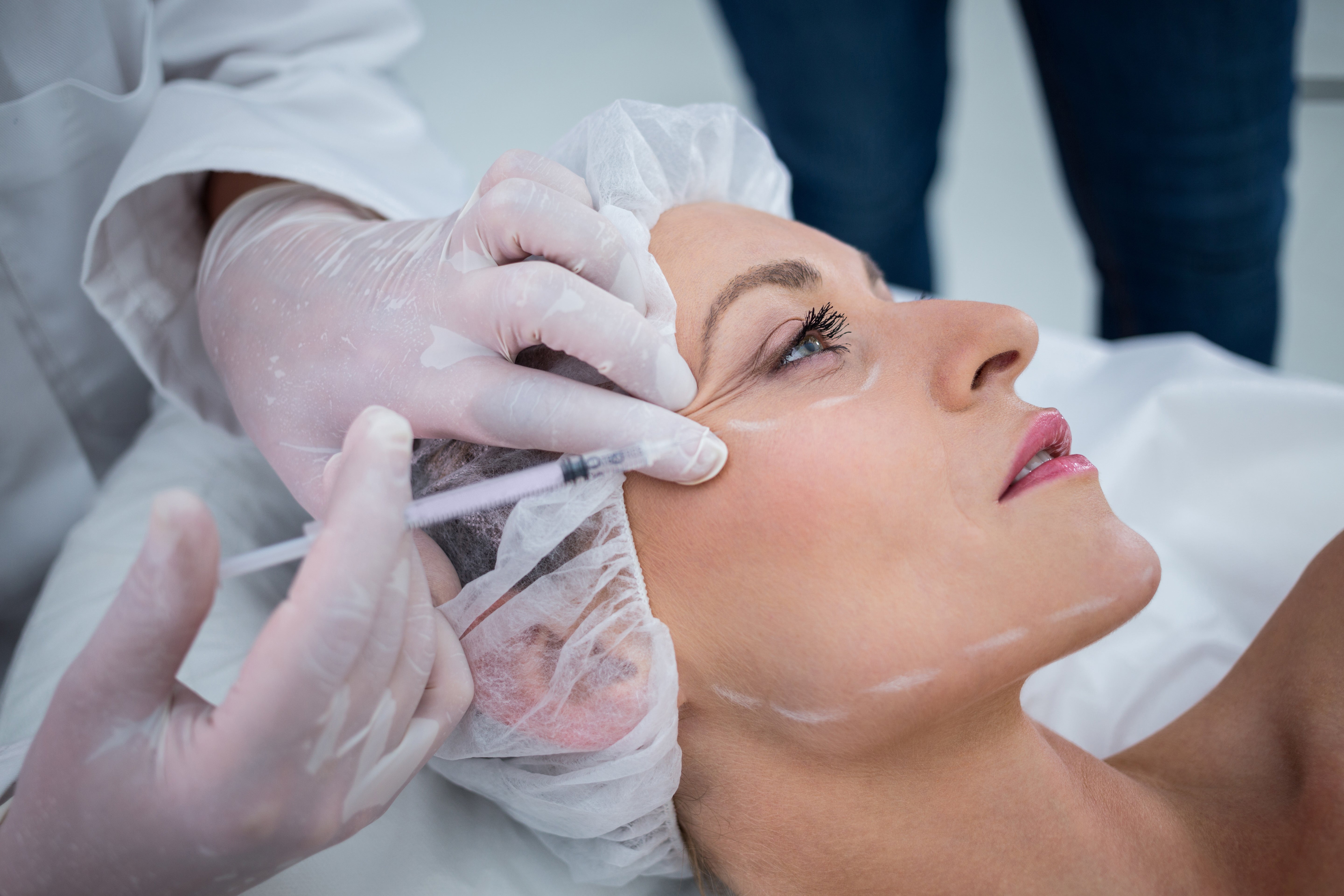
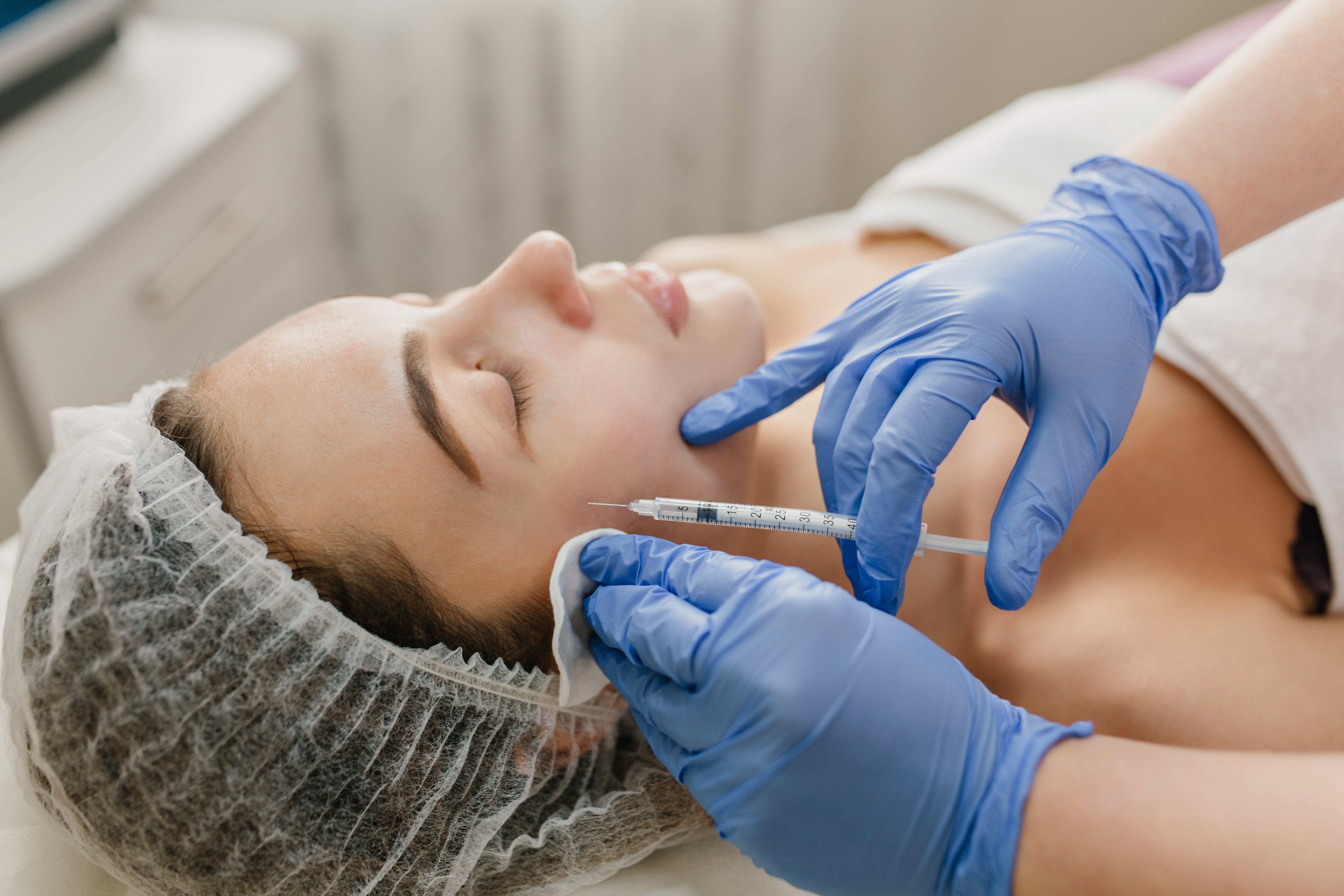
At Allodermis — RootCause Dermatology for Healthy, Youthful Skin📞 9717503031 | 🌐 www.allodermis.comAIIMS MD Dermatologists | RootCause Dermatology | USFDAApproved Technology | Minimal, Science-Backed Care Premature Ageing Skin Look younger by treating the cause — not just the lines. At Allodermis, we address premature ageing through a combination of medical diagnosis,evidence-based clinical treatments, and lifestyle correction. Our goal is to restore your skin's structure, volume, elasticity, and radiance — safely, naturally, and sustainably. What Are Ageing Issues? Skin ageing refers to gradual changes in the texture, tone, elasticity, and volume of the skin. These changes may include: Fine lines and wrinkles Creases and folds Sagging and loss of firmness Hollows and volume loss Enlarged pores Uneven pigmentation Dull, dehydrated skin While chronological ageing is inevitable, premature ageing occurs earlier than expected due to factors like sun exposure, lifestyle choices, hormonal imbalances, inflammation, and environmental damage. At Allodermis, we treat ageing as a multilayered biological process, involving: Collagen and elastin degradation Fat pad redistribution Bone resorption Skin barrier weakening Cumulative photodamage Our approach focuses on rebuilding skin from the inside out, not just masking surface signs. Why Skin Ages: Causes of Premature Ageing Intrinsic (Internal Factors): Natural ageing: Gradual decline in collagen and elastin production. Genetic skin structure: Genetics determine how your skin ages and its capacity for repair. Hormonal changes: Factors like menopause and androgen shifts affect skin health. Nutritional deficiencies: Lack of protein, vitamins A, C, and D can accelerate skin ageing. Extrinsic (Accelerators): UV exposure: The primary cause of premature photoageing. Smoking and alcohol: These induce oxidative stress and cause vascular damage. Chronic stress and poor sleep: High cortisol levels can drive ageing. Environmental pollution: Free radicals from pollution accelerate skin damage. Overexfoliation or poor skincare can break down the skin barrier, leading to premature ageing. Signs & Symptoms of Ageing Skin Common signs of premature ageing include: Fine lines (crow’s feet, perioral lines) Dynamic and static wrinkles Volume loss (cheeks, temples, under eyes) Jawline laxity, nasolabial folds, marionette lines Thinning, crepey skin, and visible pores Age spots and uneven pigmentation Dullness and rough texture Diagnosis at Allodermis — Root Cause Evaluation At Allodermis, we perform a structured medical assessment that includes: Lifestyle review (sun exposure, sleep, stress, habits) Clinical skin examination (wrinkles, laxity, volume, pigmentation) Skin imaging and dermoscopy (photodamage, collagen density) Functional tests when required (vitamin levels, hormones, metabolic markers) Goal setting with realistic timelines and maintenance planning This ensures a personalised, multimodal antiageing plan, tailored to your specific needs. Prevention & Daily AntiAgeing Care Here are a few essential steps for anti-ageing care: Broadspectrum sunscreen (SPF ≥30) — The most effective antiageing step. Gentle cleansing and barrier repair moisturiser. Morning antioxidants (Vitamin C); night retinoids (dermatologist-guided). Adequate sleep (7–8 hours), stress control, and smoking cessation. Nutrition rich in protein, vitamins, omega-3s, and zinc. Avoid excessive heat, steam, and harsh scrubs. Advanced AntiAgeing Treatments at Allodermis At Allodermis, we combine device-based therapies, injectables, and medical skincare to address your skin biology and goals: 1. Microneedling Radiofrequency (MNRF) Stimulates collagen and elastin, tightens skin, and reduces pores.Sessions: 3–6 (4–6 weeks apart) 2. Botulinum Toxin (Botox) Softens dynamic wrinkles while preserving natural expressions.Effect: 3–6 months 3. Hyaluronic Acid Fillers Restores volume (cheeks, tear troughs, temples) and facial contours.Longevity: 9–18 months 4. BioRemodelling & Biostimulators (Profhilo, PDRN, collagen stimulators) Improves hydration, firmness, and overall skin quality. 5. HIFU (High-Intensity Focused Ultrasound) Nonsurgical lifting for jawline and neck laxity. 6. Radiofrequency Skin Tightening Deep dermal heating for collagen contraction and skin renewal. 7. Laser Toning & Resurfacing (Fractional CO₂, Er: YAG, nonablative lasers) Targets pigmentation, fine lines, and texture irregularities. 8. Adjunct Therapies PRP, growth factors, and exosome-based boosters for enhanced repair and glow. Expected Results & Prognosis Immediate: Improved hydration and mild tightening. 4–8 weeks: Reduction in fine lines and improved skin texture. 3–6 months: Visible lifting and collagen remodelling. Longterm: Sustained rejuvenation with maintenance care. Ageing continues naturally, but results are preserved with structuredfollow-upss. Safety All procedures are performed by MD dermatologists following strict protocols. Temporary redness, swelling, or bruising may occur, but serious complications are rare, especially with expert technique. This is especially important for Indian skin types (Fitzpatrick IV–VI). Frequently Asked Questions Q1. When should anti-ageing treatment start?Prevention begins in the mid20s; treatments are typically need-based from the late 20s onward. Q2. Will Botox make me look unnatural?No, Botox keeps your expressions natural when done conservatively. Q3. Are fillers safe?Yes, hyaluronic acid fillers are safe when injected correctly. Q4. How many MNRF sessions are needed?Typically, 3–6 sessions are required for optimal collagen stimulation. Q5. Are the results permanent?Treatments slow the ageing process, but maintenance is needed for long-term results. Why Choose Allodermis for Ageing Care? RootCause Dermatology: We focus on collagen, volume, barrier, and lifestyle to prevent ageing. AIIMStrained MD Dermatologists: Trust our precision, empathy, and expertise. Minimal, Evidence-Based Protocols: Treatments that are scientifically backed. USFDA-Approved Devices and Injectables: Safe and effective options for Indian skin. Personalised, LongTerm Skin Health Planning: We create a customized antiageing strategy for lasting results. Scientific References Fisher GJ, et al. Mechanisms of Photoaging and Chronological Skin Ageing. NEJM. Rittié L. Cellular mechanisms of skin ageing. Exp Dermatol. Draelos ZD. The role of retinoids in skin rejuvenation. Dermatol Clin. Fabi SG, Sundaram H. Injectable therapies for facial rejuvenation. Dermatol Surg. Alster TS. Laser skin resurfacing and fractional technologies in photoaging treatment. Dermatol Surg. ✍ Written by: Swaraj Dhar Co Founder Allodermis || Sociopreneur || Technologist LinkedIn ID: https://www.linkedin.com/in/swarajdhar/ Reviewed by: Dr Alok Sahoo MBBS, MD Dermatology and Venereology, AIIMS Delhi LinkedIn ID: https://www.linkedin.com/in/dralokderma/ Updated On: 12 Dec 2025 Clinic entity: Allodermis Skin ClinicLocal context: Delhi NCR | Gurgaon | Bhubaneswar
Learn moreSkin Pigmentation Treatment at Allodermis: Causes, Symptoms; Advanced Treatment Options
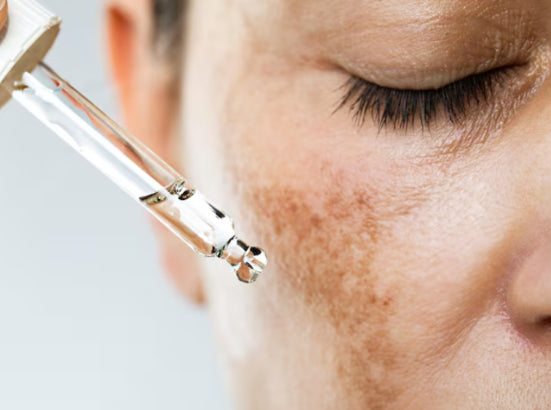
Allodermis – Where Skin Reflects Health. Care Begins at the Root📞 9717503031 | 🌐 www.allodermis.comAIIMS MD Dermatologists | Root Cause Dermatology | USFDA Approved Technology | Minimal, ScienceFirst Care What is Skin Pigmentation? Skin pigmentation occurs when certain areas of the skin become darker due to excess melanin production. While it’s common and often harmless, pigmentation can affect appearance, confidence, and overall skin uniformity. At Allodermis, our AIIMStrained dermatologists provide root cause diagnosis and offer USFDA-approved treatments to safely and scientifically address pigmentation concerns, ensuring clear, even-toned skin. Causes of Skin Pigmentation Skin pigmentation develops when melanocytes (cells producing melanin) become overstimulated. The main triggers are: External Factors: Sun Exposure (UV Rays)UV exposure is the leading cause of pigmentation. It stimulates melanin production, darkening the skin and worsening existing pigmentation. Skin Injury or InflammationInjuries such as cuts, burns, acne scars, waxing burns, or friction can cause PostInflammatory Hyperpigmentation (PIH). Allergies & Contact DermatitisCosmetics, hair dyes, deodorants, or fragrances can irritate the skin and trigger pigmentation. MedicationInduced PigmentationCertain drugs like chemotherapy, tetracyclines, antimalarials, and some hormonal medications may cause pigmentation changes. Internal Factors: Genetics & Skin TypePeople with darker skin tones (Fitzpatrick IV–VI) are more prone to pigmentation. Hormonal FluctuationsPregnancy, use of oral contraceptives, and thyroid disorders can trigger melasma, a form of pigmentation. Medical ConditionsConditions like vitamin deficiencies and metabolic imbalances can contribute to pigmentation. AgingAs we age, skin turnover slows, making pigmentation more visible. Types of Skin Pigmentation Skin pigmentation can present in various forms, including: FrecklesSmall brown spots that appear due to repeated sun exposure are more common in lighter skin tones. PostInflammatory Hyperpigmentation (PIH)This occurs after skin injury, acne, burns, or irritation, often leaving darker spots in the affected area. MelasmaBrown or gray-brown patches are typically found on the cheeks, forehead, or upper lip. It’s more common in women and aggravated by sunlight and hormones. Sunspots (Solar Lentigines)Well-defined dark spots caused by chronic UV damage. Diagnosis at Allodermis: Our Root Cause Approach At Allodermis, we take a root cause approach to diagnosing pigmentation. Our dermatologists perform: Visible clinical evaluation to determine pigmentation depth (epidermal vs dermal vs mixed). Dermoscopy & Skin Scanner analysis to map melanin distribution. Comprehensive lifestyle and medical assessments to understand triggers like hormones, stress, sleep, and sunscreen habits. Targeted lab tests (if needed) for thyroid levels, vitamin deficiencies, or hormone imbalances. This thorough process ensures that your treatment is customized, safe, and effective. Are You at Risk of Skin Pigmentation? You may be more prone to pigmentation if you: Spend prolonged hours in the sun Have darker Indian skin types (Fitzpatrick IV–VI) Have a family history of pigmentation Experience frequent acne or skin inflammation Are you pregnant or on hormonal therapy Use fragranced or irritating cosmetics Have thyroid or vitamin disorders Prevention & Daily Care Preventing and managing pigmentation requires consistent care and protection. Here’s what you can do: Use BroadSpectrum Sunscreen (SPF 30–50)Apply generously on your face and neck. Reapply every 2–3 hours if you’re outdoors. Follow a Consistent Skincare RoutineA gentle cleanser, barrier-strengthening moisturizer, and targeted treatments can help maintain skin health. Protect Your Skin from the SunWear sun protection clothing like hats, scarves, and sunglasses to minimize UV exposure. Avoid Harsh Scrubs & Irritating ProductsStay away from products with lemon or toothpaste, as well as fragrance-heavy items. Advanced Treatment Options at Allodermis At Allodermis, we provide advanced treatment options for skin pigmentation: 1. Chemical Peels (USFDA Approved) Controlled exfoliation removes pigmented skin layers, promoting skin renewal. Best for PIH, freckles, and superficial pigmentation.Sessions: 3–6 sessions, spaced 2–4 weeks apart. 2. Laser Toning (Q-Switched Nd: YAG) Targets deeper melanin deposits, brightens skin, and improves texture without damaging surrounding tissue. Safe for Indian skin when done by experts.Sessions: 6–8 sessions recommended for melasma, sunspots, and deep pigmentation. 3. Medical Topicals Topical treatments include Hydroquinone, Azelaic acid, Kojic acid, Vitamin C, Retinoids, and Tranexamic acid. These formulations help reduce pigmentation when used under a dermatologist's supervision. 4. Root Cause Corrective Plans Tailored based on your unique profile, which may include hormonal correction, anti-inflammatory care, and stress management. Why Choose Allodermis? Right Products, Only When Needed: We focus on evidence-backed essentials, avoiding overprescription. Root Cause Diagnosis: We identify why pigmentation happens—whether due to hormones, UV exposure, inflammation, or lifestyle. AIIMS MD Dermatologists: Trust our precision and expertise for safe, effective treatments.USFDA-Approved Technology: Our treatments are proven safe for Indian skin. InsideOut Wellness Approach: Longterm clear skin comes from balancing internal health and external care. Prognosis Mild pigmentation improves within 4–6 weeks. Deeper melasma requires longterm maintenance. Laser results build gradually. Combining treatments yields optimal results. Strict sunscreen and lifestyle correction help prevent recurrence. Frequently Asked Questions 1. Which treatment is best for pigmentation?It depends on the type: melasma responds well to lasers + topicals, PIH responds to peels, and sunspots often require laser toning. 2. Is pigmentation permanent?Most pigmentation can be significantly reduced with proper treatment. However, melasma requires longterm maintenance. 3. How many laser sessions are required?Typically 6–8 sessions, depending on the severity and depth of pigmentation. 4. Can pigmentation worsen if untreated?Yes, sun exposure, inflammation, and hormonal triggers can deepen pigmentation. 5. Are topical creams safe?Yes, when prescribed and monitored by a dermatologist. Scientific References Bolognia J. Dermatology. Hyperpigmentation disorders. Sarkar R, et al. Melasma & PIH treatment guidelines. Indian Dermatol Online J. Grimes PE. Melasma and pigmentary disorders in darker skin types. Dermatol Clin. Manuskiatti W. Laser toning for melanin correction. J Cosmet Laser Ther. Davis EC. Postinflammatory hyperpigmentation review. J Clin Aesthet Dermatol. ✍ Written by: Swaraj Dhar Co Founder Allodermis || Sociopreneur || Technologist LinkedIn ID: https://www.linkedin.com/in/swarajdhar/ Reviewed by: Dr Alok Sahoo MBBS, MD Dermatology and Venereology, AIIMS Delhi LinkedIn ID: https://www.linkedin.com/in/dralokderma/ Updated On: 12 Dec 2025 Clinic entity: Allodermis Skin ClinicLocal context: Delhi NCR | Gurgaon | Bhubaneswar
Learn moreHolistic Skin Health: Daily Habits for a Healthy Glow
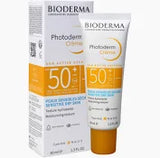
Updated on: 2026-05-21 Holistic skin health focuses on supporting the skin through daily habits, gentle skincare, and lifestyle choices. Instead of chasing quick fixes, it aims to strengthen the skin barrier, reduce imbalance, and improve how the skin responds to stress. A consistent routine that respects your skin type can improve clarity, comfort, and resilience over time. When you combine cleansing, hydration, sun protection, and mindful nutrition, you create a foundation for long-term skin wellness. Introduction Step-by-Step Guide Tips FAQs Wrap-up & Final Thoughts About the Author Introduction Holistic skin health is an approach to skincare that considers the whole environment around the skin. It blends skincare fundamentals with supportive lifestyle practices, such as hydration, stress management, and nutrition. The goal is not to treat the skin as an isolated surface. The goal is to help the skin function at its best, day after day. Your skin is influenced by many factors: cleansing habits, product formulation, exposure to sunlight, humidity, sleep quality, and even how your body responds to inflammation. A holistic approach helps you build a routine that supports the skin barrier, maintains balanced hydration, and reduces unnecessary irritation. This guide offers a structured method you can follow. You will also find practical tips for choosing gentle products and adjusting your routine when your skin changes. If you want help selecting everyday essentials, you can review options on Allodermis. Step-by-Step Guide Start with a simple baseline assessment. Observe how your skin behaves across a week. Note signs such as dryness, oiliness, sensitivity, flaking, or uneven texture. Pay attention to triggers like harsh cleansers, high heat, or frequent exfoliation. This step clarifies what your skin needs most: comfort, hydration, or calming support. Choose a gentle cleanser for daily use. Cleansing should remove sweat, sunscreen residue, and environmental buildup without stripping your skin. Over-cleansing can weaken the barrier and make other products less effective. Look for gentle, non-stripping formulations and consider a skin-friendly option like Cetaphil Gentle Cleanser if your routine needs steadiness. Support hydration with the right moisturizer. Hydration is central to holistic skin health because well-hydrated skin supports a healthier barrier. Apply a moisturizer after cleansing while your skin is slightly damp. If your skin feels tight after washing, hydration may be the missing piece. A lightweight, hydrating lotion such as Cipla Excela Hydrating Lotion can help you maintain comfort. Use targeted treatment only when needed. Holistic does not mean skipping actives. It means using them thoughtfully. If you deal with breakouts, consider acne-focused care. If your concern is uneven tone, focus on products designed for that goal. For acne-prone skin and daytime protection, you may evaluate Acne UV Gel SPF 50 as part of your barrier-friendly routine. Add antioxidant and soothing support. Many people benefit from antioxidant support because it helps address environmental stress. A serum can complement moisturizer by improving overall look and feel. For example, Aze Proactive Serum may fit into a routine that prioritizes comfort and daily resilience. Hydration layers, calm colors, skin barrier iconography Prioritize sunscreen as a daily non-negotiable. Sun protection is essential for long-term skin wellness. Daily exposure can affect tone, texture, and the skin’s ability to recover. Choose a sunscreen that suits your skin type and apply enough to cover exposed areas. If you prefer a product designed for reliable daytime coverage, you can consider Fixderma Shadow Sunscreen Cream. Adopt a barrier-friendly exfoliation approach. Exfoliation can help with rough texture and dullness, but frequency matters. Over-exfoliation can worsen sensitivity. Use gentle methods and limit how often you exfoliate based on skin tolerance. If you use an active exfoliant, keep the rest of your routine simple to avoid irritation. Balance care for the eyes of the body: hands, neck, and lips. Many routines focus only on the face. However, neck and hands often show early dryness and uneven tone. Apply moisturizer to these areas and consider sun protection for the neck when exposed. This consistency supports the overall appearance of skin health. Use a nutrition and hydration mindset. Food is part of holistic skin health. Aim for a diet that supports hydration and reduces chronic inflammation. Include vegetables, protein, healthy fats, and fiber. Maintain stable water intake and consider how your dietary patterns influence digestion and overall comfort. If you choose supplements, select reputable options and avoid excessive dosing. Implement stress and sleep systems. Stress hormones and poor sleep can influence inflammation and oil balance. Holistic care includes practical steps: consistent sleep timing, brief daily movement, and breathing exercises. Even small changes can improve how your skin responds to routine. Where to Focus First If you are starting from scratch, begin with cleansing, moisturization, and sun protection. These three pillars tend to resolve many common issues by stabilizing barrier function. After that, add a single targeted treatment based on one primary concern. This order reduces irritation and makes results easier to track. Tips Keep the routine consistent. Skin often needs time to adjust. Change one variable at a time so you can evaluate what works. Match product texture to your climate. Humid weather may feel better with lighter moisturizers. Dry weather may require richer hydration. Watch for irritation signals. Burning, persistent redness, and sudden dryness often indicate your regimen is too aggressive. Prefer fragrance-conscious choices when sensitive. If your skin is reactive, start with simpler formulas and reduce the number of active ingredients. Clean tools and hygiene habits matter. Wash makeup brushes, avoid sharing towels, and keep skincare caps and applicators clean. Protect skin while you work and exercise. Sweat and sun exposure can combine to stress skin. Rinse after workouts and reapply sunscreen if you are outdoors. Consider vitamin C for brightening support. Many routines include antioxidant vitamin C to support an overall fresh look. You can explore relevant options such as Sesderma C-Vit Liposomal Serum if your schedule allows for daily consistency. Do not ignore handoff steps. Apply skincare in a logical sequence: cleanse, moisturize, then sunscreen. Treatments should fit comfortably between hydration and protection. Daily routine timeline with sun shield and hydration icons FAQs How long does it take to notice improvements with holistic skin health? Many people notice better comfort within one to two weeks after stabilizing cleansing, hydration, and sun protection. Visible changes in texture or tone often require several weeks of consistent care. Results vary based on skin sensitivity, the starting point of your regimen, and how regularly the routine is followed. Is holistic skincare the same as using only natural products? No. Holistic skin health focuses on supportive choices that work with your skin. Natural ingredients can be helpful, but the key is how a product supports barrier function and reduces irritation. Ingredient safety, compatibility with your skin type, and consistent use matter more than marketing language. What should I do if my skin becomes dry after changing products? Reduce the number of active steps and return to a gentle cleansing and moisturizing base. Confirm that sunscreen is applied without rubbing or over-cleansing. If dryness persists, simplify the routine further and consider switching to a moisturizer designed for comfort and barrier support. When irritation is significant, professional advice may be appropriate. Can diet and supplements improve holistic skin health? Diet can support skin hydration, repair, and overall resilience by providing essential nutrients. Supplements may help in specific cases, but they should be used cautiously and chosen based on credible guidance. Focus first on consistent meals that include proteins, healthy fats, and produce, then consider supplements only if they align with your needs. Wrap-up & Final Thoughts Holistic skin health is a disciplined, supportive approach that treats your skin as a dynamic system. By building a consistent routine around gentle cleansing, hydration, targeted support, and daily sun protection, you create conditions where the skin can recover and maintain balance. When you add lifestyle habits such as sleep, stress management, and nutrition, your routine becomes more sustainable and more effective. If you want to improve results quickly, start with the basics. Choose skin-friendly cleanser and moisturizer, add a daily sunscreen, and introduce one targeted treatment only after your routine stabilizes. For further guidance on daily essentials, you can explore curated options on Allodermis and compare formulations that match your skin needs. Call to Action: Review your current routine and identify which pillar is missing: gentle cleansing, barrier-support hydration, or daily sunscreen. Update only one step at a time and monitor changes for consistent progress. Disclaimer: The information provided in this article is for general educational purposes only and does not constitute medical advice. Individual skin conditions vary, and results may differ. If you experience severe irritation, persistent redness, or worsening symptoms, consult a qualified healthcare professional. About the Author Author Name: Allodermis Allodermis is a skin-focused team committed to helping customers make informed decisions about skincare routines. The content reflects expertise in everyday dermocosmetic principles, ingredient compatibility, and barrier-friendly care. This article is designed to be practical, evidence-aware, and adaptable to different skin needs. Thank you for reading, and may your skincare routine support long-term holistic skin health.
Learn moreDark Circles Under the Eyes: Causes, Treatment & Prevention
Allodermis – Where Healthy Skin Begins at the Root📞 9717503031 | 🌐 www.allodermis.comAIIMS MD Dermatologists | Root Cause Dermatology | USFDA Approved Technology | Minimal, ScienceFirst Care Try AI Powered Skin Analysis for FREE: Click me to Anlayse your Skin Overview Dark circles, medically termed Periorbital Hyperpigmentation (POH), are one of the most common cosmetic concerns. Studies show they affect nearly 50% of individuals between 16 and 25 years, with a higher prevalence in women and those with a genetic predisposition. While dark circles are usually harmless, untreated cases can deepen, become permanent, or lead to age-related hollowness. At Allodermis, we offer advanced diagnostics and evidence-backed treatments that target the root causes of dark circles, helping you achieve a brighter, refreshed undereye appearance. What Are Dark Circles? Dark circles occur when the undereye area appears darker than the surrounding skin. The causes may include: Increased melanin (pigmentation) Visible blood vessels (vascular issues) Shadowing from hollowness Skin thinning due to aging Puffiness ccauses light-blockadingshadows Determining your exact type of dark circles is key to choosing the right treatment. Causes of Dark Circles Dark circles can be caused by a combination of internal and external factors: External Causes: Lack of sleep or irregular routines Stress, smoking, and alcohol consumption Sun exposure, which increases melanin production Eye rubbing, allergies, or irritation from cosmetics Internal Causes: Genetics & family history Hormonal fluctuations Aging, leading to collagen loss and tear trough formation Iron deficiency or anemia Certain medications (e.g., glaucoma eye drops) Symptoms of Dark Circles Common symptoms include: Undereye discoloration (brown, blue, purple, or gray) Puffiness or swelling Tear trough depression (hollowness) Skin sagging or thinning Fine lines Shadowing under specific lighting conditions Types of Dark Circles Understanding your specific type of dark circles is essential for choosing the most effective treatment. The four main types include: Vascular Dark Circles (Bluish/Purple): Caused by visible blood vessels, poor circulation, and thin skin. Pigmented Dark Circles (Brown/Black): Caused by melanin overproduction, sun exposure, genetics, and friction. Structural (Anatomical) Dark Circles: Caused by tear trough hollowness, volume loss, or shadowing. Mixed Dark Circles: A combination of pigment, vascular, and structural issues, commonly seen in Indian skin types. Diagnosis at Allodermis: Root Cause Evaluation To effectively treat dark circles, a thorough assessment by an AIIMS MD Dermatologist is necessary. Our evaluation includes: Family history Skin type & Fitzpatrick classification Contributions from melanin, vascular issues, and structural concerns Lifestyle factors like sleep, nutrition, and stress levels Allergy and rubbing habits Medication history Hemoglobin/B12/iron status (if needed) We use advanced diagnostic tools such as dermoscopy, undereye skin thickness analysis, tear trough depth evaluation, and photographic documentation to ensure an accurate diagnosis. Prevention: Dermatologist-Approved Tips Sleep 7–8 hours nightly – Lack of sleep is the #1 cause of dark circles. Reduce stress – Practice meditation, breathing exercises, and ensure good sleep hygiene. Avoid smoking & alcohol – These habits worsen pigmentation by constricting blood vessels. Stay hydrated – Drink 2–2.5 liters of water daily to maintain skin health. Use sunscreen daily – Protect the delicate skin around your eyes from further pigmentation. Avoid eye rubbing – This can increase pigmentation and contribute to wrinkles. Are Home Remedies Helpful? Home remedies may provide temporary relief, but do not address the underlying causes of dark circles. Helpful remedies include: Cold compress to reduce vascular congestion Head elevation at night to reduce puffiness Gentle undereye massage Cucumber slices for hydration However, these remedies are not effective for: Pigment-based dark circles Structural hollowness or volume loss Genetic or hormonal causes Chronic undereye issues Medical Treatment Options at Allodermis At Allodermis, we offer customized, multimodal therapies based on your unique type of dark circles. 1. Chemical Peels (Under Eye Safe Formulations) Best for: Pigmented dark circles Specialized low-strength peels improve pigmentation, texture, and fine lines. Includes glycolic, lactic, mandelic, and TCA (used in controlled amounts). 2. Laser Therapy (Q Switched & Non-Ablative Lasers) Best for: Pigmented + vascular dark circles Targets melanin (brown pigmentation), vascular congestion (blue/purple tones), and skin tightening. 3. Dermal Fillers (Hyaluronic Acid) Best for: Structural dark circles Fills tear trough hollowness and addresses volume loss, with immediate and natural results when performed by an experienced dermatologist. 4. Platelet-RichPlasma (PRP) Best for: Vascular dark circles and fine lines Stimulates collagen production, improving skin color, texture, and thickness. 5. Prescription Topicals (Medical Grade Under Eye Creams) Includes Vitamin C, Azelaic acid, Kojic acid, Tranexamic acid, and Retinoids (used in controlled amounts). These ingredients help improve pigmentation and strengthen the undereye barrier. 6. Surgical Options (Blepharoplasty) Best for: Advanced anatomical causes Performed by experienced oculoplastic surgeons, this option is suitable for excess skin, fat prolapse, or severe eye bags. Prognosis With the right treatment plan, you can expect visible improvement in 4–8 weeks. For the best results, combination therapy is recommended. Fillers can last 12–18 months, while pigmentation improves gradually with consistent care. Maintenance sessions are recommended every 3–6 months. Why Choose Allodermis? Right Products, Only When Needed: We prescribe only what your skin truly needs. Root Cause Dermatology: We address the underlying causes, whether it's pigmentation, circulation, anatomy, or lifestyle factors. Expert Care from AIIMS MD Dermatologists: Trust our precise diagnosis and safe treatments. USFDA Approved Technologies: Our lasers, fillers, PRP, and peels are all based on proven science. Inside Out Wellness: We integrate lifestyle, sleep, diet, and stress management for long-lasting results. Frequently Asked Questions Q1. What is the best treatment for dark circles?It depends on the type: pigment (peels/lasers), vascular (lasers/PRP), or structural (fillers). Q2. Can lasers remove dark circles permanently?Lasers significantly reduce pigmentation and vascularity, but maintenance treatments help sustain longterm results. Q3. What vitamin deficiency causes dark circles?Vitamin B12, iron deficiency, and anemia may worsen dark circles. Q4. Are dark circles permanent?Dark circles are typically not permanent, but consistent treatment based on the underlying cause is required. Q5. Which undereye creams do dermatologists recommend?Dermatologists recommend creams with Vitamin C, kojic acid, azelaic acid, tranexamic acid, and retinoids (when suitable). Scientific References Sheth PB et al. Periorbital hyperpigmentation: A comprehensive review. J Clin Aesthet Dermatol. Sarkar R et al. Periorbital melanosis: Etiology, evaluation, and treatment. Indian Dermatol Online J. Draelos ZD. Skin aging around the eyes. Dermatol Clin. Shoshani D. Tear trough anatomy & filler approach. Dermatol Surg. Manuskiatti W. Q switched lasers for pigment correction. Dermatol Ther. Also Read: Tanned Skin Treatment Explained: Causes, Prevention, Best Treatments, Timelines, and Aftercare ✍ Written by: Swaraj Dhar Co Founder Allodermis || Sociopreneur || Technologist LinkedIn ID: https://www.linkedin.com/in/swarajdhar/ Reviewed by: Dr Alok Sahoo MBBS, MD Dermatology and Venereology, AIIMS Delhi LinkedIn ID: https://www.linkedin.com/in/dralokderma/
Learn moreAdvanced Skincare Treatments: Results and Best Choices
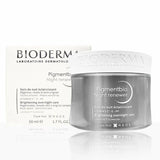
Updated on: 2026-05-20 Advanced skincare treatments can improve the appearance of skin when they are chosen with care and used in a structured routine. This guide explains how to assess your skin goals, understand in-clinic options, and support results with daily habits. You will also learn how to build a safe plan that balances actives, sun protection, and recovery time. Practical checklists and a step-by-step process help you make informed decisions. Table of Contents Essential Tips What Advanced Skincare Treatments Mean for Your Skin Detailed Step-by-Step Process Supportive Daily Routine That Improves Outcomes Advanced Safety and Compatibility Considerations Summary & Takeaway Q&A Section About the Author Advanced skincare treatments are designed to address skin concerns more deeply than basic cleansing and moisturizing. In practice, they work best when you match the treatment type to your goal, consider skin sensitivity, and support the process with consistent daily care. This article provides a clear framework so you can approach advanced options with confidence and reduce the risk of irritation. Essential Tips Define one primary goal at a time, such as texture improvement, clearer pores, or more even tone. Track how your skin behaves across days, including dryness, redness, stinging, and breakouts. Start with the least irritating approach that still aligns with your target outcome. Use sunscreen every day and treat it as a non-negotiable recovery step. Introduce new actives slowly and keep your baseline routine stable. Ask about ingredient and treatment interactions, especially if you already use retinoids or strong exfoliants. What Advanced Skincare Treatments Mean for Your Skin “Advanced skincare treatments” typically refers to procedures and structured regimens that use stronger delivery systems, higher-intensity formulas, or supervised techniques. These may include in-clinic methods, prescription-strength topical regimens, or carefully layered skin-care protocols. While options vary, the common theme is targeted action with a defined course and expected phases, such as preparation, active treatment, and stabilization. When advanced care is aligned with skin biology, results often appear gradually. Early changes can include improved hydration balance, smoother surface texture, and more consistent tone. Later improvements can involve reduced visible signs related to clogged pores, uneven pigmentation, or dullness. Because responses differ across skin types, the most effective plan is the one that is realistic for your lifestyle and tolerability. Layered skincare routine and recovery timeline icons If you want to support advanced treatments from home, focus on three essentials: gentle cleansing, barrier-friendly hydration, and daily sun defense. For cleansing that does not overstrip, consider a mild foaming cleanser such as Cetaphil Gentle Cleanser. For oil control and a more balanced look, a targeted wash like Oil Control Foam Wash can help maintain a stable baseline. Detailed Step-by-Step Process Use this process to plan advanced skincare treatments responsibly. Each step is designed to improve compatibility, reduce irritation risk, and support consistent progress. Assess your skin goals and triggers. Identify whether your concern is mainly texture, tone, pores, or surface dullness. Also note triggers such as heat, friction, harsh cleansers, or inconsistent sunscreen. Evaluate your current routine. List every product you use morning and night, including cleansers, moisturizers, serums, masks, and exfoliants. This inventory helps prevent accidental over-layering. Choose a treatment path: in-clinic, topical, or hybrid. In-clinic options can provide structured intensity. Topical regimens allow you to control frequency. A hybrid plan can be effective, but it requires careful timing. Prepare your skin for active ingredients. For many routines, barrier support improves comfort and stability. A simple hydration layer can reduce sensitivity during active phases. Introduce one active change at a time. If you plan to use multiple stronger ingredients, stagger them. This makes it easier to identify what works and what causes irritation. Set a realistic cadence. Advanced skincare treatments typically require consistent repetition. Start with a conservative frequency and adjust based on tolerance and observed response. Monitor for expected and unexpected reactions. Mild dryness or temporary tightness can be manageable. Persistent burning, swelling, or worsening redness is a sign to reduce intensity and seek professional guidance. Stabilize after active phases. Once your skin is calmer, focus on hydration and protective care. Stabilization helps preserve progress and supports long-term skin health. To help with hydration and comfort during active routines, choose moisturizers that feel supportive rather than heavy. If you use acne-prone care or need oil balance, a lightweight approach is often more consistent. For daily hydration with a smooth finish, you may explore Rich Facial Hydrating Lotion as part of a simplified baseline. For acne-focused routines and visible clarity support, a non-comedogenic sunscreen and gentle daytime care are important. A product like Acne UV Gel SPF 50 can be a practical example of balancing protection with skin comfort. Supportive Daily Routine That Improves Outcomes Advanced skincare treatments work best when you maintain consistent support throughout the week. The goal is to reduce friction, avoid unnecessary irritation, and keep skin protected from environmental stress. Morning routine for stable progress Gentle cleanse or rinse. If your skin is not oily, a rinse may be enough to reduce dryness. Targeted serum, if tolerated. Use one main active based on your goal, not a mix of multiple strong ingredients. Sunscreen as the final step. This helps prevent unwanted pigmentation and supports barrier recovery. Evening routine for repair and consistency Cleanse thoroughly but gently. Remove sunscreen and daily residue without stripping. Moisturize to support the barrier. Choose a moisturizer that reduces tightness and improves comfort. Use actives at a tolerable frequency. Many people benefit from a pattern of alternating active nights and recovery nights. If your plan involves tone care, you may consider gentle brightening support. For example, Brightening Serum can be used thoughtfully in a routine where irritation is monitored. For pigmentation-focused regimens, careful layering and sunscreen compliance matter more than aggressive frequency. If you are building a complete sunscreen strategy, select a formula that you are willing to use daily. For a richer consistency, Shadow Sunscreen Cream may suit those who prefer a thicker texture. Sun shield, cleanser droplet, and barrier comfort symbols Advanced Safety and Compatibility Considerations Safety is central to successful advanced skincare treatments. Even effective ingredients can cause setbacks if your skin is overwhelmed or if your routine layers incompatible actives. Ingredient compatibility checks Avoid stacking similar exfoliation methods. Using multiple exfoliating products at the same time can increase sensitivity and compromise the barrier. Consider retinoid timing. Retinoid-like regimens often require gradual introduction and consistent moisturization. Watch for sudden changes. A new product, a new cleanser, or a shift in climate can change tolerance quickly. Skin type adjustments For oily or acne-prone skin: prioritize gentle cleansing and consistent sunscreen. Keep hydration balanced to prevent rebound dryness. For dry or sensitive skin: slow the pace of actives and increase barrier support. Choose formulas that feel comfortable rather than drying. For combination skin: treat areas differently when possible. Many routines work best with a blended approach across zones. How to verify whether a plan is working Improvement is best measured by patterns, not by single-day changes. Look for sustained comfort, stable texture, and a gradual improvement in the targeted concern. If the routine worsens redness or causes repeated flare-ups, reduce frequency and simplify the regimen. For persistent or complex concerns, professional guidance is recommended. For people who prefer a more structured approach to exfoliation and support, products such as Pigment-Bio Foaming Face Wash can support cleansing needs while remaining gentle in routine design. If you want to focus on night care stability for uneven tone, Night Renewer is one example of a dedicated nighttime option to consider within a careful plan. Summary & Takeaway Advanced skincare treatments can be transformative when approached with structure, patience, and safety. Start by clarifying your goal, reviewing your current routine, and choosing a suitable treatment path. Build support through gentle cleansing, barrier-friendly hydration, and daily sunscreen, then monitor tolerance as you progress. When you prioritize consistency over intensity, you are more likely to maintain comfort and achieve visible improvements. Q&A Section Are advanced skincare treatments suitable for sensitive skin? They can be suitable, but the key is controlled pacing. Sensitive skin often requires slower introduction of actives, more barrier support, and a simplified baseline routine. If you experience persistent burning, swelling, or worsening redness, reduce frequency and seek professional evaluation. How can I combine topical actives with an in-clinic plan? Combination plans should be scheduled intentionally. Many people benefit from timing actives away from more intense sessions and focusing on soothing support during recovery periods. A clinician or qualified dermatologist can help map a safe sequence based on the treatment type and your tolerance. What is the role of sunscreen in advanced routines? Sunscreen is central because it protects against pigmentation changes and supports barrier stabilization. Even the most carefully selected advanced skincare treatments can underperform if daily sun defense is inconsistent. What signs indicate that I should adjust my routine? Routine adjustment is appropriate when you see prolonged irritation, recurring flare-ups, or a pattern of worsening texture despite reducing frequency. Simplifying the routine and returning to a gentle baseline can help restore stability. About the Author Name: Allodermis Editorial Team Expertise: The team specializes in skin-care education, formulation concepts, and routine design that emphasizes skin barrier support and practical compatibility. Personal note: We aim to make advanced skincare treatments easier to plan with clear, safe guidance. If your skin is complex or you are unsure about combining actives, consult a qualified professional for personalized advice. Thank you for choosing evidence-informed skin-care learning. Disclaimer: This article is for educational purposes only and does not provide medical advice, diagnosis, or treatment recommendations. Individual results vary, and skin-care responses depend on many factors including skin health, tolerance, and product selection. Consult a qualified healthcare professional or licensed dermatologist for concerns that are persistent, severe, or require personalized guidance.
Learn moreChemically Exfoliating Products Guide for Clearer Skin
Updated on: 2026-05-20 Chemically-exfoliating products can support smoother texture and clearer-looking skin by helping to renew the surface layer. They work through acids or enzymes, which can be more controlled than mechanical scrubbing when chosen correctly. Success depends on selecting the right type and strength, using a consistent routine, and matching products to your skin condition. With careful patch testing and gradual introduction, many users can reduce dullness while maintaining comfort. Table of Contents Product Spotlight Step-by-Step How-To Personal Experience Summary & Recommendations Q&A Section Product Spotlight Chemically-exfoliating products are designed to refine the look of skin by encouraging more even turnover. The most common categories are alpha hydroxy acids, beta hydroxy acids, and enzymes. When used with a barrier-supporting routine, these formulas can help reduce the appearance of roughness, clogged pores, and surface dullness. One approach is to choose a cleanser or serum that complements your main exfoliation step. A gentle wash can reduce friction and leave fewer residues that may worsen dryness. For example, consider pairing your exfoliating routine with a mild baseline cleanser such as Cetaphil Gentle Cleanser. This helps maintain comfort while you introduce actives. For uneven tone concerns, users often select a targeted product after exfoliation rather than adding multiple exfoliating layers at the same time. If your routine already includes a brightening-focused option, you can align exfoliation with hydration. You may explore a hydrating lotion like Excela Rich Facial Hydrating Lotion to support a smoother feel after active use. Diagram of acids, enzymes, and calm skin barriers When selecting chemically-exfoliating products, consider your skin type and the primary goal. If you are prone to visible texture and clogged pores, beta hydroxy acids are often chosen for their oil-soluble behavior. If your main concern is surface dullness and uneven tone, alpha hydroxy acids and certain supportive enzymes may be more appropriate. The key is selecting one exfoliation pathway and keeping the rest of your routine steady. Step-by-Step How-To Below is a practical, routine-based method for using chemically-exfoliating products safely and consistently. This approach emphasizes gradual frequency, barrier care, and responsive adjustments. Start with a clear objective. Choose one main outcome such as smoother texture, improved radiance, or reduced appearance of clogged pores. This reduces the temptation to use multiple actives at once. Choose the right exfoliation category. Identify whether you are using an alpha hydroxy acid, beta hydroxy acid, or an enzyme-based formula. Match the category to your skin pattern rather than following trends. Patch test before full use. Apply the product to a small area and observe comfort for multiple days. Stop if you notice persistent burning, swelling, or significant irritation. Introduce frequency slowly. Begin with a low frequency, such as one or two times per week. Increase only after your skin remains comfortable and stable. Apply to clean, dry skin. Use your cleanser, then wait until the skin is fully dry before applying the exfoliating product. This can help reduce unnecessary harshness. Use a barrier-supporting moisturizer. After exfoliation, apply a hydrating layer to reduce the chance of dryness and tightness. A consistent moisturizer improves tolerance for chemically-exfoliating products. Do not combine too many exfoliants in one routine. Avoid layering strong exfoliating acids, scrubs, and harsh toners on the same day. If you use additional actives, introduce them one at a time. Follow with sun protection in the daytime. Exfoliated skin can appear more sensitive to ultraviolet exposure. Use a daily sunscreen such as Acne UV Gel SPF 50 to support an even look over time. Track results and adjust. If you experience persistent dryness, reduce frequency. If the skin feels comfortable but results are slow, maintain the same frequency and ensure consistent use. Routine timeline with cleanser, exfoliant, moisturizer, sunscreen For many users, the most overlooked step is the selection of compatible companion products. A strong cleanser combined with a strong exfoliant can increase dryness. If you also manage breakouts, a consistent approach matters. For example, acne-prone routines often benefit from non-stripping cleansing and a sunscreen that does not feel heavy. You can also explore targeted skincare options such as Aze Proactive Serum for supportive hydration and clarity-focused care, while still keeping exfoliation frequency modest. In addition, consider how you apply the exfoliating product. Excess product or extended contact can increase irritation. Use the amount suggested on the label and follow the direction for leave-on or rinse-off use. If the formula is leave-on, avoid immediate layering with multiple strong actives. Personal Experience When I first evaluated chemically-exfoliating products, I treated them like a quick fix. I used a stronger exfoliant more often than my skin could tolerate. Within days, my face felt tight, and my complexion looked less even. I expected instant clarity, but the result was irritation that made everything harder to manage. After that, I changed only two variables. First, I reduced exfoliation frequency and used it on a consistent schedule. Second, I improved the supportive layers by using a gentle cleanser and a reliable moisturizer. My skin gradually became more comfortable, and the texture I wanted started to appear. The improvement did not happen overnight, but the routine became sustainable. The lesson was clear: chemically-exfoliating products can support refinement, but skin systems require balance. Barrier support, sunscreen use, and gradual introduction mattered more than strength alone. Summary & Recommendations Chemically-exfoliating products can be an effective part of a modern skincare routine when you treat them as a controlled tool rather than an aggressive step. Select a category based on your skin pattern, introduce the formula slowly, and keep your non-exfoliating products gentle and consistent. Practical recommendations: Choose one exfoliation category to start, such as alpha hydroxy acids, beta hydroxy acids, or enzyme-based formulas. Patch test and monitor comfort before increasing frequency. Use a moisturizing step after exfoliation to support barrier function. Use sunscreen daily, including I Shield Sunscreen Cream SPF 50 PA, to maintain an even look. If you are building a routine, start with the basics. Consider a gentle cleanser, select one exfoliation product, add moisturizer, and then protect with sunscreen during the day. This structure is reliable for most skin types. Q&A Section How often should I use chemically-exfoliating products? Most users begin with one to two times per week. If your skin stays comfortable, you can gradually increase frequency. If you notice persistent dryness, redness, or stinging, reduce use and focus on barrier support. What isn not allowed when using chemically-exfoliating products? You should avoid combining multiple strong exfoliants in the same routine. This includes harsh scrubs, strong acid toners, and additional leave-on exfoliants at the same time. If you use other actives, introduce them slowly so you can identify what your skin tolerates. How can I tell whether the product is right for my skin? Look for comfort and stability. A good fit feels tolerable within the first days and supports gradual improvement in texture. If you experience sustained burning, significant peeling, or swelling, stop use and reassess product choice and frequency. Do chemically-exfoliating products replace moisturizer and sunscreen? No. Exfoliation supports surface renewal, but moisturizer helps maintain barrier comfort and reduces dryness. Sunscreen helps protect against ultraviolet exposure that can worsen the appearance of uneven tone. About the Author Section Name: Allodermis Expert Expertise: Skincare formulation strategy, routine building, and ingredient selection guidance for everyday use. Bio: The Allodermis team focuses on practical, evidence-aligned approaches to improving skin comfort and clarity. This article reflects a structured understanding of how exfoliation fits into a complete routine. Thank you for reading and for choosing informed skincare decisions. Disclaimer: This article is for educational purposes only and does not provide medical advice. Individual results vary based on skin type, product formulation, and routine consistency. If you have sensitive skin, active irritation, or a diagnosed skin condition, consider consulting a qualified healthcare professional before using exfoliating actives.
Learn moreTanned Skin Treatment Explained: Causes, Prevention, Best Treatments, Timelines, and Aftercare
Tanned skin (suntan) is the skin’s protective response to UV radiation, which triggers pigment cells (melanocytes) to increase melanin production and distribute it upward in the skin. Even though this makes the skin appear darker, tanning is fundamentally a marker of UV stress and cellular damage. While a tan can fade, recurrent sun exposure can lead to persistent pigmentation, uneven tone, and premature aging. Tanning is primarily driven by UVA and UVB radiation, as well as the oxidation of existing melanin. Because tanning signals UV injury, prevention—specifically broad-spectrum SPF 30 or higher sunscreen applied consistently—is the highest-impact step, and the most effective treatment involves combination therapy guided by the individual's skin type and pigment depth.
Learn moreAnti-Aging Serums: How to Choose the Right Formula
Updated on: 2026-05-19 Anti-aging serums are concentrated skincare formulas designed to support the look of smoother, more even skin. The most effective routines pair the right serum ingredients with consistent cleansing, moisturizing, and sun protection. This guide explains how to evaluate ingredients, choose a serum for your skin needs, and avoid common purchasing and usage errors. You will also find a practical application method and a checklist to reduce irritation while improving visible skin texture over time. Common Mistakes to Avoid Pros & Cons Analysis Quick Tips Wrap-Up & Key Insights Q&A Section Understanding Anti-Aging Serums and What They Can Support Anti-aging serums are purpose-built skincare products that deliver targeted ingredients to the skin. Many people begin with serums because they are lightweight, designed for face layering, and often formulated at higher concentrations than basic moisturizers. Instead of promising a single dramatic outcome, well-designed anti-aging serums aim to support multiple day-to-day needs, such as hydration, skin barrier strength, and the appearance of fine lines and uneven tone. In practical terms, anti-aging skincare focuses on visible changes that tend to accumulate over time. These include dryness-driven texture, reduced radiance, and the look of aging-related variability in tone. A serum can help because it sits on the skin surface and provides a consistent delivery method when used correctly. Still, results depend on ingredient selection, application habits, and protection from ultraviolet exposure. If your current routine feels inconsistent, a targeted serum can add structure. Start with a clear goal, such as improved hydration, smoother texture, or reduced visible discoloration. Then choose a serum whose ingredient profile matches that goal. Hydration layers symbol and skin texture map Common Mistakes to Avoid Many people purchase anti-aging serums with high expectations but use them in ways that limit benefits or increase irritation. Avoiding these mistakes helps your routine stay steady and reduces the risk of redness, tightness, or breakouts. Skipping sunscreen. Without daily sun protection, many anti-aging ingredient benefits are harder to maintain. Ultraviolet exposure can increase dryness and worsen the look of uneven tone. Using too many actives at once. Stacking multiple strong ingredients can overwhelm the skin barrier. When irritation occurs, your routine becomes less consistent, and the skin may look worse. Choosing by marketing terms only. Terms such as “anti-wrinkle” or “instant glow” do not replace ingredient logic. Focus on verified ingredient types and how they align with your skin needs. Applying too much product. More serum is not always better. Excess product can feel heavy, increase friction, and reduce comfort, especially on combination or acne-prone skin. Not matching the formula to your skin type. A serum that feels too rich may worsen congestion for oily skin. A serum that is too light may not support dryness for dry skin. Over-exfoliating. When exfoliation is too frequent, the skin barrier can weaken. Barrier disruption often causes persistent tightness and visible roughness. Another frequent error is poor consistency. Anti-aging routines work best when usage is predictable. If you apply a serum only when you remember, your skin may not receive steady support. Pros & Cons Analysis Anti-aging serums can be an effective part of a modern skincare routine. However, they are not a universal solution. Consider the trade-offs before you commit. Pros Targeted ingredient delivery. Serums are designed to concentrate specific actives and support focused skin goals. Layering-friendly texture. Many formulations spread easily and integrate with moisturizer and sunscreen. Routine customization. You can choose a serum based on hydration, radiance, texture, or tone. Long-term support. Consistent use can help maintain skin comfort, especially when paired with barrier-supporting products. Improved visibility of results. Because serums are applied directly to facial skin, many people notice changes in softness and evenness over time. Cons Higher irritation risk with strong blends. Some active ingredients can trigger redness if used too soon or too frequently. Not a substitute for sunscreen. No serum replaces ultraviolet protection, which is central to anti-aging outcomes. Complex ingredient education. Without ingredient literacy, it is easy to choose a product that does not match your skin needs. Patch testing may be necessary. Skin sensitivity varies widely. Testing reduces the chance of a reaction. Potential for routine overload. If your routine already includes multiple actives, adding another serum can disrupt balance. Quick Tips Use the checklist below to select and apply anti-aging serums with a practical approach. The goal is improved comfort, better tolerance, and steady skin support. Start with one serum. Choose one primary goal, such as hydration or tone support, and keep other actives minimal at first. Apply to clean, slightly damp skin. This supports even spreading and can improve comfort for many skin types. Use a thin layer. A small amount is usually enough. Smooth it evenly over the face and neck. Follow with moisturizer. Serum benefits often feel more stable when the barrier is supported with a compatible moisturizer. Wear sunscreen every morning. Even on cloudy days, daily sun protection helps reduce the impact of ultraviolet exposure. Introduce changes slowly. If your skin is sensitive, begin with a few applications per week and increase gradually. Be consistent for at least one routine cycle. Skin benefits usually appear with regular use rather than sporadic application. Watch for tolerance signals. Temporary mild tingling can occur with certain actives, but persistent burning, swelling, or intense redness is a sign to stop and reassess. How to choose the right serum ingredient profile Anti-aging serums are not interchangeable. Ingredient families can be selected based on your top priority. For hydration and barrier support, look for formulas that include moisturizing humectants and skin-conditioning agents. For smoother texture and a more refined look, choose actives designed for gradual surface renewal. For tone support, prioritize products that aim to reduce the appearance of uneven pigmentation and help skin look more uniform. If you already use a facial cleanser and moisturizer, ensure the serum you select does not clash with those formulas. For example, if you use a hydrating lotion, your serum should complement it rather than overcomplicate the routine. Routine timeline with cleansing, serum, moisturizer, sun Suggested layering routine A simple structure reduces confusion. The routine below is designed to remain practical across most skin types, with adjustments based on tolerance and ingredient strength. Morning: cleanse, apply your anti-aging serum, moisturize, and finish with a broad-spectrum sunscreen. Evening: cleanse, apply the serum, and moisturize. If you use exfoliating products, keep them separate from serum nights to reduce irritation. Where skincare products fit in While serums are the focus, your routine depends on foundational steps. A gentle cleanser supports barrier integrity, and a consistent moisturizer helps lock in hydration. If you seek acne-prone support, a cleanser and sunscreen that are compatible with oily skin can make anti-aging serums easier to tolerate. For an example of a gentle cleansing approach, you may consider gentle cleanser. If your routine needs a hydrating base, explore facial hydrating lotion. For day-time ultraviolet protection, review SPF 50 sunscreen. If you are also working on skin clarity, consider a proactive serum as a complementary option, depending on your ingredient strategy. Wrap-Up & Key Insights Anti-aging serums can be a high-value step when they are selected for your specific skin goals and used with a consistent routine. The most common errors involve skipping sunscreen, overloading the skin with too many strong actives, and applying products inconsistently. When you build a balanced routine that includes cleansing, moisturizing, and daily sun protection, anti-aging skincare becomes more predictable and more comfortable. If you want to refine your approach, start with one serum, match its ingredient profile to your priority, and introduce it gradually. Make your daily sunscreen non-negotiable, and adjust based on skin tolerance. Disclaimer: This article is for educational purposes only and does not provide medical advice. Individual results vary, and skincare products may not be suitable for everyone. If you have sensitive skin, allergies, or a dermatological condition, consult a qualified healthcare professional before starting a new skincare routine. Q&A Section How often should I use anti-aging serums? Most people start with a conservative schedule, such as a few applications per week, then increase frequency as skin tolerance allows. If your serum contains strong actives, using it less often can reduce irritation. Once your skin feels comfortable, you may use it as directed to support your targeted goals. Can I use anti-aging serums with acne-prone or sensitive skin? Yes, but the selection matters. Choose a serum with an ingredient profile that aligns with your skin needs and prioritize barrier-friendly hydration. If your skin is reactive, patch testing and slow introduction are important. Also ensure your cleanser and moisturizer are compatible, because discomfort can increase when the routine is not well balanced. What shouldn’t I mix with anti-aging serums? Avoid stacking multiple strong exfoliants or several high-intensity actives on the same night if your skin becomes irritated easily. If you use exfoliation or retinoid-style products, consider spacing them apart. When in doubt, introduce one variable at a time so you can identify what your skin tolerates best. Do anti-aging serums replace sunscreen? No. Anti-aging serums can support skin appearance, but daily sunscreen remains a key part of any anti-aging plan. Ultraviolet exposure influences many visible signs of aging, including uneven tone and dryness-related texture. About the Author Section Allodermis The author team at Allodermis focuses on skincare education and ingredient-aware routines designed for everyday consistency. With expertise in dermatology-informed product selection and customer needs, the goal is to help you build a practical anti-aging strategy that feels sustainable. Thank you for reading, and we encourage you to choose thoughtfully and stay consistent.
Learn more