


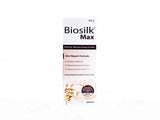
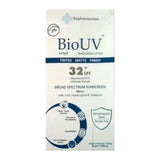
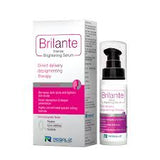
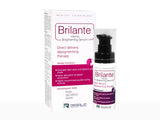

































Skin Acacdemy

Skin Rejuvenation Services: Benefits by Skin Type
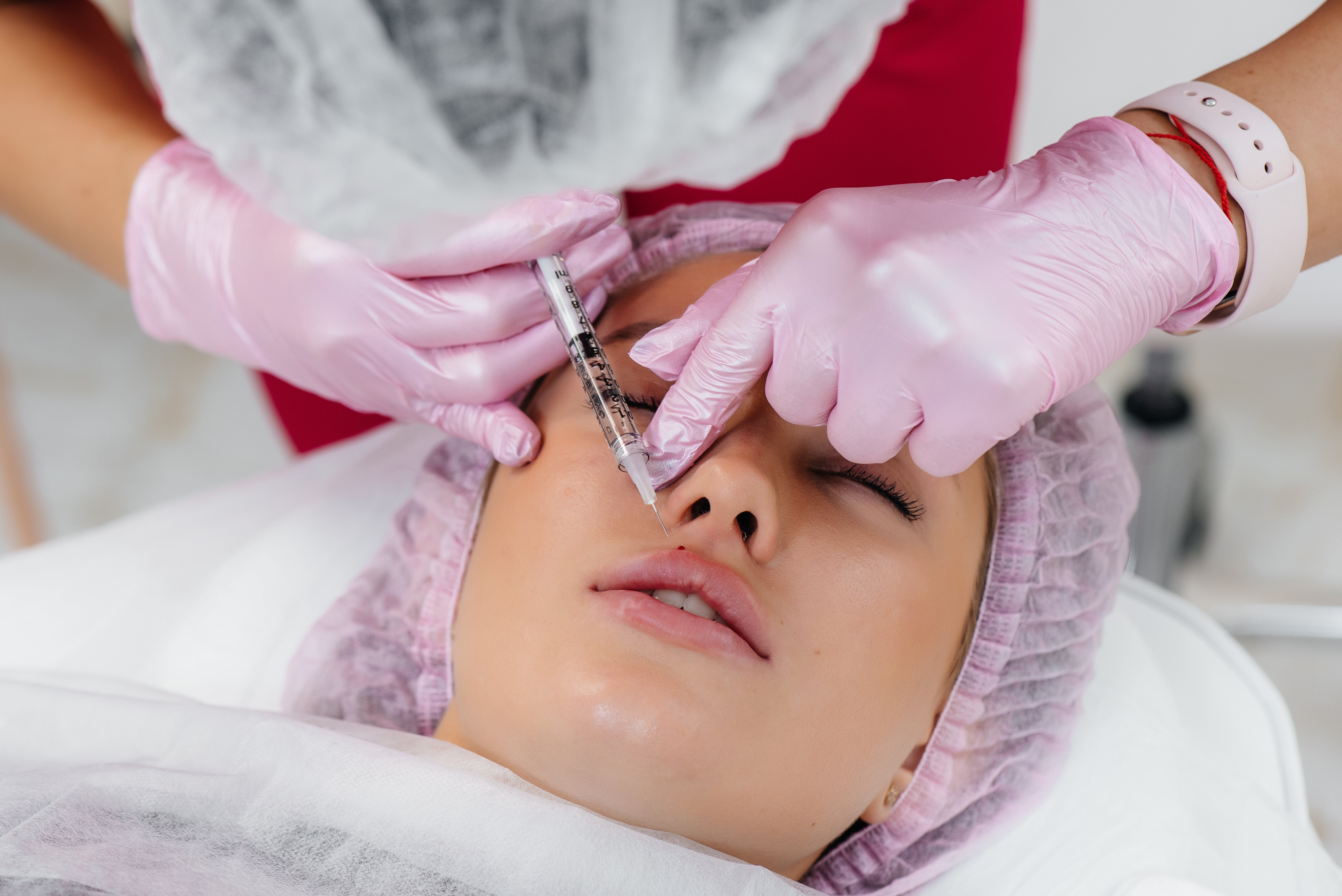
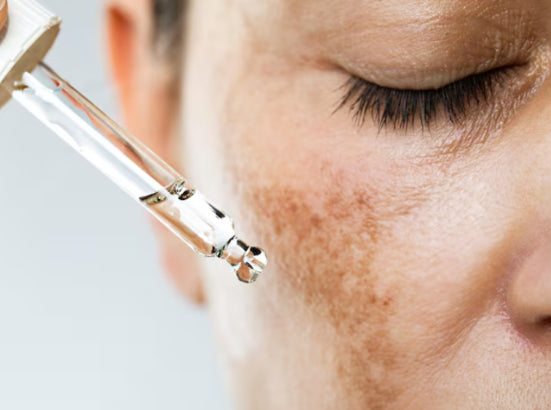
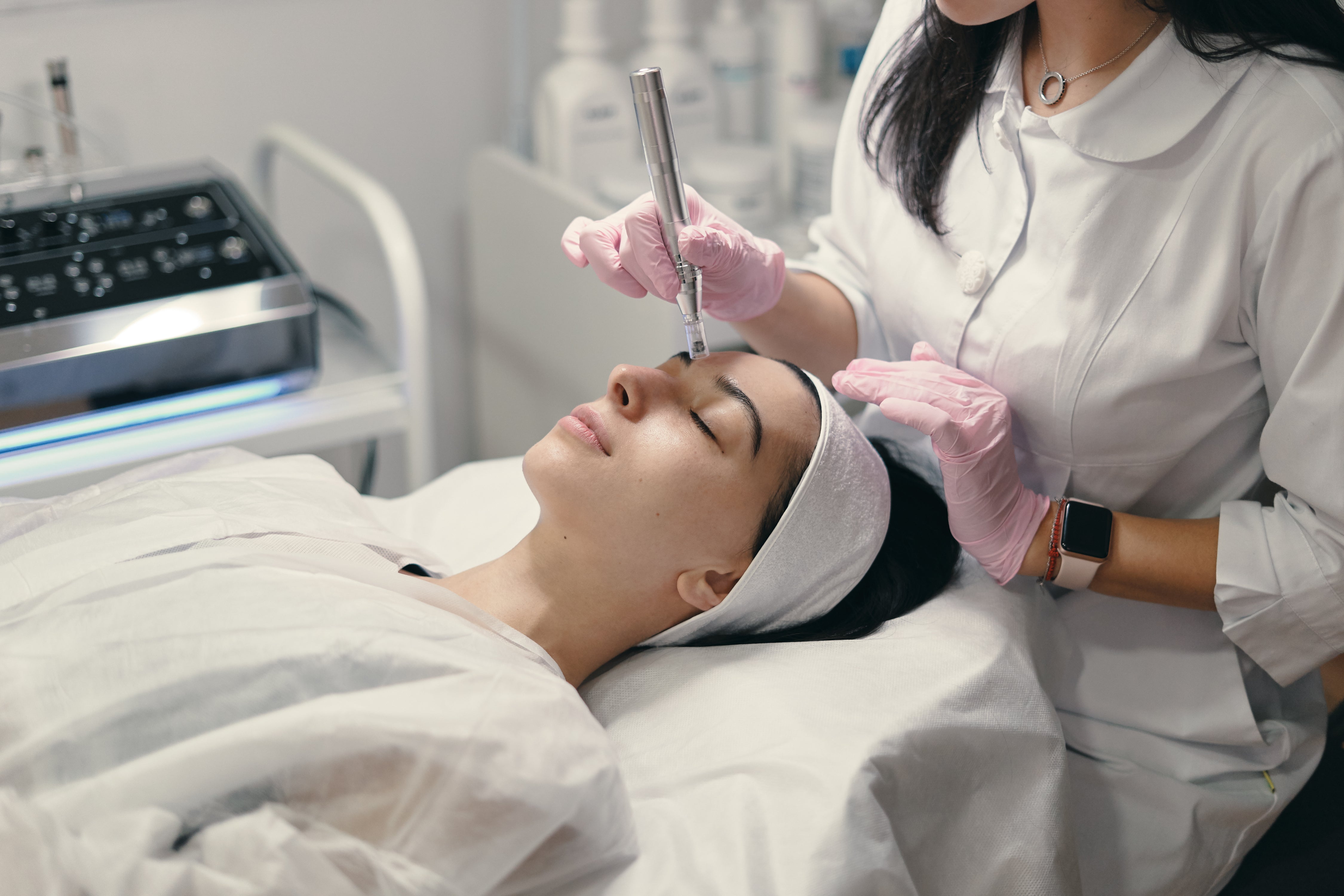
Updated on: 2026-06-21 Skin rejuvenation services can help improve the look and feel of the skin across multiple concerns, such as dullness, uneven tone, and texture. The right plan combines professional treatments with careful at-home support and realistic expectations. In this guide, you will learn how to evaluate options, prepare for a session, and maintain results safely. You will also find expert tips, a relatable scenario, and practical answers to common questions. Table of Contents 1. Introduction 2. Did You Know? 3. Expert Tips 4. Personal Anecdote 5. How Skin Rejuvenation Services Work 6. Choosing the Right Services for Your Skin 7. Preparation and What to Expect 8. Aftercare That Protects Results 9. Myth-Busting for Safer Expectations 10. Visual Guidance 11. Summary & Takeaways 12. Q&A Section 13. About the Author Skin Rejuvenation Services: A Practical Guide to Smoother-Looking Skin Skin rejuvenation services have become a key part of modern skincare routines because they address visible concerns in a structured way. Many people want skin that appears brighter, feels smoother, and looks more even. The challenge is choosing services that match your skin needs, lifestyle, and tolerance for downtime. This article explains how professional options typically function, what to consider before committing, and how to maintain results with consistent skin care. When you approach skin rejuvenation services with a thoughtful plan, you can improve your overall skincare outcomes. You also reduce the risk of disappointment that comes from mismatched expectations. Below, you will find an objective framework you can use to evaluate providers, select appropriate modalities, and support your skin between sessions. Did You Know? Skin rejuvenation services often target multiple layers of skin, not only the surface. Consistency and photoprotection are frequently as important as the treatment itself. Different skin concerns can share similar root causes, such as inflammation and sun exposure. Many plans include both in-clinic work and at-home routines for better stability of results. Micro- and macro-texture improvements may take several weeks to look fully integrated. Expert Tips Start with a clear goal statement, such as improving glow, reducing dullness, or refining texture. Ask how the plan is customized for your skin type, sensitivity level, and current regimen. Request a simple timeline for preparation, session expectations, and maintenance intervals. Choose products that support barrier health, especially if your skin is easily reactive. Use sunscreen daily and reapply when you spend time outdoors, because light exposure drives ongoing change. Personal Anecdote I once evaluated a skincare plan for a client who felt frustrated after using multiple new products at the same time. The goal was “faster results,” but the skin barrier became unstable. Once we paused unnecessary changes, stabilized hydration, and focused on a targeted in-clinic approach, the skin began to look more uniform. The turning point was not one dramatic step; it was a coordinated strategy that balanced treatment and aftercare. This experience reflects a common pattern: skin rejuvenation services work best when they are integrated into a coherent routine rather than treated as an isolated event. How Skin Rejuvenation Services Work Skin rejuvenation services are not a single technique. They are a category of professional approaches designed to improve visible skin quality. The most suitable options depend on your primary concerns, such as uneven tone, fine lines, rough texture, post-acne marks, enlarged pores, or early sagging. In general, professional modalities aim to influence one or more of the following pathways: Surface renewal to support smoother texture and more even appearance. Collagen support to enhance firmness and the look of fine lines over time. Targeted pigment management to reduce the contrast of discoloration. Inflammation balance to calm reactive skin and support consistent tone. Hydration optimization to improve comfort and the look of “healthy glow.” Many plans are designed in stages. A provider may suggest initial sessions for visible change and later maintenance sessions to help the improvements remain stable. Even when a modality is highly effective, at-home care often determines whether results look consistent day to day. Layered skin diagram with light, texture, tone symbols Choosing the Right Services for Your Skin Choosing the right services begins with specificity. A strong provider does not offer a one-size-fits-all solution. Instead, they evaluate skin type, sensitivity, medical history, and the likelihood that your current routine supports the intended outcome. Use the following criteria as a checklist: Match the service to the main concern If your priority is dullness, you may need options focused on surface renewal and hydration. If the focus is uneven tone or marks, the plan may emphasize pigment-targeting strategies and careful sun management. If the main concern is texture and firmness, collagen-support approaches may be discussed. Confirm compatibility with your skin barrier Barrier-friendly skincare helps reduce irritation and supports recovery. If you have sensitive or easily inflamed skin, you may benefit from a plan that prioritizes gentle preparation, short recovery windows, and supportive moisturization. Ask about safety screening and contraindications Reputable providers clarify eligibility and avoid oversimplified promises. They should explain who may need to postpone or modify certain services and how they adjust protocols for different skin tones and sensitivity levels. Request a realistic expectation statement Visible improvements typically develop gradually. A provider should provide a clear description of what changes you can expect, how long they may take, and what maintenance looks like. If you also want structured at-home support, you can consider category-appropriate cleansers and moisturizers. For example, a gentle cleanser can help maintain comfort before and after sessions, such as Gentle Cleanser. For day-to-day hydration and calming support, you may also evaluate Rich Hydrating Lotion. Preparation and What to Expect Preparation should be practical, not complicated. A provider may recommend routine adjustments to reduce irritation and improve consistency. Many plans include guidance on cleansing, moisturizing, and sun protection for several days before the appointment. What you can generally expect during a consultation: A skin assessment under consistent lighting to identify texture, tone, and sensitivity. A review of your current products and recent changes. A discussion of goals, timelines, and realistic improvement ranges. An explanation of session steps and typical aftercare. What you can generally expect during the session depends on the chosen modality. Some services include a cooling phase or a calming step after treatment. If your skin is prone to redness, ask in advance about comfort measures and recovery support. Aftercare That Protects Results Aftercare is the portion of the process you control most directly. It can influence whether your skin looks smoother faster or instead appears irritated. A high-quality aftercare plan usually includes gentle cleansing, targeted moisturization, and strict photoprotection. Key aftercare priorities: Keep cleansing simple so the skin barrier remains stable. Use moisturizers that support the barrier and reduce dryness-related dullness. Avoid unnecessary actives temporarily if your skin is sensitive during recovery. Maintain daily sunscreen to prevent pigment contrast and support consistent tone. Sunscreen is a cornerstone for results. If you need a reliable daily option, you may consider Acne UV Gel SPF 50 or Sunscreen Cream SPF 50 PA. These categories support the goal of preventing light-related worsening of marks and uneven tone. Some people also benefit from targeted serum support. For example, a brightening-focused serum may complement a pigment-oriented plan, such as Brightening Serum. The best choice depends on how your skin responds during recovery. Moisturizer dropper, gentle sun shield, soothing icons Myth-Busting for Safer Expectations Skin rejuvenation services are surrounded by assumptions. Clarifying these myths can improve decision-making and reduce unnecessary product changes. Myth: One service is enough for long-term change Many improvements are cumulative. The skin remodels over time, and maintenance supports stability. A plan that includes follow-up sessions often looks more consistent than a single appointment. Myth: Strong actives always speed up results Overuse of strong actives can destabilize the barrier and cause redness. When the barrier is compromised, skin may look uneven and feel uncomfortable, which can undermine the visible impact of professional work. Myth: Results look identical for everyone Skin biology, lifestyle, and baseline concerns differ. Some clients see visible changes quickly, while others notice improvement gradually. The most reliable approach is to track skin appearance over time rather than judging in the first few days. Myth: Sunscreen is optional Sunscreen helps protect investments. Without consistent photoprotection, tone-related concerns can appear more pronounced. This is especially important when you are addressing pigment variability or post-acne marks. Visual Guidance When you compare providers or modalities, look for clarity in how the plan is explained. A strong consultation includes a simple rationale and a roadmap. Visual learning can help you connect treatment intent with expected outcomes. Use your appointment notes to document three items: your primary concern, the chosen service pathway, and the aftercare routine recommended. This makes it easier to evaluate improvement honestly at later follow-ups. Summary & Takeaways Skin rejuvenation services can support visible improvements in texture, tone, and overall skin appearance when you choose wisely and maintain a consistent routine. The most effective approach aligns the service with your primary concern, prioritizes barrier stability, and includes dependable photoprotection. Aftercare is not an add-on; it is a key part of whether the results look smooth and integrated. Actionable takeaways: Define your main goal and discuss it clearly during your consultation. Select a plan that considers your skin sensitivity and current regimen. Follow aftercare guidance closely, especially moisturization and sunscreen use. Track changes gradually and avoid frequent product switching during recovery. If you want additional at-home support, consider pairing gentle cleansing and consistent hydration with sun protection. For tailored routine-building, you may explore skincare essentials on the Allodermis storefront. Q&A Section Are skin rejuvenation services suitable for all skin types? Many individuals can benefit, but suitability depends on your skin type, sensitivity, and the chosen modality. A professional consultation should include skin assessment and safety screening. If your skin is reactive, the provider should adjust the plan and recovery approach to reduce irritation. How should I prepare for my first appointment? Preparation typically includes reviewing your current skincare routine and avoiding unnecessary changes shortly before the session. Follow the provider’s instructions for cleansing and moisturization. If you use active ingredients, ask whether you should pause them temporarily and for what duration. What aftercare steps matter most for maintaining results? Aftercare usually prioritizes gentle cleansing, consistent moisturization, and daily sunscreen. These steps help protect the skin barrier and reduce the risk of tone-related worsening. If your provider recommends temporary pauses of certain actives, follow that guidance closely. Will results appear immediately? Some visible effects may occur early, such as improved comfort or glow. However, many texture and firmness changes develop gradually as the skin stabilizes and remodels. A realistic expectation includes a multi-week horizon for integrated results. About the Author Allodermis is a skincare-focused brand with expertise in evidence-informed routines and barrier-first support. The author writes from a perspective rooted in professional skincare education, helping readers translate treatment concepts into practical day-to-day habits. The goal is to support informed decisions and consistent care that respects individual skin needs. Thank you for reading and for investing in a thoughtful approach to skin rejuvenation services.
Learn more
Anti-Aging Skincare Mistakes That Slow Your Glow
Anti-aging skincare is not about chasing a single miracle ingredient. It is a disciplined routine that supports healthier-looking skin over time. In this guide, you will learn how to choose products by skin function, build a step-by-step regimen, and align daily habits with evidence-based skin care principles. You will also find practical recommendations for cleansing, hydration, sun protection, and targeted treatment. The goal is consistent, skin-friendly care that reduces the visible signs of aging while preserving skin comfort. Updated on: 2026-06-21 Key Takeaways Product Spotlight Step-by-Step How-To Personal Experience Summary & Recommendations Q&A Section About the Author Short Takeaways Anti-aging skincare works best when it is built around three pillars: gentle cleansing, daily hydration, and consistent sun protection. Targeted actives can further support visible brightness and smoother texture, especially when used steadily. Choose formulas that match your skin barrier needs and avoid frequent over-correction. Track how your skin responds and adjust gradually to maintain comfort and long-term results. Product Spotlight: Daily Broad-Spectrum Sunscreen for Visible Anti-Aging Support Broad-spectrum sunscreen is the most important product in an anti-aging skincare routine because ultraviolet exposure is a major driver of visible aging signs. When sun protection is consistent, skin often looks more even, feels more comfortable, and shows fewer new dark marks over time. A well-formulated sunscreen can also help reduce the daily stress your skin experiences from light exposure. For face care, consider choosing a sunscreen designed for everyday wear and easy reapplication. If you want a reliable option that aligns with daily habits, you can review a dedicated facial sunscreen here: daily face sunscreen. In a routine focused on barrier-friendly care, sunscreen also pairs well with moisturizers and gentle exfoliation, allowing actives to work with less irritation. When selecting sunscreen, look for these practical features: a broad-spectrum claim, a skin-comfort texture, and stability for daily use. If you wear makeup, a non-greasy finish can improve adherence. If you have sensitive skin, prioritize formulations that feel light and do not create tightness after application. Light rays, shield icon, and even-skin color map Step-by-Step How-To: Build an Effective Anti-Aging Skincare Routine A strong regimen is not defined by the number of products. It is defined by order, consistency, and skin compatibility. Use the steps below to structure your routine for comfort and steady visible improvement. Cleanse gently in the morning and evening. Use a cleanser that removes surface oil and impurities without leaving skin tight. Over-stripping can weaken the barrier and reduce how well other products perform. For a low-friction option, you may consider a gentle daily cleanser. Apply a hydrating layer to support the barrier. Hydration improves the look of fine lines because well-moisturized skin reflects light more evenly. Choose a lotion or serum that feels comfortable and supports long-term wear. If you want an example of a hydration-forward facial approach, you can review a rich facial hydrating lotion. Use targeted treatment for visible concerns. Different concerns respond to different actives. For brightness and uneven tone, consider vitamin C-based formulas. For texture and resilience, look for formulas that support exfoliation carefully. Keep the frequency moderate at first to avoid irritation. Finish with broad-spectrum sunscreen every morning. Apply to the face and neck as the last step. Reapply when you are outdoors for extended periods. Sunscreen is the central product that helps protect the results of your other work. Create an evening routine focused on recovery. Cleanse, hydrate, and then use your treatment product(s) based on tolerance. The evening is ideal for formulas that support renewal. Use a calm schedule and do not introduce multiple new actives in the same week. Exfoliate with restraint. If your skin tolerates it, incorporate exfoliation to support smoother texture. Use low frequency and monitor dryness. Consider adjusting based on seasons and stress. Support your routine with skin-friendly habits. Avoid harsh scrubs, manage dryness, and keep your sleep consistent. Your daily environment can affect how your skin behaves, so adjust your routine when needed. To make the routine easier to follow, you can organize products into three categories: cleanser, hydrating base, and targeted actives. Then add sunscreen in the morning. This structure reduces decision fatigue and supports adherence, which is the most common reason people see limited progress. How to choose the right actives without irritation When building anti-aging skincare plans, the most frequent issue is not a missing product. It is an incompatible combination that overwhelms the barrier. Start with one treatment at a time, use a conservative frequency, and increase only if your skin remains comfortable. Pay attention to redness, stinging, and persistent dryness. If those appear, reduce frequency and return to hydration and barrier support. For users who prioritize brightening support, a vitamin C product can be a useful option. You may explore vitamin C liposomal serum as one example of a brightening-focused approach. For acne-prone or oily skin that also needs daily protection, you can also consider oil-control sunscreen to reduce shine while maintaining protection. Layered routine steps, dropper icons, and calendar schedule Personal Experience: What Changed My Results During the early stages of my own routine, I focused on finding the “strongest” product. I changed multiple steps within the same week and expected fast improvement. Instead, my skin became reactive. It felt rough, looked dull, and any brightening effect disappeared quickly. What helped me was a shift in method. I reduced my routine to the essentials: gentle cleansing, consistent hydration, and daily sunscreen. I then reintroduced a single targeted active, slowly, while keeping everything else stable. Over a few weeks, my skin calmed down. My texture looked smoother, and my overall tone appeared more even under natural light. This experience reinforced a simple principle: steady anti-aging skincare habits outperform rapid changes. Another practical lesson was tracking irritation triggers. Seasonal dryness, stress, and inconsistent sleep affected how my skin responded to treatment. When I adjusted hydration and reduced exfoliation frequency, my skin returned to baseline comfort. The most sustainable routine was the one that I could maintain without causing dryness or redness. Summary & Recommendations Anti-aging skincare should be approached as a system, not a single product strategy. The highest-impact step is broad-spectrum sunscreen, used consistently and applied correctly. Gentle cleansing and reliable hydration support barrier health, which improves how your skin tolerates actives. Targeted treatments can help with visible tone and texture concerns when introduced gradually and used consistently. Recommendations to implement now: Keep cleansing gentle and avoid daily over-exfoliation. Use a hydrating base to reduce visible dryness and improve comfort. Choose one targeted treatment at a time to avoid irritation. Apply sunscreen every morning as the final step and reapply when needed. If you want a clear starting point for daily care, consider building your regimen with a gentle cleanser such as gentle cleansing, a hydrating lotion such as deep hydration, and a daily sunscreen like face sunscreen coverage. Q&A Section Which ingredient categories are most useful for anti-aging skincare? Look for categories that support hydration, sun protection, and gradual improvement in tone and texture. Vitamin C is commonly used for brightness support, while careful exfoliation can help with smoother texture. For barrier-focused routines, glycerin-based hydration and soothing ingredients can reduce visible dryness. The most important category is sunscreen, because it protects new skin changes from forming due to ultraviolet exposure. How often should I exfoliate when I am building an anti-aging routine? Exfoliation frequency depends on skin tolerance. Many people benefit from a conservative schedule, such as using exfoliating products a few times per week rather than daily. If your skin becomes dry, stings, or appears red, reduce the frequency and emphasize hydration. Consistency matters more than intensity, especially when your goal is long-term comfort and steady improvement. Can I combine multiple active ingredients in the same routine? It is possible, but it is usually safer to combine gradually. When too many actives are introduced at once, irritation can increase and reduce adherence. Start with one active treatment and evaluate skin response for several weeks. Then add another if your skin remains comfortable. A barrier-supporting moisturizer and careful cleansing can also reduce the risk of sensitivity. What is the best way to apply sunscreen for better results? Apply sunscreen as the last step in your morning routine to face and neck. Use enough product to cover the skin evenly. Reapplication is important when you are outdoors for extended periods. Consistent application helps maintain protection throughout the day and supports the overall effectiveness of your skincare plan. About the Author Section Allodermis Allodermis is an established skincare brand with expertise in dermatology-informed routines, ingredient selection, and daily barrier support. Our team focuses on practical guidance that helps customers build consistent anti-aging skincare habits. We emphasize comfort, compatibility, and sustainable routines rather than short-term changes. Thank you for reading and for choosing a measured approach to skin health. Disclaimer: This article is for general educational purposes and does not provide medical advice, diagnosis, or treatment. Individual skin needs vary. If you have sensitive skin, allergies, or a known skin condition, consult a qualified healthcare professional or dermatologist before starting a new skincare routine.
Learn more
Laser Hair Removal: What to Expect From Start to Finish
Updated on: 2026-06-20 Laser hair removal is a widely used method to reduce unwanted hair with focused light energy. The best results depend on skin tone, hair color, device type, treatment settings, and consistent sessions. Safety and suitability should be confirmed with a qualified professional before starting. This guide covers key preparation steps, common mistakes, practical tips, and questions that clients typically ask. Table of Contents Common Mistakes to Avoid Pros & Cons Analysis Quick Tips Wrap-Up & Key Insights Q&A Section About the Author Section Common Mistakes to Avoid Laser hair removal works by targeting pigment in hair while minimizing impact on surrounding skin. When the process is planned poorly, clients may experience weaker results, prolonged sensitivity, or avoidable side effects. Skipping an eligibility assessment. Skin tone, hair color, and medical history affect device selection and settings. Without a professional evaluation, outcomes are harder to predict. Starting without understanding realistic timelines. Most people require multiple sessions because hair grows in cycles. Attempting to judge performance after one appointment often leads to premature decisions. Using the wrong hair removal method beforehand. For many protocols, shaving is preferred close to treatment, while plucking and waxing can interfere with the target hair structure. Following the clinic’s instructions helps the light energy work more effectively. Choosing the lowest-cost option without quality controls. Device type, operator training, and safety protocols matter. A low price does not guarantee appropriate settings, cooling, and treatment technique. Ignoring pre- and post-care guidance. Sun exposure, harsh exfoliation, and irritating products can increase irritation. Proper skin care supports comfort and reduces the risk of complications. Overlapping sessions too frequently. Dense schedules can increase irritation. Spacing is usually designed to match hair growth cycles and skin recovery. Not reporting medications or recent skin treatments. Certain topical products and systemic medications can affect sensitivity. Full disclosure helps the provider adjust settings or postpone treatment when needed. What to watch for during treatment During laser hair removal sessions, mild heat or tingling can occur. However, persistent burning, severe pain, or marked swelling should be reported immediately. A competent provider monitors comfort and skin response and adjusts technique when necessary. Checklist visuals for safe preparation and aftercare Pros & Cons Analysis Before committing to laser hair removal, it is helpful to compare likely benefits against trade-offs. This method can reduce hair density over time, but it requires planning, multiple appointments, and appropriate expectations. Pros Long-term reduction in hair growth. Many clients experience fewer hairs and finer regrowth after a course of treatments. Precision for targeted areas. Treatments can focus on specific zones such as the face, underarms, legs, back, and bikini area, depending on suitability. Less daily grooming effort. Over time, clients may reduce shaving frequency and related maintenance routines. Potentially more consistent results than manual methods. When properly matched to skin and hair characteristics, the approach can be more uniform than trimming or shaving. Customizable comfort and settings. Well-trained providers can adjust energy, spot size, and cooling to support tolerance. Cons Requires multiple sessions. Hair regrowth cycles mean results build gradually rather than instantly. Not equally effective for all hair types. Results vary based on hair pigment and skin tone. Suitability and device selection influence performance. Possible short-term side effects. Redness, mild swelling, or temporary sensitivity can occur, especially after higher settings or on reactive skin. Cost and scheduling commitments. A treatment plan involves appointments and post-care needs, which may affect budgeting. Maintenance may be needed. Some clients choose periodic touch-up sessions after the main course to sustain results. Where laser hair removal fits into a routine Laser hair removal is often one part of a broader skin health routine. Gentle cleansing, barrier support, and sun protection help reduce dryness and irritation after treatments. If you manage acne-prone or sensitive skin, a consistent skincare plan can make recovery feel smoother. If you need a gentle cleansing option, consider browsing dermatologist-aligned products from Cetaphil Gentle Cleanser. For daily sun protection, explore sunscreen care options designed for routine use. Always follow the clinic’s guidance for what to apply before and after sessions. Quick Tips Use the checklist below to improve safety, comfort, and outcome quality. These steps are designed to support consistent results and reduce common disruptions. Confirm the device and protocol. Ask what type of laser technology is used and how settings are chosen for your skin tone and hair type. Prepare your skin as instructed. Follow guidance on shaving timing and avoid harsh exfoliation or strongly fragranced products in the treatment window. Plan around sun exposure. Reduce tanning, avoid direct sun, and use protective clothing. Sun sensitivity can increase irritation risk. Choose a skincare routine that supports the barrier. After treatment, prioritize gentle cleansing and soothing moisturization. For acne-prone routines, consider a familiar product strategy and avoid introducing new actives right before sessions. Use targeted sun protection. Daily sunscreen supports skin recovery and helps prevent hyperpigmentation risks associated with irritation. Track changes between sessions. Note the reduction rate, comfort level, and any reactions. This helps the provider fine-tune settings. Do not treat over active irritation. If there is an inflamed rash, open wounds, or significant redness, reschedule until the skin is calm. Keep a consistent cadence. Follow the recommended spacing to support hair cycle coverage and reduce over-irritation. Support your skin during recovery Comfort after laser hair removal often improves when your skin is not overloaded with multiple new products. If you typically use acne care, introduce changes gradually and maintain a simple routine. For hydration or barrier support, you may prefer a mild lotion or moisturizer already compatible with your skin. When selecting daily skincare, you can also review product options on the site such as oil control cleansing or proactive serum for your existing routine. Always ensure product choices align with the clinic’s post-treatment instructions. Timeline icons showing sessions, recovery, and sun care Wrap-Up & Key Insights Laser hair removal can be a practical long-term solution for reducing unwanted hair when it is planned correctly. The highest-quality outcomes come from choosing an experienced provider, using appropriate devices and settings, and following pre- and post-care guidance consistently. To maximize results, avoid common errors such as poor preparation, incorrect hair removal methods, and unrealistic expectations after only one session. Maintain gentle skincare, minimize sun exposure, and report concerns early. If you are ready to begin, schedule an eligibility consultation and ask how the treatment plan will be customized to your skin tone and hair characteristics. Next step: Review a simple skin routine and discuss your current products during your appointment so your provider can align treatment settings with your recovery needs. For additional guidance on gentle cleansing and daily skin support, explore trusted options on Allodermis. Q&A Section How should I prepare my skin before laser hair removal? Preparation usually includes shaving close to the appointment and avoiding tanning or direct sun exposure. You should also follow the provider’s instructions regarding skincare, including what to avoid before the session. If you have recently used strong exfoliants or products that increase sensitivity, inform the provider so settings can be adjusted and the treatment can be scheduled safely. Why do results require multiple sessions? Hair grows in cycles, and lasers respond most effectively when target hair is in the right growth phase. Multiple sessions help cover a range of hair growth stages so that more hairs are treated over time. The provider sets the session spacing to support both effectiveness and skin recovery. Is laser hair removal safe for sensitive skin? Safety depends on your individual skin response, your medical history, and the suitability of the chosen device and settings. Many people with sensitive skin can undergo treatment when the provider uses conservative settings, appropriate cooling, and careful technique. If you experience persistent irritation, swelling, or significant discomfort, the appointment should be re-evaluated promptly. What should I do if I experience redness or irritation after treatment? Use gentle skincare and avoid harsh products until the skin returns to baseline comfort. Reduce heat exposure such as hot showers or saunas if advised by your provider. If symptoms are severe, worsening, or last longer than expected, contact the clinic for guidance. Prompt communication supports safe adjustments for future sessions. About the Author Section Allodermis Skin Guidance Team The Allodermis team supports evidence-informed skincare education with a focus on practical routines and safer decision-making. Our expertise centers on dermatology-aligned content strategy and consumer clarity, helping readers approach procedures with well-informed expectations. Thank you for reading, and we encourage you to consult a qualified professional to tailor any treatment plan to your needs. Disclaimer: This article is for general informational purposes only and does not constitute medical advice. Laser hair removal outcomes and safety depend on individual factors. Consult a qualified healthcare professional or licensed provider to assess your suitability, review your medical history, and design a personalized treatment plan.
Learn more
Chemical Peel Services: Benefits, Types and Results
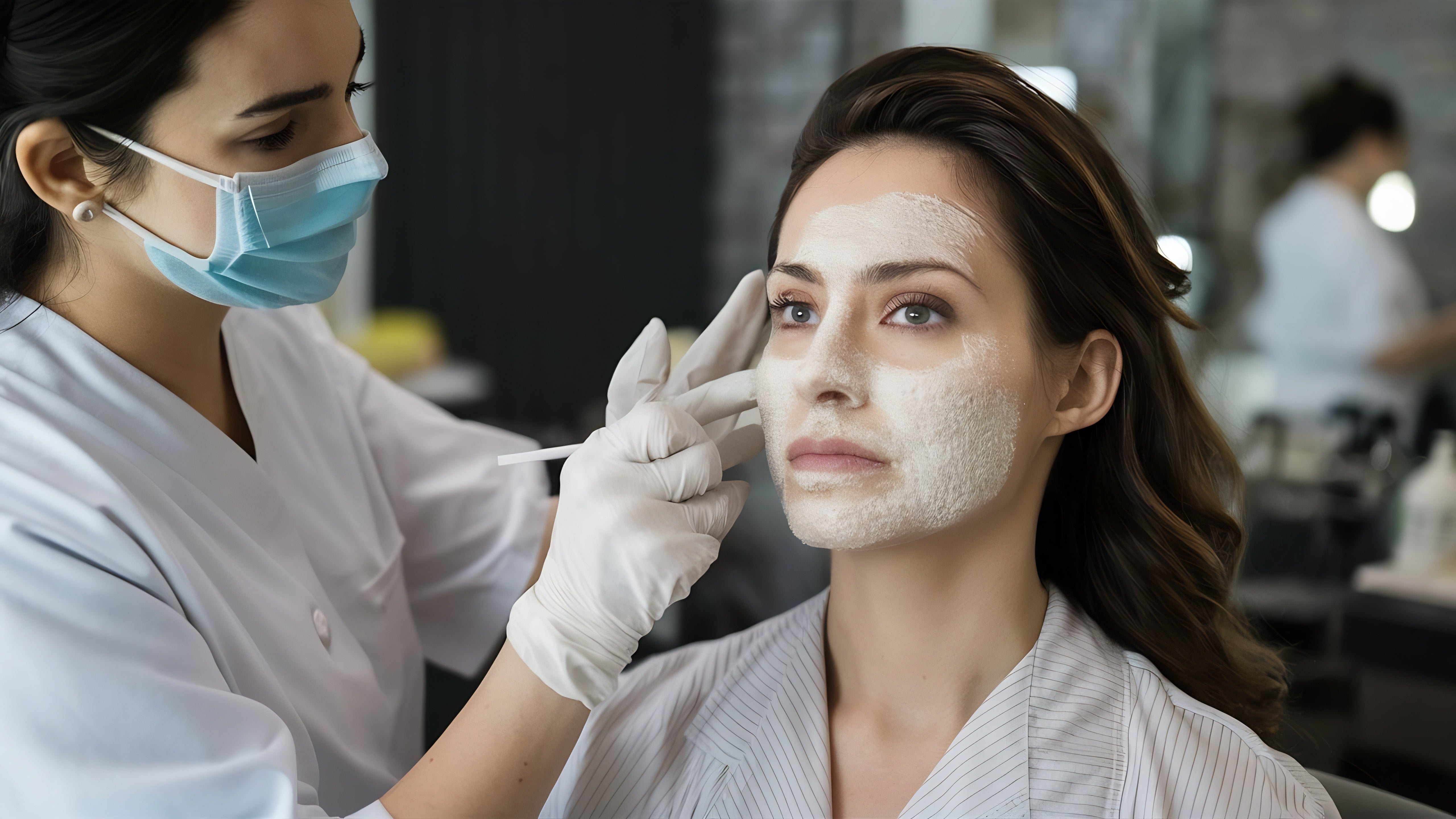
Updated on: 2026-06-20 Chemical peel services are a structured way to improve the appearance of skin texture and tone. A licensed professional typically selects the right peel strength based on your skin type and goals. When the plan is aligned with aftercare, many clients experience smoother-looking skin over time. The safest results start with realistic expectations, clear skin assessment, and consistent sun protection. Table of Contents Step-by-Step Guide Tips FAQs Wrap-up & Final Thoughts Chemical peel services are among the most requested in professional skincare. They use controlled chemical exfoliation to support skin renewal. Clients often seek them for uneven tone, dullness, rough texture, and the visible look of post-acne marks. However, quality outcomes depend on correct product selection, correct technique, and disciplined aftercare. This guide explains how chemical peel services are commonly planned, what you should expect, and how to prepare for the best possible experience. Choosing professional chemical peel services can be a practical alternative to at-home exfoliation when you need targeted treatment. Still, every skin profile is different. A thorough evaluation helps ensure the peel depth, active ingredients, and schedule are appropriate. It also helps reduce the risk of irritation that can occur when the peel is too strong or applied too frequently. To support informed decisions, this article also covers common peel types, preparation steps, and how to pair peels with everyday routines. You will also find frequently asked questions written for real-world concerns. Step-by-Step Guide Below is a step-by-step workflow that many reputable providers follow for chemical peel services. Your clinician may adjust each step to match your skin sensitivity, medical history, and aesthetic goals. 1. Consultation and skin assessment A professional consultation typically begins with a skin assessment and a review of your current routine. The goal is to determine your baseline concerns, such as uneven tone, clogged pores, or fine texture. The provider may also ask about recent exfoliation, retinoid use, and sun exposure habits. This step matters because the peel plan depends on skin readiness and tolerance. If you already use actives, the provider may recommend pausing certain products to reduce cumulative irritation. This is especially important for clients using strong retinoids or multiple exfoliating products. 2. Selecting the right peel type Chemical peels are commonly categorized by how intensely they affect the skin surface. Many providers describe options as superficial, medium, or deeper peels, though exact depth varies by formulation and technique. Your clinician should choose a formulation based on the type of concerns you want to improve and your risk level for dryness or post-treatment redness. Secondary factors can include your skin tone, your history of sensitivity, and whether you have a tendency toward hyperpigmentation after irritation. When the selection is aligned with your needs, chemical peel services become more consistent and easier to tolerate. Person silhouette with layered skin, gentle gradient 3. Preparation before the appointment Preparation can include several routine adjustments. Providers often recommend gentle cleansing and strict sun protection during the weeks leading to treatment. They may also recommend stopping harsh exfoliants and avoiding waxing or other resurfacing methods close to the appointment. If you are prone to dryness, hydration and barrier support are frequently emphasized. If you currently use a low-irritation cleanser and moisturizer, you may be able to continue them. If not, the provider can suggest a routine that keeps your skin calm and balanced. A simple routine can improve comfort and help the peel process remain predictable. For day-to-day cleansing that supports a calmer routine, consider a gentle face wash such as Cetaphil Gentle Cleanser. For clients using oily or acne-prone routines, some providers prefer products that reduce excess oil without stripping. As an example, Cetaphil Pro Oil Control Foam Wash is designed for a more controlled feel. 4. The application during the session During the appointment, the provider usually cleanses the skin and applies a protective plan based on your treatment. The peel solution is applied for a defined period. You may experience a warming sensation or mild stinging, but discomfort should not be severe. The provider monitors the skin response and may adjust timing based on your tolerance. After the peel stage, many protocols include rinsing or neutralization, depending on the peel formulation. The provider then applies a soothing post-treatment product to calm the skin and support barrier recovery. 5. Immediate aftercare Aftercare is often the difference between a smooth recovery and an overly reactive experience. Providers commonly advise gentle cleansing, avoidance of friction, and strict sun protection. You should also avoid additional exfoliants and other actives unless your provider clears them. If your provider gives a written plan, follow it precisely. Hydration and barrier-focused care can reduce the appearance of dryness and flaking. Some clients also benefit from pigment-friendly routines, particularly if they are prone to uneven tone after irritation. However, avoid adding new products at the last minute without professional guidance. If you want an everyday sunscreen approach aligned with broad routine needs, consider an acne-friendly sunscreen like IPCA Acne UV Gel SPF 50. For clients who need a richer day-to-day antioxidant and glow support, a targeted serum option such as Dermatica AZE Proactive Serum may fit a broader regimen. Always ask your provider when to reintroduce any active ingredients. 6. Recovery and skin rebuilding Recovery is typically staged. In the days after your session, your skin may feel tighter or look slightly more textured. Mild redness can be normal for some peel strengths, but severe burning or unexpected swelling is a warning sign. Your provider should provide clear guidance on what to expect and when to contact them. As the skin barrier repairs, you can gradually return to your routine based on provider instruction. The provider may recommend a gentle moisturizer and supportive care first, then later reintroduce targeted actives once the skin is stable. 7. Follow-up and treatment scheduling Chemical peel services are often planned as a series rather than a single event. Providers may schedule follow-ups to monitor your skin’s response. The interval depends on peel strength, your sensitivity, and the specific goals. A responsible provider should not rush the plan. Quality schedules prioritize recovery and steady improvement. During follow-up visits, the provider may adjust the next step. This can include changing peel strength, altering the active components, or adjusting timing. This iterative approach helps reduce the risk of overexfoliation and supports long-term results. 8. Evaluating results in a realistic timeline Many clients notice improvements in skin smoothness and clarity after initial sessions, particularly with superficial or moderate peels. For concerns like uneven tone or post-acne marks, results can appear gradually. Your provider should help you set expectations for texture, brightness, and overall tone. This reduces frustration and supports adherence to the aftercare plan. It is also important to understand that results depend on the entire routine. Sun protection, consistent cleansing, and proper moisturizing can influence how quickly skin looks refined after exfoliation. Checklist with calendar icons and sun shield symbol 9. Safety checks and when to pause Professional chemical peel services should include clear safety screening. You should avoid treatments during active flare-ups of irritation or open skin. If you have a history of sensitive reactions, your provider should tailor strength and aftercare accordingly. If you use medications that affect skin sensitivity, disclose them during consultation. Providers should also explain red flags. If you experience severe swelling, persistent pain, or signs of infection, contact your clinic promptly. A cautious approach protects skin integrity and helps maintain long-term trust in the treatment plan. Tips Choose a provider who performs skin assessment and documents your peel plan. Keep your routine simple before treatment to reduce irritation risk. Use strict sun protection after treatment to support even tone and recovery. Do not combine new exfoliating products right after a peel unless cleared. Follow the aftercare schedule exactly, including cleanser and moisturizer use. Hydrate consistently to support barrier repair and comfort during recovery. Track changes in texture and tone to discuss progress at follow-ups. Ask what peel strength is being used and what results are realistic for your goal. If your main concern is uneven tone, consider pairing professional treatment with a supportive brightening routine once your provider clears actives. For example, some people explore vitamin C-focused care such as Health Veda Organics Natural Vitamin C 1000 mg. If you are acne-prone or easily clogged, a lighter serum structure may also help keep the routine compatible with daily use. FAQs Are chemical peel services suitable for all skin types? No. Chemical peels can be adapted for different skin types, but suitability depends on your skin sensitivity, current routine, and personal risk factors. A professional consultation helps determine the correct peel type and schedule, and it identifies conditions that require delay or modification. What should I avoid before and after chemical peel services? Before treatment, many providers advise avoiding strong exfoliants, unnecessary friction, and excessive sun exposure. After treatment, you should follow aftercare instructions and avoid additional exfoliation or active ingredients unless your provider approves. If you have questions about a specific product, ask the clinic rather than guessing. How long does recovery typically take? Recovery duration depends on peel strength and your skin response. Superficial peels often have shorter recovery windows, while stronger peels require more careful barrier support. Your provider should explain what to expect and give clear guidance for redness, dryness, and product reintroduction. Will chemical peel services cause long-term damage? When performed by trained professionals with appropriate selection and careful aftercare, chemical peel services are generally designed to be safe. However, poor fit, excessive frequency, or skipped aftercare can increase irritation and lead to complications. Choosing an experienced clinic and following instructions are essential for minimizing risk. How can I maintain results between sessions? Between sessions, maintain gentle cleansing, consistent moisturizing, and strict daily sun protection. Avoid adding multiple new actives at once. When you reintroduce products, do so gradually and according to provider guidance. If your clinic recommends a routine, follow it rather than switching to a new approach immediately. Wrap-up & Final Thoughts Chemical peel services can be a precise, professional way to support smoother-looking skin, improved clarity, and a more even appearance. The best outcomes come from a thoughtful assessment, correct peel selection, and disciplined aftercare. Treat the recovery period as part of the treatment, not an optional stage. If you are considering chemical peel services, start with a consultation that includes skin analysis and a clear plan. Ask how the provider will tailor strength to your goals and how you will protect your skin after treatment. With realistic expectations and consistent daily care, you can build a safer path toward visible improvements. Explore skincare guidance and review daily product options that align with gentle cleansing and barrier support. About the Author Section Allodermis contributes expertise grounded in dermatology-informed skincare education and routine support. The author team focuses on professional skincare clarity, ingredient awareness, and practical guidance for healthy skin habits. With an emphasis on careful planning and patient-safe routines, Allodermis helps readers make informed decisions. Thank you for reading, and we encourage you to consult a qualified professional for personalized guidance. Disclaimer: This article is for educational purposes only and does not provide medical advice or diagnosis. Individual results vary, and skincare procedures should be performed by qualified professionals. Consult a licensed clinician before beginning chemical peel services, especially if you have a skin condition, a history of sensitivity, or use prescription medications.
Learn more
Acne Treatment Guide: What Works for Clear Skin
Updated on: 2026-06-19 Acne treatment works best when it targets the main causes of breakouts, including clogged pores, inflammation, and excess oil. A reliable routine combines gentle cleansing, evidence-based active ingredients, and consistent daily use. Patch testing and skin barrier support reduce the risk of irritation and treatment setbacks. With the right plan and realistic timelines, many people see meaningful improvement over time. 1. What Acne Treatment Should Focus On 2. Product Spotlight: A Targeted SPF Approach 3. Step-by-Step How-To Build an Acne Treatment Routine 4. Personal Experience: Turning Irritation Into Consistency 5. Summary & Recommendations 6. Q&A Section 7. About the Author What Acne Treatment Should Focus On Acne treatment is not a single product. It is a coordinated plan that reduces breakouts and supports healthier skin. When you choose an approach, focus on the root drivers of acne. Most acne involves clogged pores, increased oil production, inflammation, and the presence of acne-causing bacteria. When these factors are addressed together, results tend to be more stable. Clogged pores often form when dead skin cells and sebum block the opening of hair follicles. Inflammation can then make lesions look red and feel tender. Because these cycles repeat, a routine must be consistent. It also must be gentle enough to avoid barrier damage. When the skin barrier is impaired, irritation can increase, which may worsen the appearance of acne. A strong acne treatment routine typically includes four pillars: a cleanser that removes oil without stripping, an active ingredient plan designed to treat acne, moisturization to maintain comfort and resilience, and daily sun protection to support overall skin tone and prevent post-breakout marks. If you skip one pillar, your plan may still help, but it often becomes harder to stick with. Diagram-style: clogged pore, oil flow, and redness Product Spotlight: A Targeted SPF Approach When acne treatment includes sun protection, it can help reduce the risk of dark marks after breakouts. Sun exposure can worsen discoloration and uneven tone, especially when skin is inflamed. A lightweight sunscreen can support a clear-skin goal by protecting daily and pairing well with other steps. Look for an acne-friendly sunscreen format that feels light and layers without heavy residue. A smooth finish helps you stay consistent. Consistency is crucial because acne care depends on daily adherence rather than occasional use. To support your routine, you may consider an acne-friendly SPF option from Allodermis. For example, you can review acne UV gel SPF for a focus on daily protection that can integrate into an active skincare routine. If you prefer a broader skin-support angle, a proactive serum can complement targeted care. You may also explore proactive serum for an approach that emphasizes daily skin readiness and balanced texture. Finally, do not underestimate the role of cleansing. A gentle, non-stripping cleanser can reduce excess oil while keeping the skin calm. For a cleanser option, review gentle cleanser. Step-by-Step How-To Build an Acne Treatment Routine The following routine is designed to be practical and repeatable. It balances active care with barrier comfort. Adjust based on your skin sensitivity, and prioritize gradual changes rather than adding many new steps at once. Step 1: Cleanse with a gentle approach. Use a mild cleanser once or twice daily. Focus on removing oil and sweat without over-scrubbing. Over-cleansing can increase dryness and irritation, which may make acne look worse. Step 2: Add one targeted active ingredient. Choose one treatment strategy first. Options often include salicylic acid, benzoyl peroxide, or retinoid-based care, depending on tolerance. Starting with a single active reduces the risk of compounding irritation. Step 3: Moisturize to protect comfort. Use a light moisturizer that does not feel heavy. A stable skin barrier supports better tolerance of acne actives. When skin feels tight, you may need a more soothing formula or less frequent application. Step 4: Apply sun protection every morning. Use sunscreen as the final step in your morning routine. Daily SPF supports tone consistency and reduces the chance that post-breakout marks deepen. If your skin is acne-prone, choose a formula that feels comfortable and stays consistent. Step 5: Introduce treatment changes gradually. Increase frequency only if your skin remains calm. If irritation occurs, pause the active and focus on cleanser and moisturizer for several days. Resume slowly after the skin stabilizes. Step 6: Use a spot-support strategy for inflamed breakouts. For highly visible lesions, you can use targeted care rather than applying strong products to the entire face. Spot care can reduce irritation spread and keep your routine manageable. Step 7: Track what you change. Keep a simple log of products and how your skin responds. This makes it easier to identify which step helps and which one triggers dryness or redness. Tracking also helps you avoid cycling through many solutions at once. If your acne treatment plan also includes brightening support for uneven tone, consider gentle exfoliation and hydration. A foaming face wash designed for a balanced routine may fit in during the cleansing step. You can review foaming face wash as an example of a cleanse that many people find compatible with daily routines. For additional hydration that can help skin feel resilient, a lightweight lotion can be useful in the middle of the day or after cleansing. You may consider facial hydrating lotion. Routine timeline: cleanse, treat, moisturize, protect Personal Experience: Turning Irritation Into Consistency I used to treat acne treatment as a search for the fastest solution. I would add multiple actives within days, then stop when my skin felt dry and reactive. The outcome was predictable: breakouts appeared, and the skin barrier looked stressed. Instead of fewer lesions, I saw more redness and sensitivity, which made my routine feel overwhelming. Later, I shifted to a simpler method. I kept cleansing gentle and reduced active overload. I chose one treatment direction and used moisturization consistently. Most importantly, I added daily sun protection. Over time, my skin looked calmer and my routine became easier to follow. This change helped because acne is not only about one moment. It is about managing cycles. A routine that you can repeat every day is often more effective than a routine that you abandon after irritation. If you experience burning, peeling, or persistent redness, your plan may be too aggressive for your current skin barrier level. That is not a failure. It is a signal to slow down and simplify. Acne treatment outcomes are more realistic when you treat your skin like a system. Cleansing affects how actives feel. Moisturizer affects tolerance. SPF affects long-term marks. When these components work together, breakouts and post-breakout discoloration often improve in a more stable way. Summary & Recommendations Acne treatment is most successful when it focuses on the causes behind breakouts and supports long-term skin health. Begin with gentle cleansing, use one targeted active at a time, moisturize to maintain comfort, and include daily sun protection. Consistency and skin-barrier respect usually outperform frequent changes. Recommendation checklist: Use a mild cleanser and avoid aggressive scrubbing. Introduce one acne-targeted active strategy first. Moisturize daily to reduce irritation and improve tolerance. Apply SPF every morning to help protect tone and reduce dark-mark deepening. Track your routine changes to identify what works for your skin. If you want to refine your routine, start by selecting compatible basics. For morning protection, consider an acne-friendly SPF option such as acne UV gel SPF. For gentle cleansing, evaluate gentle cleanser. For hydration support, you may review facial hydrating lotion. Q&A Section How long should acne treatment be followed before judging results? Acne treatment is typically evaluated by how your skin responds over repeated days and weeks. Judging too early often leads to unnecessary changes. A more accurate approach is to keep your plan steady long enough for your routine to show patterns. If irritation is severe, reduce active frequency first and then reassess once the skin is calmer. Can acne treatment be done without drying the skin? Yes. A drying experience usually comes from overuse of strong actives, overly harsh cleansing, or insufficient moisturization. Using gentle cleansing, adding moisturizer, and reducing active frequency during flare periods can help maintain comfort. When the skin barrier is supported, your treatment tends to be easier to maintain. What should I do if my acne treatment causes redness or burning? Stop the most irritating step first and keep the routine simple. Return to gentle cleansing and supportive moisturization while your skin calms down. Resume active treatment gradually and consider using it less frequently. Persistent burning, swelling, or worsening symptoms should be discussed with a qualified healthcare professional. Does sun protection matter in an acne treatment routine? Sun protection is an essential part of acne treatment for many people. Breakouts often leave marks, and UV exposure can deepen discoloration. Daily sunscreen helps support a more even tone and protects skin that may be more sensitive during acne care. About the Author Section Allodermis Allodermis is a skincare and dermatology-minded team focused on evidence-based routines and product compatibility for acne-prone and tone-sensitive skin. Our expertise centers on building practical daily systems that balance treatment effectiveness with barrier comfort. We encourage thoughtful, consistent skincare rather than rapid changes. Thank you for reading, and we hope this guidance helps you build a routine you can sustain. Disclaimer: This article is for general informational purposes only and does not replace professional medical advice, diagnosis, or treatment. Individual results vary. If you have severe acne, painful lesions, or signs of infection, consult a qualified healthcare professional before changing your routine.
Learn more
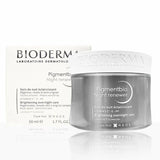
Build Customized Skincare Regimens for Your Skin
Updated on: 2026-06-19 Customized skincare regimens help you choose products and routines that match your skin type, needs, and sensitivity. A well-structured plan improves consistency and reduces common issues like irritation, uneven texture, and barrier disruption. The approach also supports clearer decision-making when new concerns appear. With the right steps, you can build a regimen that is practical, measurable, and sustainable. Table of Contents Introduction: Why Personalized Care Matters How to Build Customized Skincare Regimens Customize by Skin Type and Skin Concerns Ingredient Selection Framework Patch Testing and Routine Adjustment Common Mistakes to Avoid How to Track Progress Without Overreacting Next Steps: Make Your Plan Actionable FAQ Closing Thoughts About the Author Introduction: Why Personalized Care Matters Customized skincare regimens are built on a simple principle: skin varies, and so should the routine. Two people can share a concern such as dryness or breakouts, yet their triggers, sensitivity levels, and barrier condition may be different. When a routine is generic, the results are often unpredictable. You may experience dryness from over-cleansing, irritation from overly strong actives, or a lack of improvement due to inconsistent use. A structured plan helps you reduce uncertainty. It also supports a logical product order and a realistic schedule for morning and evening care. Instead of guessing, you assess your skin baseline, select products that match that baseline, and adjust based on what your skin actually tolerates. This method is especially valuable when you are balancing multiple goals, such as hydration, oil control, and gentle brightening. If you want an example of how formulation choices can align with different needs, consider browsing categories on gentle cleansers and non-greasy sun protection. The right cleanser and sunscreen can strengthen your routine foundation before you add targeted steps. How to Build Customized Skincare Regimens To build a dependable plan, follow a sequence that prioritizes barrier health, consistent cleansing, and sun protection. Then add targeted actives slowly. The goal is not to add more products, but to add the right products in the right order and frequency. Assess your skin baseline. Note how your skin behaves across a typical week. Pay attention to tightness after washing, visible flaking, shine levels in the T-zone, and how quickly redness appears. Define primary goals. Choose one or two top priorities, such as oil control, hydration, brightening, or acne support. Multiple goals are possible, but starting narrow helps you evaluate results. Choose a gentle cleanser. Look for a cleanser that removes impurities without leaving the skin feeling stripped. If your skin feels tight after cleansing, your regimen likely needs a gentler approach. Use moisturizer appropriate to your texture. Decide between light gel textures and richer creams based on comfort, seasonal changes, and sensitivity. Apply daily sun protection. Sunscreen is a routine requirement for most skin concerns. Use it every morning as the last step in your skincare sequence. Add targeted treatments gradually. Introduce one active at a time. Start at a low frequency, such as every other night, then increase only if your skin remains comfortable. Keep a consistent order. Apply products from thinnest to thickest. Serums typically come before creams. Sunscreen remains the final step in the morning. Visual guide: cleansing, moisturizing, sunscreen layers Customize by Skin Type and Skin Concerns Skin type is a helpful starting point, but skin condition is often more important. A person may be naturally oily yet experience dryness from harsh products. Another person may be naturally dry but become congested due to occlusive habits. Customized skincare regimens account for both. Oily and acne-prone skin For oilier skin, the priority is to manage sebum without over-drying. Choose a cleanser that supports a clean feel, then use a moisturizer that does not cause excessive heaviness. Add acne support treatments carefully, especially if you are using exfoliating or antibacterial ingredients. For sun protection that supports acne-prone routines, consider exploring acne UV gel SPF 50. A well-formulated daily sunscreen can help you protect skin while keeping a more comfortable finish. Dry and sensitive skin For dryness, the regimen must protect the skin barrier. Focus on gentle cleansing, consistent moisturizing, and avoidance of frequent switching. If you add actives, start slowly and choose formulas designed for sensitive use. To support hydration, you can explore hydrating lotion. A moisturizer that feels supportive can reduce irritation when you introduce other steps. Uneven tone and dullness For uneven tone, the approach must include both brightening support and consistent sun protection. Many brightening routines fail because sunscreen is used inconsistently. If your skin tolerates it, introduce brightening serums and keep the schedule steady. You may find useful options on night brightening care and other targeted serums. The key is to match the formula with your skin tolerance and to change only one variable at a time. Ingredient Selection Framework Customized skincare regimens should be ingredient-led, but not ingredient-obsessed. A practical ingredient framework can reduce confusion. Consider four categories: cleansing, hydration and barrier support, targeted treatments, and protective care. 1) Cleansers and comfort A cleanser should remove daily impurities and support a comfortable barrier. If you experience stinging, redness, or immediate tightness after washing, your cleanser may be too harsh for your current skin state. In many routines, a gentle cleanser is the baseline step that makes everything else work better. For example, you can review options like gentle cleanser to help stabilize the cleansing stage before you add treatments. 2) Moisturizers and barrier support Moisturizers reduce transepidermal water loss and support comfort. When your skin barrier is stable, actives tend to feel less irritating. Select a texture that matches your skin’s preference, and keep the formula consistent during your evaluation period. 3) Targeted treatments Targeted treatments often include actives that address specific concerns, such as dark spots, visible pores, or blemish-related marks. However, a successful regimen usually relies on careful frequency, gradual introduction, and compatible product layering. If you combine multiple strong actives too quickly, you may increase redness and reduce long-term adherence. When choosing a treatment, consider whether your skin concern is primarily related to barrier disruption, congestion, or tone. For acne-related concerns and a supportive routine, you may look at acne-focused options such as proactive serum and evaluate tolerance step-by-step. 4) Sun protection and daily consistency Sunscreen is not an optional step when your goals include uneven tone or visible marks. Even when your skincare targets help, sun exposure can slow visible improvement. For daily use, select a sunscreen texture that you will actually apply consistently. For people who prefer a smoother, proactive feel, consider reviewing daily sunscreen SPF 50 PA. The best sunscreen for customized skincare regimens is the one that fits your routine and comfort needs. Ingredient categories: cleanser, treatment, moisturizer, sunscreen Patch Testing and Routine Adjustment Even when ingredients are widely tolerated, individuals respond differently. Customized skincare regimens should include a structured testing method. The aim is to reduce the chance of widespread irritation and to identify which change caused a reaction. Patch test approach Choose a small area, such as along the jawline or behind the ear. Apply the product as you would normally, then observe for signs of redness, burning, swelling, or persistent discomfort. If any of these occur, discontinue use. If you have very sensitive skin, test more than one product individually before combining them. Introduce one change at a time When you adjust a regimen, change only one variable. If you add a new cleanser and a new treatment during the same week, you cannot determine which product helped or which caused irritation. One change at a time supports clearer decisions. Increase frequency based on comfort Actives often work through gradual skin adaptation. If your skin feels stable, you can slowly increase frequency. If you experience dryness, tightness, or persistent redness, reduce frequency or pause the active until comfort returns. In practical regimen planning, many people benefit from a “simplify first” approach: keep cleansing and moisturizing consistent while you evaluate a new active. After tolerance is established, you can refine the plan. Common Mistakes to Avoid Changing products too often. Frequent switching prevents meaningful evaluation. Consistency is required for both comfort and results. Skipping sunscreen. Sun exposure can undermine tone-related goals and contribute to new visible discoloration. Over-cleansing. Stripping the skin barrier can increase dryness, sensitivity, and rebound oiliness. Stacking strong actives immediately. Combining multiple treatments too quickly often leads to irritation and reduced adherence. Ignoring moisturizer needs. Even acne-prone skin often benefits from a suitable moisturizer that supports comfort. Using products that do not match the season. Humidity changes, temperature changes, and indoor heating can shift skin behavior. How to Track Progress Without Overreacting Customized skincare regimens improve when you measure outcomes thoughtfully. Instead of reacting to day-to-day variation, track patterns. Use simple, observable markers. Comfort. Note whether skin feels stable after cleansing and whether you experience stinging during routine steps. Texture. Observe whether roughness, dryness, or flaking decreases over time. Breakouts. Track frequency and severity rather than day-to-day fluctuations. Visible marks and tone. Look for gradual improvement rather than immediate change. If a concern worsens after introducing a new step, pause the change and return to your previous baseline routine. Your objective is long-term tolerability and consistent use. Next Steps: Make Your Plan Actionable If you want to implement customized skincare regimens with less guesswork, start by selecting a reliable cleanser, a suitable moisturizer, and an everyday sunscreen that match your skin’s comfort. Then add one targeted step at a time. This method supports clearer results and stronger adherence. To refine your lineup, you can explore additional options on the Allodermis website. For cleansing and barrier-friendly starts, visit gentle cleanser options. For daily acne-safe sun routines, review SPF 50 for acne-prone skin. For hydration and comfort, consider rich facial hydrating lotion. For treatment sequencing, you can also compare proactive serum based on your primary concern. Choose the steps that fit your routine and your tolerance. Once you have a stable foundation, your regimen becomes easier to maintain and easier to evaluate. FAQ How long does it take to see results with customized skincare regimens? Results vary by skin concern, product type, and consistency. Many improvements, such as reduced dryness or improved comfort, can appear earlier when the routine supports barrier health. Tone-related and deep texture changes often require more consistent use and gradual adjustment. The best practice is to track patterns and evaluate one change at a time. Can I combine a brightening serum with acne support products? Yes, it is often possible, but the sequence and frequency matter. If you combine treatments, introduce one product first, establish tolerance, then add the second step. Start with lower frequency and focus on comfort. If redness or irritation appears, simplify the routine and reintroduce changes gradually. What should I do if my skin becomes irritated after changing my routine? Stop the most recent change and return to your baseline routine using gentle cleansing, supportive moisturizing, and daily sun protection. Avoid adding new actives until skin comfort returns. Consider reducing frequency for future additions and patch test any new products before full use. Closing Thoughts Customized skincare regimens are most effective when they are consistent, simple, and tailored to your skin’s actual needs. When you prioritize barrier health, use sun protection daily, and introduce targeted actives gradually, your routine becomes more predictable and easier to sustain. Start with a stable foundation, then refine based on comfort and observed outcomes. Take action now by choosing one improvement to apply to your next routine and follow it consistently. About the Author Allodermis develops skincare guidance grounded in dermatology-informed principles and consumer-focused routine design. The team focuses on ingredient compatibility, barrier support, and practical regimen structure for diverse skin types. The expertise spans facial care education, routine sequencing, and sensitivity-aware planning. Thank you for taking the time to build a more deliberate approach; your skin improves when your routine is consistent. Disclaimer: This article is for general educational purposes and does not provide medical advice. Individual skin needs vary. If you have a skin condition, severe irritation, or persistent symptoms, consult a qualified healthcare professional or dermatologist before making changes to your routine.
Learn more
Find the Root Cause of Dermatology Symptoms
Updated on: 2026-06-18 Root cause dermatology focuses on identifying why skin symptoms start and persist, not only on masking visible redness, acne, or dryness. By addressing triggers such as barrier weakness, inflammation, and microbial imbalance, your skin care plan becomes more consistent and easier to follow. This approach also helps you avoid repeated cycles of irritation caused by mismatched products or routines. With the right assessment and step-by-step strategy, you can improve skin comfort and long-term stability. Table of Contents 1. What Root Cause Dermatology Means 2. Myths vs. Facts 3. Step-by-Step Guide 4. Triggers That Mimic Different Skin Issues 5. A Routine That Supports Healing 6. Frequently Asked Questions 7. Summary & Key Takeaways Root cause dermatology: How to stop skin symptoms at the source Root cause dermatology is a practical way to understand skin problems with clarity. Many people try cleansers, serums, and spot treatments in rotation, yet they still see flare-ups. The pattern is usually not random. It often reflects an unresolved driver such as barrier disruption, chronic irritation, or an underlying condition that standard routines do not address. In root cause dermatology, you start by identifying the skin environment that is out of balance. That may include overactive inflammation, clogged pores from product buildup, dryness that weakens tolerance, or sensitivity related to friction and sun exposure. When the driver is corrected, symptoms typically become easier to manage. This is why the approach is often more sustainable than chasing short-term fixes. At a basic level, your skin is an organ with a protective barrier, an immune signaling network, and a visible surface that responds to daily inputs. When any part of this system is repeatedly stressed, the skin can respond with acne-like bumps, persistent redness, rough texture, or lingering hyperpigmentation. Root cause dermatology helps you narrow the possibilities, then select targeted habits and compatible care products. Myths vs. Facts Myth: If a product works for one person, it will work for everyone.Fact: Results depend on skin type, barrier strength, and the underlying driver. Compatibility matters as much as ingredients. Myth: Strong actives always fix the problem faster.Fact: Overuse can worsen irritation and inflammation. Healing often requires controlled exposure and barrier support. Myth: Skin issues are purely cosmetic.Fact: Many conditions involve inflammation and immune signaling. A careful routine can support recovery, and medical evaluation may be necessary. Myth: Sun exposure only affects dark spots.Fact: Ultraviolet radiation can worsen redness, uneven tone, and irritation tolerance, making other treatments less effective. Step-by-Step Guide The goal is not to overhaul everything at once. Instead, you build a logical process that helps you recognize patterns and reduce guesswork. Use these steps to apply root cause dermatology principles in daily life. Map your symptoms and timeline. Note when changes began, which areas are affected, and whether flares correlate with weather, stress, or a new product. Assess barrier comfort first. If skin stings, feels tight, or flakes, prioritize gentle cleansing and moisturizing before adding more actives. Check for irritation triggers. Evaluate shaving habits, friction, harsh scrubs, over-washing, and fragranced formulas that may intensify sensitivity. Differentiate acne from irritation. Acne is often linked to clogged pores and inflammatory activity, while irritation can mimic acne through redness and discomfort. Choose one primary treatment goal at a time. For example, stabilize the barrier for two to four weeks, then evaluate tolerance before addressing texture, tone, or breakouts. Introduce changes slowly and document results. One variable at a time helps you recognize which change improved stability or triggered a flare. Use sun protection consistently. Daily broad coverage supports even tone and reduces the inflammatory impact of ultraviolet exposure. Escalate to professional care when needed. Persistent or severe symptoms may require a clinical diagnosis and a structured medical plan. Skin map icons for timeline and flare tracking Triggers That Mimic Different Skin Issues Root cause dermatology emphasizes that similar-looking symptoms can come from different drivers. A simple example is dryness that causes roughness and redness. Another example is product buildup that resembles acne. Understanding triggers helps you avoid repeating the same cycle with new product names. 1) Barrier disruption disguised as “need for stronger products” When the barrier weakens, skin loses water and tolerance. You may notice stinging, tightness after cleansing, or flaking. In that stage, aggressive exfoliation or high-strength serums can deepen irritation and prolong the flare. Barrier-centered care typically means gentle cleansing, careful hydration, and gradual reintroduction of targeted ingredients when comfort improves. 2) Inflammation loops driven by friction and overwashing Frequent cleansing, rough towels, tight masks, and constant rubbing can amplify redness and sensitivity. This does not mean hygiene is the problem. It means the frequency and method may be creating unnecessary stress. Gentle handling and reduced friction often improve overall stability. 3) Clogged-pore patterns from inconsistent cleansing and heavy layering Certain routines can trap oil, residue, and environmental particles on the skin surface. Over time, this can contribute to visible congestion and uneven texture. A compatible cleanser and a well-structured routine often reduce residue risk. The key is to ensure cleansing matches skin needs without stripping. 4) Ultraviolet exposure that worsens tolerance and tone Even if your main concern is texture, sun can amplify inflammation and interfere with how skin responds to treatment. Consistent sunscreen supports a more stable baseline. If sunscreen is skipped, your other steps may appear to fail because ultraviolet triggers keep the skin in an activated state. A Routine That Supports Healing A root cause dermatology routine is built for consistency. It supports the skin barrier, manages inflammation, and protects against daily triggers. The best approach is not a complex multi-step system. It is a targeted system that remains gentle and repeatable. Cleanse with control Choose a cleanser that removes excess oil and residue without over-stripping. If your skin feels tight after washing, switch to a gentler option. Consider a formula designed for sensitive skin and frequent use, such as Cetaphil Gentle Cleanser. Cleanse once or twice daily based on comfort and activity level. Hydrate to rebuild tolerance Hydration is not only for dry skin. Even oily skin can be water-depleted. A lotion or hydrating step can help reduce the sensation of irritation and support more stable response to later treatments. For example, Cipla Excela Rich Facial Hydrating Lotion can support a calmer, more resilient baseline when chosen appropriately for your routine. Target breakouts or congestion with compatible actives If clogged pores and acne-like bumps are part of your pattern, it is helpful to select an approach that supports inflammation control and pore clarity. For oily or acne-prone routines, IPCA Acne UV Gel SPF 50 can simplify your daytime step by combining sun protection with a skin-friendly approach. If you need dedicated treatment for acne-prone skin, consider reviewing your cleanser and targeted products before adding multiple strong actives at once. Protect your skin daily Root cause dermatology treats sun protection as a foundation rather than an optional finishing step. Look for sunscreen that suits your skin comfort and prevents skipping due to irritation or heavy texture. For example, Fixderma Shadow Sunscreen Cream and I-Shield Sunscreen Cream SPF 50 PA can fit into many routines, especially when consistency is the priority. Routine flowchart: cleanse, hydrate, protect, reassess Frequently Asked Questions How long does it take to see improvements with root cause dermatology? Many people notice early comfort improvements when irritation is reduced, but visible change in acne, texture, or uneven tone often takes several weeks. The timeline depends on the driver and how steadily the routine is followed. Tracking symptoms and reassessing one variable at a time typically leads to clearer conclusions. What should I do if my skin gets worse after starting a new product? Stop the newest product and return to a simpler, barrier-supportive routine. Symptoms that include burning, severe redness, or swelling are signals to seek professional advice. Once your skin stabilizes, reintroduce changes gradually and select formulas aligned with your sensitivity level. Can root cause dermatology help with hyperpigmentation? Yes, especially when uneven tone is driven by inflammation and sun exposure. Consistent sunscreen and a routine that supports barrier tolerance can reduce the risk of ongoing pigment activation. If dark marks persist despite stable protection and care, a clinical evaluation can clarify whether deeper drivers are present. Summary & Key Takeaways Root cause dermatology provides a structured way to identify why skin symptoms persist, then address the underlying driver rather than repeatedly switching products. By prioritizing barrier comfort, reducing irritation triggers, protecting from ultraviolet exposure, and introducing changes slowly, you create a routine that supports real stability. For an evidence-informed approach, consider building your routine around compatible cleansing, hydration, and daily sun protection. When you maintain consistency and track results, your skin care decisions become more confident and less reactive. If you want guidance on assembling a routine, explore curated options on Allodermis and select products that align with your skin comfort and goals. Q&A Section Is root cause dermatology the same as dermatology treatment plans from a clinic? They are related but not identical. Root cause dermatology is a practical framework you can use at home to investigate patterns and choose compatible care. A clinic evaluation uses medical diagnosis and can prescribe targeted therapies when a skin condition requires clinical management. Should I focus on ingredients or on symptoms first? Start with symptoms and context. Ingredient selection matters, but root cause dermatology emphasizes that the same ingredient can behave differently depending on barrier strength and triggers. Once you stabilize comfort, ingredients can be selected more precisely based on the underlying driver. How do I reduce the risk of repeating the same flare-up cycle? Use slow changes, track outcomes, and avoid stacking multiple new actives at once. Confirm that your cleanser and moisturizer match your tolerance. Maintain daily sun protection. If flares repeat in the same pattern, it is a sign to refine the trigger analysis or seek professional support. About the Author Section Allodermis team The Allodermis team supports skin care education with an expert perspective on barrier health, formulation compatibility, and long-term routine strategy. This article reflects a careful, evidence-aligned approach to root cause dermatology concepts that prioritize skin comfort and sustainable improvement. We encourage readers to review their routines thoughtfully and consider professional guidance for persistent or severe symptoms. Thank you for choosing a more structured path toward calmer, more resilient skin. Disclaimer: This article provides general educational information and does not replace medical advice. Skin conditions vary, and persistent, severe, or rapidly worsening symptoms should be evaluated by a qualified healthcare professional.
Learn more
Natural Skincare Solutions: Simple Routine for Every Skin
Updated on: 2026-06-18 Natural skincare solutions can support healthier looking skin by emphasizing gentle ingredients, barrier-friendly routines, and realistic expectations. This post explains how to choose formulas that align with your skin type and daily needs. You will also learn practical steps for building a simple regimen that focuses on cleansing, hydration, sun protection, and careful exfoliation. The goal is to help you make informed choices while avoiding common ingredient and routine mistakes. Table of Contents 1. Benefits & Reasons 2. What “Natural” Should Mean in Modern Skincare 3. How to Build a Natural Skincare Solutions Routine 4. Ingredient Checklist for Safer, Gentler Choices 5. Common Mistakes to Avoid 6. Sun Protection as the Foundation of Natural Care 7. FAQ 8. Final Thoughts & Recommendations Natural skincare solutions: Benefits & Reasons Natural skincare solutions are often sought for their emphasis on plant-derived and naturally inspired ingredients. Many people choose them because they can feel gentler during everyday use. One key benefit is support for skin barrier comfort. When cleansing and moisturizing are done with attention to tolerance, skin may look calmer and feel more stable across changing weather and routines. Another reason is routine simplicity. Natural care often encourages consistent habits rather than frequent, complicated steps. Consistency can improve how skin responds over time. Natural skincare solutions can also help you reduce exposure to harsh routines. For many skin types, gentler cleansing and careful hydration are a more sustainable approach than aggressive treatments used too often. Finally, natural skincare solutions can fit many lifestyles. You can design a routine that respects your preferences while still using modern, evidence-informed dermatology practices, especially for sun protection. What “Natural” Should Mean in Modern Skincare The word “natural” can be used in many ways. For practical skincare decisions, it is useful to focus on what matters: ingredient transparency, skin compatibility, and product performance. Look for formulations that prioritize well-tolerated ingredients and clear labeling. Natural does not automatically mean better for every person, but thoughtful ingredient selection can increase the chance of a comfortable experience. Also, consider what the product is designed to do. A cleanser should remove excess oil and impurities without stripping. A lotion or serum should deliver hydration in a way that fits your skin type. A sunscreen should protect consistently without irritating the eye area. In modern skincare, “natural-inspired” ideas can coexist with advanced formulation methods. This is where ingredient function matters more than the marketing label. When you evaluate products by how they behave on skin, you align natural care with results that are easier to maintain. Skin barrier icons with gentle cleanse and hydrate flow How to Build a Natural skincare solutions Routine A strong routine is not about using many products. It is about using the right steps in the right order and giving them time to work together. Natural skincare solutions are typically best approached as a daily system. Step 1: Cleanse with care. Use a gentle cleanser that removes daily buildup while maintaining comfort. If you have dry or sensitive skin, choose a low-stripping option and avoid frequent over-cleansing. If you need a simple starting point, consider a gentle facial cleanser such as gentle cleanser. A mild cleanser can help you keep your routine consistent, which is often more important than dramatic changes. Step 2: Hydrate with barrier-friendly support. Hydration can reduce the feeling of tightness and help skin look smoother. Select a moisturizer or hydrating lotion that matches your skin type. Lightweight textures can suit combination or oily skin, while richer textures may suit dryness. For a hydrating lotion option, you may review rich facial hydrating lotion. Choose based on how your skin feels after cleansing rather than only on the product texture. Step 3: Add targeted support. When you want to address dullness, uneven tone, or texture concerns, select one serum category at a time. Avoid stacking multiple active products at once. If your priority is brightening support, you can explore formulas such as brightening serum. Keep use consistent and watch for signs of irritation. Step 4: Treat only when needed. Natural routines often benefit from restraint. If you exfoliate, do it thoughtfully and not every day. Many users do well with limited exfoliation, guided by how skin reacts. Step 5: Finish with sun protection daily. Sunscreen is non-negotiable. Without it, even the best routine can struggle to maintain even-looking skin over time. For those seeking daily protection, consider options like SPF 50 sunscreen. Apply enough product and reapply when your day requires it. Layered skincare steps in a simple morning routine diagram Ingredient Checklist for Safer, Gentler Choices When you evaluate natural skincare solutions, use a checklist that supports both comfort and function. The goal is not to memorize every ingredient. It is to recognize patterns that often matter for everyday skin health. 1) Start with cleansing tolerance. A cleanser should feel balanced. If your skin feels tight after washing, the cleanser may be too stripping for your current routine. 2) Prioritize moisturization that suits your skin type. Hydration support should not automatically mean heavy occlusion. If you have acne-prone skin, you may prefer formulas that hydrate without feeling greasy. If you have oilier skin and need gentle cleansing support, you can explore an oil-control approach such as oil control foam wash. Choose based on your personal comfort and how you tolerate lather and rinse. 3) Look for soothing and barrier-supporting components. Ingredients that support skin comfort can be valuable, especially when you transition seasons or change routines. 4) Consider vitamin C options carefully. Vitamin C is widely used for brightening support. If you are sensitive, introduce it gradually and pair it with strong sunscreen habits. For example, you may review vitamin C liposomal serum or another vitamin C category that aligns with your tolerance. 5) Avoid stacking too many actives. Even natural skincare solutions may include multiple functional ingredients. If you add a serum, give it time before adding another active step. 6) Sun protection ingredients matter. Sunscreens with stable, skin-friendly filters and a comfortable feel often support daily use. If your sunscreen is unpleasant, you may avoid it, which defeats the routine. Common Mistakes to Avoid Many people abandon natural skincare solutions because of avoidable mistakes. A reliable routine is usually the result of small corrections over time. Mistake 1: Switching products too often. Frequent changes can prevent you from understanding what is helping. If you want to evaluate a product, give it enough time to show effects, especially for hydration and texture. Mistake 2: Over-exfoliating. Exfoliation can improve smoothness when used appropriately, but it can also lead to irritation. If your skin stings or feels unusually dry, reduce exfoliation frequency and focus on moisturization. Mistake 3: Ignoring sun protection. Natural care without daily sunscreen can lead to faster visible dullness and uneven tone concerns. Sunscreen supports consistency across seasons. Mistake 4: Using too many active serums together. Even if each product is gentle, combining several actives can overwhelm skin. If you want targeted results, choose one main active and support it with a simple base routine. Mistake 5: Treating all skin concerns as the same issue. For example, dryness and sensitivity may look similar but require different approaches. Hydration and barrier support often come first before aggressive treatments. Mistake 6: Assuming “natural” means “no irritation.” Natural skincare solutions can still contain ingredients that are not ideal for every person. Patch testing and gradual introduction can reduce the risk of irritation. Sun Protection as the Foundation of Natural Care Even a well-designed routine needs sun protection. Sun exposure is a major factor behind visible uneven tone and premature skin aging. For natural skincare solutions, sunscreen is not an optional add-on. It is part of the core framework. Choose a sunscreen that you will use consistently. Comfort influences adherence. If a sunscreen stings or feels heavy, skin may not tolerate it, and you may skip reapplication. For acne-prone or oily skin, consider lightweight gel or cream formulations. For dry skin, consider sunscreens that feel more moisturizing. If you have hyperpigmentation concerns, choose a sunscreen that supports broad protection and daily consistency. You can also pair sunscreen with antioxidant support. Many people benefit from adding vitamin C in the morning, then relying on sunscreen as the final step. If you are exploring vitamin C, introduce it gradually and monitor your skin response. If you want acne-friendly sun support, you may review acne UV gel SPF 50. If you prefer a proactive serum for daily skin readiness, consider proactive serum as part of a calm, consistent routine. Q: Are natural skincare solutions effective for visible concerns like dullness or uneven tone? Natural skincare solutions can support visible clarity and a more even look when they include functional ingredients and are paired with consistent habits. For many users, the most meaningful approach is combining gentle cleansing, reliable hydration, targeted serums used carefully, and daily sun protection. Q: How do I choose between a cleanser, a lotion, and a serum? Choose based on your skin’s immediate needs. Cleanser supports comfort after cleansing. Lotion or moisturizer supports daily hydration and barrier stability. Serum is best reserved for a specific goal, such as brightening support or texture improvement, and should be introduced gradually. Q: What routine mistakes most often cause irritation in natural skincare routines? The most common causes are over-exfoliating, stacking multiple active products at once, and skipping sun protection while using brighter or more functional ingredients. If irritation occurs, reduce frequency, simplify steps, and prioritize gentle cleansing and consistent moisturizing before adding actives again. Final Thoughts & Recommendations Natural skincare solutions work best when you approach them as a system rather than a single product choice. Start with gentle cleansing, add hydration that fits your skin type, and introduce one targeted step at a time. Most importantly, maintain daily sun protection so the rest of your routine can perform as intended. If you want to make progress with fewer product changes, choose a small set of compatible basics and use them consistently. You can then refine your routine based on tolerance and results, not hype. For ongoing support and product selection within natural and barrier-friendly categories, you may explore skincare options at Allodermis and build a routine that respects your comfort and goals. About the Author Allodermis is a skincare-focused brand supporting ingredient-informed routines designed for everyday skin comfort. The author team specializes in dermatology-adjacent skincare education, helping readers understand how to match cleanser, moisturizer, serum, and sun protection to real skin needs. Their approach emphasizes practical consistency, ingredient function, and responsible routine building. Thank you for reading, and may your skincare routine feel steady, simple, and intentional. Disclaimer: This article is for general informational purposes only and does not provide medical advice. Results vary by individual skin type and condition. If you have a serious skin issue, consider consulting a qualified healthcare professional before using any skincare products.
Learn more
Vitamin C Serum for Skin: Benefits and How to Use
Updated on: 2026-06-17 Vitamin C serum for skin is widely used to support a brighter, more even-looking complexion. It is often selected for its role in skin antioxidant defense and for the way it can complement daily skincare routines. The best results come from consistent application and careful pairing with sunscreen and gentle hydration. This guide explains common myths, practical usage steps, and how to choose a serum that fits your skin needs. Table of Contents 1. Myths vs. Facts 2. Personal Experience 3. Why Vitamin C Serum for Skin Is Popular 4. How to Choose a Vitamin C Serum 5. How to Use a Vitamin C Serum 6. What to Pair With Your Serum 7. Common Reactions and What to Do 8. Final Thoughts & Takeaways Myths vs. Facts Myth: A vitamin C serum for skin works instantly. Fact: Consistent use over time is usually more realistic than expecting overnight changes. Myth: Higher percentage always means better results. Fact: Stability, formulation type, and skin compatibility matter as much as concentration. Myth: You do not need sunscreen if you use vitamin C. Fact: Daily sun protection is a foundational step for improving and maintaining overall skin tone and appearance. Myth: Any serum will suit every skin type. Fact: Sensitive skin may prefer gentler formats or lower irritation potential. Myth: Using more layers improves outcomes. Fact: Over-application can increase irritation and may reduce comfort. Personal Experience In routine testing of skincare habits, one pattern kept returning: the most noticeable improvement came from discipline, not from switching products every week. When vitamin C was introduced slowly, with a consistent morning routine and daily sunscreen, my skin looked more even in tone and felt more balanced. The change was gradual. It was also more comfortable because I avoided stacking too many active ingredients at once. That approach made the routine easier to follow and easier to evaluate. Illustration of steady daily routine, not instant results Why Vitamin C Serum for Skin Is Popular Many people choose a vitamin C serum for skin because vitamin C is an antioxidant associated with supporting the skin barrier environment and helping reduce the look of dullness. When formulated well and used correctly, it can be a helpful step for daily skincare goals such as brightness, a more even-looking complexion, and an improved appearance of skin texture. Another reason it remains popular is its compatibility with mainstream routines. A well-tolerated serum can fit between cleansing and moisturizing, and it can be used alongside other non-irritating products. Even when results are subtle, the everyday feel of hydration and the look of fresh skin can be motivating. To keep expectations grounded, it is useful to view a serum as a supportive tool. It may help the skin look more radiant over time, but it does not replace sun care, gentle cleansing, or consistent moisturizing. How to Choose a Vitamin C Serum Selecting the right vitamin C serum is often more about formulation details than marketing language. Consider the points below when you compare options. 1) Look for stability and packaging choices Vitamin C can be sensitive to light and air exposure. Many effective formulations use protective packaging to help maintain ingredient stability. If a product is designed to reduce oxidation, it is more likely to perform reliably over time. 2) Choose a form that matches your skin tolerance Different vitamin C derivatives and antioxidant systems may feel different on the skin. If you have sensitive skin, you may prefer a gentler delivery system or a formula designed to reduce sting. If you are new to vitamin C, starting with a product that is designed for daily use can support better adherence. 3) Pay attention to the pH balance Some serums are formulated with a pH range that supports ingredient performance while maintaining skin comfort. A well-balanced formula can reduce the chance of excessive dryness or stinging. 4) Evaluate the supporting ingredients Many vitamin C serums include hydrators, soothing agents, or other antioxidants. These additions can improve the overall feel and reduce the likelihood of dryness. If your skin is prone to irritation, look for calming and barrier-friendly ingredients in the full label. 5) Match your skincare goal with your routine People often use vitamin C serum for skin as part of a broader plan: cleanse, treat, protect, and maintain. If your routine already includes strong exfoliants, you may need to adjust frequency so your skin remains comfortable. If you want to refine your routine with compatible basics, consider a gentle cleanser such as Cetaphil Gentle Cleanser to keep friction low. For hydration and daily support, pairing with a well-designed moisturizer can improve comfort when you add a new active. Label comparison with icons for stability, comfort, and pH How to Use a Vitamin C Serum The most effective method is usually the simplest: clean skin, a small amount of serum, and consistent follow-through with sunscreen in the daytime. Use the steps below as an evergreen framework. Step 1: Cleanse with a gentle routine Start with a mild cleanser. Avoid harsh scrubbing. If your skin feels tight after cleansing, reduce frequency of aggressive treatments and focus on comfort. Step 2: Apply to dry skin For many serums, dry skin helps reduce pilling and improves spread. Apply a small amount and press it in with clean fingertips rather than rubbing. Step 3: Use the correct frequency For newcomers, introducing vitamin C gradually can reduce irritation risk. Many people start a few times per week, then increase as tolerated. If your skin is stable, you may progress to daily use. Step 4: Moisturize after treatment Moisturizer helps support skin comfort and can reduce the feeling of dryness. It also helps the routine feel consistent, which is important for long-term results. Step 5: Apply sunscreen during the day Morning use is usually paired with sun protection. Choose a broad-spectrum sunscreen that you can apply consistently. If you need a daily option, consider IPCA Acne UV Gel SPF 50 or a matte-friendly alternative from your preferred category. Important: Sun protection is not optional if your aim includes an even-looking complexion and protection against daily UV exposure. What to Pair With Your Serum Pairing is where routines succeed or fail. The goal is to maintain comfort while covering your skincare fundamentals: hydration, gentle exfoliation when needed, and sun protection. Hydration support If your skin feels dry, add a hydrating moisturizer. If you are experimenting with vitamin C, it may be helpful to keep your moisturizing step steady rather than changing multiple products at once. For facial hydration support, you may consider Excela Rich Facial Hydrating Lotion as an option within a barrier-friendly routine. Antioxidant synergy Vitamin C works best when paired with other antioxidant support and protective habits. This is not about layering many strong actives. It is about choosing products that remain compatible for your skin type. Targeted pairing with exfoliants If your routine includes acids or retinoids, introduce vitamin C separately and monitor irritation. A common strategy is to rotate days. This reduces the chance of dryness and redness while still supporting multiple goals. Acne-prone and oily skin considerations For oilier skin, a lightweight moisturizer can be more comfortable than a heavy cream. If you also need sunscreen coverage, select textures that do not feel greasy and that remain comfortable through the day. Common Reactions and What to Do Vitamin C serums may cause temporary discomfort in some users. Understanding the pattern helps you respond appropriately without abandoning a routine prematurely. Stinging or mild redness Occasional stinging can occur, especially during early use or if the skin barrier is not fully settled. Reduce frequency, ensure the skin is fully dry before application, and check whether you are using other irritating products at the same time. Dryness or flaking If dryness appears, support the routine with moisturizer and consider lowering application frequency. It may also help to avoid strong exfoliation on the same days. Breakouts Breakouts can happen due to formula texture, compatibility, or routine changes. If breakouts occur, pause vitamin C, evaluate cleanser and moisturizer consistency, and resume with a gentler approach. Always be cautious about rapidly switching multiple products. Oxidation concerns If a serum appears significantly darker than when first opened or smells unusual, ingredient oxidation may have occurred. Using a stabilized, well-stored product can reduce this risk. If you are managing acne while adding brightening steps, a routine that includes a consistent cleanser can help. For targeted support, you might review PigmentBio Foaming Face Wash for a gentle cleansing approach in a broader plan. Final Thoughts & Takeaways A vitamin C serum for skin can be a valuable part of a daily routine when it is chosen carefully and used consistently. The most important factors are skin comfort, stable formulation, and pairing with sunscreen. Avoid the assumption that concentration alone determines results. Instead, focus on compatibility, gradual introduction, and a steady routine you can maintain. When your routine is calm and predictable, you can evaluate outcomes more accurately. That approach usually leads to better adherence and more consistent skin appearance over time. Simple routine summary Cleansing: keep it gentle and consistent. Treatment: apply a small amount to dry skin. Moisturizing: support barrier comfort. Sun protection: prioritize daily sunscreen. Adjustment: change one variable at a time. Q&A Section How often should I use a vitamin C serum for skin? For many users, starting two to three times per week and increasing gradually as tolerated is a practical approach. The goal is to maintain comfort while allowing your skin to adapt to the active. If you notice stinging or excessive dryness, reduce frequency and support with moisturizer. Can vitamin C serum be used with other skincare actives? Yes, but compatibility matters. If you use exfoliating acids, strong retinoids, or multiple actives, consider alternating days rather than applying everything at once. Keep your routine stable for at least a couple of weeks before changing additional products, so you can identify what works best for your skin. Why is sunscreen still necessary when using a vitamin C serum? Sunscreen supports daily protection from ultraviolet exposure, which influences skin tone and the overall appearance of aging. Vitamin C may support antioxidant defense, but it does not replace the protective role of broad-spectrum sunscreen. Consistent sun protection is usually the clearest way to maintain and enhance results. What should I do if my skin reacts to a new vitamin C serum? Pause the serum, simplify your routine, and focus on gentle cleansing and moisturization. When you restart, use a smaller amount and lower frequency. If discomfort continues, consider choosing a gentler formula or consulting a qualified dermatologist for personalized guidance. Does the concentration of vitamin C determine effectiveness? Concentration can influence performance, but it is not the only factor. Stability, formulation type, pH balance, and how your skin tolerates the product also affect results. A well-formulated serum that you can use consistently often outperforms a higher-strength option that causes irritation. About the Author Section Allodermis is committed to evidence-informed skincare education and practical routine design. This post was guided by expertise in dermatology-adjacent skincare concepts, ingredient compatibility, and consumer-friendly application strategies. The team emphasizes comfort-first approaches and consistent protection habits. Thank you for reading and for building a routine that supports long-term skin health. Disclaimer: This article is for general educational purposes and does not provide medical advice. Individual results vary, and you should discontinue use if irritation occurs. For personalized guidance, consult a qualified dermatologist.
Learn more